

Lithium and Cobalt Mining: 2025 Challenges & Solutions
Meta Description: Lithium and cobalt mining plays a critical role in powering EVs and renewable energy. Explore the challenges, environmental risks, and sustainable solutions for 2025 and beyond.
Table of Contents
- Quick Trivia
- The Strategic Importance of Lithium and Cobalt Mining
- Soaring Global Demand: 2025 Outlook
- Supply Chain: Key Mining Regions & Vulnerabilities
- Extraction Methods & Innovations
- Environmental & Social Challenges of Mining Cobalt and Lithium
- Environmental & Social Impacts Table: Lithium vs. Cobalt Mining
- Sustainable Mining Solutions: Improving 2025 Outcomes
- Satellite Solutions: How Farmonaut Empowers Responsible Mining
- Economic and Strategic Development Considerations
- The Road Ahead: Future Trends & Solutions for a Cleaner World
- Frequently Asked Questions About Lithium and Cobalt Mining
“In 2025, global demand for lithium is projected to reach 1 million tons, straining current mining capacities.”
The Strategic Importance of Lithium and Cobalt Mining in 2025
Lithium and cobalt mining remains at the heart of the global transition towards greener and more technologically advanced energy systems. These two critical minerals are indispensable in the manufacturing of rechargeable batteries used in electric vehicles (EVs), portable electronics, and renewable energy storage applications. As the world accelerates its shift towards sustainability, the strategic importance of ensuring ethical, reliable, and environmentally responsible sourcing of these minerals grows even further in 2025 and beyond.
Lithium, aptly called “white gold“, and cobalt have rapidly ascended global supply agendas, shaping the economic, social, and political dynamics around mineral extraction, trade, and processing. Let’s dive into the unique challenges and sustainable solutions shaping the mining landscape for these minerals in 2025.
Discover Farmonaut’s Blockchain Traceability for Mining Supply Chains
– Secure, transparent, and efficient solutions for responsible mineral sourcing.
Soaring Global Demand: The 2025 Outlook for Lithium and Cobalt Mining
The surge in demand for lithium-ion batteries is transforming the global minerals market. This is driven by unprecedented growth in EV production, portable electronics, and grid-scale energy storage solutions. In 2025:
- The world is projected to require over 1 million tons of lithium a year—a threshold placing pressure on current mining and extraction capacities.
- Cobalt remains a core component, with a majority of global supply sourced from the Democratic Republic of Congo (DRC).
- Both minerals are considered strategic resources for energy security and industrial growth.
Fast Fact: Extracting these minerals for batteries used in EVs and renewable energy storage is forecasted to consume more than double the mineral inputs compared to 2020 levels. This rising demand intensifies economic, social, and environmental challenges around lithium and cobalt mining.

Supply Chain: Key Mining Regions & Vulnerabilities
The Lithium Triangle and Beyond
Lithium is abundant in both hard rock formations and brine deposits—notably in the Lithium Triangle of South America (Chile, Argentina, Bolivia) and in Australia. These regions account for the majority of global supply:
- Chile & Argentina: Extraction centered on salt flats and brine pools; methods face local water concerns.
- Bolivia: Home to the world’s largest lithium reserves, but challenging geology and infrastructure limit production.
- Australia: Dominates hard rock lithium extraction using spoduemene ore, contributing consistent and reliable output.
Cobalt: The DRC’s Dominance
More than 60% of the world’s cobalt comes from the Democratic Republic of Congo (DRC). This creates a supply chain vulnerability, as the market is exposed to geopolitical instability, local social challenges, and ethical sourcing concerns.
- Cobalt is often mined as a byproduct of copper and nickel extraction.
- Artisanal mining operations involve informal, small-scale activities, often lacking regulation and posing worker safety and child labor risks.
Environmental Impact Monitoring Tools by Farmonaut
Use real-time tracking to manage and reduce the carbon footprint of your mining and resource projects.

Extraction Methods & Innovations in Lithium and Cobalt Mining
Lithium Extraction: Brine vs. Hard Rock
Two primary methods are used for mining lithium:
-
Brine Extraction:
- Involves pumping lithium-rich brine to surface evaporation ponds.
- Pros: Lower direct energy requirements; Cons: Water-intensive and slow (months to years for evaporation).
- Emerging DLE (Direct Lithium Extraction) technologies aim to reduce water consumption, shorten extraction times, and minimize environmental footprints.
-
Hard Rock Mining:
- Occurs mostly in Australia using spodumene ore.
- Pros: Consistent, scalable output; Cons: Higher energy use and potential for landscape disruption.
Cobalt Extraction: Byproduct & Artisanal Mining
- Byproduct Mining: Cobalt often produced alongside copper and nickel. This provides economies of scale, but links cobalt’s supply to the broader base metal sector.
-
Artisanal and Small-Scale Mining (ASM):
- Common in DRC; such mining is often informal, unregulated, and exposes workers to unsafe conditions.
- Child labor, environmental disregard, and lack of traceability are critical issues.
- Global efforts underway to improve sourcing, worker safety, and traceability, often through certifications and technology, such as blockchain solutions.

Environmental & Social Challenges of Mining Cobalt and Lithium
Key Environmental Concerns in Mining
- Water Usage: Brine mining in arid regions (such as the Lithium Triangle) can deplete local water supplies, threatening communities and ecosystems.
- Land Disruption: Both hard rock and brine mining transform landscapes, affecting habitats and biodiversity. Deforestation associated with some cobalt mining increases soil erosion and ecosystem degradation.
- Carbon Emissions: Hard rock extraction tends to have a higher emissions footprint due to energy-intensive processes, compared to brine extraction.
- Pollution Risks: Unregulated waste management can result in heavy metal contamination of water and soil, particularly in artisanal mining.
Social and Ethical Challenges
- Child Labor: Artisanal mining in DRC often involves children, raising major ethical and international reputational concerns for downstream users.
- Poor Worker Safety: Informal mining lacks proper safety protocols, exposing workers to immediate and chronic health risks.
- Community Displacement: Large-scale projects sometimes displace local populations, disrupting traditional livelihoods of indigenous groups, especially in South America’s Lithium Triangle.
- Lack of Traceability: Without technological tracking (e.g., blockchain), unethical and environmentally damaging practices are difficult to identify and address.
“Over 60% of the world’s cobalt in 2025 will come from the Democratic Republic of Congo, raising ethical sourcing concerns.”
Environmental & Social Impacts of Lithium vs. Cobalt Mining (Estimated Data, 2025)
This comparative table highlights the main sustainability challenges and proposed solutions for lithium and cobalt mining in 2025, as searched by eco-conscious EV and electronics stakeholders worldwide.
| Mining Aspect | Lithium Mining (Est. 2025 Values) | Cobalt Mining (Est. 2025 Values) | Potential Sustainable Solutions |
|---|---|---|---|
| Water Usage | Brine: up to 500,000 L/ton lithium Hard rock: 40,000 L/ton lithium |
ASM: minimal Industrial: up to 50,000 L/ton cobalt |
Direct Lithium Extraction (DLE) tech, water recycling, community sharing agreements |
| Carbon Emissions | Hard rock: 15 t CO2/ton lithium Brine: 4 t CO2/ton lithium |
Up to 30 t CO2/ton cobalt (industrial) | Switch to renewable energy, process electrification, improved equipment efficiency |
| Land Disruption | Large (evaporation ponds); potential for biodiversity loss in salt flats | Deforestation in DRC, soil erosion, hazardous tailings | Mine site rehabilitation, restricted land clearance, precision mining using remote sensing |
| Social Impact | Indigenous community water/land conflicts | Child labor (20% in DRC), poor worker safety, informal settlements/health risks | Blockchain traceability, artisanal mining support/training, strict labor standards, local stakeholder engagement |
| Traceability | Medium (progress via tech) | Low (especially artisanal sources) | Blockchain, satellite monitoring, certification schemes |
Sustainable Mining Solutions: Improving 2025 Outcomes
To meet the growing demand for lithium and cobalt mining while addressing environmental and social challenges, multiple sustainable solutions are emerging:
-
Water Management:
- Implementation of water recycling systems in brine extraction sites.
- Direct Lithium Extraction (DLE) reduces dependency on evaporation ponds, allowing for faster, less water-intensive lithium yield.
-
Remote Monitoring
for real-time tracking of resource usage to optimize efficiency and reduce water stress in affected areas.
-
Energy Efficiency & Decarbonization:
- Adopting renewable energy sources and process electrification at mining sites to lower total carbon footprint.
- Improved efficiency of mining and transport equipment to limit emissions in line with 2025 climate targets.
-
Land and Ecosystem Restoration:
- Post-mining land rehabilitation is critical—planting native species, restoring habitats, and supporting biodiversity.
- Using satellite-based forestry advisory to plan and monitor reforestation and land recovery projects.
-
Worker and Community Protections:
- Strengthening labor rights, providing worker safety training, and supporting local health initiatives.
- Supporting artisanal miners with formalization, legal protections, fair trade channels, and technology-driven oversight.
-
Traceability & Responsible Sourcing:
- Implementing blockchain-based supply chain traceability to give end-users confidence in the ethical, sustainable, and transparent sourcing of minerals.
-
Policy, Certification & Multilateral Cooperation:
- Promotion of responsible mining certifications—including the Initiative for Responsible Mining Assurance (IRMA).
- International cooperation and enforcement of best practices to ensure consistent application of rigorous standards.
In 2025, companies and governments are under increasing pressure—from consumers, investors, and regulators—to show how their lithium and cobalt mining meets global standards for clean, ethical, and sustainable practices.

Satellite Solutions: How Farmonaut Empowers Responsible Mining
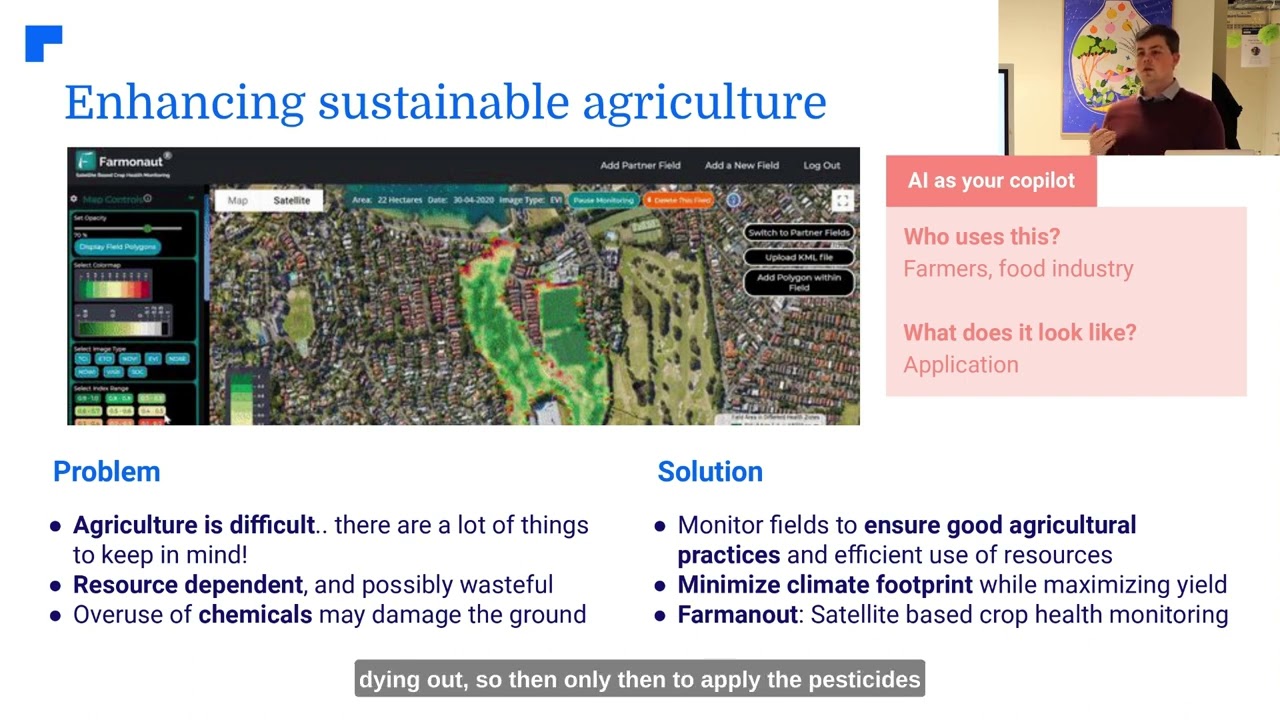
We at Farmonaut are committed to supporting businesses, governments, and communities in navigating the complex landscape of lithium and cobalt mining for 2025 and beyond. By harnessing advanced satellite technology, AI, and blockchain, our suite of tools is tailored for sustainable, data-driven decision-making in resource extraction.
-
Satellite-Based Resource & Environmental Monitoring:
- Real-time and historical satellite imagery to monitor mine sites, track deforestation, gauge water use, and assess land disruption.
- AI-powered analysis for early detection of environmental risks and operational inefficiencies.
-
Blockchain-Enabled Traceability:
- Ensuring ethical sourcing and transparent supply chains by recording each phase of mineral extraction and transit.
- Building trust with miners, refiners, OEMs, EV battery producers, and end-consumers worldwide.
-
Fleet & Resource Management:
-
Fleet management solutions
to optimize logistics, improve safety, and reduce fuel and energy usage across mining operations.
-
-
Environmental Impact Assessment:
- Track and manage carbon footprints for lithium and cobalt mining projects—aligning with international sustainability goals.
-
Support for Loan & Insurance Verification:
- Providing satellite-verified data to financial institutions for loans and insurance products for the mining sector to improve risk management and access to financing.
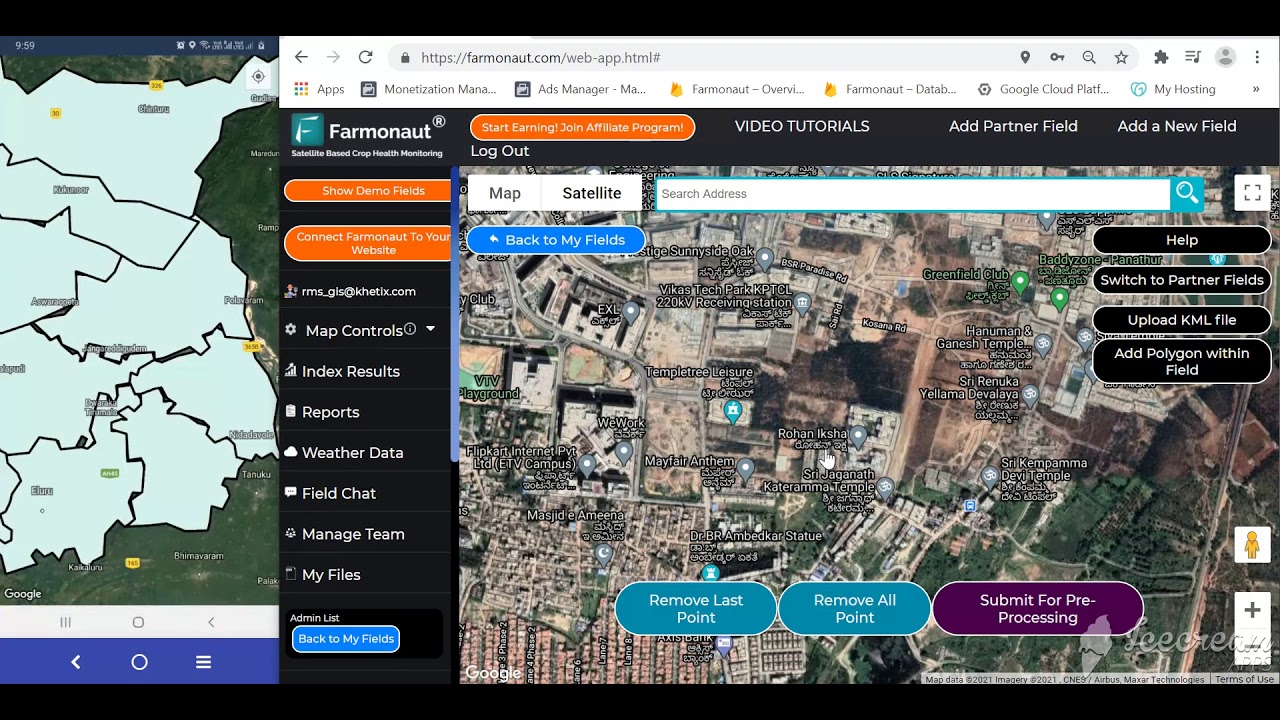
To experience satellite-driven monitoring and management, explore the Farmonaut web, Android, and iOS apps for real-time insights into your projects.




Access Farmonaut’s Mining & Environmental Intelligence API
Read Farmonaut API Developer Documentation
Economic and Strategic Development Considerations
The economic and strategic importance of lithium and cobalt mining cannot be overstated. In 2025, these minerals drive:
- National Resource Security: Countries like Australia (hard rock lithium) and Chile/Argentina (brine lithium) invest heavily in mining infrastructure, refining, and battery production.
- Geopolitical Competition: As global supply chains for batteries become more critical, governments seek to ensure domestic resources and reduce dependency on imports.
- Economic Diversification: Downstream processing (refining, battery assembly) brings valuable jobs and new industrial clusters, shifting local and national economies towards advanced manufacturing.
- Community Investment: Mining companies increasingly support local infrastructure, health, and education, recognizing the need for a “social license to operate.”
The future of lithium and cobalt mining will hinge on balancing growth with stringent environmental, social, and ethical standards—essential for stability and long-term prosperity.
The Road Ahead: Future Trends & Solutions for a Cleaner World
The 2025 landscape of lithium and cobalt mining is characterized by an urgent need to
reduce negative impacts while meeting the world’s insatiable energy and
technology demand. We anticipate several key trends:
- Accelerated Adoption of Clean Mining Techniques: DLE, solar-powered mining fleets, remote sensing for precision extraction, and advanced water treatment will become standard across new projects.
- Greater Circularity and Recycling: Recycling end-of-life batteries for lithium, cobalt, and other minerals will complement primary mining, easing pressure on virgin resources.
- Stricter Governance and Consumer Pressure: Supply chain transparency, ESG reporting, and certifications will be demanded by both regulators and ethically-minded end-users.
- Technological Innovations: Satellite analytics, AI-driven exploration and predictive maintenance, and blockchain traceability will be integral to efficient, sustainable mining.
- Community-Led Solutions: Genuine engagement with local communities will shape permits, approvals, and ongoing operations, ensuring that mining is responsible, inclusive, and beneficial for all.
As we move further into this decade, only those actors embracing sustainable development, innovative technology, and strong governance will thrive in lithium and cobalt mining and the broader clean energy transition.
Frequently Asked Questions About Lithium and Cobalt Mining (2025)
What are the main environmental concerns with lithium and cobalt mining?
Lithium and cobalt mining raises issues such as water depletion, land disruption, carbon emissions, worker safety risks, and biodiversity loss. Brine extraction of lithium can reduce local water supplies, while hard rock mining may lead to higher carbon emissions. Cobalt mining, particularly artisanal extraction in the DRC, often occurs without strong safety or environmental oversight.
How are companies making mining more sustainable in 2025?
Mining companies now use Direct Lithium Extraction (DLE) to reduce water use, apply solar and renewable energy to lower emissions, and implement blockchain technology for traceability. They also support land restoration and community engagement initiatives while working to formally include artisanal miners in ethical supply chains.
Why is the supply of cobalt so concentrated in the DRC?
The Democratic Republic of Congo contains more than half of the global cobalt deposits due to unique geological conditions. This concentration creates geopolitical and ethical sourcing concerns, especially as demand rises for use in EV batteries.
What role does Farmonaut play in the mining and environmental sector?
We at Farmonaut provide advanced satellite-based monitoring, environmental impact assessment, blockchain supply chain traceability, and real-time resource management tools. Our platform helps mining operators, governments, and communities make informed, sustainable decisions and track compliance with environmental standards.
Can lithium and cobalt be recycled instead of mined?
Yes, recycling is a rapidly expanding part of the supply chain. Old EV and electronics batteries can be processed to recover lithium, cobalt, and other minerals—reducing extraction pressure on the environment and improving overall sustainability.
Where can I learn more about responsible mining products?
Check our product traceability solutions for ethical sourcing, and our carbon footprinting tools for automated emissions tracking and environmental compliance in mining.
Summary: The Strategic Importance and Challenges of Lithium and Cobalt Mining in 2025
Lithium and cobalt mining remains a cornerstone of our collective journey towards a cleaner, more technologically advanced world. As indispensable ingredients for rechargeable batteries powering EVs, renewable energy storage, and portable electronics, these minerals are both critical and complex.
- Growing demand is straining extraction capacities and raising environmental and social challenges worldwide.
- Key regions like Chile, Argentina, Bolivia, Australia, and the Democratic Republic of Congo are at the forefront, shaping global supply chain stability and ethical standards.
- Innovative extraction techniques, satellite monitoring, and blockchain are driving positive change, with a focus on reducing water use, limiting environmental impact, and enforcing traceability.
- Future success will depend on further technological advancement, sustainable practices, stakeholder collaboration, and robust policy frameworks.
At Farmonaut, we support the mining sector and all stakeholders committed to responsible, equitable, and sustainable resource extraction—an imperative for economic growth and a stable, greener future.
Explore Further:
Mine Fleet Management |
Product Traceability |
Carbon Footprinting |
Mining Loan Insurance Verification

 SMA Investments Ltd
 NTS Group (Pty) Ltd
 Mine4Africa
 Lithspo Minerals Limited
 Tintina Mining Group
 Dalgety Minerals Pty Ltd
 Vortex Minerals Pty Ltd
 Faith At Work (Pty) Ltd
 Geotech Mining Solutions plc
 Vulcan International Limited
 Kidepo Associates
 GKY Mining
 Alkimy SARL
 Double A Trading
 GemSprout Metals Limited
 Qader Group
 Ileys General Trading
 SG Gold Mining LLC
 VRV Global Pte Ltd
 Omsri International FZE
 G.I.T.T.
 Jaunita Erss Ltd
 Almosi SARL
 SRK Consulting
 Berks Gold Limited
