

Benefits of Rock Crushing in Mining: Key 2025 Advances
In the rapidly evolving mining industry, the benefits of rock crushing in mining cannot be underestimated. As we approach 2025, innovative crushing process in mining and next-generation crusher technologies continue to transform how minerals are extracted, processed, and transported. These technological advances are not just about increasing throughput or reducing operational costs; they are reshaping entire processes to achieve far higher efficiency, promote sustainability, and minimize the environmental impact of operations.
Understanding the crushing process in mining is vital for all stakeholders aiming to optimize mining activities—including site managers, engineers, technology providers, and government bodies. This comprehensive guide explores how advancements in crushing technology are unlocking productivity gains, reducing waste and resource consumption, and driving best practices in environmental management—providing a competitive edge amid growing regulatory and market concerns.
Understanding the Crushing Process in Mining
Crushing process in mining is a fundamental and imperative step for effective ore extraction and mineral beneficiation. Raw rocks—often large and irregular—are systematically broken into smaller, more manageable pieces. This sequence of size reduction is not only essential for the efficiency of other downstream processing stages (such as grinding and flotation), but it also raises the surface area for mineral liberation, leading to improved recovery of valuable minerals.
Key Steps in the Crushing Process
-
Primary Crushing:
The initial phase where boulders and large rocks (often bigger than 1,000 mm) are reduced to approximately 150–200 mm via jaw crushers or gyratory crushers. -
Secondary Crushing:
Involves cone crushers, impact crushers, or other crushing equipment to further reduce material size to 25–30 mm. -
Tertiary and Finer Crushing:
Specialized units or vertical shaft impactors (VSI crushers) produce finer material (down to mm-size particles), ensuring high-efficiency in grinding and separation downstream.
Modern crushing systems incorporate automation and intelligent controls to continuously adjust parameters according to ore characteristics, thus maximizing throughput and minimizing equipment downtime.

Why mines crush rock before grinding
Crushing is cheap compared with what comes next. In the US Department of Energy’s mining energy bandwidth study, grinding was the single largest energy user in US mining at about 40% of the total, while crushing took about 4% (US DOE, Mining Industry Energy Bandwidth Study). Worldwide, crushing and grinding together use about 1.8% of all electricity generated, according to the Coalition for Eco-Efficient Comminution.
That gap drives most crushing decisions in a mine:
- Smaller mill feed means less grinding. Every centimetre removed by a crusher is work the mill does not have to do at much lower efficiency.
- Liberation starts here. Breaking rock exposes mineral grains so later flotation, leaching or gravity steps can reach them.
- Conveyors need sized rock. A primary crusher at or near the pit lets ore travel by belt rather than by truck.
- Blasting and crushing are linked. Better fragmentation from the blast lowers crusher energy and wear, which is why many mines manage drilling, blasting and crushing together.
The trade-off is wear and maintenance: crusher liners, mantles and jaw plates are consumables, and hard, abrasive ore shortens their life.
Types of Crushers and Their Role in Mining Operations
The selection of crusher types is dictated by ore hardness, moisture content, required particle size, and the desired throughput. Modern mining operations deploy a strategic combination of crushing technologies to maximize benefits at each stage.
Common Crusher Types Used in Mining
- Jaw Crushers
- Excellent for primary crushing of hard and abrasive rocks.
- Can handle large feed sizes and frequent shock loading.
- Gyratory Crushers
- Ideal for continuous operation in large-scale mines. High capacity and throughput.
- Mainly used for primary crushing of hard, abrasive materials.
- Cone Crushers
- Common in secondary and tertiary crushing. Suited for processing medium-hard to hard rocks to produce a finer size.
- Offers reliable, efficient performance in modern mining.
- Impact Crushers
- Particularly valuable for softer or less abrasive materials. Excellent for shaping and producing uniform end material.
- Used in stages requiring precise material reduction and sizing control.
- High-Pressure Grinding Rolls (HPGR)
- Next-gen energy-efficient units increasingly favored in 2025 for their ability to significantly reduce energy requirements during size reduction.
- Excellent for circuit optimization and environmental stewardship.

Why Proper Crusher Selection Matters
Selecting the correct crusher for each process phase ensures:
- Efficient material flow
- Reduced operational costs and energy consumption
- Minimized waste and enhanced resource utilization
- Higher throughput rates, improved productivity, and effective waste separation
Key Benefits of Rock Crushing in Mining (2025 Advances)
The key benefits of rock crushing in mining in 2025 include heightened efficiency, lowered energy usage, increased production capacity, better resource optimization, and strong environmental standards compliance.
1. Improved Mineral Recovery and Processing Efficiency
- Enhanced liberation of valuable minerals from the host matrix by increasing exposed surface area
- Higher recovery rates in subsequent processing steps (e.g., grinding, flotation, beneficiation)
- Minimizes the volume of hard-to-process oversize material, leading to lower grinding power needs and operational costs
2. Increased Production Capacity & Throughput
- Advanced, automated crushers offer continuous operation and rapid adaptation to varying feed and ore types
- Enables mine operations to achieve production targets efficiently and adapt quickly to market demand
3. Reduction in Energy Consumption & Environmental Footprint
- High-pressure grinding rolls (HPGR) can use less energy than conventional tumbling mills on hard, competent ores; the saving depends on the ore and the circuit
- Directly reduces the carbon footprint, helping mining operations align with sustainability and ESG requirements
- Supports Green Mining initiatives and regulatory compliance
4. Enhanced Safety and Workplace Environment
- Modern crushing units feature smart automation such as:
- Automated shutdowns and overload protection
- Comprehensive dust suppression and extraction systems
- Remote operation and monitoring, which minimize personnel exposure to hazards
- Contributes to reduced health risks and a safer workplace environment
5. Resource Optimization & Waste Reduction
- Enables precise size control—only material suited for further processing moves forward
- Reduces unnecessary grinding and waste handling
- Helps conserve energy and minimize waste, reducing environmental cleanup and land remediation costs
6. Adaptability to Varying Ore Types and Feed Conditions
- Next-generation equipment adapts in real time to changes in ore properties, ensuring consistent output quality and reduced downtime
7. Scalability and Mobile Crushing
- Compact, mobile crushing units support on-site processing with reduced haulage needs, lowering both operational costs and emissions
As regulations tighten and sustainability becomes non-negotiable, these benefits are not just desirable—they are essential for success.
Benefits of on-site rock crushing
Outside mining, contractors often bring a mobile crusher to a quarry face, road job or demolition site instead of trucking rock or rubble away. The benefits people usually weigh:
- Fewer truck trips. Material is crushed where it lies and reused on site, which cuts haulage cost, fuel and road wear.
- Reuse of demolition waste. The US EPA notes that brick, concrete and masonry can be recycled on site as fill, subbase or driveway bedding. Of the 600 million tons of US construction and demolition debris generated in 2018, just over 455 million tons went to a next use, mostly as aggregate (US EPA).
- Lower disposal costs. Less material goes to landfill, so tipping fees fall.
- Control over supply. The contractor can produce the grade of aggregate needed when it is needed.
On-site crushing needs space, dust and noise controls, and local permits. Recycled aggregate must also be tested to the project specification before it is used in structural layers.
Comparative Table: 2025 Crushing Technology vs Traditional Methods

Farmonaut’s Role in Mining Resource Optimization & Environmental Impact
At Farmonaut, our data-driven insights and satellite monitoring platform help mining stakeholders harness the full benefits of rock crushing in mining while balancing efficiency, safety, and environmental sustainability. Leveraging remote sensing, AI, and real-time analytics, we empower decision-makers to optimize resource utilization, predict waste accumulation zones, and track environmental footprint across mine sites.
- Satellite-Based Monitoring: Provides seamless mine site visibility, enabling precise planning for crushing systems and equipment.
- Jeevn AI Advisory System: Delivers actionable recommendations for crushing process optimization and throughput maximization.
- Environmental Impact Monitoring: Offers real-time carbon footprint tracking for mining and crushing operations—supporting regulatory compliance and sustainability.
- Fleet & Resource Management: Our fleet management platform ensures the efficient deployment of hauling trucks and crushing units across vast or remote mines, reducing operational costs.
- Blockchain Tech: Supports traceability of mined outputs, aiding process quality and transparent reporting for stakeholder and market trust.
- Loan & Insurance Verification: Facilitates satellite-based asset verification for mine loan/insurance access, expediting financial processes and reducing fraud.
Our services, available via web & mobile apps and robust APIs, make it easier for mining operators to deploy leading technology and data solutions at any stage of the mining value chain. We are committed to transparency, affordability, and sustainability for the mining industry globally. Developers and businesses can harness our developer-friendly documentation for custom integrations.



Future Advances: Mining, Crushing, and Sustainability in 2025 & Beyond
The future of rock crushing in mining is digital, data-driven, and sustainable. Let’s explore the technologies and trends shaping the industry in 2025 and beyond:
Artificial Intelligence & Automation
- AI analytics adapt crusher parameters in real time to feed composition and hardness, maximizing throughput and minimizing energy consumption.
- Predictive maintenance using vibration, temperature and power sensors can reduce unplanned downtime and liner changeouts.
- Automation allows operations to quickly respond to changing demand, market cycles, and mining activities without costly restructuring.

Mobility, Distributed Processing, and ESG
- Mobile and modular crushing units bring the crushing process closer to the extraction point—reducing waste, haulage emissions, and supporting more nimble mining activities.
- Environmental, Social, and Governance (ESG) standards are no longer optional; carbon footprint, waste, and safety metrics must be monitored and reported.
- Farmonaut’s carbon footprinting solutions provide actionable oversight for ESG compliance.
Sustainability and Waste Valorization
- Emphasis on repurposing waste materials—what was once tailings or overburden can be converted into construction aggregate or mineral by-products through calibrated crushing.
- Traceability tools (learn about blockchain traceability) ensure mining resources are extracted and processed responsibly for market trust.
Smarter Decision Making & Real-time Insights
- Advanced satellite monitoring and AI (see: Farmonaut) allow managers to monitor, diagnose, and respond to crushing process shifts instantly, driving optimization.
- API integrations (Farmonaut API) make data-driven mining possible on any scale.

Explore Farmonaut Apps, APIs, and Mining Resource Management Tools
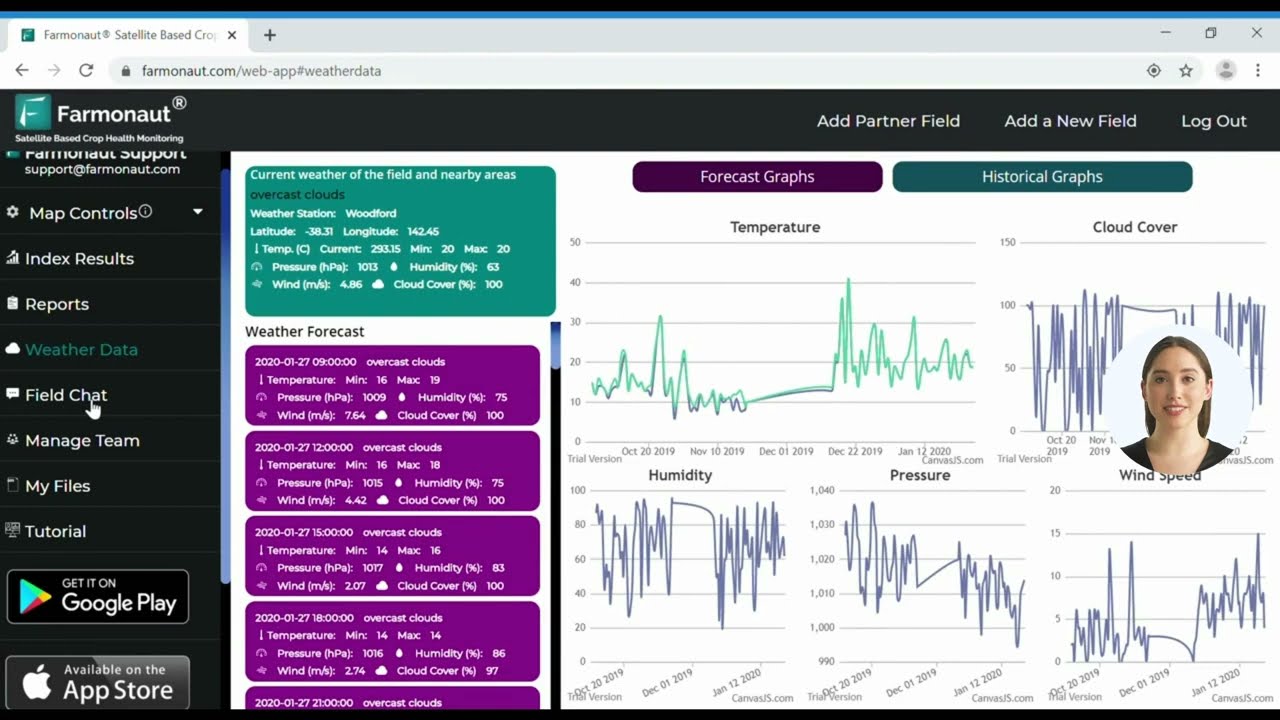
Farmonaut makes satellite-driven mining actionable for businesses and individuals worldwide. Access real-time insights and manage resources with:
- Farmonaut Web & Mobile Apps: Unlock powerful dashboards for mining site monitoring, environmental tracking, and asset management. Try the Farmonaut App.
- API for Developers: Ready integrations for custom analytics tools — see the Farmonaut Mining API and API Documentation.
- Fleet Management: Optimize movement of mining trucks and crushing equipment using our fleet management system for mining and infrastructure.
- Traceability: Bring blockchain-enabled transparency to mineral supply chains with Farmonaut Traceability solutions.
- Environmental Monitoring: Get compliance-ready with carbon footprint tracking for crushing and mineral processing operations.

Frequently Asked Questions (FAQ)
1. What are the main benefits of rock crushing in mining in 2025?
The primary benefits of rock crushing in mining in 2025 include improved mineral recovery, higher processing efficiency, lower operational and energy costs, enhanced production capacity, greater environmental sustainability, and increased safety in mining operations.
2. How has crushing technology evolved for mining operations?
Crushing technology now incorporates AI-driven automation, intelligent sensors, high-pressure grinding rolls (HPGR), and mobile on-site units. These advances enable adaptive crusher settings, predictive maintenance, and a sharp reduction in waste, energy consumption, and environmental impact compared to traditional systems.
3. Why is size reduction essential before mineral processing?
Size reduction via crushing exposes more mineral surfaces, facilitating effective separation, higher yield during beneficiation, and lower energy demand in grinding, one of mining’s most resource-intensive steps.
4. How does rock crushing help in reducing a mine’s environmental footprint?
Efficient and targeted crushing ensures that only material optimal for extraction is processed, minimising unnecessary energy use and associated emissions. Dust and noise are controlled via smart suppression systems, and waste volumes are reduced, supporting sustainability goals.
5. What role does Farmonaut play in supporting crushing process optimization?
At Farmonaut, we deliver satellite-based mining analytics, AI advisories, and real-time resource management tools—empowering operators to monitor, optimize, and scale crushing process efficiency while meeting ESG and sustainability targets.
6. How can developers and enterprises automate crushing analytics?
By integrating Farmonaut’s APIs, businesses can build analytics dashboards, get automated alerts, and synchronize data from crushers and site monitoring for smarter, more timely decisions.
7. Can rock crushing units be moved as per mining requirements?
Yes. Modern mobile crushing units in 2025 are designed for rapid redeployment across different sites, bringing the crushing process closer to ore extraction and reducing environmental and transport costs.
8. What app-based solutions does Farmonaut offer for mining?
Our Farmonaut mobile and web apps deliver satellite-driven mining analytics, site monitoring, resource verification for loans/insurance, and comprehensive environmental impact reporting.
Conclusion: Rock Crushing Powers Responsible Mining
In the mining industry, the benefits of rock crushing in mining are more pronounced than ever in 2025. Crushing process in mining has been transformed by technological advancements such as smart automation, AI, mobile crushing units, and real-time analytics. This transformation drives higher efficiency, reduces costs, supports sustainability, and enables compliance with a growing array of environmental and market requirements.
For mining operators, engineers, and industry stakeholders, the modern era offers new avenues for optimization—from resource management and safer workplace environments to transparent supply chains and reduced carbon footprints. Leveraging advanced solutions, such as those provided by Farmonaut, ensures that mining businesses remain competitive, responsible, and future-ready in an era of increasing demand and accelerating regulatory oversight.
Take your mining operations to new heights in 2025:
- Adopt next-generation crushing technologies for productivity and sustainability
- Harness real-time monitoring and AI insights to optimize processes
- Prioritize environmental stewardship and regulatory compliance
- Use Farmonaut apps and APIs to power smarter, safer, and greener mining
Start your journey with Farmonaut Web & Mobile Apps or Farmonaut’s Mining API today!
Rock crushing remains a cornerstone in mining—one that, with the right technology, lays the foundation for a sustainable, efficient, and responsible mining industry in 2025 and beyond.

 Ileys General Trading
 SG Gold Mining LLC
 VRV Global Pte Ltd
 Omsri International FZE
 G.I.T.T.
 Jaunita Erss Ltd
 Almosi SARL
 SRK Consulting
 Berks Gold Limited
 Mwerezi Minerals Company Limited
 Mining SARL
 SenGold Invest SAS
 Sean Mining Limited
 NTS Group (Pty) Ltd
 Mine4Africa
 Lithspo Minerals Limited
 Tintina Mining Group
