

Cybersecurity for Mining: 7 Powerful Strategies for 2025
Meta Description: Cybersecurity for mining in 2025 is crucial. Discover 7 powerful strategies to protect mining operations, systems, and digital assets from evolving cyber threats. Safeguard productivity, safety, and reputation with advanced technologies and best practices.
“By 2025, over 60% of mining companies will adopt AI-driven cybersecurity to combat evolving digital threats.”
Cybersecurity in Mining: Safeguarding the Future of a Critical Industry in 2025
As we stand on the threshold of 2025, cybersecurity for mining emerges not only as a technological necessity but as a mission-critical priority for the global mining industry. The sector is witnessing a digital revolution with deeply interconnected systems, an increasingly automated workforce, and a landscape dominated by advanced technologies such as the Internet of Things (IoT), autonomous machinery, cloud computing, and AI. While these advances deliver unprecedented efficiency and improved safety, they simultaneously open new risks, increasing the attack surface for sophisticated cybercriminals targeting operational, physical, and digital assets.
This blog explores the importance of robust cybersecurity measures in mining operations and delves into 7 powerful strategies that will define successful resilience in 2025 and beyond. We spotlight industry best practices, regulatory compliance, emerging cyber threats, and forward-thinking solutions—including how organizations like Farmonaut support digital transformation in mining with advanced, secure, and sustainable business intelligence tools.


The Imperative for Cybersecurity in Mining
The mining sector has always prioritized safety, operational efficiency, and resource management. However, the transition toward digitized and automated operations—marked by the integration of everything from digital control systems to cloud-based asset management—makes cybersecurity in mining a non-negotiable aspect of doing business.
The importance of cyber security mining is underscored by:
- Complex Digital Infrastructures: Modern mines now depend on integrated systems for controlling drilling rigs, conveyor belts, ventilation, and asset monitoring.
- Expanding Attack Vectors: IoT devices, autonomous machinery, third-party software, and external contractor access collectively create numerous points for attack.
- Operational Stakes: Every minute of downtime in production—potentially caused by cyberattack—can cost millions in lost revenue and irreparably damage brand reputation.
- Environmental and Human Risks: Severe breaches could manipulate critical control systems, causing hazardous spillages, structural failures, or endanger human life.
- Regulatory Pressures: Compliance with national and international cybersecurity frameworks is increasingly being mandated for the protection of critical infrastructure sectors worldwide.

Discover how Farmonaut’s blockchain-based traceability solution is elevating the transparency and security of the mining supply chain by enabling secure, tamper-proof records of mineral origin.
Common Cyber Threats Facing Mining Operations
Cybersecurity for mining is intensely challenged by a rapidly evolving threat landscape, especially as mining operations become ever more digitized, automated, and interconnected through advanced technologies. Understanding the most common cyber threats is the foundation of effective cybersecurity strategies for 2025 and beyond.
1. Ransomware Attacks
- Cybercriminals target mining organizations, seeking to lock access to critical systems—often disabling production line equipment, SCADA controls, and key business databases.
- Operational downtime from ransomware can halt revenue generation, disrupt supply chains, and lead to severe financial losses.
- Firms may experience reputational damage if news of the breach becomes public, impacting stakeholder trust.
2. Supply Chain Vulnerabilities
- Mining companies depend on a vast ecosystem of suppliers, outsourced IT solution providers, and contractors.
- Any breach in these interconnected partners could compromise core operational systems, highlighting the ripple effect of modern cyber threats.
- Global examples in 2023 demonstrated how supply chain attacks can lead to data leaks or malware propagation deep into mining IT systems.
3. Industrial Control Systems (ICS) Exploits
- Industrial Control Systems (ICS) and SCADA platforms control physical processes in mining, including ore extraction, resource management, and safety environments.
- Attacks on ICS or OT networks can result in the manipulation of physical equipment, halting operations or even causing catastrophic safety incidents.
- Physical consequences—such as accidental explosions or toxic releases—underscore the seriousness of these exploit risks.
4. IoT Device Insecurities
- The Internet of Things (IoT) has revolutionized operational monitoring in mining (e.g., smart sensors tracking structural stability, real-time production, or environmental impact).
- Many IoT devices are deployed without sufficient security policies, making them prime gateways for intrusions.
- Breached devices can serve as launchpads for lateral attacks or data exfiltration.
“Mining cyberattacks increased by 25% in 2023, highlighting the urgent need for advanced security strategies.”
5. Cloud Computing Risks
- Cloud adoption for centralized data management and AI-powered analytics offers multiple business advantages but also introduces new attack vectors.
- Improperly configured cloud storage or weak access policies result in data breaches, leaking operationally sensitive or commercially confidential information.
6. Insider Threats
- Human error, disgruntled employees, or malicious contractors can become insiders, either unintentionally causing breaches or deliberately sabotaging systems.
- Best practices emphasize employee training and the principle of least privilege to minimize this risk.
7. Social Engineering
- Attackers increasingly use sophisticated phishing, spear-phishing, and pretexting campaigns to steal credentials or dupe staff into unwittingly granting unauthorized access to critical systems.
- Regular security awareness and simulated attacks are vital to counter social engineering threats.

For mining enterprises seeking to track, secure, and optimize logistics and equipment usage efficiently, Farmonaut’s fleet management platform offers powerful solutions for digital operational resilience.
Cybersecurity for Mining: 7 Powerful Strategies for 2025
Seeing the increasing intensity and sophistication of cyber threats in mining, a holistic, multi-layered approach to security is paramount. Here, we break down seven strategies that promise to reshape how mining companies safeguard their systems, digital assets, and operational safety in 2025 and beyond.
1. Comprehensive Risk Assessment
Mining organizations must continuously assess both IT and operational technology (OT) environments to identify vulnerabilities.
A modern risk assessment program includes:
- Asset Inventory: Catalog all devices, systems, cloud resources, and software in use, including third-party and IoT assets.
- Threat Modeling: Map out potential adversaries, attack vectors, and critical control points within operations.
- Continuous Monitoring: Deploy AI-driven monitoring tools to detect configuration drift, unpatched vulnerabilities, or anomalous activity.
Effective risk assessment helps mining companies not just identify risks but prioritize strategic investments and response plans based on the most pressing threats.

Environmental regulatory compliance is easier with Farmonaut’s carbon footprint monitoring platform, helping mining operations track and reduce emissions through real-time satellite data.
2. Segmentation of IT and OT Networks
A key best practice is strict segmentation between traditional IT infrastructures (enterprise applications, HR systems, email) and critical OT networks (industrial controllers, SCADA, production lines).
- Prevent lateral movement of attackers from less protected IT segments into high-value OT environments.
- Implement firewalls, secure gateways, and data diodes between networks.
- Use micro-segmentation within OT to further contain threats.
This segmentation dramatically limits the blast radius if an IT breach occurs, ensuring operational continuity and securing critical devices.
3. Endpoint Security and Device Authentication
With countless IoT sensors and networked devices monitoring every aspect of mining operations, every endpoint can be a point of vulnerability.
- Utilize strong authentication mechanisms for all devices—deploy unique credentials, certificate-based authentication, and enforce multi-factor authentication (MFA) wherever possible.
- Implement endpoint detection and response (EDR) tools to monitor, isolate, and neutralize compromised endpoints quickly.
- Zero-trust approaches ensure that no device, whether corporate or vendor-supplied, should “trust” the network by default.
This approach reduces potential for device-level breaches and uncontrolled lateral movement.
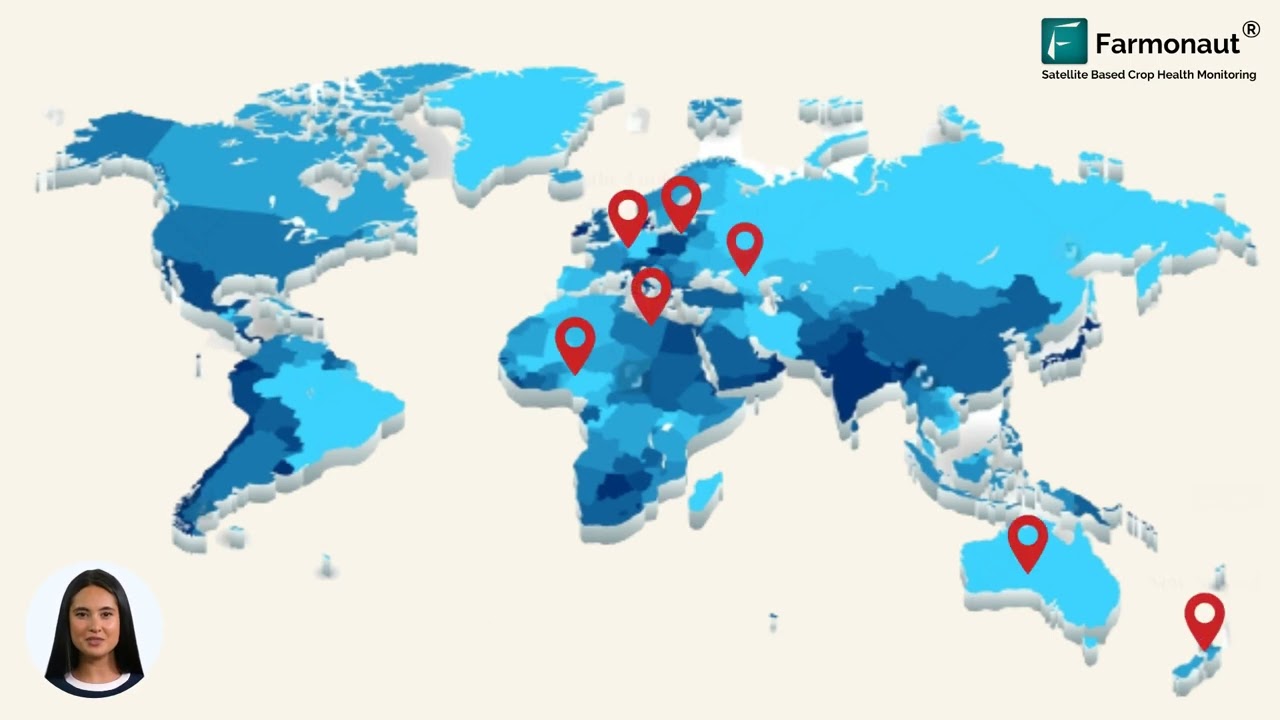
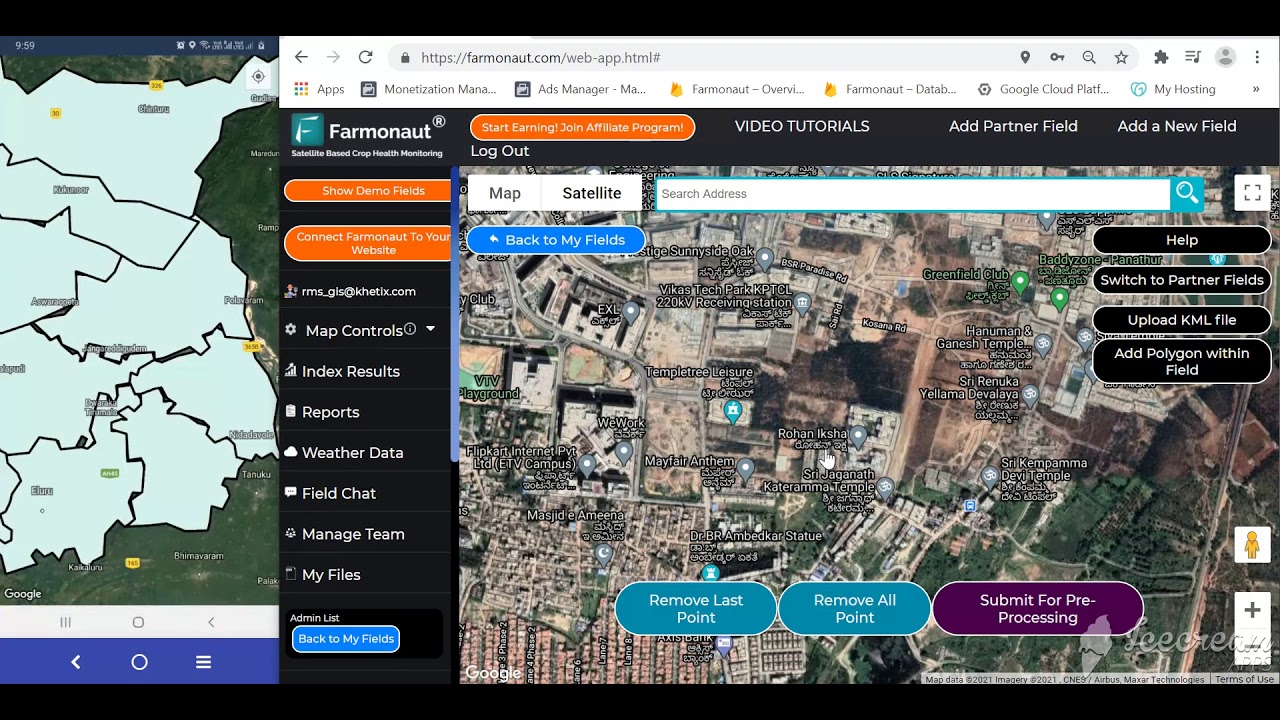
Farmonaut’s real-time monitoring solutions—available through both API and mobile/web apps—help address endpoint security by providing continuous visibility of critical resources.
4. Continuous Monitoring and AI-Driven Incident Response
Modern cyber security mining strategies demand more than passive defense. They require real-time awareness, adaptability, and rapid response.
- Utilize Security Information and Event Management (SIEM) systems integrated with machine learning to detect subtle, multi-stage attacks.
- Leverage AI for pattern recognition, anomaly detection, and automated containment actions to reduce human response lag.
- Create robust incident response playbooks updated regularly for new threat scenarios.
In 2025, AI-powered security orchestration will be indispensable for safeguarding interconnected mining operations.

5. Employee Training, Awareness, and Human Factor Management
Human error remains a common cause of cyber breaches. Training and culture-building ensure all personnel—from C-suite to field operators—are partners in security rather than weak links.
- Periodic awareness programs highlight new phishing tactics, device hygiene, and reporting mechanisms.
- Simulated phishing campaigns and tabletop exercises increase resilience to social engineering attacks.
- Role-based security protocols ensure least-privilege access to critical systems and sensitive digital assets.
A well-educated workforce dramatically improves overall security posture in mining environments.
6. Third-Party Risk Management and Cyber Supply Chain Controls
Mitigating risks originating from third-party vendors and suppliers has become a top priority in mining cybersecurity.
- Require all vendors to meet your compliance standards and provide regular evidence of security controls.
- Conduct regular security audits, penetration tests, and risk assessments of your entire supply chain ecosystem.
- Continuously monitor for software vulnerabilities or supply chain backdoor exploits.
Securing these dependencies is key to building a resilient, end-to-end digital ecosystem.
7. Regulatory Compliance and Security Framework Alignment
Adhering to frameworks and standards aligned with mining’s critical infrastructure status is now compulsory in many regions.
- Implement global frameworks like NIST CSF and ISO/IEC 27001 for holistic risk management, security controls, and continuous improvement.
- Stay updated on national directives targeting mining, such as new data privacy, OT security, and incident disclosure laws.
- Use compliance as both shield (from penalties) and signal (of trustworthiness) to your customers and supply chain partners.
Continuous compliance fortifies digital trust and sustains a mining company’s competitive edge.

Reducing risk for miners and lenders, Farmonaut’s satellite-based verification for crop loans & insurance is paving the way for secure, fraud-resistant financing.


Strategy Impact Comparison Table
| Strategy Name | Description | Primary Benefit | Estimated Implementation Difficulty | Projected Threat Reduction (%) |
|---|---|---|---|---|
| Comprehensive Risk Assessment | Identification & prioritization of vulnerabilities within IT, OT, and digital environments | Enables targeted mitigation and proactive planning | Moderate | 40–60% |
| Segmentation of IT & OT Networks | Strict separation of business and industrial networks to limit attack spread | Containment of breaches; protects critical equipment | Moderate | 45–65% |
| Endpoint Security & Device Authentication | Strong and zero-trust controls for all connected devices and endpoints | Blocks unauthorized access, reduces insider risk | Hard | 50–70% |
| Continuous Monitoring & AI-Driven Incident Response | Real-time threat detection and automated response with AI/ML | Faster mitigation of emerging and sophisticated threats | Hard | 55–75% |
| Employee Training & Awareness | Ongoing staff education on cyber risks and best practices | Minimizes phishing/social engineering risks | Easy | 25–40% |
| Third-Party Risk Management | Active assessments and controls for partners and suppliers | Addresses vulnerabilities across supply chain | Moderate | 35–50% |
| Compliance & Security Frameworks | Alignment with global standards (NIST, ISO, sector-specific) | Reduces legal, regulatory, and business risks | Moderate | 30–60% |
Manage mining operations securely and efficiently with Farmonaut’s large scale field mapping & monitoring tools, designed to support operational excellence and cyber-resilient resource management in 2025.
Enhance sustainability and environmental monitoring with Farmonaut’s AI-based crop plantation and forest advisory system — actionable intelligence for land restoration and natural resource safety.
Cybersecurity for Mining: The Road Ahead
As we look toward 2025 and beyond, the criticality of cybersecurity in mining can no longer be ignored or relegated to IT teams alone. Rather, security must become foundational to every project, operational process, device deployment, and business partnership in the mining sector. Proactive cyber security mining strategies—built upon rigorous assessment, advanced monitoring, digitized compliance, and robust human factors—will ensure that the world’s mineral supply remains safe, continuous, and resilient.
New waves of cyber threats—from nation-state adversaries to organized cybercriminals—will continue to emerge alongside the advantages brought by digital transformation and automation. And while technology such as Farmonaut’s satellite-driven intelligence exemplifies the next generation of digital resource management, the ultimate shield is a culture of vigilant, adaptive, and compliant cybersecurity practice across every layer of the mining value chain.
Why Mining Leaders Must Prioritize Cybersecurity in 2025
- Value protection: Avoiding costly cyberattacks that can halt production and destroy assets is critical to preserving both tangible assets and stakeholder trust.
- Operational continuity: Resilience in the face of ransomware, ICS attacks, or supply chain disruptions requires layered defense and rapid incident response.
- Regulatory compliance: Proactive adherence to cybersecurity frameworks demonstrates responsible stewardship of critical resources and builds confidence with partners, investors, and regulators.
By embracing a future-forward, technology-powered, and people-driven approach, the mining industry can transform cybersecurity from a risk avoidance measure into a source of innovation and leadership in the digital era.
FAQ: Cybersecurity for Mining
What is cyber security mining and why is it important?
- Cyber security mining refers to the protection of mining operations, systems, devices, and digital assets from cyber threats, breaches, and attacks. In 2025, it is especially important as mining becomes more digitized and interconnected, exposing operations to new risks that can disrupt production, harm safety, and cause financial or reputational damage.
How are IoT and autonomous machinery affecting mining cybersecurity in 2025?
- IoT sensors and autonomous machinery enhance efficiency, monitoring, and data-driven decision-making in mining. However, they also introduce new vulnerabilities, as unsecured devices can be exploited as gateways for cybercriminals to access critical systems or cause production shutdowns.
What best practices are recommended for endpoint security in mining?
- Best practices include enforcing zero-trust principles, using unique and strong authentication for every device, regular software updates, enabling endpoint detection and response (EDR) tools, and immediate isolation of any suspicious device from the network.
Which regulatory frameworks are most relevant to cybersecurity for mining?
- Frameworks such as NIST Cybersecurity Framework, ISO/IEC 27001, and industry-specific standards are crucial for compliance. These frameworks help mining organizations structure their risk assessment, incident response, and security governance in line with best-in-class requirements.
How can Farmonaut’s solutions support mining cybersecurity?
- We at Farmonaut offer a suite of satellite-driven platforms and APIs that provide secure, real-time operational monitoring, blockchain-based product traceability, environmental impact tracking, and fleet management. These tools help mining companies maintain digital oversight, enforce compliance, and respond promptly to cyber or operational anomalies—safeguarding assets and ensuring regulatory readiness.
In conclusion, the shift to digitized, interconnected, and cloud-based mining in 2025 brings opportunities and risks in equal measure. Only through the strategic adoption of advanced cybersecurity strategies, backed by continuous improvement and transparent technology partners like Farmonaut, can the mining industry guarantee a safe, resilient, and prosperous digital future.

 Comfix & Engineering Limited
 Congo Mining Solutions
 Mining SARL
 SenGold Invest SAS
 Sania Corporation
 Sean Mining Limited
 NTS Group (Pty) Ltd
 Mine4Africa
 Lithspo Minerals Limited
 Tintina Mining Group
 Dalgety Minerals Pty Ltd
 Vortex Minerals Pty Ltd
 Faith At Work (Pty) Ltd
 Geotech Mining Solutions plc
 Vulcan International Limited
 Kidepo Associates
 GKY Mining
 Alkimy SARL
 Double A Trading
 GemSprout Metals Limited
 Qader Group
