

Dysprosium Wind Turbines: Rare Earth Metals Breakthroughs for 2025 and Beyond
“Dysprosium improves wind turbine magnets, increasing energy efficiency by up to 15% in next-generation renewable power systems.”
Table of Contents
- Introduction: The Pioneering Role of Dysprosium Wind Turbines
- Rare Earth Wind Turbines: The Backbone of Modern Clean Energy
- Magnet Technology in Wind Turbines: Why Dysprosium Matters
- Rare Earth Metals Utilization in Wind Turbines: 2025 Outlook 📊
- Mining Advances and Infrastructure for Rare Earth Metals
- Sustainable Mining & Environmental Strategies: Innovations for 2026+
- Beyond 2025: Future Research and Material Alternatives
- Farmonaut’s Contributions: Satellite Solutions for Energy, Mining & Infrastructure
- FAQs: Dysprosium Wind Turbines & Rare Earth Metals
- Conclusion: Thriving Toward Sustainable Wind Power
Introduction: The Pioneering Role of Dysprosium Wind Turbines
The global drive toward clean energy is rapidly intensifying as we approach 2026 and beyond, setting the stage for wind power to continue its charge toward sustainable, resilient infrastructure. This transition is intimately linked to the crucial role played by rare earth metals wind turbines—specifically the use of dysprosium in enhancing the performance and reliability of wind turbine technology.
In this comprehensive blog, we explore how dysprosium wind turbines and rare earth elements underpin the fundamentals of modern renewable energy. We’ll delve into mining advancements, sustainability measures, supply dynamics, and the future trajectory shaping renewable sector outcomes for 2025 and beyond, including the intersection with mining and infrastructure.
Join us as we investigate the significance of dysprosium: its role in permanent magnets, its pivotal place in offshore and onshore turbines, and the innovations within mining, processing, and sustainable management propelling the next era of wind power.

Dysprosium and Rare Earth Metals in Wind Turbines: Pioneering Sustainable Energy in 2025
As the world faces rising demand for sustainable solutions, the integration of rare earth metals—especially dysprosium—into wind turbines has become essential. These developments are reshaping the energy landscape, making wind a more viable and scalable option for countries around the globe, from Canada’s rare earth-rich soils to arid inland sites in Central Asia.
Rare Earth Wind Turbines: The Backbone of Modern Clean Energy
Rare earth metals wind turbines refer to wind generators that deploy magnets and components utilizing rare earth elements such as dysprosium, neodymium, terbium, and praseodymium. These metals form the core of the NdFeB (neodymium-iron-boron) magnet alloys widely used in gearless direct-drive turbines.
- Magnetic properties: Rare earth elements endow turbines with high energy density, stable magnetism at high temperatures, and strong resistance to demagnetization.
- Power efficiency: Magnets made from NdFeB alloys, with dysprosium as a key ‘dopant’, are vital in enabling compact, lightweight generators to produce significant amounts of electricity—even as blade sizes and energy throughput increase in the latest wind farms.
- Harsh environment operation: The thermal stability conferred by dysprosium is especially crucial for offshore wind turbines, arid inland installations, and regions with significant temperature fluctuations that could otherwise degrade magnet performance.
By leveraging these advanced materials, rare earth metals wind turbines have become the backbone of modern renewable energy infrastructure, enabling enhanced reliability, simplified maintenance, and improved economics across all deployment scales.

Magnet Technology in Wind Turbines: Why Dysprosium Matters
Let’s unravel the critical importance of dysprosium for today’s and tomorrow’s wind turbine technology:
1. Dysprosium: The Essential Component for Permanent Magnets
Dysprosium is a rare earth metal found in limited abundance. Its primary use in wind energy emerges within NdFeB magnets. Here’s why it matters:
-
High-temperature resilience: Dysprosium, when alloyed with neodymium in NdFeB magnets, allows these critical components to maintain magnetic strength even under high thermal stress
(between 80°C-200°C), which is common in direct-drive wind turbine generators. - Magnets with dysprosium exhibit enhanced thermal stability, ensuring turbines in offshore, arid, or high-altitude environments operate efficiently, reliably, and safely over extended lifespans.
- Higher power density: By allowing the use of smaller and lighter generators without loss of power output, dysprosium helps in reducing the structural load on turbine blades, towers, and related infrastructure.
The result? Lower maintenance costs, extended operational lifespan, and direct contributions to increased energy efficiency across wind projects globally, fulfilling the promise of clean energy for 2025 and beyond.
“Global demand for rare earth metals like dysprosium is projected to rise 25% by 2025 due to new wind turbine technology.”
2. Rare Earth Elements: The Hidden Drivers of Efficiency in Turbines
While dysprosium is the center of attention, other rare earth elements like neodymium and praseodymium are not far behind in importance:
-
Neodymium:
Essential for strong core magnetic properties, enabling powerful yet compact wind turbine generators. -
Praseodymium:
Often used in combination with neodymium, improving the overall magnetic performance of NdFeB magnets.
Combined, these elements support the manufacturing of rare earth wind turbines capable of high energy output with improved economics and reduced footprint.

3. Direct-Drive Wind Turbines: Where Rare Earth Metals Shine
- Direct-drive designs: These wind turbines eliminate gearboxes in favor of direct permanent magnet generators, leading to lower maintenance and greater reliability—which are both necessary for offshore and remote installations.
- Reduced load and longer life: Compact NdFeB-based generators help decrease weight atop towers, directly translating to lower structural loads, reduced downtime, and lower overall costs.
- Expanded global use: As the energy transition accelerates, rare earth metals wind turbines are expanding into emerging wind markets from Africa to Southeast Asia, as well as established markets like Europe and North America.
As we look toward the future, improved magnet technology remains central to achieving higher reliability and lower lifetime costs for wind energy projects worldwide.

Rare Earth Metals Utilization in Wind Turbines: 2025 Outlook
| Metal Name | Estimated Annual Global Production (tons, 2025) |
Primary Application in Wind Turbines | Efficiency Improvement (%) with Use | Estimated Cost per Kg (USD, 2025) |
Environmental Impact Score (1–10, lower is better) |
Current Supply Risk (Low/Medium/High) |
|---|---|---|---|---|---|---|
| Dysprosium | 2,000 | High-temperature element in NdFeB magnets for direct-drive generators, enhancing thermal stability | Up to 15% | $400–$600 | 7 | High |
| Neodymium | 50,000 | Core magnetic material for permanent magnet generators | 10–13% | $120–$180 | 6 | Medium |
| Praseodymium | 6,000 | Enhances magnetic properties in NdFeB magnets as a blend with neodymium | 4–7% | $90–$140 | 5 | Medium |
| Terbium | 550 | Minor additive to increase magnet coercivity (stability), most used in special applications | 2–3% | $1,800–$2,600 | 8 | High |
*The above figures are based on estimated industry outlooks and market trends for 2025; actual values may vary with shifting geopolitical landscapes and market conditions.

Mining Advances and Infrastructure for Rare Earth Metals
Increasing demand for dysprosium wind turbines and rare earth wind turbines drives intensive mining operations and extraction activities worldwide. Modern mining advances and strategic infrastructure development are vital to support this surge.
- Sustainable extraction techniques: Innovations like bioleaching (extraction using microorganisms) and in-situ recovery methods are helping mining companies reduce environmental impact while improving yield and selectivity.
- Waste and water management: Recycling water in mineral processing and implementing zero-discharge systems are becoming industry standards, particularly in regions with scarce water resources.
- Energy-efficient processing: New refining processes utilize less energy, contributing to clean energy goals while also reducing costs for mining operators.
- Logistics and supply chain integration: Modernized transport networks, nearby processing plants, and digital supply chain management ensure uninterrupted flow of rare earth metals from mines to turbine manufacturing hubs.
This convergence of mining operations and infrastructure is crucial for rare earth metals wind turbines to fuel the expanding renewable power infrastructure of 2025 and the years ahead.
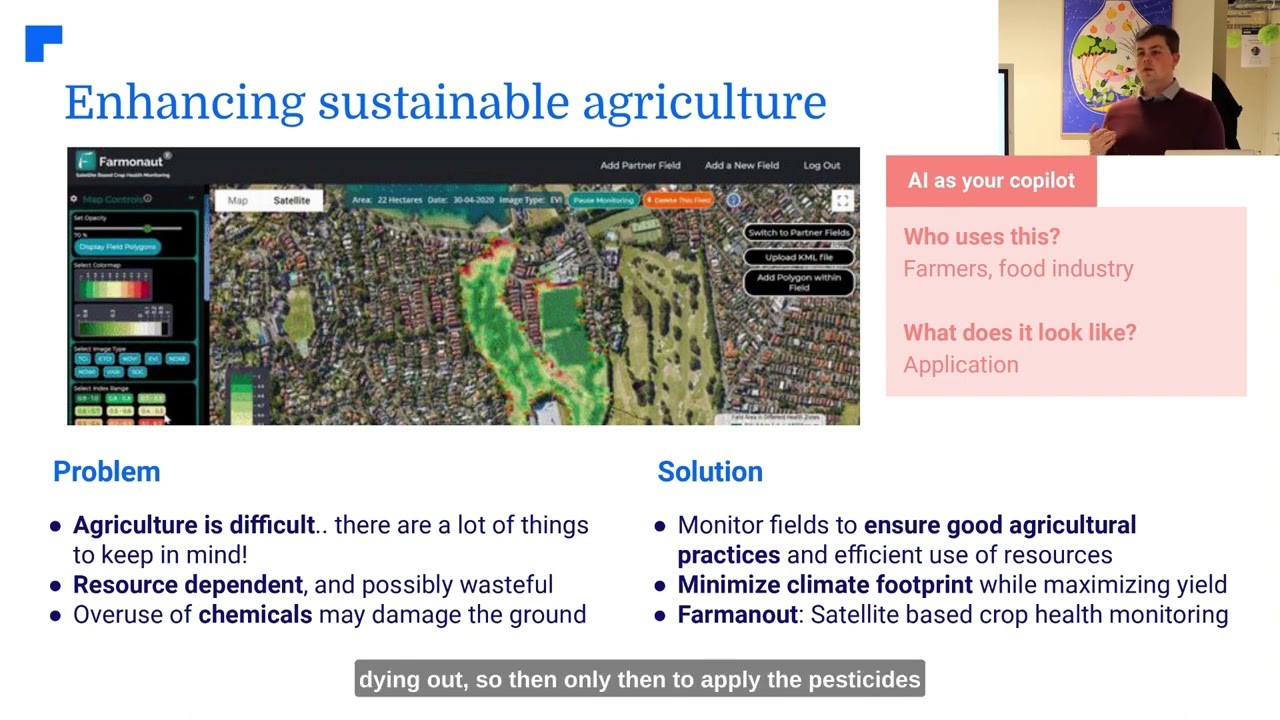
Farmonaut’s Fleet Management tools
offer real-time tracking and optimization of mining fleet vehicles, ensuring efficient logistics and reducing operational costs in rare earth mining operations.
Geopolitical and Supply Chain Challenges
The supply risk for dysprosium and terbium remains high due to geographical concentration of ores in a limited number of countries, complex mining operations, and export controls that affect global availability. As wind turbine deployment intensifies, the need for strategic supply management grows ever more acute.
- Geopolitical risks: Countries are racing to secure domestic supply chains for critical rare earth metals to underpin their renewable infrastructure resilience.
- Expanding recycling initiatives: Recycling magnets and other components containing dysprosium and neodymium is entering the mainstream, providing a secondary stream for supply, especially in Europe and East Asia.
- International partnerships: Strategic agreements and regional resource-sharing continue to play a notable role in stabilizing the market amid rising global demand.
The entire value chain—from mining to magnets—requires collaborative innovation, robust management, and diversified approaches to meet the growing needs of rare earth wind turbines.
To enable remote monitoring and data integration across these supply chains, Farmonaut’s Satellite API empowers developers and operators to incorporate real-time mining and infrastructure data into existing management systems. (Read the API Developer Docs.)

Sustainable Mining & Environmental Strategies: Innovations for 2026+
As rare earth metals wind turbines multiply, sustainable mining practices—with robust environmental management—become indispensable for the planetary future.
-
Resource management tools:
Solutions like Farmonaut’s Carbon Footprinting allow mining operations and wind turbine projects to monitor, record, and minimize their carbon impact. -
Blockchain-based traceability:
Modern approaches, such as Farmonaut’s Traceability system, ensure transparent, ethical, and environmentally responsible supply chains—vital for building consumer trust and facilitating regulatory compliance. -
Real-time environmental impact tracking:
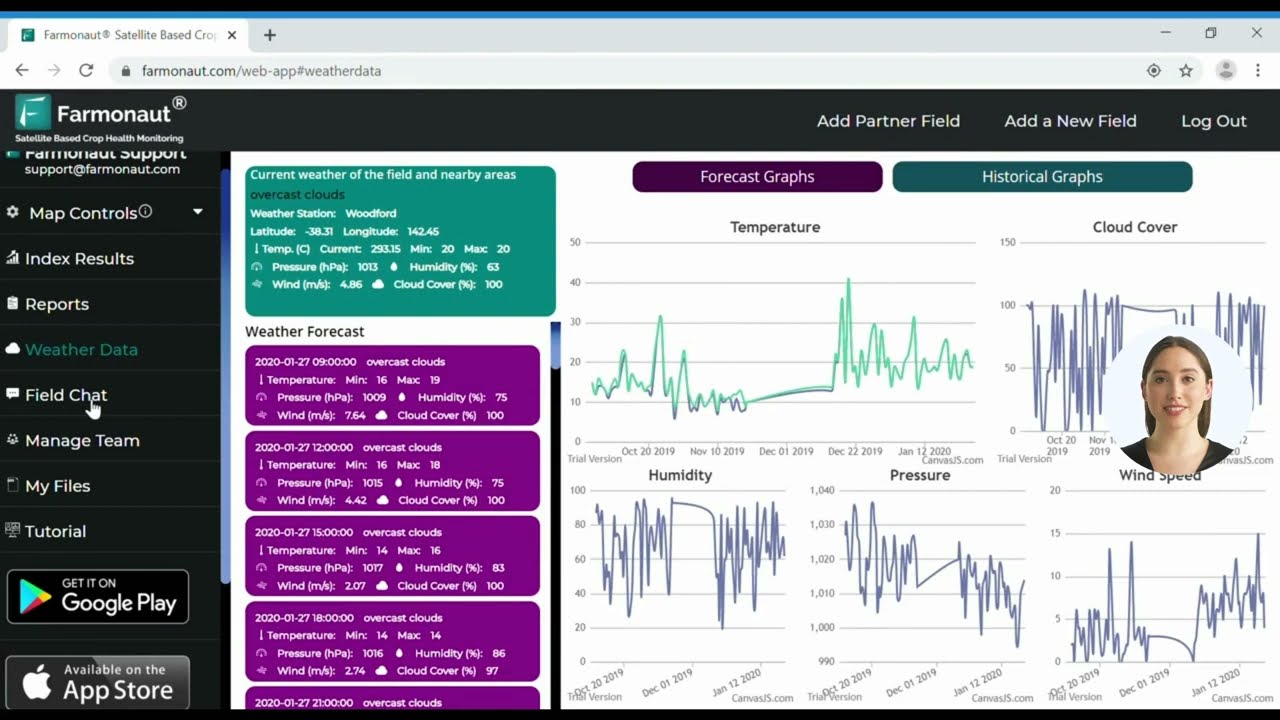
Monitoring air, water, and soil quality via satellite and AI-powered analytics (as on the Farmonaut Agro Admin App) helps maintain ecosystem balance and minimize long-term land degradation.
These efforts collectively support the global commitment to sustainable development and lower the environmental impact score of sourcing materials for wind turbines.


Closing the Loop: Recycling and Circular Economy Strategies
-
Component recycling:
Efforts to recycle wind turbine magnets and generator components are gaining momentum, reducing dependence on virgin mining and minimizing e-waste. -
Policy innovation:
National and regional governments are introducing mandates and incentives for responsible sourcing and end-of-life recycling, especially in Europe, Japan, and North America. -
Material substitution research:
Ongoing research aims to develop new alloys or synthetic alternatives for magnets with reduced rare earth dependency—though most remain in pilot phases as of 2026.
Beyond 2025: Future Research and Material Alternatives
Despite their unmatched performance in current wind turbine technology, rare earths are not without challenges. Looking toward 2026 and the upcoming decade, these areas are ripe for evolution:
-
Advanced magnet design:
Research on reducing dysprosium consumption without compromising magnetic strength—using grain boundary engineering or surface coatings to make magnets more efficient at lower rare earth loadings. -
Alternative magnetic materials:
Potential breakthroughs in ferrite or iron-nitride based magnets could reduce supply risk and improve sustainability, though such solutions are still years from scalable commercial deployment. -
Digital twin technology:
Real-time digital replicas of wind farms, powered by AI and satellite data, enable predictive maintenance, thereby prolonging turbine lifespan and improving return on investment.
Regardless of technological leapfrogging, the importance of dysprosium and rare earth elements is expected to remain central to wind energy innovation throughout 2026 and beyond.
Farmonaut’s Contributions: Satellite Solutions for Energy, Mining & Infrastructure
At Farmonaut, we are dedicated to empowering sectors at the heart of the clean energy revolution. Our advanced satellite monitoring, AI-driven advisory, blockchain-based traceability, and real-time environmental impact solutions play a critical support role in the responsible development of rare earth wind turbines and associated mining and infrastructure operations.
- Satellite-based monitoring: We deliver multispectral imagery and analytics for mining sites, turbine installations, and transport infrastructure so that operators make data-driven decisions that enhance resource management—and support the strategic deployment of rare earth wind turbines.
- Real-time tracking & advisory: Our Jeevn AI system enables live status monitoring, weather forecasting, risk alerts, and operational optimization for all sectors linked to wind turbine deployment.
- Blockchain-based traceability: We ensure minerals and materials used in wind turbine manufacturing are ethically sourced and verifiable, with full end-to-end traceability.
- Environmental impact and resource lifecycle insight: We support compliance and sustainability initiatives through real-time carbon and ecological monitoring, helping the energy sector meet global ESG standards.
- API accessibility and scalability: Farmonaut’s suite of APIs and resource management tools are scalable, supporting individual users, enterprise operations, and government agencies across the globe.
Our commitment is to democratize access to advanced technology for a more sustainable, transparent, and efficient future in energy, mining, and infrastructure.
Satellite-based loan and insurance verification
is another offering, supporting financial institutions in de-risking rare earth mining and wind infrastructure investments.
Experience the full power of satellite-driven intelligence by subscribing to Farmonaut’s services, tailored for businesses, users, and governments.
FAQs: Dysprosium Wind Turbines & Rare Earth Metals
What makes dysprosium essential for wind turbines?
Dysprosium’s superior resistance to high temperatures makes it essential for maintaining the strength of permanent magnets in wind turbine generators. This ensures stable, efficient power generation even in harsh or variable environments.
Are rare earth wind turbines used globally?
Absolutely. From North America and Europe to China, Australia, and new markets in Africa and the Middle East, rare earth metals wind turbines are now ubiquitous thanks to their efficiency and reliability.
What are the environmental impacts of mining rare earth metals for wind turbines?
While traditional rare earth mining can cause land and water degradation, new approaches—such as bioleaching and advanced water recycling—are reducing these impacts. Technology-driven supply chain management further ensures environmental compliance.
Can rare earth supply risks threaten wind energy expansion?
Supply risks due to geopolitical tensions and concentrated mining sources (mainly China) remain real. Initiatives in recycling, strategic stockpiling, and material substitution are being developed to counterbalance these threats.
What future alternatives exist to dysprosium and neodymium magnets?
Promising research into new magnet materials—such as iron-nitride compounds and advances in grain-boundary diffusion—are underway, but these alternatives have yet to reach the scale necessary to replace current NdFeB-based technology.
Conclusion: Thriving Toward Sustainable Wind Power
The journey of dysprosium wind turbines exemplifies the dynamic synergy among advanced materials science, innovative mining management, responsible environmental stewardship, and cutting-edge digital technologies. As the global drive toward clean energy intensifies, the role played by rare earth metals wind turbines becomes increasingly central to the backbone of renewable power infrastructure in 2026 and beyond.
By strategically refining mining operations, optimizing magnetic materials, and implementing transparent, technology-driven solutions, the renewable sector stands primed to meet and exceed the world’s growing energy demands—while honoring its commitments to sustainability and circular economy.
Wind turbines—and particularly those powered by dysprosium-enriched magnets—will continue to drive energy efficiency, reduce operational costs, and support a sustainable planetary future. For stakeholders in mining, energy, infrastructure, and beyond, understanding the evolving intersection of rare earth metals and wind technology is crucial to thrive in the decades to come.


 Mulopwe Metals Mining Ltd
 Tintina Mining Group
 Dalgety Minerals Pty Ltd
 Vortex Minerals Pty Ltd
 Faith At Work (Pty) Ltd
 Geotech Mining Solutions plc
 Vulcan International Limited
 Kidepo Associates
 GKY Mining
 Alkimy SARL
 Double A Trading
 GemSprout Metals Limited
 Qader Group
 Ileys General Trading
 SG Gold Mining LLC
 VRV Global Pte Ltd
 Omsri International FZE
 G.I.T.T.
 Jaunita Erss Ltd
 Almosi SARL
 SRK Consulting
 Berks Gold Limited
 Mwerezi Minerals Company Limited
