

Effects of Gold Mining on Human Health: 7 Key Risks
“Gold mining exposes over 15 million workers globally to hazardous chemicals like mercury, leading to severe health complications.”
Summary & Introduction: The Effects of Gold Mining on Human Health in 2025 and Beyond
Gold mining remains a significant economic activity worldwide, contributing not only to national revenues and local livelihoods but also to regional development. However, as we advance into 2025, the effects of gold mining on human health have become increasingly evident, drawing urgent attention from policymakers, industry stakeholders, and affected communities alike.
This comprehensive article delves into the multifaceted health impacts of gold mining, focusing predominantly on artisanal and industrial-scale operations. We explore the adverse health risks, including toxic chemical exposure, environmental contamination, occupational hazards, and broader socioeconomic challenges. Our goal is to highlight not only the ongoing threats but also potential mitigation strategies that can balance economic growth with health and environmental sustainability.

Gold Mining and Human Health: An Overview
The effects of gold mining on human health are complex, stemming from both direct and indirect exposures. Mining operations—both artisanal, small-scale (ASGM) and industrial—involve a variety of processes that release toxic chemicals such as mercury and cyanide, generate massive dust and particulate matter, and lead to broader environmental contamination affecting water, food, and local populations.
In many regions worldwide, particularly in developing countries throughout Africa, South America, and Asia, ASGM is a major livelihood (contributing over 20% of the world’s gold supply). However, the health risks associated with this activity are often underreported and poorly managed.
Industrial operations—while often better regulated—still pose critical health threats due to accidents, chemical leaks, and chronic exposure to pollutants. Furthermore, the environmental impacts from mining stretch far beyond the immediate sites, affecting water sources, food chains, and the health of entire communities.
Comparative Risk Overview Table: Effects of Gold Mining on Human Health
| Risk Factor | Source/Route of Exposure | Estimated Impact* | Short-term Effects | Long-term Health Effects | Supporting Studies/Reports |
|---|---|---|---|---|---|
| Mercury Exposure | Inhalation/skin contact—use in ASGM extraction | ~15 million miners exposed worldwide | Headaches, tremors, skin rashes | Neurological and cognitive impairment, kidney failure, birth defects | WHO, UNEP, 2022-2025 |
| Cyanide Poisoning | Ingestion/inhalation—cyanide leaching in industrial mines | Thousands living near industrial sites at risk | Dizziness, respiratory distress, skin/eye irritation | Chronic respiratory problems, organ toxicity, fatal poisoning | International Cyanide Management Code, 2023 |
| Particulate Matter Inhalation | Respiratory—dust from blasting, crushing, transport | Up to 2.5x higher risk of respiratory diseases for communities nearby | Cough, shortness of breath, eye irritation | Chronic obstructive pulmonary disease (COPD), silicosis, lung cancer | Environmental Research Letters, 2024 |
| Heavy Metal Contamination | Ingestion—drinking water and food chain (arsenic, lead, cadmium) | Hundreds of thousands in mining regions globally | Stomach pain, vomiting, diarrhea, skin lesions | Arsenic-related cancers, developmental delays in children, kidney/liver disease | USGS, WHO, 2023 |
| Waterborne Disease | Consumption/contact—contaminated water sources | Communities depend on local rivers/groundwater | Diarrhea, cholera, parasitic infections | Child mortality, chronic gastrointestinal disease | International Journal of Hygiene, 2023 |
| Noise Pollution | Occupational/environmental—blasting, machinery | Miners and local households | Hearing loss, sleep disturbance, stress | Cognitive impairment, hypertension, depression | Occupational Medicine, 2021 |
| Psychosocial Stress | Community—displacement, economic/safety instability | All affected mining areas | Anxiety, substance abuse, family disruption | Chronic depression, increased suicide risk, impaired community cohesion | The Lancet, 2022 |
*Estimated impact values are global; regional numbers may vary significantly.
Sources: World Health Organization (WHO), US Geological Survey (USGS), International Cyanide Management Code, peer-reviewed journals 2021–2025.
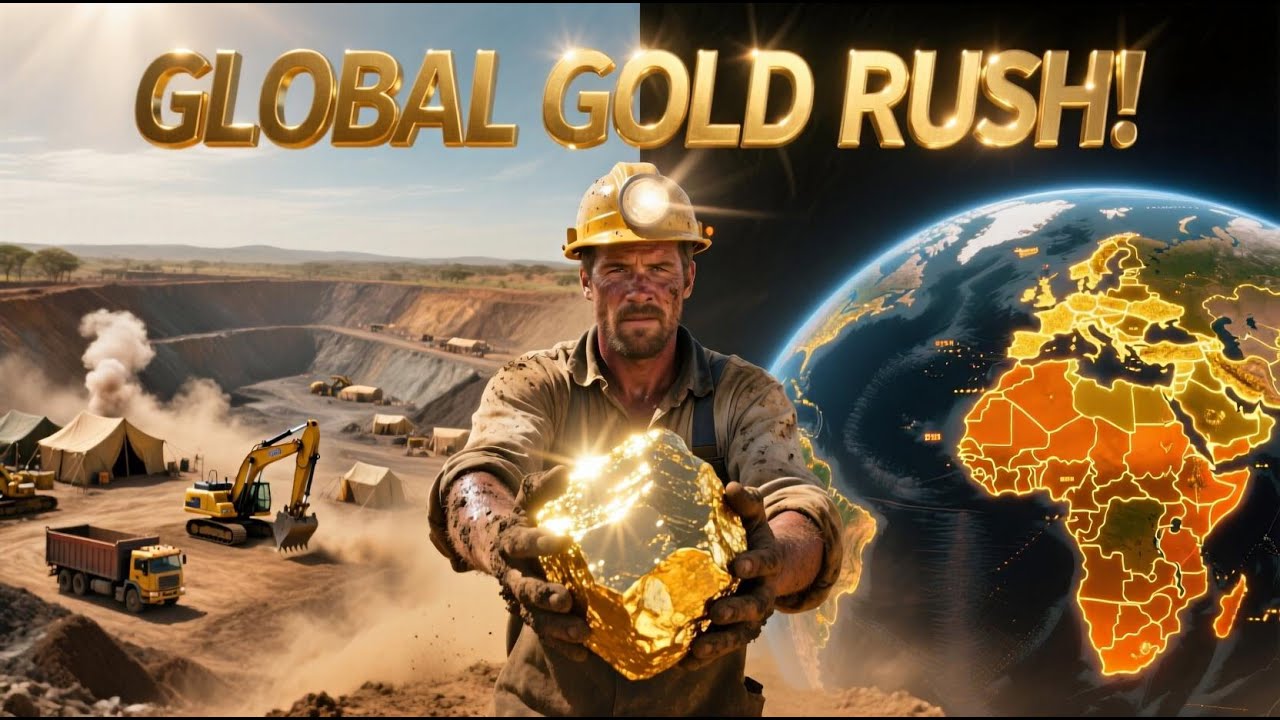
1. Toxic Chemical Exposure and Respiratory Diseases: The Leading Health Risk of Gold Mining
Arguably the most critical risk factor, toxic exposure to chemicals—especially mercury and cyanide—stems directly from gold mining operations. These chemicals, vital in both artisanal and industrial processes, have notorious implications for human health.
Mercury Exposure in Artisanal and Small-Scale Gold Mining (ASGM)
ASGM—a practice prevalent in regions such as sub-Saharan Africa, Latin America, and Southeast Asia—widely uses mercury to extract gold from ore. The process involves direct handling of mercury, burning mercury-gold amalgams, and subsequent release of mercury vapor into the environment.
- Acute Exposure: Causes headaches, tremors, impaired coordination, and skin irritations among miners and their families.
- Chronic Exposure: Prolonged inhalation triggers neurological and cognitive impairments, memory loss, behavioral changes, and, in extreme cases, fatal kidney damage.
- Vulnerability of Children: Children and infants are particularly at risk, with exposure causing irreversible developmental and intellectual disabilities.
Cyanide in Industrial Gold Exploration
Industrial mining often relies on cyanide leaching to separate gold from ore. While measures are taken to contain cyanide, accidental leaks and improper handling continue to pose hazards.
- Skin & Eye Contact: Direct exposure quickly causes irritation and burning sensations.
- Inhalation: May induce respiratory distress, chest pain, and—at sufficient doses—fatal poisoning.
- Environmental Impact: Cyanide spills contaminate water supplies and food chains, leading to chronic exposures among local populations.
Recent regulations and ongoing advances in monitoring—such as those facilitated by Farmonaut’s environmental impact monitoring platforms—are playing an important role in reducing hazards and providing early alerts in mining areas. Find out more about real-time
carbon footprint tracking and environmental compliance tools for mining in 2025.

2. Water Contamination & Related Health Effects in Mining Regions
Gold mining’s impact on water contamination remains a top concern, directly threatening community health through polluted drinking water, contaminated food chains, and ecological destruction.
- Heavy metals—including arsenic, lead, and cadmium—are often found with gold deposits. Mining operations release these into rivers, groundwater, and agricultural lands.
- Downstream effects: Contaminated water infiltrates local food systems (e.g., rice paddies, fisheries) and household drinking water.
- Long-term risks: Chronic exposure causes arsenic poisoning (skin lesions, cardiovascular disease, internal cancers), lead-related developmental problems, and widespread malnutrition—especially among children.
Waterborne pathogens also proliferate where mining disrupts natural stream beds, leading to higher rates of gastrointestinal diseases (e.g., cholera, dysentery). Effective, ongoing environmental monitoring—like the satellite-based real-time water quality alerts provided via Farmonaut’s traceability and environmental monitoring solutions—is indispensable for public safety as we move into 2025.
“Communities near gold mines face up to 2.5 times higher risk of respiratory diseases due to environmental contamination.”

3. Dust, Particulate Matter, and Respiratory Issues in Communities and Miners
Dust and airborne particulate matter generated from gold mining operations are significant contributors to respiratory diseases among miners and local populations. Blasting, crushing, transport, and mineral processing release a fine mixture of silica, metal particles, and chemical residues into the air.
- Respirable Dusts: Cause immediate irritation, coughing, and shortness of breath for those onsite.
- Chronic Exposure: Linked to progressive diseases such as silicosis, chronic obstructive pulmonary disease (COPD), asthma, and ultimately, lung cancer.
- Children and Elderly: Particularly vulnerable—rates of asthma and bronchitis among children in mining districts are often twice as high as those in uncontaminated areas.
Effective dust suppression and real-time air quality monitoring systems are crucial for risk reduction. The integration of satellite-based analytics—like those available via our fleet management solutions for mining vehicle tracking and dust emission controls—will become central to ensuring workplace and community safety in 2025 and beyond.

4. Physical and Occupational Hazards: Accidents and Injuries in Gold Mining
Occupational hazards remain a persistent threat in both artisanal and industrial mining. The use of heavy machinery, manual ore extraction, blasting, and tunnel excavation create a high potential for accidents.
- Cave-ins, Explosions: Frequent in poorly regulated sites, these events cause severe injuries, permanent disabilities, or fatalities.
- Machinery Accidents: Crushing and entrapment hazards are common, especially where safety protocols and protective equipment are unavailable.
- Manual Labor Injuries: Repetitive stress, musculoskeletal disorders, and lacerations abound in artisanal mining camps.
- Lack of Training and Health Monitoring: Informal, small-scale mines often lack basic safety training and medical surveillance systems, amplifying the impact of every incident.
Deploying digital tools for safety assessment and equipment fleet management—such as our Fleet Management suite—is invaluable for minimizing risks, tracking incidents, and optimizing responses in real time.

5. Heavy Metal Contamination: Arsenic, Lead, and Chronic Diseases
Beyond immediate chemical exposure, heavy metals like arsenic and lead—naturally present in gold ore—leach into the environment as byproducts of mining and ore processing. Over time, these metals:
- Bioaccumulate in food chains: Fish, crops, and livestock absorb toxins, ultimately affecting people who depend on local agriculture and water.
- Chronic Effects: Arsenic poisoning causes skin lesions and internal cancers. Lead exposure is linked to brain and nervous system damage, especially in children.
- Reproductive Risks: Chronic low-dose exposure has been connected to miscarriage, birth defects, and developmental delays.
These effects are often silent, manifesting years after exposure. Advanced monitoring tools, especially those integrated with satellite and AI technologies, are urgently needed to track contamination and facilitate early interventions—see more on Farmonaut traceability and contamination risk assessment platforms.

6. Waterborne and Food Chain Diseases: Indirect Health Impacts of Contamination
Mining operations that disrupt watercourses or leave behind open tailings ponds frequently create breeding grounds for waterborne pathogens and insect vectors, such as mosquitoes—spiking the incidence of:
- Cholera, dysentery, and gastroenteritis due to contaminated water consumption
- Malaria and dengue in areas with stagnant tailings and abandoned pits
- Chronic diarrheal diseases among children, significantly increasing child mortality
Additionally, the infiltration of heavy metals and chemicals into the food chain leads to cumulative health effects. Regular monitoring and advanced traceability—enabled by geospatial intelligence apps like Farmonaut’s Crop Plantation & Forest Advisory service—can help communities detect risks early and avoid further contamination.

7. Psychosocial and Community Well-being: Mental Health, Displacement, and Social Risks
The effects of gold mining on human health extend far beyond the physical, with psychosocial stress emerging as an increasingly critical risk in 2025. Displacement, breakdown of social structures, and loss of agricultural land have profound impacts:
- Anxiety, depression, and substance abuse: Driven by hazardous working conditions, economic uncertainty, and family separation
- Gender disparities: Women and children often bear a disproportionate burden of environmental and health challenges
- Loss of community cohesion: Social conflict rises as mining projects disrupt traditional ways of life and strain local resources
- Increased vulnerability to violence: Unregulated mining regions can see spikes in crime and exploitation
Addressing psychosocial health requires integrated strategies focusing on community involvement, mental health services, and sustainable development planning—areas where geospatial data and digital community platforms are proving invaluable for governments and local authorities in 2025.
Mitigation Strategies & Technologies for Gold Mining Health Impacts
With the risks and adverse effects of gold mining on human health now evident and demanding attention, it is critical to develop coordinated, science-driven mitigation strategies. The following are paramount:
-
Comprehensive Monitoring: Utilizing satellite-driven technology—like that provided by Farmonaut’s real-time monitoring systems—enables continuous environmental and health surveillance near mining sites. Governments and NGOs are increasingly relying on these tools to guide regulation and public safety responses.
Check out the Farmonaut API for integration into environmental monitoring systems. - Cleaner Mining Technologies: The transition to mercury-free and cyanide-reduction techniques in gold extraction is gaining traction globally, backed by international health guidelines and stricter government policies.
- Protective Equipment and Health Education: Training miners in PPE usage, as well as hazard awareness, is essential for immediate risk reduction in both formal and informal sectors.
- Community Involvement: Inclusive planning, participatory health monitoring, and open communication channels between stakeholders and communities strengthen transparency and enable rapid response to emerging risks.
- Accessible Healthcare Services: Mobile health clinics, early diagnosis programs, and integrated mental health support should be prioritized in mining-intensive regions.
- Blockchain-Based Traceability: Implementing traceability solutions such as those offered by Farmonaut fosters trust in mineral supply chains, encourages compliance, and helps prevent illegal or harmful practices.
- Insurance and Financial Security: Solutions like satellite-based verification for crop and mining insurance increase financial security and incentivize safer practices among mining operators.
How Farmonaut’s Solutions Empower Safe, Transparent, and Sustainable Mining
At Farmonaut, our mission is to make advanced satellite-driven insights affordable and accessible to businesses, users, and governments worldwide. In the mining sector, this means empowering responsible gold exploration, transparent supply chains, and better health outcomes for communities everywhere.
- Satellite-Based Environmental Monitoring: Our platform delivers real-time insights into air, water, and soil contamination near mining sites, helping authorities implement targeted safety measures and reduce toxic exposures.
- AI Advisory for Mining Operations: The Jeevn AI Advisory System leverages satellite intelligence to increase productivity and minimize environmental and occupational health risks in mining projects.
- Blockchain Traceability: By integrating blockchain, we offer seamless mineral traceability—critical for consumer safety, environmental compliance, and global supply chain transparency.
- Fleet and Resource Management: Optimize mining logistics, reduce contact risks, and enhance machine safety with our fleet management tools.
- Environmental Impact Tracking: Using our carbon footprinting solutions, mining stakeholders can monitor CO2 and greenhouse gas emissions, aligning their projects with 2025 sustainability targets.
- APIs for Custom Integration: Develop your own mining compliance applications or integrate mining data into existing ERPs with the Farmonaut API Developer Docs.



Farmonaut Subscriptions: Empowering Mining Operators & Communities
Choose a Farmonaut Subscription package that fits your needs—whether you’re a small-scale miner seeking safety alerts, a regulator requiring community health monitoring, or a business optimizing your mining operations for sustainability.
Affordable satellite-based insights now accessible in real time.
FAQs: Effects of Gold Mining on Human Health and Environmental Risks
-
Q: What are the most serious health risks associated with gold mining?
A: The most critical risks include toxic chemical exposure (mercury, cyanide), respiratory disease from dust and particulates, heavy metal poisoning (arsenic, lead), waterborne and food chain diseases, physical injuries, and psychosocial stress. -
Q: Does gold mining only affect miners, or does it also impact nearby communities?
A: Gold mining significantly impacts the health of miners and nearby communities alike, due to environmental contamination of air, water, and food supplies, as well as social disruption. -
Q: What chronic diseases are common in gold mining regions?
A: Chronic diseases include silicosis, COPD, lung cancer, neurodevelopmental disorders, cardiovascular diseases, and chronic digestive illnesses. -
Q: How can mining-related health risks be reduced in 2025?
A: Reducing health risks relies on better regulations, widespread adoption of cleaner technologies (e.g., mercury-free extraction), increased health and safety training, environmental and health monitoring (including satellite-based solutions), and improved access to health services. -
Q: What is the role of satellite technology in sustainable gold mining?
A: Satellite technology underpins real-time monitoring, early warning for contamination, optimized logistics, and transparent traceability—enabling safer, more sustainable, and compliant mining operations. -
Q: What Farmonaut features are most useful for gold mining health and safety?
A: Environmental monitoring, fleet/resource management, blockchain supply chain traceability, carbon footprint tracking, and comprehensive API integration are key. -
Q: How can communities near gold mines stay informed and protected?
A: By leveraging satellite and AI-powered health monitoring platforms, communities gain real-time alerts on emerging risks, enabling rapid responses and collective advocacy for safer practices.
Conclusion: Navigating the Health Risks of Gold Mining in 2025 and Beyond
As gold mining remains a significant activity worldwide, its effects on human health—from acute toxic exposures to persistent environmental contamination—are becoming increasingly evident and demand urgent, coordinated action. Artisanal and industrial mining operations alike are challenged to adopt cleaner technologies, improve occupational safety, and reduce the impacts on communities and the environment.
Advanced solutions—such as those offered by Farmonaut’s satellite-driven platform—will be central to ongoing efforts in monitoring, mitigation, and governance as we move into 2025 and beyond. By leveraging AI, geospatial intelligence, and blockchain traceability, we can realize a future where the economic benefits of gold extraction are balanced with robust safeguards for the health and well-being of all.
Let us work collectively—miners, governments, technology providers, and communities—to make gold mining safer, more sustainable, and supportive of life and livelihoods worldwide.
Discussion
Questions, corrections or field experience? Share them below. First-time comments are reviewed before they appear, and your email is never published.
No comments yet. Be the first to add a question or your experience.

 Swati Minerals
 Faith At Work (Pty) Ltd
 Geotech Mining Solutions plc
 Vulcan International Limited
 Kidepo Associates
 GKY Mining
 Alkimy SARL
 Double A Trading
 GemSprout Metals Limited
 Qader Group
 Ileys General Trading
 SG Gold Mining LLC
 VRV Global Pte Ltd
 Omsri International FZE
 G.I.T.T.
 Jaunita Erss Ltd
 Almosi SARL
 SRK Consulting
 Berks Gold Limited
 Mwerezi Minerals Company Limited
 Mining SARL
 SenGold Invest SAS
 Exploration consultancy · South Africa · Gold










