

Effects of Acid Mine Drainage: 7 Powerful Impacts in 2025
“Over 7,000 miles of U.S. streams are affected by acid mine drainage, threatening ecosystems and drinking water.”
Introduction: Environment and Mining in 2025
Mining stands as a critical industry that supports global development by providing essential minerals and raw materials indispensable for infrastructure, agriculture, technology, and defence sectors. As the world progresses towards rapid development and strives to meet the increasing demand for minerals, the environmental impact of mining activities cannot be overlooked. In 2025, while the economic benefits of mining remain undeniable, the effects of mining on the environment and human health—especially through acid mine drainage (AMD)—have become more pronounced, necessitating urgent attention and sustainable solutions.
The intersection of environment and mining, where technological advancement meets environmental stewardship, poses both marked opportunities and significant threats. Understanding the effects of acid mine drainage on the environment and the broader effects of mining on ecosystems and communities is crucial as industrial activities expand and sustainability concerns grow. In this comprehensive exploration, we detail how phenomena like AMD continue to shape the global landscape—impacting water quality, soil composition, air purity, and human health—and highlight sustainable practices and technological advances that are charting a path forward.
This blog leverages up-to-date research and global perspectives, considering the implications of mining in regions encompassing the U.S., Canada, Africa, South America, and Asia. As we move deeper into 2025 and beyond, these insights aim to promote balanced, responsible mining and environmental management.

What is Acid Mine Drainage (AMD)?
Acid Mine Drainage (AMD) is a major environmental challenge closely associated with the extraction of metals—especially from sulfide-rich ores like coal, copper, and gold. When these sulfide minerals are exposed to air and water during mining operations, they undergo oxidation, reacting chemically to produce sulfuric acid. This acid, in turn, leaches heavy metals—such as arsenic, lead, mercury, and cadmium—from the surrounding rocks, resulting in highly acidic, metal-laden water.
This contaminated water often seeps into nearby rivers, lakes, and groundwater systems, severely degrading aquatic ecosystems and posing a sustained threat to human health and biodiversity. As AMD continues to be a pressing issue in 2025, understanding its formation, characteristics, and consequences is vital for devising sustainable management strategies.
- Produced from sulfide mineral oxidation (coal, copper, gold ores)
- Generates highly acidic, metal-rich runoff
- Significantly lowers the pH of natural water sources
- Facilitates the release and mobility of toxic heavy metals
- Impedes recovery of many terrestrial and aquatic habitats

Acid Mine Drainage Chemistry: How Does it Form?
At the heart of AMD lies a series of reactions:
- 2 FeS2 (pyrite) + 7 O2 + 2 H2O → 2 Fe2+ + 4 SO42- + 4 H+
- The sulfuric acid produced drastically lowers pH (acidifies water).
- Heavy metals and metalloids (arsenic, lead, mercury, cadmium) leach more easily in acidic conditions.
The result is acidic waters that can be as corrosive as tomato juice, with far-reaching impacts on aquatic life, potable water supplies, and soil productivity.
“Acid mine drainage can lower water pH to less than 4, making it as acidic as tomato juice.”
Broader Environmental Effects of Mining in 2025
Mining activities extend their effects beyond AMD, causing land disturbance, air and water pollution, soil degradation, and biodiversity loss. Surface mining methods, in particular, involve the removal of topsoil and vegetation clearance, which leads to soil erosion, habitat fragmentation, and significant land degradation.
When coupled with dust and particulate emissions from blasting and ore transport, these changes exacerbate air pollution, which can cause increased incidences of respiratory diseases among local populations. Furthermore, the immense water consumption required for mineral processing and dust suppression can strain finite water resources, affecting both agricultural and domestic water availability.
- Land degradation: Topsoil loss, deforestation, altered drainage patterns
- Air pollution: Dust, particulates, and hazardous gas emissions (SO2, NOx)
- Water stress: Excessive water withdrawal, declining groundwater tables
- Biodiversity loss: Habitat destruction, fragmentation, declining ecosystem services
- Toxic waste: Tailings dam failures, leaching of heavy metals, catastrophic spills
These effects of mining on the environment and human health are especially concerning in regions where regulatory oversight is lacking, climate change intensifies environmental impacts, or mining operations expand rapidly to meet demand. Once ecosystems are degraded, recovery is a slow process, frequently taking generations to restore full functionality and biodiversity.

Effects of Acid Mine Drainage on the Environment: 7 Powerful Impacts (2025)
In 2025, the effects of acid mine drainage on the environment and associated mining activities are increasingly significant. Based on the latest research and global case studies, these are the seven most powerful impacts we face:
- Water Quality Degradation: AMD results in acidic, metal-laden waters that can wipe out aquatic life and render water sources unfit for consumption or agriculture.
- Biodiversity Decline in Aquatic and Terrestrial Ecosystems: The lowered pH and toxic metal levels cause mass die-offs of fish, amphibians, and invertebrates, while also disrupting terrestrial food chains.
- Bioaccumulation of Toxic Metals in Food Chains: Heavy metals including arsenic, mercury, and cadmium bioaccumulate, putting birds and mammals (including humans) at serious risk.
- Soil Degradation and Forest Health: AMD can change soil chemistry, reduce nutrient availability, and promote toxic metal uptake in plants, leading to weakened trees and lower crop yields.
- Contamination of Groundwater and Surface Water Systems: Leached heavy metals often seep into and accumulate in nearby rivers, lakes, and groundwater tables, severely degrading water quality.
- Air Quality and Dust Issues: Mining operations generate dust that can carry metals—posing additional respiratory risks for surrounding communities.
- Long-term Health Risks for Human Populations: Chronic exposure to AMD-related contaminants is linked to neurological disorders, kidney damage, cancer, and a decline in overall community health.

Impact Comparison Table: 7 Effects of Acid Mine Drainage in 2025

Effects of Mining on the Environment and Human Health
Among the effects of mining on the environment and human health, the consequences associated with acid mine drainage are particularly severe. The bioaccumulation of heavy metals through contamination of air, water, and food chains creates direct and indirect risks for human populations, especially those living in or near mining regions.
Routes of Exposure and Health Implications
- Inhalation: Residents and mine workers inhale dust containing heavy metals, leading to increased rates of asthma, silicosis, chronic obstructive pulmonary disease (COPD), and other respiratory diseases.
- Ingestion: Consumption of contaminated water, agricultural products, or fish results in chronic exposure to toxic metals like arsenic, mercury, lead, and cadmium.
- Dermal Contact: Regular contact with contaminated soil and water can result in skin lesions, systemic toxicity, and increased risk of certain cancers.
Key Health Conditions Linked to AMD Exposure:
- Neurological disorders (especially in children)
- Renal/kidney dysfunction
- Chronic gastrointestinal issues
- Various types of cancer (linked to arsenic and other metals)
- Developmental delays and reduced IQ
- Increased risk of miscarriage and birth defects
Vulnerable groups include children, pregnant women, the elderly, and miners. Long-term exposure risks may not be immediately evident but accumulate over years or decades, making monitoring and proactive health assessments essential in affected communities.
Ongoing research in 2025 shows that chronic, low-dose exposure can lead to subtle but widespread health impairments, even in areas where acute contamination is rare. This emphasizes the importance of air quality monitoring, dust control, and water treatment—all of which can be enhanced through technological tools and data-driven management.
Mitigation and Sustainable Practices in Mining for 2025
To address the significant effects of acid mine drainage on the environment and human health, mining companies and policymakers are continually advancing sustainable practices and mitigation strategies in 2025. Effective solutions require integrated approaches, combining technology, policy, ecology, and community engagement.
Primary AMD Management Methods:
- Chemical Neutralization: Adding limestone or other alkaline materials to neutralize sulfuric acid and precipitate dissolved metals
- Active & Passive Water Treatment: Installing water treatment plants or using constructed wetlands (bioremediation) to remove heavy metals and raise water pH levels
- Source Control & Containment: Encapsulation or covering waste rock/tailings to prevent oxygen and water ingress, limiting oxidation
- Reforestation and Land Reclamation: Restoring vegetation cover, improving soil health, and stabilizing land to minimize future erosion and contamination
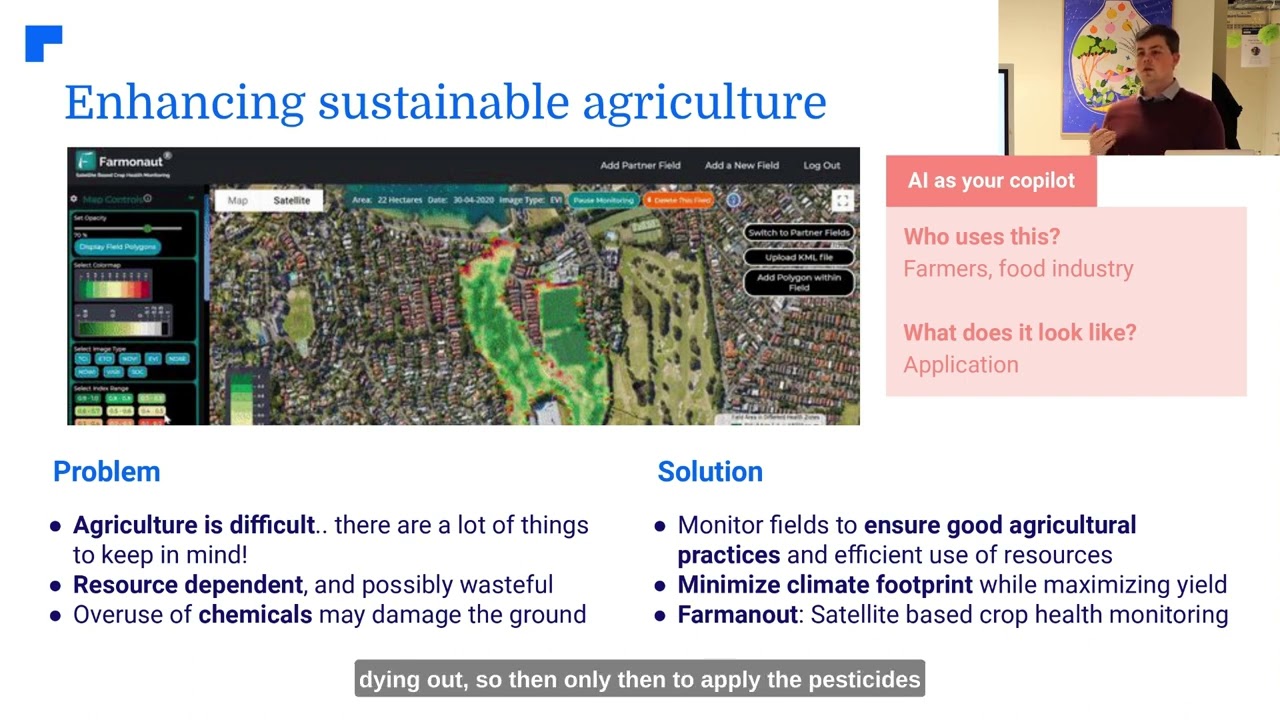
- Real-Time Environmental Monitoring: Utilizing sensors, satellite imagery, and AI platforms for continuous assessment of water, air, and soil quality;
- Community Health Monitoring: Implementing local health assessments and responsive public health education campaigns
The Role of Technology in AMD Mitigation
Modern solutions are increasingly technology-driven. Tools like carbon footprinting platforms help companies monitor and manage their overall environmental impacts. Satellite-based resource monitoring systems support informed, rapid management decisions.
Adopting a circular economy approach—with an emphasis on mineral recycling and precise resource management—reduces new extraction pressures and minimizes waste. The use of blockchain technology for traceability assures transparency and authenticity in mineral supply chains, making it harder for environmentally damaging practices to go unnoticed or unpunished.
Furthermore, remote sensing makes large-scale land, crop, and mine monitoring feasible and scalable. This is instrumental for governments and communities seeking to curb illegal dumping, unlicensed mining, or emergent pollution before it escalates.
Farmonaut Solutions for Sustainable Mining
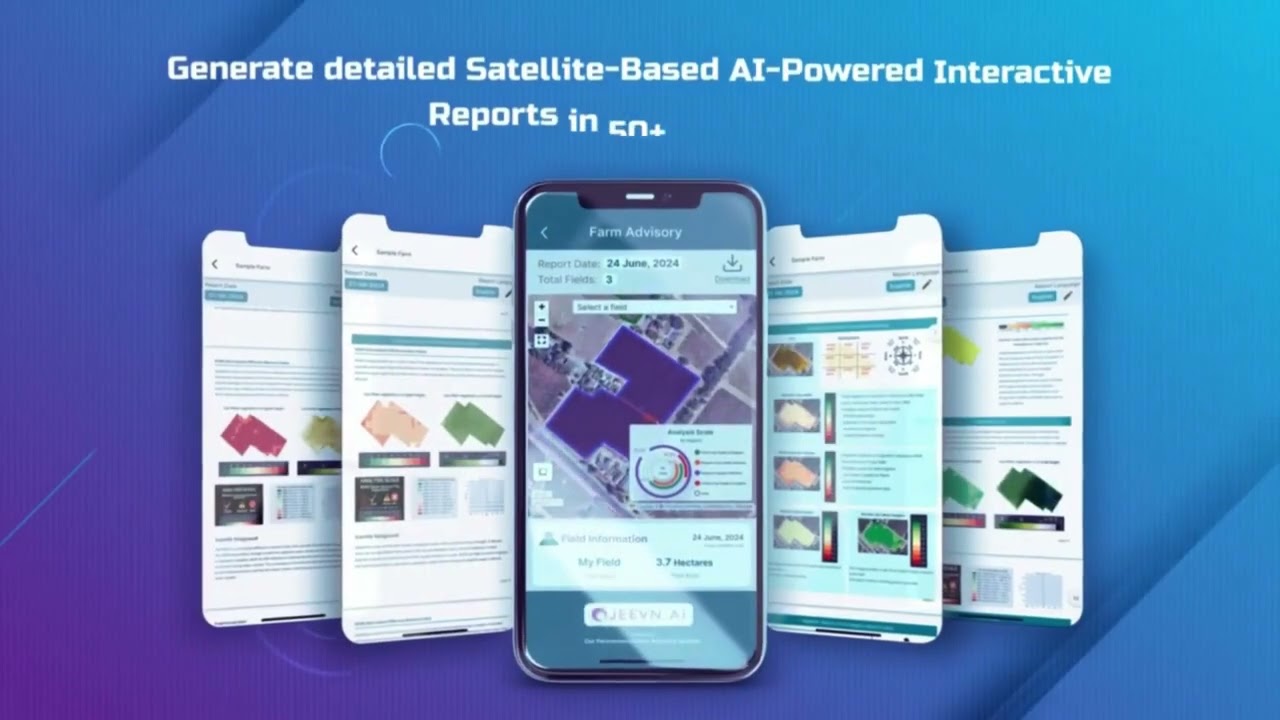
At Farmonaut, we recognize the critical need for advanced technology-driven solutions in sustainable mining and resource management. Our suite of satellite-based tools empowers businesses and governments to address the effects of acid mine drainage on the environment and facilitate compliance with evolving environmental standards in 2025 and beyond.
Key Farmonaut Capabilities for Environment and Mining:
-
Satellite-Based Environmental Monitoring:
We provide real-time, high-resolution satellite imagery for remote and continuous monitoring of mining operations, water quality, soil health, and vegetation impacts. -
AI and Machine Learning Integration:
Our Jeepn AI system analyzes satellite data to detect early-warning signs of acid runoff, changes in vegetation (NDVI), and possible contamination events—enabling proactive management. -
Blockchain Traceability:
We enable full supply chain traceability for minerals and materials, ensuring transparent, sustainable sourcing throughout extraction and processing. -
Resource Management Tools:
Using our platform, businesses can optimize fleet and resource deployment for mining sites, reducing emissions and operating costs. -
Environmental Impact Reporting:
Our customizable, real-time impact dashboards help users track and manage carbon footprint, water usage, air and dust emissions, and more, supporting regulatory compliance and ESG reporting.
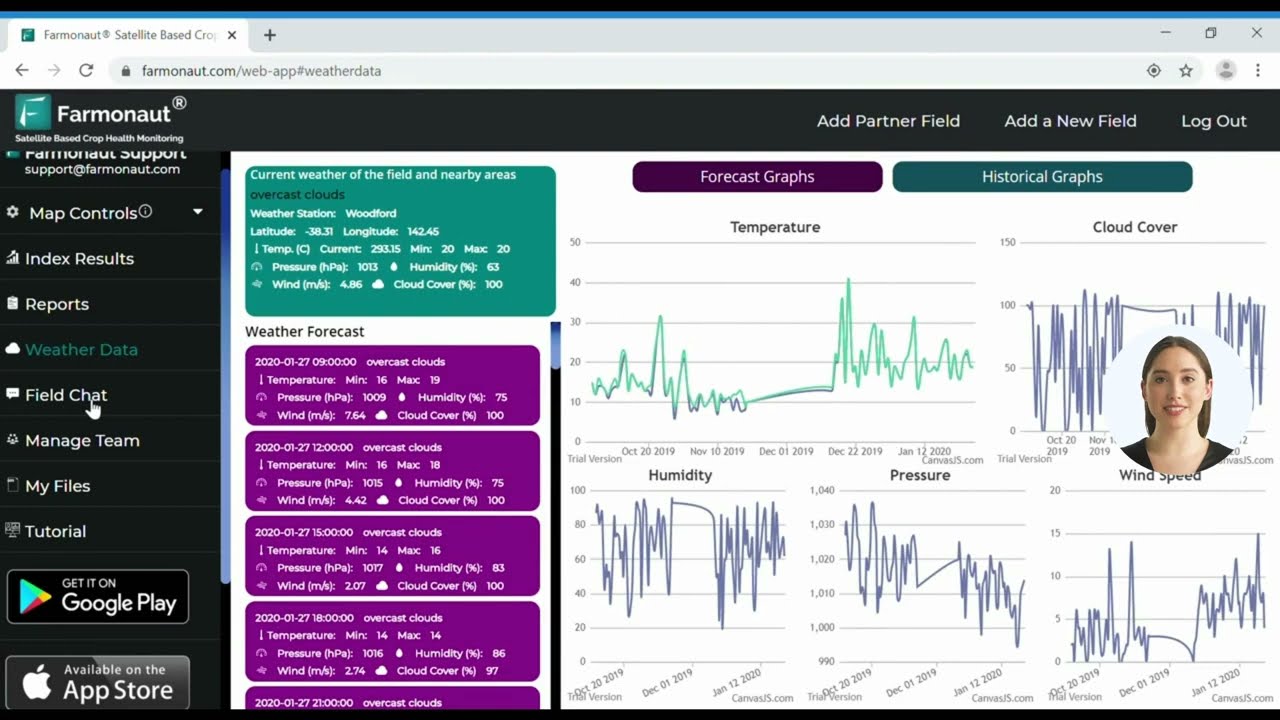
Our platform is accessible through web browser, Android, and iOS apps, offering user-friendly interfaces for businesses and agencies large and small. We also offer extensive API access and comprehensive API Developer Documentation, enabling seamless integration of satellite data into business and governmental workflows.



Our subscription model supports individual users, businesses, and government agencies with scalable options, making satellite-driven environmental insights accessible and cost-effective.
For all industries seeking to bolster sustainability and resource management, we recommend exploring our:
- Carbon Footprinting Tools – Track, report, and mitigate environmental impact for mining and minerals operations.
- Product Traceability Solutions – Ensure responsible sourcing and environmental accountability.
- Fleet Management Platform – Optimize machinery deployment in mining and reduce environmental footprint.
FAQ: Acid Mine Drainage, Mining, and the Environment
1. What are the main effects of acid mine drainage on the environment in 2025?
Acid mine drainage (AMD) leads to water acidification, bioaccumulation of heavy metals, loss of aquatic and terrestrial biodiversity, soil degradation, long-lasting water system contamination, dust/air quality issues, and sustained human health risks.
2. How does AMD affect water quality specifically?
AMD drastically lowers water pH, mobilizes and concentrates toxic metals, contaminates drinking water sources, harms aquatic life, and impairs water usability for irrigated agriculture and households.
3. What are the health risks of living near mining areas afflicted by AMD?
Exposed communities face increased risks of respiratory diseases, cancer, neurological disorders, kidney problems, developmental delays, and reproductive health concerns.
4. Can technology help in sustainable mine management?
Yes! Satellite monitoring, AI-based assessments, blockchain traceability, and smart resource management (such as provided by Farmonaut) enable real-time detection of environmental changes, sustainable accountability, and optimized mitigation strategies.
5. What sustainable solutions exist against AMD?
Key strategies include neutralization (lime, alkaline materials), passive and active water treatment, reforestation, waste containment, circular economy adoption, community health monitoring, and transparent reporting via blockchain systems.
6. How can businesses and communities implement these solutions?
By adopting platforms like Farmonaut for real-time satellite monitoring, using carbon footprinting tools, integrating traceability solutions, optimizing fleet use, and proactively participating in environmental management best practices with community engagement.
Conclusion: Charting a Sustainable Path Forward for Mining in 2025 and Beyond
As the world relies on the critical industry of mining to feed its infrastructure, agriculture, technology, and defence needs, the effects of acid mine drainage on the environment and effects of mining on the environment and human health have never been more critical to address. Acid mine drainage epitomizes the severe environmental threats posed by unregulated or poorly managed extractive activities—but the tools for effective management, mitigation, and restoration exist and are rapidly evolving.
With decisive sustainable practices, advanced satellite-enabled monitoring and assessment technology, and strong community and policy engagement, we can transform mining from a threat to the environment into a well-managed, responsible engine for global development. The need to balance economic benefits with environmental stewardship is now paramount, and by embracing innovation, transparency, and science-based best practices, society is empowered to push mining towards a sustainable, prosperous future.
Explore more on how technology can drive sustainable mining:
- Large Scale Farm Management Platform – For sustainable reforestation and land recovery after mining.
- Crop Loan and Insurance Verification – Satellite-based verification tools to support sustainable financing in post-mining landscapes.
By integrating satellite technology and modern best practices, we can ensure that the legacy of mining is one of renewal and responsibility, not unchecked harm.

 Rains of Favour
 Tintina Mining Group
 Dalgety Minerals Pty Ltd
 Vortex Minerals Pty Ltd
 Faith At Work (Pty) Ltd
 Geotech Mining Solutions plc
 Vulcan International Limited
 Kidepo Associates
 GKY Mining
 Alkimy SARL
 Double A Trading
 GemSprout Metals Limited
 Qader Group
 Ileys General Trading
 SG Gold Mining LLC
 VRV Global Pte Ltd
 Omsri International FZE
 G.I.T.T.
 Jaunita Erss Ltd
 Almosi SARL
 SRK Consulting
 Berks Gold Limited
 Mwerezi Minerals Company Limited
