

Gwalia Gold Mine: 5 Cutting-Edge Innovations Shaping 2026
The Gwalia Gold Mine—located near the historic goldfields town of Leonora in Western Australia—stands as a testament to innovation and endurance in Australia’s mining sector. As we approach 2026, the mine does more than reflect a rich legacy; it defines the future of mining through advanced technology, sophisticated operational strategies, and a vision grounded in sustainability. This blog explores how the Gwalia Gold Mine is driving Australia’s competitive edge, shaping both economic output and environmental responsibility, and setting the standard for the global mining industry.
Historical Significance: The Legacy of Gwalia Gold Mine
The Gwalia mine was originally discovered in 1896, rapidly becoming a magnet during Western Australia’s infamous gold rush era. Its location near Leonora fostered immediate investment and development, fueling the growth of a town whose economic and social life revolved around gold extraction.
- Owned initially by Sons of Gwalia Limited, this mine became synonymous with innovation in underground mining.
- The period marked by early 20th-century advancements positioned the Sons of Gwalia mine as a benchmark for operational excellence both in Australia and internationally.
Integration—handling everything from mining to ore processing and export—gave the company (Sons of Gwalia Limited) a critical competitive edge in managing production yields and quality for decades.
However, in the early 2000s, financial challenges led to the collapse of Sons of Gwalia Limited in 2004. It was a sobering reminder of the highly capital-intensive and often volatile nature of the mineral industries.
Even after these challenges, the Gwalia Gold Mine continued to shape the region’s industrial landscape, with St Barbara Limited later acquiring and revitalizing the site, ensuring the legacy of gold extraction and modernization continued at one of Australia’s most significant gold mines.
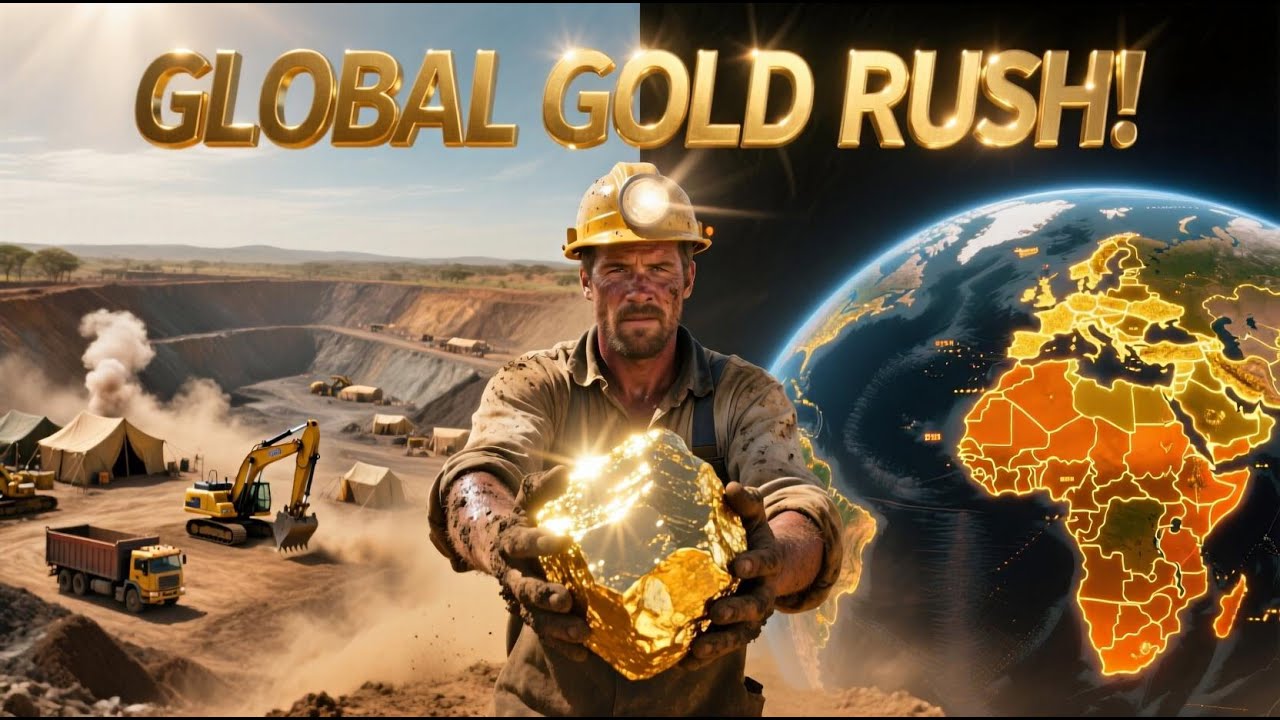
Key Takeaways on Gwalia’s Historical Importance
- The mine has operated for over 120 years, overcoming several downturns and adapting to the modern mining landscape.
- It remains a pillar of regional economic stability and community identity in Leonora, Western Australia.
- By embracing technological innovation and responsible operating standards, the Gwalia Gold Mine secured its role as a leader in Australia’s mining sector.
Gwalia Mine Operations in 2025: Setting Industry Benchmarks
As of 2025, the Gwalia gold mine operates as one of Australia’s deepest underground mines, employing digital transformation and automation as core parts of its operating model. Now under St Barbara Limited, Gwalia continues to be a flagship gold mine in the country—as relevant today as it was in its 19th-century heyday.
- Automation of mining equipment, reducing human exposure to risk and optimizing operational efficiency.
- Geospatial data analysis increases ore recovery rates by using AI-driven modeling to pinpoint high-yield deposits.
- Real-time monitoring systems track underground conditions, machinery status, and environmental factors with unprecedented accuracy.
- Sustainability benchmarks: Implementation of advanced water management, energy efficiency, and emissions tracking systems, keeping the mine aligned with global sustainable mining standards.
These operational advancements set a powerful precedent, demonstrating how historical mines like Gwalia can be revitalized to remain both economically significant and operationally advanced as we approach 2026.
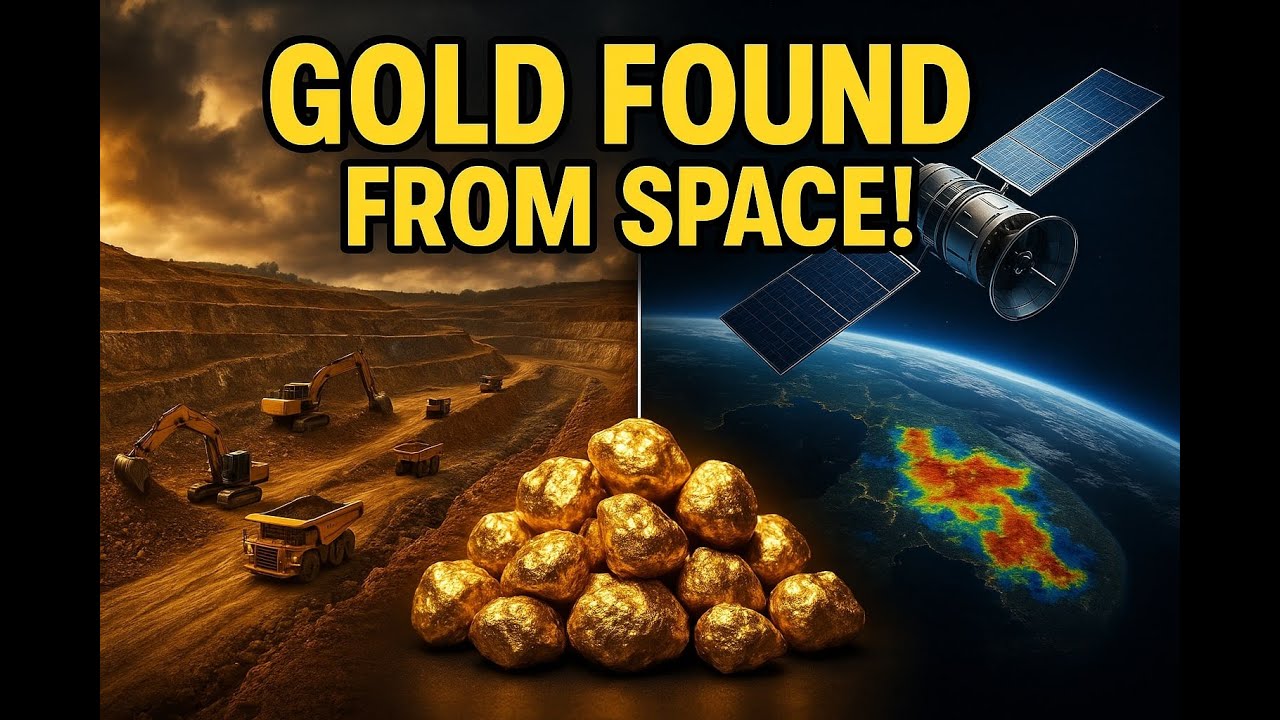
Gwalia Gold Mine: Core Operations & Technologies in 2025
- Ore Extraction: Underground mining fleets using advanced remote-controlled drills and haulage equipment.
- Processing & Yield: Utilization of high-recovery ore sorting technology enhances gold output and efficiency.
- Digital Safety: Sensors and analytics boost worker safety while real-time communication systems enable prompt response.
- Environmental Oversight: Compliance with global standards, including extensive land rehabilitation and water conservation initiatives.
5 Cutting-Edge Innovations Shaping Gwalia Gold Mine in 2026
Entering 2026, the Gwalia gold mine leads with five transformative technologies. These innovations represent bold steps in advancing Australia’s mining sector and reinforce the practice of sustainable and responsible extraction. Let’s delve into how each of these advancements is revolutionizing daily mining operations, safety protocols, and environmental consciousness at one of Western Australia’s most prominent mines.

1. Deep Automation and Remote Equipment Operations
- What’s New?
By 2026, a planned 30% increase in remote, automated technology reshapes routine extraction processes at Gwalia, with advanced AI algorithms directing loaders, trucks, and drill rigs from a centralized, above-ground control room. - Impacts:
- Reduces onsite workforce exposure to hazardous conditions
- Significantly increases operational uptime of mining fleets
- Lowers maintenance costs through predictive analytics
- Sustainability Angle: Automation reduces unnecessary idling and energy consumption, contributing to a meaningful drop in greenhouse gas emissions.
- SEO Keyword Usage: Automation, operational efficiency, equipment, underground gold mine, Gwalia mine, operational advancements

2. AI-Powered Geospatial Data Analysis
- What’s New?
Sophisticated integration of AI with real-time satellite and underground sensor data, rapidly identifying new ore deposits and predicting optimal extraction paths. - Impacts:
- Boosts ore recovery rates
- Eliminates non-productive exploratory drilling
- Enhances competitiveness by responding faster to shifting market demands
- Sustainability Angle: Targeted mining reduces land disturbance and unnecessary energy spend.
- SEO Keyword Usage: Geospatial data analysis, ore, gold, Gwalia gold mine, technology, advancements, mining sector
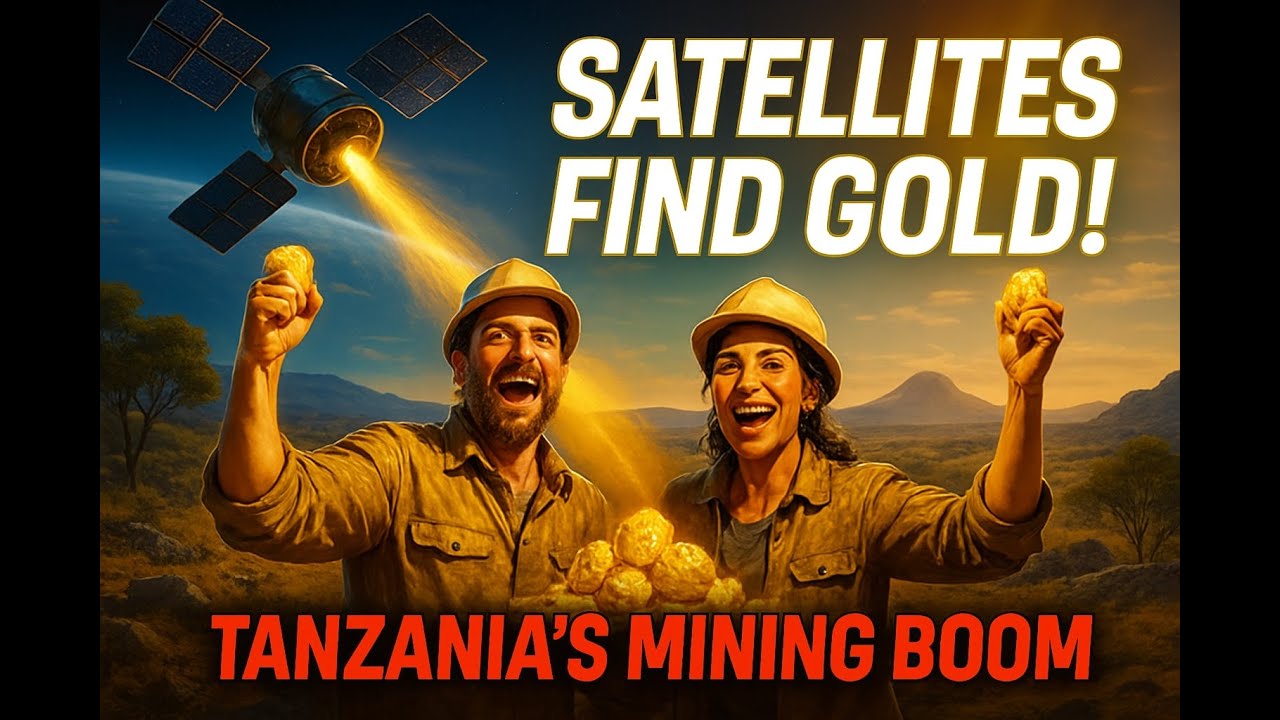
Discover how environmental impact monitoring is simplified using remote sensing and carbon footprinting tools. This contributes significantly to sustainable mining practices and regulatory compliance in Australia’s mining sector.
3. Real-Time Environmental Monitoring & Carbon Footprint Tracking
- What’s New?
Deployment of sensors, drones, and satellite feeds to monitor water usage, air quality, biodiversity, and soil conditions at every operational stage. - Impacts:
- Instant alerts for emissions and environmental risks
- Data-driven decisions for water recycling and land rehabilitation
- Transparency—public environmental performance dashboards boost trust
- Sustainability Angle: Precise tracking ensures compliance with global sustainability standards and proactive management of Gwalia’s ecological footprint.
- SEO Keyword Usage: Environmental, sustainability, monitoring, Gwalia gold mine, operational standards, global, carbon emissions
4. Blockchain-Enabled Supply Chain Traceability
- What’s New?
Every ounce of gold mined at Gwalia receives a digital birth certificate, employing blockchain technology to verify and track its journey from ore extraction through to processing, refining, and export. - Impacts:
- Prevents smuggling and fraud
- Meets increasing demands for ethical sourcing by global buyers
- Enables banks and insurers to more accurately assess risk
- Sustainability Angle: Consumers and businesses alike can trace gold’s environmental provenance.
- SEO Keyword Usage: Blockchain, traceability, gold, ore, sons of Gwalia mine, export, operational efficiency
Learn how blockchain-based traceability systems ensure authenticity and transparency across mining supply chains. Such systems not only improve trust but also support more responsible sourcing and fraud prevention across the sector!
5. Integration of Renewable Energy Sources
- What’s New?
Hybrid power plants—solar arrays combined with energy storage and local grid management—are being installed to supplement and gradually replace diesel generators on site. - Impacts:
- Consistent cost savings on operational energy bills
- Resilience against regional power outages or fuel price shocks
- Major reductions in carbon emissions per ounce of gold produced
- Sustainability Angle: Direct contribution to Australia’s net-zero targets and bolstering of Gwalia’s reputation as a sustainable mining operation.
- SEO Keyword Usage: Renewable energy, gold mine, sustainability, emissions, output, future of mining

Interested in maximizing vehicle and resource usage for remote mining operations?
Learn more about advanced Fleet Management tools for tracking, safety, and efficiency.
Farmonaut’s fleet optimization helps reduce costs by streamlining vehicle and machinery management, essential for large-scale mines.

Comparison Table: Gwalia Gold Mine Innovations (2025–2026)
| Innovation Name | Description | Estimated Implementation Year | Impact on Operations (e.g., % Efficiency Gain) |
Sustainability Contribution (e.g., CO₂ Reduction, %) |
|---|---|---|---|---|
| Deep Automation & Remote Equipment Operations | Increases safety and productivity; remote piloting reduces risk | 2025–2026 | +30% operational efficiency, -20% downtime | -18% CO₂ emissions (through optimized cycles and less idle time) |
| AI-Powered Geospatial Data Analysis | Real-time geological modeling; improves ore targeting | 2026 | +16% gold recovery, -25% wasted exploration | -9% land impact, -7% water use per tonne mined |
| Real-Time Environmental Monitoring & Carbon Tracking | Live data feeds for air, water, and land rehabilitation | 2025 | -33% compliance lag, +15% reclamation rates | -22% carbon footprint, -15% water usage |
| Blockchain-Enabled Supply Chain Traceability | Tracks every gold unit’s ethical and environmental journey | 2025–2026 | -100% fraud (traceable batches), +19% transparency rating | Enables green certification (% varies by export batch) |
| Renewable Energy Integration | Solar arrays, storage, and smart microgrids | 2026 | -12% operational cost, -10% grid reliance | Up to -35% site-wide carbon emissions |
Impact: Economics, Environment & Community
Economic Contributions
- Gwalia Gold Mine is a crucial contributor to both the Western Australia and national economy through job creation, gold export, government royalties, and procurement of local services.
- It sustains ancillary industries—equipment manufacturing/maintenance, transport logistics, and engineering services.
- Its resilient output bolsters Australia’s global status as a top gold producer.
Environmental Responsibility
- The Gwalia gold mine is subject to stringent Australian and global environmental standards focused on reducing local ecological impact, including land rehabilitation and biodiversity protection.
- Innovations such as environmental impact monitoring and carbon footprinting accelerate regulatory compliance and best practices in mining sustainability.
- Renewable energy and automated systems continue to significantly reduce emissions and waste, helping align the mine with net-zero goals.
Community & Social Fabric
- For over a century, the mine’s workforce and community involvement have been central to Leonora’s economic and social life.
- Investments in local infrastructure, education, and health have long established Gwalia as a responsible corporate citizen.
The Future of Gwalia Gold Mine & Australia’s Mining Sector
As exploration initiatives identify new ore bodies in the regions surrounding Leonora, and Gwalia integrates more sustainable operations, the lifespan of the mine—and its influence on gold production—looks set to stretch well beyond current projections for 2026 and beyond.
- Continued investment in R&D will drive deeper extraction techniques and better safety for underground crews.
- The technological advances set by Gwalia will provide a road map for other historical and modern mines within Australia and globally.
- Public-private alignment on new digital and environmental regulations will keep Australia’s gold export industry competitive.

Try satellite monitoring tools for mining & logistics operations.


Interested in integrating satellite data into your own mining management systems?
Explore Farmonaut’s mining and agriculture API |
Read API developer docs
APIs allow seamless integration of real-time geospatial insights, resource tracking, and environmental compliance tools into your enterprise software.
Satellite Advancements: How Solutions like Farmonaut Propel Mining
To meet the rising operational and regulatory challenges faced by modern gold mines, satellite-driven intelligence is now indispensable. We at Farmonaut offer satellite-based solutions tailored for mining, environmental management, and resource logistics. Farmonaut’s platform uses multispectral satellite imagery and AI analytics to help mining operators:
- Monitor site health, detect changes in land cover, and support rapid ore targeting.
- Track and minimize carbon footprinting and improve reporting for sustainability compliance.
- Integrate blockchain-based traceability systems for altogether transparent supply chains.
- Optimize fleet, asset, and workforce deployment with advanced Fleet Management tools.
- Enable scalable, cost-efficient compliance and reporting, reducing administrative overhead and supporting export certification.
Accessible via web, Android, and iOS, our solutions are designed for seamless remote monitoring, management, and strategic planning—allowing both field engineers and executives to make data-driven decisions.
Farmers, mining managers, and enterprises alike can leverage Farmonaut’s modular subscription model—pay only for the volume and resolution of data you need.
Interested in automated, verified environmental compliance or supply chain traceability in mining?
Read more about carbon footprinting here
See how traceability works here
Frequently Asked Questions (FAQ)
1. Where is Gwalia Gold Mine located?
Gwalia Gold Mine is located near the town of Leonora in Western Australia, within a region renowned for significant gold mining activity since the late 19th century.
2. Who owns and operates the mine?
Originally developed by Sons of Gwalia Limited, the mine is now run by St Barbara Limited, a leading Australian mining company focused on underground gold operations.
3. What major technological innovations have been adopted at Gwalia Gold Mine?
Key technologies include deep automation, real-time geospatial data analysis, environmental impact monitoring, blockchain-based traceability, and renewable energy integration.
4. How does Gwalia Gold Mine contribute to the economy?
The mine supports direct and indirect jobs, stimulates local industries, generates export revenue, and delivers substantial royalties to the Western Australian and national governments.
5. What are the mine’s sustainability practices?
Sustainability at Gwalia includes land rehabilitation, advanced water and air quality monitoring, carbon emission reduction, and adoption of clean energy sources.
6. How do satellite and digital technologies support mining?
Satellite imagery and AI-driven analytics enable precision targeting of ore, real-time resource management, environmental compliance, and operational efficiency for mining sites like Gwalia.
7. Can other mining companies in Australia replicate Gwalia’s innovations?
While every site has unique challenges, the digital and environmental management systems pioneered at Gwalia offer a replicable framework for sustainable and efficient mining across Australia and similar global operations.
Conclusion: Gwalia Gold Mine—Embodying Heritage and the Future
The Gwalia Gold Mine stands not just as one of Australia’s oldest operating gold mines, but as a vivid demonstration of how legacy, innovation, and sustainability intersect to define the next era of gold mining. From its formative years in the rush-driven 19th century, through 20th-century operational highs and corporate transformations, to its present role as a benchmark of technological advancement in 2026, Gwalia shapes both the Australian and global mining landscapes.
Its ongoing innovations—automation, AI geospatial analysis, carbon and environmental tracking, blockchain traceability, and renewable energy—secure Gwalia’s place at the forefront of responsible, efficient, and sustainable mining. These efforts not only ensure the mine’s continued contribution to the Western Australian and national economies, but also set a blueprint for mines worldwide to blend economic output with environmental stewardship.
As solutions like Farmonaut make satellite-driven insights widely available, the future of mining is more data-rich, efficient, transparent, and sustainable than ever before. Tools for monitoring carbon footprinting, traceability, and resource management empower both large and small mining enterprises to thrive amidst rising regulatory demands and market expectations for responsible gold extraction.
In summary, the Gwalia Gold Mine, located near Leonora, Western Australia, is a defining force in the mining sector—blending heritage with future readiness, economic value with environmental care, and Australian ingenuity with global impact.

 Process Metrology LLC
 Dalgety Minerals Pty Ltd
 Vortex Minerals Pty Ltd
 Faith At Work (Pty) Ltd
 Geotech Mining Solutions plc
 Vulcan International Limited
 Kidepo Associates
 GKY Mining
 Alkimy SARL
 Double A Trading
 GemSprout Metals Limited
 Qader Group
 Ileys General Trading
 SG Gold Mining LLC
 VRV Global Pte Ltd
 Omsri International FZE
 G.I.T.T.
 Jaunita Erss Ltd
 Almosi SARL
 SRK Consulting
 Berks Gold Limited
 Mwerezi Minerals Company Limited
