

Lanthanide Elements: Rare Earth Metals Impact 2026
Discover How Vital Rare Earth Minerals are Shaping Agriculture & Defence for a Tech-Driven, Sustainable Future
“Global lanthanide demand in agriculture and defence is projected to grow by 20% by 2026.”
Table of Contents
- Introduction: The Rising Wave of Lanthanide Elements
- What Are Lanthanide Elements? Series, Abundance, and Properties
- Lanthanides in Modern Agriculture: 2026 Horizons
- Precision Sensing: Lanthanide-Enabled Agricultural Technologies
- Lanthanide Metals in Defence: Shaping National Security
- Comparative Impact Table: Lanthanide Elements, Applications, & 2026 Outlook
- Lanthanide Mining, Extraction, and Environmental Sustainability
- Farmonaut’s Role: Satellite Tech Empowering Agri & Mining’s Future
- The Future: Challenges & Innovation in Lanthanide Use 2026 and Beyond
- FAQs on Lanthanides in Agriculture and Defence
- Conclusion: Lanthanide Elements Shaping a Sustainable, Tech-Driven Tomorrow
Introduction: The Rising Wave of Lanthanide Elements
In recent years, lanthanide elements, often referred to as lanthanide rare earth elements (REEs), have witnessed an unprecedented surge in global demand and technological significance. As we approach 2026, these rare earth metals have become vital minerals at the heart of innovation—integral to agri-tech, sustainable farming, advanced electronic systems, futuristic defence capabilities, and resource-efficient operations.
From agriculture, where precision, efficiency, and ecological practices are taking centerstage, to defence sectors investing in more resilient and capable systems, the influence of lanthanide metals is profound. Leveraging their unique chemical and physical properties is reshaping how nations optimize nutrient uptake in crops and build strategic defence infrastructure. But what are lanthanide elements, what makes their role irreplaceable, and how do we, as a technology-powered society, address the associated environmental and supply chain challenges?
This in-depth guide explores the series of lanthanides, their global extraction, and their transformative role in driving technological innovation across sectors—charting the evolution toward a sustainable future for 2026 and beyond.

What Are Lanthanide Elements? Series, Abundance, and Properties
The lanthanide series—often called the rare earth elements or REEs—comprises 15 metallic elements: lanthanum (La), cerium (Ce), praseodymium (Pr), neodymium (Nd), promethium (Pm), samarium (Sm), europium (Eu), gadolinium (Gd), terbium (Tb), dysprosium (Dy), holmium (Ho), erbium (Er), thulium (Tm), ytterbium (Yb), and lutetium (Lu). Despite the label “rare,” these metals are relatively abundant in the Earth’s crust, but they occur in a dispersed fashion, making their extraction and purification challenging.
The unique electronic properties of lanthanide elements—arising from their partially filled 4f atomic orbitals—are responsible for their vital magnetic, luminescent, and catalytic characteristics. These properties underpin their use in advanced technologies across many fields:
- Agriculture: Plant growth promotion, nano-fertilizer production, and stress resilience improvement
- Defence: Manufacturing of permanent magnets, sensors, lasers, radar, and advanced communication hardware
- Industrial: Catalysts, batteries, and energy storage solutions
Let’s probe deeper into how these elements are unlocking new capabilities in agriculture and defence for a sustainable and secure 2026.
“Over 90% of advanced defence tech uses at least one lanthanide element for enhanced performance.”
Lanthanides in Modern Agriculture: 2026 Horizons
Agriculture stands at a technological crossroads. As precision, sustainability, and food security become pressing imperatives, lanthanide rare earth elements emerge as vital catalysts—quietly powering the evolution of farming worldwide. Their growing importance is multi-faceted, spanning soil chemistry, plant biology, digital monitoring, and ecological stewardship.
Lanthanide Elements: Driving Agricultural Innovation
- Enhanced Plant Growth & Stress Tolerance: Cerium and lanthanum have been shown, when applied in trace amounts, to stimulate crop growth, root development, and increase crop yields. Lanthanide-based nano-fertilizers optimize nutrient uptake and bolster stress resistance—especially against drought and heavy metals.
- Cerium Oxide Nanoparticles: Cerium oxide (CeO2) nanoparticles act as reactive oxygen species (ROS) scavengers, reducing oxidative stress and improving drought tolerance. This is pivotal in regions with degraded soils.
- Phosphorus & Micronutrient Mobilization: Lanthanides interact with soil chemistry—aiding the release of phosphorus and micronutrients typically locked in insoluble forms—thereby enhancing soil fertility sustainably.
- Biosafety & Environmental Footprint: Unlike conventional fertilizers, correct application of lanthanide-based agro-inputs minimizes nutrient runoff and environmental degradation, aiding ecological farming operations.
2026 Outlook: As demand for food intensifies, lanthanide-enabled enhancement of plant growth, stress management, and soil fertility is expected to witness rapid adoption, increasing the global agriculture sector’s ability to meet food demand sustainably.
Lanthanide Series: Transformative Role in Soil Fertility & Crop Yields
The application of certain lanthanides results in:
- Stronger root systems—due to their action on hormone signaling (auxins, cytokinins)
- Improved absorption of water and nutrients even under drought or degraded soil conditions
- Enhanced resistance to abiotic stress (heat, heavy metals, salinity)
- Lower fertilizer inputs and minimized environmental runoff

Precision Sensing: Lanthanide-Enabled Agricultural Technologies
Advanced sensors incorporating lanthanide-doped phosphors and luminescent materials are increasingly deployed across smart farms worldwide by 2026. Their benefits include:
- Real-time crop monitoring: Providing actionable data on chlorophyll activity, plant stress, and disease for rapid intervention.
- Soil chemistry mapping: Enabling microzonal fertilizer application by measuring in-situ nutrient status, moisture, and salinity, minimizing overuse.
- Increased efficiency: Optimizing water, nutrient, and pesticide application with minimal waste—improving overall operational efficiency and yields.
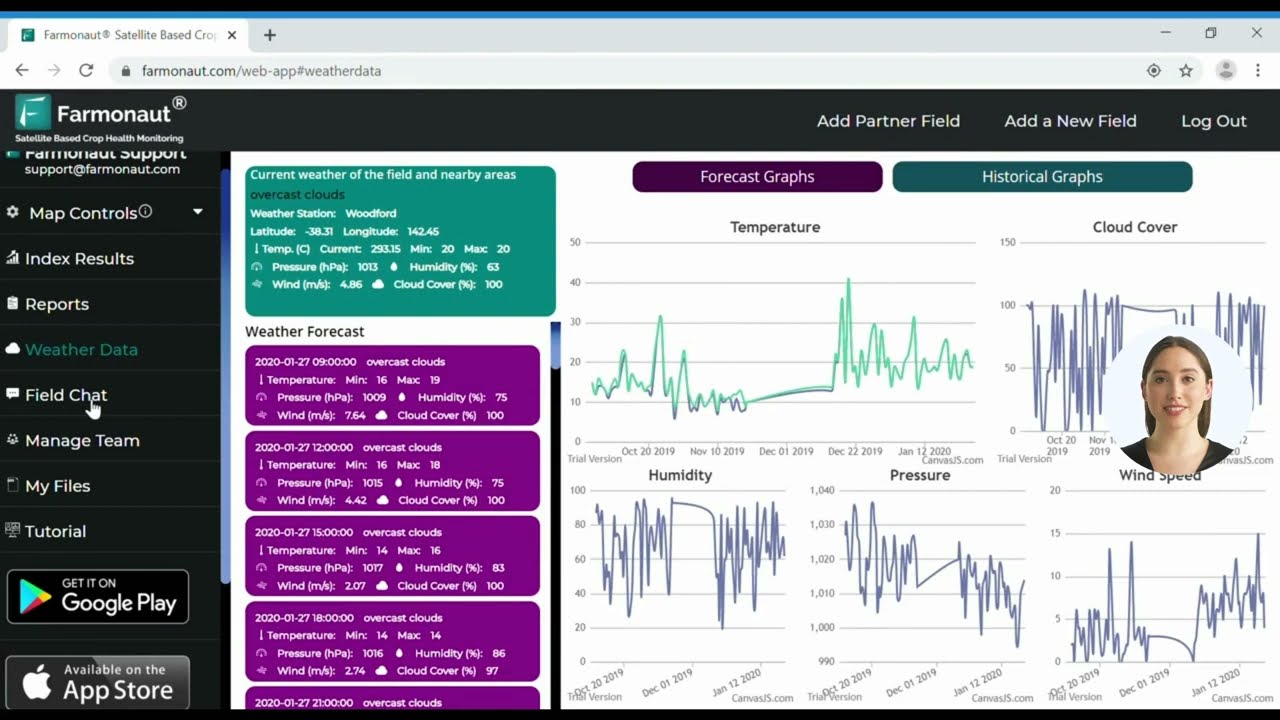
- Precision agriculture at scale: Combining sensor data with AI-driven Large-Scale Farm Management platforms—such as those offered by Farmonaut—enables centralized monitoring, optimized decision-making, and environmental reporting.
As satellite, AI, and lanthanide-based sensor technologies converge, the next wave of agricultural advancement focuses on increasing productivity while minimizing ecological impact.

Digital Platforms & Farmonaut’s Contribution
At Farmonaut, we enable precision, cost-effective farm monitoring using multispectral satellite imagery—tracking crop health, vegetation indices (NDVI), and soil condition—without the need for expensive physical sensors. Our platform’s integration with AI and resource management tools, alongside blockchain-based traceability solutions, makes supply chains transparent for all stakeholders, bolstering agricultural integrity and market trust.



Lanthanide Metals in Defence: Shaping National Security
The role of lanthanide elements in defence technology is both foundational and strategic. These rare earth metals underpin key modern defence systems—ranging from guided missiles to electromagnetic sensors and secure communications infrastructure.
- Permanent magnets and advanced motor technology: Neodymium, praseodymium, and dysprosium are indispensable in the production of high-performance permanent magnets. These provide a phenomenal strength-to-weight ratio, critical for mobile weapons, actuators, and radar testing systems.
- Directed-energy laser systems: Ytterbium-, neodymium-, and erbium-doped fiber lasers are seeing mainstream adoption in directed-energy defence applications—providing precise targeting with minimal risk of collateral damage.
- Electronic warfare and sensors: Lanthanides contribute to advanced sensor technologies that can detect threats, guide systems, and enable secure satellite communications—keeping modern defence systems at the technological frontier.
With over 90% of advanced defence tech utilizing at least one lanthanide, ensuring a robust and sustainable supply of rare earth elements has become a top priority for national security and strategic autonomy.
Strategic infrastructure monitoring—such as the kind supported by Farmonaut’s real-time satellite solutions—relies heavily on resilient lanthanide-enabled technologies for robust operational continuity and infrastructure protection.

Strategic Imperatives: Domestic Mining, Supply Resilience & Environmental Responsibility
- Supply chain risks: With many countries reliant on foreign sources for their lanthanide supply, domestic mining and environmentally responsible extraction have become policy priorities.
- Recycling & circular economy: Efforts are intensifying to recover lanthanide elements from mining waste, electronic scrap, and spent batteries—an area where real-time tracking and analytics play a critical role. Solutions like carbon footprinting are helping industries comply with sustainability mandates.
Looking to 2026, the linkage between national security and lanthanide elements will only become tighter, with technological advancements directly influencing the strategic calculations of global powers.
Comparative Impact Table: Lanthanide Elements, Applications, & 2026 Outlook
| Lanthanide Element | Major Agricultural Use | Major Defence Use | Estimated Market Growth by 2026 (%) | Innovation Index* (1–10) |
|---|---|---|---|---|
| Neodymium (Nd) | Sensors, high-precision farm equipment, nano-fertilizer catalysis | Permanent magnets (missiles, radar, drones, motors) | ~18% | 9.5 |
| Cerium (Ce) | Bio-stimulants, cerium oxide nanoparticles as ROS scavengers, nutrient mobilization | Catalysts in hydrocarbon processing, polishes for optics, oxygen sensors | ~15% | 8.9 |
| Lanthanum (La) | Soil chemistry modulation, crop yield enhancement, trace element fertilization | Battery alloys (advanced mobility), optical glass for military equipment | ~13% | 8.8 |
| Praseodymium (Pr) | Phosphors for luminescent fertilizers, smart sensors | Magnets, lasers, aircraft engines | ~12% | 8.4 |
| Dysprosium (Dy) | Magnet-doped robotics for farm automation | High-temperature magnets in critical military applications | ~10% | 8.0 |
| Ytterbium (Yb) | Laser-based soil sensing equipment | Fiber lasers for directed energy weapons | ~9% | 7.5 |
| Erbium (Er) | Optical transmitters for smart irrigation systems | Lasers, infrared optics, secure communications | ~8% | 7.0 |
| Europium (Eu) | Red/blue phosphors for nutrient sensors and agri-LEDs | Security ink, satellite communication | ~7% | 6.8 |
*Innovation Index: Subjective score (1=low, 10=exceptional driver of innovation) based on utility, research momentum, and transformative potential in sectoral applications by 2026.

Lanthanide Mining, Extraction, and Environmental Sustainability
Mining and purification of lanthanide metals involve complex industrial processes—often yielding toxic by-products and requiring energy-intensive separation due to the similar chemical properties of the series. Addressing their environmental footprint is an acute challenge for 2026 as global demand rises.
- Green chemistry approaches: Research is advancing on biotechnology-driven extraction and solvent-free methods for purifying lanthanides, reducing chemical waste and emission.
- Recycling initiatives: Upcycling electronic and industrial waste for rare earth content is gaining traction, especially for elements present in end-of-life electronics and batteries.
- AI & satellite monitoring: Digital platforms—such as those offered by Farmonaut—enable real-time environmental impact tracking for mining and extraction sites, supporting regulatory compliance and minimization of ecological degradation.
- Global traceability: Blockchain-enabled systems ensure transparent mineral sourcing, supporting responsible consumer and industrial choices.

The Circular Economy: Unlocking Sustainable Supply
As countries aim to reduce their dependency on foreign REE resources, focus is shifting to recycling, upcycling, and sustainable extraction—enabled by satellite monitoring and sophisticated logistics. Blockchain-backed traceability links every supply chain step, from mining to product manufacturing, promoting ethical resource use.
Meanwhile, efforts to substitute or extend the lifecycle of lanthanide-based components—through enhanced material science and predictive maintenance—will shape the future landscape of sustainable minerals management.
Farmonaut’s Role: Satellite Tech Empowering Agri & Mining’s Future
At Farmonaut, we are committed to making satellite-driven insights accessible and transformative across agriculture, mining, infrastructure, and defence. Our multi-tool platform empowers stakeholders with:
- Real-time remote monitoring: We harness multispectral satellite imagery and AI to deliver immediate insight into crop health, soil condition, and resource extraction, facilitating sustainable practices.
- Blockchain-based traceability: Our traceability solution (learn more) enables secure, authentic mineral and agri-product supply chains, building trust across the value network.
- Resource and fleet management: With fleet management tools, businesses optimize logistics, enhance safety, and reduce operational costs—supporting both field and supply chain operations.
- Environmental impact compliance: Through carbon footprinting solutions (know more), industries can effectively track, report, and mitigate emissions, aligning with stricter 2026 regulatory frameworks.
- Satellite-based verification for financing: Our platform supports loan and insurance approvals through satellite-verified data (details), reducing fraud and improving access for farmers and miners.
- Scalability across use-cases: From smallholders to governments, our solutions adapt to diverse operational needs—delivering accessible, affordable insights anytime, anywhere.
All these offerings are available across Android, iOS, and web platforms. Access our cloud suite via mobile, browser, or integrated API (API here / API Docs).
The Future: Challenges & Innovation in Lanthanide Use 2026 and Beyond
As lanthanide elements cement their role as vital minerals shaping agriculture and defence, several macro-trends and challenges will define their use by 2026:
- Sustainable extraction challenges: Scaling green mining technologies is imperative to minimize ecological footprints—from biotechnological separation to energy-efficient purification.
- Supply chain resilience: Strategic stockpiling, domestic mining, and incentivization of recycling programs will reduce vulnerability to global trade disruptions.
- Material substitution & lifecycle extension: Advanced materials research (e.g., new composites, nanostructured alloys) will seek to either reduce reliance on or maximize the effective utility of each lanthanide rare earth element.
- Regulatory and geo-economic dynamics: Stronger international frameworks will mandate traceable, responsible sourcing of critical minerals, with compliance closely monitored through digital tools.
- AI- and data-driven optimization: Greater integration of AI advisory systems (like Jeevn AI on Farmonaut’s platform) with real-world operations will further boost efficiency, precision, and sustainability across farming, mining, and defence.
Embracing these opportunities requires combining scientific innovation, strategic resource management, and digital intelligence—ensuring lanthanide elements contribute to global prosperity, security, and ecological well-being.
FAQs on Lanthanides in Agriculture and Defence
1. What are lanthanide elements and why are they called “rare” earth elements?
Lanthanide elements are a group of 15 metallic elements ranging from lanthanum to lutetium on the periodic table. They are called “rare earth” not because they are scarce, but because they typically occur in dispersed deposits, making extraction and purification technologically challenging.
2. How are lanthanides used in agriculture as of 2026?
Lanthanides are used to develop nano-fertilizers and bio-stimulants that enhance plant growth, nutrient uptake, and stress tolerance. They’re also integral to precision sensors that monitor crop health, soil moisture, and nutrient content, supporting sustainable, efficient, data-driven farming.
3. What is the strategic significance of lanthanide metals in defence?
Lanthanide metals are essential for the manufacture of high-strength permanent magnets, advanced sensors, and fibre-laser systems deployed in military hardware, radar, drones, guidance systems, and communication networks. Their unique properties enable miniaturization and enhanced performance of defence technologies.
4. Are lanthanide mining and extraction environmentally sustainable?
Traditional extraction can be environmentally damaging, but new methods—such as biotechnology-driven mining, recycling, and green chemistry processes—are being adopted to reduce waste, emissions, and ecological harm. Platforms like Farmonaut help monitor environmental impact and compliance in real time.
5. How do lanthanide elements contribute to supply chain transparency?
Blockchain-based traceability systems ensure every step, from mining to end-user, is documented and verifiable. This minimizes fraud, supports regulatory compliance, and fosters public trust in sustainably sourced minerals and agricultural products.
6. What role do digital platforms play in optimizing lanthanide use?
Platforms like Farmonaut leverage satellite imagery, AI, and blockchain to provide actionable insights, enhance productivity, ensure regulatory compliance, reduce environmental impact, and facilitate scalable management of resources across agriculture, mining, and defence sectors.
7. Can the use of lanthanides in agriculture improve food security?
Yes, by optimizing nutrient uptake, improving crop resistance to stress, and increasing yields in challenging soils, lanthanides can boost food security while minimizing ecological footprint and resource input.
Conclusion: Lanthanide Elements Shaping a Sustainable, Tech-Driven Tomorrow
In summary, lanthanide elements—the so-called rare earth metals—are proving indispensable in the journey toward a more sustainable, technologically advanced 2026. Their transformative role in agricultural yield optimization, soil chemistry, and defence innovation cannot be overstated. As the world moves to embrace precision, smart resource usage, and circular economies, addressing the challenges associated with extraction, environmental impact, and secure supply will be crucial.
Forward-thinking organizations are already leveraging digital intelligence, advanced monitoring, and blockchain-based traceability to ensure efficient, transparent, and sustainable use of these vital minerals. At Farmonaut, we believe that democratizing access to satellite-driven analytics is a cornerstone for enabling these advancements, supporting governments, industry, and individual users in driving a secure and sustainable future—on the farm, in the mine, and across strategic infrastructures.
Ready to empower your agri, mining, or defence operations? Explore the future of resource management with Farmonaut’s satellite-powered platforms.
Discussion
Questions, corrections or field experience? Share them below. First-time comments are reviewed before they appear, and your email is never published.
No comments yet. Be the first to add a question or your experience.

 Process Metrology LLC
 Dalgety Minerals Pty Ltd
 Vortex Minerals Pty Ltd
 Faith At Work (Pty) Ltd
 Geotech Mining Solutions plc
 Vulcan International Limited
 Kidepo Associates
 GKY Mining
 Alkimy SARL
 Double A Trading
 GemSprout Metals Limited
 Qader Group
 Ileys General Trading
 SG Gold Mining LLC
 VRV Global Pte Ltd
 Omsri International FZE
 G.I.T.T.
 Jaunita Erss Ltd
 Almosi SARL
 SRK Consulting
 Berks Gold Limited
 Mwerezi Minerals Company Limited
 Exploration consultancy · South Africa · Gold










