

Neodymium Radioactive vs Non Radioactive Rare Earth Elements: Key Distinctions & Trends in 2025
Introduction: Rare Earth Elements & Neodymium in Modern Innovation
Rare earth elements (REEs) have become indispensable to the rapid pace of technology infusion across sectors—spanning mining, energy, agriculture, defence, and infrastructure. Amid these, neodymium stands tall as a non radioactive rare earth element transformative to the world’s technological backbone in 2025 and beyond.
As global demand grows for electric vehicles, wind turbines, and precision defence systems, understanding the distinctions between neodymium radioactive vs non radioactive rare earth elements becomes more crucial than ever. These differences impact not only industrial applications and productivity but also vital environmental and safety protocols in mining operations and infrastructure development.
This deep-dive guides you through the properties, implications, and future trends shaping REEs and their role in global technology, with a sharp lens on neodymium’s unique magnetic properties and strategic applications.

“Neodymium magnets are 10 times stronger than traditional ceramic magnets, revolutionizing renewable energy technology by 2025.”
What Are Rare Earth Elements?
Rare earth elements (or REEs) are a group of seventeen chemically similar metallic elements, including the fifteen lanthanides plus scandium and yttrium. Despite the name, most REEs are not particularly rare in Earth’s crust, but they are rarely found in economically exploitable concentrations, making their mining and extraction complex.
- Lanthanides: Elements 57 (lanthanum) to 71 (lutetium) in the periodic table; neodymium belongs here.
- Scandium and Yttrium: Often found in similar ore deposits and exhibit similar chemical properties.
- REEs are vital in technology: electronics, magnets, energy systems, and defence hardware— addressing the needs of modern infrastructure and clean energy transitions.
Of these elements, most are non radioactive rare earth elements, but some, such as thorium and promethium, do exhibit varying degrees of radioactivity and pose unique environmental and operational challenges in extraction.
Neodymium: The Indispensable, Non Radioactive Rare Earth Powerhouse
Neodymium, atomic number 60, is a member of the lanthanide series and serves as a non radioactive rare earth element prized for its application in high-strength magnets. It is primarily used to manufacture neodymium-iron-boron magnets (NdFeB)—the strongest type of permanent magnets commercially available. These magnets drive efficiency improvements critical to:
- Wind turbines (enhance energy production in renewable systems)
- Electric vehicles (enable compact, powerful motors)
- Advanced defence technologies (precision guidance, radar, and communication systems)
Because neodymium remains non radioactive, its mining, processing, and use offer significant safety and environmental management advantages, although its ores often contain small amounts of radioactive minerals such as thorium and uranium.

Key takeaway: The role that neodymium plays in advanced technology infrastructure is vital for ongoing innovation and sustainability in the coming decades.
Neodymium Radioactive vs Non Radioactive Rare Earth Elements: Core Differences
The distinction between neodymium radioactive vs non radioactive rare earth elements is central to environmental, safety, and technological strategies in global mining operations and infrastructure projects.
- Non Radioactive Rare Earth Elements: These include neodymium, cerium, lanthanum, and yttrium. They do not exhibit significant levels of radioactivity, making them far more suitable for widespread, safe industrial applications.
- Radioactive Rare Earth Elements: Elements like thorium and promethium (mildly radioactive) exist within the lanthanide family but occur less commonly and are generally not used extensively due to instability, scarcity, and greater safety concerns.
- Association and Extraction: Even non radioactive rare earth elements are frequently found in ores containing small amounts of radioactive minerals like uranium and thorium. This association makes the extraction process particularly challenging, demanding strict protocols to prevent environmental contamination.
For the 2025+ outlook, the industry focus remains on balancing sustainable mining and environmental management with the escalating global demand for advanced electronic and energy systems using REEs.

Comparative Feature Table: Neodymium and Selected Rare Earth Elements
Understanding and comparing neodymium and related rare earth elements against radioactive examples helps clarify implications for technology, mining, and sustainability in 2025 and beyond.
| Element | Radioactivity Status | Key Applications | Estimated Annual Global Demand (2025, MT) | Environmental Impact Rating | Extraction Technology | Projected Market Trend |
|---|---|---|---|---|---|---|
| Neodymium (Nd) | Non-Radioactive | Magnets (NdFeB), Electric Vehicles, Wind Turbines, Defense Systems | 60,000–70,000 | Medium | Advanced (Solvent Extraction, Bioleaching) | Strong Growth |
| Lanthanum (La) | Non-Radioactive | Batteries, Catalysts, Hybrid Vehicles, Optical Glass | 40,000–45,000 | Medium | Traditional/Advanced Hybrid | Growth |
| Cerium (Ce) | Non-Radioactive | Glass Polishing, Catalysts, Automotive Industry | 80,000–90,000 | Medium | Traditional/Upcoming | Stable |
| Thorium (Th) | Radioactive | Nuclear Fuel (experimental), Byproduct in REE Mining | 3,000–5,000 | High | Isolation/Traditional | Stable/Decline |
| Promethium (Pm) | Radioactive | Specialized Batteries, Scientific Research | <1 (Very Rare) | High | Isolation/Specialized | Decline |
| Yttrium (Y) | Non-Radioactive | Phosphors, LEDs, Lasers, Ceramics | 8,000–10,000 | Low-Medium | Advanced | Growth |
| Dysprosium (Dy) | Non-Radioactive | Magnets (Critical for High Temp), Nuclear Reactors | 2,000–3,000 | Medium | Advanced/Upcoming | Strong Growth |

Mining and Extraction: Environmental and Operational Challenges
The mining and extraction process for rare earth elements—particularly valuable non radioactive elements like neodymium—is complex, with environmental and health implications due to their natural association with radioactive byproducts (mainly uranium and thorium).
Environmental Issues Linked to Rare Earth Mining
- Habitat Destruction: Mining often involves large-scale disruption to ecosystems and biodiversity.
- Water Contamination: Leaching of uranium, thorium, and heavy metals from tailings risks polluting water sources.
- Radioactive Waste Generation: Even with non radioactive rare earth elements, their ores may contain trace radioactive minerals, posing disposal and contamination challenges.
Advances in Extraction Technology: Towards Sustainability
- Solvent Extraction: Widely employed to separate REEs from ores, though has environmental concerns (waste generation).
- Bioleaching: Use of microorganisms to extract REEs, reducing the environmental footprint of mining operations—becoming more prominent by 2026.
- Stringent Protocols: Companies must strictly manage radioactive materials and prevent contamination at all stages—extraction, processing, and waste disposal.
For responsible mining, adoption of newer technologies and real-time impact monitoring is paramount. Platforms utilizing satellite-based solutions bring enormous value for tracking land use, contamination, and emissions.

For businesses and organizations seeking sustainable operations, Farmonaut’s Carbon Footprinting product leverages satellite and AI for real-time tracking of emissions and land use, critical for compliance and sustainability initiatives in mining and energy sectors.
“Over 90% of neodymium used in electronics is non-radioactive, boosting safe innovation in advanced mining and magnets.”
Applications in Infrastructure & Defence Sectors
The applications of neodymium and non radioactive rare earth elements underpin the reliability and efficiency of modern infrastructure and defence systems around the world.
- Infrastructure: Neodymium magnets (NdFeB) are essential for high-efficiency motors, wind turbines, advanced sensors, and energy systems required for smart grids and next-generation transportation.
- Defence: The military relies on rare earth-based magnets for guidance systems, radar modules, targeting platforms, and robust communication hardware—highlighting their strategic importance.
- Renewable Energy: As nations transition to sustainable energy, neodymium magnets enable crucial improvements in wind power generation—driving investment and market growth into 2026.
Countries and industry leaders prioritize secure, sustainable supply chains for these non radioactive REEs to maintain national security and fuel economic growth.
Why Non Radioactive REEs Like Neodymium Remain Preferred
- Safety: Minimal radiation risk compared to radioactive alternatives means fewer regulatory hurdles.
- Scalability: Well-established mining, extraction, and supply chains support rapid technology deployment worldwide.
- Innovation: Opportunities for research and product development are broader with greater availability and fewer hazards.
Neodymium and Rare Earth Elements in Renewable Energy Systems
By 2026, the renewable energy sector will rely increasingly on neodymium-based magnets and related rare earth compounds to meet ambitious climate and sustainability goals worldwide.
- Wind turbines: NdFeB magnets deliver unmatched power-to-weight ratios, enabling more compact, efficient turbine designs and higher energy capture rates—even in challenging environments.
- Hybrid and electric vehicles: Strong, lightweight motors using neodymium outperform alternatives in both performance and lifespan, powering the global EV revolution.
- Grid storage and transmission: Rare earth-enabled technologies help stabilize renewable-dominated energy grids, ensuring resilience and reliability in modern energy infrastructure.
With global demand for sustainable systems surging, the distinction between radioactive and non radioactive rare earth elements only grows more important for safe, large-scale deployment.

Agriculture: Impacts & Emerging Applications
While rare earth elements are best known for their role in technology and infrastructure, the field of agriculture is seeing emerging studies and pilot applications:
- Research indicates that trace amounts of certain REEs (including neodymium) may improve plant growth and stress resistance, opening the door for advanced agriculture systems. However, practical adoption by 2026 largely remains in early stages.
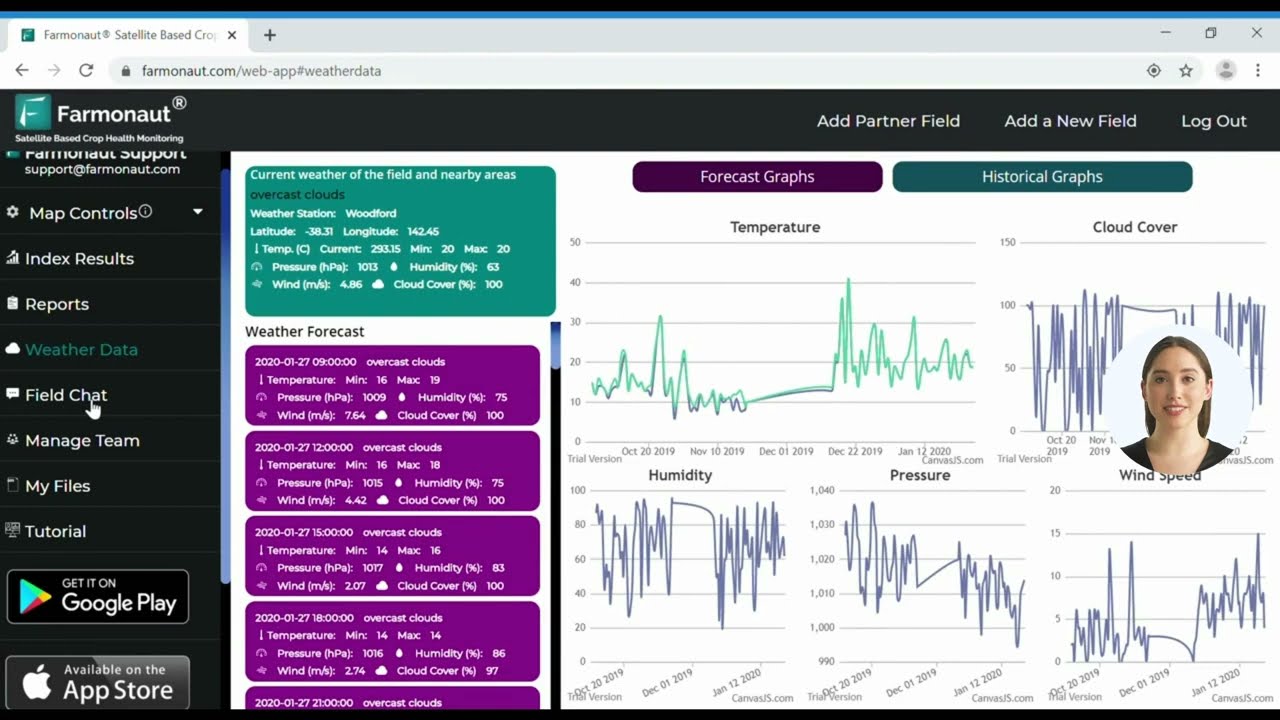
- Environmental monitoring: Satellite-driven solutions like those provided by Farmonaut can track soil conditions, predict yield, and assess contamination risk from mining runoff.
As interest grows in utilizing rare earths efficiently and safely in agri-sectors, real-time monitoring, blockchain traceability, and advisory systems will play a major role.

By integrating geospatial data, blockchain, and artificial intelligence, users can manage risks associated with rare earth mineral extraction and movement—essential for responsible and safe innovation.
Mining Technology & Innovation Trends for 2025 and Beyond
Mining and extraction are undergoing rapid innovations fueled by digital transformation and sustainability imperatives:
- AI and Machine Learning: Applied to satellite imagery and operational data for more efficient resource discovery and predictive maintenance.
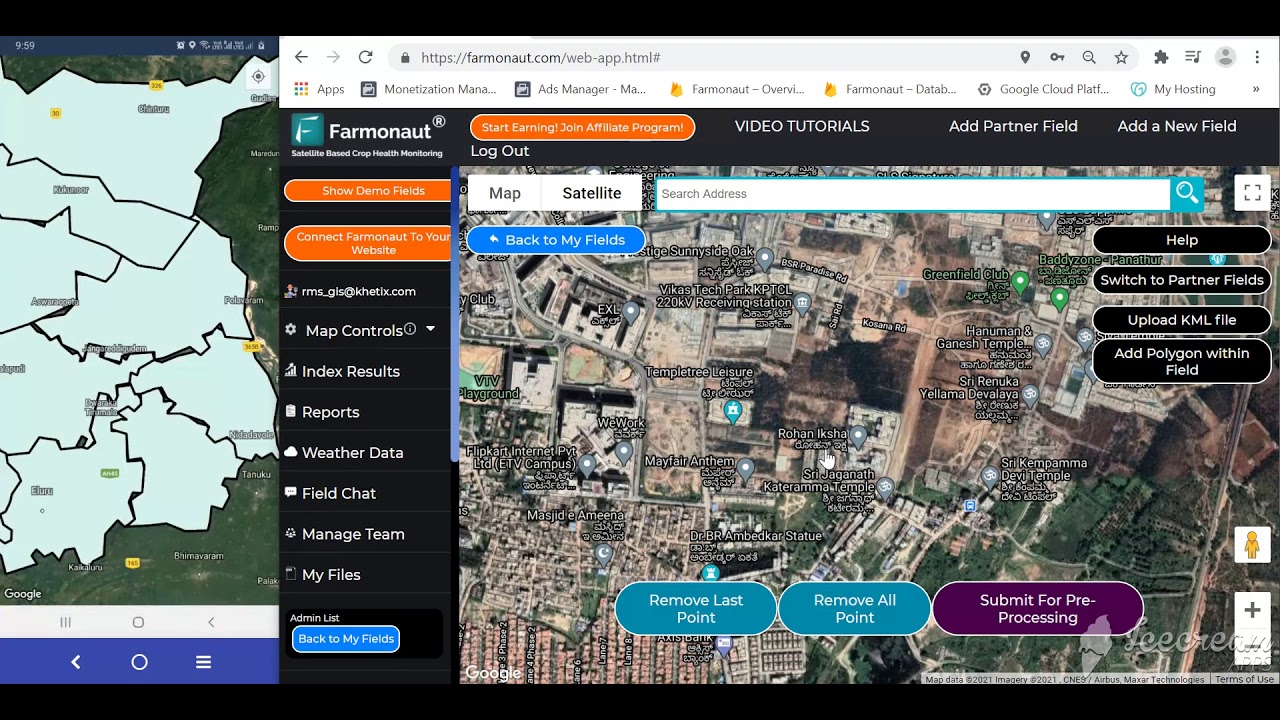
- Remote Sensing & Satellites: Real-time land use, contamination monitoring, and claim management through platforms like Farmonaut.
- Blockchain: Supply chain traceability—helping both regulatory compliance and market transparency.
- End-to-end automation: From mine to market, automation leverages digital twins and IoT for greater yield, safety, and lower costs.
2026 will demand even greater alignment of extraction with sustainable practices, as the world races toward net-zero and circular economy goals.
API Integration: For developers and enterprise clients,
Farmonaut API
enables seamless embedding of advanced satellite insights and monitoring into your digital ecosystem.
Check the API Developer Docs for customized integration guidance and advanced weather, mining, and resource monitoring capabilities.
Farmonaut Subscriptions & Access
Choose the Farmonaut plan that fits your industry—from mining and agriculture to infrastructure and defence. Accessible via web portal, Android app, and iOS platforms.


Farmonaut: Satellite Solutions for Mining, Extraction, and Sustainability
As a pioneering satellite technology company, our mission at Farmonaut is to make satellite-driven insights affordable and accessible for all, advancing precision and sustainability across mining, agriculture, and infrastructure.
- Real-time Monitoring: Multispectral imagery tracks crop health, mining site status, and infrastructure development, enabling evidence-based decisions.
- Jeevn AI Advisory System: Delivers tailored operational insights and weather forecasts, optimizing mining and defence planning in rapidly evolving sectors.
- Blockchain-based Traceability: Ensures authenticity and responsible sourcing, especially crucial in supply chains affected by radioactive rare earth elements.
- Fleet Management: Optimize usage, improve safety, and cut resource waste across vehicle fleets crucial to mining and infrastructure.
- Environmental Impact Tracking: From carbon footprinting to satellite-detected contamination hotspots, we help companies remain compliant, reduce their footprint, and innovate sustainably.
Our modular subscription model and API integration ensure solutions scale with your growth. We support government, enterprise, and individual adoption in the race for safer, cleaner, and smarter rare earth extraction and utilization.
Future Outlook: Global Demand and Market Projections to 2026
Global demand for rare earth elements—especially non radioactive rare earth elements like neodymium—will accelerate significantly through 2026:
- Renewable Energy: The push for net-zero drives record orders for electric vehicle motors and wind turbines, leveraging non radioactive REEs.
- Infrastructure Growth: Smart city, transportation, and defense upgrades worldwide require scalable, safe rare earth supplies.
- Resource Security: Nations implement strategic reserves and diversify sources to reduce reliance on high-risk (including radioactive) minerals.
- Innovation: Breakthroughs in extraction (bioleaching, solvent extraction refinements) improve efficiency and lower environmental impact.
Responsible mining, supply chain traceability, and digital oversight will become the new standard, empowering smarter and safer rare earth element deployment.
FAQ: Neodymium Radioactive vs Non Radioactive Rare Earth Elements
- Q1. Is neodymium a radioactive rare earth element?
- No. Neodymium is a non radioactive rare earth element and is widely used in technology, magnets, and renewable systems due to its safety profile and magnetic properties.
- Q2. Why are some rare earth elements radioactive?
-
Elements like thorium and promethium possess unstable isotopes, emitting radiation. These are relatively rare within the lanthanide series and are less commercially significant than non radioactive REEs like neodymium and cerium.
- Q3. What environmental challenges exist in mining rare earth elements?
-
Mining can cause habitat destruction, water contamination, and generate radioactive waste—especially when ores are associated with thorium or uranium. Sustainable extraction and environmental monitoring (via satellites and AI) are vital for operations in 2026 and beyond.
- Q4. How is neodymium used in renewable energy?
-
Neodymium is key for manufacturing permanent magnets in wind turbines and electric vehicles, enabling high efficiency and supporting global clean energy goals.
- Q5. How can digital technologies support rare earth mining and management?
-
Platforms like Farmonaut offer real-time satellite monitoring, AI-based insights, traceability, and environmental management—critical for reducing risks and meeting regulatory demands.
- Q6. Are there risks of contamination in neodymium mining?
-
Yes. Even though neodymium itself is non-radioactive, its ores often coexist with minor radioactive minerals, requiring strict safety protocols during extraction and processing.
- Q7. Where can I get real-time data and support for rare earth mining?
-
Learn more about Farmonaut’s real-time satellite monitoring and advisory solutions for sustainable mining, extraction, and environmental management.
Conclusion & Next Steps
Neodymium stands as a critical, non radioactive rare earth element, driving progress across mining, renewable energy, infrastructure, and defence. While radioactive rare earth elements exist, most, including neodymium, cerium, and dysprosium, are safe for widespread technology adoption. Environmental management remains crucial due to ore associations with thorium and uranium, making sustainability and traceability imperatives for 2026 and beyond.
The future demands advanced extraction methods, real-time environmental oversight, and secure digital platforms for monitoring and optimizing resource use. As a leader in satellite technology, Farmonaut empowers businesses, governments, and users worldwide to navigate these challenges with affordable, accessible, and scalable solutions.
Explore our web app or download Farmonaut on Android and iOS to manage your rare earth projects, mining operations, and environmental strategies sustainably.
Reference Videos – Dive Deeper:
- Rare Earth Boom 2025 🚀 AI, Satellites & Metagenomics Redefine Canadian Critical Minerals
- Manitoba Rare Earth Soil Hack 2025 | AI Metagenomics, Microbial Markers & Critical-Mineral Boom
- Satellite Mineral Exploration 2025 | AI Soil Geochemistry Uncover Copper & Gold in British Columbia!
- Farmonaut Web app | Satellite Based Crop monitoring
Meta description: Neodymium and rare earth elements: Discover key distinctions between radioactive and non-radioactive types, and their crucial impact on mining and infrastructure for 2025 and beyond.

 Faith At Work (Pty) Ltd
 Geotech Mining Solutions plc
 Vulcan International Limited
 Kidepo Associates
 GKY Mining
 Alkimy SARL
 Double A Trading
 GemSprout Metals Limited
 Qader Group
 Ileys General Trading
 SG Gold Mining LLC
 VRV Global Pte Ltd
 Omsri International FZE
 G.I.T.T.
 Jaunita Erss Ltd
 Almosi SARL
 SRK Consulting
 Berks Gold Limited
 Mwerezi Minerals Company Limited
 Mining SARL
 SenGold Invest SAS
