

Table of Contents
- Introduction
- Modern Trends in Copper Ore Processing
- Comparison Table of Copper Ore Processing Innovations (2025)
- 1. Advanced Comminution Techniques (Grinding)
- 2. Sensor-Based Ore Sorting
- 3. Bioleaching and Hydrometallurgy Innovations
- 4. Artificial Intelligence and Process Automation
- 5. Sustainable Tailings Management
- Satellite Monitoring & Farmonaut Solutions for Mining
- Environmental and Economic Benefits
- Outlook for 2025 and Beyond
- FAQ: Copper Ore Processing Innovations
“Grinding tech in 2025 is projected to increase copper recovery rates by up to 15% compared to 2020 methods.”
Ore Processing Innovations for Copper: 5 Key Advances 2025
In 2025, copper remains one of the most essential industrial metals globally, underpinning critical sectors such as electrical infrastructure, renewable energy, construction, and electronics. Driven by the worldwide green transition and rapid electrification, demand for copper is surging. This spotlight on copper escalates the urgency for more efficient, eco-friendly, and cost-effective methods to extract and refine this critical metal.
This blog—Ore Processing Innovations for Copper: A Comprehensive Guide—dives deep into the technological leaps reshaping copper ore processing for 2025 and beyond. We’ll explore advanced grinding, ore sorting, bioleaching, hydrometallurgy, automation, and sustainable tailings management. Each innovation contributes to optimizing yield, reducing environmental impact, and improving economic viability for mining operations worldwide.
Whether you’re a mining professional, investor, researcher, or simply interested in the future of metals processing, this guide ensures a clear, unbiased, and practical overview of the essential trends, technologies, and their implications for the next era of copper mining.

Modern Trends in Copper Ore Processing
Copper ore processing involves extracting copper from its ores and refining it to pure metal. Traditionally, the process comprised sequential steps: crushing, grinding, flotation, and smelting. In 2025, bold innovations are radically transforming these steps, enabling higher recovery rates, lower energy consumption, optimized operations, and reduced environmental impact:
- Advanced Comminution Techniques (Grinding) – Cutting down energy use and improving ore liberation.
- Sensor-Based Ore Sorting – Pre-concentrating valuable material with real-time, precise techniques.
- Bioleaching and Hydrometallurgy Innovations – Using bacteria and chemical refinements for efficient, sustainable extractive methods.
- Artificial Intelligence and Process Automation – Applying data-driven optimization, control systems, and real-time adjustments throughout mining operations.
- Sustainable Tailings Management – Innovating in waste handling to safeguard water, reduce emissions, and recover value from mine tailings.
This “Ore Processing Innovations for Copper: A Comprehensive Guide” will now examine each innovation area in detail, revealing how copper miners worldwide are driving the industry toward a cleaner, more resilient future.
Comparison Table of Copper Ore Processing Innovations (2025)
| Innovation Name | Key Technology | Estimated Recovery Rate Improvement (%) |
Estimated Reduction in Environmental Impact (%) |
Implementation Timeline (2025 Projections) | Example Application |
|---|---|---|---|---|---|
| Advanced Grinding / Comminution | High-Pressure Grinding Rolls (HPGR), Stirred Mills | 10–15% | 20–40% (energy use) | 2023–2026 | Fine grinding for enhanced mineral liberation |
| Sensor-Based Ore Sorting | XRF, NIR, LIBS Sorting Machines | 5–7% | 15–35% (water/reactant volume) | 2024–2025 | Pre-concentration at primary crushing stage |
| Bioleaching & Hydrometallurgy | Enhanced Acidithiobacillus Strains, Optimized Bioreactors, Advanced SX-EW | 8–20% | 25–35% (CO₂/emissions) | 2024–2027 | Processing low-grade and oxide ores, tailings valorization |
| AI & Process Automation | Machine Learning, Predictive Algorithms, IIoT Control Systems | 5–10% | 15–30% (downtime/reagent use) | 2023–2026 | Real-time optimization of flotation and leaching circuits |
| Sustainable Tailings Management | Dry Stacking, Thickened Paste, Residue Recovery | 1–3% | 35–50% (risk and water use) | 2025–2028 | Safe storage and critical mineral recovery from waste |
1. Advanced Grinding & Comminution: Raising Efficiency and Recovery
Among the most significant advances in copper ore processing for 2025 is the deployment of advanced comminution techniques—especially high-pressure grinding rolls (HPGR) and stirred mills: major disruptors in size reduction that enable finer liberation of copper minerals while slashing energy consumption. Since comminution typically accounts for over 40% of all mining site power usage, these innovations directly reduce the carbon footprint, operating costs, and scope of emissions.
Key Benefits of HPGR and Stirred Mills:
- Energy Savings: Up to 40% reduction in total grinding power consumption vs. conventional ball or SAG mills.
- Quality: Produces finer, more uniform particles, directly improving liberation efficiency and recovery in subsequent steps like flotation.
- Throughput: HPGR and vertical stirred mills can handle larger volumes with smaller equipment footprints.
- Operational Flexibility: Modulating pressure, rotational speed, and throughput allows real-time optimization based on ore characteristics.
- Lower Maintenance: Wear part replacements are less frequent and more efficient.
Why It Matters for 2025 & Beyond:
The strategic incorporation of HPGRs and stirred mills aligns with global decarbonization and cost-reduction mandates. As ore grades decline and ores become more complex, maximizing liberation in the grinding phase is critical for economic viability, especially in regions with high energy costs or strict environmental standards.
Implementing these advances also sets the stage for downstream innovations—finer, better-liberated material enables improved flotation and leaching recoveries.
“Bioleaching advancements could reduce ore processing energy use by nearly 30% by 2025, enhancing sustainability in copper production.”

2. Sensor-Based Ore Sorting: Smart Early-Stage Separation
Another game-changer for ore processing innovations in copper is sensor-based ore sorting. By integrating optical, X-ray fluorescence (XRF), near-infrared (NIR), and laser-induced breakdown spectroscopy (LIBS), mining operators can identify and selectively remove waste rock before grinding.
This real-time, precise mineral identification augments both process throughput and final product quality, while facilitating sustainable reduction in total ore processing volume, energy use, and reagent consumption.
Sensor-Based Sorting: Key Techniques
- XRF Sorting: Analyzes elemental composition to distinguish copper-rich zones.
- NIR Sorting: Detects mineralogical differences by near-infrared absorption profiles.
- LIBS: Provides rapid, spot-specific breakdown spectroscopy to guide separation.
Impacts on the Copper Processing Chain:
- Reduces Power & Water Use: Only valuable ore proceeds to energy-intensive phases. Lower input means less grinding power and reagents per tonne of recovered copper.
- Improves Grade: Elevated feed quality entering flotation yields better recovery rates and less waste.
- Enables Flexible Operations: Sorting systems can adapt to variable orebody conditions, seasonality, and operational priorities.
With technology costs falling and sensor accuracy climbing, sensor-based sorting is projected to become standard across primary copper concentrators by 2025, especially in regions aiming for net-zero emissions in mining operations.
Want actionable insights to boost operational efficiency and sustainability in mining? Explore our Carbon Footprinting Solutions which deliver real-time satellite-based emissions tracking, enabling companies to comply with environmental management standards, optimize resource allocation, and proactively reduce carbon footprints at mining and ore processing facilities.

3. Bioleaching & Hydrometallurgy: Sustainable Extraction for Low-Grade Ores
As richer copper ores become scarcer, ore processing innovations are increasingly focused on recovering value from low-grade ores and tailings. Bioleaching leverages specialized bacteria (notably enhanced strains of Acidithiobacillus) and optimized bioreactor designs to extract copper through natural bacterial action rather than high-temperature, energy-intensive methods.
What Makes Bioleaching and Hydrometallurgy Stand Out?
- Lower Environmental Footprint: Dramatically reduces both greenhouse gas emissions and airborne pollutants compared to traditional pyrometallurgical smelting.
- Flexible Application: Bioleaching and hydrometallurgical processes such as solvent extraction-electrowinning (SX-EW) work effectively for oxidized, low-grade, and even waste ores—not feasible for classic smelting.
- Shorter Processing Times: Enhanced microbial strains and modern bioreactors cut cycle time and increase copper recovery rates.
- Resource Recovery from Tailings: Enables re-mining of historical tailings ponds to yield additional valuable metals.
Alongside bioleaching, breakthroughs in hydrometallurgical techniques—such as improved extractant formulations and high-efficiency electrowinning—further reduce chemical and energy input per tonne of copper produced. For 2025 and beyond, bioleaching stands as a pillar of sustainable mining innovation.
Blockchain-based traceability is crucial in modern metal supply chains. Discover Farmonaut Product Traceability to ensure transparent, blockchain-enabled verification from extraction to final delivery, supporting ESG compliance and building trust in your copper mining operations.

4. Artificial Intelligence & Process Automation: Data-Driven Optimization
The digital transformation of mining has become a defining feature of the “Ore Processing Innovations for Copper: A Comprehensive Guide.” The rollout of artificial intelligence (AI), machine learning (ML), and autonomous control systems ensures that entire copper processing flowsheets can now be dynamically optimized for maximum recovery, minimal reagent usage, and reduced environmental impact.
AI-Driven Improvements for Copper Processing
- Real-Time Process Monitoring: Sensors track ore grade, particle size, reagents, and environmental variables around the clock.
- Predictive Maintenance: Algorithms anticipate equipment failures, allowing for targeted interventions and radically reduced downtime.
- Autonomous Flotation Optimization: ML models tweak aeration, reagents, pH, and feed rates in real time to maximize copper recovery.
- Closed-Loop Control: Integration of IIoT devices with digital twins enables adaptive, self-improving processing strategies.
For copper operators in 2025, embracing AI and automation is mission critical—not just for cost savings and yield optimization, but also to manage complex, multi-source ores and to comply with increasingly stringent sustainability regulations.
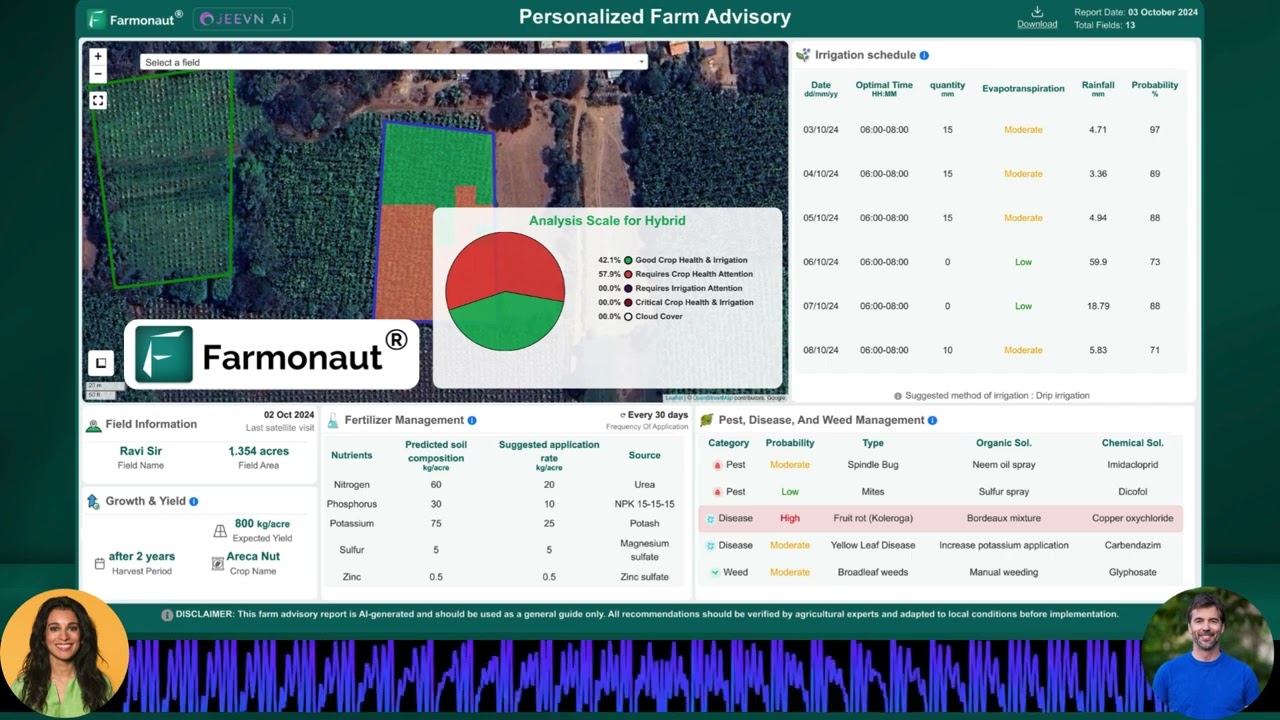
Farmonaut’s satellite, AI, and blockchain integration provides vital support here, particularly through Fleet and Resource Management for mining. This platform enables businesses to optimize vehicle and equipment usage, enhance operational efficiency, and ensure real-time environmental oversight.



Access advanced insights, real-time monitoring, and resource management on any device.
Enhance operational control and sustainability in mining with the Farmonaut App.
Learn more about our powerful API offerings for satellite and weather data in mining at Farmonaut API (Developer Docs).

5. Sustainable Tailings Management: Redefining Mining Waste
No “Ore Processing Innovations for Copper: A Comprehensive Guide” is complete without addressing the management of tailings—the waste left after copper extraction. Innovative approaches emerging in 2025 are reimagining tailings from an environmental liability to a strategic resource.
Key Innovations in Tailings Management
- Thickened Tailings Disposal: Advanced thickeners and paste plants reduce water content, allowing for more stable disposal and decreased risk of dam failures.
- Dry Stacking: Solidifies tailings into stackable, low-risk depositions, vastly reducing the potential for catastrophic spills.
- Value Recovery from Tailings: Emerging hydrometallurgical extraction methods enable additional recovery of copper, rare earths, and other valuable metals from old tailings.
These techniques reduce water usage, lower emissions, and enable progressive site restoration—all essential for the future viability of copper mining and for meeting community, investor, and regulator demands around sustainable mining practices.
For large mines and multi-location operations, our Large Scale Management Tools support administrators in tracking mine health, tailings stability, water management, and equipment logistics—all informed by the latest satellite and AI insights.
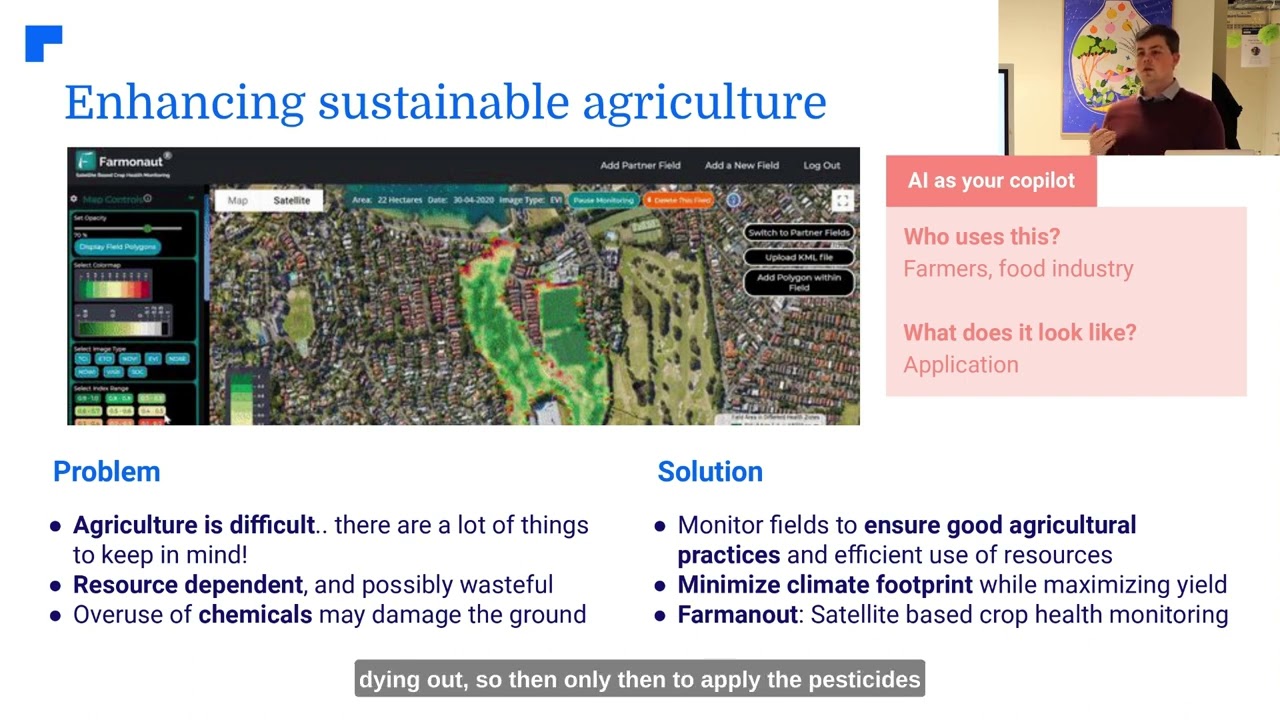
Satellite Monitoring & Farmonaut Solutions for Mining
At Farmonaut, we recognize that real-time monitoring and decision support are essential to keep pace with rapid advancements in copper ore processing. Through satellite-based technologies, AI analytics, and blockchain traceability, our solutions enable mining stakeholders to:
- Track mineral site changes and surface stability with frequent, multispectral satellite imagery.
- Receive AI-powered advisory alerts for environmental management and regulatory compliance.
- Digitally verify mining, tailings, and extraction activities in real time for supply chain confidence and insurance support.
- Access resource management dashboards for tracking vehicles, equipment, water use, and emissions across sites.
- Ensure positive ESG outcomes with robust data trails through blockchain-enabled traceability.
Our crop loan and insurance verification services also support the mining sector by enabling banks and insurance providers to mitigate fraud risk with remote-sensed proof of assets and activities.
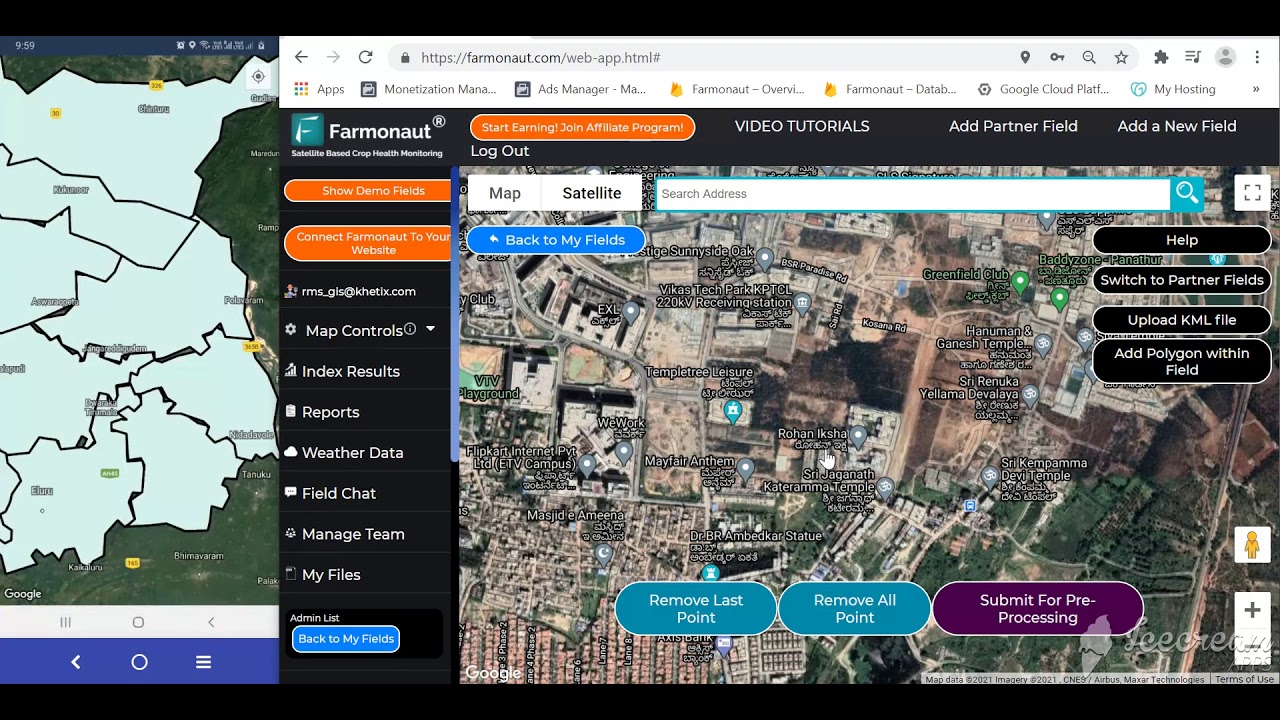
All our tools are scalable, affordable, and accessible via web, Android/iOS apps, and custom APIs—making satellite-driven innovation available for mining operations of any size, anywhere in the world.
Explore Farmonaut’s flexible subscription plans below:
Environmental and Economic Benefits
The integration of advanced grinding, smart ore sorting, bioleaching, hydrometallurgy, process automation, and sustainable tailings management delivers both environmental and economic dividends:
- Energy and Water Reduction: Lower grinding and sorting inputs, as well as reduced reagent and water usage.
- Lower Emissions: Minimized need for high-temperature smelting and solvent chemicals, especially via bioleaching and hydrometallurgical techniques.
- Cost Efficiency: Higher ore recovery rates and continuously optimized operations help maintain profitability amid volatile copper prices.
- Sustainability & ESG: Better waste management, reduced tailings footprint, and transparent supply chains align with ESG expectations from regulators and investors.
- Resource Recovery: Enables not only copper extraction but also the recovery of other valuable metals from tailings.
Adopting these innovations in 2025 is no longer optional—it is essential for long-term viability, regulatory compliance, and social license to operate.
Looking Ahead: Copper Ore Processing Innovations for 2025 & Beyond
Copper’s role in the future of electrification, renewables, and digital infrastructure means that the pace of process innovation will only accelerate. We expect:
- Fully integrated plants combining bioleaching, hydrometallurgy, automation, and smart waste management as standard for new projects.
- Circular economy models where tailings and waste are continuously valorized, minimizing landfill and maximizing recovery.
- End-to-end digitalization of copper mines—real-time data streams driving predictive, closed-loop process optimization and transparent supply chains.
- Continued collaboration with technology providers, environmental scientists, and data strategists to ensure sustainable copper supply for decades to come.
Those prepared to adopt and adapt to these key advances will not only reap economic rewards, but will position themselves as responsible leaders in mining and metals for the global transition to a sustainable, electrified future.
FAQ: Ore Processing Innovations for Copper (2025)
1. What is the biggest driver behind copper processing innovations in 2025?
The surge in copper demand, driven by global electrification and renewable infrastructure, is pushing mining companies to adopt more efficient and sustainable processing methods. This helps improve recovery, reduce costs, and align with environmental mandates.
2. How do HPGRs and stirred mills compare to traditional grinding methods?
HPGRs and stirred mills offer 20–40% energy savings over SAG and ball mills, enhance mineral liberation, and decrease operational costs. They’re especially vital for processing harder or more complex copper ores found in the 2020s and beyond.
3. Why is sensor-based sorting uniquely valuable for copper?
By removing waste rock early in the process, sensor-based sorting reduces the overall volume of ore requiring energy-intensive grinding and flotation steps. This both reduces energy use and improves copper grade heading into downstream processes.
4. Is bioleaching only suited for low-grade copper ores?
Bioleaching is ideal for low-grade and oxidized ores, but emerging microbial strains and reactor designs in 2025 are also being tested for mainstream, higher-grade ores and tailings reprocessing.
5. How does AI-driven automation change copper ore processing?
AI and automation enable real-time adjustments in parameters like reagent dosing, aeration, temperature, and equipment scheduling—improving recovery, reducing downtime, and enhancing sustainability outcomes.
6. What are the main environmental benefits of modern tailings management systems?
Modern systems reduce water content, eliminate dam failure risks, and allow for progressive closure and reclamation. Additionally, they can serve as future sources of copper and other metals—transforming waste into value.
7. How does Farmonaut support the mining industry?
We support mining entities globally with affordable real-time monitoring, AI-driven analytics, blockchain traceability, and resource optimization—all delivered via accessible apps, web dashboards, and APIs that enhance operational, environmental, and financial outcomes.
Pioneering Sustainable Copper Extraction: Stay Informed, Stay Ahead
Copper remains the lifeblood of the world’s fast-evolving digital and clean energy landscape. Stay ahead of the curve—embrace the innovations pinpointed in this Ore Processing Innovations for Copper: A Comprehensive Guide, and position your operations for resilience, profitability, and a greener future. Explore our technologies or reach out for tailored satellite-driven mining solutions.
Discussion
Questions, corrections or field experience? Share them below. First-time comments are reviewed before they appear, and your email is never published.
No comments yet. Be the first to add a question or your experience.

 Imperial Impex FZE
 Congo Mining Solutions
 Mining SARL
 SenGold Invest SAS
 Sania Corporation
 Sean Mining Limited
 NTS Group (Pty) Ltd
 Mine4Africa
 Lithspo Minerals Limited
 Tintina Mining Group
 Dalgety Minerals Pty Ltd
 Vortex Minerals Pty Ltd
 Faith At Work (Pty) Ltd
 Geotech Mining Solutions plc
 Vulcan International Limited
 Kidepo Associates
 GKY Mining
 Alkimy SARL
 Double A Trading
 GemSprout Metals Limited
 Qader Group
 Ileys General Trading
 SG Gold Mining LLC
