

Papua New Guinea Mining 2025: Trends & Outlook in PNG
“In 2025, Papua New Guinea is projected to increase gold production by 8% compared to 2023 levels.”
“Battery metals output in PNG is expected to grow by 12% in 2025, driven by global electric vehicle demand.”
Mining in Papua New Guinea: A Strategic Overview for 2025
Papua New Guinea mining remains a vital and strategic pillar of the country’s economy and national development. In 2025, mining in Papua New Guinea continues to attract international investment, providing substantial revenue, infrastructure growth, and employment opportunities across diverse provinces – from Western Province and Enga to Bougainville. With the sector facing evolving challenges and new opportunities in the global landscape of critical minerals, PNG mines are under pressure to adapt, innovate, and prioritize responsible management. This comprehensive article highlights the current status, developments, and future prospects for PNG mining, focusing on gold, copper, and battery metals.
Papua New Guinea Mining 2025: Focused Overview
Papua New Guinea (PNG) stands out among Pacific nations as one of the most resource-rich countries in the world. PNG’s rich geographical landscape, shaped by tectonic activity, harbors abundant mineral resources including gold, copper, nickel, cobalt, and silver. As we look at mining in PNG for 2025 and beyond, the sector remains a cornerstone for national revenue, and the industries surrounding mining are continuously transforming to meet both local and global demand for metals in energy and manufacturing.
How Papua New Guinea Mining Remains Integral in the Economy
- The mining sector accounts for a significant percentage of PNG’s GDP, foreign exchange earnings, and government revenue, acting as a core lever for national infrastructure and rural development.
- Key mines are central to employment and community benefits for thousands across Misima, Ok Tedi, Porgera, and Bougainville.
- PNG’s mining operations are dynamic, with gold mining and emerging battery metals critical for sustaining international trade and investment flows.
Key Focus Areas for 2025
- Growth in Gold and Copper: Driven by increased investment, improved operational stability, and higher commodity prices.
- Expansion in Nickel and Cobalt: Aligned with the global push for green energy transition and electric vehicles.
- Regulatory and Environmental Management: Evolving standards and stricter monitoring are shaping sustainable mining.
- Socio-political Agreements: Renewed landowner participation and equitable sharing of mining benefits.
Trivia Break
“In 2025, Papua New Guinea is projected to increase gold production by 8% compared to 2023 levels.”

Key Mining Sectors in PNG: 2025 Insights
The mining landscape in Papua New Guinea in 2025 is dominated by several key projects and mineral sectors:
- Gold: PNG is among the top 15 global gold producers. Major operations include Ok Tedi, Porgera, Lihir, Simberi, and Hidden Valley.
- Copper: The Ok Tedi Mine and the historically significant Panguna Mine (Bougainville) are pivotal, with new momentum around re-opening Panguna.
- Nickel and Cobalt (Battery Metals): Projects like Ramu Nickel-Cobalt, and explorations in Manus and New Ireland, position PNG in the race for critical minerals vital for batteries, electric vehicles, and renewable energy storage.
Silver is produced mainly as a by-product of gold and copper mining. Other ongoing investments in the sector relate to zinc, chromite, and quartz, but the dominant economic drivers remain gold, copper, and battery metals.
Trends in Project Development and Operations: PNG Mining 2025
- Ok Tedi Mine: In Western Province, operated by Ok Tedi Mining Limited, focusing on copper and gold with a renewed commitment to tailings management after past controversies.
- Porgera Mine: In Enga Province, re-opened in 2023 through a joint venture involving local landowners and corporate interests, setting new standards for benefit sharing and community agreement.
- Panguna Mine: The giant deposit in Bougainville remains a key area for renewed investment interest, following local political agreements, aiming to restart in a manner respectful of cultural heritage and sustainable management.
- Ramu Nickel-Cobalt Project: Driving PNG’s battery metals momentum in Madang Province, leveraging increasing global demand for minerals to power the world’s energy transition.
All operations are required by the government to undertake environmental monitoring, rehabilitation planning, and regular reporting to ensure sustainable mining that also contributes to local community development.

For advanced monitoring and sustainable mine management, consider satellite-based tools for real-time environmental impact analysis. Discover more about carbon footprint monitoring for mining with Farmonaut.
2025 Outlook Comparison Table: Mining in Papua New Guinea
| Mining Sector | 2025 Projected Production | Projected Growth Rate (%) | Main Development Projects | Anticipated Challenges | Future Prospects |
|---|---|---|---|---|---|
| Gold | ~2.8 million oz | 8% (vs 2023) |
|
|
|
| Copper | ~150,000 tons | 5% (vs 2023) |
|
|
|
| Battery Metals (Nickel, Cobalt) |
|
12% (combined) |
|
|
|

Economic Impact of Mining in Papua New Guinea, 2025
Mining in Papua New Guinea offers substantial economic benefits and is a critical source of government revenue, foreign exchange, and rural development:
- Revenue Generation: Mining contributes approximately 26% of national GDP in 2025, accounting for over 80% of export earnings via gold, copper, and battery metals.
- Infrastructure: Strategic use of mining revenues has facilitated roads, schools, healthcare, and electrification projects, particularly in Western Province, Enga, and Bougainville.
- Employment: An estimated 17,000 direct jobs are provided through large-scale mining operations, with thousands more indirectly supported in service, logistics, and agribusiness supply chains.
- Local Community Benefits: Revised landowner agreements and benefit-sharing models now ensure greater community participation and more equitable distribution of project proceeds.
- International Trade: With demand for gold, copper, nickel, and cobalt surging globally, PNG is strengthening its export markets, especially with Asia-Pacific and European partners.
Beyond jobs and infrastructure, some mining projects work to support sustainable loan and insurance access to local communities, further integrating mining outcomes with broader agricultural development. Digital verification via remote satellite services, such as those provided through Farmonaut’s API (API Link, API Developer Docs), adds an extra layer of transparency and security to these processes.



Use Farmonaut mobile and web applications for location-based, real-time monitoring of mining and environmental resources in PNG. These satellite-based solutions offer reliable, scalable, and affordable intelligence critical for mining site management and sustainable project planning.

Environmental & Social Challenges in PNG Mining
Managing Sustainability in Papua New Guinea Mining
Operating within extremely biodiverse and environmentally sensitive regions, mining operations in PNG face a series of environmental and social challenges:
- Land Degradation: Open pit, tailing disposal, and ore processing can result in soil erosion, forest loss, and habitat disturbance.
- Water Pollution: Tailings and waste management remain critical issues, with historical cases at Ok Tedi prompting tighter regulation and technological improvements for waterway protection.
- Climate and Biodiversity Impact: Given PNG’s position as one of Earth’s biodiversity hotspots, mining operations must prioritize carbon management and ecological restoration.
- Cultural Heritage & Land Ownership: PNG’s customary land tenure system means mining investment is deeply entwined with local community interests and the protection of cultural heritage. Longstanding traditions, language, and indigenous rights shape every phase of project development in PNG mining.
Ongoing efforts are in place to:
- Implement stricter environmental impact assessments (EIAs) and continuous monitoring.
- Engage in transparent benefit-sharing and landowner agreements, reducing the risk of social conflict.
- Promote technology investments for better waste disposal, environmental remediation, and rehabilitation planning.
“Battery metals output in PNG is expected to grow by 12% in 2025, driven by global electric vehicle demand.”
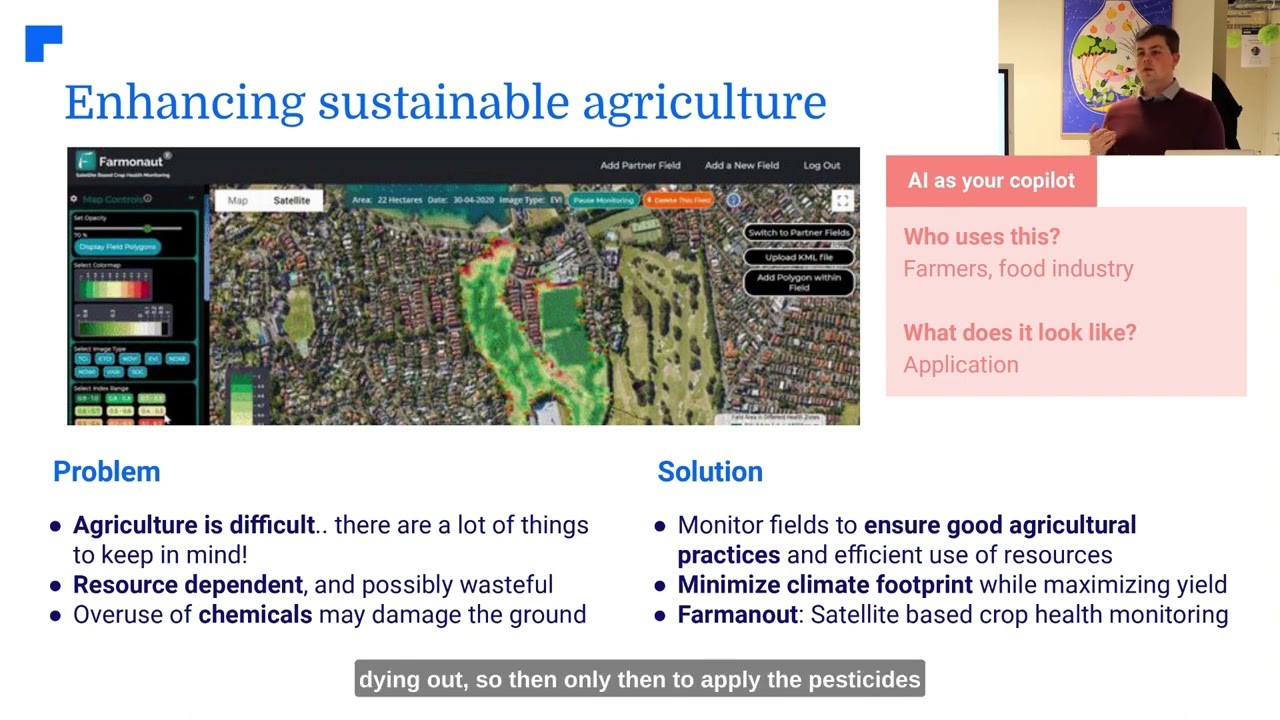
Farmonaut’s large-scale remote satellite monitoring platform can serve as a crucial tool for mining operators and government agencies in Papua New Guinea. With features like carbon emissions tracking and blockchain-based traceability (traceability explained here), these technologies support responsible mining management, transparent supply chains, and adherence to environmental regulations.
Technology & Innovation Shaping Mining Operations in PNG
The integration of modern technology into mining in PNG is central to overcoming challenges of monitoring, management, and risk reduction across remote and logistically challenging terrain. Key trends in 2025 include:
- Satellite-Based Monitoring: Real-time data from satellites enables remote observation of mining operations, environmental changes, and compliance tracking. This is vital for operational efficiency, transparency, and regulatory reporting in all provinces, from Enga to Bougainville.
- AI & Machine Learning: Automated analysis supports mineral prospecting, targeted exploration, and early detection of environmental risks or operational inefficiencies.
- Blockchain Traceability: Ensures mineral origin authenticity, reduces supply chain fraud, and meets growing international requirements for responsible sourcing.
- Resource and Fleet Management: Digital platforms streamline vehicle use, equipment maintenance, and logistics, reducing costs and environmental impact. Read more about efficient fleet management in mining.
- Environmental Impact Analysis: Advanced monitoring now covers carbon footprint tracking, habitat assessment, and restoration verification, supporting transparent sustainability claims and international ESG reporting standards.

Those seeking a reliable satellite-driven technology stack for mining, agriculture, or infrastructure in PNG can explore Farmonaut’s service suite. Our solutions provide real-time oversight, operational intelligence, and recording of environmental impact data. Discover how these tools facilitate operational compliance and long-term sustainability for mining companies in PNG.
Example Application
Satellite-driven tools are enabling:
- Accurate carbon accounting, supporting climate-smart mining strategies for mining projects in Ok Tedi and Ramu Nickel-Cobalt.
- AI-driven advisory for strategic mine planning, workforce deployment, and compliance verification.
- Automated reporting for government and corporate oversight, increasing transparency and stakeholder trust.

Project Highlights & Investment Trends: Papua New Guinea Mining 2025
Major Mining Projects: 2025 Updates
- Ok Tedi Mine, Western Province: Continuing as a cornerstone of PNG mining, with substantial gold and copper output, and a greater focus on environmental rehabilitation after past riverine disposal controversies.
- Porgera Gold Mine, Enga: Reopened in 2023 under a joint venture model with substantial landowner stakes and community agreements. Production ramp-up continues in 2025 with renewed ESG commitments.
- Panguna, Bougainville: The world-famous giant copper-gold mine is attracting renewed international and local investment, pending successful navigation of political and cultural agreements around local land and heritage.
- Ramu Nickel-Cobalt Project, Madang: Driving PNG’s entrance into the global supply of critical battery metals, aligned with surging energy transition demand.
- Exploration in Manus and New Ireland: Advances in satellite mapping, AI analytics, and geophysics exposing new mineral deposits and opportunities, potentially unlocking further growth in PNG’s mining sector.
These projects highlight PNG’s indispensable role in global resource markets, positioning the country as a vital source of both traditional and emerging minerals through 2025 and beyond.
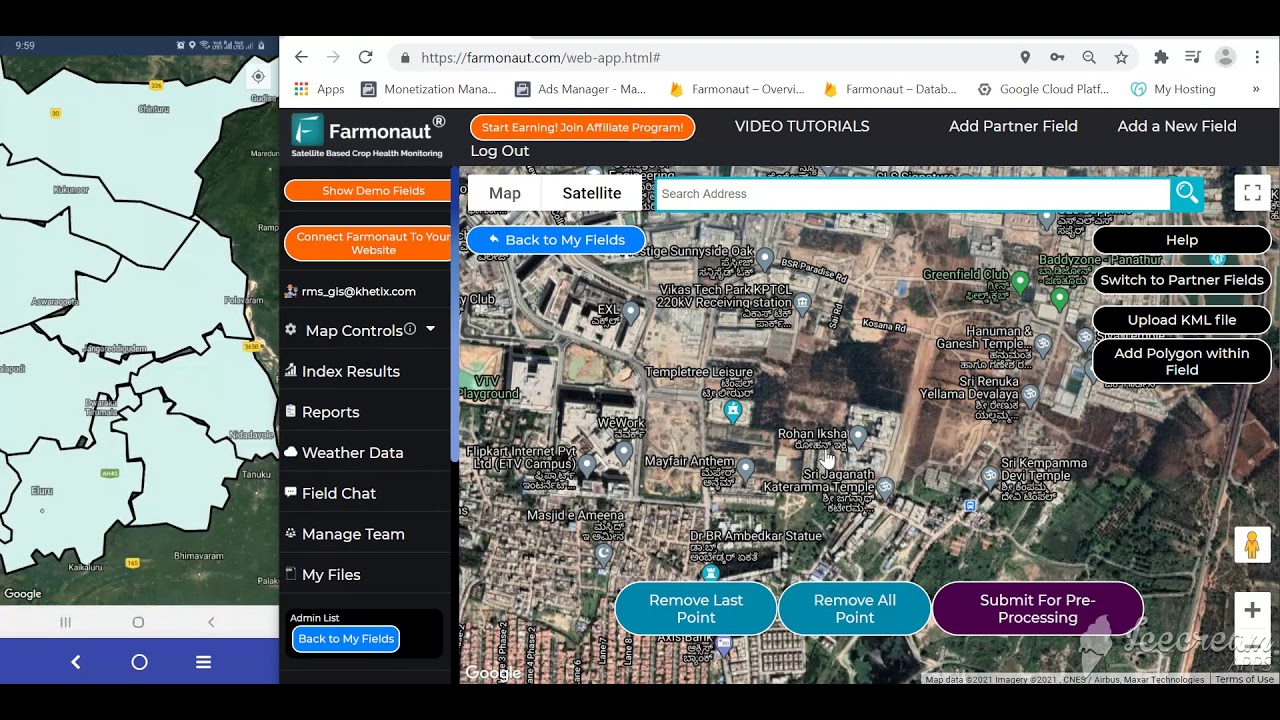
Use Farmonaut’s traceability platform to document and certify the origin, sustainability, and compliance of mining output from PNG. This solution offers blockchain-backed evidence for international buyers and government regulatory compliance.
Farmonaut: Satellite Monitoring for Mining in Papua New Guinea
Farmonaut offers a powerful, satellite technology-driven solution for mining oversight, resource management, and environmental impact analysis—all critical to sustainable mining in Papua New Guinea. Here’s how Farmonaut can support mining in PNG:
- Satellite-Based Monitoring: Multispectral images facilitate real-time monitoring of mines, forests, and community land, helping mining operators and government ensure compliance, operational efficiency, and regulatory reporting.
- AI Advisory (Jeevn System): Real-time weather, risk intelligence, and operational advice to improve on-ground management and facilitate data-driven decision-making in remote regions from Madang to Enga.
- Blockchain Traceability: Certifies the authenticity of minerals and mining processes, enhancing international trade and consumer trust in PNG’s ethically sourced metals.
- Environmental Impact Tools: Carbon footprint and biodiversity monitoring for regulatory compliance and future reporting requirements.
- Resource & Fleet Management: Tools to streamline logistics, reduce fuel and operational costs, and ensure mining fleet safety across rugged PNG terrain.
As a scalable solution, Farmonaut’s technology is accessible via web app, API, Android and iOS mobile devices. To learn more about subscription options for satellite-based monitoring, see our pricing below.
Contact Farmonaut to discover a tailored solution for your mining or infrastructure project in PNG, or see our carbon footprint monitoring product page for more details.
2025 Strategies & Future Prospects for PNG Mining
What Lies Ahead: Development and Challenges
With robust mineral endowment and a dynamic project pipeline, Papua New Guinea is strongly poised to play a leading Pacific role in global mining. However, several challenges must be navigated to ensure mining remains sustainable and benefits flow to all stakeholders:
- Meeting Regulatory Standards: Evolving government policy is tightening controls on environmental performance, landowner consultation, and benefit sharing.
- Adapting to Global Demand: PNG’s gold and emerging battery metals sector (nickel, cobalt) capitalize on global energy transition and ESG investing trends, supporting economic diversification.
- Investing in Technology: Enhanced satellite, AI, and blockchain adoption underpins competitive advantage for mining operators as compliance and transparency become standard international requirements.
- Promoting Social Inclusion: Modern mining in PNG requires careful management of cultural heritage and continuous, respectful engagement with communities to minimize conflict and maximize shared benefits.
- Expanding Value Addition: While PNG has historically exported raw minerals, in-country processing, and value-adding initiatives are now prioritized to boost local manufacturing and job creation.
The future of mining in Papua New Guinea as we move through 2025 and beyond will hinge on strategic investment, operational excellence, and sustained efforts to balance development with environmental stewardship and cultural protection.
Papua New Guinea Mining 2025: FAQ
- What are the most significant minerals produced by mining in Papua New Guinea?
- Gold, copper, nickel, cobalt, and silver dominate PNG’s mineral output, with gold contributing the largest export share as of 2025.
- How does the government ensure sustainable mining operations?
- Stricter environmental assessments, regulatory oversight, and community engagement are required by law. Technologies like satellite monitoring and digital traceability systems support compliance and transparency.
- What are the main challenges facing mining in PNG in 2025?
- Key challenges include regulatory changes, infrastructure gaps, environmental risks, cultural and landowner issues, and adapting to fast-evolving global market demands for battery metals.
- How is Farmonaut relevant to mining in Papua New Guinea?
- Farmonaut provides satellite-driven monitoring, AI-based advisory, blockchain traceability, and environmental impact tools. Our solutions enable mining companies, communities, and governments to optimize resource extraction, comply with regulatory standards, and foster sustainable development in PNG’s mining sector.
- Which mining projects are currently expanding in PNG?
- Major projects include Ok Tedi, Porgera (Enga Province, resumed in 2023), Panguna (Bougainville), and Ramu Nickel-Cobalt. Several new projects are in exploration phases in Manus and New Ireland provinces.
Conclusion: PNG Mining Outlook Beyond 2025
Papua New Guinea mining is entering a dynamic phase in 2025, characterized by strategic growth, global relevance, and deep commitment to sustainable development. With robust gold, copper, nickel, and cobalt output, the sector continues to contribute significantly to the country’s economic prosperity and infrastructure modernization.
The focus for PNG’s mining industry in 2025 and beyond must prioritize:
- Strengthening regulatory frameworks and monitoring to manage environmental and social challenges.
- Accelerating adoption of satellite, AI, and blockchain technologies for efficient, transparent, and sustainable mining operations.
- Promoting inclusive community benefit-sharing and honoring cultural heritage in all phases of project development.
- Expanding exploration into new provinces and fostering in-country minerals processing to diversify revenue sources.
- Maintaining flexibility to meet global demand for critical minerals—in particular, those vital to the green energy transition.
As a satellite technology leader, Farmonaut continues to provide the advanced digital tools necessary to support Papua New Guinea’s mining sector through this transformation. Our platform—available as a web app, API, and mobile solution—empowers mining companies, communities, and government agencies to monitor, manage, and ensure compliance and sustainability in mining projects across all PNG provinces.
Explore Farmonaut’s full suite of mining, sustainability, and traceability tools with our web and mobile applications. For developers and enterprises integrating satellite intelligence, see our API documentation and integration resources. Experience how satellite-powered transparency, efficiency, and sustainability are shaping the future of mining in Papua New Guinea and beyond.
Discussion
Questions, corrections or field experience? Share them below. First-time comments are reviewed before they appear, and your email is never published.
No comments yet. Be the first to add a question or your experience.

 Sahara Mining
 Sean Mining Limited
 NTS Group (Pty) Ltd
 Mine4Africa
 Lithspo Minerals Limited
 Tintina Mining Group
 Dalgety Minerals Pty Ltd
 Vortex Minerals Pty Ltd
 Faith At Work (Pty) Ltd
 Geotech Mining Solutions plc
 Vulcan International Limited
 Kidepo Associates
 GKY Mining
 Alkimy SARL
 Double A Trading
 GemSprout Metals Limited
 Qader Group
 Ileys General Trading
 SG Gold Mining LLC
 VRV Global Pte Ltd
 Omsri International FZE
 G.I.T.T.
 Jaunita Erss Ltd
 SRK Consulting
 Berks Gold Limited










