

Quartz Crystal, Rock Crystal Quartz: 7 Uses for 2026



Introduction: The Essential Role of Quartz Crystal in 2026
Quartz crystal, particularly in the form of rock crystal quartz, continues to be a vital natural resource extending its significance across mining, minerals, infrastructure, and technology sectors. As we approach 2026, the world increasingly relies on this multifaceted mineral for its exceptional physical and chemical properties. Quartz, composed primarily of silicon dioxide (SiO2), is one of the most abundant and widely distributed minerals on Earth. Its clear, transparent appearance—especially that of rock crystal quartz—renders it highly prized for both aesthetic and industrial applications.
The importance of quartz crystal has surged in recent years, propelled chiefly by rapid advances in electronics, telecommunications infrastructure, defense technologies, and global industrial processes. As we examine the strategic value of this mineral resource, it becomes clear that quartz extraction and refinement underpin much of the innovation driving modern economies.
Uses of quartz at a glance
Quartz is silicon dioxide, the second most common mineral in Earth’s crust at about 12% by mass, and it defines 7 on the Mohs hardness scale (Quartz). Its uses depend on which form is being sold.
- Quartz sand (by far the largest tonnage). Glassmaking, concrete and mortar, engineered stone, foundry moulds and abrasives. This is bulk, low-priced material.
- High-purity quartz. Needed in semiconductor manufacturing. The Spruce Pine district in North Carolina is one of the few places in the world where it is mined, and flooding from Hurricane Helene in 2024 disrupted production there (Spruce Pine).
- Silicon for chips and solar panels. Quartz is smelted into silicon metal, which is refined into polysilicon for solar cells and wafers.
- Crystal oscillators. Quartz is piezoelectric, so a cut crystal vibrates at a steady frequency. A quartz watch uses a 32.768 kHz tuning-fork crystal, and about two billion crystals a year were being made as early as 2003 (Crystal oscillator). Virtually all of this quartz is now synthetic, grown in autoclaves by a hydrothermal process (Quartz).
- Fused quartz and optics. Melted, high-purity silica is used for lenses, lamp envelopes, laboratory ware and the glass in optical fibre.
- Gemstones and decoration. Rock crystal, amethyst, citrine and rose quartz are all quartz, cut for jewellery or sold as specimens.
So when people ask what quartz is used for, the short answer is glass and construction by volume, and electronics by value.
Quartz and Rock Crystal Quartz: An Overview
Quartz is composed primarily of silicon dioxide (SiO2), forming prismatic crystals characterized by their clear, transparent appearance. This rock crystal quartz comes in large, well-formed crystals, often extracted from deep veins associated with granitic and metamorphic rocks.
Not only does quartz hold aesthetic and gemstone value—with rock crystal quartz being highly sought for jewelry and artisanal crafts—but its unique atomic structure also imparts exceptional piezoelectric, optical, and chemical properties. This versatility underpins its use across various sectors, enabling groundbreaking innovations and products in the 21st century.
- Abundance and Distribution: Quartz is among the most ubiquitous minerals, found on every continent and nearly all geological environments.
- Chemical Composition: Primarily silicon dioxide (SiO2). Their physical and chemical properties—notably high hardness (Mohs 7), chemical inertness, and transparency—make them uniquely valuable.
- Forms: Among many forms, rock crystal quartz stands out due to its clarity and size, offering both aesthetic and industrial significance.

Major Quartz Crystal Mines and Global Hubs: Brazil, United States, Madagascar, and India
The core of global quartz crystal supply lies in several large mines and extraction operations. The almost inexhaustible value of quartz stems from high-grade deposits around the world. Foremost amongst these are:
- Brazil: Home to some of the largest quartz crystal mines, especially in the Minas Gerais region. Brazilian quartz is highly prized for its clarity and size, serving both industrial applications and the gemstone market.
- United States: Significant quartz extraction occurs in Arkansas and North Carolina, where robust mining operations extract both rock crystal quartz and industrial-grade material.
- Madagascar: Renowned for unique and transparent crystals, Madagascar is a crucial supplier, especially for high-purity industries relying on superior physical and optical properties.
- India: With vast resources across states like Andhra Pradesh and Rajasthan, India continues as a growing force in quartz mining and exports, appealing to industrial and commercial sectors alike.
These regions remain crucial hubs, then, not only for the supply of rock crystal quartz but also for the ongoing development of modern extraction and refinement
technologies to meet ever-increasing industrial demand.
Modern Extraction Methods and Processing of Quartz Crystal
As demand for quartz crystal soars in 2026, mining operations have innovated to deploy more sophisticated, ecological, and efficient extraction methods:
-
Identification of Quartz-Rich Veins:
Modern geological surveying—including satellite data, remote sensing, and fieldwork—now pinpoints rich veins with greater accuracy, increasing efficiency and reducing unnecessary environmental disruption.
-
Open-Pit vs. Underground Mining:
Open-pit mining remains widespread for shallow deposits, while deep veins necessitate advanced underground extraction methods to secure larger, high-quality crystals.
-
Modern Processing:
Once ore is extracted, it undergoes multiple steps—crushing, screening, wet and dry purification—that remove impurities and yield crystal-clear quartz suited for industrial and commercial applications.
-
Remote Monitoring:
With the integration of real-time monitoring, including satellite technologies, operators can optimize operations, ensuring efficient resource management and environmental compliance.
These new technologies allow quartz extraction to keep pace with technological progress—and with ever-more stringent environmental and regulatory requirements.

7 Major Industrial Uses of Quartz Crystal for 2026
The multifaceted applications of quartz crystal now underpin key industries and drive innovation across the global economy. Here we delve into the seven primary uses projected to grow in significance by 2026:
-
Electronics and Precision Components
Quartz crystals are fundamental to electronic devices, valued for their piezoelectric properties—the ability to produce a consistent electrical charge in response to mechanical pressure. Quartz oscillators and resonators set the timing in computers, smartphones and sensors. Virtually all of this quartz is now synthetic, grown hydrothermally in autoclaves (Quartz).
Oscillators and frequency control devices are essential, especially as 5G infrastructure expands globally. MEMS oscillators compete in some devices, but quartz still dominates frequency control.
-
Telecommunications Infrastructure
Quartz timing modules keep telecom and data-center equipment synchronised. The optical fibres themselves are drawn from high-purity fused silica, not crystal quartz. Telecommunications systems rely on quartz-based oscillators and resonators, which require stable, interference-free operation—a feat possible only because of quartz’s unique physical properties.
As nations expand 5G and even 6G networks heading into the late 2020s, quartz timing components remain part of every base station and handset.
Explore how Farmonaut’s fleet management solutions aid large-scale infrastructure deployments, ensuring resource and vehicle optimization across distributed telecom and infrastructure setups.
-
Optical Components and Instruments
Rock crystal quartz is essential in crafting highly-durable, ultra-clear optical components—such as lenses, prisms, and mirrors—required in scientific research, medical devices, defense applications, and satellites. Its clarity and resistance to scratching and chemical wear make it ideal for use in telescopes, microscopes, and photonic devices.
In 2026, as advanced imaging and remote sensing technologies proliferate, high-grade quartz will be more important than ever before for precision optics.
-
Construction and Infrastructure Materials
The construction industry remains a major consumer of quartz. As a critical ingredient in concrete, glass, and engineered stone (used for countertops and tiles), quartz sand and aggregate provide structural integrity, chemical inertness, and resilience to buildings and infrastructure projects worldwide.
The global infrastructure boom continues in 2026, with emerging economies and smart cities requiring durable, sustainable construction materials—ensuring steady demand for this mineral resource.
-
Solar Energy Applications
Quartz is the raw material for silicon: it is smelted into silicon metal, then refined into the polysilicon used in most solar cells. Quartz’s transformation into polysilicon lets us manufacture high-efficiency solar panels. With the shift toward renewable energy and net-zero goals accelerating through 2026, the solar industry’s appetite for high-quality quartz is surging.
Farmonaut’s carbon footprinting tools help infrastructure and solar energy companies monitor and mitigate environmental impact, supporting sustainability in resource-heavy sectors.
-
Timekeeping and Navigation Devices
High-precision quartz oscillators remain the gold standard for accurate timekeeping in watches, clocks, and navigation tools (including GPS receivers; the satellites themselves use atomic clocks). These devices require reliable frequency generation, made possible by quartz’s ability to consistently vibrate at an exact frequency.
As navigation systems grow ever more crucial, especially for defense and aerospace, the importance of quartz in such precision instruments cannot be overstated.
-
Advanced Ceramics & Specialty Gemstones
Ground quartz (silica flour) is used in ceramics, glazes, abrasives and as a filler, thanks to its hardness and chemical stability. Additionally, rock crystal quartz remains a favorite among gemstone collectors, jewelry designers, and artisans for its clarity and versatility.
Discover how Farmonaut’s blockchain-based traceability solutions promote luxury and specialty markets by verifying the origin and journey of high-value quartz and gemstone products.

Quartz Crystal Uses and Industry Impact Table (2026)

Technology and Innovation in Quartz Crystal Mining
The future of quartz mining is tightly interwoven with innovation. The operations extracting quartz crystal in 2026 make full use of cutting-edge tools and digital technologies that boost both efficiency and sustainability:
- Satellite Remote Sensing: Advanced multispectral satellite imagery detects promising quartz formations, monitoring site conditions, and optimizing extraction. This includes Farmonaut’s web and mobile apps, which provide businesses with critical, real-time resource monitoring and AI-based operational advisory.
- AI and Machine Learning: Predictive maintenance, intelligent mapping, and resource modeling minimize waste and enhance yield in modern mining operations.
- Automated Fleet and Resource Management: Tools such as Farmonaut’s fleet management platform help optimize vehicle use and logistics throughout extraction and processing sites.
- Blockchain-Based Traceability: Farmonaut’s blockchain traceability enables stringent tracking of quartz from mines to final product, building consumer trust and enabling responsible sourcing.
- Carbon Footprint Tracking: Environmental solutions—such as Farmonaut’s carbon footprint management services—let mining operators quantify, report, and reduce emissions, aligning with global ESG targets.
- Real-Time Weather and Environmental Monitoring: Weather forecasting and terrain assessment are crucial for safe and efficient extraction, especially in sensitive or remote locations.

Environmental, Commercial, and Sustainability Aspects of Quartz Mining
Global awareness of environmental responsibility is shaping the future of quartz crystal mining. Particularly in 2026, businesses and governments adopt eco-friendly practices to reconcile industrial production with conservation:
- Land Reclamation: Post-extraction, mines are restored using native flora and terrain rebuilding, ensuring the land’s resilience and long-term viability.
- Water Recycling & Minimizing Chemical Use: Modern processing plants employ closed-loop water cycles and limit the use of hazardous chemicals, reducing impact on the surrounding environment.
- Environmental Impact Monitoring: Using tools like Farmonaut’s carbon footprint analysis, operators can accurately assess operational emissions and adhere to international sustainability standards.
- Responsible Extraction: Advanced geological surveying and selective extraction (often guided by satellite data) help target the richest veins, maximizing output and minimizing the site’s ecological footprint.
- Supply Chain Transparency: Blockchain-based systems assure buyers and consumers that their quartz and related products are ethically sourced and tracked.

Explore Farmonaut’s large scale farm management tools for comprehensive resource, compliance and sustainability reporting—all derived from advanced satellite insights.
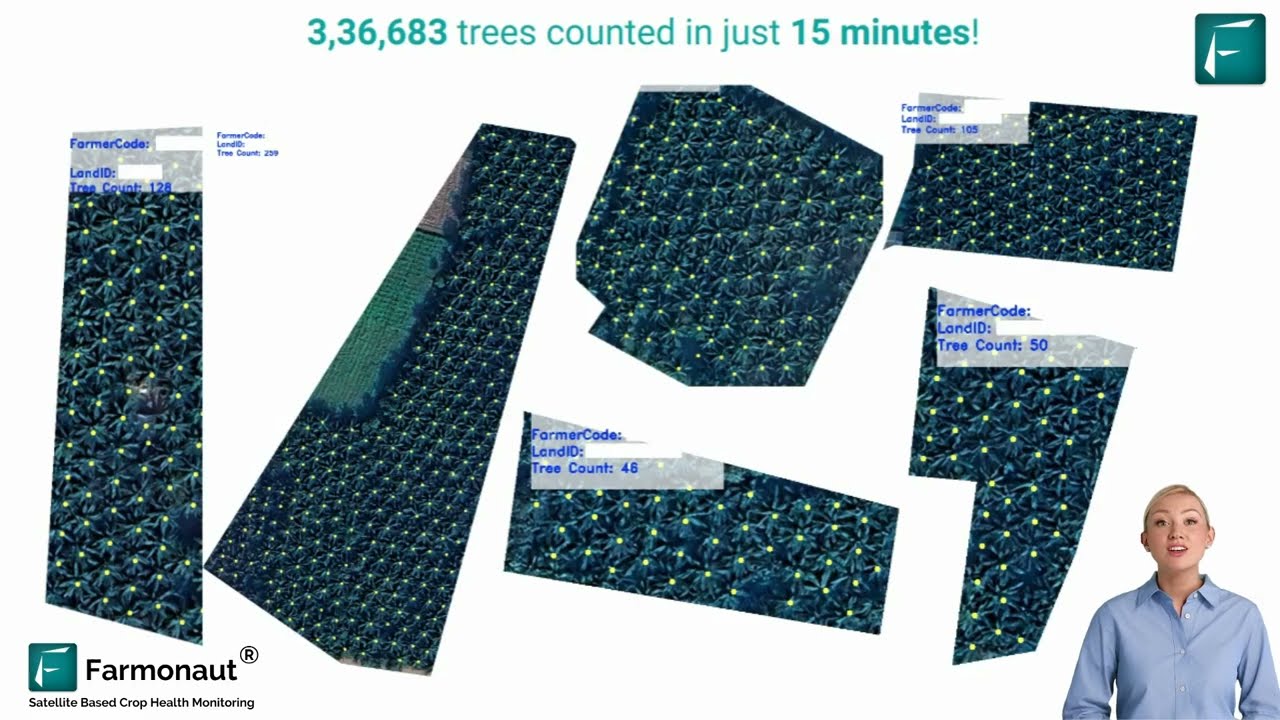
Farmonaut: Satellite-Driven Innovation in Resource Monitoring
At Farmonaut, we empower the mining, infrastructure, and defense sectors with cost-effective, satellite-driven monitoring and management solutions. Through our blend of satellite imagery, AI, and blockchain, we equip users to oversee quartz crystal mining operations, monitor environmental impact, streamline logistics, and secure transparent supply chains—all from a unified, intuitive platform.
- Resource Management: Our solutions bring real-time insights into mining and material stocks, helping operators maximize output while sustaining ecological health.
- AI-based Advisory: Our Jeevn AI delivers on-demand, actionable strategies for tackling operational challenges and optimizing extraction amidst changing environmental and regulatory contexts.
- Blockchain Traceability: By embedding blockchain, we enable businesses and governments to authenticate quartz supply chains—ensuring compliance, trust, and market premium for ethical operations.
- Risk Reduction for Financing: Banks and insurers use our crop loan and insurance verification tools (crop loan and insurance details) for secure underwriting and rapid claims processing.
- Mobile-First and Scalable: Our technology adapts to small operations or major industrial customers, offering scalable plans via web, Android, and iOS.
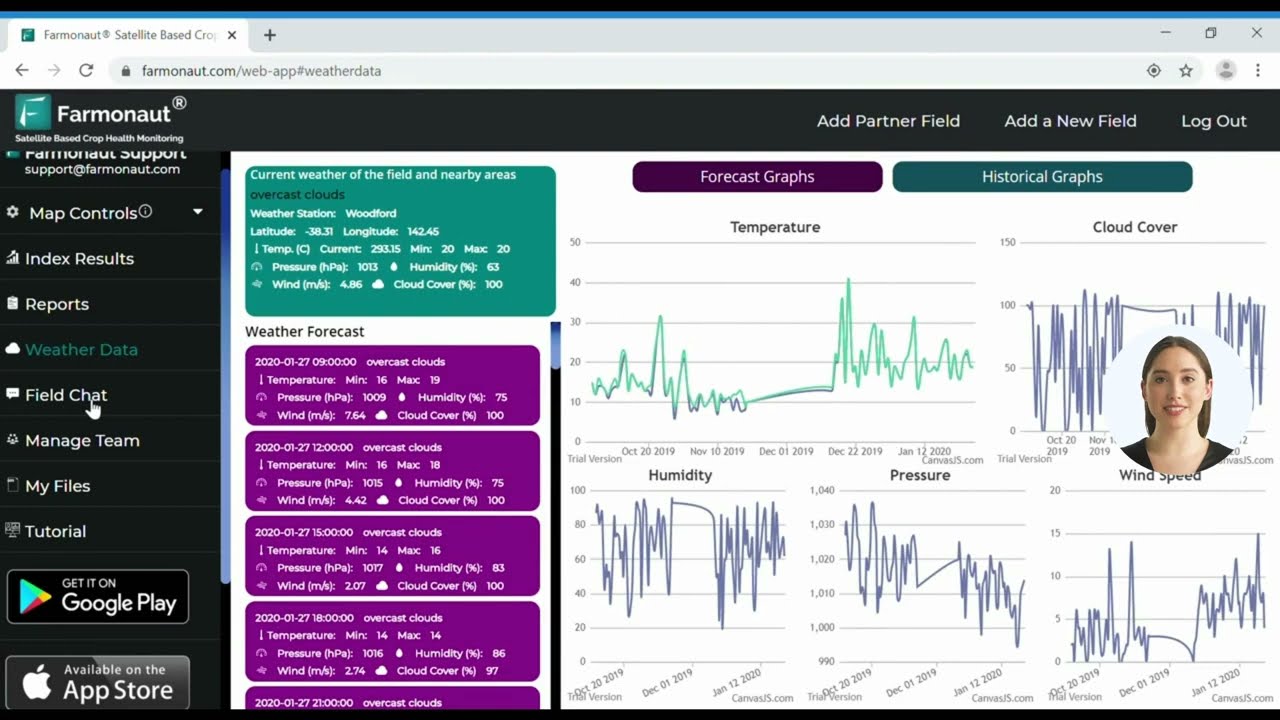
Farmonaut Subscription Plans for Mining, Infrastructure, and Resource Management
Explore our affordable and modular subscription plans for real-time satellite monitoring, environmental impact tracking, fleet and resource management, and IoT/AI integration. Secure your access to actionable earth observation insights in quartz crystal mining and more:
Frequently Asked Questions (FAQ) on Quartz Crystal, Rock Crystal Quartz, Mining, and Applications for 2026
Q1: What physical and chemical properties make quartz crystal so important for industry?
Quartz’s hardness (Mohs 7), chemical inertness, transparency, and distinctive piezoelectric properties allow it to produce a stable electrical charge under mechanical stress, making it indispensable for electronics, optical systems, and advanced manufacturing.
Q2: Which major countries are the largest producers of rock crystal quartz as of 2026?
The leading regions include Brazil, the United States (notably Arkansas and North Carolina), Madagascar, and India. These remain crucial hubs due to high-grade deposits and advanced extraction infrastructure.
Q3: What is the primary use of quartz in electronics and why can’t it be replaced?
Quartz crystal oscillators provide reliable, stable frequency control in almost every electronic device, leveraging its unique piezoelectricity. Alternatives do exist, but none match quartz’s blend of cost, availability, and long-term performance.
Q4: How has satellite technology changed quartz mining practices?
Satellite imagery can help map quartz-rich rock units ahead of field work, and supports real-time tracking of extraction, operational efficiency, and detailed environmental compliance—all optimizing yield and reducing impact.
Q5: What makes extracted rock crystal quartz suitable for gemstone use?
Its exceptional clarity, size, and transparent finish—thanks to careful selection and minimal impurities—make rock crystal quartz highly sought after in both artisanal and luxury gemstone markets.
Q6: How do companies ensure their quartz supply chain is ethical and sustainable?
Using blockchain-based traceability, environmental monitoring tools, and compliance with land reclamation and minimal-impact processing ensures ethical and sustainable extraction.
Q7: What is the estimated industrial value of quartz in 2026?
There is no single reliable figure. Quartz is sold as bulk silica sand, high-purity quartz, cultured crystal and gemstones, each priced very differently.
Conclusion: Quartz Crystal and Rock Crystal Quartz — The Cornerstone of Industrial Innovation in 2026
Quartz crystal, particularly rock crystal quartz, remains a critical mineral resource powering the leading edge of mining, infrastructure, technology, and defense. Its rare combination of clarity, piezoelectricity, and durability underpins the digital transformation of the global economy and the pursuit of sustainable growth. As we look forward to 2026 and beyond, the role of quartz will only expand—from the backbone of electronics to the future of renewable energy, precise navigation, advanced ceramics, and ethical gemstone markets.
By integrating advanced satellite, AI, and blockchain technologies—as exemplified by Farmonaut’s approach—the extraction and stewardship of quartz crystal are evolving toward greater efficiency, transparency, and environmental responsibility. As industries navigate ongoing challenges and seize new opportunities, rock crystal quartz continues to hold immense value, making it a cornerstone of tomorrow’s innovation and progress.
Ready to leverage satellite-driven insights in your mining or infrastructure operation? Get started with Farmonaut Web, Android, or iOS App now!

 VRV Global Pte Ltd
 Omsri International FZE
 G.I.T.T.
 Jaunita Erss Ltd
 Almosi SARL
 SRK Consulting
 Berks Gold Limited
 Mwerezi Minerals Company Limited
 Mining SARL
 SenGold Invest SAS
 Sean Mining Limited
 NTS Group (Pty) Ltd
 Mine4Africa
 Lithspo Minerals Limited
 Tintina Mining Group
