

Rare Earth Elements UPSC: Strategic Global Trends 2026
“China supplies over 60% of global rare earth elements, dominating critical industries and strategic resources as of 2025.”
- Introduction to Rare Earth Elements (REEs)
- Strategic Importance and Key Sectors
- Mining, Extraction, and Processing in 2025-2026
- India’s Strategic Position in Global REE Landscape
- Environmental & Sustainability Challenges
- Global Supply Chains and Emerging Trends
- Satellite Monitoring, AI, and Blockchain in REE Sector
- Comparative Table: Production & Strategic Trends of REEs (2025-2026)
- FAQ: Rare Earth Elements for UPSC & Industry
- Conclusion: Strategic Outlook for 2026 and Beyond
Introduction: Rare Earth Elements UPSC—What Makes Them Critical?
Rare earth elements (REEs), often spotlighted in rare earth elements UPSC and rare earth minerals UPSC topics, comprise a group of 17 chemically similar metallic elements: the 15 lanthanides (from lanthanum to lutetium) plus scandium and yttrium. Despite their misleading “rare” tag, these elements are relatively abundant in the Earth’s crust, but they are rarely found in economically exploitable concentrations. This geological paradox results in complex and often sensitive mining and extraction operations, making REEs central to geopolitical, strategic, and industrial discourse, especially as of 2025–2026.
The application of rare earth elements stretches across modern industry, green infrastructure, clean energy, defence, and technological advancements. Their indispensable role in critical energy transition technologies, cutting-edge military systems, and advanced electronics puts them at the forefront of economic competitiveness and national security.
Strategic Importance of Rare Earth Elements in Modern Sectors (Rare Earth Elements UPSC Focus)
In recent defence modernisation programs and sustainable infrastructure development, REEs have been identified as critical materials—from electric vehicles (EVs), wind turbines, and solar panels to smartphones, jet engines, missile guidance, and high-performance magnets. This makes understanding the significance, components, and applications of rare earth minerals essential for the UPSC exam and industry stakeholders.
Key Sectors & Their Dependence on REEs
- Defence & National Security: Essential for missile guidance systems, jet engines, radar, secure communications, targeting systems, and advanced sensors.
- Green Energy & Electric Mobility: Vital for permanent magnets in EV motors, wind turbines, energy-efficient lighting, and advanced batteries (mainly using neodymium and dysprosium).
- Electronics & Technology: Indispensable in smartphones, catalysts, optical devices, and advanced manufacturing systems.
- Infrastructure & Industrial Automation: Used for robotics, sensors, catalysts, alloying agents, and precision optical systems integrating into modern infrastructure.

Why REEs for UPSC? Questions related to rare earth elements UPSC, rare earth minerals UPSC, and their strategic roles frequently feature in contemporary affairs, environmental studies, economics, industry, and international relations modules of the exam.
The surging demand for sustainable development goals and carbon neutrality relies heavily on technologies powered by REEs—making their supply chains more important than ever for both India and the world.
Mining, Extraction & Processing: Trends & Global Landscape (2025–2026)
The mining, extraction, and processing of rare earth minerals represent some of the most technically demanding operations in the mineral industry. Most of these elements occur together in certain ores, often requiring complex separation processes.
Major Rare Earth Ores and Extraction Processes
- Bastnäsite (Carbonate-fluoride mineral—especially in China and the US)
- Monazite (Phosphate mineral—prominently found in India, Australia, Brazil)
- Xenotime (Phosphate mineral—source of heavy REEs, prevalent in Malaysia, Sri Lanka)
Traditional rare earth mining was long dominated by China, controlling an estimated 60–70% of both global REE production and refining capacity (rare earth elements USGS, 2025). The United States, Australia, India, and Brazil are now emerging as significant players, contributing to mining diversification and new supply chain strategies for rare earth minerals.

Mining Operations: Technical & Environmental Challenges
- Complex Separation Processes: REEs almost always occur with other minerals and are rarely found in pure, easily extractable forms.
- Radioactive Byproducts: Monazite ores often contain thorium, which complicates waste management and environmental safety.
- High Capital and Processing Costs: Extraction and refining require specialized chemicals and technologies not widely available or affordable for many developing countries.
- Geopolitical Sensitivity: Control on exports (notably by China), trade policies, and national security considerations increasingly influence the supply landscape.
- Sustainable Mining Needs: Balancing economic gain with eco-friendly operations is a mounting challenge as environmental regulations tighten globally.
Explore Fleet Management Solutions for Mining:
Farmonaut’s satellite-driven fleet and resource management enables mining industries to optimize logistics, monitor remote operations, and reduce fuel and maintenance costs through real-time AI insights.
Learn more about Farmonaut’s Satellite Data API for mining applications.

New technologies—satellite-based mineral mapping, AI-driven exploration, and blockchain verification—are opening up new frontiers in traceability, environmental monitoring, and efficient resource management. Click here to discover blockchain traceability use cases for rare earth mining.
India’s Strategic Position: 2025–2026 Trends & Opportunities
- India’s monazite-rich beach sand deposits in Kerala, Odisha, Tamil Nadu, and Andhra Pradesh play a crucial role in domestic resource security.
- ‘Atmanirbhar Bharat’ (Self-reliant India) initiatives focus on reducing reliance on imports through indigenous development of rare earth minerals, exploration, and processing capacity.
- Emphasis on research, developing sustainable extraction technologies, and building infrastructure for refining and manufacturing to move up the value chain.
- Increased funding for academic and industrial R&D in recycling used batteries, magnets, and electronic waste for REE recovery.
Key Indian public entities such as Indian Rare Earths Limited (IREL) and private sector innovators are tasked with expanding capacity and encouraging joint ventures within domestic borders. The national focus is also on minimizing environmental impact, especially around thorium-rich monazite extraction.

Benefits of Domestic REE Capability for India
- Securing supply chains for critical sectors (defence, green energy, infrastructure)
- Reducing import dependency and mitigating global supply shocks
- Boosting economic development in coastal and mineral-rich regions
- Enhancing India’s international negotiating power in global REE diplomacy
Discover Carbon Footprinting Tools:
Satellite-driven platforms like Farmonaut offer carbon emission monitoring and resource management for sustainable agriculture and mining, supporting regulatory compliance as India intensifies environmental checks.
Environmental & Sustainability Challenges in Rare Earth Mining
Despite their strategic importance, rare earth mining operations frequently draw criticism for potential environmental damage. These challenges are especially acute in developing countries and regions with weak regulatory oversight.
- Radioactivity & Toxicity: Thorium and uranium in monazite tailings pose risks to soil, water, and human populations.
- Waste Management: Complex waste and chemical byproducts from hydrometallurgical processing demand advanced management systems.
- Water & Land Degradation: Extraction often leads to groundwater contamination, erosion, habitat destruction, and loss of agricultural land.
- Carbon Footprint: Intensive energy and chemical use in mining and refining significantly impact local and global carbon budgets.
- Socio-Economic Displacement: Unregulated mining can disrupt local communities and reduce traditional livelihoods.

Learn about Farmonaut’s Carbon Footprinting platform—empowering businesses to track and reduce carbon emissions through advanced satellite technology, promoting sustainable mining and supply chain practices.
“By 2026, global demand for rare earth minerals is projected to grow at an annual rate of 10%, reshaping technology sectors.”
Global Supply Chains, Geopolitical Dynamics, and 2026 Industry Trends
As of 2025, the global rare earth supply chains are more strategically vital—and geopolitically sensitive—than ever. With growing demand for advanced technology and clean energy solutions, countries are taking measures to secure resilient supply chains, diversify sources, and boost refining capacity.
2025–2026 Strategic Shifts Shaping REE Markets
- Resource Nationalism: Countries with rare earth deposits tighten controls, demanding domestic refining and value addition.
- US, European, and Indian Push: New incentives, investments, and policy frameworks to promote domestic mining, processing, and recycling industries.
- Supply Chain Diversification: Australia, Brazil, Canada, and Africa exploring untapped deposits and seeking to establish high-value refining operations.
- Tech-Driven Exploration: Advancements in satellite mineral mapping, AI-based soil analysis, and blockchain traceability enhance exploration, production forecasting, and trade transparency.

- Recycling & Circular Economy Innovation: Increasing focus on extracting REEs from e-waste, spent batteries, and end-of-life magnets.
- Sustainable Mining Standards: Adoption of environmentally friendly extraction and processing technologies to align with net-zero targets.
- AI & Satellite Integration: Real-time field monitoring, predictive mapping, and operational optimization drive smarter REE supply management.
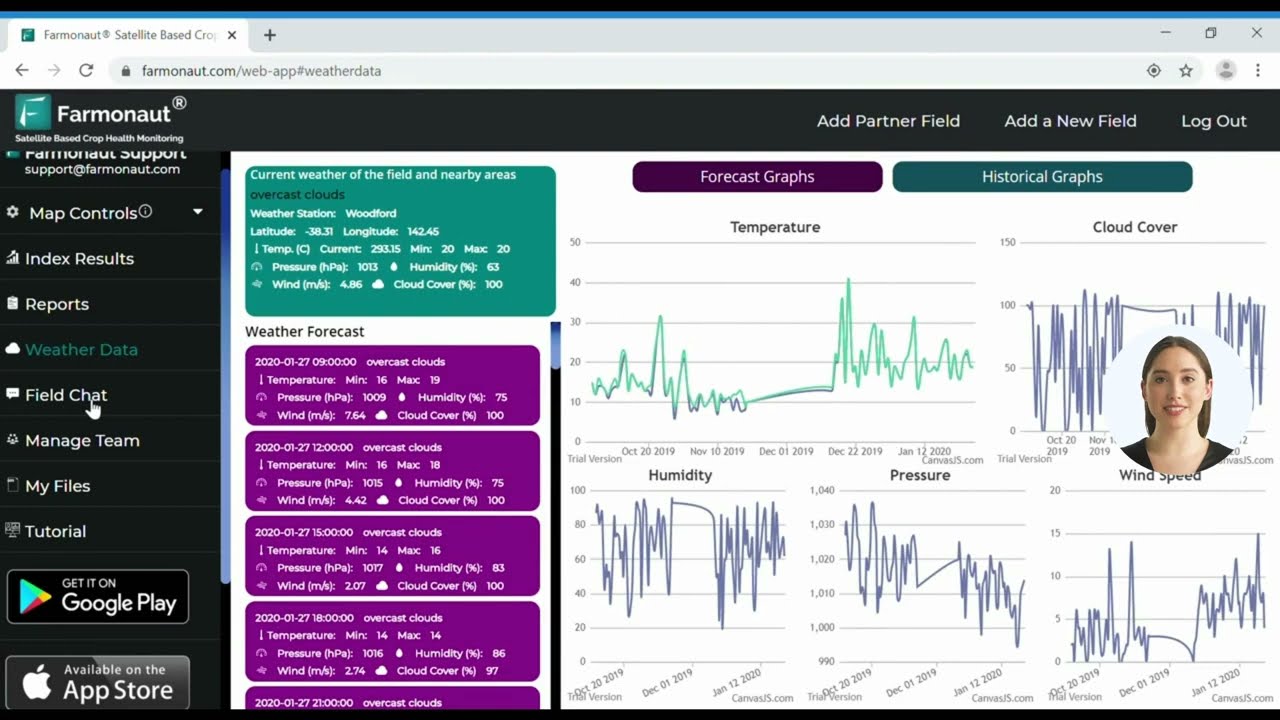
Integrate Satellite & Weather APIs: Developers and analysts can use Farmonaut’s API for remote monitoring and decision-making in mining and resource sectors — Start integrating here.
Satellite Technology, AI, & Blockchain: New Frontiers in REE Sector
Advanced data analytics, AI systems, and satellite-driven insights are transforming the mining and minerals sector, creating disruption and efficiency for all stakeholders.
As a leading satellite technology innovator, we at Farmonaut provide affordable and accessible real-time monitoring, precision advisory, traceability, and environmental compliance tools for agriculture, mining, infrastructure, and defence.
Key Solutions and Use Cases from Farmonaut
- Satellite-Based Multispectral Monitoring: Our platform offers instant access to crop, mining, and infrastructure health for strategic and operational decisions.
- Jeevn AI Advisory System: Real-time, AI-driven mining and environmental insights tailored to each project or site.
- Blockchain-Based Traceability: Ensures resource authenticity, traceable supply chain, and mitigates fraud across mining and critical minerals.
- Environmental Impact Tracking: Monitors carbon footprint, helps businesses comply with environmental standards, and supports green mining practices.
- Fleet & Resource Management: Reduces logistical costs and improves machinery use for mining operations.



Comparative Table of Rare Earth Element Production and Strategic Applications (2025–2026)
| Rare Earth Element | 2025 Global Production (mt) | Major Producing Countries | Key Applications | Strategic Importance | 2026 Trends/Challenges |
|---|---|---|---|---|---|
| Neodymium (Nd) | 36,000 | China, Australia, USA, India | Permanent Magnets, EV motors, Wind turbines | High | Supply chain bottlenecks, surging EV demand |
| Dysprosium (Dy) | 2,500 | China, Myanmar, India | Heat-resistant magnets (motors, turbines) | High | Heavy REE scarcity, price volatility |
| Lanthanum (La) | 38,000 | China, India, USA | Catalysts, batteries, optics, glass | Medium | Sustainable refining techniques |
| Praseodymium (Pr) | 7,500 | China, Vietnam, Myanmar | Magnets, aircraft engines, EVs | High | Battery sector demand growth |
| Samarium (Sm) | 4,800 | China, Russia | Magnets, nuclear reactors | Medium | Supply stability & reactor safety |
| Yttrium (Y) | 9,200 | China, India, Malaysia | Superconductors, LEDs, lasers | Medium | Green tech expansion |
| Cerium (Ce) | 45,000 | China, Australia, India | Catalysts, polishing, optics | Medium | Recycling to reduce waste |
| Europium (Eu) | 600 | China, Myanmar | Phosphors for displays, lasers | High | Advanced display, defense |
| Scandium (Sc) | 1,200 | China, Russia, Philippines | Aerospace alloys, fuel cells | Medium | Alloy technology advances |
| Others (Gadolinium, Terbium, etc.) | Various | China, Australia, Russia | MRI, Speakers, Batteries | Variable | Price pressure, innovation |
Crop Loan & Insurance:
Farmonaut’s satellite-based verification platform helps banks and insurers verify land, mining, and crop details remotely, streamlining loan and insurance processes for agricultural and mineral operators.
Large Scale Management Application:
Perfect for enterprises and government agencies managing multiple mining or large agricultural projects, Farmonaut’s admin app simplifies multi-site satellite monitoring for faster, data-driven decisions.
FAQ: Rare Earth Elements UPSC, Global Trends & Industry Context
Q1. What are rare earth elements (REEs) and why are they important for UPSC?
Rare earth elements UPSC refer to a group of 17 chemically similar metallic elements (15 lanthanides, plus scandium and yttrium). They are indispensable to modern technology, green energy, defence, and electronics sectors—key focus areas of UPSC topics under geography, environment, economy, and science & tech.
Q2. Which countries dominate rare earth mining and production in 2025?
As per rare earth elements USGS (2025), China leads with over 60% production and refining capacity. Other key players include Australia, USA, India, Brazil, Russia, Vietnam, and Malaysia.
Q3. What are the main challenges in rare earth mineral extraction?
Challenges include: complex separation processes, radioactive waste (especially thorium in monazite), environmental pollution, high capital costs, and geopolitical trade tensions. Countries are investing in recycling, AI solutions, and sustainable mining to address these.
Q4. What are the strategic applications of rare earth elements?
Strategic uses span defence (missiles, jets, radars), renewable energy (wind turbines, EVs), electronics, optical devices, catalysts, and advanced manufacturing systems.
Q5. How is India investing in rare earth mineral development?
India is expanding domestic REE mining through exploration of coastal monazite deposits, boosting refining infrastructure, investing in sustainable processing, and promoting R&D in recycling and alternative extraction methods.
Q6. How do technologies like AI and satellite monitoring help the REE mining sector?
AI and satellites provide real-time resource mapping, environmental impact tracking, operational monitoring, and detection of illegal mining, making extraction more efficient and sustainable.
Q7. What is the future outlook for rare earth minerals up to 2026?
The future holds growing demand (10% CAGR), diversification of supply chains, increased recycling and sustainable practices, and greater geopolitical competition for REE resource control.
Conclusion: Strategic Outlook for Rare Earth Elements & Global Industry (2026 and Beyond)
The global strategic importance of rare earth elements continues to escalate with rising demand for modern technologies, green energy, and national security systems. The mining and minerals sector must now navigate complex environmental, economic, and geopolitical challenges—balancing resource nationalism with global supply chain resilience.
For India, harnessing domestic rare earth potential through investments in sustainable mining, R&D, infrastructure, and cutting-edge technologies is not only a path to economic self-reliance but also to a pivotal global role.
Farmonaut, with its satellite, AI, and blockchain-driven systems, remains committed to empowering resource-rich countries and organizations to make informed, responsible decisions that benefit industry, society, and the planet.
For UPSC aspirants, industry strategists, and sustainability advocates, rare earth elements UPSC will remain a touchstone for understanding the nexus between resource security, technology, environment, and economic growth as we march into 2026 and beyond.

Summary:
Rare earth elements (REEs) are the strategic backbone of modern defense, energy, technology, and industrial sectors. With growing geopolitical sensitivities and rising global demand into 2026, India and other countries must bolster sustainable mining, processing, and research investments to secure critical supply chains. Satellite-based, AI, and blockchain solutions—like those offered by Farmonaut—are vital for enabling real-time monitoring, environmental compliance, and traceability, ensuring rare earth minerals play their indispensable role in a sustainable, secure global economy.

 Process Metrology LLC
 Dalgety Minerals Pty Ltd
 Vortex Minerals Pty Ltd
 Faith At Work (Pty) Ltd
 Geotech Mining Solutions plc
 Vulcan International Limited
 Kidepo Associates
 GKY Mining
 Alkimy SARL
 Double A Trading
 GemSprout Metals Limited
 Qader Group
 Ileys General Trading
 SG Gold Mining LLC
 VRV Global Pte Ltd
 Omsri International FZE
 G.I.T.T.
 Jaunita Erss Ltd
 Almosi SARL
 SRK Consulting
 Berks Gold Limited
 Mwerezi Minerals Company Limited
