

Rare Earth Gateway: Prices Today, TREO & 2026 Trends
“Global rare earth oxide (TREO) prices are forecasted to shift by over 15% between 2024 and 2026 due to supply dynamics.”
- The Strategic Importance of Rare Earth Elements in 2025
- The Rare Earth Gateway: Access and Control
- Rare Earth Prices Today: Trends and Influences
- Understanding Rare Earth TREO: A Key Metric
- Comparative Data Table: Rare Earths in Focus
- Technologies Driving Rare Earth Sectors
- Satellite & AI: Redefining the Rare Earth Gateway
- Rare Earths and Emerging Tech Trivia
- The Way Forward: Strategic and Sustainable Use
- Frequently Asked Questions (FAQs)
- Get Started with Farmonaut
The Strategic Importance of Rare Earth Elements in 2025: A Gateway to Future Technologies
In the rapidly evolving landscape of global industries, rare earth elements (REEs) remain at the heart of several critical sectors—from advanced infrastructure and defence systems to modern agriculture machinery and mining technology. The rare earth gateway metaphorically indicates the strategic access and control points that dictate how these essential materials reach industries across the globe. As we approach 2025 and move into 2026, understanding the dynamics around the gateway, rare earth prices today, and the rare earth TREO metric is increasingly crucial for stakeholders across mining, agriculture, infrastructure, and defence.
The surge in technological advancement, urbanization, and geopolitical shifts has amplified global demand for rare earth oxides and associated materials. Stakeholders must now navigate fluctuating supply chains, price volatility, and environmental impacts—all while embracing innovation for a sustainable and resilient future.

Watch: Rare Earth Boom 2025 🚀 AI, Satellites & Metagenomics Redefine Canadian Critical Minerals
Rare Earth Gateway: Access, Control, and Strategic Geopolitics
The rare earth gateway is a multi-dimensional concept, representing the logistical, technological, and geopolitical levers that dictate access and control of rare earths. Comprising a group of 17 metallic elements like neodymium, dysprosium, and terbium, these materials are integral to producing high-strength magnets, advanced electronic components, and specialized alloys that drive modern machinery and critical defence systems.
Currently, China continues to dominate the mining and processing of rare earth oxides, controlling approximately 70% of global refining capacity. This dominance creates a strategic chokepoint, raising supply risks amid geopolitical tensions. Recognizing this, countries such as the United States, Australia, and India have launched significant domestic projects aimed at diversifying supplies and reducing economic risks.
- The United States: Has accelerated investments in domestic mining and processing capabilities, particularly in states like California.
- Australia: Leverages its abundant rare earth deposits to expand global exports and reduce reliance on single-nation supplies.
- India: Focuses on developing new projects, with an emphasis on environmentally conscious mining practices.
This shift marks the evolution of the rare earth gateway—from concentrated control to a more diversified, resilient network. For agriculture, mining, and defence industries, this change means safer, more stable access to essential materials.

Watch: Manitoba Rare Earth Soil Hack 2025 | AI Metagenomics, Microbial Markers & Critical-Mineral Boom
Rare Earth Prices Today: Trends and Influences (2024–2026 and Beyond)
The price of rare earth elements is a direct influencer on the cost and availability of agricultural equipment, advanced machinery, defence systems, and electronic components. In 2025, rare earth prices today are subject to increased volatility due to diverse influences:
- Geopolitical tensions: Trade restrictions, export quotas, and international disputes can lead to supply constraints and subsequent price surges.
- Regulatory changes: Stricter environmental regulations on mining and processing in China, Australia, and other regions can affect overall production rates, impacting today’s prices.
- Rising technological demand: The increased use of electric vehicles, renewable energy systems, and precision agriculture tools significantly drives demand for rare earth oxides.
By 2025, prices for key rare earth oxides such as neodymium, praseodymium, and dysprosium have been seen to increase by up to 30% year-on-year. As we move towards 2026, this trend is expected to continue, influenced both by supply chain dynamics and environmental considerations.
Understanding Rare Earth TREO: The Key Metric for Mining in 2025
TREO (Total Rare Earth Oxides) is the primary metric for assessing the quality and economic viability of rare earth deposits and recycled materials. The TREO value reflects the percentage by mass of rare earth oxides—including neodymium, dysprosium, praseodymium, and terbium—within a given ore.
- Higher TREO means higher value: Deposits with higher TREO grades reduce the cost per unit of extraction and processing. These are essential for marginal mining operations to become commercially viable.
- Global projects in Africa, Canada, and South America: The development of new rare earth projects focuses on moderate to high TREO content surface deposits to complement global supply chains.
- Recycling for the circular economy: Innovations in recycling electronic waste and agricultural equipment are making it possible to recover TREO efficiently, aiding in sustainable sourcing.
It is particularly critical to monitor TREO as a core metric for stakeholders planning investments or operational shifts in mining and advanced manufacturing.

Watch: Satellite Mineral Exploration 2025 | AI Soil Geochemistry Uncover Copper & Gold in British Columbia!
Comparative Data Table: Major Rare Earth Elements, Prices Today, TREO & 2026 Trends
A clear perspective on rare earth gateway, rare earth prices today, and the rare earth TREO metric requires comparing the most critical elements, their estimated prices, TREO values, and future supply/demand trends. The following table summarizes key data for neodymium, praseodymium, dysprosium, and terbium—elements vital across agriculture, batteries, magnets, and tech fields as of 2024–2026.
| Rare Earth Element | Estimated Price Today (USD/kg) | Estimated TREO (%) | Primary Application | 2026 Supply/Demand Trend |
|---|---|---|---|---|
| Neodymium (Nd) | $105–$120 | 19–23% | High-strength magnets (EV motors, wind turbines, agricultural robotics) | High Demand, Supply Risk — Electric vehicle, wind power boom |
| Praseodymium (Pr) | $80–$90 | 4–6% | Magnets, alloys, agriculture sensors, battery hardware | Moderate-High Demand — Accelerated tech adoption |
| Dysprosium (Dy) | $420–$460 | 0.8–1.0% | Thermal resistant magnets (defence, EVs, advanced agricultural machinery) | Acute Supply Pressure — Key for advanced motors, defence |
| Terbium (Tb) | $1,350–$1,500 | 0.2–0.3% | Phosphors (displays, lighting), magnet enhancement, precision electronics | Critical Shortfall Risk — Essential for green tech, high-tech displays |
These values are estimates based on 2024 data; trends may shift as new projects, recycling, and geopolitics evolve by 2026.
The table underscores that neodymium and dysprosium—central to electric vehicles, renewables, and agricultural automation—are at the greatest risk of high demand and supply tightness by 2026.

Watch: Arizona Copper Boom 2025 🚀 AI Drones, Hyperspectral & ESG Tech Triple Porphyry Finds
Technological Drivers: The Engine of Rare Earth Demand and Efficiency
Rare earth elements form the backbone of several technologies expected to revolutionize agriculture, defence, mining, and beyond by 2026:
- Electric Vehicles (EVs): Rely on high-strength neodymium/iron/boron magnets for compact, efficient motors, making rare earth supply chains vital for the automotive future.
- Wind Turbines: Growth in global renewable energy investments dramatically increases neodymium, praseodymium demand.
- Smart Agriculture Equipment: Modern sensors, guidance systems, and robotics depend on rare earth magnetic and electronic components.
- Defence: Advanced missile guidance, radar, and stealth technologies require robust rare earth alloys and electronic parts.
- Satellite and AI-Based Mining Technologies: For precision targeting of high TREO deposits and reduced environmental impacts.
The intersection of these fields is fueling the current surge in global demand, while also presenting opportunities for efficiency—notably through innovative satellite data, AI-driven analytics, and sustainable logistics.
Satellite, AI & the Rare Earth Gateway: Smart Insights for Mining, Agriculture & Infrastructure
As exploration and extraction of rare earths becomes ever more complex, leveraging advanced satellite and AI solutions is key. Farmonaut exemplifies how satellite imagery, AI, and blockchain are being brought together to optimize mining, agricultural, and infrastructure operations:
- Satellite-Based Monitoring: We at Farmonaut use multispectral satellite images to monitor mining sites, crop fields, and infrastructure, assessing structural integrity, soil health, and operational status. Real-time data improves resource allocation and strategic planning in mining and agricultural projects.
- AI-Driven Advisory (Jeevn AI): By analyzing satellite data, our AI system delivers real-time insights, forecasts, and strategies for the operation of agricultural and mining equipment. This not only increases productivity, but also helps reduce costs.
- Blockchain for Traceability: Through our platform’s blockchain-based traceability, industries can track resources and materials across the entire supply chain, bolstering authenticity and reducing resource fraud. Explore our Traceability Solutions here.
- Fleet Management: Fleet and machinery tracking tools let companies optimize their vehicle/equipment usage, improving logistics and reducing operational costs. Read more about Farmonaut Fleet Management for Rare Earth Operations.
- Subscription-based Access: Access our advanced insights on Agro-Admin App for Large-Scale Farm and Forest Management.

Watch: Farmonaut Web System Tutorial: Monitor Crops via Satellite & AI

Watch: Farmonaut – Revolutionizing Farming with Satellite-Based Crop Health Monitoring
“China supplies about 60% of rare earths globally, crucial for over 80% of emerging tech innovations by 2025.”
The Way Forward: Strategic and Sustainable Use of Rare Earth Elements
With rising rare earth prices today, supply chain complexities, and heightened environmental scrutiny, the future for mining, agriculture, and defence sectors hinges on a balanced approach:
- Invest in alternative materials research: Pioneering alternatives to rare earth magnets could help reduce long-term demand.
- Minimize environmental impact: Technologies that enable eco-friendly processing and resource recovery are vital.
- Enhance global cooperation: As supply chains diversify, international collaborations can help reduce supply shocks caused by geopolitics.
- Embrace digital intelligence: Utilizing satellite analytics, blockchain traceability, and fleet management can proactively manage resource flows and optimize costs.
We at Farmonaut are committed to supporting a sustainable, data-driven, and cost-effective future for industries across mining, agriculture, infrastructure, and defence—helping all stakeholders flow seamlessly through the rare earth gateway.



|
API Developer Docs

Watch: Farmonaut® Satellite Based Crop Health Monitoring
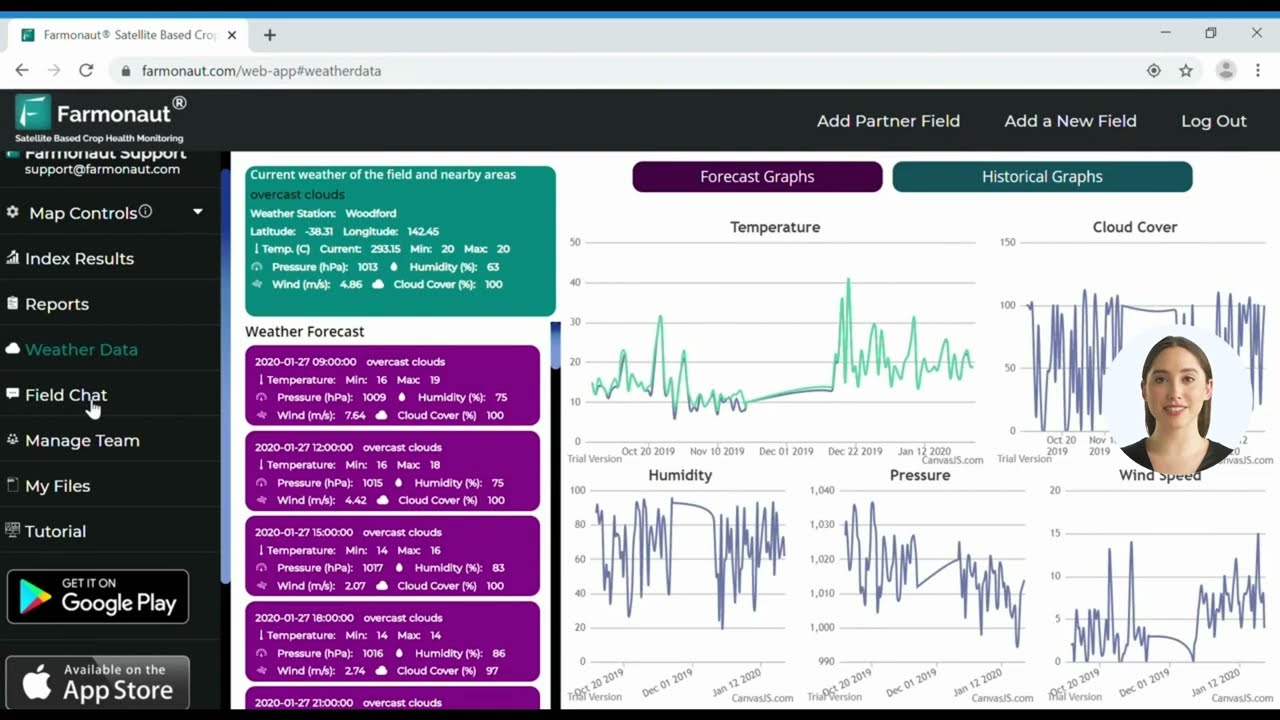
Watch: Farmonaut Web App | Satellite Based Crop Monitoring
FAQs: Rare Earth Gateway, Prices Today & TREO
1. What are rare earth elements and why are they important in 2025?
Rare earth elements (REEs) are 17 metallic elements, integral to producing magnets, batteries, defence systems, and advanced electronics. Their importance is soaring due to increased demand from electric vehicles, renewable energy, precision agriculture, and advanced infrastructure.
2. What is the “rare earth gateway”?
The rare earth gateway refers to the strategic control points—including mining, processing, and supply logistics—that dictate rare earths’ flow to industries. In 2025, access to this gateway is essential for stable and resilient global supply chains.
3. How are rare earth prices today being influenced?
Rare earth prices today are affected by geopolitical tensions, regulatory changes, rising technology demand, and global supply constraints. Rapid shifts in supply and demand, particularly due to new technologies and environmental policies, are driving price volatility through 2025 and beyond.
4. Why is the rare earth TREO metric important?
TREO (Total Rare Earth Oxides) is pivotal in measuring ore quality and assessing the economic feasibility of mining projects or recycling. Higher TREO means higher concentrations of valuable rare earths, reducing the cost per extracted kilogram.
5. How is satellite technology used in mining and agriculture for rare earths?
Satellite technology allows for real-time monitoring of mining sites, infrastructure projects, and agricultural lands. This optimizes resource use, supports environmental compliance, and increases strategic planning efficiency.
6. What are the main rare earths at risk by 2026?
Neodymium, dysprosium, and terbium are forecasted as the most supply-constrained due to high demand from EVs, renewable energy, precision agriculture, and defence applications.
7. How can I stay updated on rare earth trends and access monitoring solutions?
For actionable insights on rare earth mining, crop health, and environmental impacts, use our Farmonaut Web, Android, and iOS Apps or integrate with our Satellite API.
Get Started: Navigate the Rare Earth Gateway with Farmonaut
In a world where rare earth prices today, rare earth TREO, and global supply control shape our technological future, staying ahead means using the best tools and data. We at Farmonaut invite you to explore our suite of satellite, AI, blockchain, and fleet management solutions that empower stakeholders across mining, agriculture, and infrastructure to thrive amidst supply shifts and price volatility.
- Access detailed mining site and machinery monitoring in real time.
- Leverage carbon footprinting and traceability tools for compliance and sustainability.
- Get rapid, reliable data for loan and insurance evaluation in rare earth and agricultural sectors.
Discover Farmonaut Crop Loan and Insurance Solutions - Scale large operations via Agro-Admin Large-Scale Farm Management Tools
Staying informed about rare earth gateway, rare earth prices today, and rare earth TREO is essential. Embrace innovation, secure your supply chains, and shape a sustainable, cost-effective, and resilient future for your organization.
Discussion
Questions, corrections or field experience? Share them below. First-time comments are reviewed before they appear, and your email is never published.
No comments yet. Be the first to add a question or your experience.

 GemSprout Metals Limited
 Qader Group
 Ileys General Trading
 SG Gold Mining LLC
 VRV Global Pte Ltd
 Omsri International FZE
 G.I.T.T.
 Jaunita Erss Ltd
 Almosi SARL
 SRK Consulting
 Berks Gold Limited
 Mwerezi Minerals Company Limited
 Mining SARL
 SenGold Invest SAS
 Sean Mining Limited
 NTS Group (Pty) Ltd
 Mine4Africa
 Lithspo Minerals Limited
