

Rare Earth Price Per Ton, Cerium Price & Mineral Rates: The Dynamics of Rare Earth Mineral Pricing in 2025 – A Critical Insight for Mining and Infrastructure Sectors
“In early 2025, global cerium oxide prices reached $2,000 per ton, reflecting a 10% year-on-year increase.”
Introduction: Rare Earth Price Per Ton & Industry Impact
Rare earth minerals are the backbone of modern technology, emerging as critical components across diverse sectors including infrastructure, mining, renewable energy, defense, electronics, and agriculture. In fact, the rare earth price per ton, along with the cerium price per ton and the overall price of rare earth minerals, is increasingly shaping not just technological progress but also global strategies for resource security, sustainability, and economic growth.
As we look towards 2025 and beyond, the dynamics of rare earth mineral pricing are coming under close industry scrutiny. For professionals in mining, energy, and infrastructure, a granular understanding of market trends, supply chains, and key pricing drivers is crucial—especially as these sectors grow more reliant on high-purity minerals for advanced systems and clean energy transformation.
In this comprehensive insight, we’ll analyze:
- Which factors most heavily influence rare earth mineral prices and their volatility.
- How the cerium price per ton and other mineral rates are benchmarked and forecasted for 2025.
- The geopolitical, technological, and industrial shifts redefining extraction, supply, and demand across the sector.
- Why transparent market data and advanced monitoring—such as satellite-powered platforms by Farmonaut—are essential for informed investment and operational planning.
Alongside this, we’ll provide a detailed price trends comparison table, relevant real-time market examples, video insights, and actionable guidance for mining and infrastructure leaders navigating a changing landscape.
Overview of Rare Earth Minerals and Their Importance
The term rare earth minerals refers to a family of 17 chemically similar elements—consisting of the 15 lanthanides plus scandium and yttrium—which are indispensable for a vast array of modern technologies. Despite their name, these minerals are relatively abundant in the Earth’s crust, but are rarely found in concentrations high enough to allow for economical extraction.
Rare Earths: The Indispensable Components of 2025 Technology
- Permanent Magnets: Neodymium, dysprosium, praseodymium—critical for electric vehicle (EV) motors, wind turbines, MRI machines, and more.
- Phosphors & Displays: Eu, Y, Tb, and others are used in LEDs, displays, and advanced lighting, revolutionizing electronics and efficient lighting.
- Catalysts & Batteries: Lanthanum and cerium play vital roles in catalytic converters, battery alloys, and petroleum refining catalysts, expanding their impact in industry and mobility.
- Glass Polishing & Industrial Uses: Cerium oxide, one of the most abundant rare earths, is the material of choice in glass polishing and as an industrial catalyst, especially for electronic, agricultural, and manufacturing processes.
- Defence & Aerospace: Several rare earth elements are critical components in advanced military hardware—from sensors and guidance systems to radar, communication devices, and stealth technology.
As the price of rare earth minerals continues to affect supply chains and pricing across agriculture, infrastructure, and mining sectors, these elements’ importance only grows.
Cerium’s Role in Modern Sectors
- Catalytic Converters: Cerium
(CeO2)
is extensively employed to control machinery emissions in agriculture, mining, and transportation. - Agricultural Inputs: Used as an additive in fertilizers to enhance plant nutrient absorption and yield.
- Glass Industry: Cerium oxide is the preferred polishing agent for glass and electronics panels.
- Industrial Processes: Acts as a redox catalyst, increasing efficiency across a variety of manufacturing and extraction operations.
This deep integration into multiple industries makes cerium and the broader rare earth element group pivotal for 2025 onward.
Rare Earth Price Per Ton, Cerium Price Per Ton & 2025 Market Drivers
Rare earth price per ton and cerium price per ton are not static—they’re shaped by a multitude of market factors, geopolitical influences, regulatory policies, supply-demand dynamics, and more. Understanding these trends is essential for all sectors reliant on these critical minerals.
Key Price Drivers & Industry Trends Affecting 2025 Rates
-
Global Demand Growth:
- The demand for rare earth minerals in EV manufacturing, wind turbine production, renewable infrastructure, and advanced electronics continues to rise through 2025 and beyond.
- Market size is projected to surpass $17 billion by 2025, with much of that surge coming from infrastructure and renewable energy sectors.
-
Supply Chain Tightness & Geopolitical Tensions:
- China maintains over 60% of global rare earth production and dominates supply of processed materials.
- Global events or regional export policies can heavily influence prices due to disruptions.
-
Moderate to Steady Price Growth:
- While prices have stabilized compared to sharp previous decade fluctuations, volatility remains due to regulatory changes and global supply chain events.
- Cerium oxide prices in 2025 hover around $3,000–$4,000 per ton, reflecting both steady demand and costlier extraction outside China.
-
Technological Advancements:
- Improved mineral extraction and processing efficiency, as well as evolving recycling methods, begin to moderate long-term market pressure by 2026 and beyond.
- Short-term reliance on mined sources remains high due to the lag in scaling up recycling operations worldwide.
-
Environmental Considerations:
- New regulations and policies targeting sustainability and reduced emissions impact rare earth extraction costs, further shaping per ton pricing.
“Rare earth mineral market size is projected to surpass $17 billion by 2025, driving infrastructure and clean energy industry trends.”
Focus Minerals: Real-World Price Examples in 2025
-
Cerium Oxide (CeO2):
Steady at $3,000–$4,000 per ton due to moderate demand growth, strategic stockpiling in China, and increased production in Australia, the US, and India. -
Neodymium & Dysprosium:
Command premium rates approaching $80,000–$90,000 per ton in 2025, driven by wind turbine and EV motor needs. -
Praseodymium, Lanthanum, Yttrium:
Prices between $4,500–$10,500 per ton, with application in batteries, catalysts, hybrid components, and energy storage.
Price Fluctuations: Factors to Watch
- Sharp spikes may result from sudden demand hikes in defense or renewable projects.
- Disruptions in Chinese supply can ripple quickly through global prices, driving up the cost per ton for many minerals.
- Expansion of non-Chinese production contributes to price stability but at higher marginal costs, especially for refined oxides.

For instant updates and precision monitoring of rare earth mining, traceability, and environmental impact, explore Farmonaut’s carbon footprinting services.
Comparative Price Trends Table: Key Rare Minerals in 2025
For mining, infrastructure, and energy decision-makers, comparative price visibility is essential to plan responsibly for future material costs and supply challenges. The table below provides an at-a-glance reference for current (2025) rates, year-on-year changes, industry applications, and major producer countries—critical for both operational and strategic planning.
| Mineral Name | Estimated Price Per Ton (USD, 2025) | Year-over-Year Price Change (%) |
Key Applications | Top Producer Countries |
|---|---|---|---|---|
| Cerium Oxide (CeO2) | $3,000–$4,000 | +10% | Glass polishing, catalysts, emissions controls, fertilizers | China, Australia, India |
| Neodymium Oxide (Nd2O3) | $85,000–$90,000 | +7% | Magnets (EVs, wind turbines), electronics | China, Myanmar, Australia |
| Praseodymium Oxide (Pr6O11) | $8,000–$10,000 | +9% | Magnets, alloys, ceramics, batteries | China, Australia, Vietnam |
| Lanthanum Oxide (La2O3) | $4,500–$5,500 | +6% | Catalysts, battery electrodes, optics | China, USA, Australia |
| Dysprosium Oxide (Dy2O3) | $93,000–$98,000 | +8% | Magnets (EVs), lasers, nuclear, data storage | China, Myanmar, Australia |
| Yttrium Oxide (Y2O3) | $9,000–$11,000 | +7% | Phosphors, electronics, ceramics | China, India, Russia |
| Scandium Oxide (Sc2O3) | $180,000–$200,000 | +12% | Aerospace alloys, fuel cells, lighting | China, Russia, Australia |
| Terbium Oxide (Tb4O7) | $120,000–$130,000 | +10% | Magnets, phosphors, solid-state devices | China, USA, Myanmar |
Note: Prices are estimates as of 2025. Trends may shift due to market, supply, and geopolitical volatility.

For organizations in the energy and agriculture sectors, Farmonaut’s blockchain-powered traceability ensures rare earth mineral authenticity throughout the supply chain—essential for meeting regulatory and stakeholder requirements.
Global Supply Chain, Geopolitical Influence and Strategic Production
Global supply and pricing of rare earth elements are determined by complex, interconnected production networks, geopolitical considerations, and regulatory actions. The rare earth price per ton is uniquely vulnerable to international relations, domestic policies, and regional tensions—especially as advanced economies race to decouple from China’s dominance in both mining and refining of critical materials.
China Maintains Market Control: Implications Through 2026
- Accounting for over 60% of extraction and 90% of global refining, China’s government strategically maintains export quotas and domestic stockpiles to balance domestic needs with global influence.
- Periodic export restrictions, regulatory reforms, or stockpiling can rapidly influence worldwide prices per ton, causing supply disruptions or incentivizing development of new mines.
- Non-Chinese producers (Australia, India, USA, Russia, Myanmar) are expanding extraction and investment but face higher costs due to regulatory and logistical barriers.
Geopolitical Drivers Affecting Pricing and Market Participation
- US, EU, and Allies: Government-backed projects and alliances target domestic mining, refining, and recycling investments to secure rare earths for defense, EVs, and renewables.
- India: Investing heavily in monazite sands and developing value-added processing to serve both domestic and global markets.
- Australia: Major new production sites help diversify global supply; however, environmental and indigenous rights regulations can slightly increase per-ton extraction costs and extend project timelines.

Strategic Stockpiling and Risk
- Countries prioritize resilience: Investments in national stockpiles and resilient supply chains raise short-term mineral prices but moderate long-term volatility by reducing panic buying during disruptions.
- Advanced monitoring—including satellite-based oversight—helps anticipate illegal mining, track supply disruptions, and ensure compliance with environmental regulations. For real-time supply chain analytics, explore the benefits of Farmonaut’s fleet management system, which supports resource and logistics optimization in mining and infrastructure sectors.

Implications for Mining, Infrastructure & Technology Integration
For the mining industry and large-scale infrastructure projects, volatility in rare earth price per ton and mineral rates directly impacts project feasibility, financing, and long-term planning.
Key Impacts on Project Development & Industry Operations
- High Capital Expenditure: The expanded cost of developing new rare earth mines and refining operations puts pressure on investment cycles, especially as compliance, reclamation, and technology costs rise.
- Supply Chain Reliability: Infrastructure (wind turbines, EV batteries, grid-scale magnets) depends on predictable material costs—price disruption can delay or derail critical modernization or renewable transition projects.
- Defense Sector Competition: Government procurement for advanced missile systems, guidance technology, and defense electronics often outpaces civil demand, creating occasional supply shortages or price spikes for specific elements.
- Material Substitution & Recycling: Innovation in using less-scarce materials and scaling up recycling operations can mitigate price shocks, though widespread impact will be realized only after 2026.
- Long-Term Contracts: Strategic buyers are moving toward multi-year supply agreements and risk-hedging strategies to ensure both volume and predictable pricing over project lifespans.
Technology and Satellite Solutions in Rare Earth Operations
-
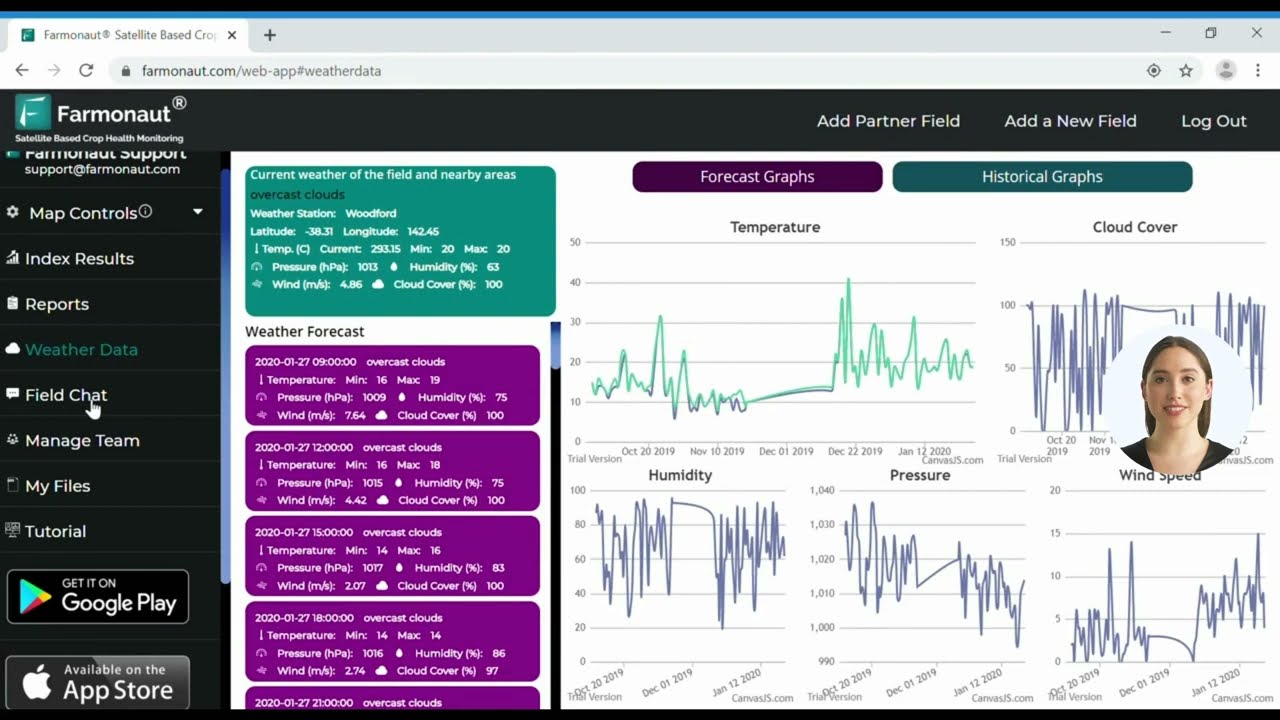
Satellite-based resource monitoring—such as those offered via Farmonaut’s web, mobile, and API solutions—can deliver real-time mineral extraction, environmental compliance, and supply chain insights for large-scale mining and infrastructure planning.
-
Start now:

-
Android:

|
iOS:

-
Start now:
- Resource Optimization: Use Farmonaut’s large-scale management dashboard for centralized, AI-enabled monitoring of mining, agricultural, or infrastructure projects—with easy API integration: Farmonaut Satellite API | API Documentation

For mining operations and infrastructure planners needing satellite-enabled crop, land, or mineral health tracking, Farmonaut’s crop loan and insurance verification services streamline financing by providing remote, verifiable field data essential for risk reduction and compliance.
Future Outlook: Rare Earth Price Per Ton & Market Sustainability, 2026 and Beyond
The rare earth market enters 2026 with steady growth, persistent volatility, and evolving technology adoption across mining, defense, energy, and infrastructure sectors.
Trends to Expect:
- Supply Diversification: Australia, India, and the USA are likely to further expand extraction and enter value-added processing, slowly easing dependence on Chinese dominance.
- Recycling and Circular Economy: New startups and R&D efforts targeting rare earth recycling—from e-waste, end-of-life batteries, and obsolete electronics—will gain traction, though mined sources still supply the majority through 2026.
- Innovation in Material Substitution: Research into alternative, abundant materials for use in electronics and catalysis will begin to reduce pressure on rare earth prices.
- Transparent Pricing: Open-price indices, cross-border exchange platforms, and real-time analytics—boosted by AI and satellite data—will help industries benchmark more accurately for long-term contracts.
- Policy & Regulatory Impact: Expect tighter sustainability rules, carbon offset mandates, and stricter ESG reporting for both domestic and exported rare earth materials.
Opportunities and Risks for Stakeholders
- Mining companies: Focus will be on operational efficiency, technology utilization (including remote monitoring and advanced data platforms), and sustainable extraction.
- Infrastructure and Energy Developers: Long-term supply contracts and collaboration with providers prioritizing traceability and environmental compliance become the norm.
- Agri-business and Defense: Strategic stockpiling, material innovation, and supply chain transparency become core elements of project and policy planning.
Leveraging Satellite Solutions: Farmonaut and Rare Earth Decision-Making
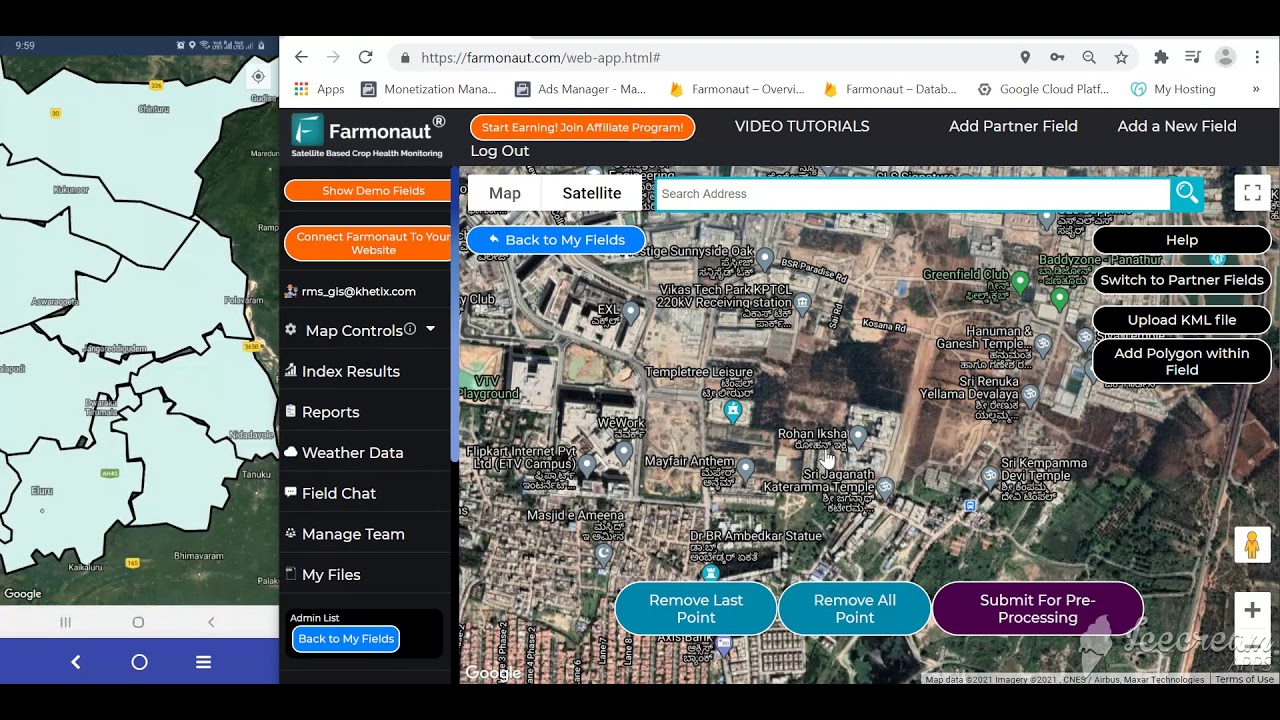
At Farmonaut, our satellite-based solutions provide real-time, actionable insights for agriculture, mining, infrastructure, and defense sectors globally. With the growing complexity of rare earth mineral market dynamics and increasing demand for transparency, our technologies empower users, businesses, and governments to monitor extraction, assess supply chain risk, and ensure compliance with evolving ESG and regulatory standards.
- Affordable Monitoring: We make advanced monitoring accessible with real-time, AI-powered reports accessible across Android, iOS, web/app, and API.
- Blockchain Traceability: Our platform supports transparent, tamper-proof supply tracking across rare earth mining, agriculture, and critical infrastructure projects.
-
Operational Efficiency: Using environmental impact and carbon tracking tools, we help users optimize extraction and comply with industry best practices.
Interested in carbon management? Explore our carbon footprinting services. -
Environmental Sustainability: Real-time reporting and analytics support sustainable practices even in complex, distributed mining fields.
Check out large-scale farm and extraction monitoring for industrial-scale users. -
Resource Management & Financing: Our satellite-based verification can dramatically streamline crop loans, insurance, and asset valuations in mining.
Read more about crop loan and insurance analytics.

Frequently Asked Questions (FAQ)
Rare earth minerals comprise 17 elements, including lanthanides, scandium, and yttrium. They are fundamental for manufacturing advanced electronics, magnets, renewable energy systems, automotive catalysts, EVs, precision agriculture machinery, and defense applications. In 2025, their strategic value has only grown with the clean energy transition and technological modernization of infrastructure.
The rare earth price per ton is shaped by global demand (especially from EVs, wind turbines, and electronics), supply chain tightness and constraints (notably due to China’s market dominance), regulatory changes, environmental considerations, and geopolitical tensions that can influence policies and export controls.
The cerium price per ton is determined by extraction costs, processing demand, supply chain factors, and downstream market growth (especially in catalysts, glass polishing, and fertilizer applications). Cerium is a key benchmark among the most abundant rare earths and serves as a bellwether for broader market stability.
Satellite platforms, such as Farmonaut, offer real-time monitoring of mining operations, environmental compliance, and logistics optimization. These technologies reduce operational risk and help secure supply chain sustainability, supporting more competitive and resilient business practices.
Prices are expected to remain moderate yet volatile, with gradual increases tied to demand. Expanded mining operations, material innovation, and recycling will bolster long-term supply, but near-term market reliance on current producers—primarily China—means ongoing vigilance is required by stakeholders across mining, energy, and infrastructure sectors.
Conclusion: Strategic Insight into Rare Earth Pricing for Mining & Infrastructure Leaders
In summary, rare earth mineral pricing—including the rare earth price per ton, cerium price per ton, and mineral rates for 2025—remains a critical insight for global mining, energy, infrastructure, and agriculture sectors. As supply chains diversify, regulations tighten, and the demand for new technology compounds, market transparency and advanced monitoring solutions are more invaluable than ever. With the right real-time data, strategic investments, and resilient operational tools, industry professionals can confidently navigate rare earth pricing dynamics well into the future.
Interested in end-to-end monitoring, traceability, and supply chain assurance?
Visit Farmonaut for AI-powered, satellite-based solutions tailored for evolving mining, infrastructure, and agriculture needs.
Discussion
Questions, corrections or field experience? Share them below. First-time comments are reviewed before they appear, and your email is never published.
No comments yet. Be the first to add a question or your experience.

 Swati Minerals
 Faith At Work (Pty) Ltd
 Geotech Mining Solutions plc
 Vulcan International Limited
 Kidepo Associates
 GKY Mining
 Alkimy SARL
 Double A Trading
 GemSprout Metals Limited
 Qader Group
 Ileys General Trading
 SG Gold Mining LLC
 VRV Global Pte Ltd
 Omsri International FZE
 G.I.T.T.
 Jaunita Erss Ltd
 Almosi SARL
 SRK Consulting
 Berks Gold Limited
 Mwerezi Minerals Company Limited
 Mining SARL
 SenGold Invest SAS
