

Risk Management in Copper Mining: 7 Steps for 2025
Table of Contents
- Introduction: Risk Management in Copper Mining Operations
- Industry Facts & Trivias
- Step 1: Identifying Risks in Copper Mining Operations
- Step 2: Risk Assessment – Analysis & Prioritization
- Step 3: Developing and Implementing Risk Mitigation Strategies
- Step 4: Monitoring, Continuous Improvement & Performance
- Step 5: Emergency Preparedness & Response
- Step 6: Leveraging Advanced Digital Tools & Technologies
- Step 7: Embedding Sustainability in Copper Mining Risk Management
- Step-by-Step Risk Management Matrix
- Enhancing Risk Management with Farmonaut
- Frequently Asked Questions: Copper Mining Risk Management
- Conclusion: Risk Management in Copper Mining Operations — A How-To Tutorial for 2025
“40% of global copper mines report operational risks tied directly to hazard identification processes.”
Introduction: Risk Management in Copper Mining Operations
Risk Management in Copper Mining Operations: How-To Tutorial
Copper mining remains a vital industry worldwide, supplying essential raw materials for electrical wiring, infrastructure development, and renewable energy solutions. However, the inherent processes of copper mining operations involve significant risks—ranging from environmental hazards and operational safety issues to dramatic market volatility and evolving regulatory compliance.
Effective risk management in copper mining is, therefore, a crucial component to ensure safety, sustainable production, safeguard worker health, and protect the environment. With emerging digital tools and advanced monitoring technologies reshaping the industry in 2025, adopting a structured, comprehensive approach is now more essential than ever.
This how-to tutorial outlines a detailed, step-by-step process for risk management in copper mining operations, targeting the realities and opportunities of 2025 and beyond. Whether you are a mine operator, safety officer, environmental manager, or industry stakeholder, this guide offers actionable insights, practical examples, and up-to-date best practices for managing the full spectrum of copper mining risks.



Step 1: Identifying Risks in Copper Mining Operations
Identifying risks is the essential first step to risk management in copper mining operations. Each mining process and site encompasses a diverse array of potential hazards, typically falling under the following main categories:
- Operational Risks: Include equipment failure, mine collapses, chemical spills, ventilation issues, and worker errors during ongoing mining operations.
- Environmental Risks: Cover contamination of water sources, soil degradation, long-term deforestation, and biodiversity loss from waste and emissions.
- Health and Safety Risks: Consist of exposure to harmful dust, toxic chemicals, accidents, ergonomic injuries, and chronic health conditions among workers.
- Regulatory & Compliance Risks: Arise from changing regulations, permitting delays, and community opposition, which can stall or halt projects.
- Market Risks: Result from fluctuations in copper prices, impacting the financial viability and planning of mining operations.
- Geotechnical Risks: Stem from ground instability, seismic activity, or unforeseen geological hazards potentially affecting mine integrity and worker safety.
This systematic approach ensures that both tangible and less tangible risks—such as public perception or regulatory changes—are captured and documented for further analysis.

Step 2: Risk Assessment – Analysis & Prioritization
After all relevant risks are identified, the next step is a thorough assessment to evaluate the likelihood and potential impact of each hazard. In 2025, risk assessment combines both conventional methods and cutting-edge digital analytics.
Key Methods for Risk Assessment in Copper Mining Operations
- Quantitative Analysis: Leveraging data analytics, sensors, and geotechnical models (such as slope stability simulations and AI-predicted equipment failure rates) to predict failures and spotlight geological hazards.
- Qualitative Analysis: Gathering expert judgment, frontline employee input, and conducting workshops or HAZOP studies to assess less tangible risks, such as regulatory shifts or shifts in social license.
- Prioritization: Ranking each risk based on its estimated likelihood (low, medium, high) and expected impact (low, medium, high), enabling effective resource allocation to the most critical areas.
For every identified risk, a risk assessment matrix can be created to visualize and guide decision-making.

“Over 80% of copper mining operations plan advanced risk monitoring by 2025 for sustainable management.”
Step 3: Developing and Implementing Risk Mitigation Strategies
With key risks assessed and prioritized, tailored mitigation strategies must be implemented. The comprehensive approach in risk management for copper mining operations integrates technological solutions, operational controls, regulatory compliance, and workforce safety programs.
Detailed Risk Mitigation Examples
-
Operational Controls:
- Regular equipment maintenance to prevent unplanned downtime and reduce risk of failures.
- Adoption of advanced sensors and IoT devices for real-time monitoring of operational parameters and structural stability.
- Increased automation (drone monitoring, autonomous haul trucks) to reduce human error during hazardous operations.
-
Environmental Management:
- Implementation of water treatment plants and filtration systems to limit water contamination from mine runoff and chemical spills.
- Adopting dry stacking technology for tailings, minimizing spill and burst risks.
- Reforestation and afforestation plans (see: Farmonaut Crop Plantation & Forest Advisory) to offset deforestation and soil erosion post-mining.
-
Health and Safety Programs:
- Enforcement of strict PPE use and continuous training on hazard recognition and emergency response.
- Wearable sensors for air quality and worker health monitoring.
- Development of robust ergonomic guidelines to limit musculoskeletal injuries.
-
Regulatory Compliance:
- Systematic tracking of regulations and proactive compliance reporting using digital platforms.
- Regular environmental impact assessments and transparent engagement with local communities.
-
Market Risk Hedging:
- Use of financial hedging instruments and long-term offtake contracts to buffer against market volatility.
-
Geotechnical Engineering:
- Advanced geotechnical models and satellite monitoring to detect ground instability and seismic activity before they impact operations (Farmonaut Fleet Management is an additional operational support aid for monitoring mining machinery and fleets).
A robust risk management process mandates a multi-layered strategy. Integration of real-time data streams, predictive analytics, and adaptive protocols are defining hallmarks of 2025 operational standards.

Step 4: Monitoring, Continuous Improvement & Performance
Risk management in copper mining is not a static process. Instead, regular monitoring and continuous improvement are required. By 2025, the gold standard includes real-time digital monitoring, advanced analytics, and structured stakeholder engagement.
Key Elements of Ongoing Risk Monitoring and Performance Management
-
Real-Time Data Collection Using Sensors & Digital Tools:
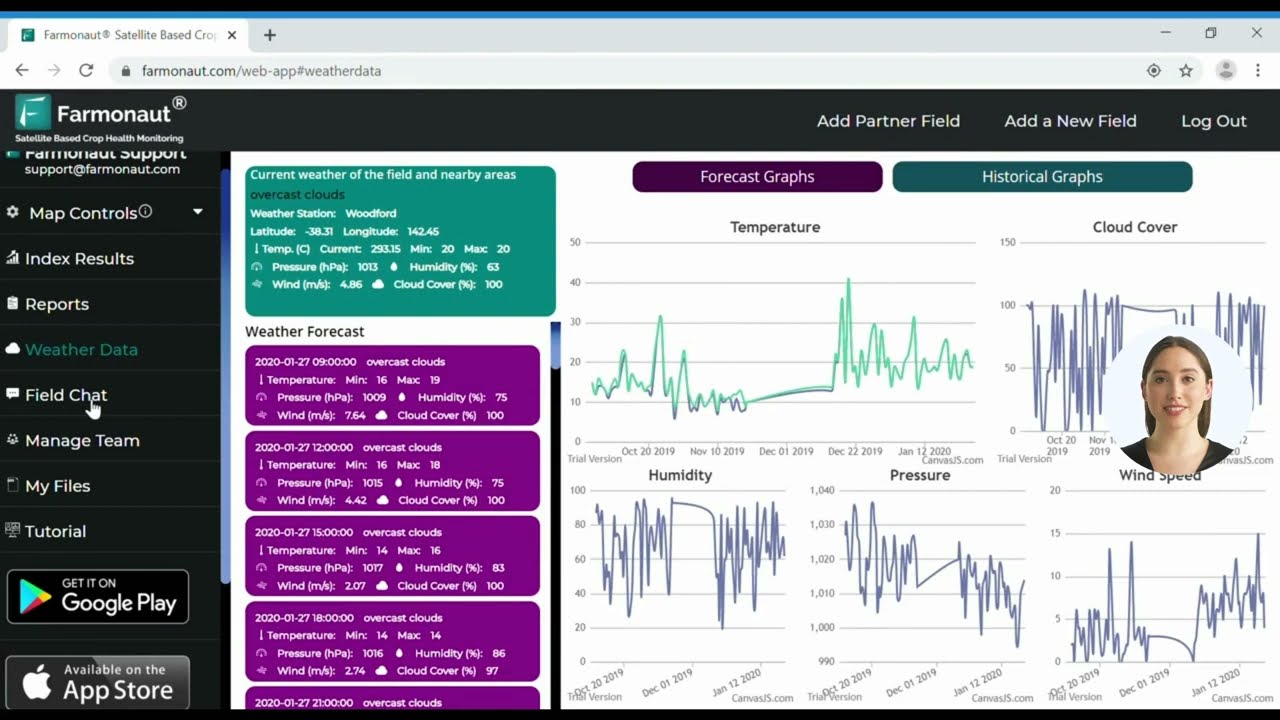
- Multispectral sensors, drones, and AI-driven analytics (Farmonaut Carbon Footprinting) for real-time monitoring of environmental, operational, and geotechnical factors.
- Instant alerts for equipment or ground stability anomalies; prompt emergency response is a click away.
-
Key Performance Indicators (KPIs):
- Define and track KPIs such as incident frequency rate, downtime hours, emissions volumes, and compliance audit outcomes to measure the effectiveness of the risk management approach.
-
Continuous Feedback Loops:
- Regular audits, incident reviews, and stakeholder meetings to drive iterative improvements.
- Use of digital dashboards and management platforms for streamlined risk communication to all levels.
-
Stakeholder Collaboration:
- Maintaining open, transparent communication with local communities, employees, and policy-makers uncovers emerging risks and proactively addresses concerns.
Step 5: Emergency Preparedness & Response
Even with the soundest risk management and state-of-the-art monitoring tools, there remains an undeniable possibility of emergencies in copper mining. Developing robust emergency preparedness and response plans is essential to safeguard worker health, protect assets, and limit environmental damage.
Emergency Response Essentials
- Evacuation Procedures: Clearly defined and regularly drilled at all operational sites. Timely evacuation protects lives when facing mine collapses, chemical spills, ground instability, or seismic activity.
- Medical Response Capabilities: On-site clinics, partnerships with regional hospitals, and medical response teams equipped for triage and rapid transport.
- Environmental Spill Containment: Pre-positioned barriers, absorbents, and mobile containment units for water contamination, chemical, or tailings spills.
- Emergency Communications: Site-wide alarm and digital communications systems for rapid notification and coordination.
- Simulation & Training: Regular training and simulated emergency scenarios ensure every worker knows their role and executes under stress.
The key is regular practice, detailed documentation, and continuous plan evaluation to adapt to new technologies, regulations, and discoveries.

Step 6: Leveraging Advanced Digital Tools & Technologies
The future of effective risk management in copper mining operations undeniably lies in the adoption of advanced digital technologies. By 2025, microsecond decision-making, predictive analytics, and digital integration will shape the industry’s ability to manage complexity and unpredictability at scale.
- Satellite-Based Monitoring: Satellite imagery provides near-real-time insights into ground integrity, water contamination, deforestation, and environmental degradation. For instance, at Farmonaut we offer satellite-based monitoring services that give mining operators, managers, and government regulators valuable alerts and trends.
- AI and Predictive Analytics: AI-driven software processes sensor data, historical records, and market trends to predict potential hazards, maintenance needs, and risk scenarios before they escalate.
- Blockchain-Based Traceability: Ensuring compliance and transparency from mine to market, blockchain records material flows, regulatory clearances, and traceability for ethically sourced copper products.
- Integrated Fleet and Resource Management: Fleet management tools optimize the use of mining machinery, reduce operational costs, and minimize equipment failure via data-driven scheduling and checks.
- Remote Environmental Impact Monitoring: Comprehensive digital platforms allow continuous monitoring of CO2 emissions, water usage, and biodiversity, supporting carbon footprinting compliance and reporting obligations.
Adopting these tools is not just about compliance; it’s about future-proofing mine operations in an era of rapid technological and environmental change.

Step 7: Embedding Sustainability in Copper Mining Risk Management
Risk management in copper mining is incomplete without a deep commitment to sustainability. As global pressures for social, environmental, and financial responsibility intensify, the best risk mitigation strategies are those supporting long-term, sustainable operations.
-
Environmental Restoration:
- Post-mine land reclamation, tailings rehabilitation, soil fertility recovery, and reintroduction of native flora and fauna.
- Partnering with specialized services (such as carbon footprinting and forest advisory) to quantify and reduce environmental impact.
-
Compliance and Stakeholder Transparency:
- Regular disclosure of environmental performance and safety records to regulators and local communities.
- Leveraging traceability tech for supply chain transparency.
-
Adaptable Sustainability KPIs:
- Setting, tracking, and adapting KPIs—from water usage to emissions to social license metrics (e.g., local employment share).
By embedding sustainability in the risk management framework, copper miners can not only mitigate current risks but also build resilience for the future amid ongoing societal and climate shifts.

Step-by-Step Risk Management Matrix
For practical reference, use the outlined Risk Management Matrix to guide your actions, track progress, and standardize decision-making throughout the copper mining risk management process.
| Step Number | Risk Type | Example Hazard | Estimated Likelihood | Estimated Impact | Recommended Action | Monitoring Tools/Technologies |
|---|---|---|---|---|---|---|
| 1 | Operational | Equipment failure (haulers, pumps) | Medium | High | Implement regular preventive maintenance; use predictive analytics | IoT sensors, automated alerts, digital maintenance logs |
| 2 | Environmental | Water contamination by tailings | Low | High | Install water treatment, dry stacking for tailings, buffer zones | Satellite monitoring, real-time water quality sensors |
| 3 | Health & Safety | Exposure to toxic chemicals or dust | Medium | Medium | Mandate PPE, continuous safety training, air filtration | Wearable sensors, safety training platforms |
| 4 | Regulatory & Compliance | Delayed permits due to changing regulations | Medium | Medium | Legal monitoring, active engagement with authorities, regulatory risk analysis | Compliance software, digital permits tracker |
| 5 | Market | Copper price volatility | High | High | Deploy risk hedging and long-term supply contracts | Market analytics, financial modeling tools |
| 6 | Geotechnical | Mine collapse from seismic instability | Low | High | Use ground reinforcement and seismic detection | Geotechnical models, satellite ground movement alerts |
| 7 | All (Integrated) | Incomplete or outdated emergency response plan | Medium | High | Regular simulation drills, real-time communication upgrades | AI emergency drill platforms, mobile alert networks |
Enhancing Risk Management with Farmonaut
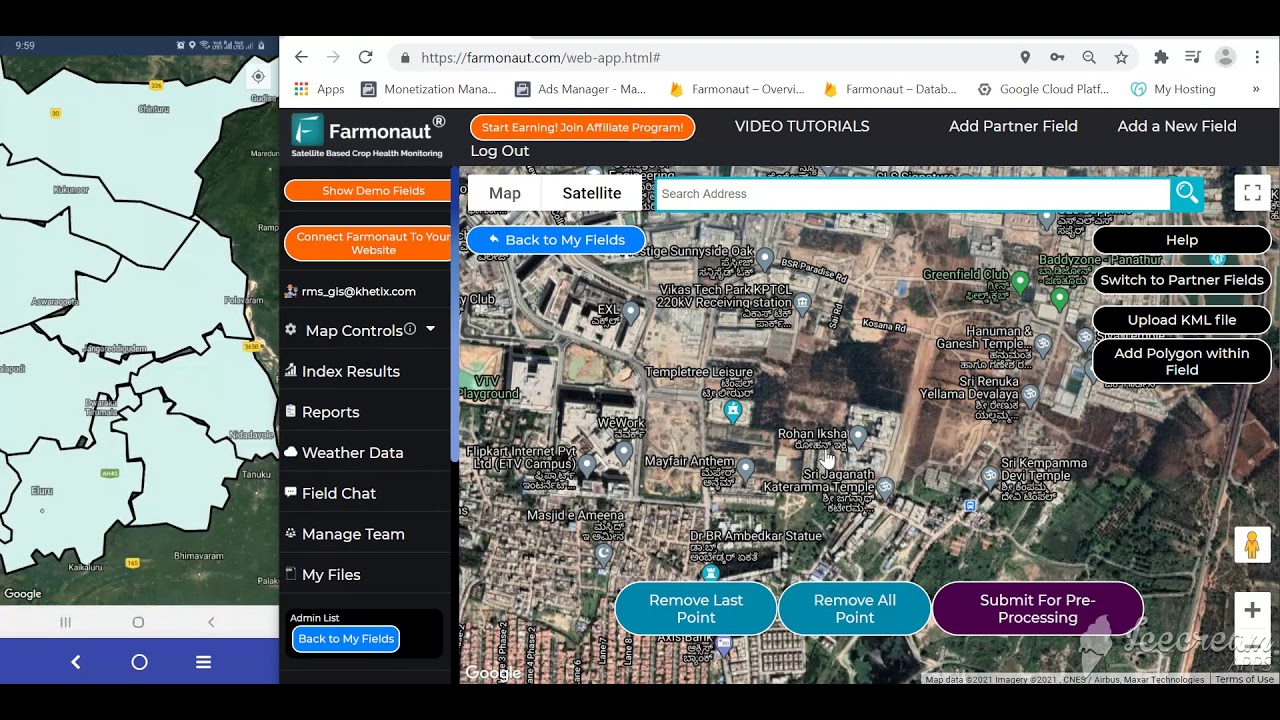
World-class risk management in copper mining operations requires more than just checklists and audits—it demands seamless integration of advanced remote sensing, satellite data, analytics, and transparency solutions. At Farmonaut, we provide a powerful platform for digital transformation in mining:
- Satellite-Based Monitoring & Analytics: Our system delivers real-time environmental monitoring, operational status, and early warning signals for collapse, contamination, or equipment malfunction.
- AI Advisory: Automated alerts and customized strategies for risk mitigation, maintenance schedules, and emergency response.
- Blockchain Traceability: Strengthen supply chain transparency and compliance reporting for copper batches.
- Resource Management & Fleet Optimization: Fleet Management tools enable safer, more efficient ore transport and material handling across mining sites.
- Regulatory Compliance and Environmental Monitoring: Use carbon footprinting analytics and forest advisory tools to align mining operations with evolving carbon and biodiversity regulations.
- API & Integration: Connect Farmonaut insights with your digital infrastructure via our flexible API and Developer Docs to extend monitoring and analytics capabilities.
Our subscription-based plans ensure cost-effective digital transformation for mining enterprises of all sizes. Explore them below:
Frequently Asked Questions: Copper Mining Risk Management
-
What are the most common risks in copper mining operations?
Main risks include equipment failure, ground instability, water contamination, worker accidents, regulatory and compliance issues, and market price volatility. -
How do sensors and digital technologies improve risk management in copper mining?
Sensors and digital tools enable real-time monitoring, rapid hazard identification, predictive maintenance, and faster emergency response. -
What is the role of advanced analytics in copper mining risk management in 2025?
Advanced analytics transform data from sensors, drones, and satellites into actionable insights—predicting failures, optimizing response plans, and enhancing regulatory compliance. -
What actions can be taken to reduce environmental risks, such as water contamination and deforestation?
Employ water treatment systems, dry stacking tailings, site reclamation, and leverage satellite monitoring and carbon footprint analysis. -
How can mining companies ensure compliance with local and international regulations?
Through continuous monitoring, documentation, stakeholder engagement, and digital compliance tools that automatically track and adapt to new regulatory requirements. -
Can Farmonaut’s platform be integrated with existing mine management software?
Yes, our API and developer docs provide seamless integration with existing digital systems and ERPs. -
How often should emergency response drills be conducted at copper mining sites?
Regularly—at least quarterly—for all major emergency scenarios, including chemical spills, evacuations, and ground collapses. -
What value does blockchain traceability add to copper mining?
Ensures authenticity, transparency, regulatory compliance, and trust throughout the copper supply chain.
Conclusion: Risk Management in Copper Mining Operations — A How-To Tutorial for 2025
The challenge and responsibility of risk management in copper mining operations will define the future of the vital, worldwide copper mining industry. As outlined in this how-to tutorial, the most effective strategy for 2025 blends structured identification and assessment of risks with data-driven mitigation measures, advanced monitoring systems, and a proactive approach to sustainability.
- Start by systematically identifying risks, both operational and less tangible.
- Thoroughly assess and prioritize hazards—deploying digital tools for both quantitative and qualitative evaluation.
- Implement targeted mitigation strategies, from preventive maintenance to compliance and environmental controls.
- Monitor in real-time, engage stakeholders openly, and set KPIs for ongoing improvement.
- Prepare, test, and update comprehensive emergency response plans to protect both people and the environment.
- Embrace new technologies: From AI analytics and satellites to blockchain and mobile solutions.
- Embed sustainability at the core of the risk management process for future-fit operations.
By adopting this comprehensive approach, mining companies, workers, regulators, and communities can safeguard health, operational success, and environmental stewardship in the critical years ahead. For more on leveraging satellite monitoring, blockchain traceability, and AI analytics to optimize copper mining operations, explore the solutions available through Farmonaut’s accessible multi-platform apps and tools.
Ready to power your mining operations with next-generation risk management? Download our app or connect via API today for a safer, smarter, and more sustainable future.
For developers and enterprise integrations, visit our API Portal and API Documentation.
Risk Management in Copper Mining Operations: How-To Tutorial — depend on data, digital technology, and proven processes for a sustainable, resilient mining future.
Discussion
Questions, corrections or field experience? Share them below. First-time comments are reviewed before they appear, and your email is never published.
No comments yet. Be the first to add a question or your experience.

 Tipareth Mines
 GemSprout Metals Limited
 Qader Group
 Ileys General Trading
 SG Gold Mining LLC
 VRV Global Pte Ltd
 Omsri International FZE
 G.I.T.T.
 Jaunita Erss Ltd
 Almosi SARL
 SRK Consulting
 Berks Gold Limited
 Mwerezi Minerals Company Limited
 Mining SARL
 SenGold Invest SAS
 Sean Mining Limited
 NTS Group (Pty) Ltd
 Mine4Africa
