

Table of Contents
- Introduction: The Critical Need for Risk Management in Copper Mining
- Industry-Leading Trivia
- Understanding Risks in Copper Mining Operations
- Categories of Risk in Copper Mining
- Case Study 1: Chile’s Escondida Mine—Technological Integration for Operational Safety
- Case Study 2: Zambia’s Konkola Copper Mines—Environmental & Social Risk Mitigation
- Comparative Risk Management Strategies Table
- 2025 Industry Insights
- Emerging Trends: Sustainability, Digitalization, and the 2025 Risk Landscape
- Technology Innovations for Risk Management in 2025 and Beyond
- Satellite Technology & Advanced Tools for Mining Risk Management
- Best Practices, ESG, and the Road Ahead for Copper Mining
- Frequently Asked Questions (FAQ)
- Conclusion: Redefining Resilience in Copper Mining for 2025
- Farmonaut Subscription Options
Risk Management in Copper Mining: 2025 Case Studies
Meta Description:
Explore Risk Management in Copper Mining Operations: Case Studies. Discover key risk management strategies, technology innovations, and sustainability initiatives for safer, efficient copper mines in 2025. Case studies from Chile’s Escondida and Zambia’s Konkola mines reveal best practices and emerging challenges.
Risk Management in Copper Mining Operations: Case Studies: As we move into 2025, copper mining remains a pillar of the global economy—supplying the raw materials essential for electronics, construction, renewable energy, and other critical infrastructure. However, the rising demand for copper brings with it new pressures for mining companies, especially around managing operational, environmental, and social risks effectively and sustainably.
This comprehensive article explores the current state and future direction of risk management in copper mining operations, featuring case studies, technology innovations, and best practices that support safe, resilient, and sustainable mines worldwide.



Understanding Risks in Copper Mining Operations
Copper mining operations in 2025 operate within a landscape shaped by intense demand, resource constraints, and ever-evolving global priorities around sustainability and critical infrastructure. At every step—from exploration and extraction to processing and transportation—mines are confronted by complex and multifaceted risks.
Drawing on Risk Management in Copper Mining Operations: Case Studies, it’s clear that effective management strategies require a nuanced understanding of which risk factors are most likely to disrupt safe, efficient, and compliant operations. This is especially true for the world’s largest mine operations in locations like Chile, Australia, and Zambia—regions where both local community engagement and compliance with stringent regulatory frameworks are pivotal.
Key Categories of Risk in Copper Mining
- Operational Risks: Concerns such as equipment failure, unplanned downtime, process inefficiencies, and challenges in supply chain logistics.
- Environmental Risks: Issues like land degradation, air and water pollution, contamination, and climate-related hazards.
- Safety Risks: Worker injuries, exposure to hazardous substances, site accidents, and occupational health concerns.
- Regulatory Risks: Compliance with strict national and international laws on environmental protection, labor welfare, and mine closure standards.
- Market Risks: Fluctuations in copper prices and demand, plus supply chain disruptions caused by local or global events.
- Social Risks: Including community opposition, impact on indigenous lands, labor disputes, and issues tied to social license to operate.
- Cybersecurity Risks: As operations become more digital, cybersecurity loopholes introduce new vectors for process disruption, data loss, and equipment sabotage.
These risks are not only unique and complex but also often interconnected. A failure in one area (such as operational equipment reliability) could cascade into safety or environmental risks, amplifying the challenge of risk management for companies.

Watch: Arizona Copper Boom 2025 – How AI drones and ESG technologies are transforming risk management in copper exploration and mining operations.
Case Study 1: Chile’s Escondida Mine – Technological Integration for Operational Safety
The Escondida mine, located in the arid northern regions of Chile, stands as the world’s largest copper-producing operation. In response to ongoing challenges in 2024 and early 2025, Escondida’s management implemented ambitious technological integration strategies focused on operational, environmental, and safety risk mitigation. This case is a prime example of how digital transformation can drive both productivity and resilience across mining operations.
Technology and Digitalization in Action
- Advanced Predictive Maintenance: Leveraging an ecosystem of IoT sensors across critical equipment (trucks, excavators, conveyor belts), Escondida used AI-driven analytics to monitor real-time health indicators. This approach enabled predictive alerts for failure points, dramatically reducing unplanned downtime by over 30%.
- Automation and Worker Safety: Deployment of automated drilling rigs and driverless trucks minimized workers’ exposure to hazardous zones. Drones and remote monitoring systems allowed for real-time detection of safety threats, further reducing on-site accidents and enabling rapid incident response.
- Process Optimization: AI models continuously analyzed ore quality data, optimizing processing parameters and helping ensure both resource efficiency and environmental compliance.
The digital initiatives at Escondida also provided robust data for ongoing regulatory and ESG (Environmental, Social, Governance) reporting, bolstering the company’s social license and reputation.
Estimated Impacts from Escondida’s Risk Management Initiatives
- Accident Rate Reduction: 35% decrease over two years.
- Operational Efficiency: Productivity rose due to fewer stoppages.
- Environmental Stewardship: Improved leak detection minimized water and air contamination, placating local community concerns and meeting stricter regulatory requirements.

Watch: AI and satellite imagery in British Columbia for copper & gold exploration—unveiling cutting-edge risk management tools in mineral exploration.
Case Study 2: Zambia’s Konkola Copper Mines – Environmental and Social Risk Mitigation
In southern Africa, Zambia’s Konkola Copper Mines (KCM) faced intense scrutiny due to recurring water contamination incidents that impacted local communities and indigenous lands. The reputational and operational risks were significant, threatening KCM’s future as stricter regulations loomed in 2025. In response, Konkola embarked on a comprehensive environmental risk management framework focused on both environmental and social risk mitigation.
Water is often the risk that decides a mine’s fate, and how copper mines manage water covers the controls used from pit to plant.
Collaborative Risk Management Approach
- Water Treatment Overhaul: New water treatment facilities and stricter effluent controls were introduced, addressing repeated contamination events and aligning with stricter national and international environmental laws.
- Environmental Monitoring: Real-time monitoring of water, soil, and air quality became standard, allowing issues to be identified and remedied before escalation.
- Strengthening Stakeholder Engagement: KCM worked with local community leaders, NGOs, and regulatory agencies to foster dialogue and transparency.
- Community Development Programs: Investments were directed toward health and livelihood projects, rebuilding trust after years of disruption.
By proactively addressing both technical and social risk factors, Konkola not only improved their environmental performance but also secured their future social license to operate—a critical achievement in sustainable mining today.

Watch: Satellite monitoring technology: While this Farmonaut tutorial focuses on agriculture, satellite & AI monitoring is transforming environmental risk management in mining as well.
Comparative Risk Management Strategies Table (2025)
| Case Study/Mining Operation (2025) | Risk Factor Addressed | Technology/Innovation Used | Estimated Impact on Safety (%) | Estimated Impact on Efficiency (%) | Sustainability Outcome |
|---|---|---|---|---|---|
| Escondida Mine, Chile | Operational, Environmental, Safety | IoT sensors, Predictive AI, Automation, Digital Monitoring | ↓ Accidents by 35% | ↑ Uptime by 30%, ↑ Productivity | Reduced contamination, strong compliance, transparent ESG reporting |
| Konkola Copper Mines, Zambia | Environmental, Social | Real-time monitoring, Water treatment innovation, Stakeholder engagement programs | ↓ Community health risks | ↓ Downtime from environmental incidents | Improved water quality, strengthened social license, ongoing local development |
| Arizona Copper Mines, USA (2025) | Exploration, Environmental, Safety | AI drones, Hyperspectral satellite imaging, ESG data integration | Real-time hazard detection ↓ injuries | Enhanced exploration targeting ↑ resource efficiency | Expedited ESG alignment, reduced land degradation |
| British Columbia Exploration, Canada (2025) | Exploration, Operational | AI-driven soil geochemistry, Satellite mapping | Efficient risk zoning ↓ field accidents | Speedier discovery cycles | Lower ecological impact from targeted drilling |
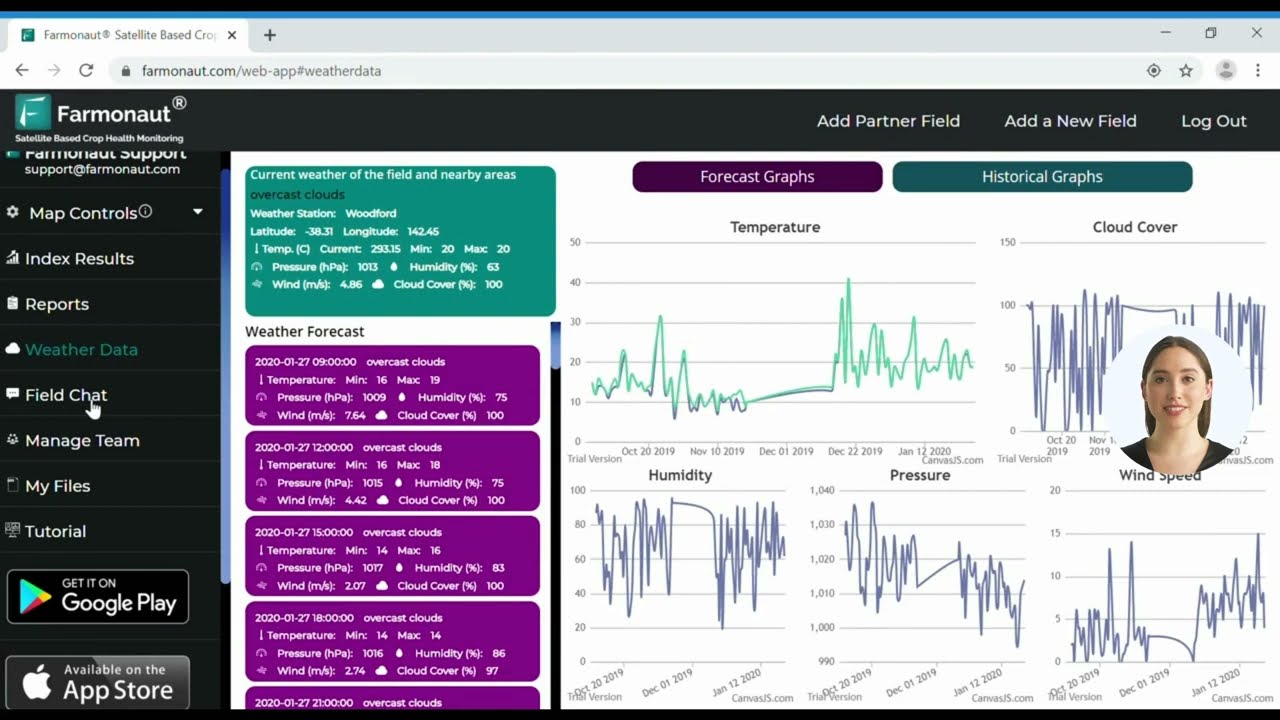
Watch: Learn how remote monitoring with satellite and AI supports safer, more sustainable site management—a technology crossover for mining risk management.
Emerging Trends in Copper Mining Risk Management (2025)
1. Sustainability as a Core Risk Factor
ESG (Environmental, Social, and Governance) criteria have become intrinsic to risk management in copper mining operations. Investors, regulatory bodies, and local communities now expect transparent sustainability data—ranging from carbon footprinting to water and waste management documentation.
With carbon footprint monitoring solutions, mining companies can track, report, and minimize their emissions. Adopting these technologies not only improves compliance but also attracts investment and supports the longevity of the operation.
2. Climate Change Adaptation & Resilience
- Water resource management: Mines, especially in arid and mountainous regions like Chile, face heightened risks from climate variability. Proactive water management and drainage infrastructure reduce the risk of catastrophic flooding and operational shutdowns.
- Infrastructure reinforcement: Mines invest in weatherproof construction and monitoring to minimize disruptions from extreme weather events, supporting business continuity.
3. Digitalization and Cybersecurity Risks
- Digital Transformation: Automated control rooms, remote inspections, and digital twins are increasingly common. However, this exposes operations to cybersecurity threats that can halt production and compromise sensitive data.
- Robust Cybersecurity Protocols: The best mines implement multi-layered cybersecurity frameworks that include real-time intrusion detection, patch management, and continuous staff training.
4. Expanding Regulatory Frameworks
Rapidly evolving regulations on mine reclamation, indigenous rights, and sustainable closure demand new forms of adaptive compliance and reporting. Companies face stricter requirements from both national governments and international organizations, increasing the pressure to adopt auditable, traceable digital solutions.
Explore the benefits of blockchain-based traceability solutions for mining compliance and supply chain transparency.
5. Community Engagement and Social Risk Management
Failure to address local and indigenous community concerns can result in costly protests, operational shutdowns, or even the revocation of mining licenses. Today’s best practices integrate continuous stakeholder engagement, local job creation, and the funding of community development initiatives into the heart of risk management.
- See how digital tools facilitate transparent stakeholder reporting and engagement, reducing social and regulatory tensions over time.
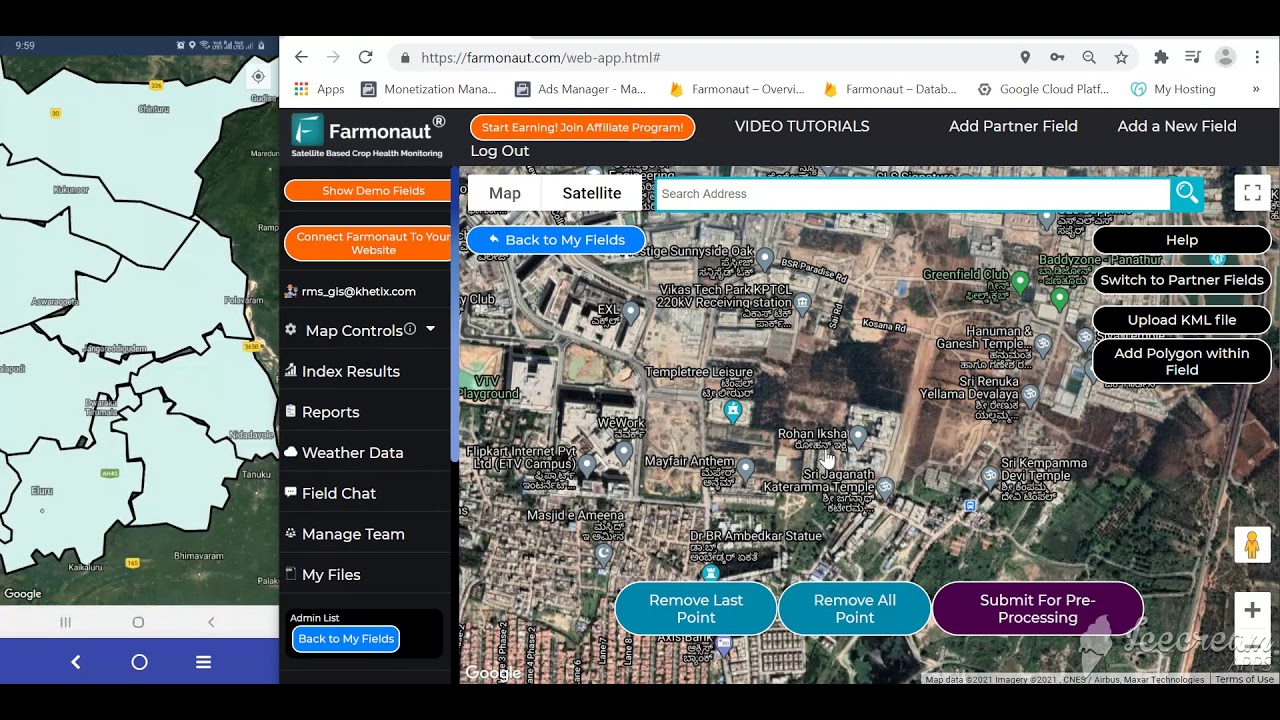
Watch: Large scale mapping and monitoring—a frontier for infrastructure risk management and regulatory compliance in mining projects.
Technology Innovations for Risk Management in 2025 and Beyond
Driving Safer, Smarter, and More Sustainable Mines
- Real-Time Site Monitoring: Satellite and IoT-based monitoring enables accurate, continuous oversight of mine conditions, environmental hazards, and equipment status. This data-driven approach is now standard for reducing unplanned downtime and averting catastrophic failures.
- AI-Driven Advisory Systems: With the rise of AI-powered resource management tools, operational inefficiencies, and even supply chain disruptions, can be anticipated and mitigated through intelligent algorithms.
- Blockchain for Transparent Compliance: As audit requirements become more complex, blockchain enables transparent, immutable records across mining lifecycles—a critical support for regulatory, ESG, and investor confidence.
- Automated Fleet and Asset Management: Solutions such as satellite-based fleet management allow mining companies to optimize logistics, reduce excess fuel consumption, and streamline preventive maintenance for equipment, directly impacting operational risks and bottom lines.
- Insurance and Financing Verification: Using satellite data for verification reduces fraud and enhances borrowers’ access to crop and mining loans and insurance, minimizing financial risk for both businesses and banks.

Watch: Discover large-scale remote monitoring, adaptable for mining and infrastructure oversight—an emerging best practice for digital risk management.
Satellite Technology & Advanced Tools for Mining Risk Management with Farmonaut
Harnessing powerful satellite-based solutions and advanced analytics is central to meeting the industry’s most urgent risk management challenges. We at Farmonaut play a pivotal role in this transition.
- Our satellite monitoring platform provides companies with affordable, real-time access to data on mine conditions, environmental impacts (including carbon emissions), and equipment health.
- AI-driven advisory tools (Jeevn AI) analyze live satellite data, offering strategies to minimize operational risks and enhance sustainability for mining operations of all sizes.
- Blockchain-based traceability supports transparent record-keeping for regulatory compliance and supply chain authenticity in the copper mining sector.
- Our fleet management solutions enable operational cost savings, enhanced vehicle and equipment safety, and smarter resource deployment across vast mining sites.
- Environmental impact monitoring, including carbon footprinting tools, allow companies to actively measure, report, and reduce their emissions as required under the latest global sustainability initiatives.
We are dedicated to making these satellite-driven insights accessible and actionable, supporting safer, more efficient, and more sustainable mining for operators, companies, and governments globally.
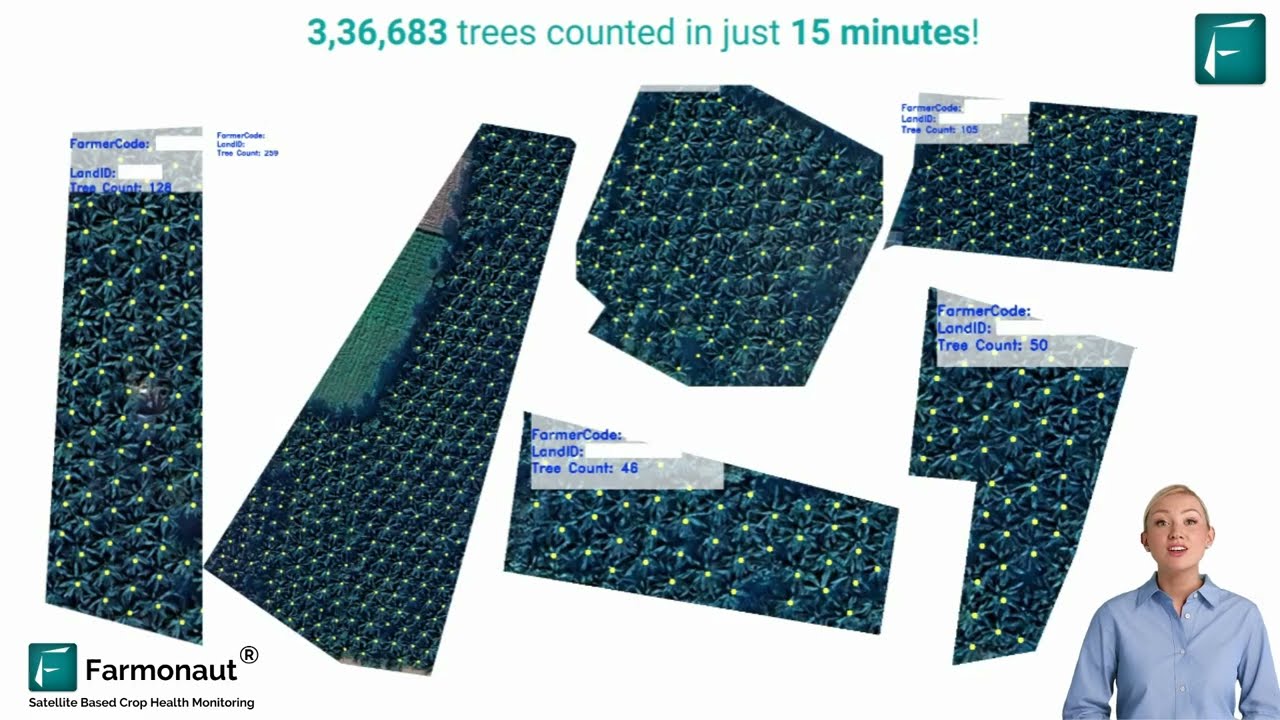
Watch: Satellite and AI for automated natural resource monitoring. Learn how real-time impact analytics protect local environments near mining sites.
Best Practices, ESG, and the Road Ahead for Risk Management in Copper Mining Operations: Case Studies
As illustrated by the case studies from Chile’s Escondida and Zambia’s Konkola Copper Mines, best-in-class risk management in copper mining operations is driven by integrated use of digital and organizational tools:
- Integration of Technology: Real-time digital monitoring, automation, and AI for top-tier operational control and predictive maintenance.
- ESG Accountability: Transparent reporting of environmental and social performance, using quantifiable indicators like carbon footprint and water quality.
- Community Inclusion: Deep stakeholder and indigenous engagement, proactive communication, and investment in local development.
- Regulatory Proactivity: Staying ahead of evolving national and international regulations, leveraging blockchain to ensure data authenticity.
- Continuous Learning: Drawing on industry best practices, regular scenario planning, and simulation to prepare for new and emerging risks.
Risk Management in Copper Mining Operations: Case Studies shows that companies ready to innovate in these areas are best positioned to weather the complex, interconnected challenges facing the copper mining industry in 2025 and beyond.

Watch: Satellite health analytics—a powerful technology crossover for environmental risk assessment in both agriculture and mining.
Frequently Asked Questions (FAQ)
Effective risk management ensures safety, regulatory compliance, and operational continuity in copper mining. Without it, companies face increased chances of equipment failure, accidents, environmental penalties, and community opposition.
2. How do digital and satellite technologies transform mining risk management?
Digital and satellite-driven technologies allow for real-time monitoring, predictive maintenance, early hazard detection, and transparent reporting for both operational and environmental risk factors. They also enhance stakeholder communication and improve compliance with tightening ESG requirements.
3. What are the emerging risk management trends for mines in 2025?
Emerging trends include a shift toward sustainability and ESG as central to risk frameworks, climate change adaptation, stronger cybersecurity protocols, complex compliance demands, and greater community engagement.
4. How do copper mines address environmental and social risks today?
By investing in improved environmental monitoring (such as water and air quality), upgrading waste treatment processes, and ensuring transparent, ongoing engagement with local and indigenous communities, as seen in case studies like Konkola Copper Mines in Zambia.
5. What are the most effective technology innovations for risk management in mining?
The most impactful innovations are real-time IoT and satellite-based site monitoring, AI-powered predictive maintenance, blockchain-based traceability, automated fleet management, and comprehensive digital ESG reporting.
6. What role do Farmonaut’s tools and services play for mining operations?
Our satellite-based solutions, AI advisory, blockchain traceability, fleet management, and environmental impact monitoring empower mining organizations to make data-driven decisions, reduce operational and environmental risks, and comply with regulatory and ESG requirements.
7. How can copper mines use blockchain for compliance and traceability?
Blockchain creates secure, unalterable records for each stage of the mining supply chain, supporting regulatory compliance and providing transparency from extraction to shipment and sale.
Conclusion: Redefining Resilience in Copper Mining for 2025
Risk Management in Copper Mining Operations: Case Studies reveals that future-proof mines are those embracing innovation, sustainability, and community-centered governance. As shown by the transformative strategies at Chile’s Escondida and Zambia’s Konkola Copper Mines, the integration of advanced technology with robust stakeholder engagement will remain the gold standard for safe, efficient, and responsible copper mining into 2025 and beyond.
With data-driven management and proactive adaptation to new risks—whether regulatory, environmental, or social—mining companies can safeguard their operations, ensure long-term sustainability, and contribute positively to global development. In this rapidly shifting landscape, those who prioritize effective risk management not only minimize disruption and losses, but also maximize their long-term value, reputation, and social license as essential suppliers of the world’s critical raw materials.
Farmonaut Subscription Options
Ready to transform your mining, agriculture, or infrastructure risk management?
Explore Farmonaut’s cost-effective satellite and AI-driven monitoring solutions for businesses and government agencies.
Use the web and mobile apps, integrate satellite data through the API, and scale your subscription as your operations grow.
Access powerful risk management, compliance, fleet tracking, and environmental insights for mining in 2025 and beyond!

 Berks Gold Limited
 Mwerezi Minerals Company Limited
 Congo Mining Solutions
 Mining SARL
 SenGold Invest SAS
 Sania Corporation
 Sean Mining Limited
 NTS Group (Pty) Ltd
 Mine4Africa
 Lithspo Minerals Limited
 Tintina Mining Group
 Dalgety Minerals Pty Ltd
 Vortex Minerals Pty Ltd
 Faith At Work (Pty) Ltd
 Geotech Mining Solutions plc
 Vulcan International Limited
 Kidepo Associates
 GKY Mining
 Alkimy SARL
 Double A Trading
 GemSprout Metals Limited
 Qader Group
 Ileys General Trading
 SG Gold Mining LLC
 VRV Global Pte Ltd
 Omsri International FZE
 G.I.T.T.
 Jaunita Erss Ltd
