

- Introduction: Tailings Management in Copper Mining: How-To Tutorial (2025 Update)
- Understanding Tailings and Their Challenges
- Step 1: Characterization and Risk Assessment
- Step 2: Tailings Disposal Method Selection
- Step 3: Engineering Design and Construction
- Step 4: Water Management and Reuse
- Step 5: Environmental Monitoring and Rehabilitation
- Step 6: Community Engagement and Regulatory Compliance
- Step-by-Step Tailings Management Methods & Estimated Benefits
- Satellite, AI & Blockchain: Farmonaut’s Role in Tailings Management
- Farmonaut Subscription Plans
- Frequently Asked Questions (FAQ)
- Conclusion: Towards Sustainable Tailings Management in 2025
“Copper mining produces over 6 million tons of tailings annually—effective management is crucial for environmental safety.”
Tailings Management in Copper Mining: How-To Tutorial (2025 Update)
Copper mining remains a critical industry in 2025, underpinning global infrastructure, renewable energy, and electric vehicle production. Yet, alongside its economic benefits, the industry must address the challenge of managing vast volumes of tailings produced during copper extraction. With rising environmental awareness, stricter compliance benchmarks, and increasing community expectations, effective tailings management is not just an imperative for legal compliance but central to a copper mine’s license to operate and environmental stewardship.
This Tutorial delivers a comprehensive overview and step-by-step guidance—updated for 2025—on the best practices, disposal methods, continuous monitoring, and innovative strategies vital to tailings management in copper mining. Whether you are a mine operator, environmental manager, engineer, policy-maker, or community stakeholder, this in-depth guide enables informed, sustainable decision-making and aligns with global standards and future-forward approaches.



Understanding Tailings and Their Challenges
At the core of copper mining processes are tailings—finely milled rock particles and process water mixtures left after copper and associated metals are extracted. These tailings primarily consist of:
- Finely milled rock particles (often silt- or clay-sized)
- Process water (often contaminated with residual metals, sulfides, and chemical reagents used in mineral processing)
- Potentially harmful substances that pose risks including:
- Acid mine drainage (AMD)
- Heavy metal leaching (copper, lead, zinc, arsenic, etc.)
- Dust pollution and air contamination
Challenges associated with tailings management:
- High potential for catastrophic dam failures that can cause significant environmental contamination and community harm
- Large-scale, long-term storage requirements
- Risks of seepage, acid generation, and unexpected surface movement
- Intensive regulatory compliance and public scrutiny
- Expanding scale as global mining intensifies and ore grades decline—generating more tailings per ton of copper
As the scale of the industry expands and climate-driven risks increase, managing copper mining tailings safely and sustainably is more crucial than ever.

Step 1: Characterization and Risk Assessment
Effective tailings management in copper mining begins with rigorous tailings characterization and risk assessment. This step lays the foundation for all other management actions by providing necessary data for informed engineering, environmental controls, and compliance planning.
Key Aspects of Tailings Characterization
- Physical Properties: Determining particle size distribution, moisture content, permeability, consolidation behavior, and shear strength. These properties influence storage design and dam stability.
- Chemical Composition: Assessing pH, concentrations of residual metals, sulfides, process reagents, and the acid-generating potential (using static and kinetic tests).
- Geotechnical Stability: Analyzing the mechanical behavior of tailings materials and embankments using laboratory and in-situ methods—with particular attention to seismic and hydrological vulnerability.
Why is this step imperative? Understanding these parameters enables engineers to assess risks like seepage, dam wall stability, acid generation, and heavy metal leaching. This provides a robust risk assessment on which responsible disposal, design, and rehabilitation can be built.
| Parameter | Significance in Tailings Management | Outcome for Copper Mines |
|---|---|---|
| Particle size, moisture content | Affects consolidation, seepage, and dam design | Design safer, more stable storage |
| pH, heavy metal concentration | Influences risk of AMD, leaching, regulatory compliance | Improved environmental controls, water treatment |
| Shear strength, compaction | Determines geotechnical stability, dam/embankment design | Reduced risk of dam failures, long-term stability |
Step 2: Tailings Disposal Method Selection
With a foundation in characterization, copper mining operations must carefully analyze and choose the most suitable tailings disposal method. This selection process is driven by site-specific variables like climate, geology, topography, regulatory environment, operational scale, and community context.
Primary Methods Used in Copper Tailings Disposal
-
Conventional Tailings Dams
Slurry tailings are transported via pipelines to engineered dams/impoundments, where they settle and consolidate behind embankments constructed from waste rock or tailings themselves.- Widely used for decades.
- Demand continuous stability monitoring, maintenance, and intensive regulatory scrutiny.
- Susceptible to catastrophic failures if poorly managed (e.g., seepage, overtopping).
-
Dry Stacking Tailings (Dry Stack Tailings)
Tailings are thickened and filtered to remove most of the water, producing a dry “cake” that is stacked in layers, often with reduced need for embankments.- Reduces risk of dam breaches and seepage.
- Drastically reduces water consumption and supports water reuse.
- Often requires substantial upfront investment in filtration technologies and infrastructure.
- Best fit: arid climates, modern large-scale mines.
-
Backfilling (Underground Disposal)
Partially or fully dewatered tailings are mixed with binders (like cement) and pumped back into mined-out underground stopes/voids.- Reduces volumes requiring surface storage.
- Enhances underground mine stability.
- Only suitable for underground mining operations—not open-pit mines.
-
Submarine (or Deep-Sea) Disposal
Depositing tailings into deep ocean waters via pipelines—an approach now rarely permitted due to significant environmental risks and regulatory backlash.- Highly restricted globally since 2020s.
- Used only in specific geological and regulatory niches.
In 2025, dry stacking and backfilling are gaining prominence in copper mining due to their reduced environmental impacts, higher safety profiles, and compatibility with sustainability goals.

Read more about supply chain transparency in mining with Farmonaut’s Blockchain Traceability Solutions—ensuring secure, transparent movement of metals from extraction to end-user.
Step 3: Engineering Design and Construction of Tailings Structures
Once a disposal method is selected, the design and construction of tailings storage and containment structures becomes paramount in safe management:
-
Advanced Geotechnical Engineering:
- Use geotechnical modeling and laboratory testing to simulate dam and embankment response to static loads, seismic events, cyclic wetting and drying.
- Design for extreme conditions driven by climate change (flood, drought, temperature).
- Continuous monitoring—especially for conventional dams—via embedded sensors such as piezometers (measure pore pressure), inclinometers (track slope stability), and settlement plates.
-
Real-Time Surveillance and Early Warning:
- Deploy satellite-based monitoring, drones, and remote sensors for early detection of potential instability or seepage.
- Implement AI-driven anomaly detection for accelerometers, temperature, or moisture sensors.
-
Construction Best Practices:
- Sequential embankment raising (upstream, downstream, centerline) chosen based on risk profile.
- Compulsory compaction and erosion protection to guard against overtopping and downstream loss of containment.

Explore the power of satellite-based fleet management to monitor construction activity and optimize resources for mining infrastructure projects.
Step 4: Water Management and Reuse in Copper Tailings Practices
Water is a primary vector for contaminant transport and a vital (often scarce) resource in mining regions. Modern tailings management in copper mining must focus on minimizing water usage, maximizing reuse, and preventing water-related environmental harm.
Innovative Water Management Strategies
-
Thickening and Filtration:
- Use high-rate thickeners and pressure/vacuum filters to extract water directly from tailings before disposal (critical for dry stacking and paste tailings).
- Water is recycled to mill or used for dust suppression, reducing net consumption.
-
Seepage and Surface Runoff Control:
- Engineered liners and seepage collection systems protect groundwater quality.
- Surface runoff diverted to treatment systems before environmental discharge.
-
Advanced Water Recovery Technologies:
- Membrane separation, reverse osmosis, and AI-optimized treatment increase overall recovery rates.
- Facilitates compliance with circular economy or zero liquid discharge (ZLD) standards.
-
Real-Time Monitoring:
- Installation of continuous water quality sensors.
- Remote data collection reported to regulators and integrated into sustainability dashboards.
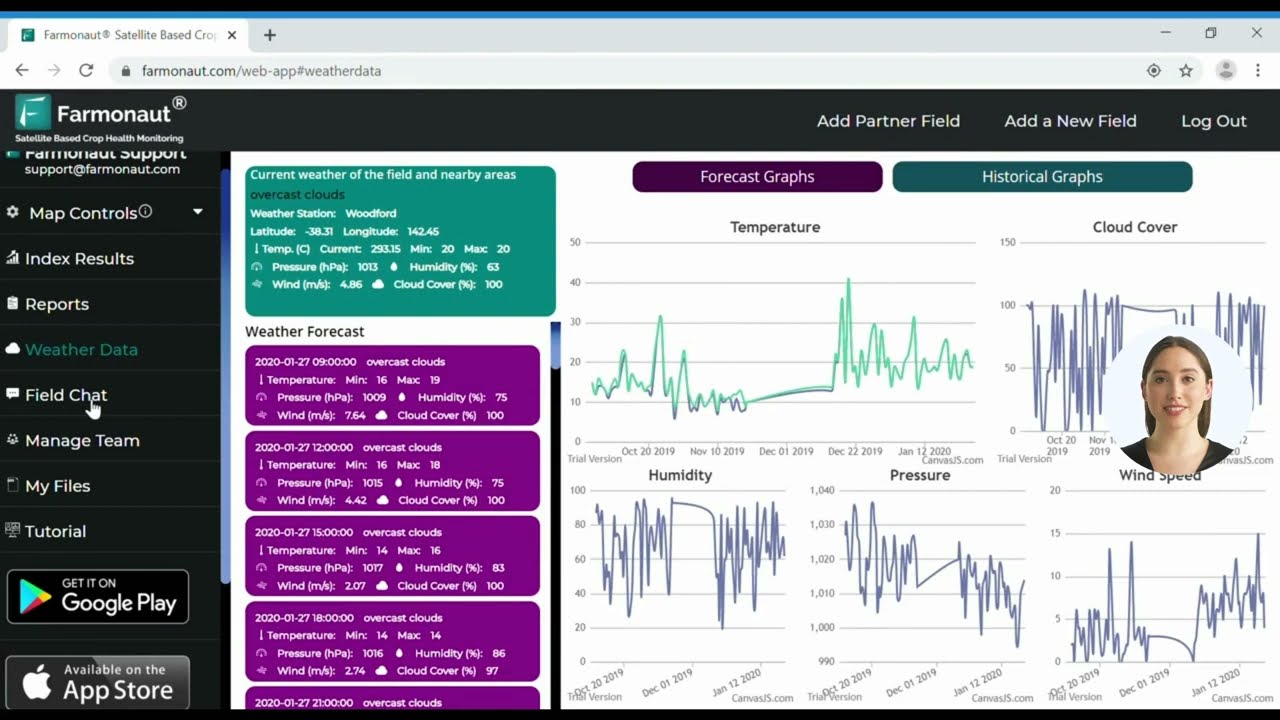
Farmonaut offers real-time environmental monitoring tools, enabling copper mines to track carbon footprint, water use, and emission levels for compliance and sustainability reporting.
Step 5: Environmental Monitoring and Rehabilitation of Tailings Sites
Continuous, multi-parameter environmental monitoring is the backbone of sustainable copper mine operations. This step is vital not only during operation but especially in post-closure periods to ensure sites do not become legacy contamination sources.
- Groundwater and Surface Water Monitoring:
- Install a network of monitoring wells downstream and around tailings facilities.
- Test for pH, heavy metals, sulfate, nitrate, and emerging contaminants.
- Piezometric data analyzed for signs of seepage or containment breach.
- Air Quality & Dust Suppression:
- Deploy dust monitors around storage areas; use water sprays, binders, or vegetative cover to mitigate airborne pollution.
- Progressive and Final Rehabilitation:
- After closure, smooth/grade tailings surfaces to minimize erosion and promote drainage.
- Cap with inert layers; encourage revegetation using local native species.
- Use phytostabilization—planting of metal-immobilizing species—to further reduce metal mobility and dust risks.
- Reporting and Compliance Documentation:
- Compile regular reports for regulatory compliance and public transparency.
- Foster open community communication about monitoring results and post-closure stewardship commitments.
“Modern tailings monitoring reduces contamination risks by up to 70%, ensuring safer copper mining sites.”

Step 6: Community Engagement and Regulatory Compliance
Sustainable tailings management cannot succeed without genuine engagement of all stakeholders—especially affected communities and regulatory bodies—in the planning, approval, and ongoing monitoring stages. In 2025, social license to operate is driven by:
-
Transparent Communication:
- Publish tailings management plans and risk assessments in user-friendly formats.
- Notify and consult nearby communities before any substantial operational change.
-
Participatory Planning:
- Invite community, Indigenous, and environmental representatives to help shape monitoring, emergency preparedness, and post-closure stewardship.
- Develop mutual aid/response plans for extreme weather or incident scenarios.
-
Regulatory and ESG Compliance:
- Maintain strict adherence to local, national, and international guidelines (ICMM, GISTM, etc.).
- Prepare for new sustainability and ESG reporting mandates in the 2020s.
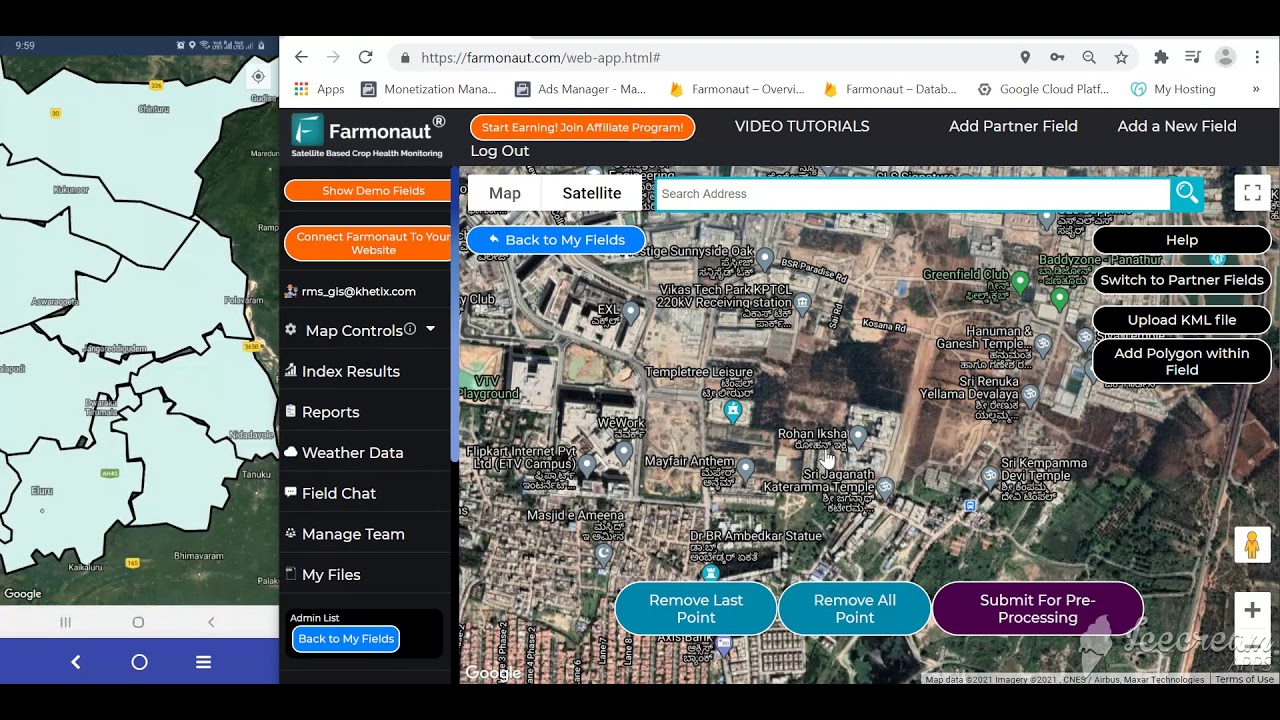
For governments and compliance teams, Farmonaut’s large-scale resource and environmental monitoring tools provide actionable insights and documentation to meet current and future regulatory requirements.
Step-by-Step Tailings Management Methods & Estimated Benefits
| Management Method | Step-by-Step Process Summary | Estimated Water Recovery (%) | Estimated Cost Savings ($/ton) | Monitoring Frequency (per year) | Sustainability Impact |
|---|---|---|---|---|---|
| Conventional Tailings Storage |
|
40–55% | ~$1–$3 | 12–24 | Medium |
| Paste Tailings |
|
60–75% | ~$2–$4 | 15–25 | Medium-High |
| Dry Stack Tailings |
|
80–90% | ~$3–$6 | 20–30 | High |
| In-Pit (Underground) Disposal/Backfilling |
|
70–80% | ~$2–$5 | 20–28 | High |

Satellite, AI & Blockchain: Farmonaut’s Role in Tailings Management for 2025
The challenges of tailings management in copper mining demand innovative, real-time, and scalable monitoring solutions. Satellite-based approaches, combined with AI, blockchain, and resource tracking, are redefining how mines achieve safe, responsible tailings stewardship.
-
Real-Time Satellite Monitoring:
- Detects subsidence, seepage, or structural weakness in tailings dams—even over vast, remote sites.
- Visualizes surface changes, dust plumes, and progressive vegetation recovery for compliance and ESG purposes.
- Accelerates early warning for dam stability, unauthorized discharges, or encroachment. This capability markedly reduces environmental risks.
-
AI-Based Advisory Systems:
- Integrates multispectral data and weather trends to provide tailored guidance on water use, tailings placement, and incident response.
- Supports regulatory reporting and operational optimization.
-
Blockchain Traceability:
- Records, timestamps, and secures every step—tracking tailings volumes, movement, monitoring events, and closure actions transparently for regulators and the public.
- Prevents data tampering and supports chain-of-custody for copper from mine to market (see more).
-
Resource Management Tools:
- Enhance logistics of tailings transport, water recovery, rehabilitation, and closure.
- Enable detailed carbon and water footprint tracking (learn more).
-
Environmental Impact Monitoring:
- Offers real-time environmental impact tracking—carbon, water, emissions—to help meet sustainability and compliance goals. This includes customizable API access for integration with mine dashboards (API Access, Doc).
Farmonaut’s modular subscription model serves users ranging from individual mine operators to government agencies and global enterprises. All solutions are accessible by web, Android, iOS (see download links above), or direct API integration, supporting large-scale remote operations in real time while enhancing both productivity and sustainability.
Farmonaut Subscription Plans
Farmonaut empowers copper mining and tailings management operations with scalable, modular subscription packages. These plans are designed for everyone: from individual mine managers in remote regions to complex, multi-site enterprise users, and government agencies focused on environmental oversight and compliance.
Frequently Asked Questions (FAQ) on Tailings Management in Copper Mining (2025)
What are the primary environmental risks of copper tailings?
The main risks include acid mine drainage (AMD), heavy metal leaching into soils and waterways, dust and air pollution, surface water and groundwater contamination, and catastrophic dam failures. These can harm ecosystems, human health, and damage the mine’s license to operate.
How does dry stacking tailings improve sustainability compared to conventional dams?
Dry stacking involves dewatering tailings to a near-solid state and stacking the residue, which greatly reduces the risk of dam breaches, minimizes water usage, and enhances rehabilitation. While upfront costs can be higher due to filtration infrastructure, it supports better long-term environmental and social outcomes.
Why is continuous monitoring of tailings dams necessary?
Continuous monitoring detects early warning signs of seepage, instability, and dam movement. This enables operators to act before escalation, protecting human life, the environment, and operational investments.
What is the role of real-time satellite monitoring in copper tailings management?
Real-time satellite monitoring rapidly identifies changes on the surface (like settlement or cracks) and detects pollution events or encroachment. It increases coverage and data granularity while reducing manual labor and on-the-ground risk, essential for modern ESG and compliance.
How can blockchain improve transparency in tailings management?
Blockchain creates a tamper-resistant digital record of tailings-related activities, from transport and storage to monitoring and closure. This boosts regulatory compliance, minimizes the risk of data falsification, and reassures downstream customers and stakeholders of responsible practices.
Why is community involvement vital in tailings management?
Community involvement builds trust, addresses local concerns, and ensures that emergency and closure planning consider community input. Participatory planning is proven to boost the social license to operate and reduce the risk of conflict.
How often should environmental monitoring be conducted for tailings facilities in 2025?
Leading practice includes real-time automated monitoring (where possible) complemented by manual inspections monthly, with comprehensive groundwater, surface water, and air testing at least quarterly or as required by local regulations.
Conclusion: Towards Sustainable Tailings Management in 2025
The landscape of tailings management in copper mining is evolving rapidly, with a focus on safety, sustainability, transparency, and stakeholder engagement for 2025 and beyond. From rigorous scientific characterization and advanced engineering to innovative dry stacking, filtration, satellite monitoring, and blockchain-based traceability, every step enables safer, greener, and more accountable copper production. Key strategies include:
- Comprehensive risk assessment and method selection based on unique site characteristics
- Implementation of water recovery, efficient disposal, and real-time monitoring
- Engagement with communities and regulators as equal partners
- Application of sustainable closure and rehabilitation practices
Mining companies adopting these strategies will not only meet compliance obligations but also strengthen reputation, enhance operational efficiency, and secure their role in supplying copper vital to global sustainability transitions.
Ready to transform your copper mine’s environmental and tailings management with real-time satellite insights?
Get started today via Farmonaut Web & Mobile Platform or integrate our API solutions for your mining workflow.
Discover more about carbon footprint tracking, traceability tools, and resource logistics to enhance best practices in copper mining tailings management in 2025 and beyond.

 Riverside Resources Limited
 Congo Mining Solutions
 Mining SARL
 SenGold Invest SAS
 Sania Corporation
 Sean Mining Limited
 NTS Group (Pty) Ltd
 Mine4Africa
 Lithspo Minerals Limited
 Tintina Mining Group
 Dalgety Minerals Pty Ltd
 Vortex Minerals Pty Ltd
 Faith At Work (Pty) Ltd
 Geotech Mining Solutions plc
 Vulcan International Limited
 Kidepo Associates
 GKY Mining
 Alkimy SARL
 Double A Trading
