

Table of Contents
- Introduction: Thacker Pass at the Crossroads
- Key Trivias About Thacker Pass 2025-2026
- Importance of Thacker Pass in Global Lithium Mining
- Judge DU & Legal Battles: 2025 Court Rulings Explained
- Thacker Pass Judge DU: 5 Key 2026 Lithium Mining Shifts
- 2026 Thacker Pass Lithium Mining Impact Summary Table
- Environmental Scrutiny: Species, Water, and Cultural Impacts
- Energy Supply, Batteries, & Industry Trends Post-2026
- Future Regulatory, Social, and Economic Outlook
- Farmonaut: Satellite Technology Transforms Mining Oversight
- FAQ: Thacker Pass, Judge DU, and U.S. Lithium Mining
Thacker Pass Judge DU: 5 Key 2026 Lithium Mining Shifts
Summary: Thacker Pass: Legal Battles and the Future of Lithium Mining in 2025
Thacker Pass, located in Northern Nevada, has emerged as one of the world’s most significant lithium deposits. As demand for lithium surges—driven by electric vehicles (EVs), renewable energy, and battery storage technologies—the fate of this pivotal mining region is being fiercely contested. With legal and environmental scrutiny intensifying, especially following key 2025 rulings by Judge DU and other federal courts, Thacker Pass is set to play a defining role in U.S. energy supply chains and global market trends as we look toward 2026 and beyond.
“In 2025, Thacker Pass rulings could influence over 30% of projected U.S. lithium supply growth by 2026.”
Why is Thacker Pass Central to Global Lithium and Energy Supply?
Thacker Pass is not simply another mining site—it is a cornerstone asset for the United States in an era when critical minerals like lithium are directly linked to clean energy transitions and national defense strategies. With the global appetite for lithium carbonate escalating, the project operated by Lithium Americas Corp. aims to supply a meaningful fraction of U.S. lithium demand for batteries, EVs, renewable energy storage, and consumer electronics.
- Scale: Thacker Pass holds one of the largest known lithium deposits in the United States—producing at an industrial scale.
- Reducing Dependence: The site promises to reduce U.S. dependence on foreign sources of lithium, critical for domestic manufacturing and supply chain security.
- Energy & Infrastructure: Lithium from Thacker Pass underpins clean energy and infrastructure plans—including EV batteries, grid storage, and defense technologies.
- Strategic National Asset: With federal and state government planning for energy transition, reliable domestic mineral production like Thacker Pass is increasingly vital.

Judge DU & Legal Battles: The 2025 Thacker Pass Rulings Explained
Legal challenges have become the defining battleground for Thacker Pass’s mining trajectory. In 2025, Judge Du Thacker Pass and other federal courts are adjudicating lawsuits that could set critical precedents for mineral development across the United States.
- Judge DU’s Role: The term “Thacker Pass Judge DU” refers to the federal judge presiding over high-stakes lawsuits challenging both mining permits and federal environmental assessments.
- Legal Stakeholders: Cases are brought by Indigenous groups (notably, the Fort McDermitt Paiute and Shoshone Tribe), environmental organizations, and local communities seeking to protect water, land, and cultural sites.
- Environmental Reviews: Plaintiffs argue that permits violated the National Environmental Policy Act (NEPA) and failed to account for ecosystem and heritage impacts.
- Recent Rulings: The courts have highlighted “the complexity of balancing economic and strategic imperatives against environmental justice and indigenous sovereignty,” leading to temporary suspensions or stricter conditional permits.
Example Ruling: In early 2025, a pivotal decision temporarily halted certain mining activities, pending enhanced NEPA review and further assessment of the impacts on protected wildlife and sacred tribal sites.

Want real-time satellite monitoring & compliance insights for your mining or infrastructure project?

Thacker Pass Judge DU: 5 Key 2026 Lithium Mining Shifts
The 2026 landscape for Thacker Pass is poised for profound change, shaped by the legal, environmental, and regulatory developments of 2025. The following are the five major shifts expected to redefine the project and, by extension, the broader U.S. lithium sector:
- Stringent Environmental Protocols: Legal and regulatory rulings are expected to enforce far stricter environmental standards, particularly concerning water use, habitat protection, and carbon footprint tracking.
- Expanded Community & Indigenous Stakeholder Influence: Courts are likely to require fuller engagement and co-management agreements with local and indigenous groups, impacting permit processes, project design, and benefit-sharing models.
- Adaptive Operational Practices & Phased Permitting: Mining operators will need to adopt more flexible, phased extraction and reclamation plans, subject to ongoing environmental monitoring and compliance verification.
- Transparent Traceability via Blockchain and Satellite Monitoring: Enhanced scrutiny will drive technology integration for supply chain traceability, including blockchain and satellite-based environmental compliance.
- National & Global Market Impacts: Supply Shifts and Strategic Realignments: The cumulative effect of these changes will alter lithium output volumes, supply reliability, and market dynamics—costs may rise, but supply chain security and sustainability will strengthen.
2026 Thacker Pass Lithium Mining Impact Summary
| Shift (Title/Type) | Legal/Environmental Driver | Estimated Implementation Year | Estimated Lithium Output Change (in tons) | Projected Industry Impact (Energy Supply/Market Trend) | Stakeholder Impact (Local, National, Global) |
|---|---|---|---|---|---|
| Stringent Environmental Protocols | Federal court rulings mandating enhanced biodiversity & water safeguards | 2026 | -10,000 (initial dip), then stable | Secures long-term access, may slow ramp-up, ensures regulatory compliance | Local: Improved environment National: Regulatory certainty Global: Supply chain delay risk |
| Expanded Community & Indigenous Influence | Ongoing lawsuits on cultural heritage, state consultation mandates | 2026-2027 | Neutral (but phase delays possible) | Sets U.S. precedent for mining/tribal partnership frameworks | Local: Direct cultural/economic effects National: Legal model Global: ESG credibility rise |
| Adaptive Operations & Phased Permits | State/federal agency rulings requiring phased expansion | 2026-onward | Increments of 5,000-8,000/year increases (delayed pacing) | Improved oversight, more predictable but slower overall scaling | Local: Employment stabilizes National: Smoothed supply Global: Smoother forecasts |
| Blockchain/Satellite-Driven Traceability | Regulatory scrutiny for traceable, transparent extraction/production | 2026 | N/A (compliance-driven, not output-driven) | Boosts investor & buyer confidence, reduces illicit/gray market risks | All levels: Enhanced trust, accountability, ESG transparency |
| Global/National Market Realignment | Outcome of legal battles, security/energy policy shifts | 2026-2028 | +15,000-30,000 (contingent on regulatory clarity) | Enhances U.S. supply chain resilience, market share, clean energy goals | Local: Economic uplift National: Strategic autonomy Global: Market influence |

“Five major regulatory and environmental shifts at Thacker Pass may reshape lithium mining trends for the next decade.”
Deeper Environmental Scrutiny: Species, Water, & Cultural Impacts at Thacker Pass
Thacker Pass is situated within a fragile high-desert ecosystem in northern Nevada. Environmental scrutiny is intensifying, especially as courts challenge the environmental assessments underpinning the project’s federal and state permits.
- Endangered and Rare Species: The region contains habitat for species at risk, notably the sage grouse and several endemic plants.
- Water Usage: Lithium mining at industrial scales can require substantial water resources. There is local concern over aquifer depletion and impacts on farming.
- Ecological Damage: Surface mining, if unchecked, could disrupt unique desert flora and fauna—damaging biodiversity integrity and recovery timelines.
- Cultural Heritage: The area is sacred to the Fort McDermitt Paiute and Shoshone Tribe. Lawsuits challenge insufficient tribal consultation and the project’s proximity to sites of historical and spiritual significance.
In response, operators and federal agencies are under pressure to prioritize sustainable practices, bolster reclamation plans, and genuinely integrate indigenous voices into the development process—moves likely to reverberate nationally.
Interested in reducing the carbon footprint of your mining or agricultural operations?
Discover Farmonaut’s carbon footprinting solutions powered by satellite technology for real-time and historical emissions tracking, compliance, and ESG reporting. Ideal for mining operators responding to strict U.S. environmental protocols.
Lithium Energy Supply, U.S. Batteries, and Post-2026 Industry Trends
The significance of Thacker Pass, magnified by 2025’s judge du thacker pass rulings, extends far beyond northern Nevada. As the U.S. and the world pursue clean energy transitions, the local, national, and global ramifications of Thacker Pass’s legal and environmental journey are colossal.
- Battery Manufacturing: Lithium sourced from Thacker Pass will supply EV batteries, consumer electronics, and renewable grid storage systems.
- Energy Security: Increasing domestic lithium output reduces dependence on volatile international markets, contributing to national defense readiness (critical for energy storage and advanced electronics in defense systems).
- Market Dynamics: Regulatory-induced supply constraints (or boosts) will impact global pricing and investment trends as industry participants recalibrate forecasts.
With implementation of stronger environmental and traceability protocols, U.S.-produced lithium will command a premium in markets demanding ESG (Environmental, Social, and Governance) compliance.
Ensure supply chain authenticity for your lithium or other minerals—check out Farmonaut’s blockchain-driven product traceability tools. Trace every step from extraction to processing, reinforcing transparency, and building market and regulator trust.

Want to optimize your mining fleet and reduce operational costs?
Explore Farmonaut’s fleet management solutions for logistics, vehicle safety, and field resource optimization—perfect as lithium projects like Thacker Pass scale up operations under new, compliance-heavy regimes.

2026 and Beyond: Social, Regulatory & Economic Outlook for Thacker Pass Lithium Mining
As we approach 2026, the future of Thacker Pass—and, by extension, U.S. lithium independence—will depend not only on geological assets, but most critically on the outcome of ongoing legal battles and environmental scrutiny.
- Precedent-Setting Litigation: The Thacker Pass judge du rulings are sculpting national legal standards for mining, indigenous rights, and environmental protection.
- Industry-Wide Policy Shifts: Regulatory developments at Thacker Pass will trigger ripple effects for permitting, operational models, and ESG compliance mandates across the entire mining sector.
- Social Justice & Economic Balance: The region’s economic potential (jobs, tax revenues) must be balanced with the rights and health of local and indigenous communities and the protection of fragile desert habitats.
Successful navigation of these challenges could position the U.S. as a leader in sustainable, secure critical mineral production—while regulatory failure or community exclusion could freeze or drastically limit supply, undermining both economic growth and clean energy targets.
Need satellite-verified reporting for mining loans or insurance in line with evolving standards? Access Farmonaut’s crop loan & insurance verification platform—designed to reduce fraud and streamline financing for high-compliance operations.

Farmonaut: Satellite Technology for Lithium Mining, Regulatory Compliance, and Sustainable Growth
At Farmonaut, we recognize the central role of advanced technology in supporting lithium projects like Thacker Pass as they navigate evolving legal, environmental, and market expectations. Our platform combines satellite monitoring, AI-based advisory, blockchain traceability, and environmental impact tools to empower industry players and regulators.
- Satellite-Based Monitoring: We deliver real-time insights into mining and infrastructure projects, including asset integrity, reclamation progress, and vegetative/restoration status.
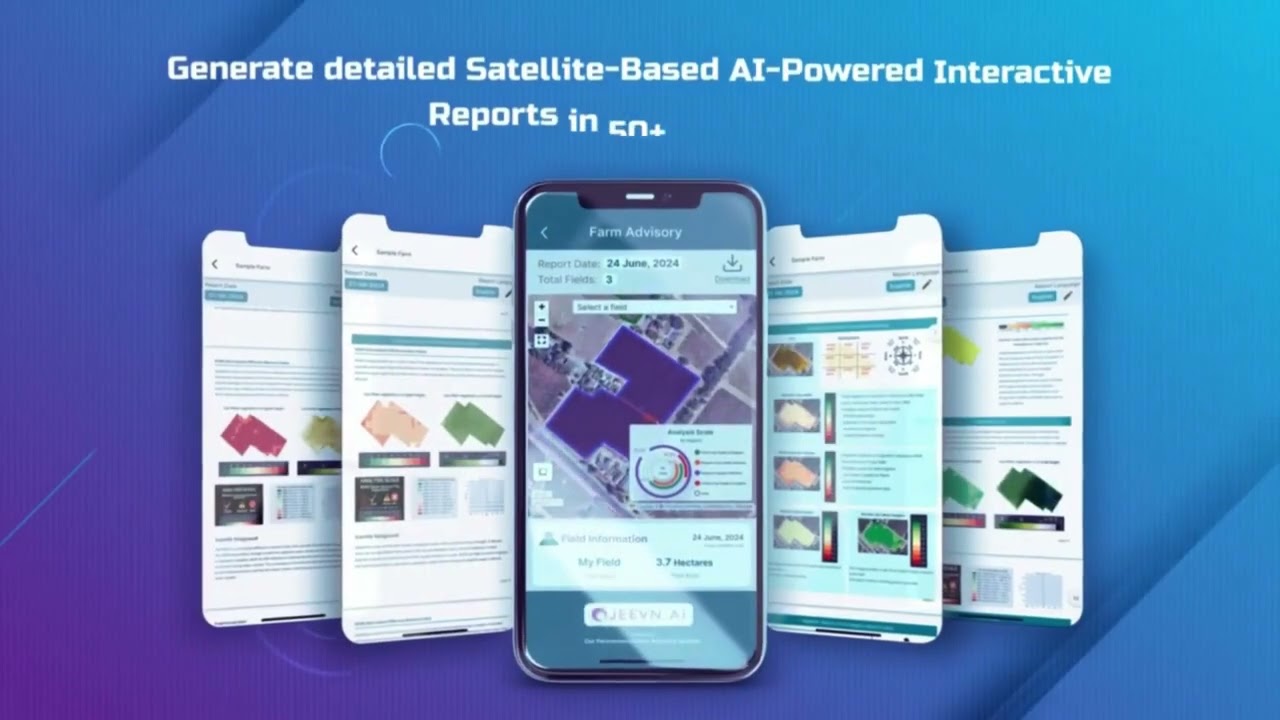
- AI & Data-Driven Advisory: Our Jeevn AI system analyzes remote sensing and regulatory data to offer actionable strategies for compliance and sustainable yield.
- Environmental Impact Tracking: With carbon footprint and ecosystem monitoring, we help companies meet U.S. environmental standards and reporting obligations.
- Blockchain Traceability: Track every stage of lithium and mineral extraction—building transparency for ethical, legal, and market credibility.
- Fleet and Resource Management: From local operators to multinationals, our resource management tools optimize fleet operations and reduce costs in compliance-intensive regions.
Our platform serves businesses, government agencies, and financial institutions—enabling them to adapt to the “new normal” of Thacker Pass and similar regulatory landscapes with confidence, transparency, and data-driven compliance.
Get Started with Farmonaut:


Develop your own compliance or operations apps? Access our API or dive into the developer docs!
FAQ – Thacker Pass, Judge DU, and U.S. Lithium Mining
-
What is Thacker Pass, and why is it important?
Thacker Pass is a major lithium deposit in northern Nevada, representing one of the largest resources of its kind in the United States. Its lithium output supports domestic EV battery manufacturing, renewable energy storage, and national infrastructure and security priorities. -
Who is the Thacker Pass judge (Judge DU)?
“Thacker Pass judge DU” refers to the federal judge overseeing high-profile legal disputes concerning mining permits, environmental reviews, and Indigenous consultation processes at Thacker Pass. -
How do Judge DU’s 2025 rulings affect the project?
These rulings have the power to halt, delay, or reshape mining activity and protocols by demanding stricter compliance with environmental and cultural regulations, potentially shifting the supply and economics of U.S. lithium production. -
What are the main environmental concerns at Thacker Pass?
Key issues include endangered species protection (e.g., sage grouse), water scarcity, surface ecosystem disruption, and the safeguarding of tribal lands and sacred sites. -
How will the 2026 shifts affect global lithium and battery supply?
Depending on the strictness and implementation of new protocols, initial output may dip, but credibility and resilience of U.S. supply chains are projected to improve—benefiting energy, defense, and consumer technology industries. -
How does Farmonaut support the mining industry and regulatory compliance?
We offer real-time satellite monitoring, AI-driven advisories, and blockchain-based traceability tailored for mining, helping operators and regulators meet evolving environmental, operational, and social standards.

Conclusion: Thacker Pass 2026—Where Legal Battles, Tech, and Social Justice Intersect
The ongoing saga of Thacker Pass in northern Nevada is much more than a localized legal skirmish—it is a microcosm of the future of U.S. lithium mining, energy independence, and sustainable development. As we approach 2026, every ruling from judge du thacker pass, every increment in regulatory scrutiny, and each engagement with Indigenous and local stakeholders will help shape a new paradigm for domestic and global mineral supply.
By integrating satellite monitoring, AI and blockchain traceability, the mining industry—and those, like ourselves, at Farmonaut—are equipped to help ensure these shifts strengthen not just economic outcomes but also the long-term social and environmental health of Thacker Pass and mining regions worldwide.

 Sahara Mining
 Sean Mining Limited
 NTS Group (Pty) Ltd
 Mine4Africa
 Lithspo Minerals Limited
 Tintina Mining Group
 Dalgety Minerals Pty Ltd
 Vortex Minerals Pty Ltd
 Faith At Work (Pty) Ltd
 Geotech Mining Solutions plc
 Vulcan International Limited
 Kidepo Associates
 GKY Mining
 Alkimy SARL
 Double A Trading
 GemSprout Metals Limited
 Qader Group
 Ileys General Trading
 SG Gold Mining LLC
 VRV Global Pte Ltd
 Omsri International FZE
 G.I.T.T.
 Jaunita Erss Ltd
 SRK Consulting
 Berks Gold Limited
