

Agriculture and Farm Machinery Market: 2026 Growth Trends
Contents
- Current Market Landscape
- Key Market Trivia
- Comparative Market Segmentation (2025–2026)
- Technological Innovations Shaping Agriculture and Farm Machinery Market
- Primary Growth Drivers in Agricultural Machinery Market
- Regional Growth Trends and Market Outlook
- Challenges and Barriers in the Sector
- Future Outlook: Shaping the Next Era of Mechanized Farming
- Farmonaut: Satellite-Driven Solutions Empowering Agriculture
- Farmonaut Subscription Options
- FAQs: Agriculture and Farm Machinery Market
- Conclusion
“Global agriculture machinery market expected to reach $280 billion by 2026, driven by automation and precision farming trends.”
The agricultural machinery market continues to be a fundamental part of global agriculture, driving productivity and efficiency for farmers worldwide. As we journey into 2025 and look toward 2026, the agriculture and farm machinery market is undergoing significant transformations, fueled by evolving technologies, shifting farming practices, environmental concerns, and a dynamic economic landscape.
In this comprehensive overview, we delve into current and future trends, key growth drivers, challenges, and innovations in the agricultural machinery market. We’ll explore how sustainability goals, smart automation, and regional patterns are shaping a sector crucial to global food security and sustainable farming practices.



Current Market Landscape: Agriculture and Farm Machinery Market 2025–2026
The agricultural machinery market encompasses a wide range of equipment—tractors, harvesters, seeders, ploughs, sprayers, and irrigation systems. These machines enable farmers to enhance output, reduce labor intensiveness, and optimize resource use. The agricultural farm machinery sector is closely tied to factors like arable land availability, crop patterns, government policies, and mechanization levels across different regions.
In 2025, the global agricultural machinery market is estimated to reach an approximate valuation exceeding USD 150 billion, continuing with a steady CAGR of above 5%. As we advance toward 2026, projections indicate the market could exceed USD 280 billion—a testament to the sector’s resilient growth as agricultural practices evolve worldwide.
Key Players and Their Focus Areas
- Asia-Pacific (India, China): Expanding farm sizes, government subsidies, and rising adoption of advanced machinery
- North America and Europe: Mature markets emphasizing smart technology and sustainable farming solutions
Major Machinery Segments in Focus
- Tractors: Form the backbone of mechanized farming
- Harvesters, Seeders, Ploughs: Essential for large- and small-scale agricultural operations
- Sprayers and Irrigation Systems: Key to resource management and climate-smart agriculture
- Drones & IoT-Connected Devices: Rapidly growing segments propelling the sector into the realm of precision agriculture
Diversified product portfolios and new business models (leasing, shared machinery) are supporting this expansive market. The following comparative table summarizes key segmentation for 2024–2026.
“By 2025, Asia-Pacific will lead agricultural machinery growth, accounting for over 40% of global machinery sales.”
Comparative Market Segmentation: Agriculture and Farm Machinery Market (2024–2026)
| Machinery Type | Estimated 2025 Market Size (USD Billion) | Estimated 2026 Market Size (USD Billion) | CAGR (2024–2026) | Growth Drivers | Notable Innovations | Key Challenges |
|---|---|---|---|---|---|---|
| Tractors | 70 | 82 | 6.5% |
|
Electric & autonomous tractors, GPS integration | High costs, access for smallholders |
| Combine Harvesters | 36 | 40 | 5.1% |
|
Telematics, AI diagnostics | Seasonal demand, maintenance |
| Irrigation Equipment | 18 | 23 | 7.5% |
|
IoT-enabled drip & sprinkler systems | Infrastructure cost, rural access |
| Drones & Precision Tools | 7 | 12 | 17.0% |
|
AI, satellite monitoring, prescription mapping | Regulation, tech accessibility |
| Seeders, Ploughs, Sprayers | 19 | 21 | 4.5% |
|
Variable rate tech, modular design | Fragmented ownership, cost |
Data based on leading industry reports, 2024–2026 projections.
Market size in USD Billion. CAGR: Compound Annual Growth Rate.
All values are estimates.
Technological Innovations Shaping the Future of the Agricultural Machinery Market
One of the most influential drivers of the agriculture and farm machinery market is the integration of smart technologies and automation.
- Precision agriculture is now mainstream.
- GPS-guided tractors and autonomous machinery are gaining widespread adoption.
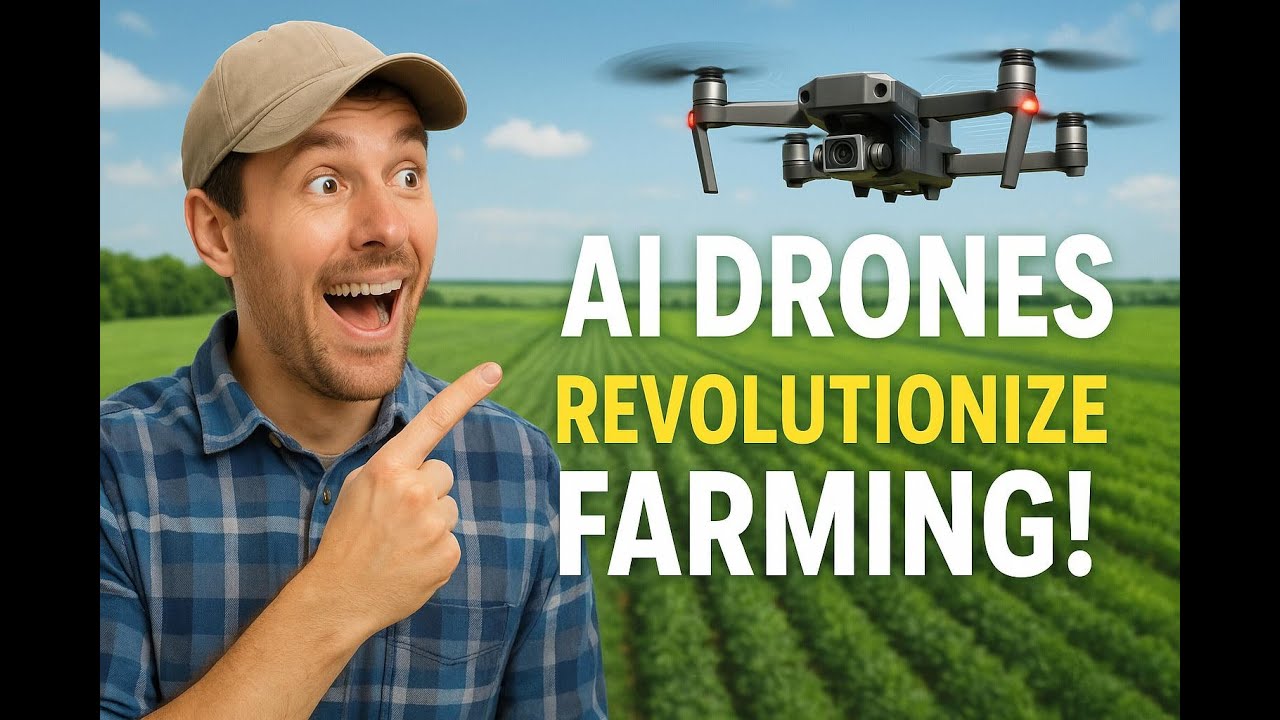
- Drones, IoT sensors, and integrated data platforms (like Farmonaut’s Satellite-Driven Monitoring) empower farmers to analyze crop health, soil moisture, and field variability in real time.
- AI-based advisory tools provide customized weather, crop, and operational intelligence, reducing risks and resource wastage.
- Electric and hybrid-powered farm machinery address environmental mandates and reduce reliance on fossil fuels, aligning with global climate and sustainability goals.

How Smart Technologies Are Empowering Farmers
Machines equipped with real-time data collection can reduce input wastage (seeds, fertilizers, water), lower operational costs, and enhance field productivity. Examples include:
- Drones for crop monitoring: Detect stressed zones early and enable targeted spraying.
- Remote soil health sensors: Allow variable-rate seeders, ploughs, and irrigation systems to adapt to conditions for each field segment.
- Autonomous tractors & harvesters: Address labor shortages, enhance timeliness in harvest/planting operations.
These agricultural machinery market innovations not only enhance productivity but also support sustainability goals and have become vital for large and small farms alike.

Notable Emerging Solutions and Their Impact
- AI-Powered Advisory: Provides predictive recommendations for irrigation, pesticide application, and crop health, e.g., Farmonaut Jeevn AI System.
- Blockchain Traceability: Secures agri-supply chains by tracking produce from field to table with transparency and authenticity.
Learn more: Farmonaut Product Traceability. - Fleet and Resource Management: Advanced monitoring platforms help optimize logistics and reduce costs for agricultural machinery.
Check Farmonaut Fleet Management for actionable insights. - Satellite-Based Crop Monitoring: Enhances large-scale management, allowing farmers worldwide to monitor fields remotely, reduce risks, and react to changes promptly.
Access Farmonaut Large Scale Farm Management Tools.
Streamlining Access Through Farm Financing & Insurance
The cost barriers of acquiring modern farm machinery can be mitigated by smarter financing models and insurance, supported by satellite-based verification for collateral and real-time risk assessment.
Explore Farmonaut Crop Loan and Insurance Verification for details on how satellite data supports lenders and insurance providers.

Primary Growth Drivers in the Agriculture and Farm Machinery Market
Growth in the agricultural machinery market is driven by a multitude of interrelated factors:
- Rising Food Demand: The ever-increasing global population—expected to surpass 8 billion post 2025—amplifies the demand for staple and high-value food products. This intensifies the need for greater farm productivity through mechanization.
- Labor Shortages: Accelerated rural-to-urban migration creates workforce gaps, driving the adoption of machines that can handle labor-intensive agricultural operations swiftly and efficiently.
- Government Policies & Subsidies: Countries like India and China deploy extensive subsidy programs, affordable loans, and initiatives that actively encourage farm mechanization and the adoption of advanced agricultural machinery.
- Sustainability and Efficiency Goals: Heightened environmental concerns, water scarcity, and emphasis on reducing resource use encourage investment in smart machinery, drones, and precision tech to optimize every input.
- Technological Innovations: From electric machinery to AI-powered assessments, disruptive tech is rapidly changing operational paradigms, propelling efficiency, and unlocking new business models.
Role of Policies in Encouraging Growth
- Direct subsidies for the purchase of tractors, seeders, and harvesters
- Zero/low-interest financing schemes
- Support for research, digital agriculture, and climate-resilient equipment in regions highly impacted by climate change
Policy support plays a foundational role in setting the pace of farm mechanization and smart tech adoption in both established (North America, Europe) and emerging (Asia-Pacific, parts of Africa) markets.

Regional Growth Trends and Market Outlook
The agricultural machinery market does not grow evenly across all geographies. Understanding the nuances of regional trends is critical to evaluating sectoral prospects.
- Asia-Pacific: Rapid mechanization, rising middle-class incomes, India and China are major growth engines. Government programs, population density, and water scarcity drive adoption of irrigation systems, electric harvesters, and smallholder-friendly machines.
- North America: Mature market with focus on advanced automation, telematics, and sustainable agricultural practices. Significant innovation in autonomous tractors, fleets, and data integration.
- Europe: Leading on precision agriculture and regenerative farming, sustainability-driven policies prioritize decarbonization of machinery fleets and environmental impact assessment.
- Rest of World: Latin America and Africa are gradually increasing mechanization rates as economic growth, financing, and climate-related needs rise.
Learn about carbon footprint tracking in agriculture and farm machinery with Farmonaut—crucial for climate reporting and compliance.

Growth Outlook by Machinery Type and Region
- Tractors & Harvesters: Primary drivers in mechanization-focused economies (India, China)
- Drones & IoT Tools: Fastest-growing in developed regions seeking sustainability and precision farming
- Irrigation, Sprayers: Demand spurred by increasing climatic variability, soil health degradation, and regulatory requirements
The agriculture and farm machinery market in Asia-Pacific is set to account for 40% of global sales by 2025, while Europe and North America remain at the forefront of high-tech innovation adoption.

Key Challenges and Barriers in the Agriculture and Farm Machinery Market
While there are clear trends driving growth in the agricultural farm machinery sector, challenges persist:
- High Upfront Costs: Modern machines are capital-intensive, restricting access for smallholder farmers in developing regions.
- Maintenance and Training: Lack of skilled operators and maintenance infrastructure in rural areas impedes effective mechanization.
- Commodity Price Volatility: Shifting market prices affect farm profitability and machinery investment capacity.
- Regulatory Barriers: Emerging tech (such as drones) often faces complex regulations that can slow adoption.
- Technological Accessibility: Integrating precision systems (e.g., IoT, AI) can be daunting for traditional operators who lack digital experience or internet access.
Addressing these challenges requires policy support, innovative financing, training programs, and continued advancement in accessible, cost-effective technologies such as those available through satellite-based platforms.
Farmonaut’s blockchain traceability ensures transparency and trust—a critical need for scaling adoption of sustainable farm practices.
Future Outlook: Agriculture and Farm Machinery Market Beyond 2026
As we move beyond 2026, the agricultural machinery market is poised to evolve more rapidly than ever before. The convergence of AI, robotics, satellite monitoring, and blockchain will create smarter, more adaptive machines—offering precise, data-driven solutions for farmers worldwide.
We expect to see significant progress in:
- Climate-Resilient Equipment: Machinery designed to function optimally under increasingly extreme and unpredictable climate events
- Cooperative & Rental Models: Democratization of machinery access through shared ownership, subscription, or custom hiring services especially benefiting small and medium farms
- Integrated Digital Agriculture: AI-based farm management platforms that synthesize data from all farm machinery and environmental sensors for complete operational oversight
- Inclusive Financing: Satellite-based insurance and credit risk assessment (as offered by Farmonaut) will unlock new financial products for smallholders
- Sustainability as Standard: Mechanization strategies will be evaluated not just on productivity, but also on environmental impact, carbon footprint, and circular economy potential
With continued investment in education, infrastructure, and research, we believe the agriculture and farm machinery market will remain the cornerstone of global food security and sustainable rural development.
Farmonaut: Satellite-Driven Solutions Empowering the Agricultural Farm Machinery Sector
At Farmonaut, our mission is to advance agriculture through affordable, satellite-driven insights and management tools. We utilize satellite imagery, AI, and blockchain to support farmers, businesses, and governments with actionable data for improved decision-making.
-
Satellite-Based Crop Health Monitoring: We use multispectral data (like NDVI) to assess crop vigor, pest infestations, and drought stress, optimizing machinery deployment for targeted action.
Try Farmonaut for satellite-powered farm management. - AI-Powered Advisory (Jeevn AI): Real-time, crop-wise recommendations help guide machinery operations—irrigation, spraying, and harvesting—to improve efficiency and reduce input costs.
-
Blockchain Traceability: Ensures transparency from planting to post-harvest, building trust in global supply chains and facilitating premium pricing for sustainable producers.
Explore our blockchain traceability platform. -
Fleet and Resource Management: Our monitoring tools enable optimized farm machinery use, lower logistics costs, and better asset safety.
Discover Fleet Management Solutions. -
Environmental Impact Tracking: Real-time carbon footprint tracking supports responsible farming and compliance.
Read about Agricultural Carbon Footprinting.
Customers, ranging from individual farmers to corporate clients and financial institutions, benefit from Farmonaut’s modular, subscription-based service.
API access is available for seamless integration:
Farmonaut Satellite API.
Documentation: Farmonaut API Developer Docs
Download our mobile-ready app to access smart agriculture features from anywhere:
Farmonaut Subscription Options
Farmonaut operates on a flexible, affordable subscription model, making advanced satellite monitoring, AI-based advisory, and resource management accessible to all scales of operation—from smallholders to major enterprises.
FAQs: Agriculture and Farm Machinery Market
1. What is driving growth in the agriculture and farm machinery market post-2025?
Key drivers include rising food demand due to population growth, labor shortages prompting mechanization, increasing government subsidies and supportive policies, innovations in smart machinery, and a growing focus on sustainability and climate resilience.
2. Which regions will see the strongest growth in agricultural machinery?
Asia-Pacific (especially India and China) is projected to lead growth, accounting for over 40% of global machinery sales by 2025. North America and Europe will remain innovation hubs focusing on sustainability and digital farming.
3. What are the biggest challenges facing farmers adopting advanced machinery?
High upfront machinery costs, lack of skilled labor, limited rural infrastructure, and regulatory barriers for new technology all present significant challenges, particularly for small and mid-sized farms in developing regions.
4. How can precision technologies and satellite monitoring help farmers?
They enable optimized input use (water, seeds, fertilizers), reduce operational costs, allow remote monitoring, generate early warnings for crop health issues, and support decision-making—improving yields and environmental outcomes.
5. How does Farmonaut add value to the agriculture and farm machinery market?
We combine satellite imagery, AI advisories, resource tracking, environmental monitoring, and blockchain traceability in an accessible, cost-effective platform—empowering farmers, agribusinesses, and governments to make informed, data-driven decisions for sustainable growth.
6. Where can developers access Farmonaut’s satellite data API?
Farmonaut’s API can be accessed here. For integration guidance, view our API Developer Docs.
Conclusion: The Future of Sustainable, Productive Agriculture
The agriculture and farm machinery market is at a transformational juncture as we approach 2026 and beyond. The fusion of technological innovations, sustainability goals, and evolving market dynamics ensures that agricultural machinery will remain a vital enabler of global food security, sustainability, and rural prosperity.
Effective collaboration among manufacturers, policymakers, technology providers, and farmers will be essential to overcome remaining challenges, democratize access, and maximize productivity and environmental benefits.
Digital, autonomous, and climate-smart solutions are no longer futuristic—they have become the new standard for vibrant, resilient farming around the globe.
Stay at the forefront of agricultural innovation and efficiency with Farmonaut—where satellite-driven insights meet the smart farm machinery market of tomorrow.

 Global Launch Base
 Elders
 Agritein
 Delicio
 WB Dev
 Sama Premium
 Prochecker
 Tres Valles
 LACOS Geoinformation
 Magrifly
 LatConnect 60
 WebsEdge
 Blickwinkel
 Agricultural Credit Policy Council
 Marei Nursery
 eKGIS
eKGIS Mostas Tech
 Andex
Andex FCF India
