

Agriculture News Worldwide 2026: Top Innovations & Trends
“Over 60% of global farming innovations in 2025 focused on climate resilience and sustainable practices.”
“By 2025, precision agriculture technologies are projected to boost worldwide crop yields by up to 20%.”
Global Agriculture News Worldwide: Overview & Context for 2026
The fast-evolving landscape of agriculture in 2025 and the years beyond demonstrates how pivotal our collective efforts remain in ensuring food security, advancing sustainable development, and responding to emerging global challenges. As the population continues its upward trajectory, the future of farming worldwide unfolds through the leveraging of technological advancements, adaptive strategies to climate change, and innovative approaches backed by evolving policies.
This blog, focusing on agriculture news worldwide for 2026, synthesizes the top innovations, trends, and sustainable practices that shaped 2025 and spotlights what’s coming. From precision agriculture technologies and AI-driven tools to climate-resilient crops and robust policy frameworks, stakeholders across farms, businesses, research, and government are collectively charting new territory.
- ✔ Global population set to top 8.5 billion by 2030, amplifying the urgency of sustainable food production
- 📊 Digital transformation continues to disrupt traditional farming practices worldwide
- ⚠ Climate pressure will remain one of the top risks for food supply chains and crop yields
- ✔ Technological innovations alleviate labor shortages and optimize resource management systems
- 🌱 Soil health restoration recognized as a cornerstone for resilient agriculture in all regions
Key Insight
Adaptation to climate volatility is now embedded in farming systems worldwide, transforming agricultural policies and farming models for long-term security and resilience.
Key Agriculture Trends & Innovations for 2025 and Beyond
The past two years have seen precision agriculture become mainstream, embedding tools like artificial intelligence (AI), satellite imaging, IoT devices, and autonomous drones into daily farm operations. These technical advancements allow farmers to monitor crop health, optimize inputs, and increase yields while ensuring a reduced environmental footprint.
- 🛰️ AI, IoT, and Satellite Technologies – Driving precision, optimization, and risk reduction in crop management.
- 🌱 Gene Editing and Bioengineering – Delivering resilient crop varieties, drought/heat tolerance, and pest resistance.
- 📦 Blockchain Traceability – Securing global food supply chains by combatting fraud and providing transparency from farm to fork.
- 🚜 Autonomous Machinery & Robotics – Alleviating rural labor shortages, supporting efficient harvesting, and minimizing cost.
- 💧 Smart Irrigation & Water Management – Reducing freshwater usage with precision systems, especially in drought-prone regions.
- 🌳 Regenerative and Climate-Smart Agriculture – Restoring soils, increasing carbon sequestration, and ensuring ecosystem services.
- 🏙️ Urban & Vertical Farming – Localizing production and reducing transportation-related emissions.

Technological Drivers
- 🧠 Artificial Intelligence (AI), Machine Learning
- 🛰️ Satellite Imaging, IoT Devices
- 🚜 Autonomous Vehicles & Robotics
- 🌱 Bioengineering, Agrigenomics, CRISPR
- 🔗 Blockchain for Traceability & Transparency
Emerging Sustainable Practices
- 🌾 Regenerative Agriculture
- 🌳 Agroforestry Integration
- 💦 Efficient Water Management
- 🌱 No-till & Conservation Tillage
- 🔄 Crop Rotations & Diversity
2025 Agricultural Innovations Impact Comparison Table
| Innovation Name | Technology Type | Region/Country | Estimated Year of Introduction | Main Benefit | Estimated Impact | Sustainable Practice Integration |
|---|---|---|---|---|---|---|
| AI-powered Crop Health Monitoring | AI, Satellite, IoT | North America, Europe, India | 2024 | Early Disease Detection, Yield Optimization | Up to 20% yield increase | Yes |
| Precision Irrigation Systems | IoT, Drones, Sensors | Israel, California, Australia | 2025 | Water Savings | 30-50% less water use | Yes |
| Gene-edited Drought-resistant Crops | Gene Editing (CRISPR) | USA, Brazil, China | 2023-2025 | Resilience to Climate Stress, Fewer Crop Losses | Up to 30% yield in adverse conditions | Yes |
| Autonomous Harvesting Robots | Robotics, AI | EU, Japan, USA | 2024-2026 | Labor Savings, Precision Harvesting | 25% reduction in labor costs | Yes |
| Blockchain-based Traceability | Blockchain, IoT | EU, Latin America | 2025 | Supply Chain Transparency | 60%+ reduction in fraud/counterfeit | Yes |
| Vertical Farming Systems | LED, Hydroponics, AI | Singapore, Japan, Middle East | 2025-2026 | Urban Food Security, Resource Efficiency | Up to 90% water savings, year-round production | Yes |
Climate Change Adaptation & Sustainable Practices in Farming
Among the most persistent challenges for farmers in 2025 are climate volatility and the increasing frequency of erratic weather patterns. This ongoing change disrupts planting/harvesting cycles and adds uncertainty regarding the security of global food supply chains. Leading agriculture news worldwide consistently highlights nations and farmers adopting more adaptive strategies and integrating innovative farming practices to face such risks head-on.
- 🌪 Extreme weather events like droughts, intense storms, and unseasonal frosts are now more prevalent.
- 💡 Farmers’ response includes diversified crop rotations, increased on-farm biodiversity, and greater investment in adaptive infrastructure.
- 🌰 Soil health restoration through cover crops, compost integration, and regenerative agriculture methods.
- 💧 Efficient irrigation systems and rainwater harvesting help conserve resources and secure crop outputs.
Pro Tip
Integrating regenerative agriculture with IoT-based monitoring solutions allows farmers to track real-time soil health and optimize fertilizer applications sustainably, supporting both ecosystem rebuilding and yield stability.
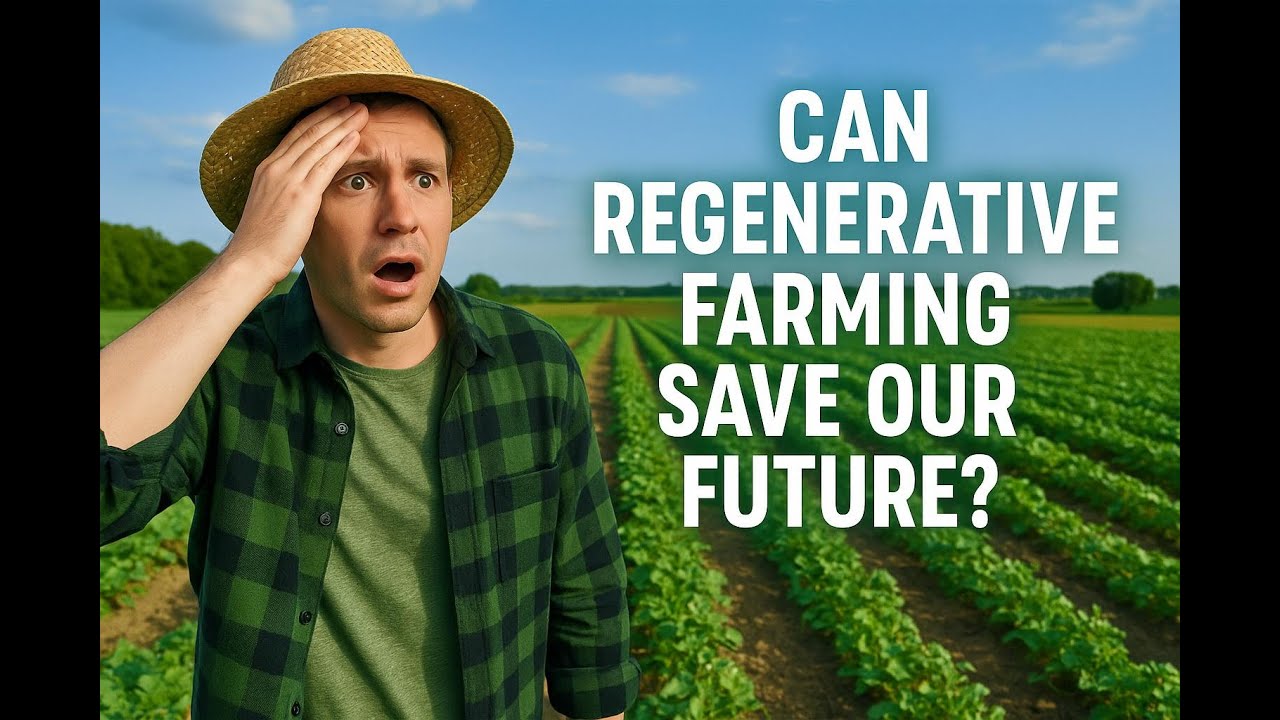
- Agroforestry systems are gaining ground, especially in regions where tree crops provide ecosystem services alongside staple food supply.
- Conservation tillage reduces soil erosion and fuel use, preserves soil microbes, and increases carbon storage.
- Climate-smart crop breeding ensures that new seed varieties withstand increasing pest pressures, drought, and salinity.
Sustainable Practice Integration: Fast Facts
- ✔ Over 80 countries now offer incentives for cover cropping and soil monitoring technologies.
- 📊 Up to 50% fertilizer reduction in crops grown with sensor-based precision methods.
- ✔ Carbon farming programs reward growers for soil carbon sequestration – check out Farmonaut’s Carbon Footprinting Solution for actionable insights and compliance tracking tools.
Technology, Digitalization, and Precision Farming Solutions
Technological innovation has become the backbone of modern agriculture news worldwide. As digital tools reshape farming practices and food production systems around the globe, both developed and emerging economies are racing to embed AI, IoT, and satellite data into all stages of crop and resource management.
- 🛰️ Satellite-driven platforms provide remote, real-time soil moisture, crop growth, and weather analytics—critical for both daily decisions and long-term planning.
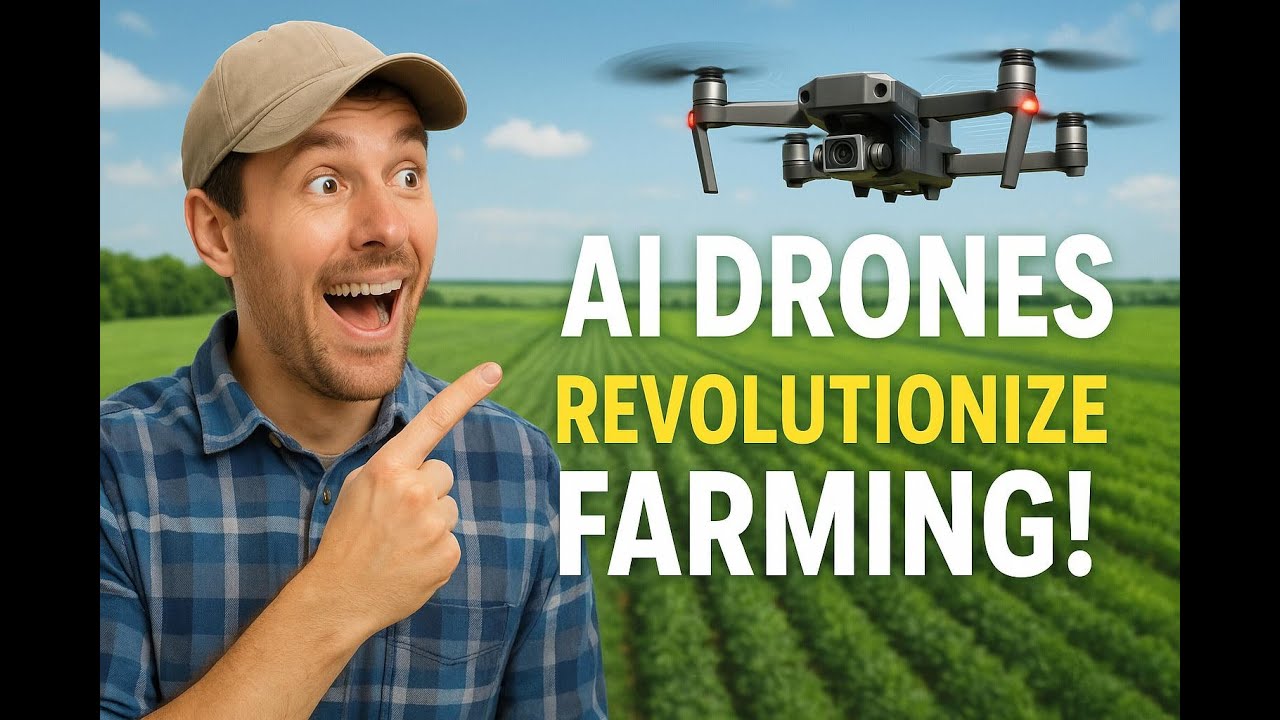
- 🤖 Autonomous drones and farm robots are widely adopted for precision seeding, spraying, targeted harvesting, and field mapping across multiple continents.
- 📱 Farm management apps connect farmers with live advisory, resource tracking, and blockchain-enabled certification for loan and crop insurance access. Farmonaut’s Crop Loan & Insurance service enables reliable, satellite-verified documentation for simplified risk management.
- 🔗 Blockchain-based systems assure traceability in supply chains, allowing consumers, distributors, and governments to validate the authenticity and journey of food products. Explore Farmonaut’s Product Traceability Platform to understand how blockchain enhances trust and reduces supply chain vulnerabilities.
Investor Note
Burgeoning agri-tech market, led by digital resource management and AI tools, is projected to exceed $25 billion globally by 2027—offering significant investment potential in innovative solutions and data-driven platforms.
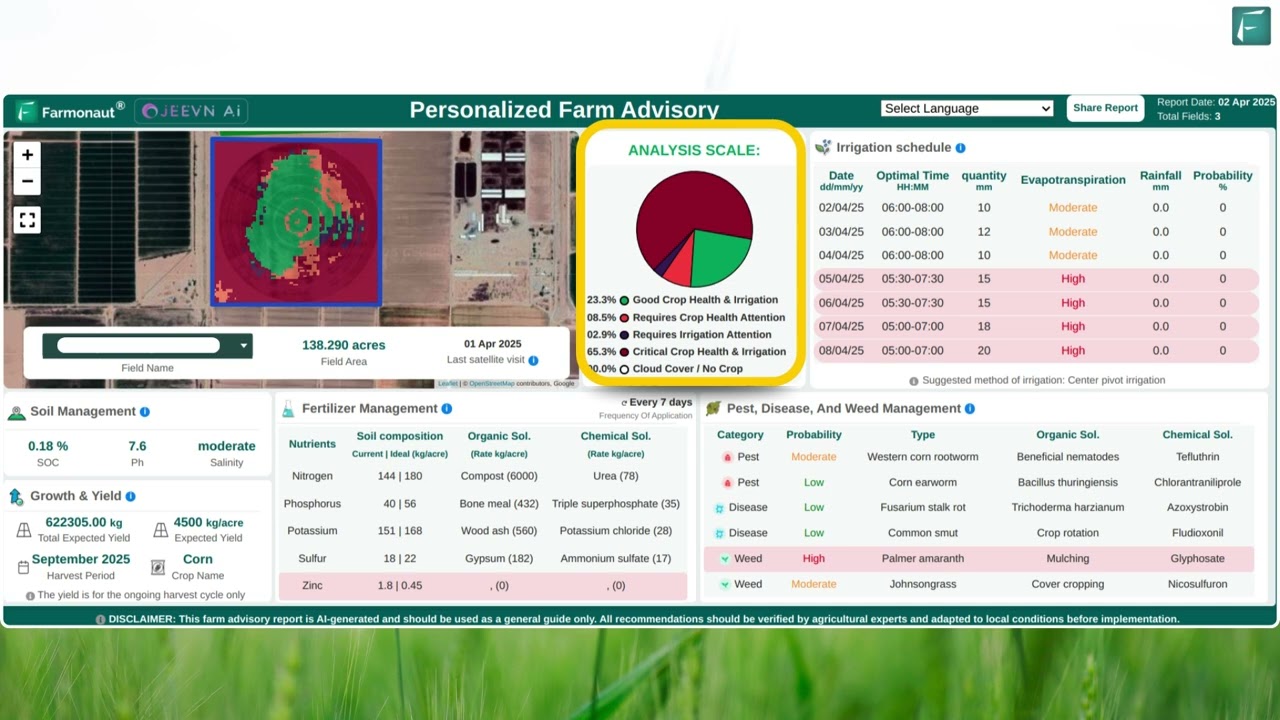
With the advent of tools like satellite-driven, AI-powered farm management platforms, farming is now more efficient, predictive, and sustainable than ever before. Automated equipment not only reduces labor dependency but also provides consistent harvesting and input integration, further protecting crops against the unpredictable shifts brought by climate change.
- ✔ Fleet management platforms allow agribusinesses to monitor vehicles and machinery remotely, significantly reducing operating costs. Discover our Fleet Management Solution for seamless machinery and resource scheduling.
- 📱 Modern mobile and web agriculture apps guarantee field-to-office data accessibility—deploy the Farmonaut Large Scale Farm Management App to unify operational intelligence and boost compliance for multi-location farms.
“Over 60% of global farming innovations in 2025 focused on climate resilience and sustainable practices.”
Common Mistake
Failure to integrate real-time satellite or IoT-generated data when planning irrigation or nutrient management can lead to sub-optimal yields, resource waste, and missed opportunities for cost reduction.




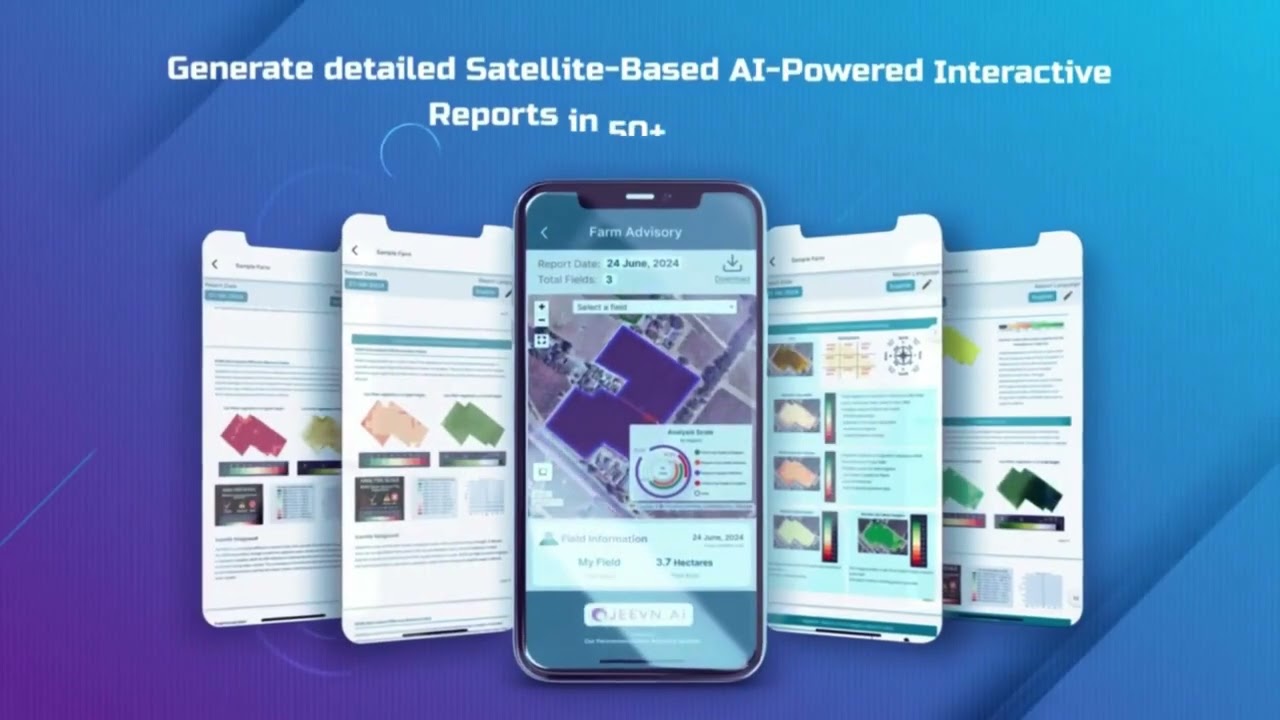
Farmonaut’s platform is accessible on Web and Mobile (Android, iOS). Instantly monitor crop health, receive AI-based weather and disease risk alerts, and automate traceability via blockchain, for enhanced food supply chain security.

Policy, Investment, & Global Supply Chain Developments
Governments and regulatory bodies across continents are prioritizing agricultural innovation and sustainability through far-reaching policy reforms, future-oriented
investment incentives, and funding for digital adoption. Subsidies are now more likely to support environmental stewardship, smart technologies, and rural digital infrastructure, driving transformative impact particularly in regions with previously low tech penetration.
- ✔ Public and private financing fast-tracks agri-tech adoption and supports rapid scaling from pilot projects to mainstream practices.
- 🌍 International policy platforms focus on collaborative efforts to battle transboundary risks like invasive pests and climate-induced disruptions.
- 📈 Microfinance, crop insurance, and satellite-based verification help reduce risks for smallholder farmers while promoting inclusive development.
- 🔗 API integrations streamline satellite-based monitoring and data analytics directly into agribusiness management tools – see the Farmonaut API and Developer Docs to empower custom agricultural solutions.
As food supply chains stretch across regions, the increased risk of disruptions from geopolitical or weather volatility has pushed urban & vertical farming systems into the limelight. These localized food hubs minimize transportation costs and boost regional food security—attracting both government and private investment.
Highlight
Localized production—especially in vertical and urban farming—provides resilience against global supply chain shocks, decreases food miles, and offers fresher produce for fast-growing city populations.
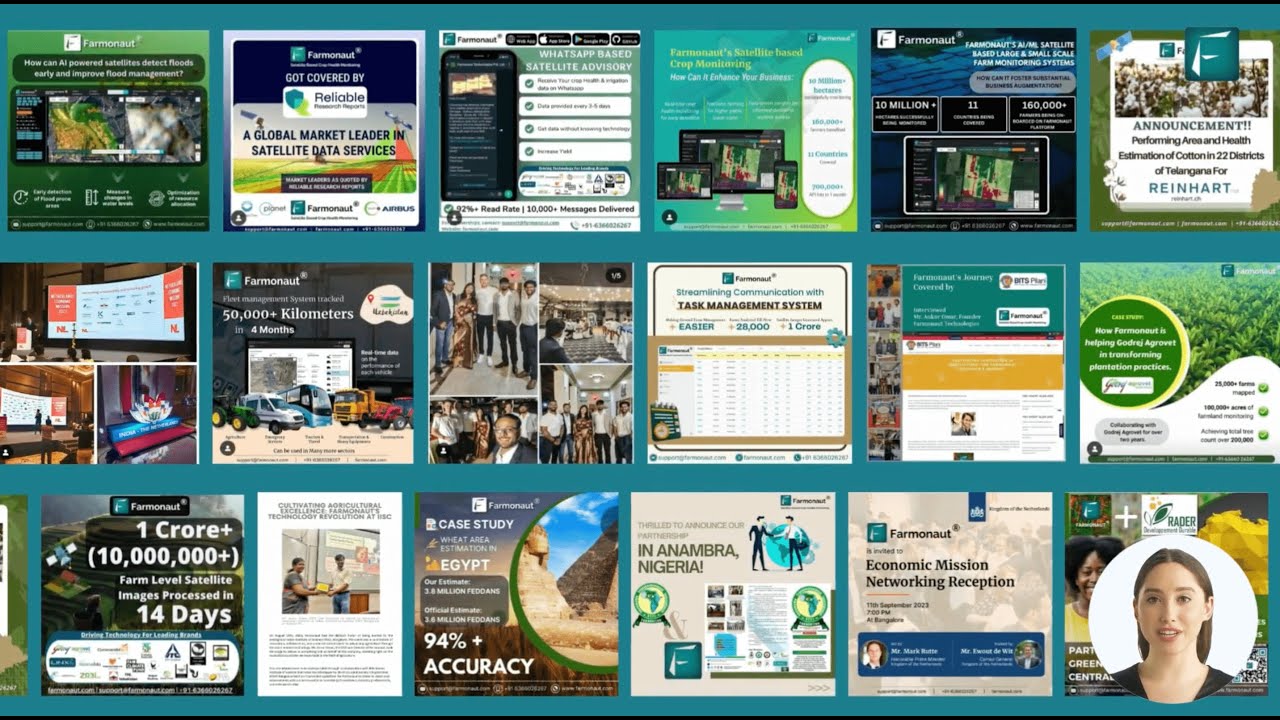
The Farmonaut Advantage: Satellite Technology for Modern Agriculture
At Farmonaut, we are committed to making cutting-edge satellite-driven insights and AI-powered advisory systems accessible and affordable for all sectors in agriculture — from individual farmers to agribusinesses and governments worldwide. Our tools equip users with actionable intelligence for daily resource management, monitoring, fleet tracking, and compliance reporting.
- 🛰️ Satellite-Based Monitoring: Multispectral imaging (NDVI, soil moisture) for in-depth crop and land analysis, empowering more informed decisions.
- 🤖 Jeevn AI Advisory System: Real-time weather, disease, or harvesting insights for improving operational efficiency across climatic zones.
- 🔗 Blockchain Traceability: Traceable, tamper-proof food and resource supply chains enhancing trust and meeting global import standards.
- 🚚 Fleet & Resource Management: Scheduled tracking of on-field, remote, and large-scale farm machinery, with route optimization and asset security.
- 🌎 Environmental Impact Monitoring: Live carbon and resource footprint tracking to support sustainable practices and regulatory compliance.
Our modular SaaS platform scales from smallholder operations to government agency strategy — deployable via Web, API, Android, and iOS for fully remote and mobile-optimized management.
For seamless, scalable subscription management, explore our current packages below:
Key Insights, Pro Tips, Risks, Investor Notes, and Common Mistakes
Precision agriculture, enabled by digital and satellite technology, is the key lever for reducing environmental footprint while maintaining yield growth and food system sustainability.
Use multispectral satellite data to guide irrigation and crop treatment—optimizing both cost and ecological impact even during times of climate stress or unpredictable weather.
Over-reliance on manual field scouting without integrating digital solutions often leads to missed disease outbreaks and costly production losses.
The next wave of value in agriculture will come from scalable SaaS platforms integrating AI and remote sensing, offering recurring revenue from farming and supply chain digitization services.
Agriculture data from space, mapped over time, is now a core input for both crop insurers and carbon credit platforms, facilitating accountability and unlocking new revenue for sustainable growers.
Five Key Takeaways for 2026 Agri-Innovators
- ✔ Invest in digital transformation: AI, IoT, and satellite monitoring maximize yields & sustainability.
- 🌱 Prioritize soil health management: Regenerative and climate-smart farming boost resilience.
- ⚠ Protect against supply chain risks: Blockchain traceability minimizes vulnerabilities.
- 🚜 Use autonomous machinery: Address labor shortages, cut costs, and ensure harvest efficiency.
- 🌏 Engage in continuous learning: Follow latest agriculture news worldwide for evolving challenges, policies, and trends.
- 📊 Data insight: Farms using AI-driven monitoring show a 15–20% yield boost vs. traditional operations.
- 🌟 Enhanced security: API-enabled traceability reinforces consumer trust, essential for premium export markets.
- ⚠ Risk: Ignoring soil data analytics can degrade productivity and impact long-term farm profits.
- ✔ Value add: Environmental impact tracking positions farms for access to emerging carbon markets.
Frequently Asked Questions (FAQ) on Agriculture News Worldwide 2026
Q1: What are the most important agriculture trends for 2026?
A: The most crucial trends include mainstreaming of AI, IoT, and satellite imagery in farming, adoption of climate-resilient crop varieties, digital traceability across supply chains, and increased focus on soil and water health through regenerative practices.
Q2: How does technology improve farming resilience against climate change?
A: New technology allows for proactive crop health monitoring, efficient irrigation, early warning for pests/weather, and adoption of adaptive strategies—enabling farmers to mitigate losses from erratic weather and environmental stress.
Q3: What role do governments play in transforming agriculture practices worldwide?
A: Governments drive transformation by incentivizing digital adoption, supporting agri-innovation with policy and funding, developing climate adaptation strategies, and ensuring inclusion of rural and smallholder farmers in new ecosystems.
Q4: How are supply chain risks being mitigated in food systems?
A: Blockchain-based traceability and diversification through urban/vertical farming as well as short local supply chains help reduce dependency and risks of disruption from geopolitical, pandemic, or climatic events.
Q5: What makes Farmonaut’s approach to satellite technology unique for agriculture?
A: We at Farmonaut combine multispectral satellite imaging, AI-driven advisory, blockchain traceability, and modular digital tools. This blend offers affordable, actionable insights for all scales—from smallholders to governments—empowering efficient, sustainable, and transparent farm management.
Conclusion: Charting the Future of Global Agriculture News Worldwide
The year 2025 marks a transformative period in agriculture news worldwide, with novel technologies, innovative practices, and adaptive strategies at the heart of the future of food security and sustainable development. As farmers, governments, and agri-businesses continue to confront climate, labor, and supply risks, the unification of traditional wisdom with digital solutions becomes even more pivotal.
The challenge is multifold, but the direction is clear: innovation, collaboration, and resilience will collectively shape modern agriculture, from regenerative soil management to AI-optimized crop health and blockchain-powered traceability. Worldwide, the sectors that embrace precision, transparency, and sustainability will be the ones to thrive as population growth and environmental change accelerate.
Stay updated, stay resilient, and leverage the best-in-class tools—because the future of farming belongs to those who innovate and act today.
Discussion
Questions, corrections or field experience? Share them below. First-time comments are reviewed before they appear, and your email is never published.
No comments yet. Be the first to add a question or your experience.

 Deepak Fertilisers & Petrochemicals
 Sapoznick Farms
 Agrotoken
 Blue BearX
 Insignito
 Croptimum
 DnCubed
 Field Capacity
 Indosistim Teknologi
 Liquify Digital
 CU Foods
 BeyondTech Global
 Rouge VC
 AgroGreen Dynamics
 AgroRisk
 Oath Inc
 Reddane Farming
 Esri North East Africa
