

Adoption Rates for AI-Driven Farm Management Systems 2024: Global Trends, Integration, & the Digital Agriculture Paradigm Shift
“Over 38% of global farms plan to integrate AI-driven management systems by the end of 2024.”
“AI-powered agriculture technologies are predicted to help increase crop yields by up to 22% in 2024.”
Introduction: The 2024 Paradigm Shift in Global Agriculture
The adoption rates for AI-driven farm management systems are not just a measure of technological progress, but a marker of how the agricultural sector is rapidly transforming the landscape in 2024. According to McKinsey’s “Global Farmer Insights 2024”, AI integration is no longer a fringe innovation but constitutes a mainstream practice that is expected to surge significantly into 2025. With machine learning, computer vision, and advanced analytics, these digital agriculture tools are revolutionizing the way farms optimize productivity and sustainability worldwide.
Why 2024 Is a Defining Year for AI Adoption in Agriculture
The agricultural sector is on the cusp of a digital revolution: AI-driven farm management systems are boosting yield, ensuring environmental sustainability, and enabling farmers to make more precise, informed decisions.



Understanding the Shift: From Fringe Innovation to Mainstream Practice
As pinpointed by the “adoption rates for AI-driven farm management systems” McKinsey 2024 report, the journey of AI in agriculture has mirrored the rise and mainstreaming of other digital transformations in critical sectors. Initially, AI technology in agriculture was a fringe innovation limited by high costs, complex deployment, and lack of digital infrastructure. But with significant progress in affordable sensors, satellite-based monitoring, and cloud analytics platforms, we are witnessing a paradigm shift to mainstream practice in 2024.
- 2024: Over 35-40% of commercial farms worldwide have incorporated some form of AI-driven technology, especially in leading agricultural economies.
- 2025 Projections: McKinsey expects adoption rates to surge significantly as integration barriers continue to fall and AI capabilities expand.
The main drivers of this expansion involve three major factors:
- First: Improved access to affordable sensors, drones, and satellite imagery enables real-time farm monitoring at scale.
- Second: Enhanced AI platforms now integrate farm data with broader market and meteorological trends, delivering actionable analytics and recommendations.
- Third: Government programs and private investments are accelerating the digital transformation of agriculture by recognizing AI’s role in food security and climate resilience.

2024 Adoption Rates for AI-Driven Farm Management Systems: By Region & Farm Size
The “global farmer insights 2024” McKinsey AI adoption report highlights that adoption rates for AI-driven farm management systems now exhibit substantial differences across regions and farm sizes.
North America and parts of Europe lead the charge, with adoption nearing or exceeding 50% among large-scale commercial farms. This contrasts sharply with emerging markets such as Sub-Saharan Africa and Southeast Asia, where adoption rates remain below 20%.
- ✔ North America: ~50% adoption among large farms (remote sensing, analytics, AI-driven tractors)
- ✔ Europe (Western & Northern): 40-45% in commercial operations (computer vision, fleet/resource management)
- ✔ Latin America: Growing adoption, particularly in Brazil and Argentina, led by precision agriculture tools
- ⚠ Emerging Markets: Below 20% adoption due to infrastructure limitations, digital literacy gaps, and capital constraints
- ✔ Asia-Pacific (Australia, Japan, China): Between 25-35% with emphasis on labor automation and environmental solutions
These trends show that while integration is advancing rapidly, it is not evenly distributed globally. However, innovations like mobile-based AI systems and localized language support are projected to help emerging regions catch up rapidly by 2025.

Key Integration Trends Accelerating the Adoption of AI-Driven Farm Management Systems
- 📈 Remote Sensing: Satellite, drone, and sensor data is the backbone of AI-supported farm intelligence systems in commercial agriculture.
- 📊 Predictive Analytics: Advanced analytics leverage historical, real-time, and environmental data to generate actionable recommendations for yield optimization.
- 💧 Smart Irrigation & Resource Management: AI-powered systems help reduce water usage and fertilizer waste, addressing both cost and environmental challenges.
- 🦟 Pest & Disease Forecasting: Computer vision and AI algorithms identify early pest pressure and disease outbreaks, reducing crop losses.
- 🌦 Weather Pattern Integration: AI-driven platforms combine soil, crop, and weather data to inform crucial planting and harvesting decisions.
- ⛓ Blockchain Traceability: Ensures transparency of agricultural produce, vital for global supply chain trust and food security.
- 🤖 Labor Automation: Deployment of AI-driven robots, autonomous tractors, and drones to offset labor shortages and enhance scalability.

How These Integration Trends Provide Value
- ✔ Yield Increase: Many farms report 10-20% gains due to precise, data-driven interventions.
- ✔ Resource Optimization: Reduced use of fertilizers, pesticides, and irrigation, resulting in lower costs and environmental benefits.
- ✔ Resilience: Predictive systems improve response to climate, market, and pest risks.
- ✔ Traceability: Blockchain enhancements ensure secure, transparent supply chains, crucial for global markets and food security.
- ✔ Labor Efficiency: Automation addresses skilled labor shortages and improves operational consistency.
The integration of these trends is set to continue shaping the AI adoption landscape well into 2026 and beyond.
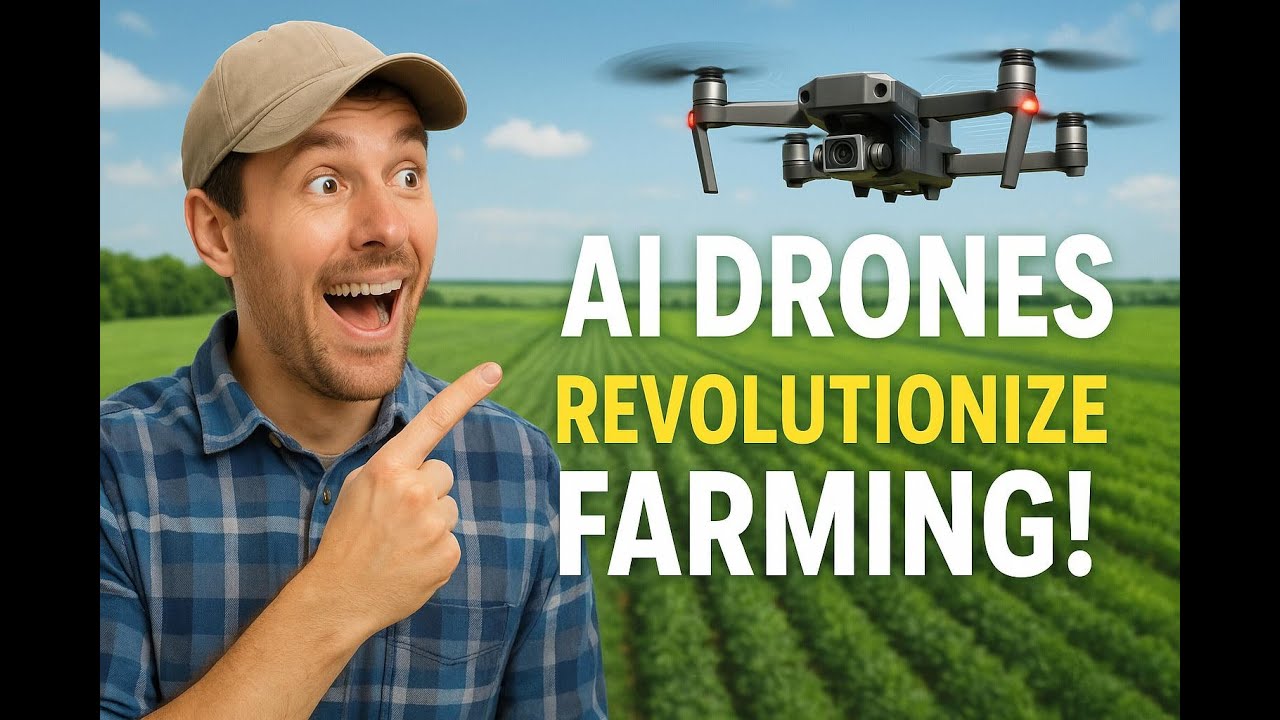
How AI-Driven Systems Are Boosting Sustainability and Yield
AI adoption in farm management systems delivers benefits that directly align with sector needs and global imperatives around food security and climate. The ability to reduce inputs, increase yield, and lower environmental impact underpins the 2024 digital transformation.
- ✔ Input Efficiency: AI algorithms analyze soil health, crop needs, and local patterns to minimize fertilizer and pesticide use.
- ✔ Yield Optimization: Farms using AI-based decision support frequently achieve 10-20% increases in productivity. (McKinsey, Global Farmer Insights 2024)
- 📊 Sustainability: Fewer chemical inputs and less water means reduced environmental footprint and improved compliance with emerging sustainable agriculture mandates.
- ⚠ Climate Resilience: Predictive analytics and real-time alerts enable proactive risk management against weather extremes and pest outbreaks.
- ✔ Reduced Waste: Smart systems enable tighter alignment of resources to actual farm conditions, cutting both wastage and cost.
Learn About Blockchain Product Traceability for Sustainable Agriculture
For farms targeting large-scale digital transformation with a focus on yield and sustainability, platforms like Farmonaut provide satellite-based, AI-driven insights and real-time monitoring at scale (learn more about Farmonaut’s Large Farm Management Platform).
Regional Adoption Differences: A Truly Global Perspective
The adoption rates for AI-driven farm management systems differ markedly by geographic region and farm size (McKinsey Global Farmer Insights 2024), with clear leaders and distinct challenges shaping progress.
- ✔ North America & Western Europe: Highest adoption rates, driven by larger farm size, access to capital, established digital infrastructure, and policy incentives.
- 📊 Eastern Europe & Central Asia: Steady gains especially in commercial grain and specialty crops, but infrastructure gaps persist in rural areas.
- ✔ Australia & New Zealand: Pioneer smart irrigation and advanced remote monitoring; AI-powered drought management is mainstream among larger producers.
- ⚠ Latin America: Accelerated adoption in Argentina and Brazil for commodity crops, but smallholder exclusion remains a challenge.
- ✔ Emerging Markets (Africa, Southeast Asia): Below 20% adoption but fastest projected growth by 2025–2026, especially as mobile-based and AI advisory systems lower entry barriers.
Localization—including AI interfaces in local languages, farmer-focused apps, and affordability—will be critical to closing these adoption gaps in the coming years.
Fleet Management for Agricultural Enterprises: Optimize Logistics and Reduce Costs

Challenges for Ongoing AI Adoption in Farm Management
Major Obstacles According to the “Global Farmer Insights 2024” McKinsey AI Adoption Report
- ⚠ Data Privacy & Ownership: Many farmers remain concerned about sharing sensitive operational data with large tech providers or third parties.
- ⚠ Interoperability: Integration challenges between new AI tools and legacy farm equipment/systems reduce scalability and increase complexity.
- ⚠ Skills Gap: A sizable proportion of farmers need ongoing training to maximize the benefits of AI-based advisory and management tools.
- ⚠ Infrastructure: In emerging and rural markets, digital infrastructure such as reliable internet and power supply limits wide-scale rollout.
- ⚠ Initial Investment: While costs are falling quickly, up-front investment or knowledge gaps may delay adoption for smaller or resource-poor farms.
Addressing these challenges is key to democratizing benefits across all global agricultural markets.

Looking Ahead: AI Adoption in Farm Management Systems for 2025–2026 and Beyond
What’s Next According to Industry Experts?
- ✔ Integration with Blockchain and IoT: Enhanced traceability and real-time environmental impact monitoring for food systems compliance and transparency.
- ✔ Labor Automation Becomes Ubiquitous: Affordable AI tractors and robotic harvesters will address labor constraints and enable new operational models for both large and mid-sized farms.
- ✔ Localized AI-Driven Advisory Tools: AI-powered mobile apps with local language support to help smallholder and emerging market farmers rapidly scale adoption.
- ✔ Collaborative Ecosystems: Closer collaboration between AI vendors, agricultural businesses, and institutional stakeholders will promote open standards, greater interoperability, and increased trust.
- ✔ Sustainability at Core: As climate and food security issues intensify, sustainable farm management practices, carbon tracking, and supply chain transparency will become integrated features of most digital agriculture platforms.

Farmonaut’s Contribution to the Global Digital Agriculture Transformation
At Farmonaut, we are proud to be at the forefront of providing affordable satellite and AI-based solutions tailored for agriculture, mining, and infrastructure management.
Key features of our platform include:
- ✔ Satellite-Driven Crop, Soil, and Health Monitoring: Timely multispectral satellite imagery lets users monitor farm conditions and make data-driven decisions.
- ✔ Jeevn AI Advisory: Real-time insights and actionable recommendations, including weather, pest, and resource management analytics, delivered via mobile, web, or API.
- ✔ Blockchain-Based Traceability: Validates the origin and journey of agricultural products, enhancing supply chain transparency and compliance.
- ✔ Fleet & Resource Management: Tools to optimize field operations, machinery usage, and logistics of large farms or agri-businesses.
- ✔ Environmental & Carbon Footprint Monitoring: Track and manage emissions to support sustainable farming initiatives and regulatory needs.
Comparative Table: Adoption Trends, Integration, and Reported Benefits in 2024 (from “adoption rates for AI-driven farm management systems” McKinsey 2024 report)
| Region/Country | Estimated 2024 Adoption Rate (%) | Key Integration Trend | Reported Benefits |
|---|---|---|---|
| North America (US, Canada) | 48-52 | Remote Sensing, Predictive Analytics, Automation | Increased Yield, Labor Efficiency, Input Savings |
| Western/Northern Europe | 40-45 | Fleet Management, Resource Optimization | Sustainability, Regulatory Compliance |
| Australia & New Zealand | 34-38 | Smart Irrigation, Drought Management, Satellite Monitoring | Water Saving, Resilience, Yield Security |
| Latin America (Argentina, Brazil) | 26-31 | Precision Agriculture, Mobile-Based Solutions | Cost Reduction, Inclusion, Risk Management |
| Eastern Europe & Central Asia | 19-25 | Computer Vision, Crop Monitoring | Yield Improvement, Traceability |
| Sub-Saharan Africa | 13-18 | Mobile AI Advisory, Satellite Imaging | Smallholder Support, Productivity |
| Southeast Asia | 16-20 | AI Weather Forecasts, Mobile Apps | Risk Mitigation, Market Access |
| China, Japan, South Korea | 25-30 | Labor Automation, IoT Sensing | Labor Savings, Tech-Driven Productivity |
Key Insights and Highlight Boxes
The adoption rates for AI-driven farm management systems have climbed to a new high in 2024, with over 38% of global commercial farms now active digital adopters. This represents a doubling in adoption since 2021, according to McKinsey’s Global Farmer Insights 2024 report.
Maximize ROI by integrating satellite-based and AI-driven platforms with blockchain-enabled traceability tools. Farmonaut offers easy-to-integrate, API-ready solutions for product authentication and compliance.
Many new adopters focus solely on yield without considering environmental and labor management modules. Comprehensive adoption delivers both sustainability and long-term productivity gains.
The 2024-2026 digital agricultural market is projected to surpass $25 billion globally. Labor automation, carbon emission monitoring, and product traceability are the fastest growing segments.
Farm data sovereignty continues to be a top concern. Choose platforms with clear privacy policies and robust encryption—review options for local data processing and EU-GDPR compliance.
Visual Lists: Essential Benefits and Emerging Trends in AI-Driven Farm Management
Top 5 Benefits of Adopting AI-Driven Systems
- ✔ Increased Yield: Data-driven decisions boost average productivity by up to 20%.
- 📊 Resource Efficiency: Smart allocation of water and inputs saves money and environmental resources.
- ⚠ Risk Management: Advanced analytics help prevent crop loss from weather or pest outbreaks.
- 🔗 Supply Chain Transparency: Blockchain-enabled traceability builds customer trust and meets export standards.
- 🔍 Operational Insight: Real-time field monitoring accelerates response to changing conditions.
Emerging Trends Shaping Adoption Rates for AI-Driven Farm Management Systems (2024–2026)
- Mobile & Localized AI Advisory: Expanding access beyond large commercial farms to smallholders globally.
- Automated Labor Solutions: Addressing rural labor shortages in both developed and emerging markets.
- AI-Blockchain Integration: Enhancing provenance and regulatory compliance for food trade.
- Climate Resilience Analytics: Predictive tools focused on weather risk, water use, and carbon emissions.
- API Interoperability: Seamless integration of third-party and legacy systems for enhanced scalability and adoption.
Farmonaut Subscription & Pricing
Explore our flexible web, mobile, and API packages designed for farms of every size
FAQ: AI-Driven Farm Management System Adoption in 2024
What percentage of farms globally are adopting AI-driven management systems in 2024?
According to McKinsey’s Global Farmer Insights 2024, around 35–40% of large commercial farms and 20–30% of medium-sized operations worldwide have adopted some level of AI-driven technology, with adoption rates expected to surge in 2025.
Why is AI adoption higher in North America and Europe compared to other regions?
North America and Western Europe benefit from larger average farm sizes, higher investment capacity, better digital infrastructure, and supportive regulatory frameworks. These factors enhance affordability and reduce barriers to integrating advanced AI systems.
How do AI-driven systems help increase yield and sustainability?
AI algorithms process satellite, soil, and weather data in real-time, providing actionable insights for resource allocation, irrigation scheduling, and pest management. The result is reduced input waste, higher productivity, and lower environmental impact.
What are the biggest risks or challenges with adopting AI in farm management?
- ✔ Data privacy concerns and unclear ownership rights
- ✔ Compatibility with legacy equipment and infrastructure
- ✔ Need for farmer and staff training
- ✔ Initial investment costs in some markets
How can smallholders or emerging market farmers access AI-driven tools affordably?
Mobile-based AI advisory platforms and subscription models lower capital requirements for small farms. Solutions like Farmonaut’s app-based satellite insights are designed to provide affordable digital agriculture tools even in low-resource environments.
Conclusion: Charting the Future of Digital Agriculture through AI-Driven Innovation
The adoption rates for AI-driven farm management systems in 2024 mark a turning point for digital agriculture. With mainstream adoption now evident in leading markets and surging global uptake predicted for 2025 and beyond, the sector is redefining how farms optimize productivity, sustainability, and resilience.
- ✔ Yield and Resource Management: AI-driven platforms deliver significant improvements in both output and environmental outcomes.
- ✔ Integration & Interoperability: Seamless integration of AI, blockchain, and IoT will define the next level of adoption—meeting demands for food security, transparency, and climate resilience.
- ✔ Geographic Democratization: Continued innovation is making advanced farm management accessible across all farm sizes and locations.
- ✔ The Farmonaut Advantage: Our accessible, affordable AI-satellite solutions are built for farmers, businesses, and governments seeking to thrive in the rapidly transforming global agricultural landscape.
As digital transformation in agriculture continues, choosing flexible, AI-driven, and satellite-enabled systems will remain key to sustainable growth, resilience, and profitability.

 Concept Global
 Kubota
 FFBS
FFBS Jontra
 Kalustyan
 Tucor
Tucor Geno
Geno Hayleys Agriculture
 Linx Agritech
 Adinet
 Save Your Soils
 Grandstream Algérie
 XOS Realty
 Geospatial Lab Africa
 Agro La Gándara
 HIPSAC
 ZOL Zimbabwe
