

Aerial Farming & Spraying Equipment: Aerospace Farming 2026
Table of Contents
- Introduction: Aerial Farming – A Revolution in Agriculture
- What is Aerial Farming? Understanding the Transformative Approach
- The Evolution and Advancements in Aerial Spraying Equipment
- Key Technologies Powering Aerospace Farming
- Precision and Data: The Cornerstone of Modern Aerial Farming
- Comparative Table of Aerial Spraying Equipment: 2025 vs. Projected 2026 Advances
- Benefits and Advantages of Aerial Farming
- Sustainability & Environmental Impact: Redefining Farming Practices
- Future Trends: Aerospace Farming Beyond 2026
- Farmonaut & Satellite-Driven Insights in Aerial Farming
- Frequently Asked Questions on Aerospace & Aerial Farming
- Conclusion: Aerospace Farming for a Resilient, Efficient Future
Introduction: Aerial Farming – A Revolution in Agriculture
In 2025 and heading into 2026, the integration of aerial farming and high-precision aerial spraying equipment is
revolutionizing agriculture across the globe. As global food demand intensifies alongside the
challenges brought by climate change, labor shortages, and the relentless pursuit for efficient resource usage,
aerospace farming stands tall as a compelling solution. Leveraging impressive advancements in
aerospace technology, aerial farming employs an innovative blend of
fixed-wing aircraft, helicopters, and UAVs (drones) equipped with smart sensors, autonomous flight
capabilities, and powerful analytics. This evolution is not just about technology; it’s about translating
precision, sustainability, and resilience into every farming operation.



for unprecedented precision and sustainable outcomes in modern agriculture.
What is Aerial Farming? Understanding the Transformative Approach
Aerial farming generally refers to the use of aircraft—including planes, helicopters, and most predominantly,
drones (UAVs)—to perform agricultural tasks such as crop spraying, seeding, fertilizing, and monitoring. This approach
is a quantum leap from traditional, ground-based methods. The aerial spraying equipment used today is
highly sophisticated, often featuring GPS, multispectral sensors, imaging systems, and real-time AI data
analytics. The aerospace farming industry in 2025 is defined by this seamlessness, where technology
effortlessly integrates with natural systems, driving greater accuracy, speed, and resource conservation.
- 🚁 Aerial Application: Spraying fertilizers, pesticides, and herbicides using drones or aircraft.
- 📡 Satellite-Assisted Monitoring: Leveraging real-time, multispectral imaging and AI-based analytics.
- 🛰️ Data-Driven Decisions: Using actionable data for targeted interventions.
- 🌱 Resource Optimization: Reducing the usage of chemicals and water; less soil compaction.
- 🌍 Scalable Operations: Managing large tracts of agricultural land rapidly and efficiently.
and weather data with satellite-driven analytics for truly precision agriculture outcomes.
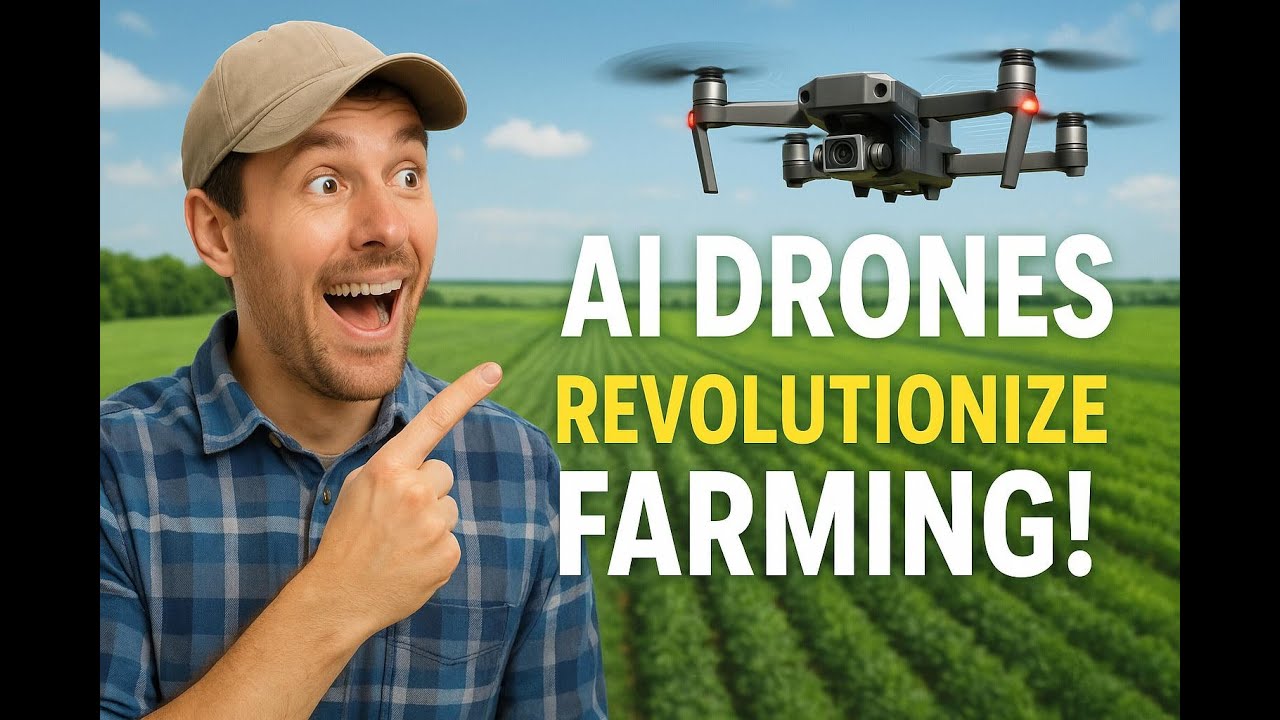
The Evolution and Advancements in Aerial Spraying Equipment
The evolution of aerial farming is a response to the heightened challenges that global agriculture faces:
climate change, shrinking workforces, surging food demand, and a heightened need to minimize
environmental harm. In the 2025–2026 era, aerial spraying equipment has rapidly advanced due to
aerospace innovations:
- 🚀 Unmanned Aerial Vehicles (UAVs): Modern drones cover larger fields faster, with programmable
flight paths and AI capabilities—making them ideal for high-frequency, precision spraying tasks. - ⚡ Autonomous Flight Systems: Self-guided aerial sprayers reduce labor dependency and
enable safe operations even under challenging conditions. - 🌐 IoT Integration: Connected sensors and cloud-based platforms optimize spray dosage and
timing based on real-time soil and weather data. - 🎯 Multispectral Imaging: Equips
aerial farming equipment with the ability to identify crop health issues at a granular level,
pinpointing pest infestations, nutrient deficiencies, and stress.

Previously, aerial application was dominated by manned aircraft, limited by labor,
weather, and safety risks. But, by integrating advanced UAVs and sensor-laden aircraft,
aerospace farming not only reduces operational costs but boosts coverage rates
and minimizes chemical usage through pinpoint accuracy.
Key Technologies Powering Aerospace Farming
Aerial farming in 2025–2026 rests on a triad of technological pillars:
smart sensors, AI-powered analytics, and robust aerial infrastructure. These elements
combine to revolutionize the application and management of fertilizers, pesticides, and herbicides,
ensuring that only the right amount is sprayed, in exactly the right spot, at the right time.

- ✔ GPS-guided Flight: Enables highly targeted application for optimal coverage, minimizing overspray.
- ✔ Multispectral Imaging Sensors: Analyze crop health, soil moisture, and pest infestations
on the fly, integrating directly into mission planning. - ✔ Real-Time AI Analytics: Process sensor data to identify and respond to field conditions
at micro-scale resolutions. - ✔ Autonomous Flight Systems: Ensure repetitive, reliable, and safe flight paths over varied terrain.
- ✔ Low-Emission Hybrid/Electric Aircraft: Reduce carbon footprint and support eco-friendly
aerial farming practices.
with widespread adoption of low-emission UAVs and data-driven farm management tools
by 2026.
Efficient fleet and resource management have become critical for large-scale agriculture operations.
Platforms like Fleet Management by Farmonaut help streamline logistics,
optimize machinery usage, improve agricultural safety, and significantly reduce operational costs
through satellite and AI-insights.
Developers and precision agriculture enthusiasts can access Farmonaut’s Satellite API
and Developer Docs
for integrating real-time weather, soil, and crop data into their own agri-tech solutions.
Precision and Data: The Cornerstone of Modern Aerial Farming
Precision agriculture is now the backbone of modern aerial farming. The fusion
of granular field data, machine learning, and sensor-driven analytics allows aerial spraying
equipment to perform tasks with unparalleled efficiency. Drones and smart aircraft can:
- 📊 Identify Field Variations: Use real-time imagery to map variable nutrient needs and
apply fertilizers or pesticides only where needed. - 📊 Detect Pest Infestations & Diseases: Target infested zones directly,
reducing pesticide runoff and protecting surrounding crops. - 📊 Monitor Moisture Levels: Employ multispectral and thermal sensors
for optimal water management, significantly boosting crop health and reducing water wastage. - 📊 Lower Operational Costs: Reduce input costs by up to 30% compared to blanket-application methods, through data-driven targeting and chemical usage reduction.
- 📊 Integrate IoT & Sensors: Use ground and aerial sensors for end-to-end farm monitoring.

Always analyze data before adjusting spraying intensity.
Comparative Table of Aerial Spraying Equipment: 2025 vs. Projected 2026 Advancements
Examining technology evolution helps us appreciate how far aerial farming has come—and where it’s headed.
The following comparative table showcases the rapid progression in aerial spraying equipment and its transformative impact by 2026.
| Equipment Type | Feature | Estimated 2025 Value | Projected 2026 Value |
|---|---|---|---|
| Drones (UAVs) | Chemical Usage Reduction (%) | 12% | 18% |
| Drones (UAVs) | Field Coverage Rate (hectares/hour) | 16 | 21 |
| Drones (UAVs) | Precision Level (spray accuracy) | 90% | 95% |
| Drones (UAVs) | Operational Cost per Hectare ($) | $7 | $5 |
| Satellites | Coverage Area per Hour (sq km) | 1600 | 2200 |
| Satellites | Data Latency (hours) | 6 | 3 |
| Aircraft (Manned) | Chemical Usage Reduction (%) | 8% | 11% |
| Aircraft (Manned) | Field Coverage Rate (hectares/hour) | 50 | 55 |
| Aircraft (Manned) | Operational Cost per Hectare ($) | $16 | $14 |
Interpretation: By 2026, drones and satellites will achieve higher coverage, improved
accuracy, and greater cost efficiency—making aerial farming the preferred method for large, complex operations.
sets a new standard for sustainability in agriculture—especially in fragile ecosystems.
For deeper insights on carbon tracking and eco-friendly practices, visit our
Carbon Footprinting
product page.

Benefits and Advantages of Aerial Farming
Aerial farming brings a wealth of advantages to agricultural operations of every scale:
- ✔ Rapid Coverage: Treats large tracts of land in a fraction of the time required by ground machinery.
- ✔ Precision Application: Survey-grade GPS and sensors ensure only targeted crop areas receive input, raising yields and reducing environmental harm.
- ✔ Sustainability: Reduces soil compaction, runoff, and chemical waste.
- ✔ Adaptability: Functions effectively across challenging terrain, tight planting patterns, and unfavorable weather conditions.
- ✔ Labor Efficiency: Autonomous equipment reduces reliance on high-cost, hard-to-source field labor.
- 🌾 Cereal Crops (Wheat, Corn): Targeted fertilization and fungicide spraying during growth surges.
- 🥑 Specialty Crops (Orchards, Vineyards): Site-specific pest management and blossom protection after rain or heatwaves.
- 🌲 Forestry: Utilizes aerial spraying to apply agents for pest and disease control
without disturbing tree canopies or dense underbrush. - 🌱 Newly Sown Fields: Gentle, quick pass herbicide treatments to jumpstart healthy growth.

Sustainability & Environmental Impact: Redefining Farming Practices
Sustainability is not a mere buzzword in aerospace farming; it is an engineering principle.
By minimizing ground disturbance and reducing the total chemical load on farmland, aerial farming equipment creates a virtuous cycle of soil health, water retention, and crop resilience.
- ⚠ Soil Compaction Mitigation: Aerial applications keep heavy vehicles off fields, maintaining structure and microbial activity.
- ⚠ Reduced Runoff & Water Pollution: Precision spray technologies dramatically cut losses to waterways.
- ⚠ Eco-Friendly Fuel Options: Growth of electric and hybrid UAVs and aircraft is curbing emissions at scale.
- ⚠ Climate Adaptability: Quick interventions after weather events (drought, storms) limit crop losses and boost food security.

Future Trends: Aerospace Farming Beyond 2026
As we move through 2026 and beyond, several dynamic trends will shape aerospace farming:
- ✔ Dynamically Adaptive Spraying: Systems that adjust in real-time based on changing field and weather conditions detected through satellite and in-field sensor data.
- ✔ Interconnected Farm Ecosystem: Combining aerial sprayers, autonomous tractors, robotic harvesters into a single data-driven workflow.
- ✔ Greater Use of Small-Sat Data: Leveraging frequent, high-resolution satellite images to optimize resource application and disease outbreak responses.
- ✔ Regenerative Aerospace Practices: Focusing this technology on soil-building, crop diversification, and water conservation for maximal resilience to climate change.
These approaches offer promise for global food production systems, especially as resource scarcity and
weather volatility push traditional practices to their limits.

For trusted, efficient solutions integrating satellite monitoring into loan and insurance processes, see our Crop Loan & Insurance product page.
Farmonaut & Satellite-Driven Insights in Aerial Farming
As a satellite technology company, Farmonaut offers a comprehensive suite of satellite-based and AI-driven solutions for agriculture. Our mission is to make satellite insights accessible and affordable for farmers, businesses, and governments worldwide—all via our intuitive Android, iOS, web applications, and API.
How can we empower aerial farming?
- 🚀 Satellite-Based Monitoring: Our system provides multispectral crop imagery and soil condition data, making it possible to plan aerial spraying with maximum precision.
-
🌦 Jeevn AI Advisory: Delivers real-time advisory, weather forecasts, and custom strategies—helping optimize spraying timings and prevent unnecessary inputs.
Try our AI-driven tools here. - 🔗 Blockchain-Based Traceability: Ensures transparent records of all agricultural processes, essential for food quality and producer reputation.
- ⚡ Fleet Management: With our fleet management tools, agricultural businesses can track aerial and ground equipment for maximal efficiency and cost savings.
- 🌍 Environmental Monitoring: Our carbon monitoring tools enable clients to actively manage agriculture’s environmental impact.
- 🌱 Large-Scale Farm Management: Monitor, advise, and manage vast tracts of land—all from a seamless large scale farm management dashboard.
Ready to get started?
Frequently Asked Questions on Aerospace & Aerial Farming
Q1: What types of aircraft are used in aerial farming?
Aerial farming generally employs drones (UAVs), fixed-wing planes, and sometimes helicopters for crop spraying,
fertilization, and even seeding operations. Among these, UAVs are the fastest growing segment, due to their
autonomous capabilities and ease of integration with precision agriculture tools.
Q2: How does aerial spraying equipment enhance precision agriculture?
Aerial spraying equipment utilizes GPS-guidance, multispectral imaging, AI analytics, and IoT integration
to precisely deliver crop protection products—maximizing coverage while minimizing waste and environmental impact.
Q3: How does aerial farming address environmental concerns?
By reducing soil compaction, applying chemicals only where required, and lowering operational emissions (with hybrid/electric vehicles),
aerial farming aligns with sustainability standards and helps farms adapt to climate change.
Q4: Is aerial farming suitable for small-scale or only for large-scale operations?
Recent advances in affordability—especially with drones and subscription-based satellite solutions—make aerial farming accessible for
operations of almost any size.
Q5: How can businesses integrate satellite data into their agriculture workflow?
Access to real-time satellite data is possible via easy-to-use applications and APIs, like those from Farmonaut,
which can be integrated into existing platforms for field monitoring, spraying schedules, and environmental impact tracking.
Q6: What are the core features to look for in aerial spraying equipment in 2026?
- High-precision navigation and application systems
- Integration with real-time field and weather data
- Low-emission (hybrid/electric) engines
- Compatibility with satellite management platforms
- AI-driven analytics and reporting tools
Conclusion: Aerospace Farming for a Resilient, Efficient Future
In summary, the ongoing revolution in aerospace farming—with its state-of-the-art aerial sprayers, autonomous drones, and satellite-driven data platforms—is fundamentally changing agriculture as we approach 2026. The integration of advanced technologies for precision spray application, rapid area coverage, and sustainable use of resources ensures that aerial farming remains a cornerstone of global food security and farm resilience against the mounting complexity of climate, labor, and resource challenges.
As we progress, platforms like Farmonaut will continue to provide data-powered, AI-integrated insights and
environmental compliance tools, ensuring that aerial farming and agriculture remain not only
productive and efficient but also sustainable and future-ready.
Whether you aim to minimize environmental impact, improve yields, or support traceable, trustworthy food chains,
aerospace farming technology is the present and the future.
For accurate, up-to-date information on aerial farming, aerial spraying equipment, and aerospace farming in 2026 and beyond,
stay tuned to this blog and Farmonaut’s technology updates!
Discussion
Questions, corrections or field experience? Share them below. First-time comments are reviewed before they appear, and your email is never published.
No comments yet. Be the first to add a question or your experience.

 Fresh Platter
 Andex
Andex FCF India
 Unifrutti Gulf
 Deluxe Conseil
 TVS Electronics
 BW Pipelines
 WICO
WICO Gen Chayat
 Chimera Innovation
 SkyHarvest
 Polaris Digitech
 Teledarbas
 Wild Oak Farm
 SFX
SFX
