

Agriculture Airplane: Boosting 2025 Farming Efficiency
Summary: Agriculture Airplanes Revolutionizing Modern Farming in 2025
Agriculture airplane technology in 2025 is spearheading a transformative era in modern farming. Specialized aircraft—also known as crop dusters—are equipped to deliver fertilizers, pesticides, herbicides, and seeds rapidly and precisely across vast tracts of farmland. This airborne approach, integrated with advanced technological systems, maximizes yields, enhances efficiency, and elevates sustainability. It empowers farmers to meet the increasing global food demand while minimizing environmental impact—ensuring the future of agriculture remains resilient and productive.
“In 2025, agricultural airplanes can cover up to 1,000 acres per hour, drastically accelerating crop application processes.”
In today’s agricultural landscape, the agriculture airplane is undoubtedly shaping the future of farming by offering rapid and precise application of agrochemicals, fertilizers, and seeds. As we progress into 2025, these advanced airplanes—armed with cutting-edge technology—are not only boosting productivity, but also redefining the standards of environmental sustainability across fields worldwide.

Understanding the Role and Importance of Agriculture Airplane Technology
The primary role of agriculture airplane technology is to enhance efficiency and productivity across large-scale farmland. Facing increasing global demand for food propelled by population growth and evolving dietary habits, farmers must optimize yields and minimize environmental impact. These specialized airplanes deliver precise application of agrochemicals, fertilizers, and herbicides—streamlining the process significantly compared to ground-based methods.
Why Agricultural Airplanes are Indispensable in 2025
- Speed and Scale: With the ability to cover as much as 1,000 acres per hour, these planes enable rapid response to pest or disease outbreaks.
- Uniform Application: Highly uniform spraying is essential for crop health—while ground equipment may struggle to deliver consistent coverage, aerial methods ensure no area is missed.
- Accessing Difficult Terrains: Wetlands, rolling hills, and swampy fields often pose a challenge for ground vehicles, which might cause compaction or damage crops. Aerial application breezes over such obstacles.
- Reduced Soil Compaction: Traditional machinery can impact soil structure and reduce productivity. Because airplanes don’t touch the ground, they preserve healthy soil.
- Minimizing Vulnerability Window: By delivering pesticides, fertilizers, or herbicides quickly, these airplanes reduce the crop’s exposure to pests and diseases, leading to healthier crops and higher yields.
Challenges Addressed by Agriculture Airplanes
- Increasing demand for food production amid limited expansion possibilities for farmland.
- The need to minimize chemical runoff into sensitive ecosystems and water bodies.
- Operational constraints like labor shortages and the time-sensitive nature of crop protection.
- Addressing environmental sustainability goals set by governments and global bodies.
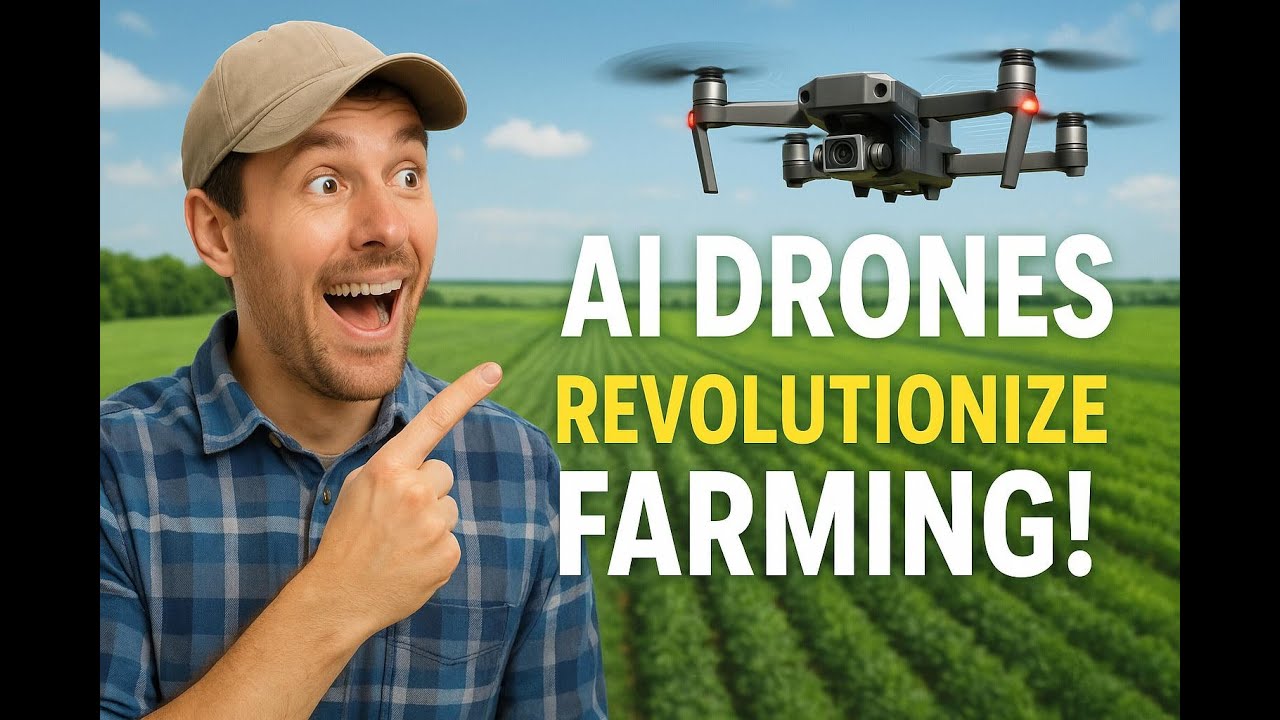
Technological Advancements in Agriculture Airplane Systems – 2025 & Beyond
The journey of the agriculture airplane over the past decades has been nothing short of remarkable. In 2025, these aircraft are not just flying machines, but sophisticated technological systems designed to minimize waste, maximize productivity, and promote sustainability.
Key Innovations in Modern Agriculture Airplanes
- GPS-Guided Navigation: Modern agriculture airplanes are equipped with advanced GPS navigation systems, enabling pinpoint accuracy in the application of fertilizers, herbicides, and pesticides. This reduces overlap, prevents gaps, and ensures uniform spraying across vast fields.
- Variable Rate Technology (VRT): VRT enables the aircraft—whether piloted or autonomous—to adjust the amount of chemical being applied in real time, based on detailed mapping and crop requirements identified by multispectral imaging.
- Integration with Satellite and Drone Mapping: High-resolution multispectral maps generated by drones or satellites guide the airplanes to apply agrochemicals only where needed, rather than blanket-spraying entire fields.
- Low-Drift and Eco-Friendly Spraying Systems: Spraying technologies with anti-drift nozzles and improved formulations decrease off-target chemical movement, protecting both environmental and human health.
- Hybrid & Electric Propulsion: The rise of sustainable aviation in 2025 means agriculture airplanes are increasingly adopting electric, hybrid, or alternative-fuel engines—minimizing emissions and operational noise.
- Autonomous Flight Capabilities: Some of the latest aircraft are capable of conducting aerial application autonomously, following pre-programmed routes and dynamically responding to in-field data in real time.
Supporting Technologies Influencing Agriculture Airplane Applications
- Multispectral Imaging: Guides airplanes to sites of pest infestations or stressed crops with unparalleled precision.
- Artificial Intelligence (AI) & Machine Learning: Real-time data analytics further optimize spraying, reducing waste and enhancing profitability.
- Blockchain Traceability: Advanced systems now allow for complete traceability of agrochemical applications—an important component in global supply chain integrity and food safety. For farms seeking complete supply chain transparency, check Farmonaut’s blockchain-based traceability solutions.
- Satellite-enabled Resource Management: Fleet management tools such as those from Farmonaut empower businesses to monitor their agricultural aircraft, optimize operational costs, and maximize the utility of every flight. Explore more about efficient fleet management for ag operations.
“Aerial application in modern farming reduces chemical use by up to 15% compared to traditional ground methods.”

Estimated Benefits of Agricultural Airplane Technology vs. Traditional Methods (2025)
To fully appreciate the performance edge of agriculture airplanes in 2025, let’s compare them directly with traditional ground spraying equipment:
| Technology Type | Estimated Coverage Efficiency (Acres/hour) | Average Yield Improvement (%) | Reduction in Chemical Usage (%) | Cost Savings per Acre (USD) | Environmental Impact |
|---|---|---|---|---|---|
| Agriculture Airplane | 800–1,000 | 7–15 | 12–18 | $10–$25 | Low |
| Traditional Ground Spraying | 50–100 | 0–5 | 0–5 | $0–$5 | Medium–High |
As the table shows, transitioning to aerial application delivers substantial increases in operational efficiency, reducing input use and environmental impact while improving yields and profitability.
Environmental and Economic Impact of Aerial Crop Spraying
Agriculture airplanes in 2025 are designed to actively reduce soil compaction and chemical runoff into sensitive areas like waterways. Because the aircraft apply products from above, soil structure remains undisturbed. By utilizing advanced spraying technologies and targeted application, these planes limit excessive use of fertilizers, pesticides, and herbicides—resulting in healthier crops and cleaner fields.
Key Environmental Benefits:
- Reduced Runoff and Pollution: Precise application result in less waste entering rivers and groundwater.
- Preserved Soil Health: No direct soil compaction from heavy equipment maintains microbial activity and soil fertility.
- Lower Emissions: With hybrid/electric propulsion and efficient logistics, aerial application reduces carbon footprint. Interested in environmental performance tracking? See Farmonaut’s carbon footprinting solutions for ag operations.
Economic Advantages for Farmers & Agribusiness
- Minimized Operational Costs: Agriculture airplanes can treat more areas within a shorter time frame, reducing labor expenses.
- Mitigated Financial Risk: Faster applications mean crops receive protection exactly when needed, reducing chances of losses to pests and diseases.
- Maximized Profitability: Efficient, timely, and effective application translates directly to higher yields and better quality harvests. For agricultural businesses seeking insurance or credit, satellite-enabled verification (see Farmonaut’s crop loan and insurance tools) expedites processes while minimizing fraud risks.

In summary, agriculture airplane application is an integral part of modern farming—not only for its ability to maximize operational efficiency and yields, but also for reducing the environmental impact of intensive agriculture.
Future Outlook: Autonomous, Sustainable, and Data-Driven Agricultural Airplanes
As early as 2025, we see signs that the future of agriculture airplane technology will be defined by greater autonomy, smarter systems, and reinforced environmental awareness. Let’s explore some of the most exciting trends:
Trends Shaping the Evolution of Agriculture Airplanes in 2025+
- AI + Real-Time Analytics: Autonomous aircraft will make dynamic, in-flight decisions based on live field data—adjusting spray volumes, flight altitude, and coverage patterns on the fly.
- Electric & Hybrid Aircraft: Reduced reliance on fossil fuels makes aerial application more sustainable and compliant with environmental mandates.
- Dawn of the Fully Unmanned Fleet: Completely unmanned aerial vehicles (UAVs) handling the entire application process, from takeoff to landing, with operator oversight via digital dashboards.
- Satellites + Drones + Airplanes Integration: Unified systems exploit satellite and drone data to inform in-the-moment decisions for the agriculture airplane fleet, ensuring maximum efficiency and sustainability.
- Blockchain Traceability + Regulation: Enhanced record-keeping and chain-of-custody documentation for all applications, supporting both food safety and compliance across the global supply chain.

These innovations, working together, position the agriculture airplane as one of the most transformative tools in the arsenal of modern farms—helping agribusinesses meet global food demand without compromising the future of our planet.
Farmonaut & Satellite Insights: Empowering Future-Ready Agriculture
Reliable data and actionable insight are essential for deploying agriculture airplanes intelligently and efficiently. At Farmonaut, we provide advanced multispectral satellite monitoring services that allow agricultural businesses and individual farmers to:
- Pinpoint Crop Stress and Disease Outbreaks: Early warnings generate data-driven application schedules—reducing chemical waste and optimizing yields.
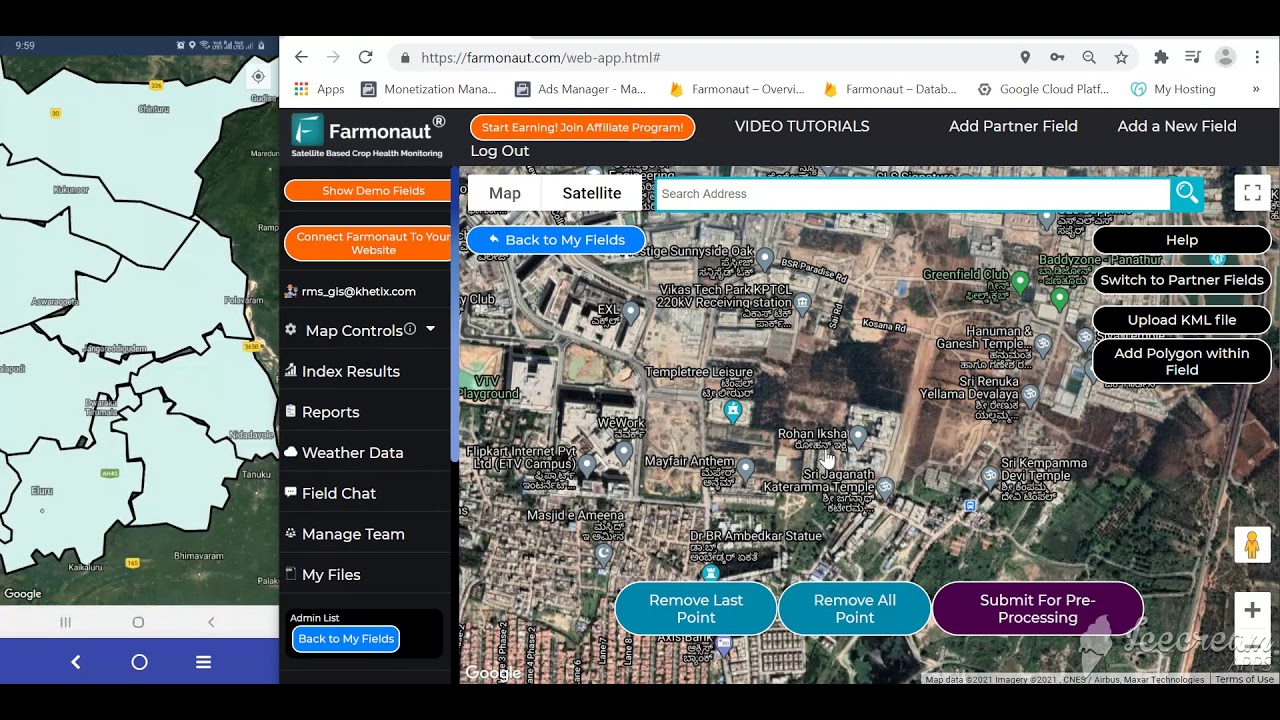
- Monitor Field Health Over Time: Our NDVI and multispectral maps visualize crop vitality, so you can schedule aerial spraying at the right moment.
- Access Fleets and Resource Utilities: With Farmonaut’s fleet management module, you can monitor and deploy both ground and air assets with maximum efficiency.
- Ensure Complete Traceability: Using our blockchain-powered product traceability, agribusinesses ensure every application is meticulously recorded.
- Pursue Environmental Targets: Our carbon footprinting tools let operations measure and improve their environmental performance—aligning ag practices with sustainability goals.
- Facilitate Secure Lending and Insurance: Satellite-based verification speeds up credit and insurance decisions for farms operating aircraft or employing advanced technologies.
Whether you manage a single farm or a large enterprise, leveraging Farmonaut’s large scale farm management platform (see our admin app) allows you to remotely monitor, plan, and optimize every operation, from aerial applications to soil management and irrigation.



If you’re looking to integrate direct satellite and weather data into your own application or agri-platform, explore our Farmonaut API and API Developer Docs to access precise, real-time monitoring capabilities for agriculture airplane deployment, field mapping, and yield estimation.
Farmonaut Subscriptions for Crop Monitoring & Resource Management
Farmonaut’s subscription packages are designed to make satellite and AI-powered field insights affordable for farms and agribusinesses of all sizes. Track crop health, monitor environmental impact, and enhance your operational fleet from anywhere, at any time.
Frequently Asked Questions (FAQ)
-
What is the primary function of an agriculture airplane in 2025?
The main role is aerial application—delivering fertilizers, pesticides, herbicides, and seeds quickly and precisely over vast tracts of farmland. This maximizes crop yields, reduces chemical runoff, and increases operational efficiency. -
How do agriculture airplanes help reduce environmental impact?
By not touching the ground, they avoid soil compaction. With advanced guidance and variable-rate spraying systems, they minimize waste, target pests and crop stress more precisely, and help limit agrochemical use by up to 15% compared to ground methods. Emissions are further reduced as the industry shifts to electric and hybrid engines. -
Are autonomous agricultural airplanes widely used in 2025?
Yes, autonomously piloted or partially unmanned agricultural airplanes are increasingly common. They follow GPS-guided, pre-programmed flight plans and adapt applications in real time using AI, drone, and satellite input. -
How does Farmonaut enhance agriculture airplane operations?
We at Farmonaut deliver real-time field monitoring through multispectral satellite imagery, NDVI mapping, AI-based advisory, and fleet management tools. This allows farms to deploy aerial assets precisely, reduce chemical input, and increase profitability across large operations. -
What is the economic advantage of switching from ground to aerial application?
Switching to aerial application significantly lowers labor costs, increases speed and precision, and results in better crop protection and higher profitability. Cost savings per treated acre can be substantial, especially during critical growth windows. -
How do satellite-enabled platforms like Farmonaut support sustainable agriculture?
By providing high-frequency, high-resolution monitoring, we enable farms and agribusinesses to track environmental impact—such as carbon footprinting, fertilizer runoff, and land-use change—helping them comply with sustainability standards and internal targets. -
Where can I access Farmonaut’s apps and services?
Farmonaut solutions are available via web app,
Android app,
and iOS app.
Developers and enterprises can integrate field-level satellite data with our API.
Conclusion
Agriculture airplanes in 2025 and beyond are a cornerstone of revolutionizing modern farming. By integrating advanced, autonomous, and data-informed technologies, these aircraft ensure a sustainable, highly efficient way to meet rising global food demand. The evolution of specialized planes, improved eco-friendly spraying methods, and the support of real-time digital platforms—such as Farmonaut—empower every farm to maximize yield and minimize waste. As agriculture continues to face complex environmental and operational challenges, the role of the agriculture airplane remains indispensable.
Embrace the future of sustainable success: deploy smart technologies, empower every flight, and let your fields thrive with the combined power of precision aviation and innovative satellite insights.


 Agro La Gándara
 Global Agrifood
 Cazlv
Cazlv HIPSAC
 ZOL Zimbabwe
 Juligerm
 AdBio
AdBio MISE Maroc
 NWNS
NWNS Red August Group
 Farm Inc
 WeMe Global
 Agrotoken
 Blue BearX
 Insignito
 Croptimum
 DnCubed
 Field Capacity
 Indosistim Teknologi
