

Drone Spraying in Agriculture: 7 Powerful Benefits for 2025
Table of Contents
- Introduction: Drone Spraying in Agriculture—The 2025 Revolution
- Eye-Opening Trivia About Drone Spraying
- Precision & Efficiency: The Heart of Drone Spraying Agriculture
- 7 Powerful Benefits of Drone Spraying in Agriculture for 2025
- Farmonaut’s Role: Empowering Precision Agriculture with Satellite Technology
- Must-See Videos: Drones & AgriTech Transformation
- Environmental and Economic Benefits of Spraying Drone Agriculture
- Comparative Benefits Table: Drone Spraying vs. Traditional Methods
- Integration with Smart Farming & Data-Driven Crop Management
- Tech & Sustainability: Videos Showcasing the Future
- Facing the Challenges: Regulation, Training, and Adoption
- Future Outlook: What’s Next for Drone Spraying in Agriculture?
- Explore More: Farmonaut apps, APIs & Solutions
- FAQ: Your Essential Drone Spraying Questions Answered
- Conclusion: Toward Efficient, Sustainable, and Profitable Agriculture
Introduction: Drone Spraying in Agriculture—The 2025 Revolution
In recent years, we have witnessed an unprecedented surge in technology transforming the way we manage and optimize our food production systems. Among the most impactful advancements is drone spraying in agriculture. By 2025, drone in agriculture spraying will not only be a mainstream practice but arguably the gold standard for efficient, sustainable farming and responsible use of agrochemicals. This shift helps farmers precisely apply pesticides, herbicides, and fertilizers, minimizing environmental impact while maximizing yield and profitability. It is also pivotal in supporting global agricultural sustainability and smart data-driven management.
Let’s explore the comprehensive benefits of drone spraying agriculture—and how satellite-driven solutions like those offered by Farmonaut seamlessly empower farmers to embrace the farming future with cutting-edge tools.
Precision & Efficiency: The Heart of Drone Spraying Agriculture
Precision and efficiency are central to the revolution that drone spraying in agriculture has sparked. Drones equipped with advanced GPS and real-time data systems enable precise, targeted application of pesticides, herbicides, and fertilizers—completely changing established methods. Unlike conventional machinery or labor-intensive manual application, spraying drones map fields, identify specific zones requiring treatment, and deliver chemicals only where needed.
- Drone for spraying agriculture improves coverage, even in difficult terrains (e.g., hills, fragmented plots, or muddy fields), which traditional machinery can’t access efficiently.
- Heightened accuracy in distribution means drastically reduced wastage of chemicals.
- Time and labor savings: Spraying drones can cover vast acres—hundreds in just a few hours—a fraction of what is possible manually or by tractor.
- Optimized penetration into dense canopies ensures even spraying, especially for crops like rice, sugarcane, and orchards.
This degree of automation doesn’t just optimize the use of resources—it also withholds adverse impacts on adjacent crops, soil, and the surrounding ecosystems, establishing a strong foundation for future-ready, sustainable farming.
Must-See Videos: Drones & AgriTech Transformation
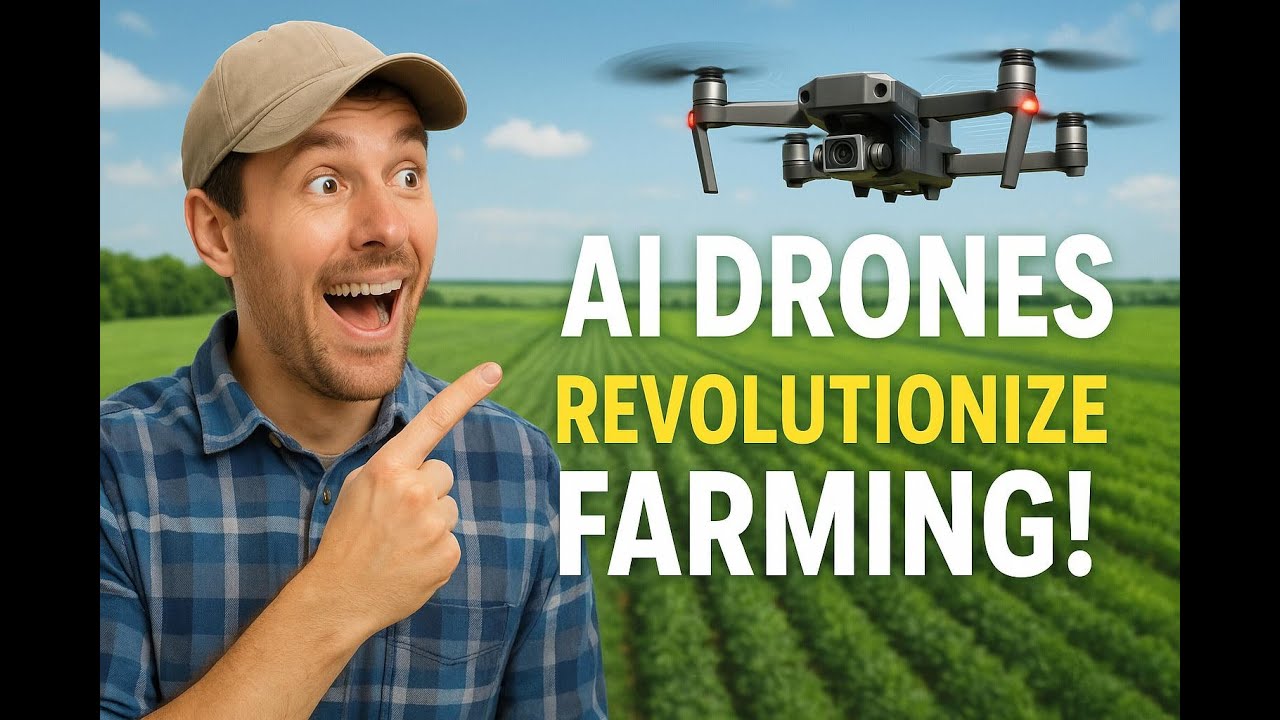
7 Powerful Benefits of Drone Spraying in Agriculture for 2025
Drone spraying in agriculture is making waves in the 2025 farming landscape, offering tangible and transformative benefits. Here are the seven core advantages reshaping modern agriculture:
- Unmatched Precision: Drones equipped with multispectral sensors and advanced GPS deliver accurate chemical application to targeted zones, minimizing unwarranted drift and wastage.
- Low Resource Consumption: Optimized spraying protocols cut down chemical usage by up to 30%. This reduces expenditure for farmers and diminishes the introduction of agrochemicals into the environment.
- Time & Labor Efficiency: Drones require 50–80% less labor compared to traditional methods, eliminating fatigue and human error. They complete applications across hundreds of acres in a small fraction of the time needed by ground crew or tractor-based machinery.
- Crop Health Preservation: Thanks to precision, crops are treated effectively and only as required—preventing overexposure and damage while supporting healthier soils and yield improvement.
- Reduced Environmental Footprint: With delicate dosing and advanced monitoring, drones help prevent chemical runoff into nearby water bodies, curbing soil and water contamination and promoting biodiversity conservation.
- Smart Integration & Data-Driven Management: Drones integrate with IoT, satellite, and AI technologies for real-time analysis and adaptive spraying, creating a foundation for highly connected smart farming systems.
- Stable, Enhanced Profits: With fewer inputs and higher yields, farmers benefit from improved profitability, reduced risk, and access to insurance and loans through satellite-based crop verification solutions.

Farmonaut’s Role: Empowering Precision Agriculture with Satellite Technology
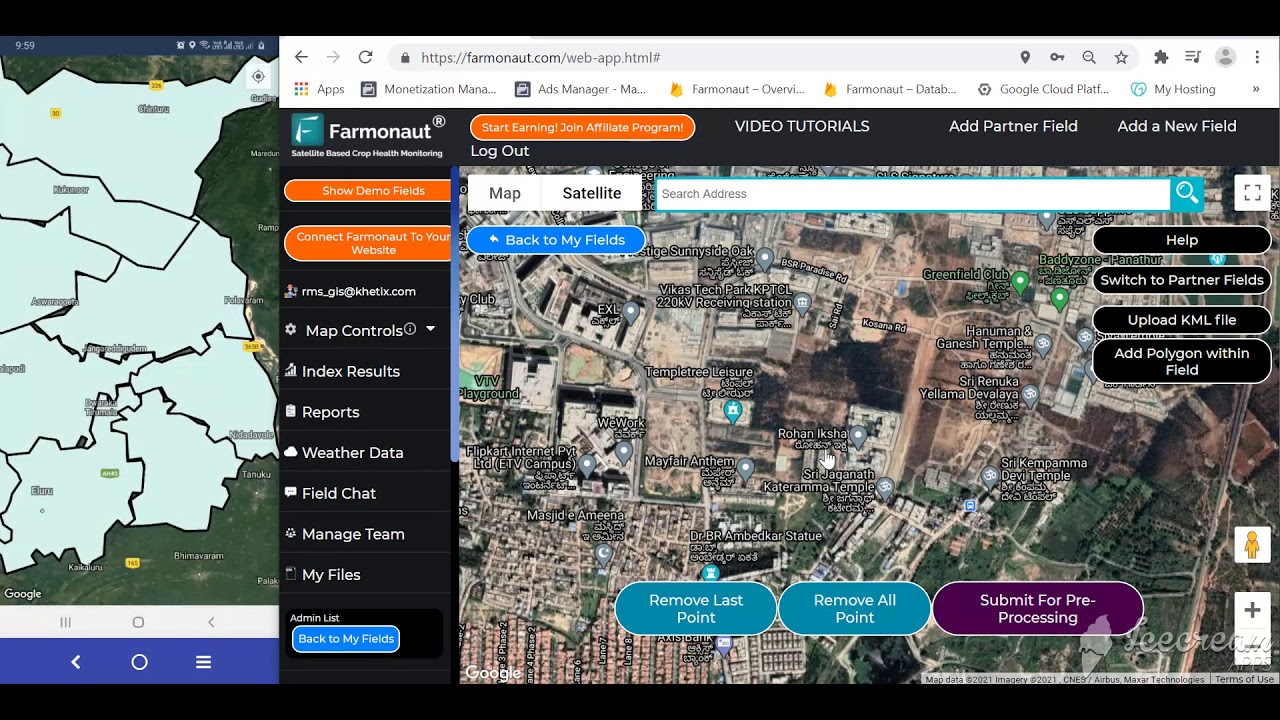
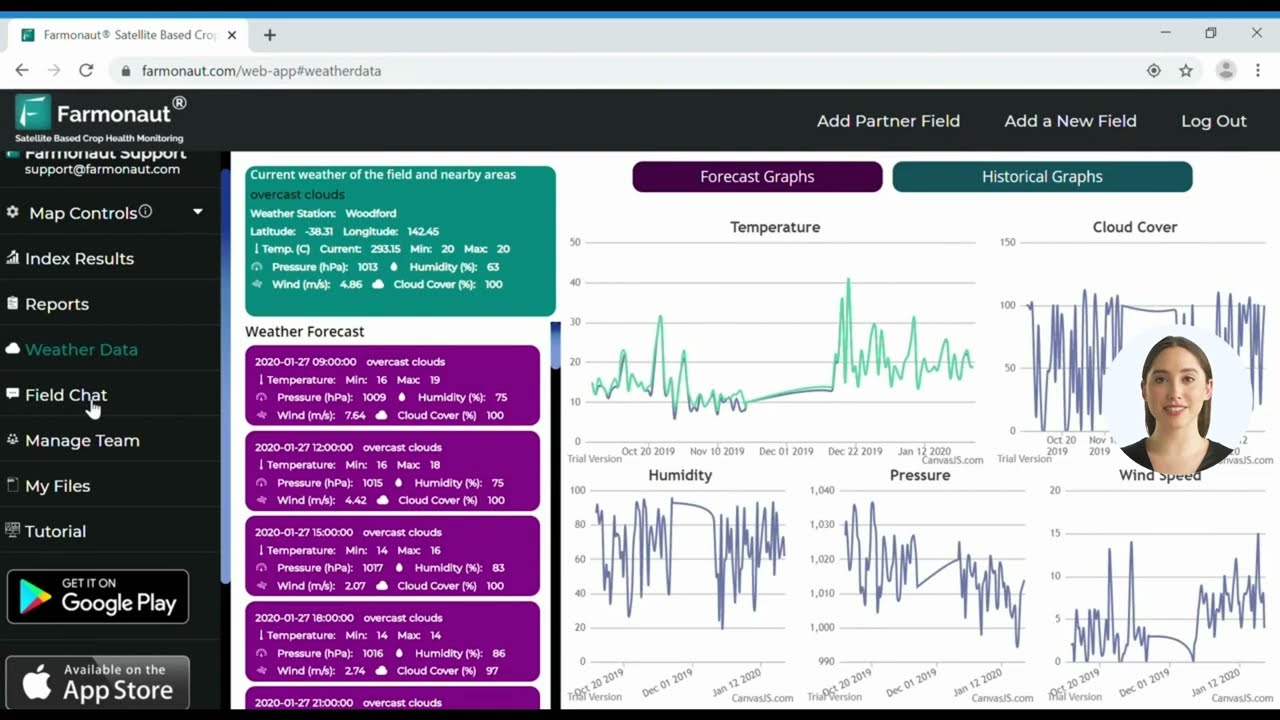
Satellite-driven solutions play a critical part in the seamless integration of drone spraying in agriculture. At Farmonaut, we provide a data-rich platform using multispectral satellite imagery, AI-driven analytics, and blockchain traceability to support smart farming in 2025 and beyond. Here’s how our technology elevates next-generation crop management and spraying:
- Real-Time Crop Monitoring: Our carbon footprinting tools and large scale farm management dashboards offer farmers continuous oversight of vegetation health (NDVI), soil conditions, and resource application status for targeted intervention.
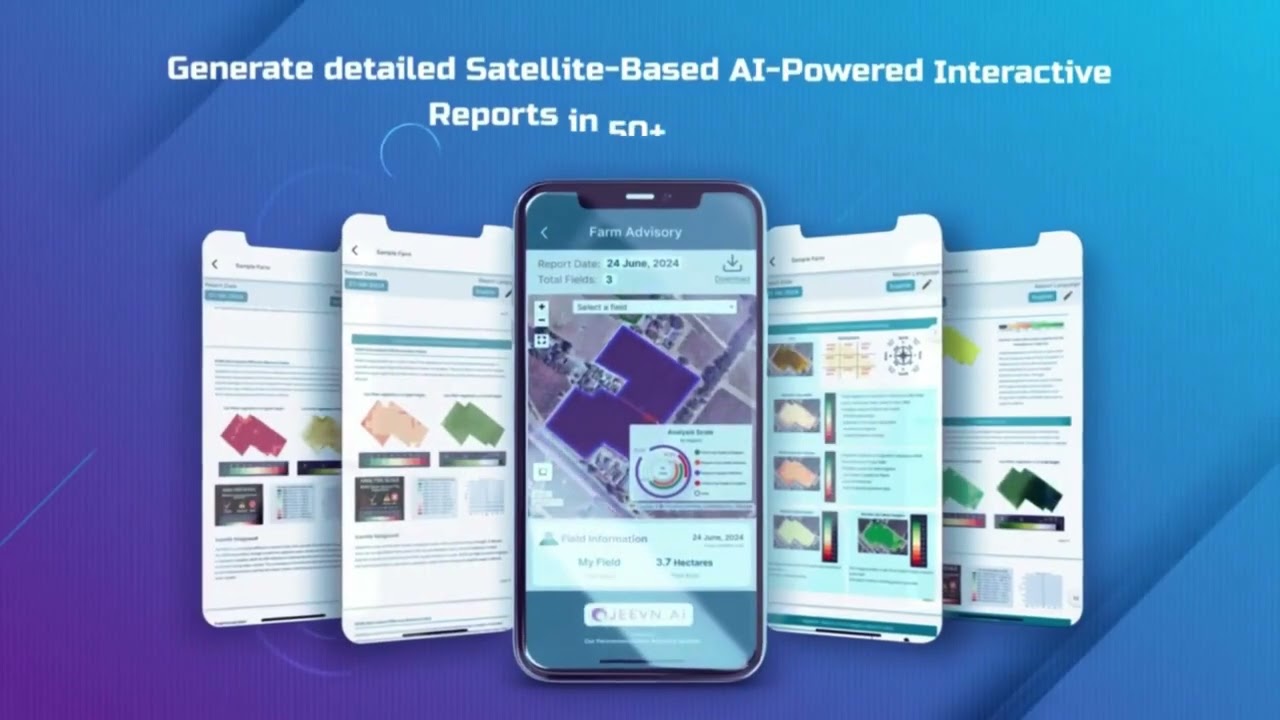
- AI-Driven Advisory: Our Jeevn AI system delivers tailored strategies for timely spraying drone agriculture—from anticipating pest outbreaks to recommending optimal weather windows.
- Blockchain-Based Traceability: Enhancing supply chain trust with solutions like product traceability ensures premium product value for responsible, eco-friendly crops.
We offer flexible access across mobile and web, enabling integration with fleets of drones and other farming technologies. Our APIs (API access | API Developer Docs) let users and businesses embed intelligence from satellite observations into their own platforms—empowering a culture of data-driven decision-making.



We are committed to making advanced satellite and drone technologies accessible and affordable for everyone—from small farmers to large agribusinesses, and government agencies.

Environmental and Economic Benefits of Spraying Drone Agriculture
Modern farming must balance productivity with sustainability. Spraying drone agriculture delivers environmental and economic benefits that traditional methods cannot match:
Environmental Benefits
- Runoff reduction: Targeted application minimizes the excess use of chemicals and curtails runoff into nearby water bodies, protecting aquatic ecosystems and reducing contamination risks.
- Soil health preservation: Less chemical loading strengthens soil structure, encourages healthy microbial communities, and supports biodiversity conservation.
- Emission reduction: Using electric drone fleets, rather than diesel-powered tractors, helps lower carbon footprint—supporting global goals for sustainable agriculture.
Economic Benefits
- Lower costs: Drone spraying reduces labor demands, chemical purchase, and fuel costs for farmers, delivering year-on-year savings after the initial technology investment.
- Yield improvement: Timely, precision spraying prevents crop losses, enhances nutrient effectiveness and can boost overall yields up to 15%.
- Quality enhancement: Crops receive optimal treatment—supporting premium pricing, reduced residue, and export readiness.
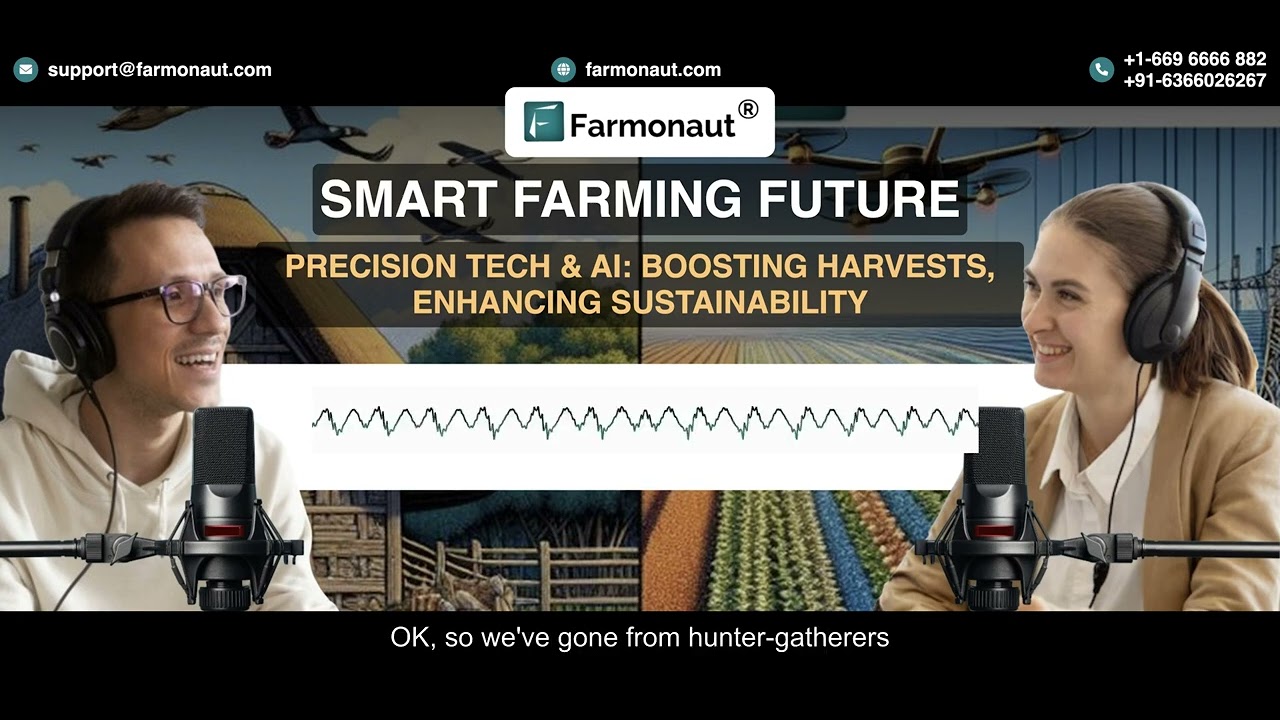
Comparative Benefits Table: Drone Spraying vs. Traditional Spraying
| Benefit | Drone Spraying (Estimated Value 2025) | Traditional Spraying |
|---|---|---|
| Application Speed (hectares/hour) | 15–30 | 1–7 |
| Chemical Usage Reduction (%) | Up to 30% | None |
| Labor Requirement (persons/100 acres) | 1–2 | 8–12 |
| Precision Level (% coverage) | 95–99% | 70–85% |
| Environmental Impact | Low (less emission, less runoff) | High (fuel/emission, excess runoff) |
| Cost Savings (% per application) | 15–25% | None/Negative |
| Crop Yield Improvement (%) | Up to 15% | Baseline |
Integration with Smart Farming & Data-Driven Crop Management
The synergy between drone spraying in agriculture and smart farming technologies is sparking a new era of connected, precision-powered crop management. Here’s how the 2025 landscape looks:
- Field Data Integration: Drones, satellites, and IoT sensors collectively gather real-time data on field conditions, crop health, and weather, improving the efficiency of every spraying operation.
- Predictive Application: Using AI, farms can anticipate pest infestations or nutrient deficiencies—responding before small issues escalate.
- Mobile & Remote Operation: Drones can be controlled via mobile apps, with instant feedback enabling farmers to adjust application rates and timing on the fly.
- Comprehensive Resource Management: Systems like those from Farmonaut (fleet management, forest advisory) help optimize logistics, track fleet status, and maximize equipment utilization.
Such integration not only makes farming more responsive but also reduces wastage, improves application effectiveness, and builds a roadmap for scalable, sustainable food systems worldwide.
Facing the Challenges: Regulation, Training, and Adoption
Despite the clear advantages, transitioning to drone for spraying agriculture is not without hurdles. Understanding these challenges is key to smooth, widespread adoption:
- Regulatory Framework: Regulations on airspace, drone pilot licensing, and chemical application vary by region, creating complexity for farmers.
- Safety and Compliance: Operations must adhere to strict safety standards—protecting adjacent land, humans, livestock, and pollinators from unintended impact.
- Data Privacy: As drones collect vast field data, concerns over data ownership and privacy require robust security protocols.
- Technical Expertise: Training is needed for drone operation, maintenance, and interpreting satellite or IoT data—however, modern apps and AI tools are streamlining this learning curve.
Fortunately, continued investment in technology and clear governmental guidance are paving the way for smoother, global-scale adoption of drone spraying agriculture.
Future Outlook: What’s Next for Drone Spraying in Agriculture?
As drone spraying in agriculture cements itself as the industry standard by 2025, we anticipate even greater innovation:
- Swarm technology: Networks of autonomous drones for synchronized large-field treatment.
- Next-gen chemicals: Agrochemicals designed for optimized drone application—minimizing drift, improving adhesion, and further boosting precision.
- Enhanced connectivity: 5G/6G-driven real-time communication between satellites, drones, and IoT sensors for “always-on” farm oversight.
- Machine learning: Analytics to automatically adapt spraying strategies to changing field conditions, crop varieties, and weather patterns.
- Environmental monitoring: Broader use of drones for carbon measurement, traceability (product traceability solutions), and biodiversity assessment—cementing the role of agriculture as a steward of the planet.
Agriculture’s transformation is only beginning. Embracing drone spraying agriculture means staying ahead of market, regulatory, and environmental demands—while feeding a growing global population efficiently, responsibly, and profitably.
Explore More: Farmonaut apps, APIs & Solutions
To harness the most from drone spraying in agriculture, explore our advanced, satellite-driven tools—trusted by operators, agribusinesses, and public institutions worldwide:
- Farmonaut Web App: For real-time crop monitoring, precision spraying analytics, and tailored management insights.
- Android and iOS Apps: Manage fields, integrate with drone fleets, and access advisory tools directly from your phone.
- Cutting-edge APIs: Embed our satellite & AI-powered insights into your automation infrastructure, or learn more in the developer docs.
- Carbon Footprinting: Monitor and minimize your farm’s environmental impact, aligning practices with global sustainability goals.
- Fleet Management Tools: Optimize drone and machinery logistics to minimize downtime, redundant effort, and operational costs.
- Crop Loan & Insurance: Secure reliable coverage or financing using data-backed crop-proof, enabled by satellite monitoring.
- Large Scale Farm Management: Ensure seamless operational control across vast acreage with integrated planning and reporting dashboards.
- Traceability Solutions: Prove the sustainability and authenticity of your produce—critical for export, compliance, and premium pricing.
FAQ: Your Essential Drone Spraying Questions Answered
What is drone spraying in agriculture?
Drone spraying in agriculture involves using unmanned aerial vehicles (UAVs/drones) equipped with sprayer tanks and nozzles to apply pesticides, herbicides, fertilizers, or other agrochemicals directly to crops. The technology enables precision, speed, and data-driven management not possible with manual or traditional machinery-based methods.
How much can drone spraying reduce chemical usage?
Studies and market data suggest that drone spraying can reduce chemical usage by up to 30% through highly targeted, variable rate application—benefiting both environment and farmers’ finances.
Is drone spraying safe for the environment?
Yes. Drone spraying minimizes runoff and excessive chemical drift, helping protect water bodies, nearby non-target crop areas, and native ecosystems. With fewer emissions and smarter dosing, it supports sustainable agricultural practices.
Do I need any special training to operate a spraying drone?
Basic drone piloting skills, knowledge of safety standards, and understanding of local regulations are often required. However, many modern drones come with user-friendly controls and automated routes that simplify the process considerably.
Are drone spraying platforms compatible with smart farming systems?
Absolutely. Most spraying drones can be integrated with satellite-driven platforms and IoT sensors, enabling seamless, data-driven management of large fields—or entire farming operations—directly from mobile or web applications.
How do drones help in large scale, commercial agriculture?
On large farms, drones turn hundreds of acres into manageable, connected systems—significantly reducing labor, optimizing costs, and boosting yield through unprecedented precision and responsiveness to crop health signals.
Can drones also help with insurance and traceability?
Yes. Solutions like those from Farmonaut tie satellite and drone data to crop insurance and traceability applications, making farm output more creditworthy, insurable, and marketable.
Conclusion: Toward Efficient, Sustainable, and Profitable Agriculture
By 2025 and beyond, drone spraying in agriculture stands at the core of the transition to efficient, sustainable food systems. Drones bring precision, labor and resource savings, environmental protection, and new economic opportunities for farms of all sizes—complemented by real-time data from satellite and AI-driven platforms. The rapid adoption and integration of spraying drone agriculture are transforming every aspect of farming practices—from pest control and nutrient management, to compliance and traceability.
Anyone putting a spray drone to work should also look into insuring farm drones, since cover for damage and liability differs between policies.
There has never been a better time to invest in smart technology, leverage advanced analytics, and embrace the upcoming wave of AgriTech. Explore our web and mobile app, discover how to integrate drones with trusted satellite monitoring, and let’s shape the future of agriculture—together.
Drone spraying agriculture is not just a trend—it’s the future of global, responsible, and profitable farming.
Discussion
Questions, corrections or field experience? Share them below. First-time comments are reviewed before they appear, and your email is never published.
No comments yet. Be the first to add a question or your experience.

 FieldZero
 Indico Company
 Byju’s
 Kubota
 FFBS
FFBS Jontra
 Kalustyan
 Tucor
Tucor Geno
Geno Hayleys Agriculture
 Linx Agritech
 Adinet
 Save Your Soils
 Grandstream Algérie
 Licence holder · Niger · Gold










