

Agriculture Web Applications & AI: 7 Game-Changers for 2025



- Introduction
- Agriculture Web Applications: Backbone of Modern Farming
- AI Agriculture Applications Revolutionizing Farming
- 7 Game-Changers in Agriculture Web Applications & AI for 2025
- Comparative Feature-Impact Table
- The Role of Data Integration & IoT
- Agriculture Web Applications in Forestry & Agroforestry
- Challenges & The Road Ahead
- Affordable, Scalable Agriculture AI with Farmonaut
- FAQ
- Conclusion
Introduction
In recent years, the agriculture sector has witnessed a technological revolution driven by the proliferation of advanced agriculture web applications and AI agriculture applications. As we step into 2025, the integration of web-based platforms and artificial intelligence (AI) is reshaping farming, forestry, and agricultural practices around the world. This pivotal transformation is marked by smarter data integration, automated processes, and precision management, leading to efficient, sustainable, and data-driven agriculture.
Whether it’s real-time crop monitoring, irrigation optimization, or streamlined supply chain management, these applications are the backbone of modern farming. In this comprehensive guide, we’ll explore the seven most game-changing agriculture web applications and AI-powered solutions every stakeholder and farmer should watch for in 2025 and beyond.
Agriculture Web Applications:
The Backbone of Modern Farming
Agriculture web applications are the unsung heroes of today’s efficient farms. Designed to serve as powerful, unified platforms, they connect farmers, agronomists, suppliers, and buyers on a single interface. Cloud-based and accessible via smartphones, computers, and tablets, these applications enable real-time monitoring, decision-making, and seamless collaboration across the agricultural value chain.
For example, a web application for agriculture allows a farmer to upload field data, which—when combined with satellite imagery and IoT sensor data—helps optimize irrigation schedules, fertilization regimes, and pest management. The result? Reduced guesswork, minimized losses, and precision agriculture that conserves resources and increases yields.
Let’s look at what modern agriculture apps encompass in 2025:
- Crop Monitoring: Leveraging real-time satellite data and sensors.
- Pest & Disease Management: Using predictive analytics for early intervention.
- Weather Forecasting: Accessing hyper-local weather patterns to guide decisions.
- Soil Health Analysis: Monitoring moisture, nutrients, and pH using IoT.
- Supply Chain Management: Streamlining logistics, storage, and market access.
- Resource Management: Optimizing water usage, inputs, and labor for efficiency.
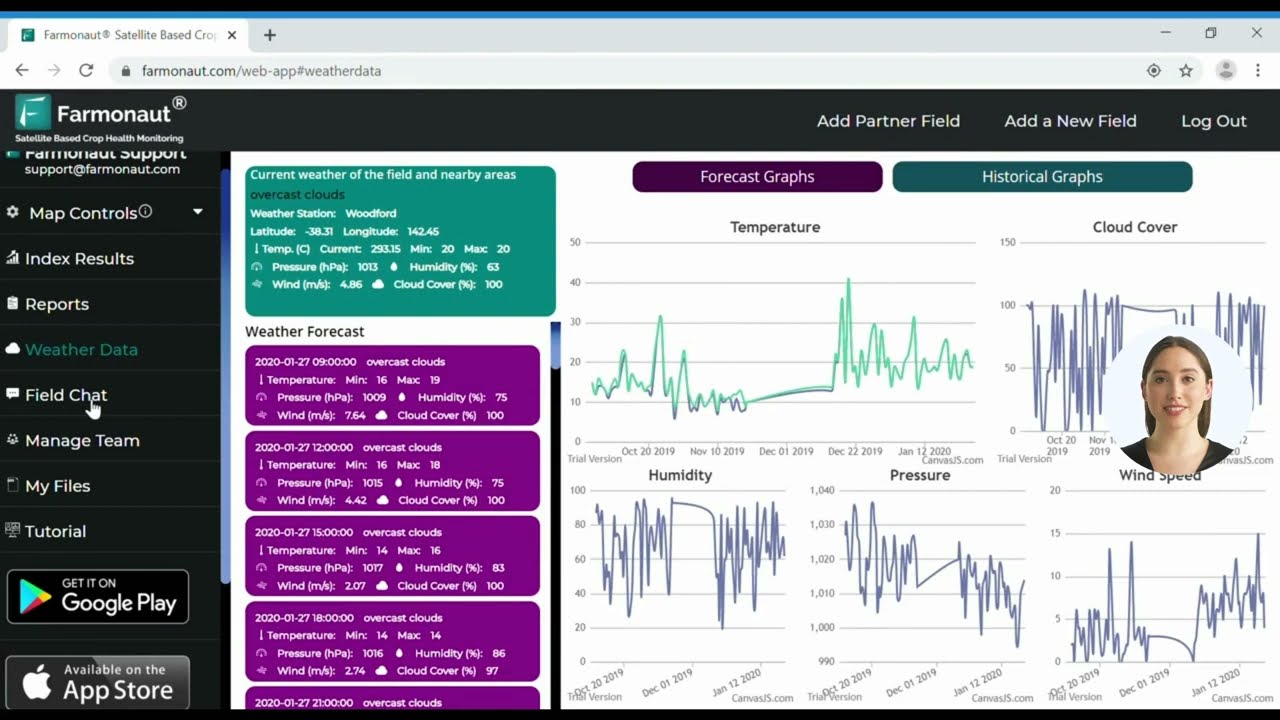
Web-enabled agriculture applications make data easily accessible, encourage knowledge sharing, and guide farmers towards profitable, sustainable choices. In 2025, these platforms are central to transforming traditional farming into a modern, tech-empowered enterprise.
AI Agriculture Applications Revolutionizing Farming
AI agriculture applications are the engines powering digital transformation in the agricultural sector. With the advances in machine learning, computer vision, and data analytics, AI tools can now analyze vast amounts of data streaming in from drones, sensors, and satellites.
Here are the four principal ways that AI applications are redefining farming in 2025:
- Predictive Analytics: Sophisticated AI models predict crop yields, pest outbreaks, and disease risks by analyzing weather patterns, soil health indicators, and crop imagery.
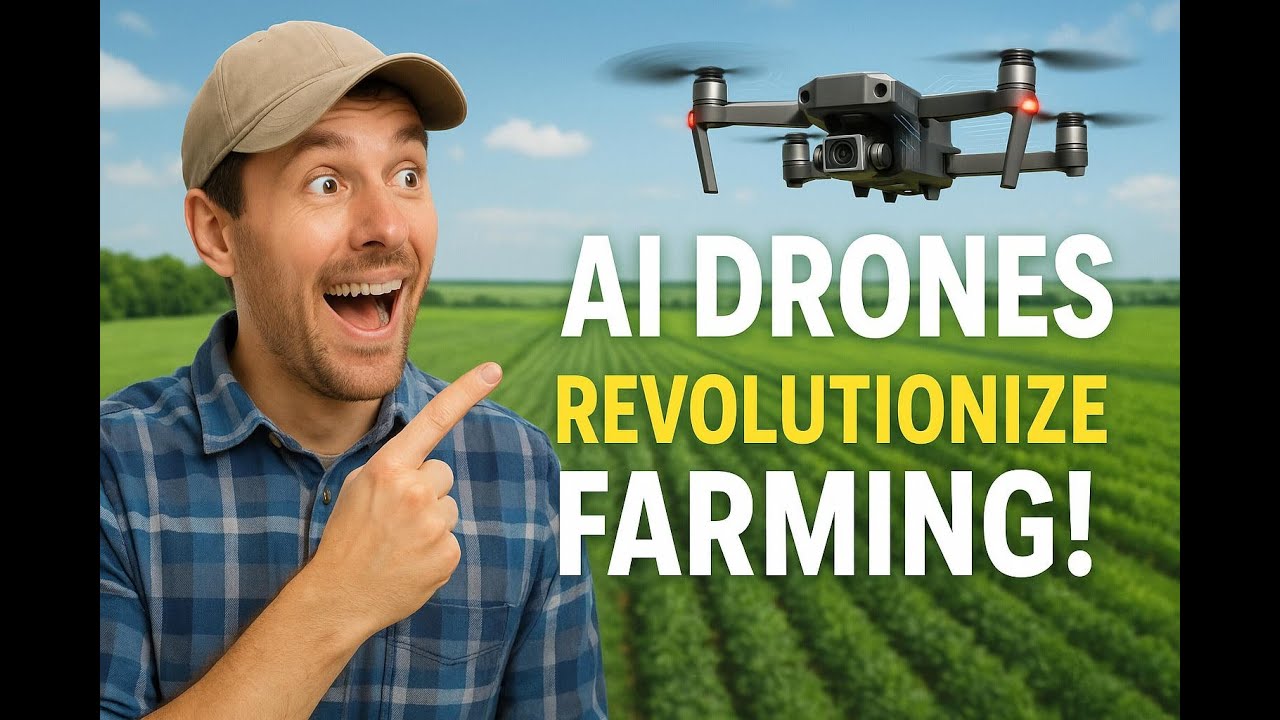
- Automated Crop Monitoring: AI-powered drones and remote sensing technologies scan fields for stress, nutrient deficiencies, and pest infestation, triggering timely advisories for intervention.
- Smart Resource Management: AI agriculture applications optimize inputs like water, fertilizer, and energy using field-level data for maximum efficiency and sustainability.
- Supply Chain Optimization: AI applications manage inventory, logistics, and market forecasting to reduce waste and maximize value for all supply chain stakeholders.
The combination of AI and web applications automates repetitive tasks, frees up labor, and enhances the precision of every farming operation. Such smart, data-driven practices are ushering in a new era of sustainable, resilient agriculture in 2025 and beyond.
7 Game-Changers in Agriculture Web Applications & AI for 2025
1. Next-Gen AI-Driven Crop Health Monitoring
Precision crop management is a necessity, not a luxury, for the global food system. Advanced agriculture web applications with integrated AI allow farmers to:
- Detect early signs of crop disease and stress using remote satellite imagery and AI analytics.
- Monitor real-time vegetation indices like NDVI (Normalized Difference Vegetation Index) for actionable insights.
- Receive field-specific advisories for fertilization, irrigation, and pest control.
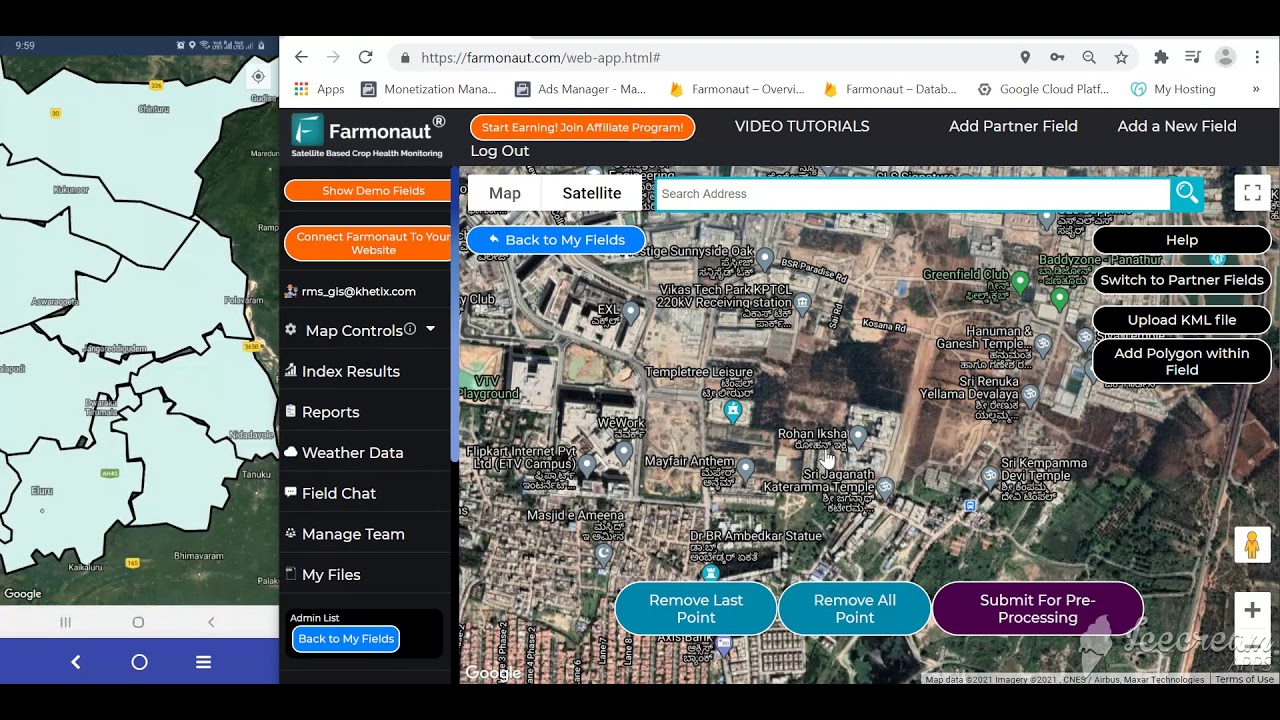
- Example: Farmonaut’s crop monitoring platform (accessible via web & mobile app) leverages advanced satellite imagery and AI to deliver timely, precise crop health updates.

2. AI-Powered Predictive Analytics for Yield & Risk Management
Predictive analytics, fueled by machine learning, empower farmers to:
- Estimate yields before harvest using environmental, crop, and historical data.
- Assess pest and disease outbreaks risks by detecting patterns and anomalies in the data.
- Prioritize interventions by analyzing historical records, weather data, and current visual crop indicators.
This leads to proactive measures, reduced crop losses, and optimized input usage.
3. Intelligent Irrigation and Water Resource Optimization
Water efficiency is mission-critical in drought-prone regions. With IoT sensors feeding real-time field data into AI engines, modern agriculture web applications can:
- Tailor irrigation schedules to actual plant needs based on weather and soil moisture analytics.
- Notify farmers before water stress occurs.
- Reduce over-irrigation and related costs.
Such precision irrigation systems are accessible through platforms like Farmonaut’s web application for agriculture.
4. Supply Chain & Blockchain-Based Product Traceability
Efficient agricultural supply chains are built on trust and transparency. Modern applications incorporate blockchain technology to:
- Track produce from farm to market, recording every transaction on an immutable ledger.
- Promote fair pricing, eliminate fraud, and support food safety regulations.
- Enable brands and buyers to verify the origin and journey of produce.
Explore more on blockchain-based product traceability, now a central pillar for stakeholders in food and textile supply chains.

5. Automated Fleet & Resource Management for Agribusiness
Large modern farms and agribusinesses manage fleets of machines, vehicles, and assets spread over large regions. Next-gen web applications for fleet management now:
- Track and optimize machine use, routes, and field activities.
- Minimize downtime via predictive maintenance analytics.
- Reduce operational costs and maximize equipment ROI.
Learn how these fleet management applications are transforming operations with Farmonaut’s Fleet Management solutions.
6. Satellite-Based Advisory & AI Decision Support Systems
The next frontier in digital farming is AI-powered decision support. Using data from satellites, drones, and sensors, these systems:
- Provide real-time advice for crop selection, disease intervention, and input application.
- Incorporate weather forecasts and market prices for holistic recommendations.
- Customize guidance based on local soil, crop type, and environmental factors.
Farmonaut’s Jeevn AI Advisory System delivers timely, actionable insights for every field (see Jeevn AI in action).
7. Carbon Footprinting & Sustainable Practice Management
Sustainability is non-negotiable for long-term food security. Carbon footprint tracking and sustainability scoring are now core features of leading agriculture web applications, enabling users to:
- Measure farm-level carbon emissions with real-time data.
- Identify opportunities to reduce environmental impact.
- Comply with regulatory frameworks and tap into climate finance.
See how modern agricultural applications integrate carbon footprinting to support sustainable practices, with technologies like Farmonaut’s Carbon Footprinting tool gaining rapid adoption across regions.
Comparative Feature-Impact Table
(Agriculture Web Applications & AI Agriculture Applications 2025)
| Application Name | Core Technology | Primary Use Case | Est. Efficiency Improvement (%) | Potential Cost Savings (USD/acre) | 2025 Adoption Rate (%) |
|---|---|---|---|---|---|
| 1. AI Crop Health Monitoring | AI, Satellite Imaging, IoT | Real-time crop & soil health analysis | 30-45% | $50–$145 | 65% |
| 2. Predictive Analytics Suite | Machine Learning, Big Data | Yield/risks forecasting, pest/disease prediction | 28-35% | $35–$80 | 55% |
| 3. Smart Irrigation Management | IoT, AI | Intelligent water scheduling & conservation | 38-50% | $45–$110 | 58% |
| 4. Blockchain Traceability Platform | Blockchain, Web, AI | Transparent supply chain, fraud prevention | 15-22% | $12–$38 | 30% |
| 5. AI Fleet Management Tools | AI, GPS, IoT | Asset tracking, utilization optimization | 26-41% | $33–$90 | 40% |
| 6. Satellite Advisory Decision Systems | AI, Satellite, Web API | Personalized farm management advisories | 36-50% | $52–$135 | 53% |
| 7. Carbon Footprinting Suite | AI, Remote Sensing | Farm emission monitoring, compliance | 12-18% | $16–$49 | 25% |
The Role of Data Integration & IoT in Agriculture Web Applications
Seamless data integration is the foundation of precision farming. Smart IoT sensors, deployed across fields, continually collect metrics such as soil moisture, canopy temperature, and crop growth curves.
This data streams to web applications in real time, where AI algorithms convert gigabytes of information into concise, actionable advisories. The biggest impacts in 2025 include:
- Automated Decision Support: Systems synthesize sensor, satellite, and weather data to deliver plant-specific tasks directly to farmer dashboards and mobile phones.
- Scalability: One central cloud platform can monitor dozens or hundreds of fields, regardless of farm size or location.
- Collaboration: Unified apps foster real-time collaboration between agronomists, suppliers, buyers, and farmers, breaking silos.
- Example: Farmonaut provides an API (access here, dev docs) for real-time integration of satellite farm data, serving agritech developers and agri-businesses globally.
This interconnectedness is the key driver of scalable, affordable, and precision-driven farming in 2025.
Agriculture Web Applications in Forestry & Agroforestry
Forestry and agriculture are increasingly entwined as we strive for sustainable, climate-smart landscapes. Web applications designed for forestry management now:
- Monitor forest health, fires, and illegal logging using AI-powered satellite data.
- Support reforestation and agroforestry projects with digital mapping and advisory tools.
- Track biodiversity metrics, carbon sequestration, and land-use changes—all on a unified data platform.
- Model future growth and environmental risk scenarios for forestry-policy planning.
The integration of forestry and agriculture applications leads to highly productive, resilient systems. Explore how these practices support both large-scale farm management and environmental goals via solutions like Farmonaut’s Large Scale Farm Management App.
Challenges & The Road Ahead for Agriculture Web & AI Applications (2025+)
- Digital Literacy Gaps: Many farmers, especially in rural regions, may lack the training or comfort with digital applications and web platforms. Comprehensive outreach and multilingual interfaces are crucial.
- Internet Connectivity: Remote area access to reliable, high-speed internet is still a barrier. Satellite connectivity and offline-first apps are helping bridge this gap.
- Data Security & Privacy: Farmer and field data is sensitive—robust cybersecurity, privacy standards, and user education must be prioritized in every modern web application for agriculture.
- Interoperability: Fragmented agri-tech tools create inefficiencies. 2025 innovations are focusing on more open API standards and platform integration.
- Cost-Effective Scaling: While technologies are more affordable, scaling solutions globally for smallholders requires innovative business models.
The road ahead includes integrating blockchain for traceability, augmented reality for on-field support, and further automation—including fully autonomous farm machinery.
Web and AI agriculture applications will also increasingly help institutions access satellite-based crop loan and insurance, putting risk management and financing within reach of more farmers.
Affordable, Scalable Agriculture AI with Farmonaut
At Farmonaut, our mission is to make precision agriculture affordable and accessible worldwide. By combining satellite imagery, artificial intelligence, and blockchain, we provide a range of tools for every size farm and agribusiness.
- Real-Time Crop Health Monitoring: Multispectral imaging, vegetation indices (NDVI, NDRE, EVI), and actionable advisories for field management—all available on web, Android, and iOS (launch here).
- Personalized AI Farm Advisory: Our Jeevn AI system analyzes satellite, sensor, and weather data to deliver individualized recommendations for every field, helping maximize yields while optimizing irrigation, fertilizer, and pest management.
- Blockchain-Based Traceability: For agribusiness and corporates, we deliver robust traceability solutions powering transparency in supply chains.
- Carbon Footprinting: Our carbon tracking helps agribusinesses and government agencies monitor, manage, and reduce their environmental impacts.
- Fleet and Large-Scale Farm Management: Planet-scale analytics and resource tracking for efficient, cost-effective operations (see large-scale solutions).
- API for Developers: Farmonaut API and Developer Docs allow seamless data integration for agri-tech platforms worldwide.
We serve individual farmers, agri-businesses, governments, financial institutions, and NGOs, providing scalable, cost-effective, and timely solutions for precision digital farming in 2025 and beyond.
Access Farmonaut via web app,
Android, and
iOS.
For a future-ready farm, explore our flexible, scalable pricing plans below:
FAQ: Modern Agriculture Web & AI Applications (2025)
Conclusion: Why Web Applications & AI Will Define Agriculture in 2025+
In 2025, agriculture web applications and AI agriculture applications are not supplementary tools—they are integral components of modern farming and forestry. These platforms empower stakeholders with precise, timely information and automated decision-support mechanisms. They drive sustainable agriculture, optimize yield, reduce resource waste, and create traceable, trusted supply chains.
As we look ahead, the future of farming lies in embracing these technologies. Feeding a growing global population, combating climate change, and supporting rural economies requires efficient, scalable, and sustainable solutions—and that’s what agriculture web and AI applications are delivering.
If you’re ready to take the next step towards digital, climate-smart agriculture, explore Farmonaut’s solutions today.

 AgriSavant
 Kubota
 FFBS
FFBS Jontra
 Kalustyan
 Tucor
Tucor Geno
Geno Hayleys Agriculture
 Linx Agritech
 Adinet
 Save Your Soils
 Grandstream Algérie
 XOS Realty
 Geospatial Lab Africa
