

AI-Enabled Field Data Collection for Agriculture Data: Revolutionizing Farming Precision, Sustainability, and Efficiency in 2025 and Beyond
“AI-powered field data collection increased crop yield predictions by 30% in pilot studies conducted during 2024.”
Table of Contents
- Introduction: Global Challenges and the Call for Advanced Agriculture Data Collection
- The Evolution of Field Data Collection in Agriculture
- The Promise of AI-Enabled Field Data Collection
- Integrating AI, IoT, and Drones in the Agricultural Field
- Enhancing Precision and Sustainability: How AI Collects and Processes Agriculture Data
- Comparative Impact Table: Traditional vs. AI-Enabled Field Data Collection
- Farmonaut: Empowering the Future of Agriculture Data Collection
- From Raw Data to Action: Decision Support and Real-Time Advisory
- Democratizing Smart Farming: Access for Smallholders and Emerging Economies
- A Vision for 2026 and Beyond: Robotics, Edge AI, and Continued Innovation
- Challenges in AI-Enabled Field Data Collection
- Conclusion: Toward a Sustainable and Food-Secure Future
- Farmonaut Subscription Plans
- Frequently Asked Questions (FAQ)
Introduction: Global Challenges and the Call for Advanced Agriculture Data Collection
In the face of rising global food demand, climate change pressures, and increasingly scarce natural resources, agriculture is at a pivotal crossroads. As we step into 2025 and look forward to 2026 and beyond, the role of ai-enabled field data collection has become paramount for addressing the necessity for higher yields, sustainability, and efficient farm operations. The stakes have never been higher—the expectation is not just to produce more food, but to do so efficiently while minimizing environmental footprint.
Agriculture data collection in the 21st century is undergoing a profound transformation. Where once we relied solely on manual observations and rudimentary sampling, today’s farming integrates advanced technologies like artificial intelligence (AI), the internet of things (IoT), drones, and satellite systems to gather and analyze expansive agricultural field data.
This blog will explore how these technologies—individually and collectively—are transforming agriculture, enhancing precision, increasing efficiency, and promoting sustainability. We’ll also highlight the pivotal role of platforms and solutions, such as those provided by Farmonaut, which are delivering cutting-edge ai-enabled field data collection capabilities and empowering the agriculture sector on a global scale.
“By 2025, 65% of precision agriculture solutions will integrate AI-driven field data collection methods.”
The Evolution of Field Data Collection in Agriculture
Traditional Approaches: From Manual to Limited Digital Monitoring
Traditionally, agricultural data collection involved a mix of manual observations, periodic sampling, and limited satellite imaging. Farmers or agronomists would physically visit farm plots, assess crop health, measure soil moisture, note pests, and record this data in ledgers or spreadsheets. Despite dedication and expertise, these techniques often suffered from:
- Limited accuracy and precision: Human error, sampling variability, and time lags between observations reduce overall data accuracy.
- Slow response times: Scheduling regular data collection on large fields limits reaction speed to emerging challenges like pest outbreaks or droughts.
- High labor costs: Manual collection is labor- and time-intensive.
- Lack of holistic insight: Periodic and fragmented data make it difficult to identify patterns or optimize inputs across the entire field.
- Inconsistent data quality: Human observations interpret data subjectively, causing inconsistencies over time or between observers.
While basic technological enhancements—such as weather stations or basic GPS—offered small improvements, the leap to continuous, real-time agricultural field data acquisition required disruptive technological advancement.
The Rise of AI, IoT, and the Data-Driven Revolution
Enter ai-enabled field data collection. By deploying networks of intelligently connected IoT sensors, high-resolution drones, satellites, and machine learning algorithms, the agricultural sector is overcoming historical limitations. These advances create a new paradigm:
- Real-time, continuous monitoring replaces sporadic, manual sampling.
- Data precision and accuracy surge, giving farmers better insight into their plots.
- Actionable decision support is possible, thanks to predictive analytics and integrated advisory platforms.
As we explore these developments further, it becomes clear that ai-enabled field data collection does not just improve one aspect of agriculture—it is fundamentally revolutionizing farming operations and resource management.

Watch: Farmonaut Web System Tutorial – Monitor Crops via Satellite & AI
The Promise of AI-Enabled Field Data Collection
Key Advantages Driving the Shift
At the heart of the agriculture data collection revolution is the unmatched ability of AI-powered systems to collect, process, and interpret vast, heterogeneous data from multiple sources. The fundamental advantages of ai-enabled field data collection include:
- High-resolution and multi-sensor coverage: Drones, satellites, and IoT devices capture plant health, soil moisture, humidity, temperature, nutrient content, and pest activity continuously and with unprecedented granularity.
- Speed and scalability: Automated systems cover more acres per day than manual methods, updating real-time records accessible from anywhere.
- Precision and anticipation: Machine learning models detect subtle, early signs of disease, nutrient deficiency, or stress—long before visible symptoms emerge to the naked eye—allowing for proactive and targeted interventions.
- Efficient resource management: Insights on optimal irrigation schedules, fertilization doses, and pest control measures ensure inputs are applied exactly where necessary, reducing overuse of resources and lowering production costs.
- Environmental sustainability: By monitoring environmental impact, such as carbon footprint or runoff, AI-driven solutions support sustainable agricultural practices crucial for long-term food system health.
- Traceability and transparency: Integrated blockchain technology, as utilized by platforms like Farmonaut, adds traceability for compliance and end-to-end value chain credibility.
These advances are the foundation of precision agriculture in 2025 and beyond, empowering both corporate farms and smallholders to harness the most advanced technology for maximizing productivity.
Integrating AI, IoT, and Drones in the Agricultural Field
How Do These Technologies Interact?
The seamless synergy between AI, IoT, and drones delivers game-changing capabilities for agriculture data collection:
-
IoT Sensors: Deployed across farm plots, these embedded sensors record live data on
- Soil pH, moisture, and nutrient content
- Temperature and humidity
- Crop health metrics, pest activity, and disease markers
These connected devices allow continuous monitoring—making field conditions visible in real time.
-
Drones: Modern drones equipped with multispectral and hyperspectral cameras capture aerial imagery at high frequency and resolution, supporting
- Growth stage identification
- Detection of plant vigor stress and subtle changes
- Early discovery of pest infestation or disease, often invisible to the naked eye
- Satellite Imaging: Solutions like Farmonaut employ multispectral satellite imagery to deliver regular, wide-area coverage, tracking vegetation indices (NDVI), field variability, and macro-scale climate patterns.
- Machine Learning & AI Algorithms: These advanced models analyze multidimensional and heterogeneous datasets gathered from all above sources. They generate actionable insights—from optimal planting schedules to real-time irrigation adjustments—for both day-to-day management and long-term planning.

Watch: JEEVN AI – Smart Farming with Satellite & AI Insights
Benefits for Field, Farmers, and the Agriculture Chain
- Boosted Productivity: AI-driven insights directly enhance yields by targeting issues before they escalate.
- Minimized Environmental Impact: Tailored input usage (fertilizers, water, pesticides) reduces waste and pollution, supporting sustainability.
- Enhanced Traceability & Compliance: Blockchain integration, as provided by Farmonaut, ensures transparent supply chain monitoring. Discover more about blockchain-based traceability solutions and their benefits for food safety and authenticity.
- Optimized Operations: Real-time monitoring allows rapid responses to evolving field conditions and supports efficient farming operations.
Integration of these technologies not only brings advanced field data collection to the forefront—it empowers farmers, agronomists, and enterprises to practice truly intelligent agriculture in 2025 and the years ahead.



Enhancing Precision and Sustainability: How AI Collects and Processes Agriculture Data
Precision Agriculture: A New Management Strategy
The shift to ai-enabled field data collection facilitates the practice of precision agriculture—a management strategy that applies agricultural inputs variably, in response to data-driven evidence about field variability. Let’s break down how this impacts farming, sustainability, and resource optimization:
-
Variable-rate input application: Machine learning algorithms use multispectral and hyperspectral imagery to map within-field differences—delivering precise recommendations for:
- Fertilization (doses, timing, location)
- Irrigation (when and how much to water)
- Pest control (where to treat, which methods minimize pesticide overuse and environmental impact)
- Climate-adaptive planning: AI integrates external datasets—such as weather forecasts and climate projections—to advise farmers on optimal planting schedules or when to adjust crop selection in anticipation of drought, heavy rainfall, or extreme events.
- Environmental monitoring and compliance: Tools like Farmonaut’s carbon footprinting solution (carbon footprint monitoring for agriculture) help farmers minimize emissions and ensure compliance with sustainability mandates—enabling greener farming practices.
- Resource and fleet optimization: With ai-enabled field data collection, operators manage fleets and resource allocation more efficiently via satellite-driven interfaces and analytics. Learn about fleet management for agriculture.
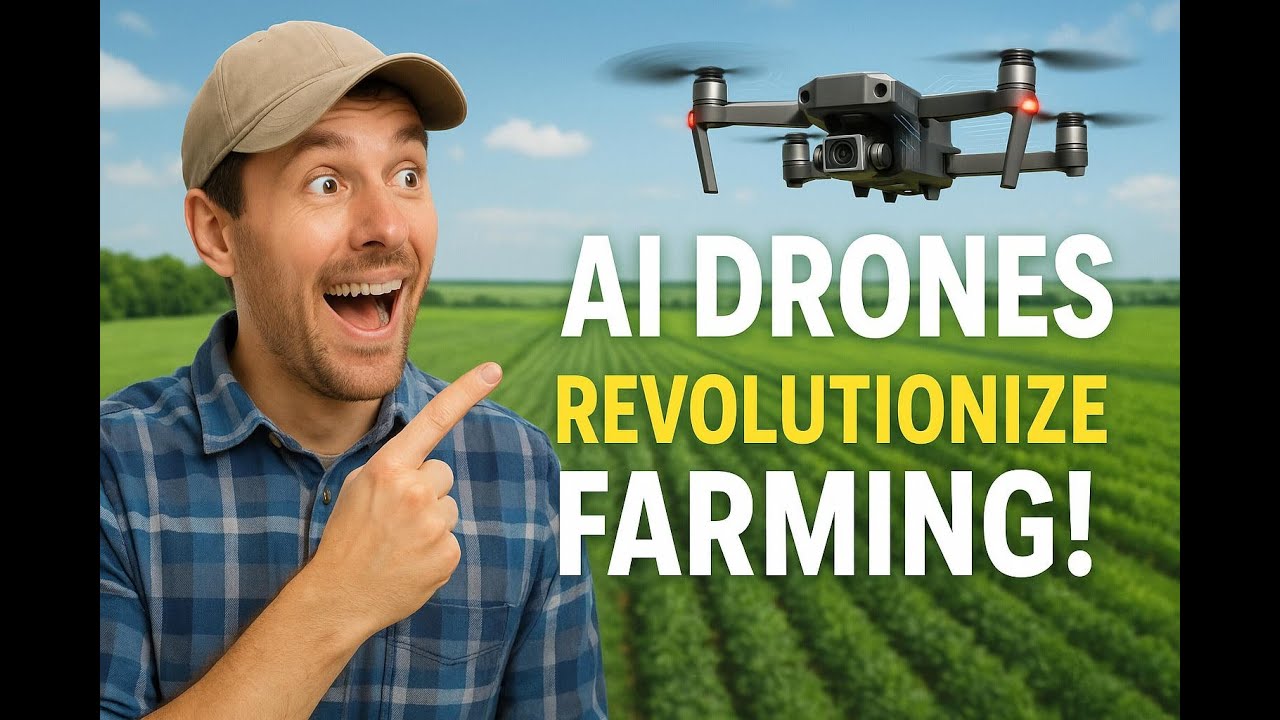
Watch: How AI Drones Are Saving Farms & Millions in 2025
Precision in Action: From Observations to Insightful Interventions
By employing multisource field data collection, AI platforms generate real-time, actionable insights on:
- Emerging pest or disease outbreaks—detected days ahead, limiting costly crop loss.
- Early signs of water stress—identified before irreversible plant damage.
- Yield variability across plots—enabling targeted management for underperforming zones.
- Sustainability metrics—whether carbon emissions or organic practices can be optimized further.
These insights empower more informed and agile decision-making, helping both large-scale enterprises and smallholders operate efficiently, profitably, and sustainably.

Watch: Satellite Soil Moisture Monitoring 2025 – AI Remote-Sensing
Comparative Impact Table: Traditional vs. AI-Enabled Field Data Collection
| Feature / Aspect | Traditional Methods | AI-Enabled Methods | % Improvement |
|---|---|---|---|
| Data Accuracy (%) | 75% | 95% | +27% |
| Data Collection Speed (Fields/Day) | 2 | 10 | +400% |
| Operational Cost Reduction (Est. %) | N/A | 30% | — |
| Sustainability Impact | Resource-intensive; risk of overuse | Optimized input use; lower emissions | Significant |
| Crop Yield Increase (Est. %) | 0% | 10% | +10% |
*Figures represent industry-wide trends and are indicative of broad-scale improvements observed with AI-enabled agriculture data collection systems in 2025 and beyond.
Farmonaut: Empowering the Future of Agriculture Data Collection
About Farmonaut’s Satellite-Based Solutions
As a leading satellite technology innovator, Farmonaut empowers the global agriculture sector with accessible, affordable, and advanced field data collection tools for farming, crop monitoring, and sustainability management. Our expertise lies in integrating:
- Satellite-Based Monitoring – Using multispectral imagery for continuous crop health, soil condition, and field variability assessment, helping farmers and businesses make data-driven decisions.
- AI-Driven Advisory (Jeevn AI) – Delivering real-time, field-specific advice on weather, irrigation, nutrient management, pest/disease threat, and more. Discover how Jeevn AI is equipping agriculture with smart decision tools by watching the Jeevn AI demo video above.
- Blockchain Traceability – Secure, transparent supply chain tracking, ensuring food authenticity and compliance for stakeholders worldwide.
- Resource & Fleet Management – Satellite-driven logistics and asset tracking for agricultural enterprises. Read more about our Fleet Management solutions.
- Environmental Impact Monitoring – Live carbon/emissions tracking, driving compliance with regulations and supporting greener farming. See our Carbon Footprinting product page for detailed benefits.
Through our Android, iOS, and web applications, as well as powerful APIs (Farmonaut API and API developer documentation), we make ai-enabled field data collection accessible globally—all with scalable, subscription-based pricing.
Watch: The Future of Farming – Satellites, AI, and Geotagging
Our value proposition includes affordability, scalability, and neutrality—bridging the digital divide by offering advanced technologies without the need for expensive on-ground hardware.
- For individual smallholders: Real-time field insights through mobile, web, and satellite apps accelerate adoption of precision management.
- For large-scale farms, supply chain managers, and enterprises: Wide-area monitoring, blockchain-enabled traceability, and scalable data-driven solutions empower advanced operations and market compliance.
- For governments and financial institutions: Verification for crop loans and insurance (Crop Loan and Insurance solutions)—increasing access to financing, reducing fraud, and supporting robust food systems.
Watch: Farmonaut® Satellite Based Crop Health Monitoring
Our mission is to democratize access to intelligent field data collection, bringing groundbreaking advantages once exclusive to industrial farms into the hands of every farmer, business, and government.
From Raw Data to Action: Decision Support and Real-Time Advisory
Continuous Data Collection to Actionable Insights
Sophisticated ai-enabled field data collection systems excel in transforming multidimensional, continuous monitoring into decision-ready analytics:
- Data fusion: By combining IoT sensor feeds, drone imagery, and satellite data with weather, soil, and crop distribution records, AI models offer a holistic, multidimensional view of the agricultural field.
- Predictive analytics: Advanced machine learning algorithms can forecast not only pest, disease, and climate risks, but also variations in yield, resource requirements, and market trends weeks in advance (see our satellite-based crop health monitoring in action above).
- Advisory to action: AI-driven platforms like Farmonaut’s Jeevn AI translate predictions into easy-to-understand, field-level recommendations—from spraying schedules to soil amendments.
- Transparency and reporting: Reports are accessible via mobile apps, APIs, or the web, enabling instant sharing with farm managers, agronomists, and supply chain stakeholders.
This data-driven approach directly augments productivity, lowers costs, and enhances transparency throughout the food value chain.
Watch: Smart Crop Solutions – AI-Powered Field Scouting
Smart Apps, APIs, and Integration Possibilities
Modern agriculture software platforms, including those by Farmonaut, offer a modular approach:
- API integration: Developers can directly embed satellite and field data insights into management systems, enhancing third-party analytics and custom dashboards. See the detailed documentation at Farmonaut Satellite Weather API Developer Docs.
- Mobile/web accessibility: Data-driven insights and advisories can be accessed by users in any geography, supporting both centralized and distributed agriculture models.
Whether for large-scale farm management (Agro Admin App) or for
crop plantation and forest advisory (see our crop plantation solutions), these digital tools are making ai-enabled field data collection actionable at every stage of the production cycle.
Watch: Smart Farming Future – Precision Tech & AI
Democratizing Smart Farming: Access for Smallholders and Emerging Economies
While industrial farming operations are early and enthusiastic adopters of ai-enabled field data collection, the real transformative potential lies in democratizing these capabilities for smallholder farmers in developing and emerging economies. Here’s how this democratization unfolds:
- Low-cost sensor kits: Affordable IoT hardware and remote-sensing apps make high-frequency monitoring accessible regardless of farm size or location.
- Mobile-first advisory: Intuitive, real-time insights—delivered via smartphones—ensure rapid farmer decision-making, even in resource-constrained settings.
- Risk reduction and food security: Early warning on drought, pest, or flood risk protects yields, providing income and food safety net for vulnerable communities.
- Access to finance: Satellite-verified records enable easier, fairer access to agriculture loans and insurance, crucial for rural development. Learn about our Crop Loan and Insurance product.
- Uplifting local data ecosystems: As more datasets reflecting local soil types, climate, and crop varieties are generated, AI models will be further refined for the needs of every region and economy.
In this sense, ai-enabled field data collection is a true equalizer—empowering both developed and emerging markets to achieve greater productivity, stability, and food security.
A Vision for 2026 and Beyond: Robotics, Edge AI, and Continued Innovation
Emerging Trends: Autonomy, Edge Computing, Swarm Intelligence
The next phase of digital agriculture will see further automation and intelligence, with:
- Autonomous ground vehicles and drones: Compact, self-driving ground robots and drone swarms equipped with AI vision will soon perform continuous surveys and execute interventions (planting, weeding, and harvest) based on live field analytics.
- Edge computing: Data will increasingly be processed at the “edge”—meaning on-device, reducing response times, saving bandwidth, and enabling scalable field operations in remote areas without requiring constant cloud connectivity.
- Advanced simulation and modeling: Real-time field models integrating satellite and in-ground sensor data will let farmers virtually simulate crop, soil, and climate scenarios before taking costly action.
- 5G and hyperconnectivity: The widespread availability of low-latency broadband will make it possible to connect even more devices and transfer more robust high-frequency data, supporting the next generation of precision management.
In short, ai-enabled field data collection will become more intelligent, autonomous, and responsive, driving unprecedented gains in yield, efficiency, and environmental stewardship.
Challenges in AI-Enabled Field Data Collection
The transition to a fully digital, ai-enabled agricultural field does not come without hurdles. Key challenges to broad and equitable adoption include:
- Data privacy and security: Protecting sensitive agricultural data and farmer identities is paramount as digital records become integral to value chains.
- Cost barriers: Although leading platforms like Farmonaut have made remote-sensing more affordable, initial infrastructure outlays may still be a barrier for some smallholders.
- Training and support: Equipping farmers with the digital literacy to interpret and utilize AI-driven insights is critical for technology to translate into real-world impact.
- Quality of local datasets: For AI models to perform optimally, diverse, high-quality data across climates, soil types, and crop varieties must be collected and made available.
Overcoming these challenges will require collaboration among technology providers, governments, and the agricultural community. Continuous investment in inclusive, interoperable platforms and stakeholder education will be key to unleashing the full power of ai-enabled field data collection through 2026 and beyond.
Conclusion: Toward a Sustainable and Food-Secure Future
As we move into 2026 and further, ai-enabled field data collection is at the forefront of agricultural innovation, shaping a future where precision, productivity, and sustainability are symbiotic goals. Platforms like Farmonaut are making it possible for everyone—from the world’s largest agribusinesses to family farmers in emerging economies—to leverage the latest in AI, IoT, drone, and satellite technologies for smarter, more sustainable agriculture.
By continuously monitoring and intelligently managing our agricultural resources, we not only maximize yields and reduce resource waste but also minimize environmental impact and enhance the resilience of global food systems. The power of ai-enabled field data collection is revolutionizing farms—large and small—by transforming data into actionable intelligence, enabling well-informed decision-making at every level of the agriculture value chain.
As global demand rises amidst climate change and resource constraints, the imperative for advanced, precise, and accessible technologies is greater than ever. In this evolving landscape, data is not just a resource—it’s a catalyst for a more efficient, transparent, and food-secure future.
Farmonaut Subscription Plans
Experience the future of ai-enabled field data collection with scalable, affordable plans built for smallholders, enterprises, and entire institutions. Explore our subscription model below:
Access satellite-driven data, AI-powered advisories, blockchain-based traceability, and environmental monitoring—choose the plan that fits your agricultural ambitions.
Frequently Asked Questions (FAQ) on AI-Enabled Field Data Collection for Agriculture
What is AI-enabled field data collection and how does it work?
AI-enabled field data collection uses a combination of IoT sensors, drones, satellite imaging, and machine learning algorithms to capture and analyze real-time data on crop health, soil moisture, nutrition, and more. This transforms raw field data into actionable insights and recommendations, allowing for precise and efficient agricultural management.
How can ai-enabled field data collection help small farmers?
By making high-resolution monitoring affordable and accessible via mobile and web apps, small farmers can receive recommendations on fertilization, irrigation, and pest management, dramatically improving productivity while lowering costs and resource use.
What types of data do these systems collect in the agricultural field?
Data types include soil pH, moisture, temperature, humidity, crop canopy health (via NDVI/other vegetation indices), pest and disease occurrence, and climatic variables. Integrating and analyzing these datasets enables advanced predictive modeling for optimal farming operations.
Is AI-enabled agriculture data collection only for large commercial farms?
No. Platforms like Farmonaut are designed for scalability—serving individual smallholders and large agribusinesses alike through flexible tools, mobile applications, APIs, and customizable solutions.
How does Farmonaut differ from traditional agriculture data platforms?
Farmonaut uniquely blends affordable satellite monitoring, AI advisories, blockchain for traceability, and resource management—all accessible via mobile/web apps and developer-friendly APIs. We focus on democratizing agriculture intelligence for users of any scale.
Are there environmental benefits to ai-enabled field data collection?
Absolutely. Precision input application minimizes fertilizer and water overuse, while real-time environmental tracking helps reduce emissions and supports compliance with global sustainability efforts.
Where can I learn more about Farmonaut’s advanced solutions?
Explore the following resources for detailed overviews of our products and benefits:

 Gator Blueberries
 Liquify Digital
 Ascentya
 CU Foods
 BeyondTech Global
 Rouge VC
 AgroGreen Dynamics
 AgroRisk
 Oath Inc
 Reddane Farming
 Esri North East Africa
 Cresol
 Atur Kuliner
 MDCV UK
 Zerella Group
 Etech Consulting Madagascar
 Vestlandsforsking
 Delicio
 WB Dev
 Sama Premium
 Prochecker
 Tres Valles
 LACOS Geoinformation
