

Automated Farming Technology: 7 Smart Innovations Transforming Agriculture
“Over 70% of modern sheep farms now use automated sensors to monitor animal health and optimize feeding schedules.”
Table of Contents
- Introduction: The Era of Automated Farming Technology
- Defining Automated Farming Technology
- Smart Trivia: Facts You Should Know
- Comparative Feature Table: 7 Smart Farming Innovations
- 1. IoT Sensor Networks for Crop & Livestock Monitoring
- 2. Autonomous Drones for Scouting & Management
- 3. Precision Irrigation Controllers & Water Management
- 4. Robotics & Automated Harvesters
- 5. AI-Based Analytics & Decision Support
- 6. Automated Feeding & Welfare Systems in Sheep Farming
- 7. Blockchain-Enabled Traceability & Supply Chain Control
- Future Outlook: Integration, Interoperability, and Sustainability
- Farmonaut: Satellite Technology Empowering Smart Agriculture
- FAQs on Automated Farming Technology
- Conclusion
Introduction: The Era of Automated Farming Technology
Automated farming technology represents a transformative shift in how we approach agriculture across plantation, sheep farming, and broader contexts such as forestry and resource management. By blending sensor networks, robotics, data analytics, and autonomous systems, automated and connected agriculture now delivers unprecedented opportunities to optimize yield, reduce resource input, and operate with sustainability at the core.
With smart farming, we are not just adding automation for efficiency; we are integrating a new level of intelligence into the farm. From autonomous crop scouting drones to AI-driven irrigation routines and sensor networks monitoring everything from soil moisture to sheep health metrics, the impact of these technologies is tangible and profound.
Key Insight 🔍
- Automated farming technology is not a future prospect—it’s reshaping plantation and sheep farming operations today with real-world, data-driven results.
What is Automated Farming Technology?
According to leading voices in farming technology definition, automated farming encompasses any system or device that enables decision-making, task execution, or monitoring without continuous human intervention, relying on connected sensors, robotics, and data analytics.
- ✔ Smart farming automated and connected agriculture describes the integration of IoT, sensors, and AI platforms across plantation and sheep livestock domains.
- 📊 Data-driven platforms synthesize sensor input, weather conditions, and market signals to enable precise operations from planting to harvest.
- ⚠ Common mistake: Overlooking interoperability between various smart systems can reduce the overall value of digitization. Make sure your automated solutions communicate effectively!
“Robotic planters can increase plantation efficiency by up to 30%, using real-time data to guide seed placement.”
Comparative Feature Table: 7 Smart Farming Innovations
| Technology Name | Brief Description | Primary Application | Key Benefits | Estimated Yield Improvement (%) | Estimated Cost Savings (%) | Sustainability Impact |
|---|---|---|---|---|---|---|
| IoT Sensor Networks | Embedded sensors monitor soil, crop, livestock, and environment in real time. | Plantation, Sheep Farming | Continuous monitoring, early detection of anomalies, data-driven actions | 10–18% | 8–20% | Reduces water and fertilizer overuse |
| Autonomous Drones | Unmanned aerial vehicles for scouting, imaging, mapping. | Plantation, Forestry | Rapid scouting, detects disease or pest, monitors timber health | 12–25% | 10–22% | Minimizes input waste, lowers emissions |
| Precision Irrigation Controllers | Automated systems tuning water delivery by soil status. | Plantation | Water savings, crop stress minimized, weather-adapted | 8–15% | 10–35% | Substantial water conservation |
| Robotics & Harvesters | Autonomous machines for planting, tending, harvesting. | Plantation, Forestry | Labor reduction, consistent quality, fewer losses | 16–30% | 15–30% | Less soil compaction, fewer inputs used |
| AI Analytics & Decision Support | Data platforms with predictive yield, pest, and weather modeling. | All Fields | Decision intelligence, risk reduction, tailored interventions | 10–20% | 10–25% | Reduces chemical footprints via precision targeting |
| Automated Feeding & Welfare Systems | Wearable sensors and robot feeders optimize nutrition. | Sheep Farming | Customized diets, enhanced welfare, labor efficiency | 8–17% | 10–20% | Reduces feed waste, bolsters animal welfare |
| Blockchain Traceability Platforms | Enables transparent product journey with secure tracking. | All Sectors | Food safety, fraud reduction, market confidence | n/a | 7–11% | Increases transparency, incentivizes sustainable practices |
1. IoT Sensor Networks for Crop & Livestock Monitoring
IoT sensors form the core element in smart farming automated and connected agriculture. These compact devices, often connected via wireless or LoRaWAN protocols, constantly relay data from field or pasture to centralized platforms.
- ✔ Sensor networks monitor soil moisture, temperature, nutrient levels, pH, and microclimate conditions across large fields.
- 📊 Data flows directly into dashboards for analytics, alerting on early signs of disease, nutrient deficiencies, pest outbreaks, or abnormal animal health patterns.
- 🐑 In sheep farming, wearable sensors track movement, rumination, and vital signs—enabling early intervention on health or welfare issues.
The power of continuous monitoring cannot be overstated: critical information becomes actionable before a minor issue turns into a major operational or economic loss.

Pro Tip 🚀
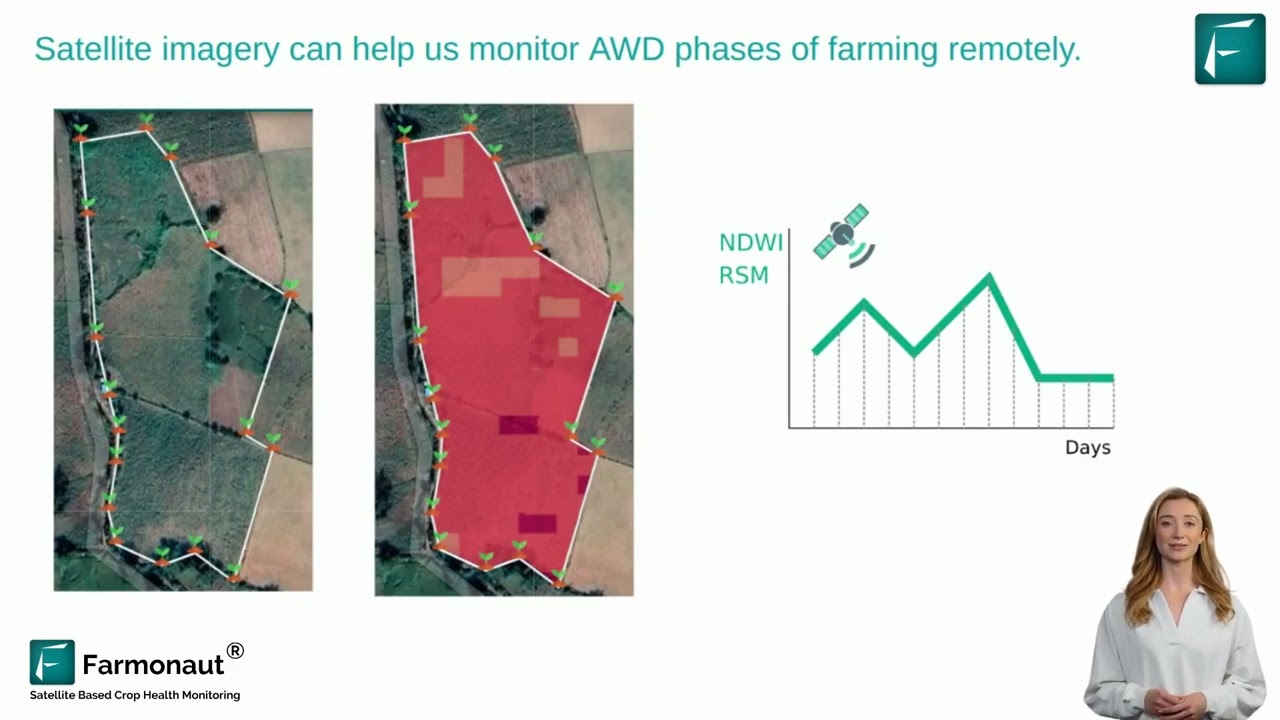
- Use Farmonaut’s satellite API for field-level monitoring. With satellite-driven data, you can maximize visualization, integrate with existing large-scale farm management apps, and automate notifications regarding crop anomalies.
2. Autonomous Drones for Scouting & Management
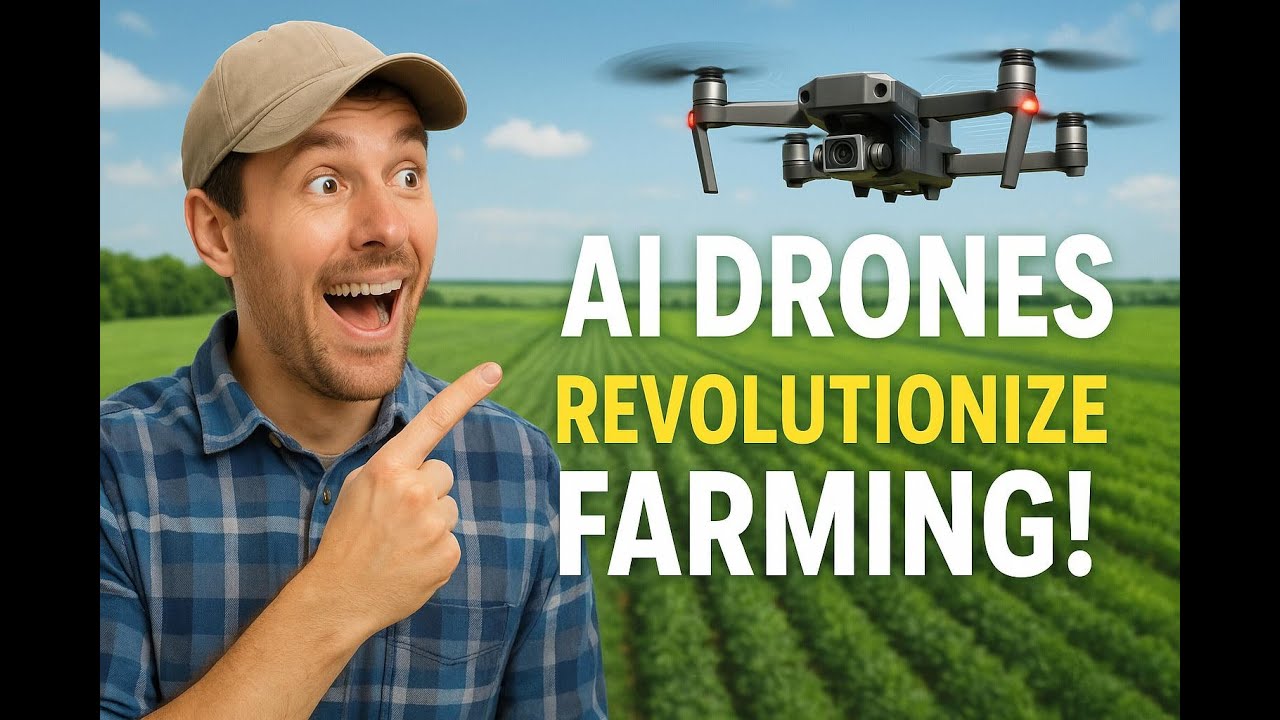
Drones have become an integral technology used in plantation farming, forestry, and even livestock operations. These agile devices scout vast regions in a fraction of the time and cost required for manual fieldwork.
- ✔ Real-time imaging reveals crop health, movement patterns, or pest pressure.
- 📊 Multispectral cameras detect early nutrient deficiencies or disease outbreaks before they are visible to the naked eye.
- 🎯 Algorithms highlight hotspots demanding targeted interventions, vastly improving resource use across large fields or timber forest stands.
Platforms like Farmonaut, which leverage satellite data for carbon footprinting and environmental impact, compound the value of drone and IoT field data for smarter, greener operations.
Common Mistake ⚠
- Don’t neglect regulatory compliance for drone operations; always check local unmanned aerial vehicle rules!
3. Precision Irrigation Controllers & Water Management
Smart irrigation is central to sustainable yield, particularly in plantation farming contexts where water is a primary yield limiter. Automated irrigation controllers, guided by soil moisture sensors and weather forecasts, apply exactly what’s needed, where it’s needed—no more, no less.
- ✔ Reduce water waste and irrigation energy costs while maximizing crop quality.
- 📊 Integrate weather stations and soil analytics to automate schedules and respond to changes in microclimate conditions, ensuring resilience against droughts or heavy rainfall.

Looking to integrate smart irrigation with advanced field monitoring? Discover the Farmonaut Crop Plantation & Advisory platform. Get location-based schedules, real-time irrigation advice, and climate-adjusted recommendations to maximize efficiency.

4. Robotics & Automated Harvesters
Robotic harvesters and autonomous agricultural robots are revolutionizing how we execute the most labor-intensive farming tasks. They can operate round-the-clock, improving consistency, and reducing crop losses through precision.
- ✔ Deploy shuttling harvest bots or robotic planters to manage seeding, weeding, pruning, and picking with minimal human intervention.
- 📊 Lower labor costs and improve safety, especially on large plantations and in forestry applications where physical hazards abound.
- 🎯 Targeted application of fertilizers, pesticides, and herbicides enables fine-tuned, data-guided operations for sustainable yield.

Investor Note 💼
- Automation in robotics for harvesting and crop management is attracting global investment as agri-labor shortages and sustainability pressures rise.
5. AI-Based Analytics & Decision Support
AI analytics platforms add brainpower to every piece of the automated farming puzzle. From weather-adaptive plans to crop-specific decision trees, these systems use deep learning on historical and real-time data to optimize every aspect of management.
- ✔ Agronomy “digital twins” predict yield, diagnose pest or disease risks, and suggest best intervention timing.
- 📊 Integrate real-time relay platforms like Farmonaut’s Jeevn AI for field-specific insights, actionable alerts, and historical yield analytics.
Such decision systems can even synchronize with financing and insurance platforms—see our crop loan & insurance product to learn how satellite-verified analytics are streamlining credit and risk management along the supply chain.

6. Automated Feeding & Welfare Systems in Sheep Farming
Sheep farming technology is at the forefront of the automated livestock revolution. Wearable sensors, automated feeders, and camera-based monitoring drastically enhance animal health and welfare outcomes.
- ✔ Wearable technology tracks movement, rumination patterns, and vital signs in real time for the entire flock.
- 📊 Automated feeders adapt rations to individual animals based on weight, lactation, and health metrics—cutting feed waste and boosting growth and wool quality.
- 🎯 Smart fencing, remote gates, and load-cell troughs make precision grazing and traceability easier than ever.
Connected data flows to platforms for performance evaluation, animal identification, and pasture rotation planning, making every sheep farm more resilient and efficient.
Key Insight 🐑
- Sheep farming technology is a textbook example of how animal welfare and operational efficiency go hand-in-hand through data-driven automation.
7. Blockchain-Enabled Traceability & Supply Chain Control
Blockchain technology is a rising star in smart farming automated and connected agriculture—enabling tamper-proof traceability and data integrity. Its integration into farm management assures both suppliers and final markets that every product is sourced, handled, and transported with integrity.
- ✔ Full traceability for field or flock through to logistics, storage, and sale.
- 📊 Blockchain records enhance food safety standards, build trust with consumers, and simplify compliance with new agri-export requirements.
Integrated platforms, such as Farmonaut’s blockchain-based traceability, ensure trusted tracking for agriculture and mining sectors, reducing fraud and enabling secure supply chain transparency for all stakeholders.

Investor Note 💡
- Blockchain solutions in farming are key for high-value export markets demanding transparency, authenticity, and sustainability verification.
Future Outlook: Integration, Interoperability, and Sustainability
As automated and connected agriculture matures, the next frontier lies in deeper integration and interoperability. Farms are evolving from siloed automation “islands” to networked ecosystems—from nursery to timber plantation, sheep operation to field crop monoculture.
Core Components Driving the Future
- ✔ Sensors & Actuators: Foundation of every precision operation, from microclimate monitoring to livestock tracking.
- ✔ Real-Time Data Analytics: Enables immediate, evidence-driven decision making across crop and animal systems.
- ✔ Cloud & Edge Platforms: Handles data storage, visualizations, and AI models for operations large and small.
- ✔ Integrated Farm Management Software: Synchronizes everything from fleet tracking and logistics to compliance, yield reporting, and predictive maintenance.
This approach emphasizes connectivity, responsible data use, cybersecurity, and transparent, scalable access—ensuring that as farms grow, their sustainability and resource efficiency grow too.
Farmonaut: Satellite Technology Empowering Smart Agriculture
At Farmonaut, we harness the most advanced satellite, AI, and blockchain-based tools to empower automated farming operations worldwide across plantation, livestock, and resource management sectors. Our mission is simple: make smart, data-driven agriculture accessible and affordable for all.



- ✔ Real-time Satellite Monitoring: Instantly monitor crop, soil, and infrastructure health on your mobile device or desktop.
- ✔ Jeevn AI Advisory: Tailored farm management insights, from weather forecasts to pest outbreak prediction, for smarter decisions.
- ✔ Blockchain Traceability: Secure, transparent product and resource traceability for farming and mining sectors. Learn more here.
- ✔ Environmental Impact Tracking: Track your farm’s carbon emissions and adopt sustainable practices using actionable data.
- ✔ Resource & Fleet Management: Efficiently manage vehicles and equipment to minimize costs and environmental impact. Explore Fleet Management Tools.
- ✔ API Integration: Developers and businesses can access real-time satellite, weather, and farming data via the Farmonaut API and get dedicated support from the API Developer Docs.
Subscription Options for All Stakeholders
Whether you’re a farmer, business, government, or developer, our scalable, subscription-based pricing empowers you to choose the ideal monitoring and analytics level for your needs:
- ✔ No hardware investment required: Access truly affordable, satellite-driven automation across every aspect of your farm or agribusiness.
- 💡 Scalability: Systems designed for individual users, businesses, or governments; grow your smart farm without changing platform.
Visual List: Key Benefits of Automated Farming Technology
- Precision resource use: Apply water, fertilizer, and feed exactly where required, reducing environmental impact.
- Enhanced productivity: Automation and analytics unlock higher, more consistent yield with less labor.
- Environmental sustainability: Monitor emissions, optimize carbon footprint, and ensure compliance with global standards.
- Early intervention: Sensor and AI technologies catch disease outbreaks and deficiencies before they escalate.
- Data-driven traceability: Blockchain solutions and digital records enable transparent operations and supply chain security.
Visual List: Icons for Automation Domains
- 🌱 Plantation: Automated crop monitoring, robotic planters, drones for disease detection
- 🐑 Sheep Farming: Wearable sensors, smart feeders, welfare cameras
- 🌲 Forestry & Timber: Drone mapping, automated harvesters, silvicultural AI
- 🔍 Resource Management: Satellite tracking, blockchain traceability, carbon emissions analytics
Pro Tip 🛰️
- Combine satellite data with field-level sensor analytics for next-level precision and operational oversight.
Common Mistake ⚠
- Relying on only one data source (drone, satellite, or manual scouting) can limit insights and slow down response times to threats in field or flock.
FAQs on Automated Farming Technology
What is automated farming technology?
Automated farming technology refers to a blend of connected sensors, data analytics, robotics, and autonomous systems that allow farming tasks—from monitoring to decision making and action execution—to occur with minimal human intervention.
What are the main benefits of adopting smart farming automated and connected agriculture systems?
Benefits include:
– Optimizing yield and quality
– Reducing resource waste in water, fertilizer, and feed
– Labour efficiency
– Environmental sustainability via better monitoring and carbon footprint analysis
– Traceability for food safety and market differentiation
Which technology is most effective in sheep farming technology?
Wearable sensors paired with automated feeding systems enable continuous health and nutrition management, minimizing animal stress and maximizing performance. Camera-based AI also detects lameness and early illness for timely intervention.
How do I start integrating automation into my plantation?
Start with sensors for soil and crop monitoring, then layer on data-driven platforms and automated irrigation or harvesters as ROI and operational scale justify. Platforms like Farmonaut provide affordable entry points with satellite-driven insights.
Are the data and systems secure?
Yes, leading smart farming platforms incorporate cybersecurity controls and blockchain for data integrity and traceability. Choose providers that emphasize robust encryption and privacy compliance.
Conclusion
Automated farming technology represents a defining leap for agriculture—blending intelligence, robotics, and integrated sensor networks to create high-performance, sustainable, and resilient food and resource systems. By adopting these seven smart innovations, plantation and sheep farms (and all agricultural operators across contexts) can optimize for yield, environmental footprint, and market transparency.
Japan offers a clear national example, and how Japanese farms use robots shows these systems at work at scale.
As we continue to build out the next generation of automated and connected agriculture at Farmonaut—with a mission to democratize satellite and AI-driven insights worldwide—our customers benefit from truly scalable, accessible, and future-proof automation. The farm of tomorrow is connected, sustainable, and guided by real data.
Eager to start your automation journey?
Explore Farmonaut’s smart agriculture platform now or connect via our comprehensive API and developer documentation for deeper integration!
Discussion
Questions, corrections or field experience? Share them below. First-time comments are reviewed before they appear, and your email is never published.
No comments yet. Be the first to add a question or your experience.

 MWS Research Centre
 FieldZero
 Indico Company
 Kubota
 FFBS
FFBS Jontra
 Kalustyan
 Tucor
Tucor Geno
Geno Hayleys Agriculture
 Linx Agritech
 Adinet
 Save Your Soils
 Licence holder · Niger · Gold










