

Commercial Pest Control & Pesticide for Farming 2026: Revolutionizing Modern Agriculture
“Over 60% of commercial farms will adopt precision pesticide application technology by 2026, boosting efficiency and reducing waste.”
“By 2026, sustainable composting innovations are projected to reduce chemical fertilizer use in commercial farming by nearly 35%.”
Table of Contents
- Summary – Commercial Pest Control & Pesticide for Farming 2026
- The Landscape of Commercial Farming in 2026
- Commercial Pest Control 2026: Defending Crops Responsibly
- Commercial Pesticide Application: Precision, Safety & Sustainability
- Commercial Composting for Sustainable Farming
- Synergizing Technologies in Modern Farming
- Comparative Feature Table: Impact of Pest Control Innovations
- Farmonaut’s Role in Advanced Commercial Agriculture
- Key Video Guides: AgriTech Innovations, Compost, Pest Control & More
- FAQ: Commercial Pest Control and Pesticides in 2026
- Conclusion
Summary – Commercial Pest Control & Pesticide for Farming 2026
The landscape of commercial farming is transforming at a relentless pace. By 2026, advancements in commercial pest control and pesticide application, alongside sustainable composting and integrated technologies, are reshaping agribusiness worldwide. These technological leaps are making farm management smarter and more eco-conscious, balancing higher productivity with increased environmental stewardship.
Crucially, we face rising global food demand and challenges like pesticide resistance and ecological threats. In this blog, we explore how methods such as drone-sprayed pesticides, AI-based pest detection, biodegradable pesticides, and integrated commercial composting are not just minimizing waste but creating resilient, sustainable food systems for tomorrow.
The Landscape of Commercial Farming in 2026
Commercial farming has always adapted to the needs of the time. As we enter 2026, several distinct trends and pivots define how farms operate:
- Strong focus on precision agriculture—drones, sensors, and advanced analytics drive every stage from pest management to fertilizer application.
- Growing consumer demand for sustainably produced food—pushing farms to cut pesticide overuse and reduce waste.
- Adoption of IPM (Integrated Pest Management) strategies —intelligently combining biological, chemical, and mechanical controls for better pest management.
- Use of commercial composting systems to enrich soil, reduce chemical dependency, and improve crop resilience.
- Integration of AI-powered applications for real-time crop monitoring, pest identification, and predictive analytics.
- Compliance with strict environmental regulations and growing pressure to demonstrate sustainability credentials—including carbon footprint monitoring solutions.
These trends epitomize the shift from the commercial farming of past decades, which often prioritized yield over the environment, to a balanced model where productivity and sustainability go hand in hand.
Commercial Pest Control 2026: Defending Crops Responsibly
Why Commercial Pest Control Remains the Cornerstone of Successful Farming
Effective pest management is central to commercial farming success. Without responsive pest controls, crop damage can swing from manageable to disastrous within weeks. The agricultural industry in 2026 is increasingly characterized by integrated pest management (IPM) strategies, which have become widely adopted due to both their efficacy and their ability to reduce negative environmental externalities.
- IPM Strategies: Modern IPM minimizes reliance on synthetic pesticides by combining biological controls (like predatory insects), mechanical methods (such as physical barriers), and calculated chemical treatments only when absolutely necessary.
- Biodiversity Preservation: There’s a marked emphasis on commercial pest control solutions that balance crop protection with the preservation of beneficial insects, pollinators, and wider agro-ecosystem biodiversity.
- Prevention of Resistance: Smart rotation of control methods helps in reducing the risk of pests building chemical resistance, a common challenge faced in earlier decades.
Advanced Detection & Monitoring for Timely Pest Control
Innovations now empower farmers to detect, identify, and act on pest outbreaks more accurately and rapidly than ever before:
- Drones with Multispectral Sensors: Drones can identify pest outbreaks quickly, scanning vast field areas for early signs of infestation and crop stress.
- AI-Driven Pest Identification: Algorithms trained on large datasets can instantly classify insect species and recommend optimal responses.
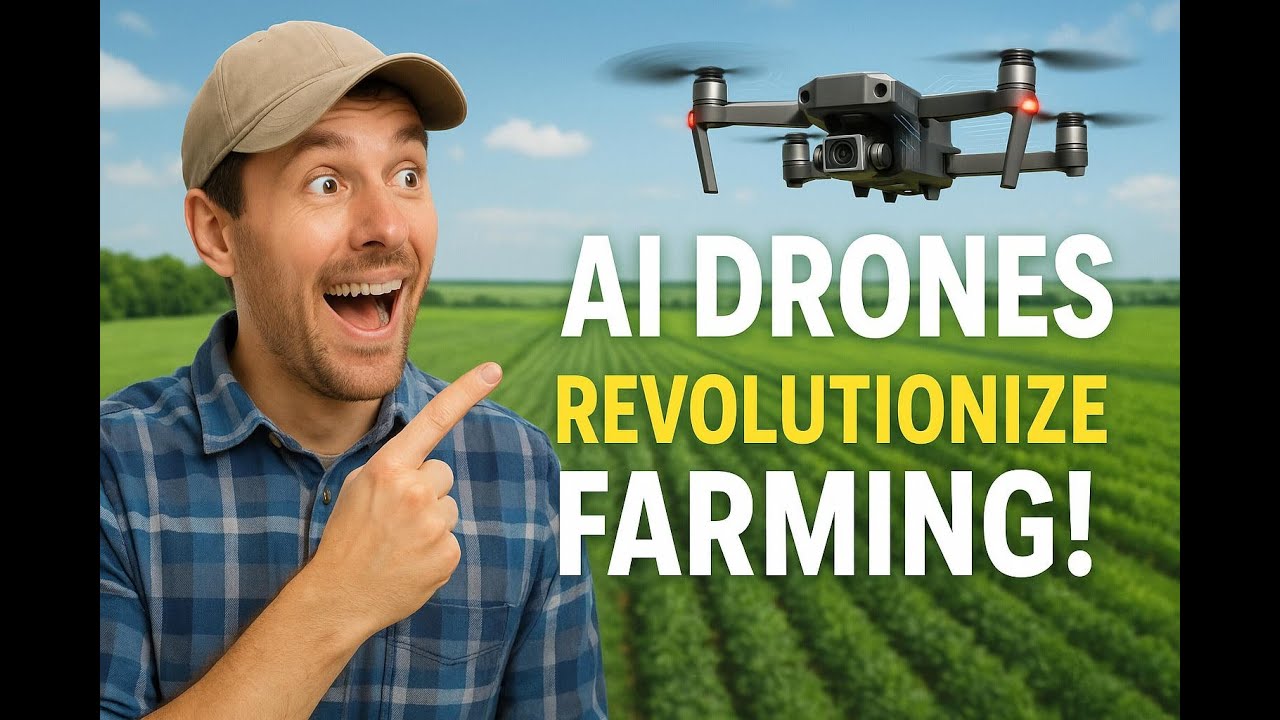
- Real-time Sensors Network: Internet-of-Things (IoT) enabled sensors embedded in fields deliver 24/7 monitoring, feeding outbreak alerts, and status updates in real-time.
These advanced monitoring and detection systems deliver multiple benefits by allowing farmers to:
- Target pests more accurately/timely—only infested areas are treated.
- Reduce pesticide overuse and off-target effects.
- Lower overall operational costs and improve ecological outcomes.
Examples of Next-Gen Pest Control Technologies
- Precision Drones: Spraying pesticides, beneficial microbes, or pheromones only where necessary.
- AI Visual Analytics: Cameras and computer vision to rapidly scan and classify pests or diseases—improving decision-making.

- Biocontrol Integration: Release of predatory insects, parasitoids, or entomopathogenic fungi alongside synthetic controls.
- Remote Advisory Systems: Farm management apps (such as ours at Farmonaut) analyze satellite and local data to recommend tailored interventions.

From Data to Decision: The Commercial Farmer’s Edge
In 2026, farmers who invest in data-centric pest surveillance see measurable improvements in pest control efficacy, cost management, and—crucially—sustainable stewardship of their land.
- Proactive response saves entire fields from pests before economic thresholds are crossed.
- Environmental contamination is minimized, protecting non-target organisms.
For greater traceability and regulatory compliance, see blockchain-enabled agriculture traceability software. - Positive consumer perception: As supply chains demand transparency, farms prioritizing ecological integrity are rewarded.
The Ongoing Battle: Pest Resistance and the Next Chapter
Despite advanced tools, resistance remains a pressing concern. Responsible pesticide rotation—guided by data and predictive analytics—is essential.
- Combining controls: Commercial pest control in 2026 means never relying on a “single silver bullet.”
- Modern IPM balances synthetic, biological, and mechanical methods, monitored through AI and sensor networks.

Commercial Pesticide Application: Precision, Safety & Sustainability
A New Era: From Blanket Coverage to Precision Spraying
The commercial pesticide remains a pivotal tool, but the “spray and pray” era is gone. In 2026, precision application technologies define commercial pesticide sprayers—enhancing efficacy and drastically reducing collateral negative impacts.
- Commercial Sprayer Innovations: Today’s field sprayers use variable-rate, GPS-guided controls, adjusting pesticide volume/concentration based on satellite or sensor data.
- Drone-Sprayed Pesticides: Small or remote plots are treated using agri-drones that spray only on detected hotspots, reducing unnecessary application.

- Automated Tractor-Mounted Units: Sprayers can be fully autonomous, running on AI-driven, real-time application maps.
- Uniform Coverage, Minimal Waste: Data-driven sprayer units ensure even application, avoiding overuse and runoff.
Evolution in Chemistry and Formulation
Environmental and regulatory pressures have driven an evolution in commercial pesticide chemistries:
- Bio-pesticides Derived from Natural Compounds: Actively used in IPM, these products are less persistent, decompose faster, and pose fewer risks to beneficial organisms.
- Formulation Sophistication: 2026 pesticide formulations feature controlled-release technologies, improved sticking agents, and safer surfactants for enhanced crop safety.
- Regulatory-Adaptive Compounds: Targeted at reducing residuals in food, complying with international food safety standards.
To understand more on how advanced, peptide-driven bio-pesticides are emerging, see the video below.

Pest Management Efficiency Gains: Quantitative Benefits
- Commercial sprayers with AI/IoT controls cut pesticide use by up to 40% versus traditional approaches.
- Drone-enabled targeting lowers labor requirements and operational costs.
- Variable-rate spraying enhances productivity, providing uniform pest control and reducing hotspots for pest adaptation/resistance.
Automation and Labor Trends in 2026
- Autonomous Equipment Adoption Is High: Shortages in skilled labor and rising costs of manual spraying accelerate the shift to automation and drone solutions.
- Integrated Data Solutions: Sprayers are now part of integrated farm management platforms, automatically syncing with pest monitors, weather data, and satellite insights.
Farmers who utilize these integrated, automated systems optimize crop protection, operational efficiency, and also support compliance with global environmental and quality standards.
Commercial Composting for Sustainable Farming
From Waste to Resource: The Rise of Commercial Composting
As environmental impact and sustainability become non-negotiable, commercial composting finds a central role in modern farming operations. In 2026, composting technologies have evolved to handle high throughput at scale, transforming not just farm waste but also external organic streams into powerful soil amendments.
- Efficient Waste Management: Advanced systems process farm residues, livestock waste, and organic by-products rapidly, closing the loop in agribusiness waste cycles.
- Soil Health Enhancement: Regular use of high-quality compost boosts soil organic matter, structure, and water retention—factors that improve crop resilience to pests, diseases, and drought.
- Chemical Reduction: Sustainable composting reduces reliance on chemical fertilizers and some pesticides, by fostering plant immunity and healthy microbiomes.
- Carbon and Nutrient Cycling: The integration of composting with carbon footprint monitoring tools (see our carbon footprinting solution) helps meet net-zero targets and supports regulatory reporting.
Composting Integration in IPM and Crop Management
By 2026, commercial composting is rarely siloed from the rest of farm management:
- Co-managed with Pest Control: Composting is combined with commercial pest control for synergistic benefits and reduced chemical dependency.
- Real-time Analytics: AI and satellite monitoring platforms (like Farmonaut) provide soil health metrics, guiding compost application rates and timing.

- Economic Gains: Farms using automated compost technology save substantially on fertilizer costs and improve long-term land productivity.
- Ecosystem Preservation: Well-composted soils buffer nutrient loss, reduce runoff, and support pollinators and beneficial soil organisms.
- Regulatory Alignment: Composting is now a compliance tool, demonstrating ecological stewardship to suppliers, government, and consumers.
The integration of commercial composting and pest control practices has proven effective for reducing input costs, enhancing environmental outcomes, and building long-term resilience in crop and soil systems.
“Over 60% of commercial farms will adopt precision pesticide application technology by 2026, boosting efficiency and reducing waste.”
Synergizing Technologies in Modern Farming
The Data-Driven Farm: Integrating Pest, Pesticide, and Sustainability Platforms
The future isn’t about siloed systems—it’s about integration. Here’s how these advances work together to reshape commercial farming by 2026:
-
Unified Management Platforms:
Data from drones, on-field sensors, and satellite imagery (as available via Farmonaut) flow into a single dashboard, allowing farmers fast, informed decision-making. -
AI-Based Advisory:
Platforms like the Jeevn AI advisory system analyze weather, pest, and crop data, automatically recommending the ideal timing and method for pest control, pesticide application, nutrient management, and compost distribution. -
Blockchain Traceability:
Ensuring all actions—from input application to harvest—are transparent, traceable, and tamper-proof via systems such as Farmonaut’s traceability solution. -
Regulatory Reporting & Financial Access:
Satellite-based monitoring tools support regulatory compliance and also help verify crops for loans/insurance. -
Fleet & Resource Management:
Automated systems, such as the Fleet Management Tool, optimize machinery use, cut fuel/wear costs, and improve safety.
This synergy maximizes yield, profitability, and sustainability—epitomizing the modern farm ethos of environmental stewardship and efficiency.
Comparative Feature Table: Impact of Pest Control Innovations (2025–2026)
| Technology/Method | Estimated Pest Reduction (%) | Estimated Yield Increase (%) | Projected Cost Savings ($/hectare) | Environmental Impact | Adoption Rate in 2025 (%) |
|---|---|---|---|---|---|
| Drone-Sprayed Pesticides | 40–60% | 8–12% | $80–$250 | Low | 63 |
| AI-Based Pest Detection | 35–55% | 7–10% | $70–$200 | Low | 58 |
| Biodegradable Pesticides | 30–50% | 6–9% | $60–$180 | Low | 46 |
| Composting Integration | 15–25% | 4–6% | $55–$140 | Low | 54 |
Farmonaut’s Role in Advanced Commercial Agriculture
As a satellite technology company, we at Farmonaut are uniquely positioned to advance commercial pest control, commercial pesticide application, and sustainable farming practices:
- Satellite Crop & Soil Monitoring: Our platform empowers farmers and businesses with crop health and soil condition data—enabling smarter pest and input management decisions.
- AI Advisory Systems: The Jeevn AI tool leverages satellite and ground data for custom strategies in pest and disease management—adapting to each unique field situation in real time.
- Blockchain Traceability: From field to fork, our solutions enable transparent and tamperproof tracking of crop inputs, strengthening food supply integrity.
- Real-Time Environmental Impact Tracking: We support farms meeting regulatory and market demands for carbon reporting and sustainable certifications.
Learn more about Carbon Footprinting and Traceability Systems for commercial farming. - Resource & Fleet Management: Our tools help optimize logistics for large-scale farm management.
Explore our large scale farm management solutions and fleet management platform. - API Integration: Developers and businesses can access our satellite and weather API for seamless integration into commercial agriculture systems. Find developer info at: API Developer Docs and API Access.
Our mission is to make advanced, real-time, and affordable farm insights accessible for all. These tools are transforming how the agriculture industry approaches pest outbreaks, chemical application, and composting—ensuring commercial enterprises stay ahead of the curve for 2026 and beyond.
Key Video Guides: AgriTech Innovations, Compost, Pest Control & More
-
How AI Drones Are Saving Farms & Millions in 2025 -
Spinach Peptide Bio-Pesticide 2025 -
FREE Mulch & Compost NJ 2025 -
Regenerative Agriculture 2025 ? Carbon Farming & Soil Health
FAQ: Commercial Pest Control and Pesticides in 2026
Precision pest control reduces waste, minimizes environmental impact, and allows targeted responses to outbreaks—boosting yields and reducing costs.
How are drones changing commercial pesticide application?
Drones enable pinpoint, variable-rate pesticide delivery, ensuring uniform crop protection with much less chemical runoff and operational labor.
Why is sustainable commercial composting important?
Commercial composting recycles organic waste, improves soil health, reduces the need for chemical fertilizers, and naturally increases crop resilience.
What does integration of AI and sensors mean for commercial pest management?
AI and sensor-driven detection allows for real-time decision making, reducing delay and error in pest response, and optimizing input use.
How can farms get started with satellite-based monitoring?
Platforms such as Farmonaut offer user-friendly, affordable access to real-time crop, soil, and environmental data to inform all aspects of farm management.
Conclusion
By 2026, the global agricultural sector epitomizes innovation, resilience, and sustainability. Commercial pest control, precise pesticide application, and commercial composting practices are no longer options—they are the cornerstones of competitive, environmentally mindful farming. Driven by data, automation, and integrated management platforms, farms now produce higher yields with less waste and risk, all while supporting stewardship of natural resources.
The ongoing integration of technologies, supported by platforms like ours at Farmonaut, is setting new benchmarks for productivity and environmental responsibility. As technology continues to evolve, future-ready farmers and agribusinesses will remain at the forefront—feeding a growing world while preserving the planet for generations to come.
Try Farmonaut’s advanced agricultural monitoring solutions:

Access Farmonaut Web App

Download for Android

Download for iOS
Stay ahead with commercial pest control, commercial pesticide innovation, and sustainable commercial composting—the foundation of productive farming in 2026 and beyond.

 Godrej Agrovet
 Hayleys Agriculture
 Linx Agritech
 Adinet
 Save Your Soils
 GalaxEye Space
 Grandstream Algérie
 XOS Realty
 Geospatial Lab Africa
 Agro La Gándara
 HIPSAC
 ZOL Zimbabwe
 Juligerm
 AdBio
AdBio MISE Maroc
 NWNS
NWNS Red August Group
 Farm Inc
 WeMe Global
 Agrotoken
 Blue BearX
 Insignito
 DnCubed
 Indosistim Teknologi
 Liquify Digital
 CU Foods
 BeyondTech Global
 Rouge VC
 AgroRisk
 Oath Inc
 Esri North East Africa
 MDCV UK
 Etech Consulting Madagascar
 Vestlandsforsking
 WB Dev
 Sama Premium
 Tres Valles
 Blickwinkel
 Agricultural Credit Policy Council
 eKGIS
eKGIS Mostas Tech
 Andex
Andex Deluxe Conseil
 WICO
WICO Chimera Innovation
 SkyHarvest
 Teledarbas
 Exurbia Geospatial
 FieldZero
