

FMS Agriculture 2025: Transform Your Farm with Smart Systems
Meta Description: In 2025, FMS agriculture reshapes farm management with integrated, smart systems—improving sustainability, efficiency, and data-driven farming worldwide.
“By 2025, smart farm management systems may increase crop yields by up to 30% through data-driven insights.”
Introduction: FMS Agriculture 2025
The global face of agriculture is rapidly transforming as we enter 2025. Agriculture farms worldwide are embracing digital and smart technologies at an unprecedented pace. Among these, the farm management system (FMS) has emerged as a true game-changer. FMS agriculture in 2025 is not merely about digitizing farm records—it represents a profound shift toward connected, precise, and efficiently run operations. The demand for higher yields, resource optimization, and sustainable practices keeps rising due to challenges such as climate change, input scarcity, and market volatility. FMS offers a holistic, integrated platform that supports efficient planning, real-time data collection, deep analysis, and improved decision-making.
In this comprehensive blog post, we explore how the FMS agriculture revolution is transforming how agriculture farms operate in 2025 and beyond. We delve into the smart technology behind FMS, their impact on productivity, sustainability, and profitability, and how modern solutions like Farmonaut’s satellite-driven platform are leading the way.
What is a Farm Management System (FMS) in Agriculture?
A farm management system (FMS) in agriculture refers to an integrated, digital platform designed to aid farmers, agribusinesses, and governments in efficiently managing all aspects of farming operations—from crop planning and resource allocation to field monitoring and financial tracking.
- Integrated Platform: An FMS consolidates data on crop planning, soil conditions, weather forecasts, irrigation scheduling, pest and disease management, machinery use, labor, input tracking, and financial records into a single, intuitive interface.
- Comprehensive Monitoring: It employs smart sensors, IoT devices, satellite imagery, and remote sensing to provide real-time insights on moisture levels, soil nutrient conditions, and crop health.
- Advanced Analysis: State-of-the-art algorithms and machine learning analyze collected data to offer tailored recommendations for fertilization, water management, and harvesting schedules.
- Holistic Decision-Making: Farmers can implement precise agricultural practices, maximizing outputs while minimizing waste, input usage, and environmental footprint.
The adoption of FMS agriculture streamlines every step from pre-sowing to post-harvest, making it a critical tool for efficient, sustainable, and profitable farming in 2025.
“Over 60% of global farms are expected to adopt FMS agriculture technologies for improved operational efficiency by 2025.”
Why FMS Agriculture Systems Are Essential in 2025
In a world where food demand is rising and challenges from climate change, resource scarcity, and increasing production costs are intensifying, farm management system FMS has become the backbone of modern agriculture. Here’s why FMS is now indispensable:
- Precision and Efficiency: Accurate data enables precise crop planning, targeted application of water, fertilizers, and pesticides, and prevents excessive input waste.
- Resource Optimization: Resource limitations and input costs (such as labor, water, and fertilizers) push farms to adopt FMS for tracking and optimizing input use.
- Sustainability: Societal and regulatory pressures demand more sustainable agriculture practices, and FMS delivers this via data-driven monitoring and actionable recommendations.
- Regulatory Compliance: With increasingly stringent food safety and environmental standards, FMS provides digital documentation, traceability, and compliance capabilities.
- Market Integration: Market readiness, transparency, and data sharing ensure better contract negotiation, reduced post-harvest losses, and improved profitability.
- Risk Management: By collecting and analyzing historic records and real-time data, farmers can anticipate risks (weather, disease, market prices) and act proactively.

Tip: Learn more about satellite crop monitoring and AI-driven advisory in Farmonaut’s Web System tutorial above.
Key Benefits of FMS in Modern Agriculture
- Enhanced Productivity: FMS provides tailored insights, allowing agriculture farms to maximize crop outputs and overall farm productivity.
- Sustainability: Smart scheduling and precise resource use drive down water, fertilizer, and pesticide waste.
- Data Consolidation: All aspects—production, labor, equipment, finances, planning—are visible on a single digital platform, streamlining management.
- Improved Traceability & Compliance: Digital documentation enables transparent audit trails for regulatory and market requirements.
- Risk Reduction: Predictive analytics and real-time monitoring lower risks from environmental, market, and operational threats.
- Profitability Analysis: By tracking every input and output, FMS enables granular financial assessment and profit forecasting.
- Empowered Decision-Making: Machine learning recommendations replace guesswork with science—enabling precision farming.

Insight: See how AI-powered recommendations—like those in Farmonaut’s Jeevn AI—revolutionize farming efficiency in 2025.
Smart Technology Powering FMS Agriculture in 2025
The backbone of fms agriculture is the intelligent integration of technology, automation, and artificial intelligence. Advancements in the following areas have catalyzed this transformation:
- Sensors & IoT Devices: Soil moisture, nutrient sensors, and wireless devices track real-time environmental data, optimizing irrigation and inputs.
- Remote Sensing & Drones: Drones and satellites provide multispectral imagery for assessment of crop health, water stress, and pest infestation.
- Cloud Computing & Mobile Platforms: Cloud-based FMS systems store vast amounts of data securely and ensure remote access via mobile apps for field managers and workers.
- Machine Learning Algorithms: AI models analyze seasonal trends and current inputs to provide proactive, tailored management advice—driving higher yields and resilience.
- Blockchain: Ensures secure, auditable transaction records for input usage, supply chain traceability, and food safety.
The union of these technologies forms a holistic, smart FMS platform that empowers modern farming and elevates every farm’s potential.
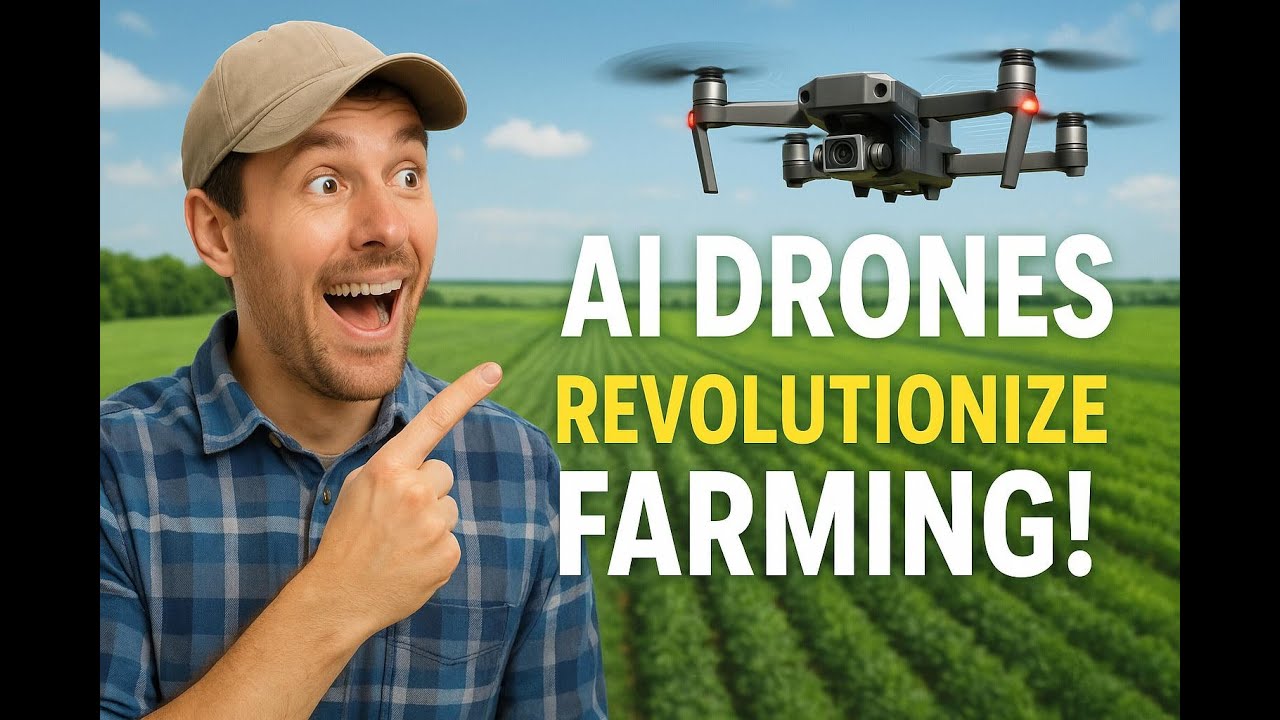
Watch: Discover how AI-driven drones paired with FMS lower input use and maximize farm productivity.
Comparative Table: Traditional vs. Smart FMS Agriculture (2025)
The transition from traditional management to a smart FMS agriculture approach is clearly reflected in operational metrics. The following table illustrates the tangible benefits agriculture farms realize by adopting FMS-driven practices in 2025.
| Feature/Aspect | Traditional Farm Management (Estimated Values, 2023) | Smart FMS Agriculture (Estimated Values, 2025) |
|---|---|---|
| Resource Use Efficiency (% reduction in inputs) | 10-15% | 25-35% |
| Data-Driven Decisions (per season) | 1-2 major decisions | 15-20+ focused decisions |
| Sustainability (input reduction per season) | Minimal, <10% | Up to 30% or more |
| Yield Improvement (% increase) | 3-5% | Up to 30% |
| Real-Time Monitoring | Manual/periodic only | Continuous, automated |
| Cost Savings (est. annual) | Limited/variable | 10-30% savings |
As demonstrated, adopting a smart FMS platform directly enhances efficiency, profitability, and sustainability in agriculture. This sets the stage for the next generation of food production, ensuring global food security and environmental responsibility.

Explore: Agriculture farms with large-scale operations can leverage satellite and AI-based field management for maximum traceability and resource efficiency (see above).
The Role of Farmonaut in Smart FMS Agriculture
As a leader in satellite-driven agriculture analytics, we at Farmonaut empower both small and large agriculture farms to transform their management systems quickly and cost-effectively. Our satellite-based monitoring solutions deliver real-time insights on crop health, soil moisture, nutrient deficiencies, and environmental changes—right from the palm of your hand, via our web and mobile app.
- Satellite-Based Crop Monitoring: Using advanced multispectral satellite imagery, we monitor NDVI (vegetation index), PHCI, soil moisture, nutrient levels, and crop stress across expansive regions and fields.
- Jeevn AI Advisory System: Our AI module analyzes satellite and climate data, providing actionable weather forecasts, timely irrigation schedules, pest/disease alerts, and tailored agronomic recommendations.
- Blockchain-Based Traceability: We enable transparent food supply chains from seeding to shelf, reinforcing regulatory compliance and authenticating product origins.
- Fleet and Resource Management: For large farms, satellite-based fleet and machinery tracking maximizes operational efficiency, safety, and cost savings.
- Environmental Impact Tracking: With carbon footprint monitoring, we help farms track and reduce emissions—supporting sustainability claims and regulatory needs.
- Access to Financing and Insurance: Banks and insurers leverage satellite-based verification for streamlined lending and reduced fraud in agriculture.
Our user-friendly platform is accessible via Android, iOS, web/browser apps, and API—enabling easy integration into any farm’s workflow, no matter its size or sophistication.




Watch: How satellite-driven remote sensing brings real-time, precision soil moisture insights for smarter agricultural input decisions.
Data-Driven Decision-Making & Precision Farming: The Heart of FMS Agriculture
The success of fms agriculture hinges on our collective ability to “measure, analyze, and act.” Traditional methods, based on manual observation and intuition, are now replaced by precise, data-centric decision-making. Here’s how this evolution unfolds in 2025:
- Continuous Monitoring: Sensors and satellite imagery capture granular, real-time data across soil, crop, machinery, and environmental parameters.
- Integrated Analysis: FMS aggregates and consolidates data streams, providing a holistic view of on-farm processes—all accessible through a single digital interface.
- Tailored Recommendations: Machine learning algorithms analyze seasonal data, weather predictions, and observed anomalies to suggest actions—be it fertilizer application, disease controls, or optimal harvesting times.
- Precision Agriculture: Targeted application of water, fertilizers, and pesticides ensures only as much resource as necessary is used—enhancing sustainability and lowering costs.
- Digital Records: Every decision, input, and output is digitally recorded, supporting compliance and traceability from farm to market.
This approach enables agriculture farms, whether small or commercial, to maximize outputs and profitability while minimizing input waste and their environmental footprint.

Insight: See how real-time crop health monitoring allows for proactive management and rapid response to crop stress or diseases—protecting yields and sustainability.
FMS and Sustainability: Reducing Agriculture’s Environmental Footprint
With the rise of global awareness around sustainable agricultural practices, FMS systems have evolved to help minimize negative environmental impacts.
- Input Optimization: Digital records, sensor efficacy, and predictive algorithms lead to precise application—reducing excessive water, fertilizers, and pesticides, and thus lessening runoff and pollution.
- Carbon Footprint Monitoring: Platforms like Farmonaut’s Carbon Footprinting tool enable real-time tracking and documentation of on-farm emissions, helping agriculture farms align with regulatory commitments and sustainability certifications.
- Traceability for Responsible Food Systems: Blockchain integration in FMS allows for transparent supply chains, enabling consumers and buyers to verify where and how food is produced, stored, and transported.
- Soil Health and Regeneration: Real-time soil moisture and nutrient monitoring foster sustainable land management, boost soil regeneration, and slow land degradation.
- Regulatory Compliance: Digitally stored records of every operation simplify compliance with environmental and food safety regulations.
All these features are vital as food companies, governments, and consumers increasingly prioritize sustainable, eco-friendly farm management systems in 2025 and beyond.
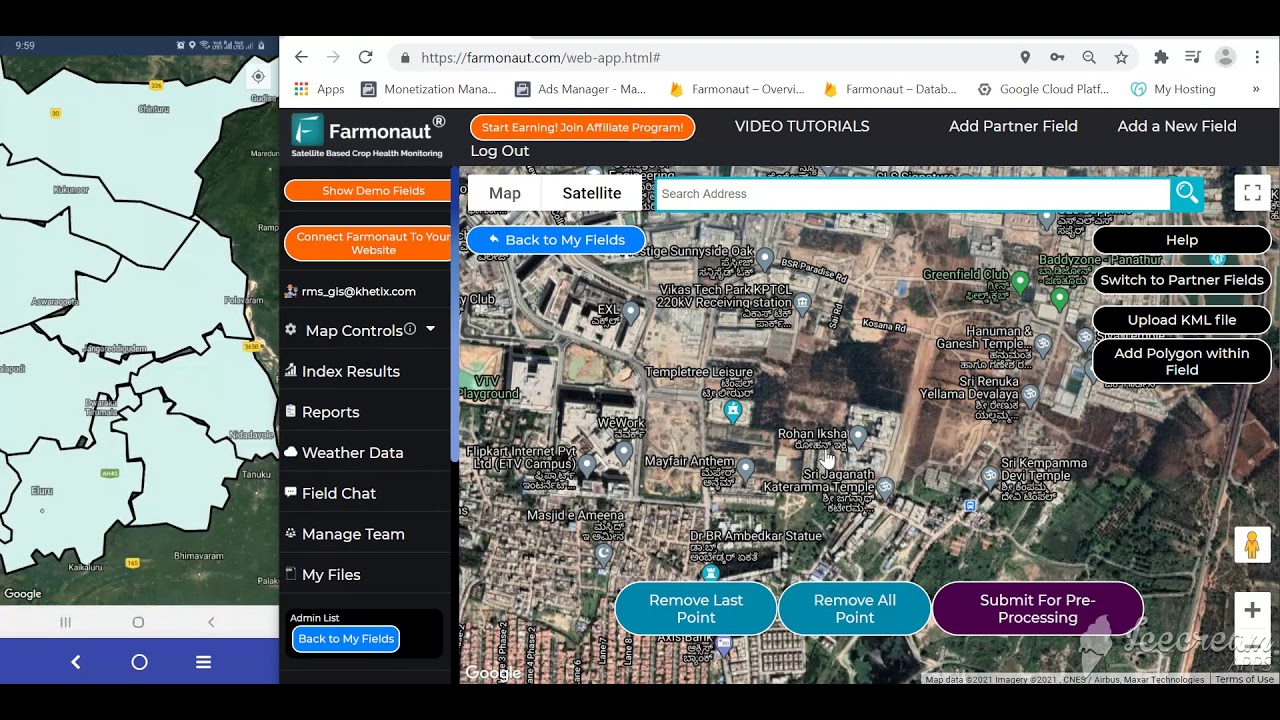
Explore: Improved traceability and environmental stewardship start with the right digital tools in agriculture farms.
Unlocking Financial Management with FMS Agriculture
Financial sustainability has become a cornerstone of profitable agriculture. FMS agriculture in 2025 offers a new dimension of cost control and investment planning. Here’s how:
- Expense Tracking: FMS tracks every input (seeds, labor, fertilizers, machinery) and links these directly to outputs (yield, market price), providing granular profit and loss reports for each field, crop, or season.
- Budget Forecasting: Predictive tools use historical data and current market trends to project input costs, operational expenses, and likely income—empowering better planning and resilience against market shocks.
- Cost-Benefit Analysis: With robust record-keeping, it’s easy to compare the financial impact of different farm management practices—enabling data-driven investment decisions for equipment upgrades, input purchases, or expansion.
- Access to Loans and Insurance: Digital records and satellite-based verification, like those provided by Farmonaut’s tool, streamline access to credit and insurance, reducing the risk of fraud and loss.
- Market Readiness: FMS tracks crop cycles and readiness in real-time, enabling more effective marketing, direct selling, and loss reduction.
For vulnerable smallholders and large enterprises alike, FMS transforms the challenge of resource allocation and profitability into an opportunity for sustainable growth.
Mobile Accessibility and Cloud-Based FMS in 2025
The user experience of FMS agriculture is revolutionized in 2025 by the rise of mobile devices and cloud computing:
- Field-Ready Mobile Apps: Field workers and managers input data in real time, receive recommendations, and monitor alerts directly from their smartphones or tablets—anywhere on the farm.
- Cloud Security & Updates: Cloud-based platforms provide automated data backups, robust security, and seamless updates, supporting even the most resource-constrained agriculture farms.
- Collaborative & Scalable: Multiple users can access, update, and monitor records, making collaboration across teams, contractors, and external advisors frictionless.
This new level of accessibility ensures that modern farming practices are at your fingertips, eliminating knowledge and geographic barriers.
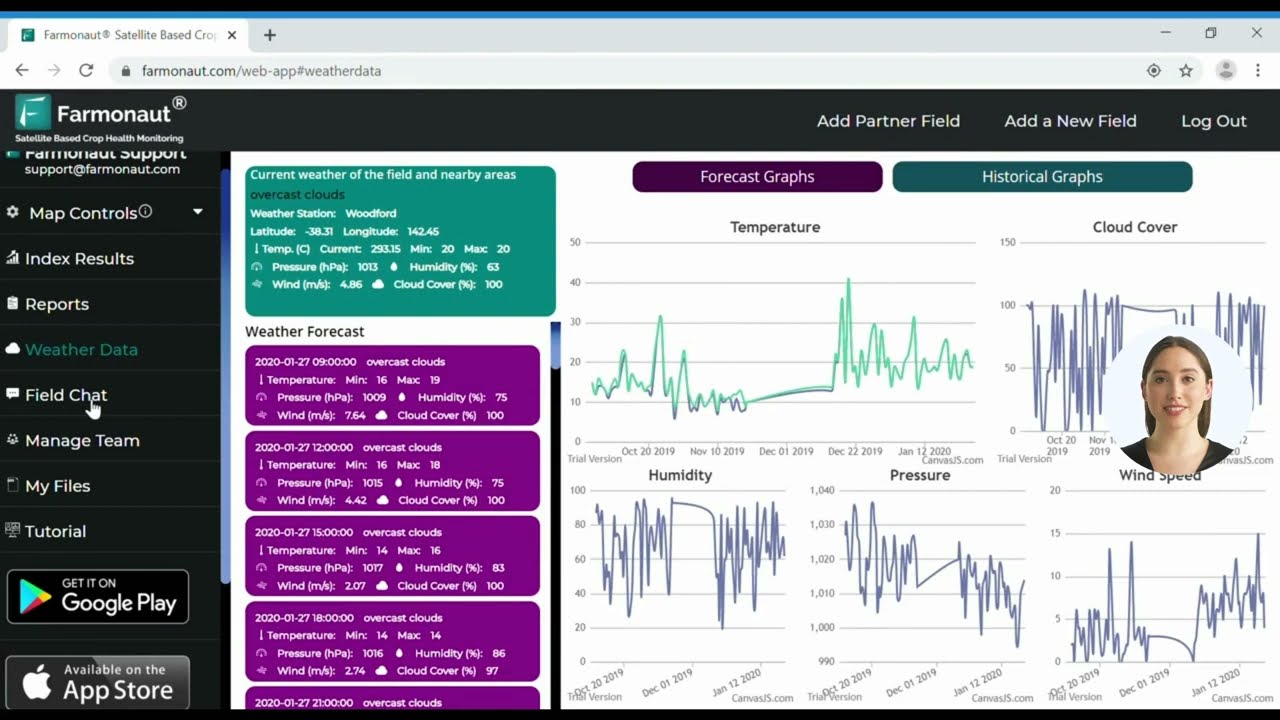
See it in action: Farmonaut’s web and mobile apps seamlessly connect you to real-time data for smarter, data-driven agriculture management.
FMS for Climate Resilience and Environmental Compliance
With extreme climate events on the rise in 2025, robust risk management is vital for every farm. FMS agriculture offers the following climate-resilient features:
- Adaptive Planning: Predictive models simulate crop planning under multiple weather and climate scenarios, guiding variety selection and planting schedules for best results.
- Disaster Preparedness: Real-time monitoring alerts agriculture farms to threats from drought, flooding, pest outbreaks, or temperature extremes, allowing proactive measures.
- Resource Allocation: Dynamic tracking of soil moisture, nutrient levels, and input supply allows for efficient use of water and other limited resources.
- Compliance & Audit Trails: Digital documentation simplifies auditing for compliance with stringent environmental and food safety regulations.
Whether in India, Africa, or North America, FMS equips even the most vulnerable regions to adapt, recover, and thrive under pressure.
Integrating FMS in Small and Large-Scale Agriculture Farms
An FMS is not just for commercial mega-farms. In 2025, solutions like Farmonaut Agro Admin App support both smallholder and large-scale field operations:
- Small Farms: Affordable, mobile-driven solutions deliver essential data, crop and soil monitoring, and local weather insights—enabling resource optimization and market access for smallholders.
- Large Farms/Cooperatives: Enterprise-grade platforms support fleet and machinery tracking, large-scale field mapping, and centralized resource management.
- Collaborative Models: FMS shares access with agronomists, consultants, and cooperative leaders, facilitating collaborative planning and operational excellence.
The flexibility and scalability of modern FMS make them the cornerstone of next-generation agricultural management systems in every region—no matter the size or crop.
How to Access Farmonaut’s Smart FMS Agriculture Solutions
Getting started with smart FMS agriculture via Farmonaut is straightforward for any farm seeking to optimize its operations in 2025:
- Visit Farmonaut’s Web App: Analyze your fields, monitor crop health, and access weather insights in real time. Launch the web app here.
-
Download Mobile Apps: Stay connected with your farm from anywhere via our Android and iOS apps.
Get it on Google Play |
Available on the App Store - API for Custom Integrations: For business, government, or developer use, Farmonaut’s API offers easy integration of satellite insights into your digital infrastructure. View developer docs.
- Choose Your Solution: From field monitoring and AI-powered advice to traceability, carbon tracking, and fleet management, select the module that matches your agricultural needs.
Integrating Farmonaut is designed to be seamless—enabling any farm to embrace modern, data-driven, efficient, and sustainable agriculture with minimal setup.
Farmonaut Subscription & Pricing
We offer scalable, cost-effective subscription models to suit farms of all sizes and operational scopes.
FAQ: FMS Agriculture 2025
1. What is an FMS in agriculture?
An FMS (Farm Management System) is an integrated digital platform that helps farmers plan, monitor, and analyze all aspects of farm operations—including crop planning, soil and moisture monitoring, irrigation, pest and disease management, input tracking, labor, machinery, and finances—via a single interface. It leverages technology to improve productivity, sustainability, and efficiency in agriculture.
2. How does FMS improve farm productivity?
FMS enhances productivity by offering data-driven, AI-powered recommendations for every stage of the crop cycle. Real-time monitoring and predictive analysis help farmers optimize input usage, maximize yields, prevent crop loss, and improve decision-making—resulting in higher profitability.
3. Can smallholder farms benefit from FMS agriculture?
Absolutely. Modern FMS platforms, especially those that are mobile-enabled and cloud-based, are accessible and affordable for smallholders as well. These tools boost resource efficiency, provide tailored advice, and connect smallholder farmers to markets and financial tools.
4. How does FMS agriculture support sustainability?
FMS reduces excessive use of inputs (water, fertilizers, pesticides) by ensuring they are applied precisely when and where needed. It enables traceability, supporting compliance with environmental standards, and facilitates carbon/emission monitoring for sustainable agriculture certifications.
5. What technologies are integrated into modern FMS platforms in 2025?
The latest FMS platforms use sensors, IoT devices, drones, remote sensing satellites, machine learning algorithms, big data analytics, blockchain for traceability, and real-time mobile/cloud connectivity to deliver a complete digital transformation for agriculture farms.
6. How does FMS help with financial management and planning?
FMS tracks input expenses, labor, machinery usage, and yields, supporting granular profit and loss analysis. Budgeting and forecasting tools, often enhanced by AI, help anticipate costs, market trends, and optimize investment decision-making.
7. How do I get started with Farmonaut?
Simply visit our web app or download the mobile app on Android/iOS, and register your field to access real-time crop and soil analysis, AI recommendations, and more. For integrations, check our API documentation.
Conclusion: FMS Agriculture is the Cornerstone of Smart Farming in 2025
The year 2025 marks a new era in global agriculture—where farm management system FMS platforms are the engines of transformation in both small and large-scale agriculture farms. By integrating real-time monitoring, AI-driven decision-making, sustainability tracking, and financial planning, FMS converts traditional farming into a dynamic, efficient, and resilient enterprise.
As the world faces climate uncertainty, resource constraints, and food security challenges, adopting FMS agriculture is no longer optional, but essential for any farm aiming to thrive and compete in the modern market. Whether you are optimizing a small plot or managing thousands of hectares, the right digital tools unlock environmental stewardship, higher productivity, and profitability.
At Farmonaut, we are committed to empowering every farmer and agribusiness through affordable, accessible, and cutting-edge satellite solutions and smart farm management systems. The FMS revolution is here—will your farm lead the way?

 Reddane Farming
 Esri North East Africa
 Farmer Amigo
 Cresol
 Atur Kuliner
 MDCV UK
 Zerella Group
 Etech Consulting Madagascar
 Vestlandsforsking
 Agritein
 Delicio
 WB Dev
 Sama Premium
 Prochecker
 Tres Valles
 LACOS Geoinformation
 Magrifly
 LatConnect 60
 Blickwinkel
 Agricultural Credit Policy Council
