

Meat, Wheat, Goat, Milk, Honey, Sheep Production: 2026 Trends
“Over 60% of goat farms in 2025 will adopt precision farming techniques to boost sustainability and productivity.”
Table of Contents
- Summary: Advancements and Trends in Meat Production
- Current Landscape: The Importance of Livestock and Crop Production
- Key Trends Shaping 2025-2026 Agriculture
- Precision Farming Technologies Revolutionizing Production
- Sustainability and Environmental Management in 2026
- Evolving Market Dynamics & Consumer Demand for Meat, Milk, and Honey
- 2026 Sustainable Production Trends: Comparison Table
- Challenges and Policy Support in 2026
- How Farmonaut Powers Agricultural Innovation
- Frequently Asked Questions
- Conclusion: The Road Ahead for Sustainable Agriculture



Summary: Advancements and Trends in Meat Production
Meat production, wheat production, goat production, milk production, honey production, sheep production are the cornerstones of global food security in 2026. As we progress into 2025 and beyond, meat production remains a critical source of both nutrition and economic livelihood for millions across diverse global regions. Yet, the sector now faces unprecedented challenges like climate variability, disease risks, and accelerating demand—necessitating innovative, sustainable practices and cutting-edge technologies.
This article comprehensively explores the trends shaping the future of meat, wheat, goat, milk, honey, sheep production, with a focus on precision farming, technological advancements, and sustainability for a resilient agricultural sector.

Current Landscape: The Importance of Livestock and Crop Production
Meat, wheat, goat, milk, honey, sheep production form the heart of traditional and modern agriculture. Beef, mutton, and goat meat are especially critical for developing economies, where livestock and crop farming provide vital sources of nutrition, income, and cultural value. In arid and semi-arid zones, sheep and goats are indispensable due to their adaptability, offering resilience against climate variability and harsh environments.
The production systems in these regions are increasingly diversifying, including not just large-scale commercial operations but also millions of smallholder farmers who rely heavily on livestock, milk, and honey for their livelihoods. Their role is fundamental in serving food security and ensuring the economic backbone of rural communities.

Key Trends Shaping Meat, Wheat, Goat, Milk, Honey, and Sheep Production in 2025–2026
As we look toward 2026, the agricultural sector is being transformed by technological and sustainability-driven innovations in both animal and crop production. Here, we highlight the most significant trends:
- Adoption of precision livestock farming (PLF) and smart crop management using IoT sensors, satellite monitoring, and real-time analytics.
- Deployment of genomic selection and breeding to accelerate genetic gains in livestock and reduce disease risks.
- Greater integration of blockchain-based traceability to enhance transparency and consumer trust – see our Product Traceability solution for more.
- Growth in alternative protein feeds (algae, insects) that reduce emissions and improve nutrient profiles.
- Market shifts driven by sustainability demands, labeling, and a growing focus on carbon footprint tracking (see Farmonaut Carbon Footprinting for monitoring solutions).
- Smart resource management using Farmonaut Fleet Management tools to optimize logistics and reduce waste.

“By 2026, global sheep milk production is forecast to increase by 15% due to data-driven breeding innovations.”
Precision Farming Technologies in Meat, Wheat, Goat, Milk, Honey, and Sheep Production
Precision farming is driving transformational change in 2026 across meat, wheat, goat, milk, honey, and sheep production sectors. The deployment of PLF (Precision Livestock Farming), smart sensors, and data analytics has revolutionized the way producers manage their animals and crops, resulting in improved productivity, animal health, and reduced waste.
Key Innovations and Their Impact
- IoT Sensors and Wearables: Real-time tracking of animal location, health status, feeding, and even estrus cycles. These devices enable farmers to detect early signs of disease or stress, allowing for timely intervention and reducing mortality.
- Automated Feeding Systems: Smart feeding platforms dispense optimal amounts of nutrient-rich feed, improving growth rates and reducing feed wastage.
- Satellite-Based Crop Monitoring: Our large scale farm management platform allows producers to monitor crop health, soil conditions, and irrigation needs, optimizing wheat and fodder yields that directly support livestock nutrition and productivity.
- Genomic Selection and Breeding: Advanced DNA testing enables producers to select animals for faster growth, disease resistance, and superior feed conversion. This is especially impactful in sheep and goat production, where genetic potential is rapidly exploited using new breeding technologies.
- API Integrations: Businesses and developers can integrate satellite-driven analytics directly into their own systems using our Farmonaut Satellite API. Explore detailed documentation at Farmonaut API Developer Docs for more integration possibilities.

These technologies are not only making production more efficient but also allow for substantial reductions in environmental impact by detecting and correcting inefficiencies early on.
Precision Monitoring: Animal Welfare and Sustainability
- Animal welfare is enhanced with wearable trackers monitoring temperature, pulse, and movement; early detection of heat stress and disease reduces suffering and improves herd health.
- Data-driven breeding and husbandry reduce emissions through smarter feed management and genetic improvement.
- An example of integrated tech use: Automated alerts can prompt direct caretaker intervention if a sheep shows abnormal movement, often signaling lambing or illness.
- Precision field management means optimal irrigation for wheat, maximizing food for livestock while minimizing water and fertilizer waste.
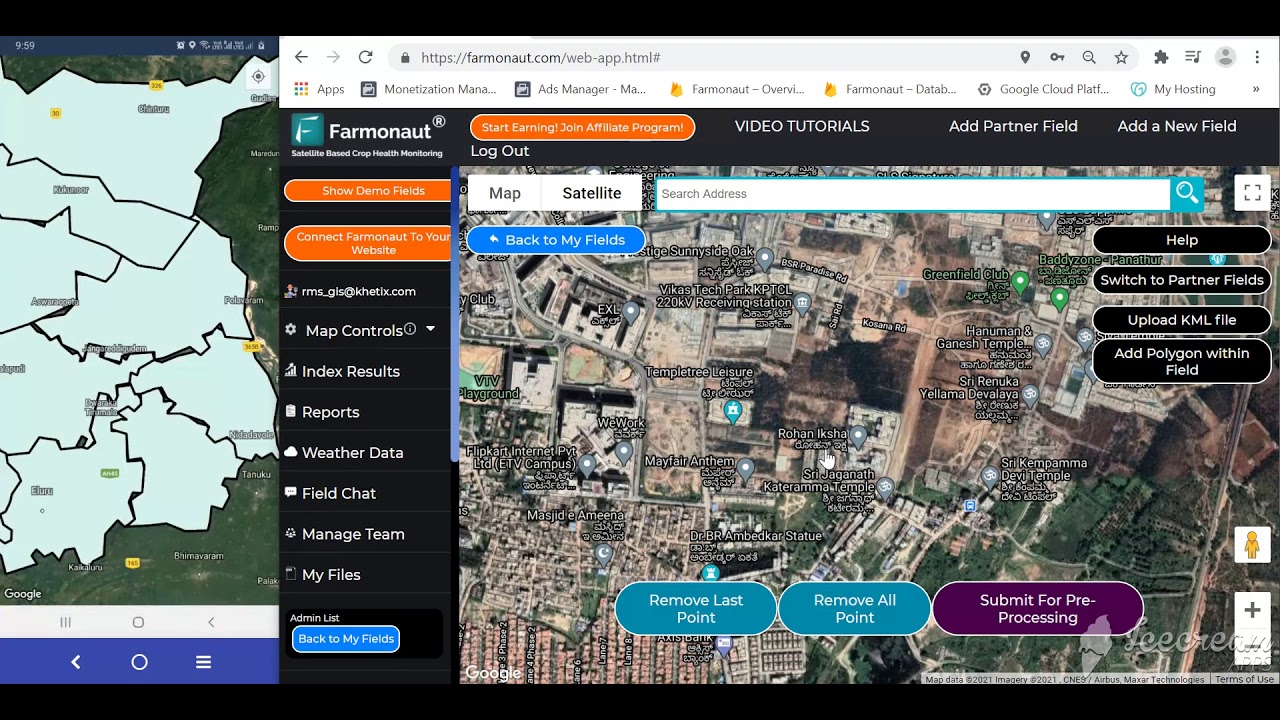
Sustainability and Environmental Management in 2025–2026
Agriculture is under greater scrutiny than ever before due to its significant impact on carbon emissions, water use, and land utilization. Meat, wheat, goat, milk, honey, sheep production are increasingly integrating regenerative practices and advanced management technologies to improve environmental outcomes and support sustainability goals.
Key Sustainability Practices and Technologies
- Regenerative Grazing and Rotational Systems: Rotational grazing coupled with silvopastoral systems (trees + livestock) increases soil carbon sequestration, reduces erosion, and enhances biodiversity.
- Methane Reduction Initiatives: Adoption of feed additives, legumes, seaweed, and alternative feeds (insect meal, algae) reduces GHGs from ruminants by up to 30% in some cases.
- Manure and Waste Management: Use of anaerobic digesters transforms livestock waste into biogas, supporting renewable energy and improving nutrient cycles in cropping systems. See Canada’s Biogas Breakthrough for an international example.
- Water Efficiency: Smart irrigation and drought-tolerant wheat/botanical varieties help producers in arid environments stabilize food and fodder supply for livestock.
- Environmental Monitoring: Our Carbon Footprinting platform provides real-time analytics of emissions and resource use, empowering producers to achieve compliance and meet climate-smart agriculture standards.

Achieving sustainability in meat, wheat, goat, milk, honey, sheep production means improving quality, reducing emissions, and making smarter use of land, water, and resources—all while boosting economic resilience for producers.
Evolving Market Dynamics & Consumer Demand
Consumer tastes are in flux. Global meat demand is rising, especially for sheep and goat meat, driven by population growth, dietary shifts, and urbanization. Milk and honey consumption are also up as health-conscious consumers seek quality nutrition.
Transparency and Traceability
- Consumers and retailers demand evidence of sustainable production and ethical animal welfare.
- Traceability systems powered by blockchain (e.g., Farmonaut Traceability) offer end-to-end product tracking – from farm to fork – to assure authenticity and improve price premiums for certified goods.
- Labels now list carbon footprint, GHG emissions, and animal welfare scores, supported by advanced monitoring technology platforms.

- Sheep and goat meat are gaining attention in Asia, Africa, Middle East due to demographic and dietary trends. Goats, in particular, thrive in resource-poor, harsh environments and are easy to integrate into sustainable small-scale systems.
- Globally, honey production is being linked with broader biodiversity and pollination services, making it essential to eco-friendly farm branding.
- Milk production from sheep and goats is climbing, thanks to data-driven selection for productivity and disease resistance.
2026 Sustainable Production Trends: Comparison Table
| Product Type | Estimated 2026 Production Volume | Key Technologies Adopted | Sustainability Innovations | Projected Growth Rate (2025–2026) |
|---|---|---|---|---|
| Meat (Beef, Mutton, Goat) | 380+ million metric tons |
IoT Sensors, Precision Feeding, Genomic Breeding, Blockchain Traceability |
Rotational Grazing (emissions -20%), Methane-Reducing Feed (GHG -25%) |
3.2% |
| Wheat | 775+ million metric tons |
Satellite Crop Monitoring, Drones, Precision Irrigation, Advanced Breeding |
Water Reduction (18%), Soil Regeneration |
2.7% |
| Goat | 17+ million metric tons (meat) 22+ million metric tons (milk) |
PLF Sensors, Genomic Selection, Automated Feeding |
Feed Efficiency (GHG -15%), Pasture Diversity |
4.4% |
| Milk | 975+ million metric tons |
Robotic Milking, Sensor Analytics, Nutrition Optimization |
Emissions Reduction (12%), Improved Nutrient Use |
2.9% |
| Honey | 2+ million metric tons |
Smart Hives, Bee Health Sensors, GIS Analysis |
Pollinator Habitats, Biodiversity Boost | 3.6% |
| Sheep | 15+ million metric tons (meat) 11+ million metric tons (milk) |
Wearables, Satellite Pasture Mapping, AI Breeding, Blockchain |
Carbon Sequestration (23%), Nutritional Efficiencies |
3.8% |
Note: Data represent industry estimates and are intended for comparative purposes. Actual outcomes may vary by region and market trends.

Challenges and Policy Support for 2026 Agriculture
While technology and innovation are advancing rapidly, the sector still faces significant headwinds in 2026:
- Climate variability: Unpredictable weather disrupts both crop and livestock production.
- Disease outbreaks: Emerging livestock and crop diseases require constant surveillance and rapid response.
- Market volatility: Trade tensions and shifting consumer preferences add risk for producers.
- Financial barriers: Smallholders struggle to access credit and insurance. Satellite-driven risk assessment (see Farmonaut Crop Loan & Insurance) is one way to support lending and protect farmer income.
- Policy needs: Governments emphasize climate-smart agriculture, investment in R&D, and support for technology adoption.
Integration of traditional knowledge with modern science is recognized as crucial for adaptability and resilience at the local level.
How Farmonaut Powers Agricultural Innovation for Meat, Wheat, Goat, Milk, Honey, Sheep Production
As a satellite technology pioneer, we at Farmonaut are committed to delivering real-time data and actionable insights that empower farmers, businesses, and governments in their quest for sustainability and productivity in meat, wheat, goat, milk, honey, sheep production.
- Our satellite-based monitoring platform delivers up-to-the-minute field and livestock analytics through our Android, iOS, and web/browser apps—offering seamless resource and environmental management anywhere, anytime.
- Jeevn AI Advisory provides weather forecasting, risk alerts, and customized crop/livestock management strategies, powered by advanced satellite data.
- Blockchain Traceability guarantees product authenticity and transparency from farm to consumer, tackling issues of fraud and quality assurance.
- Fleet & Resource Management tools enable livestock, crop, and honey producers to optimize the logistics of large-scale operations—reducing waste, emissions, and costs.
- Environmental Impact Monitoring empowers industry stakeholders to track carbon emissions and resource consumption in real time, aiding compliance and boosting market competitiveness.
- Access for all: Our intuitive, scalable model—from smallholders to large enterprises—means everyone can leverage satellite-driven solutions for data-based decision-making and long-term growth.
Want to experience data-driven, sustainable livestock and crop management?
Download our web, Android, or iOS apps today (see buttons above).
Developers and businesses can integrate seamlessly with our open Farmonaut API.
Explore more about our commitment to Carbon Footprinting or innovative Traceability solutions. For advisory and plantation support, check out crop plantation and advisory services.
Frequently Asked Questions
What are the main challenges in meat, wheat, goat, milk, honey, sheep production in 2026?
The sector faces climate challenges (drought, heat, variable rainfall), rapid disease spread (livestock and crop), market/price volatility, and the need for environmental sustainability. Precision technologies, data-driven management, and policy support are essential for resilience.
How does precision farming benefit sheep and goat producers?
Precision livestock farming (PLF) deploys sensors and AI to monitor animal health, behavior, nutrition, and reproductive cycles in real-time. This improves productivity, welfare, and disease detection, all while reducing feed waste and emissions.
How can producers reduce their carbon footprint and emissions?
By integrating methane-reducing feed additives, regenerative grazing, anaerobic digesters, and accurate emissions monitoring (as with Carbon Footprinting), producers can make measurable reductions in environmental impact.
What role does traceability play in sustainability?
Traceability systems prove authenticity and sustainable origin for meat, milk, honey, and wheat products. They help verify claims on emission reductions, animal welfare, and safe, ethical farming. Our Traceability solution makes this easy for large and small producers.
How does Farmonaut support crop and livestock producers?
We offer satellite-driven monitoring, AI-based advice, blockchain traceability, and environmental tracking for real-time management and enhanced productivity. Our platform scales for smallholders, businesses, and government agencies globally, ensuring sustainable growth for all stakeholders.
Can I get Farmonaut solutions integrated into my existing farm management system?
Absolutely! Our API enables seamless integration, and the API Docs provide clear guidance. We support integration for crop and livestock monitoring, carbon tracking, traceability, and more.
How do regenerative agriculture practices help producers?
Regenerative practices (rotational grazing, cover cropping, silvopasture) restore soil health, boost carbon sequestration, improve water retention, and often increase profits by ensuring long-term sustainability and resilience to climate shocks.
Conclusion: The Road Ahead for Sustainable Agriculture & Livestock Production
Meat, wheat, goat, milk, honey, sheep production industries are at a crossroads in 2026. The adoption of precision technologies, genetic advancement, and environmentally sound practices is shaping a future that is more productive, resilient, and responsible than ever before.
The future of agriculture lies at the intersection of innovation and stewardship. Whether through comprehensive data-driven livestock monitoring, regenerative cropping systems, or transparent supply chains, producers who adopt these innovations will be best positioned to meet the evolving global demand for healthy, sustainably produced food.
Get started today: Harness Farmonaut’s advanced tools to make smart decisions, optimize your production, and join the movement toward a more sustainable agricultural future.

 Godrej Agrovet
 Hayleys Agriculture
 Linx Agritech
 Adinet
 Save Your Soils
 GalaxEye Space
 Grandstream Algérie
 XOS Realty
 Geospatial Lab Africa
 Agro La Gándara
 HIPSAC
 ZOL Zimbabwe
 Juligerm
 AdBio
AdBio MISE Maroc
 NWNS
NWNS Red August Group
 Farm Inc
 WeMe Global
 Agrotoken
 Blue BearX
 Insignito
 DnCubed
 Indosistim Teknologi
 Liquify Digital
 CU Foods
 BeyondTech Global
 Rouge VC
 AgroRisk
 Oath Inc
 Esri North East Africa
 MDCV UK
 Etech Consulting Madagascar
 Vestlandsforsking
 WB Dev
 Sama Premium
 Tres Valles
 Blickwinkel
 Agricultural Credit Policy Council
 eKGIS
eKGIS Mostas Tech
 Andex
Andex Deluxe Conseil
 WICO
WICO Chimera Innovation
 SkyHarvest
 Teledarbas
 Exurbia Geospatial
 FieldZero
