

Modern Farming Machines & Methods: 2026 Equipment Guide
“Modern farming machines in 2025 can plant over 400 acres per day, doubling efficiency compared to 2015 equipment.”
Modern Farming in 2025: Revolutionizing Agriculture with Advanced Machines and Methods
Modern farming is experiencing a profound transformation in 2025 and heading into 2026, driven by rapid advancements in equipment, machinery, and technology. The agricultural landscape—both globally and in fast-growing regions—has moved beyond traditional practices. Modern farming machines, precision methods, and intelligent systems are integrating seamlessly, boosting yield, efficiency, and sustainability across all types of farms. The goal is clear: Produce more food, more efficiently, while preserving soil, water, and the environment for future generations.
This comprehensive guide explores how modern machines, tools, and methods are redefining farming, with a focus on what’s new in 2026 and beyond. We’ll cover:
- Innovative equipment like autonomous tractors, drones, and AI-enabled robots
- Game-changing data-driven techniques for monitoring, planting, spraying, and harvesting
- Sustainable practices for reducing resource use—water, fertilizers, and pesticides
- How satellite-based solutions, like Farmonaut, are empowering farmers with actionable insights
- The role of automation and precision management in dairy, animal health, and beyond

The Profound Transformation of Modern Farming in 2026
The shift from traditional to modern farming practices is nothing short of revolutionary in 2025 and 2026. At the heart of this change are modern farming machines and advanced farming equipment that are intelligent, efficient, and adaptable. These machines, along with innovative modern farming methods, enable farmers to maximize crop yield, reduce waste, and optimize resource use.
- Autonomous tractors can perform tasks with minimal human intervention, equipped with GPS, real-time data processing, and AI-powered precision steering.
- Drones and robotic seeders handle planting, mapping, monitoring, and spraying with pinpoint accuracy, ensuring optimal application of fertilizers and pesticides.
- IoT-based sensors analyze soil and crop health, transmitting actionable data to central management systems.
- Automated irrigation systems deliver water efficiently and only where needed, dramatically improving water conservation.
This transformation is driven by the convergence of data analytics, IoT, and automation, which collectively improve productivity and sustainability. The adoption of modern farming machines is reaching new levels: studies show that autonomous tractors and precision equipment now handle over 60% of large-scale planting operations, while drones cover millions of acres globally for field scouting and mapping.
Key reasons behind this widespread adoption:
- Growing global population, requiring sustainable food security solutions
- Increasing input costs for water, fertilizers, and labor
- Pressing need to reduce environmental impact and resource waste
- Demand for business resilience amid climate uncertainty and supply chain risks
The Rise of Modern Farming Machines & Equipment
The term modern farming machines has evolved dramatically over the past decade. Once, conventional tractors and planters performed simple, repetitive tasks. In 2026, modern machinery is characterized by:
- Intelligent automation: Machines are equipped with AI algorithms, machine learning, and sensors to make real-time decisions.
- Connected systems: Equipment communicates with central platforms, allowing for remote monitoring and control.
- Efficiency: Planting, spraying, and harvesting take place with unmatched speed and accuracy, reducing labor needs and minimizing human error.
Today’s modern tractors are no longer just mechanical beasts—they’re adaptable platforms equipped with GPS-autosteer, telematics, variable-rate technology, and data analytics dashboards. These capabilities mean less overlap, fewer missed spots, and far more precise application of seeds and nutrient inputs.
Key Modern Farming Equipment for 2026
- Autonomous tractors & combines — GPS-integrated, fully programmable, and AI-enhanced for optimal operations
- Robotic planters & seeders — Precision planting of seeds in optimal rows, reducing waste and maximizing coverage
- Drones (UAVs) — For mapping, aerial surveillance, variable rate input application, and early detection of crop health issues
- Field robots & weeders — Capable of identifying and removing weeds with minimal use of herbicides
- Advanced soil sensors — Measuring moisture, pH, and nutrient availability continuously across fields
- Automated irrigation systems — Linked to soil sensor data for efficient water delivery
- Livestock monitoring collars — For tracking animal health, movement patterns, and productivity on modern dairy farms
“Precision agriculture methods cut fertilizer usage by up to 30% in 2025, enhancing sustainability and reducing costs.”

Data, Technology & IoT: The Heart of Modern Precision Agriculture
Modern farming in 2026 is fundamentally data-driven. The Internet of Things (IoT) allows sensors, drones, and machines to transmit, process, and interpret real-time data from the field. This holistic connectivity—“smart farming”—puts advanced analytics into the hands of farmers, helping them make swift, informed decisions to maximize yield with less resource use.
- Soil moisture sensors indicate exactly when and where crops need irrigation—reducing unnecessary water application.
- Crop health sensors spot nutrient deficiencies, pest infestations, and disease early, allowing targeted intervention.
- Weather stations and forecasting tools integrate local weather data for dynamic planning of planting, spraying, and harvesting.
- Telematics on tractors & combines track machine location, fuel usage, and mechanical health, helping prevent breakdowns and optimize routing.
These intelligent systems allow farmers to go beyond “blanket” application of resources across their fields. Instead, inputs (seeds, water, fertilizers, pesticides) can be applied with pinpoint precision at specific sites—directly boosting efficiency and lowering costs.
The results are clear:
- Fertilizer usage is reduced by up to 30% thanks to targeted application informed by soil and crop data.
- Water use decreases by 20–40% via smart irrigation systems flagged by moisture sensors.
- Yields increase by up to 25% as healthy crops thrive with the right nutrients and minimal competition from weeds/pests.
- Operational costs are cut by reducing slippage, overlap, and downtime in fieldwork.

Precision Innovations: Equipment & Systems Revolutionizing Modern Farming
Precision agriculture methods have expanded thanks to modern farming equipment engineered for efficiency. Let’s break down how key systems are making an impact on agriculture—especially in large, complex farms where even small improvements scale quickly:
Autonomous Tractors & Combines
2026 modern tractors represent the cutting edge: fully autonomous “driving,” self-calibrating implements, and AI-powered route optimization. They operate day and night, minimize soil compaction, and collect a constant stream of operational data for review and predictive maintenance.
- Pinpoint steering and row spacing reduces overlaps and missed spots in planting or spraying
- Reduced operator fatigue and error through automation
- Data logging: Every pass is tracked, supporting future field management decisions
Robotic Planters, Seeders, and Field Robots
Robotic seeders now plant seeds at the perfect depth and spacing for each crop species—tailored to soil type and field micro-variability. Robots handle manual tasks previously done by large crews, reducing labor costs and ensuring uniform coverage.
- Efficient use of seed and space, boosting yield
- Precision targeting for nutrient application
- Ability to work autonomously in difficult terrain or at night
Drones: Monitoring, Mapping, and Spraying
Drones (UAVs) play a significant role in modern agriculture, collecting imagery for crop mapping, detecting disease/pests, and delivering nutrients or crop protection agents exactly where needed. They excel in aerial surveillance, allowing farmers to identify problems early and apply chemicals selectively—reducing environmental impact.
- Efficient aerial coverage for large fields, orchards, and vineyards
- Selective and minimal-use application of pesticides and nutrients
- Reducing cost and environmental footprint, compared to traditional ground spraying

Soil Sensors & Environmental Monitoring
Soil health monitoring is critical for sustainability. Modern soil sensors analyze moisture, temperature, pH, electrical conductivity, and nutrient availability.
These sensors, often embedded throughout fields, transmit real-time data to cloud-based platforms (via IoT), which trigger automated irrigation or nutrient application systems as needed.
- Prevents overwatering and run-off
- Maintains soil structure and microbial health
- Delivers exactly the right inputs at the right times
Automated Irrigation & Precision Water Management
Water scarcity challenges have made smart, automated irrigation a necessity. These systems link with soil sensors and advanced weather data to optimize every drop—ensuring that crops only receive water when and where required.
- Reduces water waste by 20–40%
- Preserves precious water resources for the next growing season
- Lowers energy usage by minimizing unnecessary pump operation

Comparative Guide: Modern Farming Equipment Feature-Benefit Table

Robots, AI, and Drones: Intelligent Farming for Yield & Sustainability
One of the most exciting frontiers in modern agriculture for 2026 is the deployment of robots and AI. Field robots, weeding bots, and AI-based algorithms for decision support are making farms more productive and sustainable:
- Robotic fieldhands identify and remove weeds individually, minimizing the application of herbicides and reducing the risk of resistance.
- AI-powered advisory systems analyze weather, soil, and crop imagery to suggest the best planting, fertilization, and harvesting windows.
- Drones scout for pest infestations, disease outbreaks, and nutrient deficiencies, enabling proactive crop management and yield protection.
These technologies do not replace farmers, but rather augment human expertise—allowing for swifter, more informed, and less labor-intensive decision making.

Soil, Water, and Nutrient Management: Sustainable Modern Farming Methods
Sustainability is a foundational focus of modern agricultural practices in 2026. Key methods, deployed alongside smart machines, ensure soil health, water conservation, and reduced environmental impact:
- Crop rotation & cover cropping: Maintaining ecological diversity and soil fertility, reducing reliance on synthetic fertilizers.
- Conservation tillage: Preserves soil structure and microbial activity, promoting healthier field conditions and minimizing erosion.
- Precision nutrient management: Using variable rate technology and sensors to apply fertilizers and amendments only where necessary, reducing runoff and contamination of local waterways.
- Embedded soil sensors & AI analytics: Provides a real-time view of nutrient levels, moisture, and pH, triggering precise input delivery for optimal plant growth.
This fusion of traditional conservation methods and new technology is key for modern farms aiming for both high yield and long-term sustainability.
The Modern Dairy Farm: Automation for Animal Health and Efficiency
Modern dairy farms are harnessing automation and technology for improved productivity and enhanced animal care:
- Automated milking systems track and milk cows individually, recording data on milk yield, animal activity, and health parameters.
- Robotic feeders distribute precisely calibrated rations, optimizing nutrition and reducing waste.
- Sensors and wearable collars monitor each animal’s activity and vital signs, instantly alerting managers to health issues or irregularities.
What does this mean for dairy producers? Less labor, better welfare for cows, and higher milk quality. Real-time data supports swift intervention when an animal is sick, ensuring high standards in modern dairy farm management.
Tip: To further enhance dairy sustainability and transparency, digital traceability platforms can help record every stage “from pasture to packaging.”
Read more about blockchain-based traceability in agriculture and its impact on food security here:
Farmonaut Product Traceability.
Energy, Sustainability & Resource Integration in Agriculture
Leading-edge farms in 2026 are integrating renewable energy and resource-saving innovations in all aspects of their operations:
- Solar panels and biogas systems to generate clean power for irrigation, processing, and on-site energy needs
- Electric tractors and fully electric equipment to reduce CO2 emissions and operating costs
- Energy-efficient smart infrastructure to minimize power waste across all major farm functions
In addition to on-farm renewable energy production, fleet and resource management software platforms help identify machinery that can be upgraded, consolidated, or run on clean energy.
To learn about digital fleet optimization and the benefits for modern farms, visit:
Farmonaut Fleet Management
Practices such as carbon footprinting—tracking and reducing the greenhouse gas impact of farming—are now fundamental to sustainable agricultural operations.
Discover how carbon accounting and remote monitoring support environmental initiatives here:
Farmonaut Carbon Footprinting Solutions
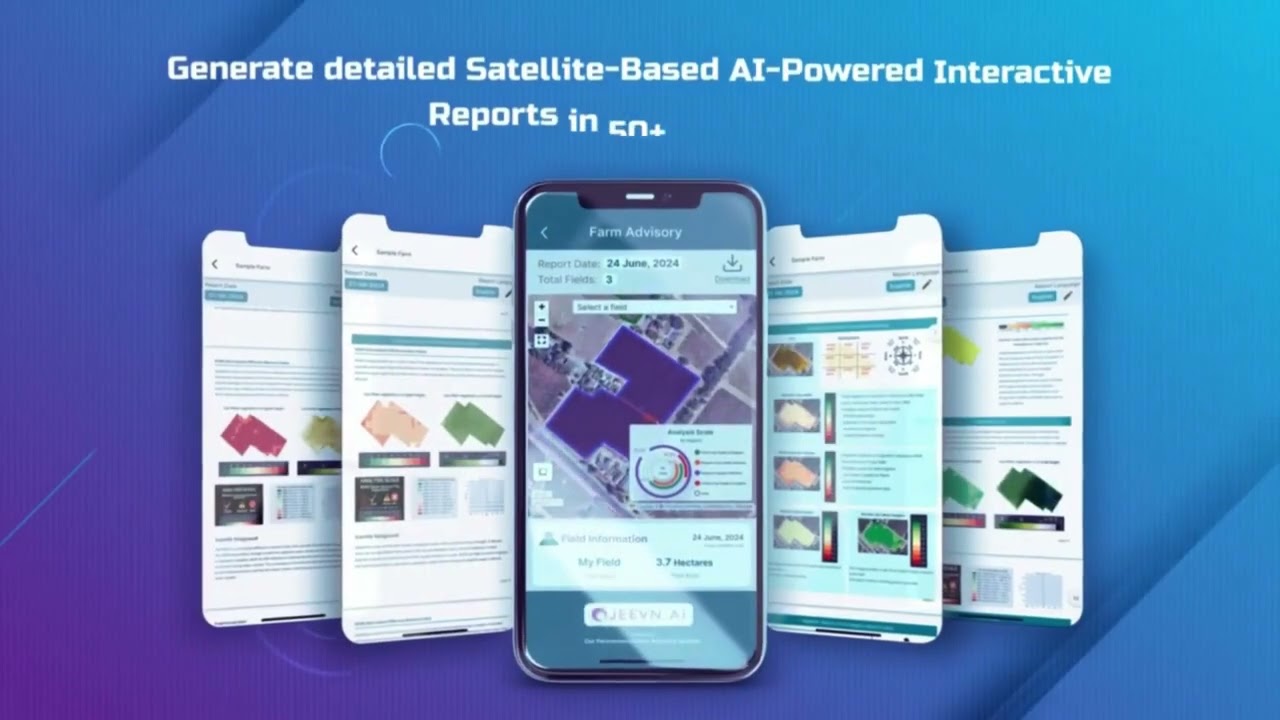
Satellite Technology & Data Insights: Farmonaut in the Modern Landscape
The next frontier for modern farming is satellite-based monitoring and analytics—offering farmers a multi-spectral, field-to-farm overview 24/7.
At Farmonaut, we specialize in affordable, data-driven agricultural solutions powered by satellite imagery, AI, and blockchain. Our mission is simple: Empower everyone— from individual farmers to large agribusinesses and government policymakers — to harness the latest technology for improved productivity, resilience, and environmental stewardship.
- Satellite crop health monitoring (NDVI, soil moisture, vegetation status): See where your fields are thriving and where intervention is needed—before problems become visible to the naked eye.
- AI-driven advisory tools: Get tailored recommendations for planting, fertilization, harvesting, and resource allocation.
- Blockhain-based traceability enhances food safety and transparency, while satellite verification improves access to loans and insurance.
Satellite solutions go beyond traditional drone or on-field sensor data by offering scalable, affordable, and unbiased insights across massive landscapes—great for remote, hard-to-reach, or large-scale agricultural regions.
Want to leverage these cutting-edge insights for your farming, mining, or infrastructure projects?
Farmonaut offers an API that can integrate directly into your apps or digital platforms.
Check the details here:
Farmonaut Satellite API or explore the full developer documentation:
API Developer Docs
Farmonaut Solutions: Real-Time Monitoring, Traceability, and More
Our Farmonaut platform is built to serve individual users, agribusinesses, governments, and financial institutions with everything needed for digital transformation:
- Real-time satellite monitoring: Access current and historical crop health data, spot trends, and manage large-scale farm operations efficiently.
- AI Advisory (Jeevn AI): Leverage machine learning for smart decision support in all phases of farming.
- Blockchain-based traceability: Ensures complete transparency for every product and resource—from the field to consumers, reducing fraud and building trust.
- Environmental impact monitoring: Track and reduce your carbon and resource footprint across all farming activities.
- Fleet management tools: Optimize machinery usage, monitor equipment health, and reduce operational costs from the cloud.
-
Financing and Insurance: Smoothen the process for loans and insurance claims with satellite-based field verification.
More on remote loan and crop insurance verification here:
Farmonaut Crop Loan & Insurance
Whether you manage a single family farm or an extensive agro-enterprise, our Large Scale Farm Management App gives you full control and a unified dashboard for managing operations, resources, and analytics.
For community farming, plantations, and forest advisory, you can discover more on our Crop Plantation & Forest Advisory Page.



Access Advanced Insights via Farmonaut Apps & API
Are you ready to take your modern farming operations into the future? Get started with real-time monitoring, digital field insights, sustainability tracking, and AI-powered crop & resource management:
-
Farmonaut Web App: Intuitive browser-based platform for full-field monitoring, fleet management, and AI-powered advisories.
Open the Farmonaut Web App -
Farmonaut Android and iOS Apps: Manage and monitor your fields, crops, livestock, and equipment from anywhere, at any time.
Get Android App | Get iOS App -
Farmonaut API & Developer Docs: Seamlessly integrate satellite, AI, and remote sensing data into your agri digital platforms.
Access the API | View API Documentation
FAQ: Modern Farming Machines & Methods for 2026
What are the most important modern farming machines in 2026?
Key machines include autonomous tractors, robotic seeders, precision drones, soil health sensors, and automated irrigation systems. Each plays a vital role in boosting efficiency, sustainability, and yield on modern farms.
How do IoT, sensors, and data analytics change farming?
They allow continuous monitoring and real-time decision-making, leading to more precise planting, nutrient application, and water use. Farmers can address problems early, reduce waste, and optimize every step of their workflow.
How is sustainability achieved in modern agriculture?
By integrating conservation practices (like crop rotation and minimal tillage) with technology: smart machines reduce input usage, advanced sensors prevent overwatering/fertilizer run-off, and renewable energy curbs emissions.
What are the main benefits of using platforms like Farmonaut?
They democratize access to advanced satellite, AI, and blockchain solutions, providing actionable, affordable insights for monitoring, resource management, and traceability. This leads to greater productivity, security, and sustainability.
Are modern farming methods only for large farms?
No! While large farms benefit at scale, small and medium-sized producers can also use modular technologies and digital platforms to lower costs, improve yield, and enhance sustainability.
What’s the future for modern farming beyond 2026?
Continued integration of AI, robotics, and renewable energy will make farms even more efficient, resilient, and climate-friendly. Global adoption will support food security for a rapidly growing population amid challenging environmental conditions.
Conclusion: The Future of Efficient, Sustainable Agriculture
The evolution of modern farming machines and methods between 2025 and 2026 represents a seismic shift—one driven by data, advanced equipment, and a steadfast commitment to sustainability. By integrating autonomous tractors, robotics, drones, sensors, and satellite-derived insights, today’s forward-thinking farmers are able to produce more using fewer resources, preserving the environment and building resilient, future-proof agri-businesses.
Platforms like Farmonaut make this transformation accessible for everyone—regardless of scale or geography. Our solutions empower farmers, enterprises, and governments to thrive in a data-driven, climate-conscious agricultural landscape.
Modern farming in 2026 is not just about yield—it’s about sustainability, adaptability, and the intelligent integration of technology at every turn.
Ready to revolutionize your farm’s future?
Try Farmonaut Today

 Green Bite Farm
 FCF India
 Unifrutti Gulf
 Deluxe Conseil
 TVS Electronics
 BW Pipelines
 WICO
WICO Gen Chayat
 Chimera Innovation
 SkyHarvest
 Polaris Digitech
 Teledarbas
 Wild Oak Farm
 SFX
SFX Doodlakine
