

Agricultural Machinery Technology: 7 New Machines 2025
“In 2025, seven new agricultural machines are projected to increase crop yields by up to 30% using AI precision systems.”
Table of Contents
- The Evolution of Agricultural Machinery Technology
- Precision Agriculture & Smart Machines
- Robotization and Automation: Transforming Farm Operations
- Sustainability and Environmental Impact of 2025 Machines
- Economic Impact & Accessibility
- 7 New Agricultural Technology Machines of 2025
- Comparison Table: 7 New Machines 2025
- Future Outlook: Where Next for Agricultural Machinery Technology?
- Farmonaut: Enabling Data-Driven, Sustainable Agricultural Machinery Operations
- FAQs: Agricultural Machinery Technology 2025
- Get Started with Farmonaut Apps & API
- Farmonaut Subscriptions
In recent years, the agricultural sector has witnessed transformative advancements, driven by cutting-edge technology and the integration of intelligent systems into traditional farm operations. As we move into 2025 and beyond, agricultural machinery technology stands as a foundational pillar of modern farming—reshaping how food is produced, enhancing efficiency, and promoting sustainable practices to meet the growing global demand.
From autonomous tractors and AI-driven drone sprayers to precision planters and robotic weeders, each new agriculture technology machine embodies a leap toward smarter, more productive, and more sustainable agriculture. These technologies are not only about boosting output but also about reducing environmental impact, minimizing labor requirements, and maximizing responsible use of precious resources like water and soil nutrients.
If you are involved in farming, agribusiness, agricultural policy, or simply passionate about food security, understanding the latest advancements in agricultural machinery technology is crucial. In this deep-dive, we’ll explore how smart, connected machines and systems equipped with AI, IoT, and advanced sensors are revolutionizing agriculture. We will dissect the key trends, review the top 7 new agriculture machines of 2025, compare their features and impacts, and discuss how tools like Farmonaut’s satellite-powered analytics are enabling a new era of data-driven farming.

The Evolution of Agricultural Machinery Technology
The journey from basic mechanization to smart agricultural machinery technology reflects centuries of agricultural innovation. Early farms relied on animal-powered ploughs and manual labor—approaches that, while foundational, often limited both productivity and scale. The Industrial Revolution introduced the first machines, such as steam-powered tractors and harvesters, ushering in the era of mechanization and reducing the physical demands on farmers.
As the years progressed, so did the technology. By the late 20th century, agriculture machine technology increasingly included hydraulic systems, advanced engines, and electronic controls, enabling massive improvements in efficiency and precision. Yet, true transformation began in the 21st century with the integration of artificial intelligence (AI), Internet of Things (IoT), and satellite-based connectivity. The result: today’s farms are often high-tech ecosystems where machines not only perform physical tasks but also collect actionable data, analyze crop and soil health, and optimize farm operations in real time.
New technology machines in agriculture—especially those embedded with advanced sensors, AI, and real-time analytics—are now enabling an entirely new management concept: precision agriculture. By integrating intelligence into the very core of machinery and daily farming practices, these machines are not just tools—they are partners in the quest for more sustainable, efficient, and resilient food systems.

Precision Agriculture & Smart Machines: Advances in Agricultural Machinery Technology 2025
At the heart of agricultural machinery technology in 2025 lies the concept of precision agriculture. Instead of treating entire fields or even entire farms as homogeneous, precision agriculture leverages data, sensors, AI, and machine learning to tailor every farm input and operation to the unique needs of specific locations—down to individual rows or plants.
Key Elements of Precision Agriculture:
- Sensors & IoT: Modern machines are equipped with advanced sensors measuring soil moisture, nutrient levels, crop health, and field conditions in real-time.
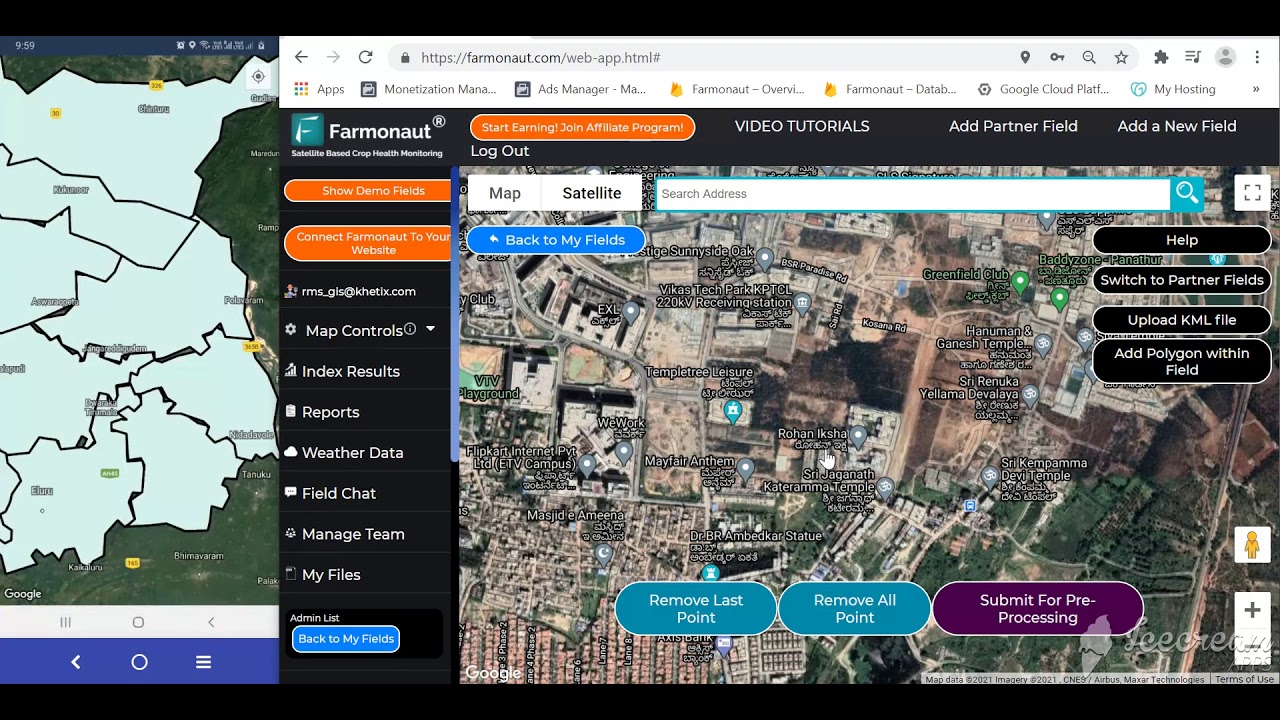
- Satellite Monitoring: Beyond in-field sensors, platforms (such as those offered by Farmonaut) use multispectral satellite imagery to assess vegetation health (NDVI) and detect variations across large farm landscapes.
- GPS & Automation: Automated tractors, planters, and sprayers guided by GPS optimize tasks for greater accuracy and minimal waste.
- Software & Analytics: Yield mapping, crop modeling, and real-time advisory systems help farmers make data-driven decisions to maximize crop production.
- Blockchain-Based Traceability: Track every input, operation, and output to ensure transparency in food and product sourcing.
As an example, modern combines (harvesters) now come with yield mapping software and real-time crop analytics. These machines are able to efficiently harvest based on intra-field variations, automatically adjusting to differences in soil composition, moisture, or crop maturity.
Meanwhile, autonomous tractors—driven by embedded AI and computer vision—can navigate complex terrains with minimal human supervision, greatly improving farm safety and reducing dependency on manual labor.

Robotization and Automation: Transforming Farm Operations
Robotics and automation are rapidly becoming vital elements in agricultural machinery technology, especially as labor shortages challenge the sector—especially in large or time-sensitive operations. Automated harvesters and robotic weeders use computer vision and machine learning algorithms to identify task targets like ripe produce or unwanted weeds.
Key Benefits of Robotization in Agriculture:
- Addressing labor shortages by performing repetitive tasks for long hours—even 24/7.
- Enabling minimal crop damage with AI-guided dexterity.
- Boosting efficiency and reducing errors compared to manual operations.
- Incorporating ongoing learning: Robotics systems refine performance as they process more field data.
- Reducing costs: Although initial investments can be significant, long-term labor and resource savings are substantial.

Sustainability and Environmental Impact of 2025 Machines
Agriculture new technology machines in 2025 are at the forefront of efforts to minimize environmental impact and promote more sustainable practices across global farming landscapes. As resource constraints and climate change intensify, these innovations are essential for protecting soil health, conserving water, and reducing the carbon footprint of food production.
Key Sustainability Features of Modern Agricultural Machinery:
- Precision Input Application: Machines equipped with advanced algorithms minimize waste by applying only as much fertilizer, pesticide, or irrigation as crops and soil actually need.
For example, by using Farmonaut’s carbon footprinting solutions (learn more), agribusinesses can monitor and reduce greenhouse emissions directly linked to machinery use. - Soil Conservation: Conservation tillage techniques, enabled by GPS-guided machinery, reduce soil disturbance, prevent erosion, and retain organic matter.
- Efficient Water Use: Smart irrigation systems—driven by sensor-based feedback—stop overwatering and cut unnecessary water loss.
- Renewable Energy Integration: Solar- and hybrid-powered machines are lowering reliance on fossil fuels on farms.
- Reduction of Chemical Use: Sensor-based disease and pest detection systems minimize the need for broad chemical control by enabling spot treatment.
“Advanced agri-tech machinery can reduce fertilizer usage by 20% through real-time soil and crop data analysis in 2025.”
Why Sustainability Pays Off:
- Regulatory Compliance: Compliance with environmental laws and consumer expectation is increasingly essential for market access.
- Economic Benefits: Reducing input waste means saving money on expensive resources while simultaneously boosting productivity.
- Long-Term Farm Viability: Healthier soil and water resources ensure farms remain productive for future generations.
Economic Impact & Accessibility of Agriculture Technology Machines
Despite the significant upfront costs, the economic benefits of investing in advanced agriculture machine technology are compelling. Over time, yield gains, reduced input costs, and labor savings more than compensate for initial investments. Furthermore, the increasing scalability and modularity of new technology machines in agriculture are helping make these innovations more accessible to developing regions and smaller farms.
How Technology Enhances Economic Viability:
- Automation of labor-intensive tasks streamlines farm management even on a large scale.
- Precision systems lower input costs and boost productivity.
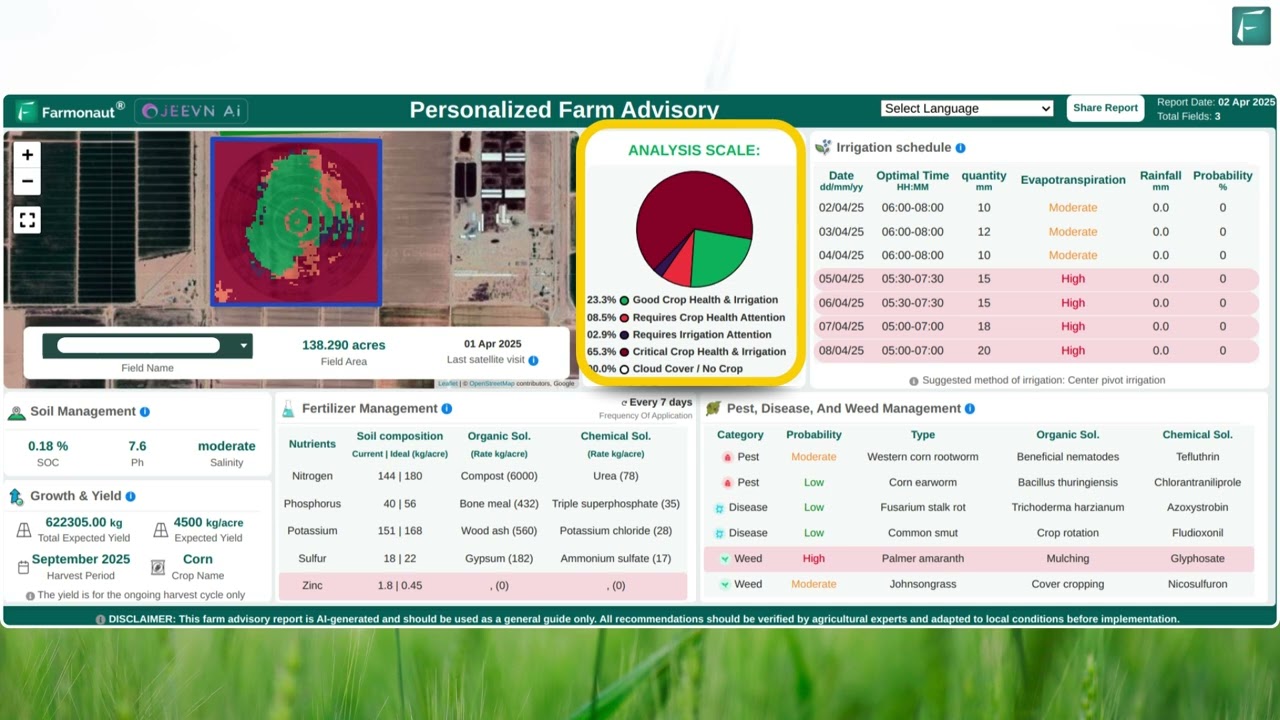
- Advanced fleet and resource management systems available via remote apps (like these tools from Farmonaut) help optimize machinery usage, cut fuel consumption, and enhance operational safety, further reducing costs.
- Satellite-based monitoring and crop health analytics can help farmers access loans and insurance by providing verifiable data for farm financing—especially vital in developing agricultural economies.
How Accessibility Is Growing:
- Manufacturers are designing machines with modularity, so smaller devices can be combined as capital and farm size expand.
- Cloud and app-based control enable remote monitoring and operation, reducing the need for on-site technical expertise.
- Government programs and private initiatives (training, subsidies, infrastructure) are actively lowering barriers, enabling more farmers to adopt these innovations.
Did You Know?
- Some new machines come with real-time compliance features that track emissions, directly helping with future carbon taxes or credits.
- Fleet management and sensor data support machinery sharing models (like cooperative ownership)—especially valuable for smallholder farms.
7 New Agricultural Technology Machines of 2025: Innovation at Work
Let’s take an in-depth look at the seven most significant agricultural machinery technology innovations launching globally in 2025. Each machine listed below incorporates elements like AI, precision systems, and connectivity to reshape traditional farming methods. Fields across diverse geographies—from North America to developing regions—stand to benefit from their precision, automation, and sustainability impacts.
1. AI Autonomous Tractor Fleet
The latest AI-powered autonomous tractors are true workhorses with machine learning and computer vision—capable of navigating fields, avoiding obstacles, and adjusting speed, depth, or tool engagement in real time. These machines offer improved efficiency, safety, and multi-tasking ability—often controlled remotely via app or web dashboard.
- Key Feature: Real-time data collection (soil moisture, nutrient levels, crop conditions) while operating
- 2025 Impact: Labor needs reduced by 70%, input (fuel, seeds) use cut by up to 15%. Safety in complex terrains greatly enhanced.
2. Precision Seed Planter with Soil Analytics
This new technology machine in agriculture utilizes embedded sensors and AI to analyze soil conditions in real time, modulating seed depth, spacing, and planting rates according to optimal conditions. This ensures the right seed is placed at the right depth and location for maximum germination and yield.
- Key Feature: Integrates real-time satellite and in-field sensor data for precision planting decisions
- 2025 Impact: Boosts yield by up to 18% on average farms; reduces waste of seed and starter fertilizer.
3. AI-Powered Multi-Spectral Drone Sprayer
Drone sprayers armed with AI and multi-spectral cameras identify pest and disease hotspots, enabling targeted application of crop protection and nutrients. By analyzing crop health from above, these drones ensure minimal chemical usage and limit environmental impact.
- Key Feature: Variable-rate pesticide and fertilizer application based on real-time image analysis
- 2025 Impact: Up to 25% savings in chemical use, runoff, and water usage
4. Robotic Harvester for Fruits & Vegetables
Robotic harvesters use computer vision to detect ripeness and ultra-precise manipulators to harvest delicate produce. Equipped with AI-driven sorting, these harvester machines can work day and night, dramatically improving harvest efficiency and reducing spoilage rates.
- Key Feature: Machine learning algorithms for produce identification and optimal handling
- 2025 Impact: Labor needs cut by 55% in high-value horticulture; minimal crop damage.
5. Self-Guided Robotic Weeders
These machines navigate rows autonomously, distinguishing between crops and weeds using AI and computer vision. They deliver mechanical weeding or spot-apply herbicides, drastically reducing herbicide usage and the associated impact on soil health and biodiversity.
- Key Feature: High-frequency weed mapping and customized weed control
- 2025 Impact: Herbicide usage reduced by 40%+; improved crop vigor.
6. Smart Irrigation System with IoT Sensors
Smart irrigation deploys networks of in-field sensors—connected through IoT—collecting soil moisture, temperature, and crop stress data. The system controls water releases based on real-time crop needs and weather forecasts, greatly minimizing waste.
- Key Feature: Real-time cloud analytics coordinating all water delivery
- 2025 Impact: Water savings up to 35%; higher yield per drop of water.
7. Mobile Platform for Integrated Farm Data Management (Satellite + AI-Driven)
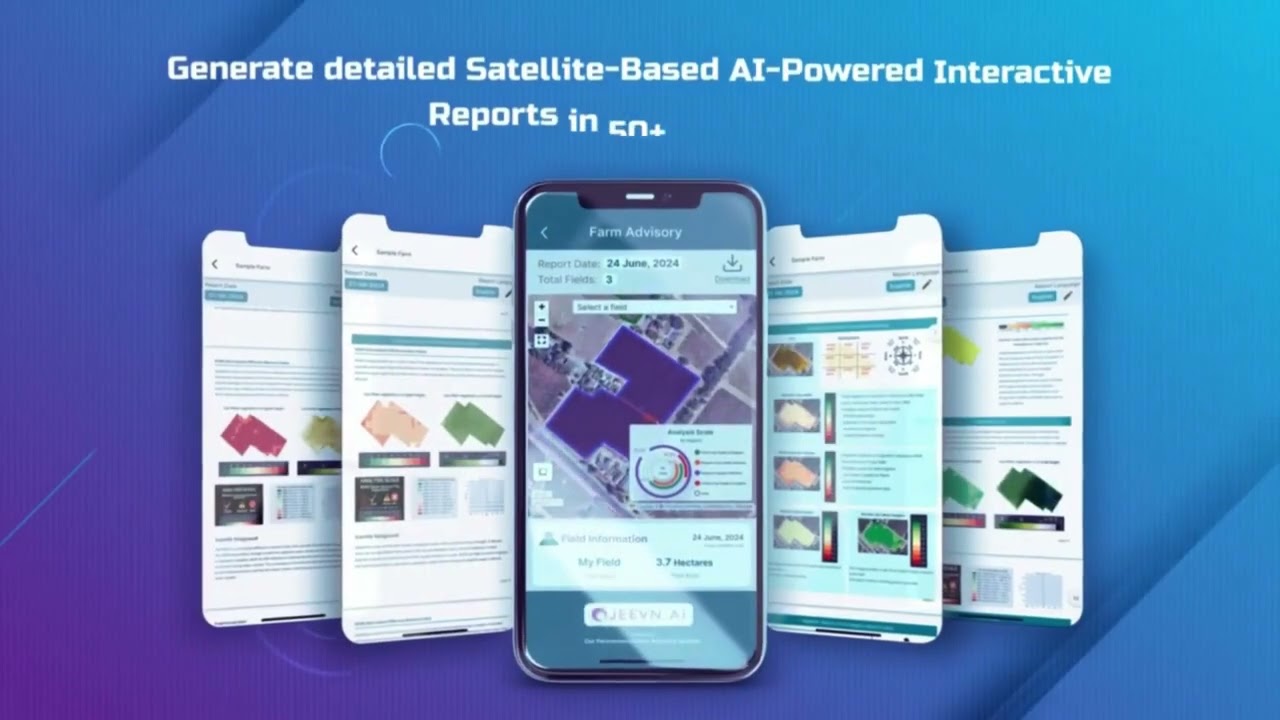
The coming year’s game-changer is the cloud and app-based operating system for farms—centralizing all machine and field data, providing AI-based advisories, and supporting blockchain-based supply chain traceability. These platforms deliver real-time, field-level insights, support precision input application, and inform economic and environmental decisions for farmers.
- Key Feature: Integration of fleet monitoring, input planning, environmental tracking, and yield prediction
- 2025 Impact: Total input use cut by 15%; enhanced traceability; improved access to financing.
Comparison Table: 7 New Agricultural Technology Machines for 2025
| Machine Name | Main Function | Innovative Technology | Estimated Productivity Increase (%) | Estimated Sustainability Impact | Expected Market Release |
|---|---|---|---|---|---|
| AI Autonomous Tractor Fleet | Full field operations: plowing, seeding, spraying, hauling | AI, Machine Learning, Computer Vision, GPS, IoT | +23% | Fuel savings 15%, labor reduced 70% | Q1 2025 |
| Precision Seed Planter with Soil Analytics | Seeds with variable depth/rate based on soil data | AI, Embedded Sensors, Satellite Data, IoT | +18% | Seed/fertilizer waste reduced 14% | Q2 2025 |
| AI-Powered Multi-Spectral Drone Sprayer | Targeted crop protection and foliar nutrition | AI, Multi-Spectral Imaging, GPS, Cloud Analytics | +20% | Chemical usage reduced 25% | Q2 2025 |
| Robotic Harvester for Fruits & Vegetables | Automated, selective crop harvesting | AI, Computer Vision, Advanced Sensors | +17% | Labor reduced 55%, spoilage minimised | Q3 2025 |
| Self-Guided Robotic Weeders | Automated weed detection & elimination | AI, Computer Vision, Machine Learning | +15% | Herbicide use reduced 40% | Q3 2025 |
| Smart Irrigation System with IoT Sensors | Water application optimization | IoT, Soil Moisture Sensors, Cloud Analytics | +19% | Water use down 35% | Q2 2025 |
| Mobile Platform for Integrated Farm Data | Unified farm data, AI advisories, traceability | Cloud, AI, Blockchain, IoT, Satellite | +21% | Input/effort cut 15%, new financing options | Q1 2025 |

Future Outlook: Where Next for Agricultural Machinery Technology?
As we move deeper into the 2020s, the agricultural machinery technology innovation curve shows no sign of slowing. The convergence of AI, machine learning, big data analytics, robotics, and satellite-based monitoring is fueling the next revolution. Here are five major trends shaping the future:
- Swarm Robotics: Dozens or even hundreds of small robots working together as a coordinated fleet for tasks like planting, weeding, and spraying.
- Advanced Drone Integration: Drones for everything from field mapping to precision pollination, disease detection, and real-time intervention.
- Blockchain-Driven Supply Chains: Blockchain ensures every step of the crop lifecycle is tracked for food safety, authenticity, and fair commerce.
- Environmental Impact Tracking: Crop and carbon footprint analytics (like Farmonaut’s platform) help farmers manage sustainability with regulatory compliance in mind.
- Fully Autonomous Farms: Connecting all machinery and systems into a seamless web, capable of remote and predictive operations with minimal manual intervention.
Farmers adopting these technologies will be equipped to address climate risks, resource constraints, and the growing demand for food—driving not just productivity, but also the resilience and sustainability of our global food system.
Farmonaut: Enabling Data-Driven, Sustainable Agricultural Machinery Operations
At Farmonaut, we empower farmers, agribusinesses, and governments to harness the power of satellite, AI, and blockchain for next-generation agriculture machine technology. Our solutions deliver:
- Real-time satellite monitoring of crop health, soil conditions, and field variability—enabling specialists and automated machines to precisely target input applications.
- Jeevn AI advisory system: powerful, real-time weather forecasts and AI-driven recommendations for everything from irrigation to pest control. Try it here.
- Blockchain-based traceability solutions: helping farmers and agri-business track produce across the supply chain and enhance consumer trust—read more about traceability.
- Fleet and machinery management: seamless oversight of tractors and harvesters for optimized usage, efficiency, and safety. Explore fleet management benefits.
- Environmental impact monitoring: real-time carbon emissions and sustainability tracking for agriculture new technology machines—determine and lower your ecological footprint (carbon footprinting).
- Affordable API access for developers—integrate advanced satellite analytics into your agri-tech solutions: Farmonaut API | Developer Docs.
Our platform’s scalability means it serves everyone—from the small farmer monitoring one plot to government and enterprise overseeing large scale farm management (learn more). By making intelligence, traceability, and environmental responsibility affordable, Farmonaut is helping build a more resilient, transparent, and productive farming sector for 2025 and beyond.
FAQs: Agricultural Machinery Technology 2025
Why are AI and advanced sensors crucial to new agricultural machinery?
AI and sensor integration allow machines to adapt to real-time field conditions with astonishing accuracy. This technology enables precision farming, ensuring every input—seed, water, fertilizer, or pesticide—is applied where and when it’s needed most, leading to higher efficiency, minimized waste, and reduced environmental impact.
How do these new machines boost sustainability in agriculture?
Innovations like robotic weeders, AI-powered sprayers, and smart planters use machine learning and real-time sensor feedback to minimize chemical use, optimize water application, and conserve soil health—all of which are crucial for sustainable agriculture and reduced environmental harm.
Can small and mid-sized farmers benefit from these technologies?
Absolutely. Thanks to modular design, remote operation, and scalable solutions—as offered by companies like Farmonaut—even smaller farms can access advanced analytics and management platforms via mobile apps, reducing costs and maximizing their harvest value.
How does Farmonaut’s platform support machine operators and farm managers?
We leverage satellite imagery, AI, and blockchain to offer actionable insights for fleet management, crop health monitoring, resource allocation, and compliance tracking—making high-tech farming accessible, affordable, and high-impact for every scale of operation.
Are these new technology machines in agriculture available globally in 2025?
While rollouts begin in developed markets, most systems are designed with modularity and API-connectivity to support adoption in developing regions, too. Farmonaut, with its affordable, scalable approach, is dedicated to ensuring global access.
Get Started with Farmonaut Apps & API



Unlock satellite-driven, AI-empowered field insights with Farmonaut apps—from crop health monitoring and resource tracking to environmental and compliance analytics.
For custom integrations—add Farmonaut’s API (developer docs) to your agri-technology stack for satellite, weather, and machine data insights on demand.
Enterprise or government managing large-scale farm operations? Farmonaut’s Large Scale Farm Management Suite (details here) delivers high-resolution mapping, resource allocation, and yield prediction at massive scale.
Explore our suite of offerings for fleet management (learn more), crop insurance and loan documentation (see here), and carbon footprinting (details).
Farmonaut Subscriptions
Conclusion
In 2025, agricultural machinery technology is not simply about producing more—it’s about producing better, with less waste and greater care for our soil, water, and planet. The integration of smart automation, AI, robotics, and satellite-based insights is ushering in an era of highly efficient, data-driven farming for growers large and small worldwide.
The seven transformative agriculture technology machines of 2025—combined with digital management tools from platforms like Farmonaut—represent the cornerstone of a resilient, transparent, and sustainable food system prepared to feed our growing world.
Whether you’re an agronomist, farm manager, policymaker, or food consumer—understanding and leveraging these innovations is key to thriving in the dynamic, ever-advancing agricultural sector. The time to embrace intelligent machinery and data-driven agriculture is now!

 Sapoznick Farms
 Agrotoken
 Blue BearX
 Insignito
 Croptimum
 Dalmia Bharat Sugar
 DnCubed
 Field Capacity
 Indosistim Teknologi
 Liquify Digital
 CU Foods
 BeyondTech Global
 Rouge VC
 AgroGreen Dynamics
 AgroRisk
 Oath Inc
 Reddane Farming
 Esri North East Africa
 MDCV UK
