

“By 2025, precision agriculture is projected to boost crop yields by up to 20% using advanced data analytics.”
New Farming Techniques: 7 Innovations for 2025
In recent years, agriculture has undergone a remarkable transformation, driven by technological innovation, sustainability concerns, and the pressing need to feed a growing global population. As we approach 2025, the integration of advanced farming techniques is reshaping how crops are grown, livestock managed, and forests sustained. This article provides an in-depth exploration of both traditional and new farming techniques—from crop rotation to CRISPR technology, vertical farming, AI, and more. Wondering what are the new farming techniques? Here, we define the new age farming techniques and innovations that are setting the standard for global agriculture and sustainability in 2025 and beyond.
As agriculture continues to adapt and evolve, practitioners, policymakers, and innovators must stay informed about the new techniques in farming that promise higher efficiency, reduced waste, and improved food security. Read on as we explore emerging solutions and the role of cutting-edge platforms, such as Farmonaut, in empowering farmers worldwide.



Traditional Farming Techniques
The evolution of farming techniques begins with a strong foundation in traditional methods. These time-tested techniques remain fundamental to sustainable crop production and soil health in many parts of the world in 2025. Understanding these established practices can help us successfully integrate new agriculture techniques.
- Crop Rotation: Alternating the types of crops planted on the same land prevents nutrient depletion and improves soil health. For example, rotating legumes followed by cereals allows the soil to replenish essential nutrients.
- Intercropping: Growing multiple crops together boosts biodiversity, reduces pest infestations, and optimizes land use by allowing plants to complement each other’s growth habits and resource needs.
- Organic Farming: This approach focuses on natural inputs for fertilization and pest management, steering clear of synthetic chemicals. By maintaining ecological balance and promoting a healthier environment, organic techniques help sustain food systems naturally.
Despite the influx of modern tools, these traditional methods continue to provide a critical base for new age farming techniques, especially as global agricultural practices aim for sustainability, food security, and climate resilience.
Comparative Innovation Impact Table
Below is a comparative table summarizing the estimated quantitative impact of each new farming technique discussed in this article. These values are based on industry studies and expert projections as of 2025.
| Innovation Name | Brief Description | Est. Crop Yield Increase (%) | Est. Water Savings (%) | Soil Health Improvement (1-5) | Sustainability Score (1-10) |
|---|---|---|---|---|---|
| Precision Agriculture | GPS, IoT, & Drones for Data-driven Input Use | 15–20 | 30 | 4 | 9 |
| Vertical Farming & CEA | Indoor, LED-lit, Hydro/Aeroponic Layered Crops | 20–25 | 70–95 | 4 | 10 |
| Hydroponics & Aquaponics | Soil-less Crop Growth, Fish-Plant Symbiosis | 10–15 | up to 90 | 3 | 8 |
| Autonomous Machinery & Robotics | AI-guided Planting, Weeding, Harvesting | 10–12 | 20 | 3 | 7 |
| Genetic Engineering & CRISPR | Gene-edited, Resilient Crop Varieties | 20–30 | 10 | 4 | 8 |
| Agroforestry & Sustainability | Tree-Integration for Biodiversity & Carbon | 8–10 | up to 25 | 5 | 10 |
| Data Analytics & AI | Predictive Modelling, Smart Resource Allocation | up to 20 | 15 | 4 | 9 |
“Sustainable irrigation innovations can reduce farm water usage by 30% while maintaining soil health and productivity.”
New Farming Techniques: 7 Innovations for 2025
As we explore what are the new farming techniques in 2025, it’s essential to focus on practices that emphasize sustainability, technology, and increased efficiency. Here are the top seven innovations redefining global agriculture:
- Precision Agriculture
- Vertical Farming & Controlled Environment Agriculture (CEA)
- Hydroponics and Aquaponics
- Autonomous Machinery & Robotics
- Genetic Engineering & CRISPR Technology
- Agroforestry & Sustainable Practices
- Data Analytics & Artificial Intelligence
1. Precision Agriculture: The Data-Driven Revolution
Precision agriculture is not just a buzzword—it’s the backbone of new age farming techniques in 2025. Precision technologies employ GPS, IoT sensors, drones, and satellite imagery to monitor crop health, soil moisture, and nutrient levels with pinpoint accuracy. By delivering the right input at the right time and place, precision agriculture empowers farmers to:
- Increase crop yields by up to 20%
- Reduce water and fertilizer waste
- Minimize environmental impact through optimized use of pesticides and timely interventions
- React quickly to changing weather conditions and pest outbreaks
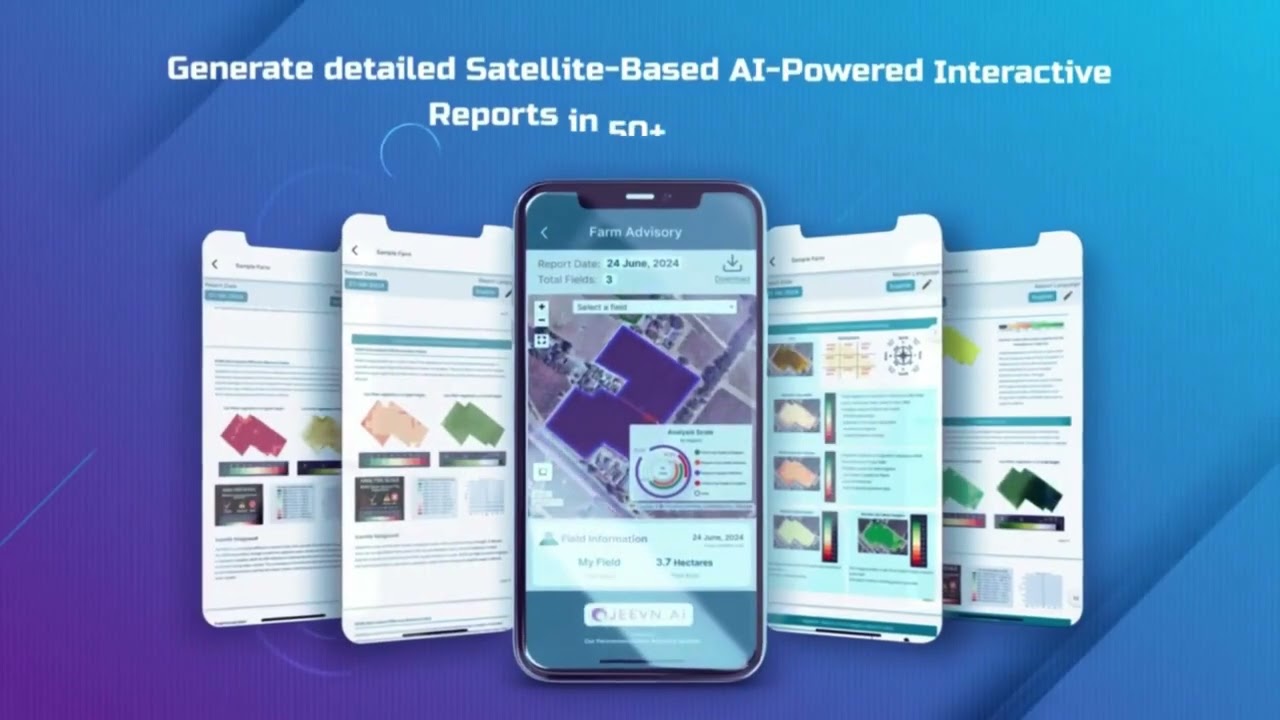
Platforms like Farmonaut provide affordable and scalable satellite-based precision agriculture solutions, enabling even smallholder farmers to leverage actionable insights. Real-time monitoring, AI-driven advisories, and clear crop health visualizations mean better decisions and sustainable practices for every user.
Satellite-driven crop health monitoring—as championed by Farmonaut—offers farmers detailed NDVI (Normalized Difference Vegetation Index) maps, soil moisture updates, and custom field reports right to their phones. This advanced approach to agriculture optimizes irrigation, reduces chemical usage, and supports the ongoing transformation to data-driven farming.
- Farmonaut Satellite Data API – Integrate live satellite & weather data into your own platforms for maximum flexibility.
- Developer Docs: Farmonaut Satellite-Weather API – Build powerful agtech solutions or research tools on a trusted data foundation.
2. Vertical Farming & Controlled Environment Agriculture (CEA): Maximizing Urban Crop Yield
As urbanization squeezes available farmland, vertical farming and CEA have emerged as viable solutions for feeding city populations. Wondering what are the farming techniques that can grow healthy crops with less land and water? The answer lies in stacking production and controlling every element of the growing environment.
- Crops are grown indoors in stacked layers, often using hydroponics or aeroponics instead of soil.
- LED lights provide targeted, efficient spectrums of light for photosynthesis, independent of sunlight or weather conditions.
- These farms consume up to 95% less water and require substantially fewer pesticides, since the sealed environments deter pests and diseases.
- Year-round production and rapid crop cycles boost food output and nutritional quality—even in densely populated cities.
Incorporating vertical farming into integrated supply chains ensures fresh produce closer to consumers, slashing transportation emissions and maximizing urban agricultural efficiency. This is a hallmark among new agriculture techniques in 2025, offering a scalable model for food security.
3. Hydroponics and Aquaponics: Soilless Solutions for Urban & Rural Farming
Hydroponics and aquaponics are emerging techniques in farming that eliminate the need for traditional soil—making farming possible in places previously assumed inhospitable. These soilless solutions cultivate plants in carefully monitored, nutrient-rich water systems.
- Hydroponics: Plants are grown in inert growing media and fed with nutrient solutions. With no soil, there’s no risk of soil-borne pests or diseases, and water usage is reduced by up to 90% compared to conventional farming techniques.
- Aquaponics: This system merges plant cultivation with fish farming; fish waste naturally fertilizes the plants, while plants cleanse the water for the fish, creating an efficient closed-loop ecosystem.
- Both methods drastically reduce pesticides and chemical usage, and they utilize vertical or indoor spaces in densely populated urban centers.
These new farming techniques are crucial for global food security and can be adapted to diverse climates—especially where water scarcity or soil degradation pose challenges. By embracing hydroponics and aquaponics, farmers can increase productivity and support sustainable agriculture for the future.
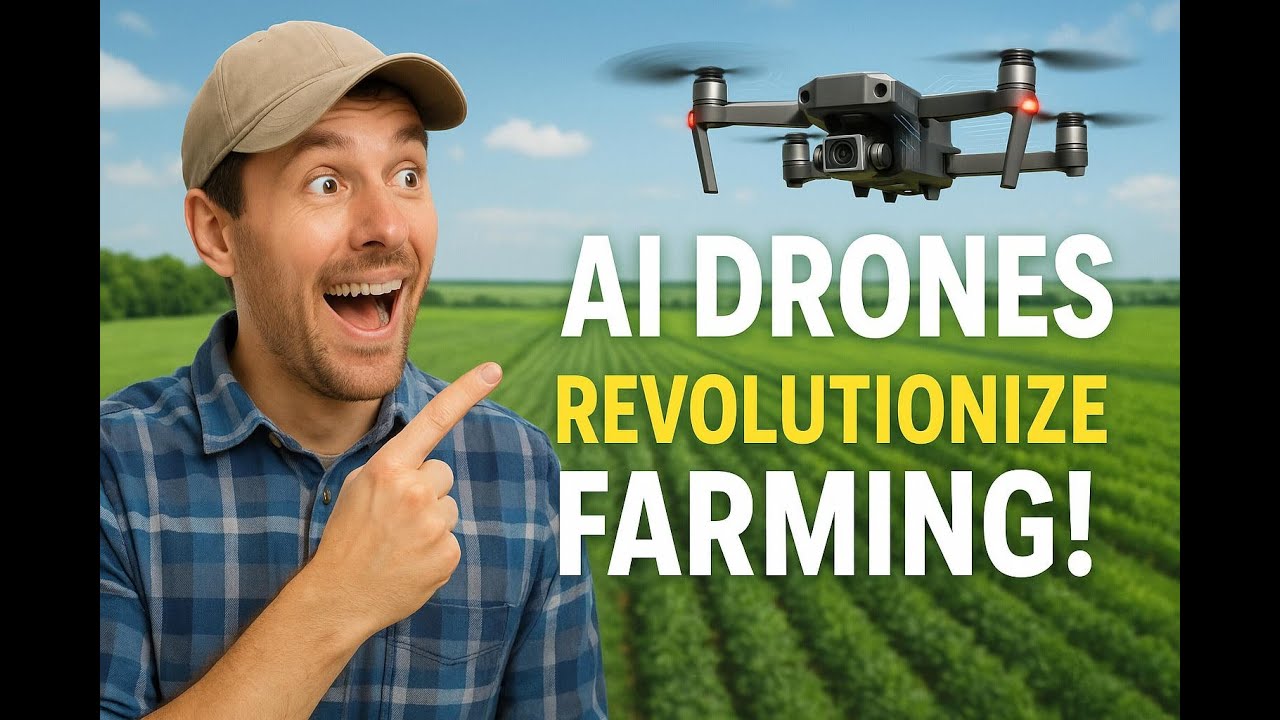
4. Autonomous Machinery & Robotics: Reducing Labor & Maximizing Efficiency
The introduction of autonomous machinery and robotics is redefining what are the new farming techniques. In 2025, automation is not limited to tractors—it includes a fleet of AI-powered machines:
- Autonomous tractors and planters operate with minimal human oversight, using GPS and sensors for seed placement and efficient field coverage.
- Drones apply fertilizers and pesticides with surgical precision, monitor crop health, and provide rapid mapping for smart decision-making.
- Robotic harvesters pick vegetables, fruits, and even delicate specialty crops, reducing labor costs and post-harvest losses.
Key advantages of robotics in farming include:
- Consistent and timely operations, regardless of challenging weather conditions
- Reducing human exposure to agrochemicals
- Increasing overall operational efficiency and data collection
For large-scale farm management and fleet optimization, Farmonaut’s fleet management solutions are invaluable for tracking equipment usage and improving logistics. Designed for agribusinesses, these tools help drive down costs while improving field outcomes worldwide.

5. Genetic Engineering & CRISPR Technology: Building Climate-Ready Crops
Biotechnology is at the heart of new agriculture techniques for 2025. Through genetic engineering and advanced gene-editing tools like CRISPR, scientists have developed crops with enhanced characteristics:
- Drought, pest, and disease resistance that lower losses and bolster food security, even under changing climate conditions
- Higher nutrient content to address global malnutrition
- Reduced reliance on pesticides and fertilizers, supporting a healthier agricultural ecosystem
The CRISPR technique allows for precise, efficient adjustments to a plant’s genetic code without introducing foreign DNA, making it both flexible and widely accepted. These innovations help farmers produce more food with fewer resources—defining what are the new farming techniques capable of meeting tomorrow’s challenges.
For businesses seeking supply chain transparency, Farmonaut’s blockchain-based product traceability solutions ensure every stage from farm to table is secure, verifiable, and tamper-resistant.

6. Agroforestry & Sustainable Practices: Integrating Trees, Crops & Livestock
Agroforestry blends agriculture and forestry by strategically integrating trees into croplands or livestock systems. This traditional yet newly appreciated technique offers:
- Enhanced biodiversity, supporting pollinators and natural pest control
- Improved soil health thanks to organic matter from trees, which reduces erosion and increases water retention
- Greater carbon sequestration, helping to mitigate climate change
- Diversified farmer income through timber, fruits, nuts, and additional products
The shift toward sustainable agroforestry practices is foundational for restoring degraded landscapes, conserving water, and building resilient food systems fit for a growing global population. For farmers and policymakers alike, this approach aligns with the urgency to combine food production with environmental stewardship in 2025.
For actionable advice on agroforestry and large-scale plantation projects, Farmonaut’s Agro-Admin app offers centralized management, monitoring, and reporting across extensive land areas—streamlining the transition to sustainable practices.

7. Data Analytics & Artificial Intelligence (AI): Predictive Tools for Smarter Farming
Now more than ever, data analytics and AI are vital for making sense of the immense complexity in modern agriculture. These tools bring clarity to emerging new age farming techniques by:
- Analyzing weather forecasts, market trends, and historical yield data to optimize planting cycles and resource allocation
- Using AI models to predict pest or disease outbreaks, suggest irrigation schedules, and manage nutrient application
- Providing real-time support for farm management, reducing risks, and improving decision quality
Platforms such as Farmonaut’s Jeevn AI Advisory System synthesize satellite imagery, sensor inputs, and climate data to deliver personalized advisory solutions. Through seamless integration, farmers receive actionable insights, improving not only yields but also sustainability and ecosystem resilience.
Tracking environmental impacts, such as carbon emissions, is now easier with Farmonaut’s carbon footprinting tools, helping agribusinesses comply with environmental regulations and contribute to a healthier planet.
Emerging Trends in Forestry for 2025
As we focus on sustainable management of forests, several new techniques and innovations stand out in 2025:
- Remote sensing with drones and satellites for large-scale monitoring of forest health, pest infestations, and illegal logging
- Disease detection and precision silviculture to target reforestation and rehabilitation efforts more effectively
- Development of genetically resilient tree species to help forests adapt to climate change and capture more carbon
These emerging forestry techniques safeguard biodiversity and decrease the environmental impact of timber production. Using advanced analytics and real-time monitoring, forestry managers can now balance ecological, economic, and community needs more accurately than ever before.
For state and institutional stakeholders, Farmonaut’s Crop Plantation & Forest Advisory platform offers end-to-end advisory and management features to make sustainable forest management efficient, transparent, and data-driven in 2025 and beyond.
Farmonaut’s Role in Transforming Farming & Agriculture for 2025
At Farmonaut, we are committed to making precision agriculture affordable and accessible for farmers worldwide. Our platform harnesses a unique blend of satellite imagery, AI, machine learning, and blockchain to bring transformative benefits to the agricultural ecosystem.
- Satellite-Based Crop Health Monitoring: We monitor crop health, soil moisture, and nutrient levels in real-time, enabling smarter water and fertilizer use on every farm.
- AI-Driven Recommendations: Our Jeevn AI delivers practical, up-to-the-minute strategies to maximize yields and safeguard against pests, diseases, and unpredictable weather patterns.
- Blockchain Traceability: We secure every step of food production via blockchain, providing consumers and corporations with real supply chain transparency and trust.
- Carbon Footprinting: With our carbon tracking features, agri-businesses can quantify and reduce climate impacts, supporting a sustainable agricultural future.
- Fleet & Resource Management: We help enterprises reduce operational waste and optimize machinery use, driving efficiency from the field to the warehouse.
Our Web, Android, and iOS apps as well as a robust API suite make actionable data accessible anytime, anywhere, for individual farmers, agribusinesses, government agencies, and NGOs.
Farmonaut Subscription Plans & Pricing
Farmonaut’s subscription packages are designed to cater to farmers, cooperatives, agribusinesses, and institutional clients. Choose the best plan for comprehensive satellite-based crop monitoring, AI advisories, carbon tracking, resource optimization, and blockchain traceability.
For custom solutions or enterprise-scale deployments, explore the Farmonaut API and Large-Scale Farm Management platform.
FAQ: New Farming Techniques & Innovations for 2025
What are the new farming techniques expected in 2025?
New farming techniques expected in 2025 include precision agriculture, vertical farming, hydroponics, aquaponics, autonomous machinery, genetic engineering with CRISPR, advanced data analytics, and sustainable agroforestry practices.
How does precision agriculture benefit farmers?
Precision agriculture enables farmers to monitor crops, soil moisture, and nutrient levels in real time, reducing waste, saving water, minimizing chemical inputs, and increasing yields. By adopting precision tools, farmers make data-driven decisions that optimize every stage of production.
Can new farming techniques help combat climate change?
Yes! These techniques—especially agroforestry, carbon tracking, and advanced irrigation—reduce emissions, increase carbon sequestration, and promote environmental stewardship, making food systems more resilient to climate change.
What are the main advantages of vertical farming compared to traditional farming?
Vertical farming uses less land and water, produces crops year-round independent of weather, drastically reduces pesticide use, and ensures fresh food supply to urban populations.
How accessible are advanced technologies like satellite data or AI advisories for smallholder farmers?
Companies like Farmonaut make these advanced technologies accessible and affordable for smallholder farmers worldwide through user-friendly mobile and web platforms, as well as flexible subscription plans.
How can I start using Farmonaut’s technologies?
You can download our Web, Android, or iOS app or integrate our API for advanced farm monitoring and advisory services.
Conclusion: The Future of Farming & Agriculture in 2025 and Beyond
The landscape of agriculture and forestry in 2025 combines tried-and-true methods with groundbreaking innovations—expanding what’s possible for farmers, policymakers, and the environment. Through smart integration of precision agriculture, vertical farming, hydroponics, genetics, data analytics, and more, we are witnessing a remarkable transformation in how crops are produced, soil health managed, and food security achieved globally.
Empowering all stakeholders with technology—from individual smallholder farmers to large-scale agribusinesses—will be crucial for feeding our growing population while maintaining the health of our soils, water, and biodiversity. Farmonaut stands at the forefront, making sophisticated agricultural tools accessible to all, and driving a more sustainable future—today, tomorrow, and into 2025 and beyond.
Explore the future—try Farmonaut’s platform today and join the new age of sustainable agriculture!
Discussion
Questions, corrections or field experience? Share them below. First-time comments are reviewed before they appear, and your email is never published.
No comments yet. Be the first to add a question or your experience.

 Fyllo
Fyllo FieldZero
 Indico Company
 Kubota
 FFBS
FFBS Jontra
 Kalustyan
 Tucor
Tucor Geno
Geno Hayleys Agriculture
 Linx Agritech
 Adinet
 Save Your Soils
