

- Introduction: The Pivotal Role of Nozzle Sprayers in Agriculture 2026
- Trivia: The Yield-Boosting Power of Modern Nozzles
- Understanding Nozzle Sprayers in Modern Agriculture
- Nozzle Types & Applications
- Latest Nozzle Sprayer Innovations (2025–2026)
- Comparison Table: Nozzle Sprayer Innovations
- Precision Spraying & Smart Agriculture
- Environmental & Economic Impact
- Farmonaut’s Satellite-Powered Agri-Tech
- Tips, Mistakes & Industry Insights
- FAQ: Nozzle Sprayer Innovations 2026
- Conclusion & Next Steps
Nozzle Sprayer Innovations 2026: Boost Yields with Precision
Agriculture in 2026 is a remarkable blend of smart technology, data-driven insights, and advanced equipment design. Amid the digital revolution shaping our fields, one silent workhorse continues to have an outsized impact on crop yields and sustainability: the nozzle sprayer. Whether we talk about the robustness of a brass sprayer nozzle or the precision of boom sprayer nozzles, their design and functionality have become pivotal in maximizing productivity while reducing the environmental impact of modern farming.
From the earliest hand pumps to the AI-enhanced, variable-rate nozzle sprayer systems of today, nozzles have evolved into smart agricultural components—critical to precision agriculture, uniform droplet coverage, reducing chemical drift, and sustainable practices. This blog explores the latest and upcoming nozzle sprayer innovations for 2025 and beyond, focusing on their role in revolutionizing farming through technology, efficiency, and environmental stewardship.

Understanding Nozzle Sprayers in Modern Agriculture
A nozzle sprayer is the precision device at the heart of all modern spraying operations. Its role is straightforward yet transformative: to atomize agrochemicals (pesticides, herbicides, fertilizers) or water into fine droplets and direct the spray evenly onto the intended target, be it crops or soil.
The design, material, and type of a nozzle directly determine the quality of coverage, consistency of droplet size, and ultimately the efficacy of chemical application. In the age of precision farming, this function becomes even more critical, impacting yields and the sustainability of agricultural practices worldwide.
- ✔ Key benefit: Uniform distribution maximizes effectiveness of agrochemicals.
- 📊 Data insight: Optimal nozzle types reduce chemical use by up to 28%.
- ⚠ Risk: Incorrect droplet size increases drift and reduces crop protection.
- ✔ Sustainability: The right nozzle improves soil and water preservation.
- 💡 Efficiency: Smart nozzle integration with sensors allows real-time adjustments.
- 🛠️ Body: Houses nozzle components and provides spray stability
- 🔩 Tip or Orifice: Determines droplet size and spray pattern
- 💧 Filter: Prevents clogging by trapping debris
- 🪛 Anti-Drip Valve: Minimizes wastage between sprays
- 🌡️ Smart Sensor (Innovative Models): Monitors pressure, clogging, and wear for maintenance alerts
Types & Applications of Nozzle Sprayers: From Brass to Boom in 2026
Let’s break down how different nozzle sprayer types serve distinct functions, each designed to enhance productivity and reduce environmental risks. Understanding the applications of the following sprayer nozzle types is fundamental to unlocking greater efficiency for farmers and modern farms.
1. Brass Sprayer Nozzle
Brass sprayer nozzles have stood the test of time, thanks to their long-valued durability and excellent corrosion-resistance. Used in handheld and knapsack sprayer equipment, they are ideal for:
- Small–medium farms: Field, orchard, vineyard crop protection and nutrition
- Agrochemical compatibility: Withstand exposure to abrasive and acidic chemicals
- Long-lasting performance: Brass robustness ensures longevity even in harsh field conditions
With adjustable settings (fan, cone, jet), brass sprayer nozzles deliver consistent droplet size for a variety of applications—ensuring targeted, uniform coverage that helps in reducing drift and wastage.
2. Spray Pump Nozzle
Targeted at backpack sprayers and handheld sprayers, the spray pump nozzle enables efficient, precise control in variable pest management scenarios.
Features include:
- 🎚️ Adjustable orifices: Control for fan, cone, or jet patterns
- 💡 Ergonomic design: Reduces fatigue during frequent manual spraying
- 🛡️ Wear-resistant tips: Sustain consistent drop size over extended use
- 🔄 Easy to clean and maintain: Reduces clogging and ensures performance
Modern models now feature auto-shut and anti-drip mechanisms to improve application efficiency and reduce chemical loss.
3. Boom Sprayer Nozzles
For large-scale mechanized farms, boom sprayer nozzles are specialized to deliver broad, uniform swaths during high-volume operations. Their key properties include:
- ⭐ Smart sensor integration—Adjust spray pressure and volume in real time to weather and crop conditions
- 🌀 Anti-drift features—Reduce off-target contamination and chemical loss
- 📏 Optimized swath width—Uniform droplet coverage for maximum efficiency
- 🔬 Auto-calibration—Maintains target droplet size for changing agronomic needs
4. Lawn Sprayer Nozzles
While turf management might seem a smaller concern, the precision in lawn sprayer nozzles ensures healthy, visually appealing landscapes with minimal water runoff and soil erosion. They are designed to:
- 🌱 Ultra-fine mist spraying—Prevents over-watering and nutrient runoff
- 🌾 Enhanced absorption—Improves lawn health and reduces input costs
- 🔄 Uniform application—Vital for golf courses, stadiums, and urban green spaces

The right combination of nozzle types can cut chemical use, improve yield, and support carbon footprint reduction—a win-win for profits and the planet!
Latest Nozzle Sprayer Innovations (2025–2026)
The upcoming years (2025–2026) are characterized by three main trends in nozzle sprayer development:
- Advanced Materials & Enhanced Durability: Introduction of ceramic tip and hybrid nozzles for improved abrasion resistance, alongside the longevity of brass sprayer nozzle designs.
- Smart Sensor Integration: Sensor-embedded nozzles that detect clogging, wear, and environmental conditions—sending real-time performance data for proactive maintenance and adjustment.
- Variable-Rate & AI-Connected Spraying: Nozzles that use digital signals (GPS, satellite imagery, drone data) to adjust droplet size, pattern, and application volume on the fly, ensuring optimal use of chemicals and water only where needed for crop health.

Integrate smart nozzle sprayer systems with satellite-driven crop insights—like those available via Farmonaut’s crop plantation & forest advisory tools—for data-driven, ultra-precise spraying decisions!
- 🧠 AI-Driven Automation: Instantly adjusts spray parameters to crop conditions
- 💡 Clog-Resistant Designs: Reduces downtime, ensures uniform spray
- 🔋 Low-Energy Consumption: Smart nozzles minimize excess use—saving costs
- ♻️ Eco-Optimized Spraying: Lower drift and runoff, protects environment
- 🛰️ Connectivity to Satellite Systems: Enables variable rate technology precision via platforms like Farmonaut’s agro-admin solutions.
Comparison Table of Latest Nozzle Sprayer Innovations (2025–2026)
| Nozzle Type | Precision Level | Estimated Yield Improvement (%) | Sustainability Score (1–5) | Key Features |
|---|---|---|---|---|
| Brass Sprayer | Medium–High | +10–18% | 4 | Durability, corrosion resistance, adjustable patterns, ideal for knapsack and small farms |
| Boom Sprayer | High | +22–35% | 5 | Uniform coverage, anti-drift, large scale, integrated smart sensors, GPS mapping |
| Air-Induction Nozzle | High | +13–22% | 5 | Anti-drift, coarse droplet size, excellent for windy or variable conditions |
| Variable Rate Nozzle | Very High | +28–38% | 5 | Real-time adjustment via AI/sensors, minimizes waste, perfect for precision agriculture |
Many operators neglect nozzle maintenance—even the smartest nozzles underperform when clogged or worn.
Tip: Clean, calibrate, and inspect nozzle tips regularly!
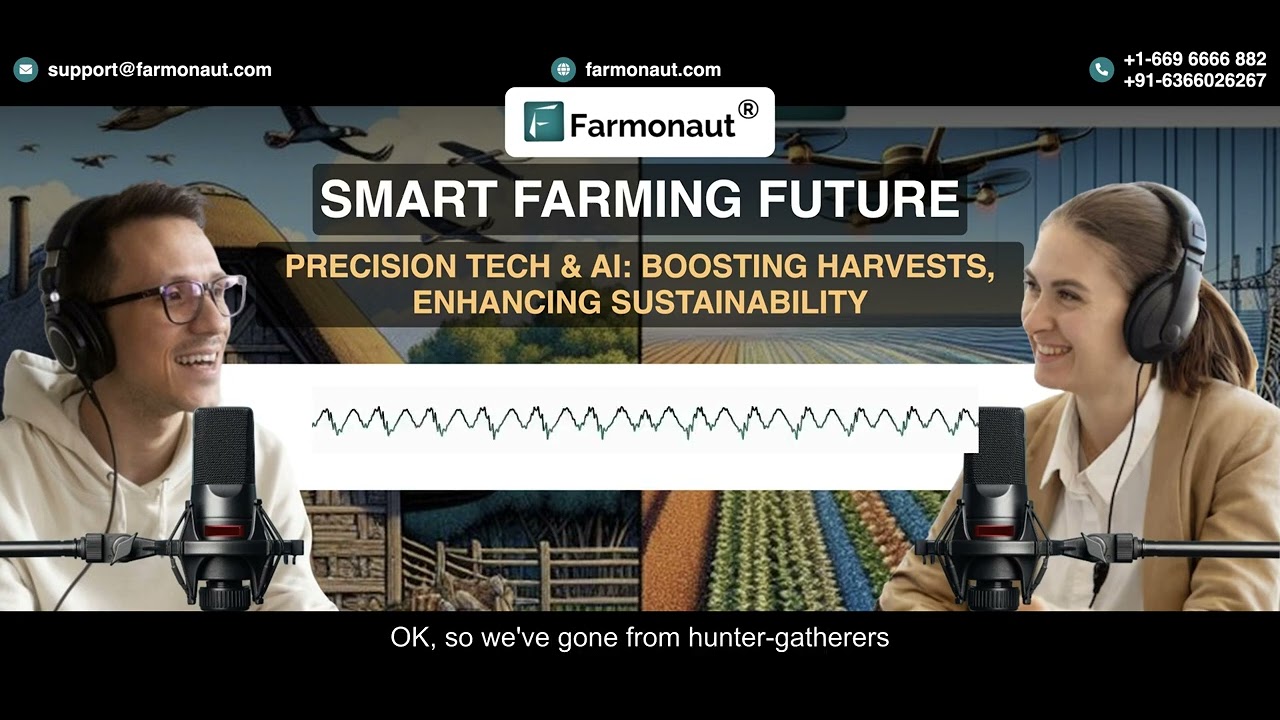
Precision Spraying for Sustainable Agriculture: AI, Sensors, & Satellite Synergy
The goal in modern agriculture is clear: maximize yields while minimizing environmental impact. Precision spraying—empowered by nozzle innovations—is helping us get there.
Variable Rate Application (VRA)
VRA uses variable-rate nozzles that receive data from GPS, drones, and real-time crop health sensors (such as NDVI maps). This ensures:
- ✔ No over-application—Each zone receives the exact quantity of fertilizer, pesticide, or water required
- 💸 Input savings—Significant reduction in chemical costs, improving farm profitability
- 🌏 Reduced run-off and drift—Protects soil, waterways, and neighboring ecosystems



Farmonaut API: Data-driven integrations for smart spraying
Developer Docs: Integrate satellite-powered agri solutions
The market for ultra-precise, smart nozzle sprayer solutions is set to expand rapidly—with strong return opportunities in both precision agriculture technologies and digital management platforms. Leverage fleet management data for better resource allocation.

Environmental & Economic Impact of Nozzle Innovations
Precision nozzle sprayers do more than improve yield; they are a cornerstone for sustainable practices in 2025 and 2026:
- 🌱 Reduced Environmental Footprint: Economizing agrochemical use saves both money and ecosystems
- 💧 Water Conservation: Efficient spray patterns limit evaporation and runoff
- 🔒 Soil Integrity: Droplet size control keeps chemicals on the target zone, minimizing soil disruption
- ✅ Regulatory Compliance: Easier to meet sustainability guidelines and unlock new sustainability incentives
- 📈 Profitability: Lower input costs + higher yield = better margins for farms and agri-businesses
For real-time tracking of your farm’s carbon sequestration or compliance, explore Farmonaut’s carbon footprinting tools.

Use blockchain-based traceability tools—like Farmonaut’s traceability solution—to track every input and application for greater transparency and food safety.
Farmonaut’s Satellite-Powered Technologies for Smart Spraying
As an innovative satellite technology company, Farmonaut provides tools that perfectly complement nozzle sprayer innovations for data-centric, efficient, and sustainable farming practices in 2026 and beyond:
- Satellite-Based Monitoring: Real-time crop health (NDVI), soil conditions, and resource analytics to inform spray timing and dosage.
- Jeevn AI Advisory System: AI analyses multi-spectral data for precision recommendations on agrochemical spraying and pest control.
- Blockchain-Based Traceability: Ensures every application is recorded, supporting food safety and regulatory transparency.
- Fleet Management Tools: Optimize equipment (sprayer, tractor, drone) cycles to reduce downtime and operating costs.
- Environmental Impact Tracker: Quantifies carbon footprint and facilitates sustainable farming certifications.
All systems are available through web and mobile apps. Explore satellite-based crop loan & insurance verification tools to streamline your agri-financials.

Tips, Mistakes & Industry Insights for Using Nozzle Sprayer Technology
✔ 5 Key Best Practices
- ✔ Regularly maintain and calibrate all nozzles—both smart and manual models require periodic cleaning and inspection for performance.
- 👌 Use nozzle types purpose-fit to your operation: Boom sprayers for large fields, handheld and brass nozzles for smaller, targeted work.
- 📏 Monitor droplet size and pattern frequently to avoid drift and uneven application.
- 🛰 Leverage satellite data for timing—spray only when and where it’s needed, guided by real-time crop health insights.
- 🌐 Adopt traceability systems to ensure auditability and compliance for every chemical application event.
⚠ Top Mistakes to Avoid
- ⚠ Using nozzles past their service life—leading to inconsistent patterns and droplet sizes.
- ⚠ Mismatching nozzle type to sprayer pressure/crop/scenario.
- ⚠ Neglecting sensor calibration on smart sprayer systems.
- ⚠ Failing to adjust for wind, humidity, and temperature—even with advanced boom sprayers.
- ⚠ Skipping logs or traceability tools—making compliance checks more difficult.
Regulatory and consumer pressure is growing for transparent chemical and water usage records.
Farmonaut’s satellite-powered traceability brings supply chain confidence for food, feed, and fiber production.
FAQ: Nozzle Sprayer Innovations 2026
What is the best nozzle type for reducing pesticide drift?
Air-induction and modern boom sprayer nozzles with anti-drift features are most effective. They use coarse droplets and lower pressure, significantly reducing off-target movement in windy conditions.
Do brass sprayer nozzles last longer than plastic or ceramic?
Brass nozzles excel in abrasive and acidic chemical conditions, offering superior durability and corrosion resistance compared to most plastics. However, hybrid nozzles with ceramic tips now rival brass for some specialized uses.
How does smart nozzle technology integrate with satellite data?
Smart nozzle sprayers use connected GPS, sensor arrays, and platforms like Farmonaut to automatically adjust spray volume, pressure, and pattern in real-time according to crop, soil, and weather signals relayed from satellite and drone data.
Is maintenance more frequent for smart nozzles?
Smart nozzles often require less manual monitoring thanks to embedded sensors and auto-alerts for cleaning needs, but routine maintenance of physical parts remains essential for long-term performance.
Where can I access real-time crop health and tracing for spray decisions?
You can access these features via Farmonaut’s web and mobile apps for satellite-powered, real-time farm insights and chemical application optimization.
Integrating nozzle sprayer innovations with carbon monitoring solutions supports both yield and regulatory climate goals.
Conclusion & Next Steps: The Future of Farming is Precision—And It Starts with Your Nozzle
As we approach 2026, the progress in nozzle sprayer technology is reshaping the future of farming. From durable brass sprayer nozzles suitable for small operations, to AI-enabled boom sprayer nozzles optimizing input use across sprawling fields, innovation continues to transform agriculture across the world.
With the adoption of smart spraying systems, satellite-guided fleet management, traceability, and carbon monitoring tools—all accessible via Farmonaut’s platform—farmers, businesses, and policymakers can realize better yield, sustainability, and profitability than ever before.
- ✔ Choose and maintain the right nozzle for your operation
- ✔ Integrate data-driven insights into every spray decision
- ✔ Advance your sustainability and traceability compliance
- ✔ Leverage smart technologies, from sensors to satellite data
- ✔ Explore Farmonaut’s solutions for total crop and resource management
The era of efficient, precise, and fully accountable spraying has arrived. Make every droplet count in 2026—and ensure every farm, field, and plant thrives on innovation.

 Tres Valles
 LACOS Geoinformation
 Pulsar Supernova
 Magrifly
 LatConnect 60
 Disease Free Life
 WebsEdge
 Blickwinkel
 Agricultural Credit Policy Council
 MCSOD
MCSOD Marei Nursery
 eKGIS
eKGIS Mostas Tech
 Andex
Andex FCF India
 Unifrutti Gulf
 Deluxe Conseil
 WICO
WICO
