

Ploughing 2026: Tractors & Small Ploughing Machines
“In 2025, over 60% of farms are expected to adopt advanced ploughing machines for sustainable soil management.”
Introduction: Ploughing – The Cornerstone of Modern Agriculture
Ploughing remains the cornerstone of modern agricultural practices worldwide, serving a role that is as vital in 2026 as it was centuries ago. Ploughing, at its core, involves the turning of the top layer of the soil—a process that bury crop residues, aerates the earth, disrupts weeds and pests, and ultimately improves soil structure, nutrient cycling, and readiness for the next cycle of crops.
It is a fundamental practice that ensures the soil remains productive, healthy, and ready to receive seeds for the next harvest. Even with the noteworthy rise of conservation and no-till methods, ploughing remains essential—especially in regions where dense, heavy soils require loosening or effective residue management.
Today, we see a tremendous transformation in ploughing techniques driven by innovation, technology, and the need for sustainability. The widespread adoption of modern tractors and small ploughing machines is revolutionizing how farmers manage their land, boosting efficiency, reducing environmental impact, and shaping the landscape of agriculture in 2025 and beyond.
Ploughing in 2026: Innovation, Technology, and Sustainability
As we look toward 2026, the landscape of ploughing has changed drastically compared to what was once a manual, labor-intensive effort. Today, technology and innovation drive a new era of soil and land preparation, making the process smarter, faster, and more environmentally responsible.
Key advances in ploughing technology now include:
- Advanced ploughing tractors equipped with GPS guidance, AI-based soil sensors, and precision engines to optimize plough depth and reduce fuel consumption, as well as minimize greenhouse gas emissions.
- Small ploughing machines designed for smallholder farmers, bringing affordable, energy-efficient, and easy-to-maintain soil management tools to smaller plots and emerging economies.
- Controlled traffic and variable depth ploughing methods to preserve soil structure and nutrient cycling while reducing erosion and carbon loss.
- Hybrid and electric small ploughing machines for further reducing dependency on fossil fuels and promoting sustainability in field operations.
The ploughing is more than a process; it’s becoming a carefully managed step in agriculture’s integration with data-driven techniques, putting new power—and responsibility—in the hands of farmers worldwide.

Watch: Regenerative Agriculture 2025 ? Carbon Farming, Soil Health & Climate-Smart Solutions | Farmonaut
The Surge in Ploughing Tractors for Sale: Features & Innovation
One of the key highlights leading into 2026 is the notable surge in availability of ploughing tractors for sale. Now more than ever, farmers have access to a broad array of machines suited to various conditions and operational scales. Modern ploughing tractors are increasingly equipped with the latest technologies to meet productivity, efficiency, and sustainability targets.
Key Features of Advanced Ploughing Tractors
- GPS Navigation and Guidance Systems
- AI-powered Soil Sensors capable of real-time soil moisture, nutrient, and compaction analytics.
- Variable Depth Control to optimize ploughing depth for different soils and crops.
- Energy-Efficient Engines (hybrid/electric/diesel) with up to 30% less fuel consumption versus older models.
- Automated Plough Control improving consistency and minimizing overlap.
- Telematics and Remote Monitoring (for fleet and resource management—see Farmonaut Fleet Management for agricultural enterprises tracking their machinery).
- Low-Emission Technologies for decreasing greenhouse gas emissions and meeting new sustainability regulations.

Watch: Smart Farming Future – Precision Tech & AI for Sustainable Ploughing
The widespread adoption of such tractors is transforming soil management practices, lowering operational costs, and enhancing overall productivity for farmers.
For those seeking to upgrade, ploughing tractors for sale increasingly provide:
- Customizable interfaces for user ease.
- Models targeted at both large-scale commercial farms and smaller plot management.
- Integration with farm management software platforms, including satellite monitoring and advisory solutions (Farmonaut Large-Scale Farm Management is a smart choice for those digitizing their farming operations).
The Rise of Small Ploughing Machines: Empowering Smallholders & Sustainable Fields
“Small ploughing tractors increased field efficiency by 35% in modern farms between 2023 and 2025.”
While large tractors are essential for expansive lands, the small ploughing machine has become a game-changer in 2025–2026 for smallholder and resource-constrained farmers. These compact, affordable, and often hybrid or electric machines are designed to navigate smaller plots with remarkable ease, significantly reducing manual labour involved in ploughing.
Key Features and Use Cases for Small Ploughing Machines
- Fuel-Efficient Engines or Battery Power for reducing environmental impact.
- Light Weight and Portable—ideal for terrains where larger machines are impractical.
- Lower Maintenance Costs and simpler mechanical design.
- Affordable Entry Point for small farms or cooperatives in emerging economies.
- Precision Depth Control supporting variable soil conditions for better plough the soil results.
- Integration with app-based crop plantation & advisory tools for tailored seed- and crop-specific ploughing advice.

Discover: 10 Low-Investment, High-Profit Agri Business Ideas in 2025
Battery-powered, hybrid, and solar-charged variants are rapidly becoming common across Africa, Asia, and Latin America, reducing dependency on fossil fuels and aligning with global carbon footprinting initiatives in agriculture.
Why are Small Ploughing Machines Growing in Popularity?
- Significant traction among smallholder and emerging farmers seeking to increase productivity without the prohibitive upfront investment of large tractors.
- Increasing widespread adoption supported by governmental and NGO programs promoting environmentally responsible farming methods.
- More innovative, compact equipment being developed every year, with smart onboard diagnostics, app-based maintenance tracking, and plug-and-play attachments.

Learn: 2025 Veg Equipment Boom ? Smart Farming, AI Telematics
National Ploughing Competitions: Showcasing Skill, Innovation & The Latest Machinery
National ploughing competitions, held annually throughout various regions, have matured into acclaimed platforms for showcasing the latest ploughing technologies, best practices, and machinery innovations. These events not only highlight skill and operator capabilities but also serve a profound role in encouraging the adoption of sustainable and modern techniques among farmers.
What Happens at National Ploughing Events?
- Demonstrations of advanced ploughing tractors and small ploughing machines—including live field tests of variable depth, GPS-guided, and AI-integrated models.
- Workshops on soil health, conservation ploughing, and the use of digital agriculture tools—including satellite observation and resource tracking for sustainable management (Farmonaut Traceability Solutions are frequently cited for transparency in supply chain management).
- Best practice awards and benchmarking for productivity, efficiency, and environmental stewardship.
- Keynote presentations on the future of agricultural technology, focusing on topics such as hybridization, robotic ploughing, and integration with precision/AI agriculture platforms.

Explore: Farmonaut Crop Monitoring for Ploughing & Soil Management
National events act as a launchpad for new innovations. They are vital in disseminating the best techniques for increasing productivity, reducing fuel use, and integrating conservation methods. By focusing on both skill and technology, they set benchmarks for entire regions—helping farming communities adopt cutting-edge yet sustainable ploughing methods as the norm in 2026.
Ploughing Beyond Crops: Forestry, Land Reclamation & Defence
While ploughing is fundamental in agriculture, its techniques and machinery now play crucial roles in forestry, land rehabilitation, infrastructure projects, and even defence.
Forestry: Ploughing for Reforestation and Land Rehabilitation
In the forestry sector, ploughing is indispensable for site preparation—that is, turning and aerating soils in cleared or degraded lands to foster tree planting. This improves water infiltration, nutrient cycling, and paves the way for robust root development, accelerating reforestation and ecosystem restoration.
For those looking to monitor progress and ecological impact, our Farmonaut platform offers real-time satellite observations to support data-driven forestry management and advisory (Crop & Plantation Forest Advisory).

See: Farmonaut’s Satellite-Based Soil & Crop Monitoring in Ploughing Applications
Land Reclamation after Mining
In mineral-rich regions, post-extraction land is rehabilitated using plough-like machines to reshape soil, restore topsoil composition, and promote vegetation growth. This process reduces erosion, prepares the site for new plantings, and is an increasingly regulated environmental requirement—where satellite-driven monitoring and carbon tracking play crucial supporting roles.
Infrastructure and Defence: Controlled Terrain Management
In infrastructure development and defence operations, modified ploughing equipment is used for terrain shaping, rapid access road creation, and earthwork fortification. The adoption of autonomous or remote-operated ploughing devices is on the rise, increasing safety and precision in hazardous or remote areas.
Balancing Sustainability and Productivity in Soil Management
Ensuring the sustainability of ploughing practices is as critical as embracing new technology in 2026. Productivity and soil health must be balanced with ecosystem integrity, especially in the face of climate change and declining soil fertility worldwide.
Key Sustainable Ploughing Techniques
- Controlled Traffic Ploughing: Using fixed lanes for machinery to minimize soil compaction.
- Variable Depth Ploughing: Adjusting plough depth according to soil type, residue levels, and crop requirements.
- Cover Cropping Integration: Employing green manure or cover crops post-ploughing to restore organic content, reduce erosion, and enhance biodiversity.
- Reduced Fuel Consumption: Adopting fuel-efficient/hybrid ploughing tractors and small ploughing machines—evaluated with satellite-based carbon footprinting tools for objective impact measurement.
- Precision Application: Combining AI advice, GPS mapping, and soil sensor data to plough the soil where and when it’s most needed, avoiding overworking land and minimizing input wastage.
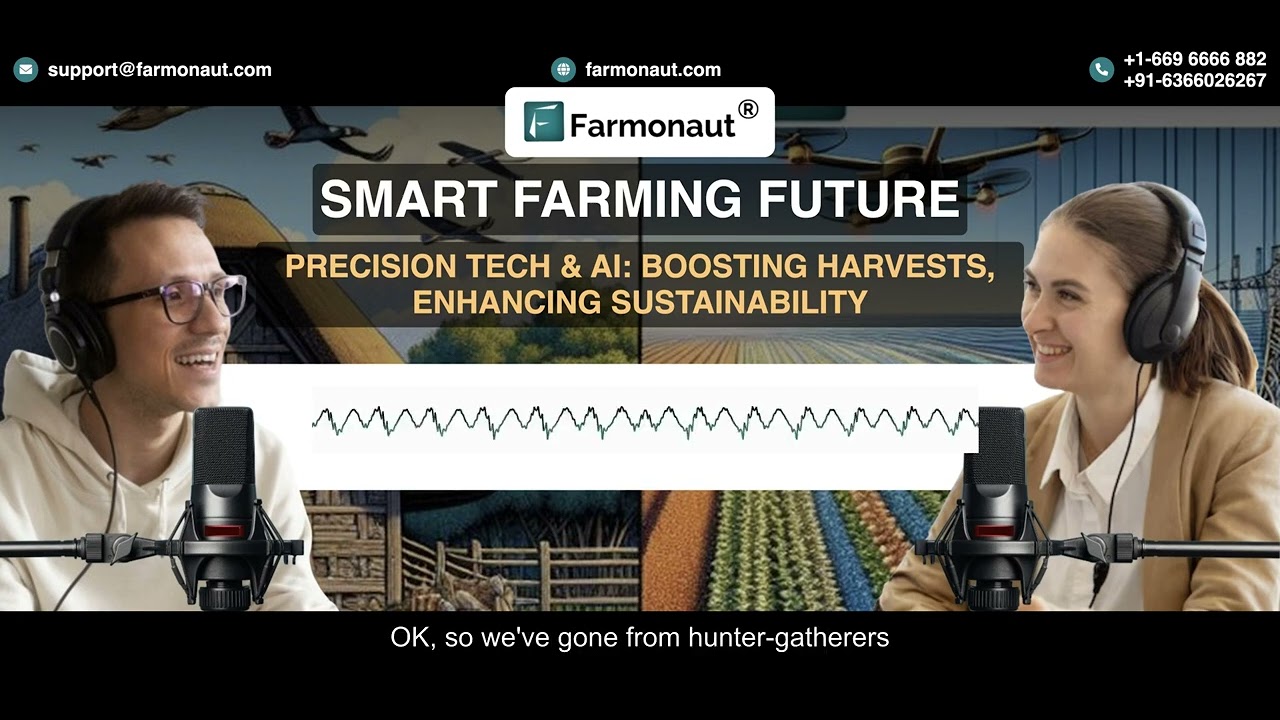
Watch: Precision Tech & AI for Smarter Ploughing in 2025-2026
Farmonaut’s Role in Supporting Sustainable Soil Preparation
We at Farmonaut provide tools for environmental impact monitoring, resource management, and AI-based advisory for more sustainable and productive ploughing decisions—helping farmers, enterprises, and governments track soil health, manage inputs, and comply with regulatory guidelines.



Comparative Table: Ploughing Tractors vs Small Ploughing Machines 2025/2026
| Machine Name/Model | Type | Estimated Power Output (HP/kW) | Ploughing Depth (cm) | Fuel Efficiency (litres/ha) | Average Cost (USD) | Sustainability Features | Availability (Region/Market) |
|---|---|---|---|---|---|---|---|
| AgriTrak ProX 2025 | Tractor | 120HP (89kW) | 35 | 6.2 | $75,000 | Hybrid engine, GPS, emissions filter, soil sensors | Global |
| FieldLite EcoMini 450 | Small Ploughing Machine | 25HP (18.6kW) | 18 | 2.9 | $5,000 | Battery-electric, timer control, low compaction | Asia, Africa, S. America |
| GreenRevo eTrac 2026 | Tractor | 85HP (63kW) | 28 | 5.1 | $68,000 | Fully electric, AI diagnostics, low noise | Europe, N. America |
| Suryan MiniPlough X1 | Small Ploughing Machine | 18HP (13.4kW) | 15 | 2.3 | $3,200 | Solar-battery, modular attachments, local assembly | India, Southeast Asia |
| FarmMax EcoForce 4000 | Tractor | 100HP (74.5kW) | 33 | 4.7 | $61,000 | Biofuel compatible, cloud connectivity | Global |
| KisanPower SmartMiniPro | Small Ploughing Machine | 14HP (10.4kW) | 12 | 2.7 | $2,800 | App-tracked, hybrid, easy maintenance | South Asia, Africa |
Note: Table values are based on 2025/2026 model projections. Availability varies by market and region; sustainability features are increasingly standard.
How Farmonaut Empowers Sustainable Ploughing & Land Management
As we move into a future where the integration of smart data, sustainability, and technology defines the best agricultural practices, we at Farmonaut offer advanced satellite-based tools that support every aspect of soil preparation and ploughing management:
- Satellite Monitoring: Visualize and assess vegetation health, soil condition, and field performance before and after ploughing for data-driven decision making.
- Jeevn AI Advisory System: Receive real-time, tailored recommendations on ploughing timing, depth, area coverage, and next best farming/soil health actions.
- Blockchain Traceability: Track ploughing events and resource usage through immutable data, ensuring transparency and reducing fraud in supply chains. See product traceability platform
- Automated Resource & Fleet Management: Optimize usage of ploughing tractors and small ploughing machines, reducing fuel consumption and operational costs. Explore fleet management tools
- Environmental Impact Tracking: Monitor carbon footprint from field operations, including emissions from ploughing, and support compliance/reporting. Explore carbon footprint solutions
- API and App Integration: For real-time soil and land data in custom farm management platforms. See Farmonaut API and developer documentation for integration into your tools.
All our solutions are accessible via the Farmonaut mobile and web apps, as well as for enterprises and government agencies seeking scalable, cost-effective support for ploughing, land management, and sustainable agriculture.
Access our services with a flexible subscription—learn more below:
Future of Ploughing: What 2026 and Beyond Hold
- Increased Adoption of Autonomous and Electric Ploughing
- Expect robotic tractors and small machines to become a mainstay in high-tech farms worldwide, driving further efficiency and safety.
- Battery life and range will improve, especially for small ploughing machines, making them cost-effective and viable for even remote or off-grid agriculture.
- Integration with Precision & Digital Agriculture Tools
- AI, IoT, and real-time satellite observation will shape how the ploughing is planned, executed, and evaluated—supporting optimal soil health, reduced input costs, and minimized environmental impact.
- Enhanced Regulatory Standards on Soil Management
- Global and regional regulations will increasingly mandate evidence-based reporting on fuel use, emissions, and soil conservation, tying eligibility for subsidies or loans to sustainable ploughing practices (see Farmonaut for crop loan & insurance verification).
- Hybrid & Energy-Positive Ploughing Equipment
- Solar, kinetic, and biofuel-powered tractors and tools will rapidly evolve, further reducing reliance on fossil fuels and aligning with net-zero farming goals.
- Wider Democratization and Access to Advanced Machines
- Smallholder farmers in Africa, South Asia, and Latin America will benefit from micro-leasing, cooperative ownership models, and low-cost hybrid ploughing devices—helping bridge productivity gaps worldwide in 2026 and beyond.
FAQ: Ploughing, Tractors & Small Ploughing Machines
-
Q: Why does ploughing remain important in 2026 despite conservation and no-till trends?
A: While no-till and conservation practices are gaining in some regions, ploughing remains essential in areas with heavy soils, residue management needs, and persistent weed/pest pressure. It improves soil aeration, nutrient cycling, and overall field readiness for sowing crops, particularly during critical transitions between crop cycles. -
Q: What are the differences between ploughing tractors and small ploughing machines?
A: Ploughing tractors are higher-powered, suited to large-scale farms, capable of deep and wide-area soil preparation, and integrate advanced guidance systems. Small ploughing machines are low-powered, lightweight, affordable, ideal for small plots, and increasingly use electric/hybrid technology for better fuel efficiency and sustainability. -
Q: How do modern ploughing tractors reduce environmental impact?
A: By incorporating GPS, AI soil sensors, and fuel-efficient engines, these tractors minimize greenhouse gas emissions and prevent over-ploughing. Automatic variable-depth control and real-time monitoring further boost consistency and sustainability. -
Q: Are small ploughing machines suitable for all soil types?
A: They are best for lighter soils or small plots. For extremely heavy or compacted soils (such as deep clay), larger tractors or heavier-duty ploughs may still be required, but newer small machines are improving versatility as hybrid and electric motor power increases. -
Q: How does Farmonaut support optimal ploughing management?
A: Our platform leverages satellite imagery, AI-based advisory, and blockchain traceability to provide real-time insights, track ploughing activity, manage fleet performance, monitor emissions, and enhance transparency for all stakeholders. -
Q: Where can I access Farmonaut’s services?
A: Farmonaut apps are available on Android, iOS, and web, with API access for integration into custom platforms. For developer resources, see our developer docs.
Conclusion & Key Takeaways
Ploughing is not just a traditional agricultural process; in 2026, it stands as a hub of technological innovation, sustainability, and productivity gains for farmers and land managers worldwide.
- The widespread adoption of advanced ploughing tractors and small ploughing machines is transforming agriculture, helping meet the nutrient, structure, and soil health requirements essential for productive cropping.
- Innovative events like national ploughing competitions continue to promote the best practices and new technology for optimum land management.
- Smallholder farmers and emerging economies benefit from affordable, sustainable ploughing equipment and digitally-driven management techniques.
- Environmental impact monitoring, energy-efficient machinery, and AI-guided ploughing systems will become the standard in soil preparation worldwide by 2026.
We at Farmonaut are proud to empower the agricultural sector, government, and industry with cost-effective satellite, AI, and blockchain technology supporting sustainable, productive, and transparent ploughing practices globally.
Ready to transform your ploughing experience? Download the Farmonaut App or visit our API portal to get started.
For insights on responsible carbon management, visit Farmonaut Carbon Footprinting.
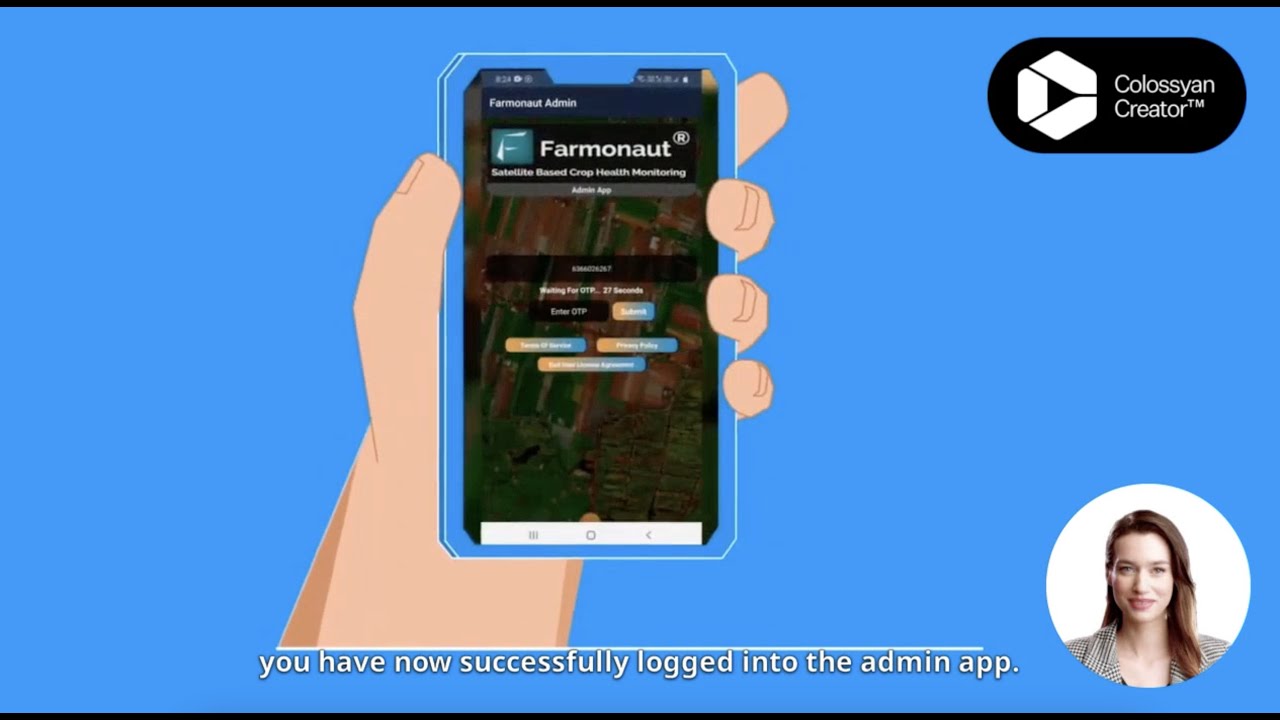
Watch: How to Manage Farm Data with Farmonaut Admin Tools
All information provided is for educational, non-regulatory, and non-promotional use. Farmonaut is an independent satellite technology platform; we do not sell farm input/machinery nor function as a marketplace or regulatory agency.
Stay tuned for more insights and updates on agricultural innovations!

 Godrej Agrovet
 Hayleys Agriculture
 Linx Agritech
 Adinet
 Save Your Soils
 GalaxEye Space
 Grandstream Algérie
 XOS Realty
 Geospatial Lab Africa
 Agro La Gándara
 HIPSAC
 ZOL Zimbabwe
 Juligerm
 AdBio
AdBio MISE Maroc
 NWNS
NWNS Red August Group
 Farm Inc
 WeMe Global
 Agrotoken
 Blue BearX
 Insignito
 DnCubed
 Indosistim Teknologi
 Liquify Digital
 CU Foods
 BeyondTech Global
 Rouge VC
 AgroRisk
 Oath Inc
 Esri North East Africa
 MDCV UK
 Etech Consulting Madagascar
 Vestlandsforsking
 WB Dev
 Sama Premium
 Tres Valles
 Blickwinkel
 Agricultural Credit Policy Council
 eKGIS
eKGIS Mostas Tech
 Andex
Andex Deluxe Conseil
 WICO
WICO Chimera Innovation
 SkyHarvest
 Teledarbas
 Exurbia Geospatial
 FieldZero
