

Wild Rice Cultivation: Advanced, Soil-less & Wet Methods
Summary:
Wild rice cultivation is experiencing a renaissance as we move into 2026 and beyond. As advancements in agricultural technology, innovative soil-less and wet cultivation methods, and sustainable practices take center stage, wild rice stands out as a nutritional powerhouse and a key player in ecological farming. This article delivers a thorough analysis of traditional and modern rice cultivation, with a specific focus on wild rice, advanced wet rice, soil-less innovations, and the future outlook for global agriculture—including how Farmonaut’s satellite-driven AgTech revolutionizes monitoring, traceability, and climate-smart farming.
Table of Contents
- Understanding Wild Rice Cultivation: Significance, Species & Profile
- Wild Rice Cultivation Methods: Wetland, Advanced, and Soil-less Approaches
- Comparative Techniques and Sustainability Outcomes Table
- Regional Innovation: North America and Japan Rice Cultivation
- Technology, Sustainability & Satellite Solutions (Farmonaut)
- Benefits for Nutrition, Yield, and Ecosystems
- Challenges & Future Prospects: Moving Toward 2026+
- FAQs on Wild Rice Cultivation, Methods, and Tech
Soilless cultivation systems are leading the charge in sustainable wild rice production—enabling year-round, water-efficient, and high-yield harvests for the demanding future of rice agriculture.
Understanding Wild Rice Cultivation: Significance, Species & Profile
Wild rice (scientific name: Zizania spp.) refers to a group of aquatic grasses native to North America and parts of Asia. Unlike the widely cultivated Asian rice (Oryza sativa), wild rice grows naturally in shallow, freshwater lakes and slow-moving rivers. Its unique taste, rich nutritional profile, and ecological role make wild rice cultivation an increasingly important practice as we move toward 2026 and beyond.

Key Points:
- Wild rice (Zizania spp.) is renowned for higher protein content, essential amino acids, and better pest resistance compared to Oryza sativa (conventional rice).
- It offers significant ecological, nutritional, and cultural benefits—particularly in North America and select Asian regions.
- Its cultivation is historically challenging due to unique water and wetland requirements but is now bolstered by technological and methodological advancements.
The Value of Wild Rice Cultivation in Modern Agriculture
- ✔ Wild rice cultivation supports biodiversity in aquatic and wetland ecosystems.
- ✔ Cultivated wild rice is in demand for health-conscious and premium grain markets globally.
- ✔ Wet rice cultivation techniques are being adapted for wild rice to boost yield consistency.
- ⚡ Technology-driven management ensures precise water and nutrient delivery, vital for sustainability.
- ⚠ Environmental change challenges traditional approaches, driving the trend toward innovation.
Confusing Asian wet rice (Oryza sativa) methods with wild rice (Zizania spp.) leads to poor yield and ecosystem disruption. Techniques must be tailored to each crop’s unique habitat needs.
Profiling Wild Rice: Essential Characteristics
- 📊 Higher protein—up to 40% more than conventional white rice
- 🌱 Native aquatic grass—thrives in up to 1-meter deep water
- 🌏 Indigenous roots—vital to North American Indigenous communities, but gaining global attention
- 🦠 Robustness—naturally resilient to typical rice pests/diseases
- 💪 Vital for sustainability—restores and maintains wetland integrity
Wild Rice Cultivation Methods: Wetland, Advanced, and Soil-less Approaches
As the agricultural landscape evolves through 2025 and beyond, new approaches to wild rice cultivation—ranging from the use of wetland fields to advanced soil-less systems—are transforming both productivity and sustainability.
For maximum yield and minimum environmental impact, integrate wetland restoration with advanced field cultivator machinery. Monitor with satellite data for adaptive management.
Traditional Wet Rice Methods: Origins & Adaptation
- Traditionally, wet rice cultivation relies on flooded paddy fields, structured bunds, and gravity-assisted irrigation systems.
- Wild rice is adapted to shallow waters and natural wetlands; unlike Oryza sativa, it is less tolerant of deep, continuous flooding.
- Fields must be constructed to optimal water depths (25–45 cm) for germination and sustained growth of wild rice species.
Advanced Wet Rice & Wild Rice Field Cultivator Innovations
- New generations of wild rice field cultivator machinery are engineered for precision seeding and weed control in soft, aquatic soils.
- These cultivators apply minimal disturbance, maintaining the integrity of wetland microbial and plant communities.
- Innovative machinery allows for targeted input application, minimizing wastage and ecological disruption.
- Labour is reduced by half, cost savings enhanced, and consistency of cultivated wild rice fields improved.

Soil-less Cultivation: Hydroponics & Aquaponics for Wild Rice
- Soil-less cultivation leverages hydroponic and aquaponic systems for rice production, simulating natural aquatic environments with precise nutrient and water control.
- Significant water savings (near 40%), lower pest risk, and improved year-round production are key benefits; particularly crucial in climate-stressed regions.
- Commercial scaling is becoming feasible as input costs drop and closed-loop systems improve disease control and root aeration.
- Soil-less rice farming aligns with urban agriculture, decentralized food systems, and export-driven farm business models.

Integrating Environmental and Yield Goals:
- 💧 Sensors and remote monitoring detect water depth, temperature, and nutrient concentrations in real time.
- 🌱 Genetic research delivers wild rice varieties resilient to climate extremes and pests.
- 🌐 Satellite monitoring (see large scale farm management tools) tracks field health, water status, and predicts disease risks.
- ♻ Wetland conservation principles reduce runoff and integrate rice cultivation with natural aquatic ecosystems.
Comparative Techniques and Sustainability Outcomes for Wild Rice Cultivation
| Cultivation Method | Water Usage (liters/acre) |
Soil Requirements | Expected Yield (tons/acre) |
Labor Intensity | Input Costs (USD/acre) |
Sustainability Score (1–10) |
Future Prospects (2025+) |
|---|---|---|---|---|---|---|---|
| Traditional Wetland | 10,000–14,000 | Soft, organic-rich, pH 6–7, natural wetland | 1.0–1.4 | High | $1,200–$1,800 | 6 | Steady, moderate improvement with tech adoption |
| Advanced Wet + Machinery | 7,000–9,000 | Modified wetland/engineered fields; high OM | 1.3–1.8 | Medium | $1,600–$2,200 | 8 | Strong; increasing with IoT and genetic advances |
| Soil-less (Hydro/Aquaponic) | 5,500–7,200 | None (sterile media/NFT systems) | 1.6–2.2 | Low | $2,500–$3,200 | 9 | Exceptional; poised to disrupt urban & commercial farming |
Soil-less wild rice systems—though initially capital-intensive—are expected to deliver outsized environmental and economic returns by 2026, especially in water-scarce and urban settings.
Regional Innovation: North America and Japan Rice Cultivation
North America has a deep-rooted tradition of cultivating wild rice in its native wetlands, with Indigenous knowledge and ecological stewardship guiding both traditional and modern practices.
Japan, famous for highly-refined Oryza sativa (wet rice) agriculture, pioneers advanced water management, planting machinery, and yield-maximizing systems—technologies now influencing wild rice fields globally.
How Regional Innovations Shape Global Wild Rice Cultivation Trends:
- 🌎 North America: Focused on ecosystem-based practices, genetic diversity, wetland restoration, and market expansion for cultivated wild rice.
- 🗾 Japan: Leverages mechanized field preparation, precision water usage, and soil management applicable to wild and wet rice fields beyond Asia.
- 🇬🇧 Europe (Emerging): Soil-less, urban, and research-driven wild rice production gaining traction in green cities.
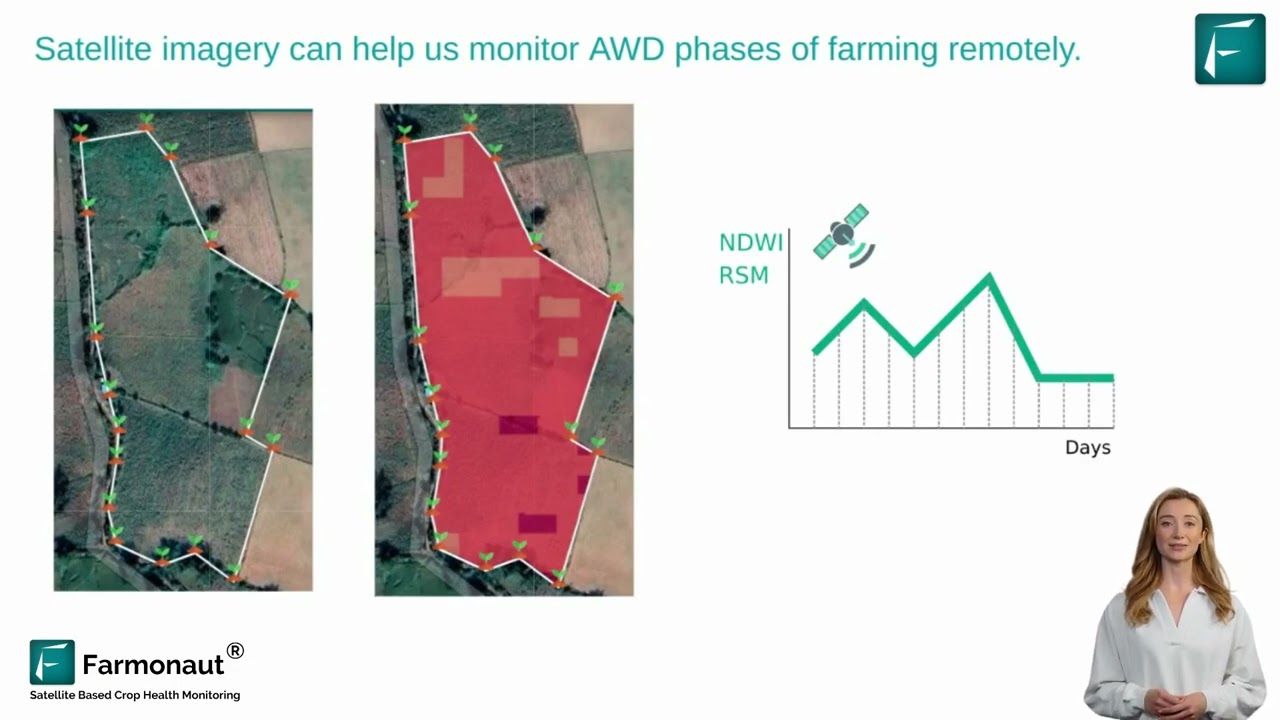
Satellite-driven analytics from platforms like Farmonaut are helping farmers in both North America and Japan precisely monitor water levels, crop vigor, and environmental risks—paving the way for scalable, climate-proof wild rice farming.
Technology, Sustainability & Satellite Solutions (Farmonaut)
Farmonaut’s technology suite addresses sustainable wild rice cultivation through real-time satellite monitoring, AI-based advisory, and blockchain-powered traceability. By integrating environmental data with farm management, we empower users to optimize every aspect of wild rice and wet rice cultivation.
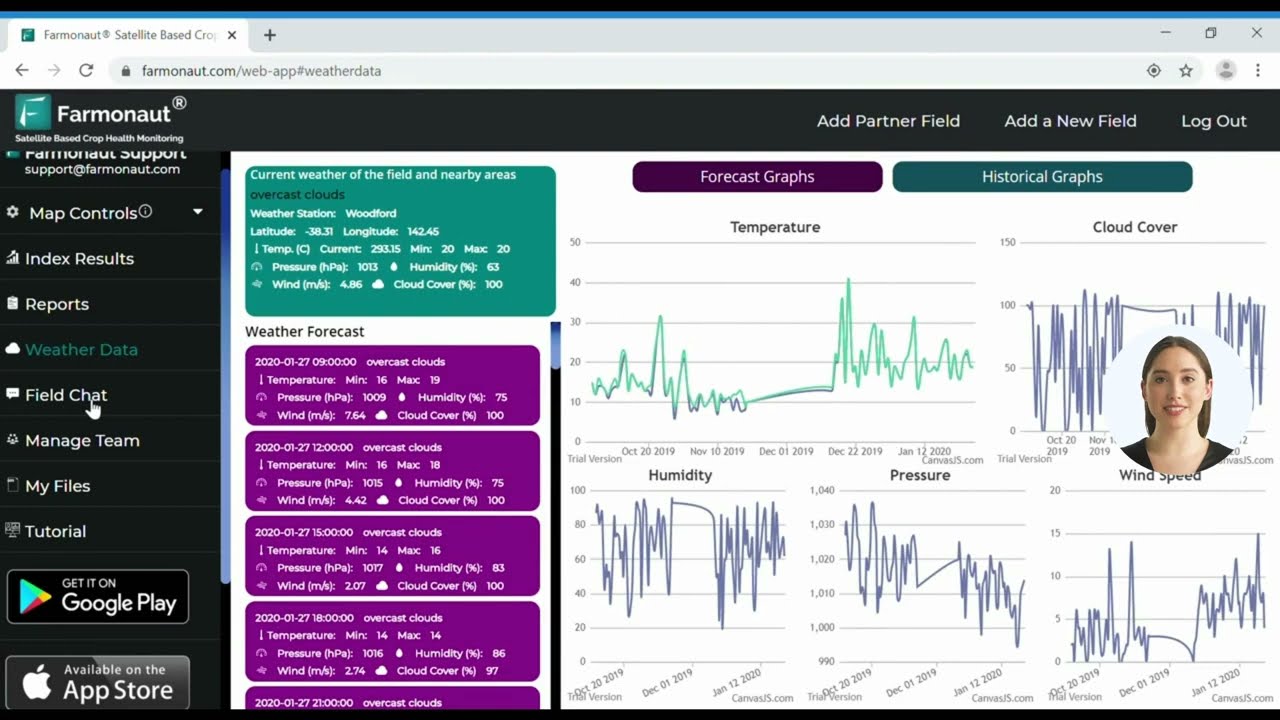
- 🚀 Satellite-based monitoring: Enables precise tracking of crop health (NDVI), soil moisture, and water use in wetlands, supporting yield maximization and resource savings.
Read more about Farmonaut’s Large Scale Farm Management app. - 🧠 Jeevn AI Advisory: Provides actionable recommendations for irrigation scheduling, pest alerting, and input management—crucial for soil-less wild rice cultivation where rapid response maintains crop health.
- 🔗 Blockchain traceability: Our systems help ensure that cultivated wild rice and rice supply chains are transparent and trusted. Learn more about traceability solutions.
- 🌍 Environmental monitoring: With tools for carbon footprint tracking, farmers can quantify and reduce the environmental impact of wet and soil-less rice production.
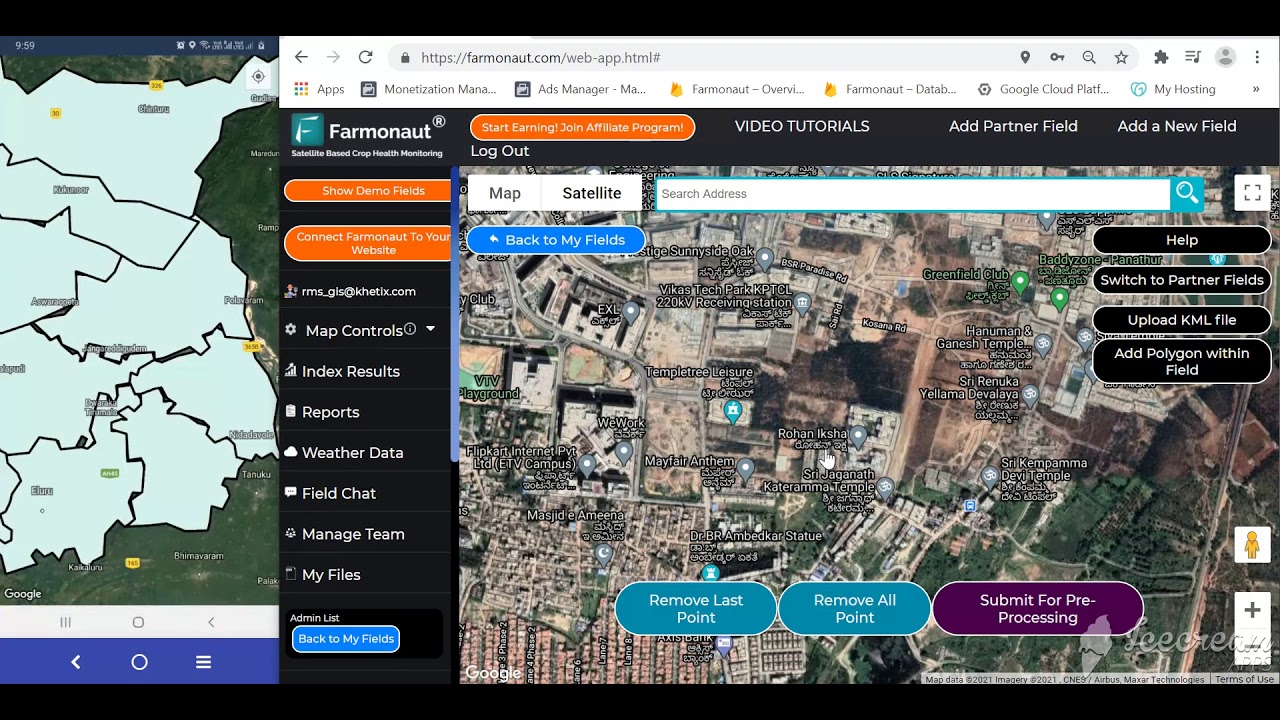
- 📱 Apps and APIs: We offer mobile/web apps and APIs to make remote field management seamless; all backed by accessible developer docs.



Farmonaut’s subscription plans are designed for everyone in agriculture, from smallholder wild rice farmers to large-scale operators, with a focus on affordability and scalability:

Benefits for Nutrition, Yield, and Ecosystems
- 🌾 Superior nutrition: Wild rice’s unprecedented protein, micronutrient, and fiber content make it a valuable health food worldwide.
- 🌊 Water management: Wet and soil-less systems use up to 40% less water, supporting sustainable food security under climate pressure.
- 🌱 Biodiversity support: Wetland wild rice fields are critical refuges for native plants, birds, fish, and amphibians.
- ♻ Carbon sequestration: Wetlands and responsible rice paddies actively pull carbon from the atmosphere—tracked with tools like Farmonaut Carbon Footprint Monitoring.
- 💰 Economic niches: Premium demand, eco-labeling, and export growth drive farm revenue streams in 2026 and beyond.
🌟 Key Benefits:
- Consistent high yield even under climate extremes
- Water conservation via soilless or sensor-aided fields
- Lower chemical inputs—pest/disease naturally reduced
- Supports supply chain traceability
- Enables diversification—urban, peri-urban, and smallholder adoption
🌀 Circular Practices:
- Wetland restoration co-benefits (carbon, habitat, flood control)
- Recycling nutrients in closed-loop aquaponics
- Enhanced soil health and erosion prevention in field systems
- Waste minimization and biodiversity enhancement
- Smart data monitoring cuts risks & boosts productivity
Challenges & Future Prospects: Moving Toward 2026+
Despite progress, wild rice cultivation faces several challenges on the path to 2026, including environmental volatility, water scarcity, invasive species, and the need for labor- and input-efficient systems.
- ⚠ Climate fluctuations: Unpredictable rains, droughts, and floods stress both traditional and advanced systems.
- ⚠ Input costs: Soil-less and high-tech models have higher initial expenses; scaling remains a bottleneck for smallholders.
- ⚠ Market education: Public understanding of wild rice’s unique value and sustainable appeal is still emerging outside N. America.
- ⚒ Genetic bottlenecks: More research needed to diversify resilient wild rice varieties.
- ⚡ Policy and incentive alignment: Crucial for expanding sustainable rice ecosystems and supporting farmer transition.
Bullet Point Review: 2025–2026 Trends and Outlook
- 🔬 Technological Integration: Satellite, AI, and blockchain are transforming rice agriculture, from wetland fields to hydroponics.
- 🌳 Ecological Restoration: Integrating wild rice cultivation with wetland/forest restoration will be the gold standard for ecosystem services.
- 🌾 Market Growth: Demand for premium, traceable, eco-friendly rice is surging globally.
- 🎯 Data-driven Decisions: Farmers equipped with real-time analytics outperform on yield and resilience.
- 🚜 Automation & Labor: New cultivators, app-based controls, and AI-driven management reduce labor needs and errors.
⚠ Risks or Limitations:
- Water source vulnerability (climate shocks)
- Initial capex for innovative systems
- Knowledge/skill gap for modern methods
- Supply-chain marketing of new varieties
💡 Opportunities:
- Urban farming and export expansion
- Climate adaptation solutions for rice zones
- Agro-tourism and ecosystem service income
- Farmonaut-aided digital transformation
FAQ: Wild Rice Cultivation, Sustainability & Farmonaut Solutions (2026+)
-
Q: What are the main differences between wild rice cultivation and traditional wet rice (Oryza sativa) farming?
A: Wild rice (Zizania spp.) requires natural wetlands and fluctuating shallow waters, while Oryza sativa is cultivated on fully flooded paddy fields. Wild rice is less tolerant to deep water but more robust against pests, with a richer nutritional profile and distinct ecological needs. -
Q: How does soil-less cultivation benefit wild rice farmers?
A: Soil-less (hydroponic/aquaponic) systems provide year-round cultivation, reduce water usage by up to 40%, cut pest/disease risk, and enable urban or vertical farming. They are especially valuable in areas facing climate change and wetland depletion. -
Q: What role does technology play in modern wild rice and wet rice cultivation?
A: Technologies like satellite imaging, AI-powered advisory, blockchain traceability, and smart machinery (wild rice field cultivators) optimize water, monitor crop health, forecast climate risks, and support sustainable practices. -
Q: Can Farmonaut’s satellite-based solutions support small-scale and large-scale wild rice producers?
A: Yes! Our platform is scalable for any operation size. With real-time monitoring, automated advisory, blockchain traceability, and carbon tracking, both individual farmers and agribusinesses can maximize productivity and sustainability. -
Q: Will wild rice become a mainstream crop outside North America and Asia?
A: With rising demand for health foods, sustainability, and climate resilience, cultivated wild rice and advanced rice methods are expected to expand globally by 2026, including in urban and peri-urban agricultural systems.
Conclusion: Wild Rice, Technology, and the Future of Sustainable Agriculture
As the world transitions toward sustainable wild rice cultivation and innovative wet and soilless methods, agricultural producers must harmonize traditional wisdom with data-driven technology. The vast landscape of wild rice cultivation stands out as a model for integrating nutrition, ecology, and advanced practice—ensuring food security, biodiversity, and market opportunity well beyond 2026.
Advanced field cultivators, environmental sensors, hydroponic systems, and satellite-driven platforms such as Farmonaut are empowering farmers to achieve precision, sustainability, and profitability. For businesses, governments, and individuals, investing in the right blend of tradition and innovation is crucial to thrive in the future agricultural landscape.
Take the next step—explore Farmonaut’s platform, monitor your fields, and harness the power of space-age farming for wild rice and beyond.
For APIs and developer resources visit: Farmonaut API | Developer Docs
For solutions in crop carbon tracking and supply chain traceability:
Farmonaut Carbon Footprinting
Farmonaut Traceability
For large scale and plantation management:
Farmonaut Large Scale Farm Management
Crop Plantation & Forest Advisory

 Liquify Digital
 Ascentya
 CU Foods
 BeyondTech Global
 Rouge VC
 Yutz Automation
 AgroGreen Dynamics
 AgroRisk
 Oath Inc
 Reddane Farming
 Esri North East Africa
 Cresol
 Atur Kuliner
 MDCV UK
 Zerella Group
 Etech Consulting Madagascar
 Vestlandsforsking
 Delicio
 WB Dev
 Sama Premium
 Prochecker
 Tres Valles
 LACOS Geoinformation
 Magrifly
