

Rice Culture & Wet Rice Agriculture: Top Tech Trends 2026
The Evolution of Rice Cultivation and Agricultural Technology in 2025–2026
Rice culture—central to wet rice agriculture—remains the backbone of global food security, especially across Asia, Africa, and parts of South America. As we usher in the era of 2025 and look ahead to 2026, the centuries-old tradition of rice farming has reached a pivotal junction. Modern technology, agricultural drones, and sustainable practices are propelling an evolution that’s redefining how rice is grown, monitored, and managed worldwide.
Advancements in precision agriculture, automation, resource management, and AI are tackling persistent challenges such as labor shortages, water use, and climate variability. This article delves into the current state of rice culture, the integration of modern equipment like drones and transplanters, and emerging trends that promise a more sustainable, efficient, and resilient future for rice agriculture globally.
Rice Culture: A Global Cornerstone
Rice is far more than a staple grain—it’s an integral part of the culture, economic security, and daily life for billions in Asia, Africa, and South America. In Asia alone, nearly 90% of the world’s rice is both cultivated and consumed, making rice culture inseparable from both rural livelihoods and urban diets.
From the paddy fields of Vietnam to the riverbanks of Nigeria and Brazil, wet rice agriculture remains the dominant cultivation method. It involves controlled flooding of fields, creating a unique ecosystem that supports high yields, but also brings its own challenges, especially around water management.
- Asia: Home to over 2,000 varieties of rice, leading the world in both traditional and high-tech adoption.
- Africa: Rapid expansion of rice lands in West Africa amid changing dietary trends and climate adaptation needs.
- South America: Key rice-producing countries like Brazil, Guyana, and Suriname rapidly integrating new technology for yield improvement.
The future of rice agriculture in these regions critically depends on how innovation is harnessed to keep pace with shifting economic, environmental, and population demands.
Wet Rice Agriculture: Where Tradition Meets Technology
Understanding Wet Rice Cultivation Methods
Wet rice agriculture, commonly referred to as paddy cultivation, is also known for its controlled flooding strategy. This method, practiced for centuries, maximizes grain yield in suitable landscapes by leveraging the plant’s natural growth cycles.
- Controlled flooding of fields creates optimal growing conditions, suppressing weeds and providing essential nutrients via water.
- Manual labor and animal traction have historically defined rice cultivation, but rising labor costs and rural migration are accelerating the shift toward mechanization.
- Advances in rice varietal development—such as flood-tolerant, drought-resistant, and high-yielding strains—bolster resilience against climate variability.
As 2025 approaches, wet rice agriculture finds itself at a critical crossroads. Technological fusion is enabling farmers to boost productivity without compromising sustainability.
Example of Tradition Meeting Science:
The growing practice of alternate wetting and drying (AWD) is a clear modern adaptation. AWD conserves water, reduces methane emissions, and maintains yield, marking the smart integration of traditional wisdom with latest agricultural science.
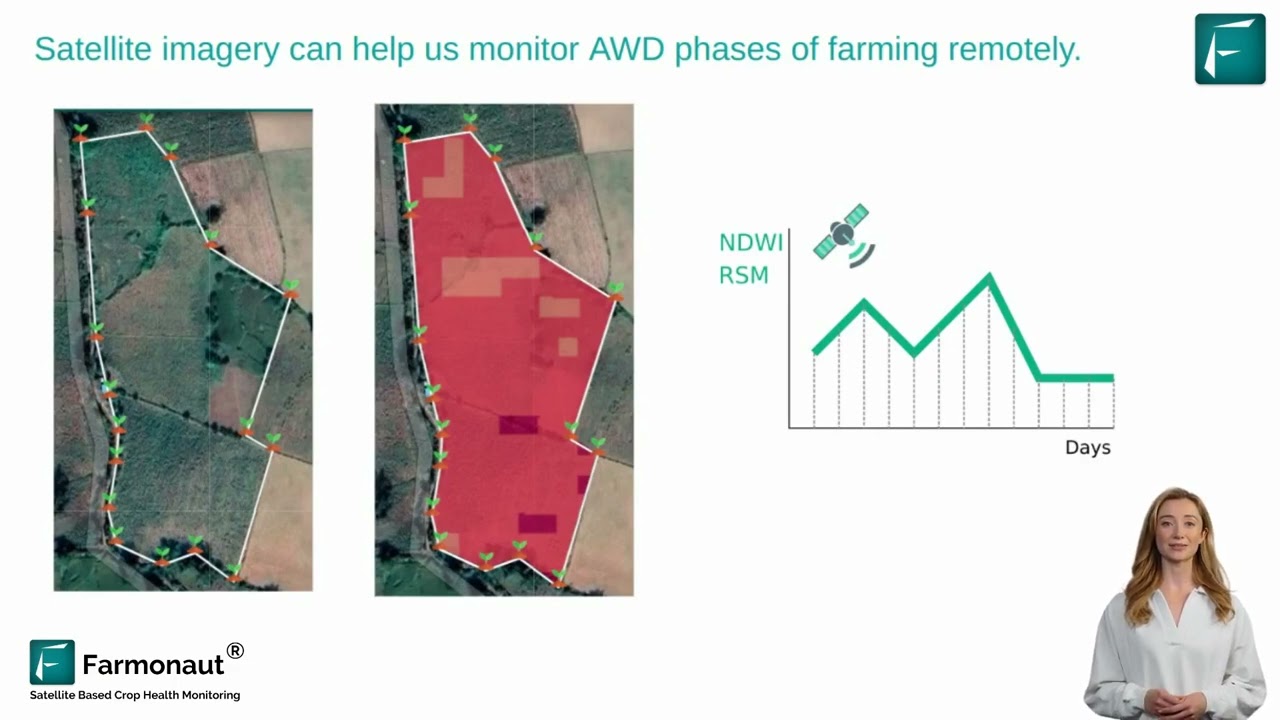
AWD and precision water management are among the fastest-growing practices in many countries, especially in Asia, as farmers increasingly respond to water scarcity and climate uncertainties.
Key Challenges in Rice Farming: Water, Labor, and Climate
Despite its deep roots, wet rice agriculture faces persistent challenges that threaten the future of global rice security:
- Water Management: Controlled flooding is water-intensive; increasing variability due to climate change demands smart irrigation systems and efficient management practices.
- Labor Intensity: Traditional practices involve substantial manual labor, but urbanization and workforce shifts are driving the need for equipment and automation.
- Climate Variability & Disease: Pests, unpredictable rainfall, and new disease pressures are impacting yields; solutions include crop diversification, improved inputs, and data-driven monitoring.
These challenges are increasingly addressed by adopting precision techniques, sensors, drones, and AI-based systems.
Precision Agriculture: Trends Shaping 2026
The integration of precision agriculture transforms the landscape of rice cultivation in 2025–2026. Farmers are turning to a host of smart tools and data-driven platforms to optimize every aspect of crop management:
- Soil Sensors: Measure moisture, nutrients, and pH, enabling smart irrigation and real-time input adjustment.
- Automated Irrigation: Ensures optimal water levels for wet rice fields, minimizing waste and boosting efficiency.
- Satellite Imagery: Remote sensing platforms like those leveraging NDVI and other indices provide real-time monitoring of plant health, disease, and nutrient deficiencies.

- AI-Powered Decision Support: Tools like the Farmonaut Satellite Weather API analyze weather, satellite, and farm data to recommend when to irrigate, fertilize, or harvest—leading to better yields and input savings.
Precision agriculture remains at the heart of rice farming innovation as farms grow in scale and complexity, ensuring sustainable advancement for the future.
Agricultural Drones: Revolutionizing Global Farm Management
Focus Keyword: agricultural drone price, drones
Among the most significant breakthroughs in rice agriculture remains the rapid deployment of agricultural drones. Drones bring new solutions for crop monitoring, spraying pesticides, and assessing plant health using multispectral imaging. They offer a highly flexible, affordable way for farmers to gather actionable insights.
- Crop Monitoring: Drones use advanced cameras and sensors to spot early stress, nutrient deficiencies, and pest infestations.
- Spraying: Automated aerial spraying saves labor and increases efficacy by targeting specific areas prone to disease or weeds.
- Data-Driven Decisions: Interpret crop data in real time, reducing input waste and maximizing yield.
- Monitoring for Multiple Applications: Not just rice—drones aid pollination in orchards, crop scouting in forests, and even mineral prospecting.
Agriculture Drone Price Trends 2025–2026
The agriculture drone price has become increasingly affordable. In 2025:
- Entry-level drones: Available from under $2,000
- Advanced drones with AI analytics and precision applications: Range from $5,000–$15,000
Increased manufacturing efficiency, competition, and economies of scale have driven prices down, expanding access even for smallholders in developing countries.
Adoption is rapidly spreading across Asia, Africa, and South America, enabling farmers in these landscapes to embrace modern technology for better results.
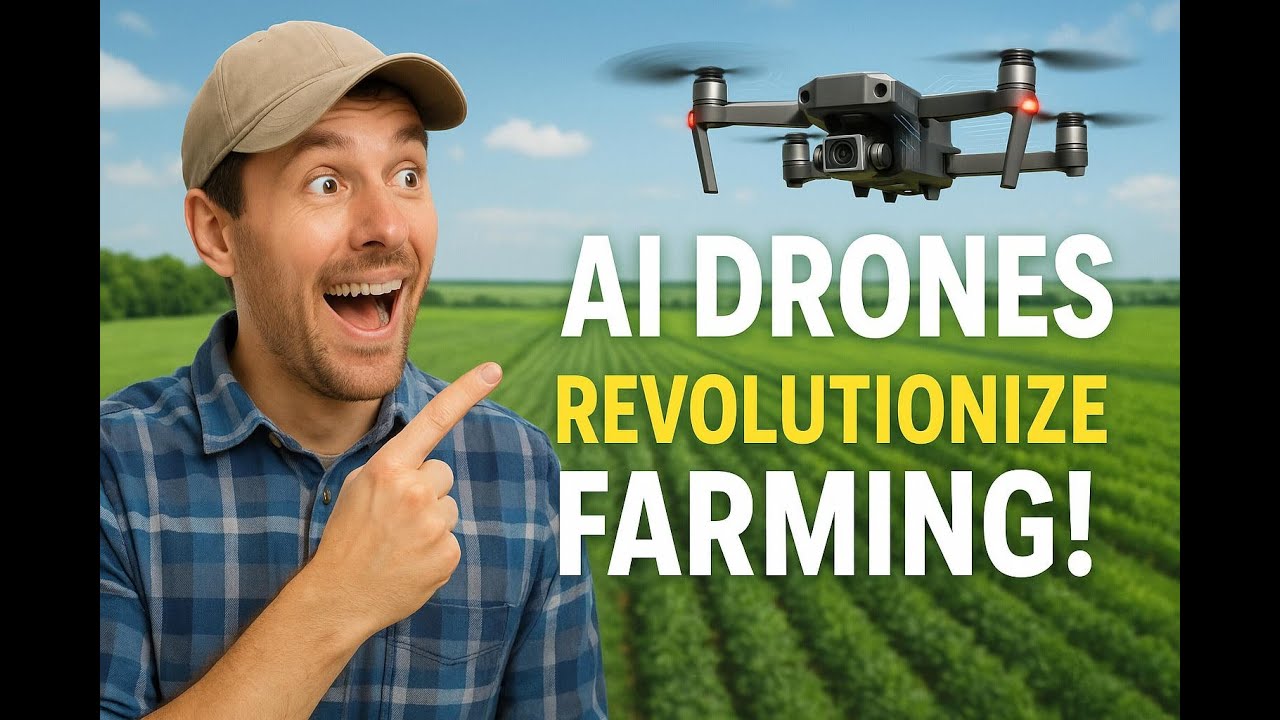
The future of drone-based rice agriculture promises greater efficiency, reduced chemical inputs, and precision-driven field management.
Tip: For advanced, AI-driven field monitoring and multispectral insights, see Farmonaut’s Large-Scale Farm Management Platform. Perfect for rice farmers and agribusinesses seeking robust digital farm management with satellite-powered analysis.
Agriculture Equipment Price Trends and Mechanization Adoption
Focus Keyword: agriculture equipment price, mechanization, transplanters
Alongside drones, mechanization continues to reshape rice agriculture. Transplanters, combine harvesters, investable tractors, and threshers are increasingly affordable due to technology maturation and supportive government policies.
- Rice transplanters: Mechanized planting tools are standard in numerous Asian countries (Vietnam, Indonesia, Philippines), greatly speeding up the planting process and improving plant spacing.
- Combine harvesters: Automated harvesting reduces post-harvest losses and vastly cuts labor intensity.
- Financing and Subsidies: In 2025, many rice-producing countries offer flexible financing, leasing, and subsidies to offset equipment price barriers, spurring adoption.
Agriculture equipment price trends show stable or declining prices for many equipment categories, making advanced technology accessible even to mid-sized and small farms. With rising labor costs and the urgent need for higher yields, mechanization adoption is set to accelerate sharply by 2026.
Bee Culture: Sustainability and Biodiversity in Rice Agriculture
Focus Keywords: bee culture, pollination, sustainable
Sustainable rice farming isn’t just about water efficiency—it’s about ecosystem health. Bee culture, or apiculture, is making its mark as a biodiversity booster in rice landscapes:
- Bees stimulate pollination in adjacent crops, increasing diverse yields and improving food security.
- Increasing bee presence supports beneficial insect populations, encouraging natural pest control and reducing need for chemical inputs.
- Combined with rice paddies, bee habitats preserve local biodiversity, strengthen climate resilience, and promote a sustainable food system.
Integrating bee culture is becoming a best practice in Asia and Africa, where farm landscapes often mix rice, vegetables, and orchards. Conservation corridors and hedgerows between paddy fields serve double duty for bees and habitat protection.
Explore more: Want to add sustainability insights and carbon tracking to your farm? See Farmonaut’s Carbon Footprinting Solution, which helps agriculture professionals monitor and reduce the environmental footprint of their rice farming or agri-business operations.

Smart Irrigation & Water Management
Water is both a blessing and a constraint in wet rice agriculture—and smart irrigation solutions are moving to centerstage in 2025–2026:
- Automated irrigation systems tap into in-field sensors to dew-point, rainfall and soil moisture readings to time field flooding and drainage, minimizing loss and boosting efficiency.
- Digital water mapping and remote satellite sensing guide decisions for variable rate irrigation, reducing water use by up to 30% without impacting yield.
- Cloud-based dashboards enable farm managers to adjust water regimes remotely—even across wide rice-growing landscapes.
Fleet Management in Farmonaut’s ecosystem further enhances operational efficiency, allowing agriculture operators to coordinate irrigation equipment, pumps, and vehicles for timely, energy-saving water management.
Comparative Table: Key Technology Trends in Wet Rice Agriculture for 2026
To help visualize emerging technology trends in wet rice agriculture, here’s a comparative table highlighting global adoption and primary benefits for the most impactful advancements.
| Technology/Practice | Estimated Global Adoption (%) in 2025 | Expected Growth Rate by 2026 (%) | Primary Benefits | Regions Leading Adoption |
|---|---|---|---|---|
| Agricultural Drones | 27% | +30% | Efficient monitoring, precision spraying, reduced labor and input costs | Asia, South America, Africa |
| Remote Sensing & Satellite Monitoring | 45% | +18% | Real-time crop health, water management, disease detection | Asia, Africa |
| AI-Based Crop Monitoring | 18% | +45% | Yield optimization, predictive analytics, targeted interventions | Asia, South America |
| Sustainable Water Management (AWD, automated irrigation) | 24% | +35% | Water savings, reduced methane, climate resilience | Asia, Africa |
| Mechanization (Transplanters, Harvesters) | 41% | +21% | Reduced labor, faster cycles, improved planting/harvesting uniformity | Asia, South America |
| Bee Culture & Biodiversity Practices | 7% | +25% | Pollination, ecosystem health, natural pest management | Africa, Asia |
| Blockchain Traceability | 4% | +30% | Supply chain transparency, food safety, reduced fraud | Asia, South America |
Table: Comparative overview of technology trends, adoption rates, and benefits in wet rice agriculture as of 2025–2026. Data synthesized from industry projections and keyword research.
Rise of AI & Genomics: Future-Focused Rice Cultivation
The next horizon for rice culture innovation centers around AI-driven tools and genomics. Farmers and agribusinesses are turning to these technologies to solve challenges of crop disease, climatic extremes, input waste, and supply chain traceability:
- AI & Machine Learning: Analyze multispectral satellite data, field sensors, and drone imagery for predictive analytics—detecting potential pest outbreaks, drought stress, or harvest timings before they happen.
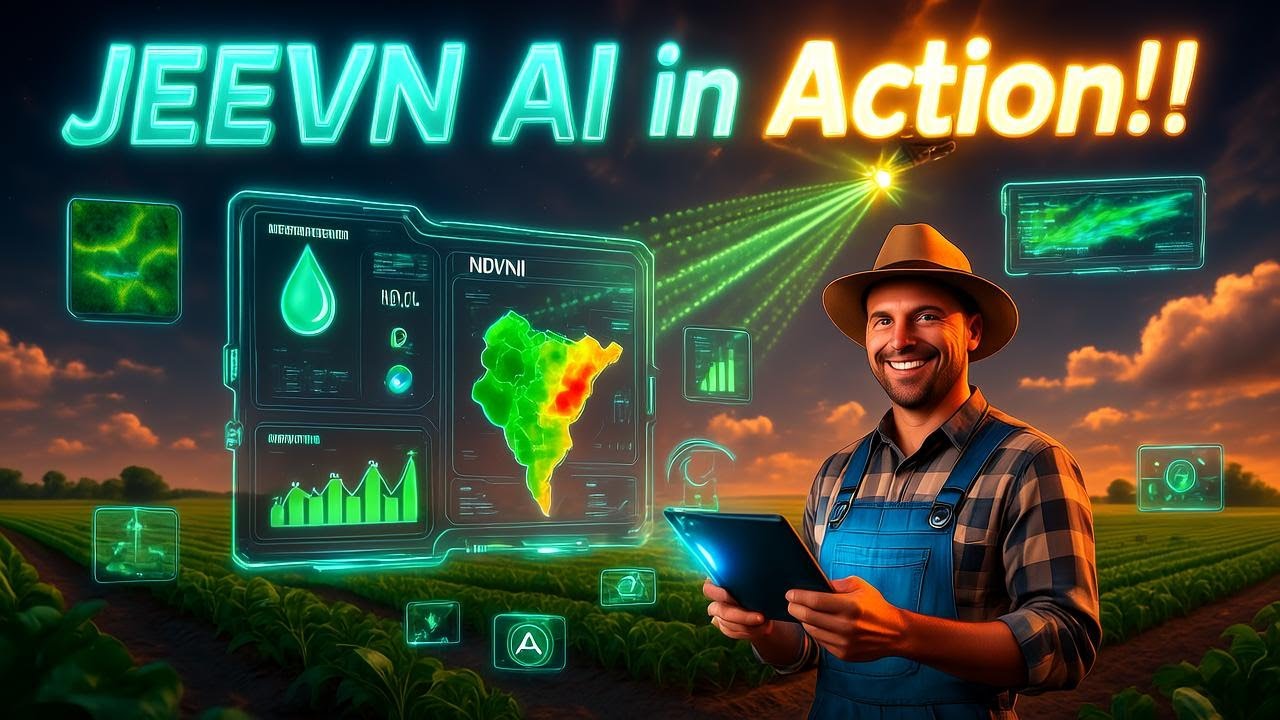
- Jeevn AI: Farmonaut’s proprietary Jeevn AI Advisory System utilizes satellite and weather data to deliver instant, tailored field recommendations. This boosts both productivity and sustainability for rice farming and allied industries.
- Genomics & Disease-Resistant Varieties: Breakthroughs in rapid gene sequencing allow the development of rice strains that are resistant to blight, drought, salinity, and flooding—all increasingly common under today’s climate variability.
- Blockchain Traceability: A rising priority for 2026, ensuring rice supply chains remain transparent from field to global export. See Farmonaut Traceability Solutions for real world applications in supply chain verification.
The integration of these tools is fueling the evolution of global rice culture into a high-tech, smart, and sustainable system.

Farmonaut: Satellite-Powered Insights for Modern Farming
As rice farming embraces the digital age, we at Farmonaut are dedicated to making satellite-driven insights affordable and accessible globally. Our platform leverages a unique blend of AI, satellite imagery, and blockchain to empower farmers, agribusinesses, and governments with actionable, real-time agricultural intelligence.
- Satellite Crop Monitoring: Real-time, multispectral field monitoring for rice, enabling early detection of water stress, pest outbreaks, and plant health trends (NDVI, EVI).

- Jeevn AI Advisory: Automated, AI-based recommendation system analyzing satellite data for timely intervention in fertilizer, irrigation, and disease management.
- Traceability & Blockchain: Securely track rice and agri-produce from field to shipment, increasing market trust and minimizing fraud.
Learn about Farmonaut’s Traceability. - Resource Optimization: Fleet and equipment management tools to reduce costs and enhance logistics—vital for the expanding mechanization and irrigation needs of 2026.
See details. - Insurance/Financing Support: Satellite-based verification streamlines access to crop loans and insurance, making support more secure for farmers. Learn how.
-
Platform Access: Available via Android, iOS, Web Apps, and APIs for seamless data-driven farm management.


- API Access: Integrate satellite-driven agriculture analytics with your own systems: Farmonaut API
Frequently Asked Questions (FAQ): Rice Culture & Wet Rice Agriculture Technology Trends 2026
Q1: What is wet rice agriculture, and how is it different from upland rice farming?
Wet rice agriculture is a system where rice is grown in flooded fields (paddies), leveraging controlled water for optimal yields and weed control. In contrast, upland rice farming involves dry, rainfed fields without standing water and generally produces lower yields.
Q2: Are agricultural drones truly affordable for small farms in Asia, Africa, or South America?
Yes. As of 2025–2026, agriculture drone price for basic models has dropped below $2,000, thanks to improved manufacturing and market competition. Flexible leasing and government support make drones accessible even for smallholders. Drones are used for monitoring, spraying, and data-driven decisions, boosting yields and reducing input costs.
Q3: How do AI and satellite monitoring contribute to higher rice yields?
AI systems interpret vast sets of satellite, drone, and sensor data to predict optimal sowing, irrigation, and harvest timings; detect disease or pest outbreaks early; and minimize input waste. This data-driven approach ensures more precise, effective farm management and maximized yields.
Q4: What sustainable practices are most impactful in wet rice agriculture?
Techniques like alternate wetting and drying (AWD) irrigation, integrating bee culture for pollination, and promoting biodiversity corridors reduce water use, lower greenhouse emissions, and build climate resilience.
Q5: Can satellite and digital technologies help with insurance and farm financing?
Absolutely. Satellite-based monitoring, as available through platforms like Farmonaut, allows verifiable field data for crop insurance and loan eligibility—reducing fraud, lowering premiums, and accelerating claim processing.
Q6: What are the projected technology adoption rates in wet rice agriculture for 2026?
By 2026, the adoption of digital mapping in wet rice farms is expected to surpass 60%, with AI-based sensors growing by 45% yearly, and drone usage climbing by 30% over current levels—especially in Asia, Africa, and South America.
Conclusion: Rice Culture & Wet Rice Agriculture—Poised for a Sustainable, High-Tech Future
Rice culture and wet rice agriculture are rapidly progressing from ancient wisdom to a science-driven, hi-tech future. In 2026 and beyond, the integration of affordable drones, precision management, smart irrigation, and sustainable practices like bee culture is transforming every facet of rice farming.
For Asia, Africa, and South America, adopting these technology trends will be key to securing sustainable growth, improving food security, and safeguarding fragile ecosystems in the face of climate change. Farmers, agribusinesses, and policymakers equipped with data-driven tools—from AI-powered monitoring to blockchain traceability—will lead the evolution of global rice agriculture in the years ahead.
Access to affordable technology, ever-smarter equipment, resource-efficient management systems, and a new focus on ecological balance means the future of rice cultivation is bright, resilient, and highly innovative.
Discussion
Questions, corrections or field experience? Share them below. First-time comments are reviewed before they appear, and your email is never published.
No comments yet. Be the first to add a question or your experience.

 Shaurya Technosoft
 Polaris Digitech
 Teledarbas
 Wild Oak Farm
 SFX
SFX BACF Africa
 Doodlakine
 Exurbia Geospatial
 FieldZero
 Indico Company
 Kubota
 FFBS
FFBS Jontra
 Tucor
Tucor
 Licence holder · Niger · Gold










