

Wet-Rice Agriculture: 7 Powerful Innovations for Asia 2026
“In 2025, over 90% of global wet-rice fields will use advanced water management technologies in Asia.”
Wet-rice agriculture remains a cornerstone of food security, socio-economic development, and environmental stewardship across Asia. As we move into 2026, billions of people continue to rely on this intensive form of rice cultivation, which not only feeds vast populations but also shapes the living fabric of rural communities from China to India, Vietnam, Thailand, and Indonesia.
This comprehensive guide dives deep into the core structures of wet-rice agriculture, the contemporary challenges we now face, and, most importantly, the technological breakthroughs making cultivation more resilient, sustainable, and rewarding for farmers and communities throughout Asia and beyond.
Table of Contents
- Introduction to Wet-Rice Agriculture
- Why Innovation is Crucial for Wet-Rice Agriculture in Asia
- The 7 Powerful Innovations for Wet-Rice Agriculture in 2026
- Comparative Innovations Impact Table
- Deep Dive: Technologies Shaping Future Wet-Rice Cultivation
- Farmonaut: Satellite Technology Empowering Modern Rice Farming
- Sustainability, Policy, and the Future of Wet-Rice Agriculture
- Frequently Asked Questions
- Conclusion: Wet-Rice Agriculture for Tomorrow’s Asia
Introduction to Wet-Rice Agriculture
Wet-rice agriculture is the world’s single most important food system, supporting nearly half the global population. Its core process is unique: rice is grown in flooded fields or paddies that are carefully managed to maintain standing water—crucial for suppressing weeds, deterring pests, and supporting nutrient uptake by rice plants.
Historically prevalent in regions with abundant rainfall and river systems—including China, India, Vietnam, Thailand, Indonesia, and the Philippines (notably the Banaue terraces and China’s Longji region)—this agricultural method not only yields vast quantities of food, but also preserves biodiversity, supports ecosystem services, and sustains the very identity of rural communities.
- ✔ Key benefit: Vital for global food security, wet-rice agriculture feeds more than 3.5 billion people worldwide—with Asia producing over 90% of all rice.
- 📊 Data insight: Asia’s wet-rice systems are responsible for both the highest rice yields and the largest share of agricultural labor in the region.
- 🌧 Crucial reliance: These systems depend on predictable rainfall patterns and river systems, making them sensitive to climate variability.
- ⚠ Challenge: High water demands raise sustainability concerns in the face of climate change and water scarcity.
- 🌱 Biodiversity: Flooded paddies serve as vital habitats for fish, amphibians, and insects, strengthening natural pest control and soil fertility.
Wet-rice agriculture is not only about food—it’s about sustaining entire rural ecosystems and the social fabric of Asia’s farming communities.
Traditional Practices vs. Contemporary Challenges
- ⚠ Climate variability: Erratic monsoon patterns and rising temperatures threaten yields and disrupt growing seasons.
- 💧 Water scarcity: Intensive flooding requires massive water input, increasingly unsustainable as regional resources shrink.
- 🌡 Rising temperatures: Changing climate increases the frequency of droughts and floods, demanding hardy crop varieties.
- 🚜 Modernization Wave: Traditional farming is integrating with advanced technologies to solve today’s problems.
Why Innovation is Crucial for Wet-Rice Agriculture in Asia
Our global food security is more than ever at a crossroads. In 2025 and beyond, climate change, urban expansion, and resource constraints demand solutions that reduce environmental footprints, improve yields, and make wet-rice farming more resilient. Here is why advanced innovation in wet-rice cultivation is vital for Asia in 2026:
Population growth means demand will continue to rise; higher-yielding, climate-smart rice varieties are essential for keeping pace.
Scarce water requires more efficient use through precision management, alternate wetting and drying, and monitored irrigation.
To align with global goals and SDGs, we must integrate biodiversity-friendly, low-carbon solutions into traditional systems.
- ⚡ Key focus: Innovations to improve not just production, but resilience to weather extremes, ecological balance, and rural incomes.
- 🌍 Priorities: Meeting United Nations Sustainable Development Goals on hunger, water, life on land, and climate action.
Modernizing wet-rice agriculture requires integrating scientific research, local farmer knowledge, and digital technologies for maximum impact.
The 7 Powerful Innovations Shaping Wet-Rice Agriculture in Asia (2026)
With contemporary challenges in Asia, these seven game-changing innovations are driving wet-rice agriculture into a new era of efficiency, sustainability, and food security:
“Climate-smart rice varieties are projected to boost yields by 15% across Asia’s wet-rice farms by 2026.”
- Climate-Smart Rice Varieties
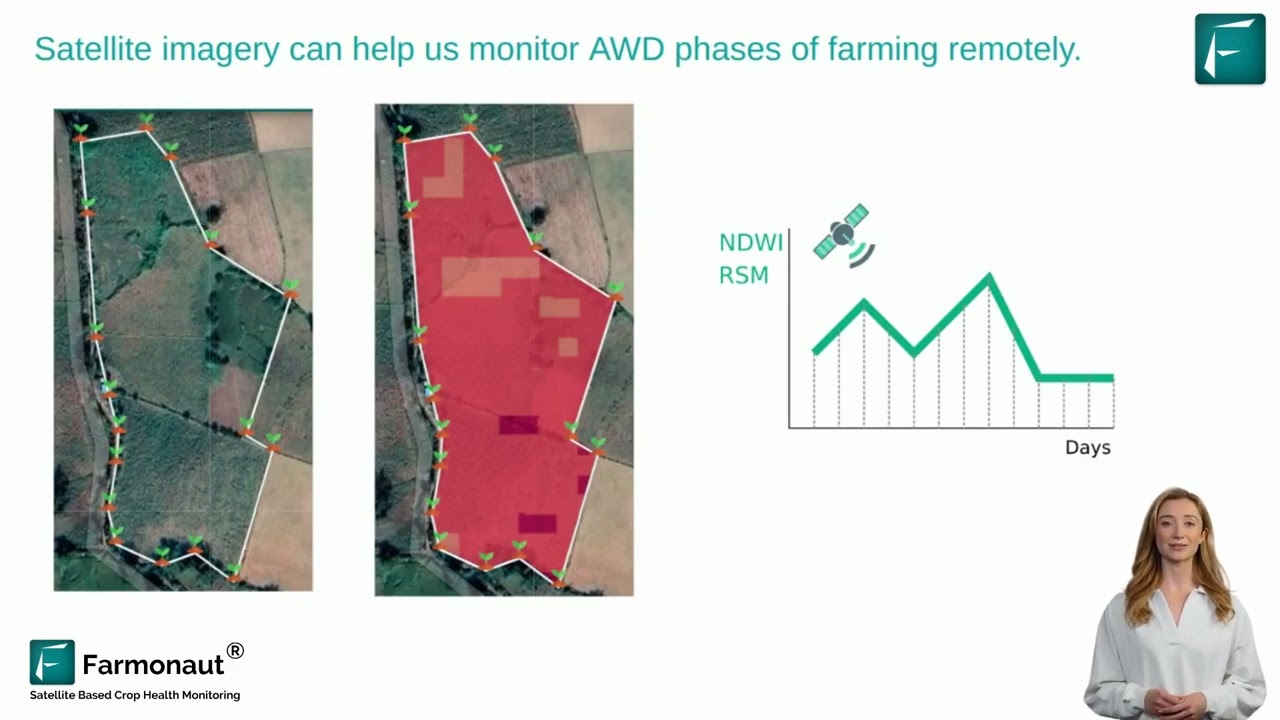
- Alternate Wetting and Drying (AWD) Water Management
- Satellite-Based Crop Monitoring and AI Insights
- Drone-Assisted Precision Pest and Nutrient Management
- Digital Advisory Platforms & Mobile Apps for Farmers
- Mechanization, Post-Harvest, and Value Chain Integration
- Agroforestry Systems with Wet-Rice Cultivation
1. Climate-Smart Rice Varieties
In 2026, climate-smart rice varieties are now at the forefront of agricultural research and development across China, India, Vietnam, Thailand, and Indonesia. Developed via advanced breeding programs and genetic innovations, these varieties boast several climate-adaptive traits, such as:
- ⛆ Drought-tolerance—withstand prolonged dry spells and erratic rainfall patterns
- 💧 Flood-resistance—survive sudden inundations, a rising threat due to climate extremes
- 🦠 Disease/Pest Resistance—reduce need for chemical inputs and improve natural pest control
- ⏱ Shorter Growing Seasons—allowing for double or triple cropping in some areas
These next-generation crops enable farmers to mitigate risks associated with erratic weather, improve yields, and contribute to regional food security in increasingly unpredictable conditions.
- 🌱 Key insight: IRRI and Asian seed banks are rapidly deploying cultivars suited to micro-climates across Asia.
2. Alternate Wetting and Drying (AWD): Revolutionizing Water Management
Water is a crucial resource in wet-rice agriculture. AWD technology—now widely promoted by the World Bank, IRRI, and national agencies—aims to reduce water use by up to 30% by intermittently draining paddies, rather than keeping them continuously flooded. This method:
- ✔ Reduces methane emissions by lowering anaerobic soil conditions
- ✔ Improves nitrogen fertilizer efficiency
- ✔ Supports soil health and natural pest control
By 2026, the adoption of AWD is a leading force in the sustainability of Asian rice systems.

Continuous flooding is no longer the gold standard—adopting AWD requires training to prevent yield drops from incorrect water timing or management.
3. Satellite-Based Crop Monitoring & AI-Driven Insights
The deployment of satellite technology and AI systems transforms how wet-rice fields are managed in 2026:
- 🌍 Satellites monitor real-time crop health, water levels, and pest outbreaks
- 🛰 AI-driven analytics forecast weather risks (drought, floods) and tailor agronomic advisories
- 🌾 Mobile dashboards and notifications keep farmers informed and responsive
These systems enable targeted intervention, resource optimization, reduced chemical use, and improved sustainability.

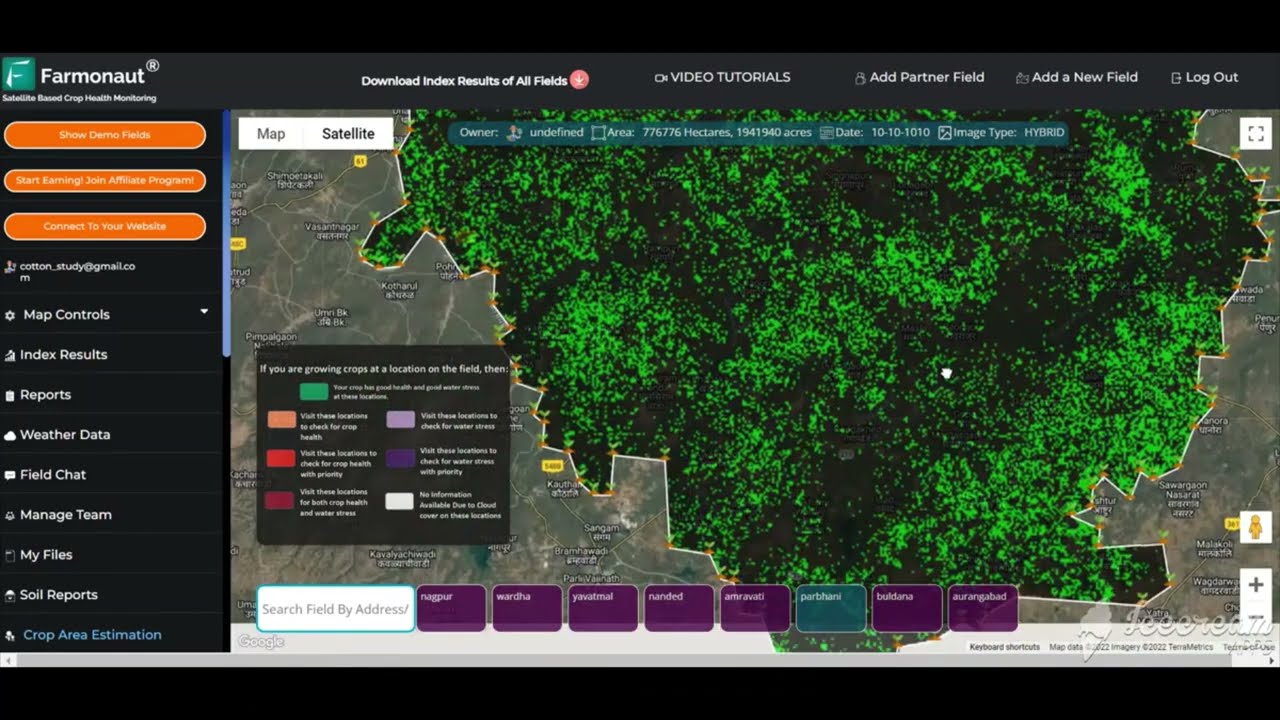
Platforms like Farmonaut offer affordable, satellite-driven insights through our Android, iOS, and web apps, supporting millions of farmers in making informed decisions for crop health, water management, and carbon footprinting. Explore carbon footprint monitoring for rice fields—helping to ensure sustainability and compliance with evolving policies.
4. Drones & Precision Pest/Nutrient Management
Drones revolutionize both pest control and nutrient management in rice paddies. In 2025 and beyond:
- 🛩 AI-powered drones survey fields for signs of pest infestation, disease, or water stress, supplying actionable data to farmers.
- 🌾 Automated spraying of biopesticides and fertilizers becomes hyper-targeted, reducing input costs and environmental impact.
- 🚀 Increased coverage and monitoring ensure timely responses, minimizing crop loss.
Drone use in major rice-producing regions like China and India is projected to double by 2026, driven by government programs and private sector investment in digital agriculture.
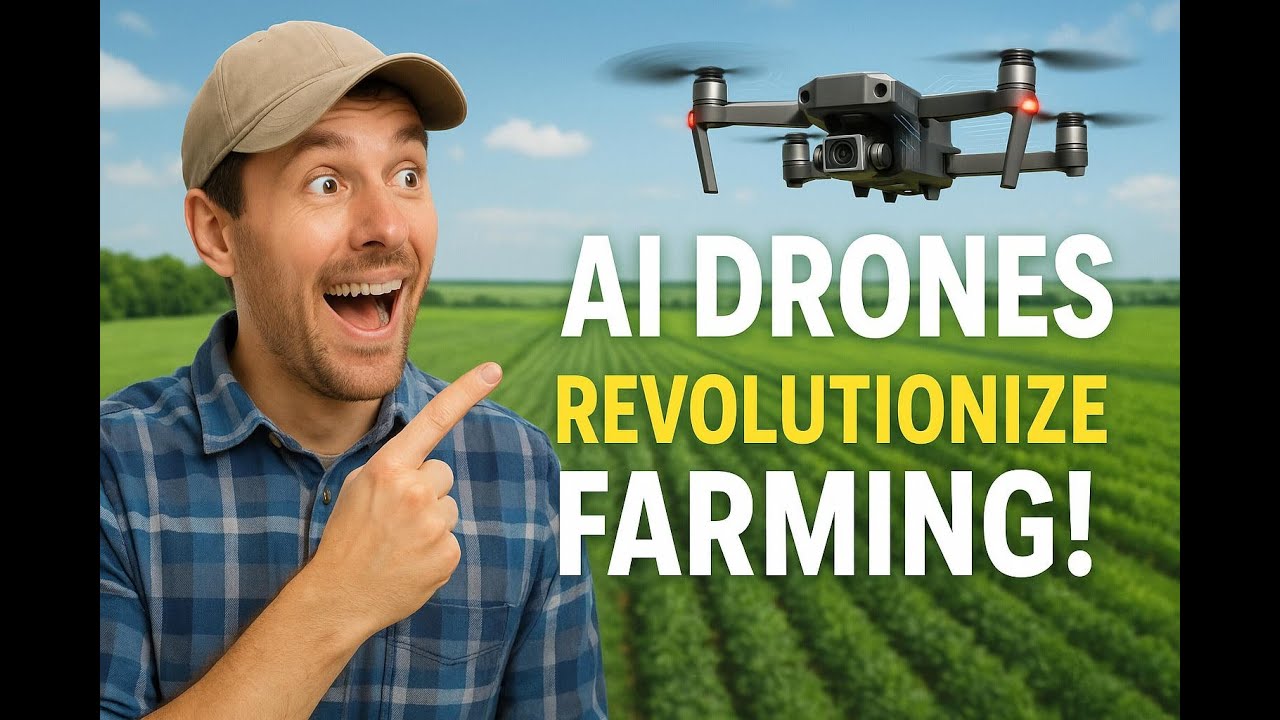
- 🤖 Pro tip: Integrate drone analytics with satellite monitoring for a layered, accurate field health assessment.
AI, satellite, and drone integration is one of the fastest-growing agri-tech investment sectors in Asia for 2025–2026.
5. Digital Advisory Platforms & Mobile Apps
Digital advisory platforms extend real-time agronomic advice, marketplace intelligence, and best practices to farmers. By 2026:
- 📲 Instant weather forecasts, water schedules, and remote diagnostics improve on-farm decision-making
- 🤳 Farmers use apps in local languages, tailored for both smart and basic phones
- 💵 Enhanced access to finance and insurance via satellite-based verification is now mainstream (see Farmonaut crop loan and insurance)
In China, India, and Vietnam, these digital platforms are responsible for record adoption rates of innovative practices among rural communities.



Developers and agribusinesses seeking API access for remote sensing data can refer to the Farmonaut Satellite API and review developer documentation for seamless integration.

6. Mechanization, Post-Harvest Processing, and Value Chain Integration
By 2026, mechanization in wet-rice farming addresses labor shortages, reduces post-harvest losses, and connects farmers to better markets:
- 🚜 Affordable small-scale machinery for rural areas
- 🏭 Efficient, locally-adapted milling and drying facilities reduce 20-30% post-harvest loss
- 🔗 Digital traceability platforms (e.g., Farmonaut traceability) guarantee product authenticity for high-value export markets
Mechanization is essential for enhancing the efficiency of agricultural value chains across Asia, and blockchain traceability ensures transparent supply chains.

- 🚜 Boost labour productivity
- 📦 Reduce post-harvest losses
- 🔗 Strengthen market access through digital verification
- 💰 Increase farmers’ net incomes across rural Asia
- ♻️ Enable circular economy with rice by-products
7. Agroforestry Systems Integrated with Wet-Rice Cultivation
Agroforestry, the integration of tree crops with rice production, is gaining traction throughout Asia (e.g., Philippines Banaue terraces, China’s Longji region).
- 🌳 Moderates microclimate, sequesters carbon, and improves biodiversity
- 🪵 Diversifies income by creating markets for wood, fruit, and non-timber forest products
- 💧 Improves soil stability and water retention, making paddies more resilient to flooding and drought
By combining traditional wisdom with modern layout and market integration, agroforestry enhances ecological and financial resilience for rural communities.
Comparative Innovations Impact Table: Wet-Rice Agriculture in Asia (2026 Projection)
Deep Dive: Technologies Shaping the Future of Wet-Rice Cultivation
- 🛰 Satellite Remote Sensing: Enables scalable, cost-effective monitoring of vast rice-growing regions using multispectral and radar imagery.
- 🤖 Artificial Intelligence: Analyzes big data for predicting crop yields, pest risks, and guiding optimal input usage.
- 🔗 Blockchain Traceability: Tracks rice from the field to the market, supporting transparency and global market requirements.
- 📱 Mobile and Web Apps: Deliver real-time advisory, market access, insurance, and traceability tools directly to farmers.
- 👨🌾 Digital Extension Services: Bridge the information gap for millions of rural smallholders annually.

Investing in new technologies without staff training or local adaptation may cause adoption failures among rural farmers.
Wet-Rice Agriculture: A Resource-Responsive System
By harnessing real-time weather data, farm alerts, and risk maps, farmers in Asia can mitigate loss, optimize water and nutrient use, and support local ecosystem services.
- 🏞 Biodiversity: Managed paddies sustain vital fish, amphibians, and beneficial insects—contributing to fertility and natural pest control.
- 🌊 Water cycles: Precision irrigation and alternate wetting/drying maintain water levels crucial for rice, yet eco-friendly.
- 🧬 Seed innovation: Regional gene banks ensure locally-adapted, resilient varieties for unique local growing environments.
Visual List: Characteristics of High-Tech Wet-Rice Fields (2026)
-
🛰
Satellite Monitoring -
🌾
Climate-Smart Rice Varieties -
🚜
Small-Scale Mechanization -
🌳
Agroforestry Integration
Farmonaut: Satellite Technology Empowering Modern Rice Farming
As Asia continues to lead in wet-rice agriculture, access to real-time data and cutting-edge insights is essential. At Farmonaut, we leverage satellite technology, artificial intelligence, and blockchain to revolutionize crop monitoring, water management, and traceability—making advanced solutions accessible and affordable for a new generation of farmers and agribusinesses.
- 🛰 Satellite-based Monitoring: We track vegetation health, water status, and crop conditions via multi-spectral satellite imagery.
- 🤖 Jeevn AI: Our advisory system analyzes field data, delivers weather forecasts, and tailors crop strategies in real time.
- 🔗 Blockchain Traceability: Guarantees authenticity and transparency along the rice supply chain, protecting both producers and consumers.
- 📈 Environmental Impact: Our carbon footprinting tools help users monitor and reduce the environmental impact of rice cultivation.
Our technology is accessible through web, Android, and iOS apps, making it possible for smallholders and enterprises alike to monitor, manage, and plan their rice crops with unprecedented accuracy. Large-scale producers and governments can use our Agro-Admin App for robust, scalable farm management.
API integrations allow agritechs to incorporate our remote sensing tools and enhance their own platforms. Explore our API and API developer docs for bringing satellite-driven insights to your own digital solutions.
We support loan and insurance verification through satellite data (Farmonaut crop loan and insurance), and empower sustainable farming through carbon footprinting by monitoring and minimizing greenhouse gas emissions in rice systems.
Traceability and sustainable sourcing for rice exports are available via our blockchain traceability tools. This is crucial for certification and market differentiation in 2026 and beyond.
Farmonaut’s integrated solutions offer real-time crop health, water usage, and traceability analytics—optimizing rice yields while meeting new sustainability requirements.
Sustainability, Policy, and the Future of Wet-Rice Agriculture
Sustainability is the guiding vision of modern wet-rice agriculture. Policymakers in China, India, Vietnam, Indonesia, and Thailand have aligned new agricultural strategies with the Sustainable Development Goals (SDGs) for zero hunger, clean water, climate action, and life on land:
- 🏞 Participatory water governance: Ensures equitable access and community-managed irrigation resources.
- 🚺 Gender inclusivity: Empowers women in rice farming communities, recognizing their essential role in household and field management.
- 🌍 Ecosystem service maximization: Protects paddy habitats, fish, amphibians, and beneficial soil microbes supporting natural pest control and fertility.
- 📈 Policy innovation: Incentives for climate-smart rice, carbon credits for low-emission cultivation, and digital traceability for high-value export.
In 2026, sustainable wet-rice policies are moving from pilot to mainstream—reshaping global trade and empowering Asia’s rural sector.
Real-World Examples: Where Traditional Meets Technological
- 🇵🇭 Banaue Terraces (Philippines): Ancient agroforestry and biodiversity, now monitored by satellites for weather, flood, and pest risks.
- 🇨🇳 Longji Rice Terraces (China): Blending tree-crop integration and climate-adaptive rice, using AI analytics for yield forecasting.
- 🇮🇳 Ganges-Brahmaputra Delta (India/Bangladesh): AWD technology reduces water demand; satellite alerts monitor flood/drought risks and guide farmers’ responses.
-
🎯
Zero Hunger -
💧
Clean Water -
🌏
Climate Action -
🌳
Life on Land
Farms and agribusinesses that invest in climate-smart rice, traceability, and digital advisory tools in 2026 will benefit from new markets, carbon incentive programs, and long-term resilience.
Frequently Asked Questions: Wet-Rice Agriculture in 2026
-
What makes wet-rice agriculture unique in Asia?
Wet-rice agriculture involves cultivating rice in standing, flooded paddies, suppressing weeds and pests, and supporting complex rural ecosystems. Asia is home to over 90% of global wet-rice fields due to favorable climate, river systems, and ancient practices. -
How does alternate wetting and drying (AWD) work?
AWD is an irrigation method where paddies are periodically drained rather than constantly flooded. This reduces water use, cuts methane emissions, and maintains soil nutrition, all while sustaining rice yields. -
How do AI and satellites improve rice farming?
AI and satellite technology deliver up-to-the-minute insights on crop health, water levels, pest risks, and weather. This allows precision interventions that increase yields, reduce inputs, and protect rural livelihoods. -
How can I try satellite crop monitoring for my farm?
You can start by downloading the Farmonaut web app or use our Android or iOS apps. For developers/agritechs, our API enables satellite data integration. -
What government policies support sustainable wet-rice farming in 2026?
Top Asian rice producers are investing in AWD incentives, seed R&D, digital advisory platforms, traceability requirements for exports, and participatory water governance.
Conclusion: Wet-Rice Agriculture—Sustaining Asia’s Food Security and Innovation
Wet-rice agriculture continues to evolve, integrating tradition with state-of-the-art technologies. In 2026 and beyond, the fusion of climate-smart varieties, water-saving irrigation, satellite and AI monitoring, and strong value chains is not only feeding Asia’s billions, but is also building a more resilient future for our rural communities, ecosystems, and economies.
At the heart of this revolution are informed farmers, committed researchers, and open-access platforms like Farmonaut—unlocking actionable insights, driving transparency, and creating the robust food systems of tomorrow. By embracing these seven powerful innovations, we ensure that wet-rice agriculture remains a pillar for food, culture, and sustainability—not just in Asia, but worldwide.
- ✔ Wet-rice agriculture is central to food security for billions in Asia.
- 📊 2026: Tech-led advances are increasing yields and reducing water use across the continent.
- ⚡ Satellite and AI integration brings real-time, actionable insights to farmers and policymakers.
- 🔗 Blockchain traceability ensures transparent, sustainable rice trade for global markets.
- 🌱 Sustainability is embedded in new policies, supporting resilient rural communities and ecosystem health.

 BW Pipelines
 WICO
WICO Gen Chayat
 Chimera Innovation
 Hiteshi Infotech
 SkyHarvest
 Polaris Digitech
 Teledarbas
 Wild Oak Farm
 SFX
SFX BACF Africa
 Doodlakine
 Exurbia Geospatial
 FieldZero
 Indico Company
