

Agriculture Industry Analysis: 2026 Image Insights
Meta Description: Agricultural image analysis and AI are transforming the agriculture industry in 2026. Discover data-driven insights, advanced technologies, and their impact on crop health, soil, sustainability, and farm management.
“Around 75% of farms will use AI-powered image analysis for crop monitoring by 2026, revolutionizing agricultural efficiency.”



Agricultural Image Analysis: Transforming Farming Practices in 2025
The agriculture industry analysis as we approach 2026 highlights a sector propelled by innovation, driven by data, and increasingly reliant on technology for food security and sustainability. At the epicenter of this transformation is agricultural image analysis—the fusion of remote sensing, AI, and advanced imagery to deliver actionable insights for farmers and stakeholders across the globe.
Agricultural image analysis involves interpreting vast volumes of visual data captured via drones, satellite imagery, and in-field sensors, providing growers with unparalleled knowledge of their fields, crops, soil, and environmental conditions. As global food demand increases and climate stress intensifies, the integration of these technologies is revolutionizing farming practices, making agriculture more adaptable, efficient, and sustainable.

Why Image Analysis is Key in the 2026 Agriculture Industry
Over the past decade, agriculture industry analysis has consistently pointed to an urgent need for smarter resource use, environmental stewardship, and robust methods to combat climate risks. Traditional methods—manual scouting, random soil sampling, and spotty field checks—have proven limited in both scalability and accuracy.
Agricultural image analysis addresses these issues by enabling growers to:
- Collect and interpret image data over large field areas quickly, revealing patterns and stress indicators not visible to the human eye.
- Detect early pest infestations, nutrient deficiencies, and diseases via analysis of multispectral and hyperspectral images.
- Enhance crop yield, soil health, and input efficiency, creating a foundation for precision farming practices.
- Reduce waste and lower production costs by applying inputs such as water or fertilizers only where needed, based on actionable insights from images.
- Meet food security and sustainability goals—even as global population rises and climate challenges intensify.
At the heart of agriculture industry analysis in 2026 is a sweeping shift from traditional, reactive farming to proactive, data-driven decision-making powered by AI, remote sensing, and advanced image analytics.

Core Technologies Transforming Agricultural Image Analysis
Modern agriculture analysis involves an array of cutting-edge technologies working in synergy. Let’s explore the core components powering the transformation of farming in 2025-2026:
1. Remote Sensing & Satellite Imagery
- Remote sensing platforms (satellites, UAVs) regularly collect images of fields at multiple wavelengths (visible, infrared, multispectral, hyperspectral).
- These images provide detailed data on crop health, moisture content, soil organic matter, and land use changes, often with resolutions under 10 meters per pixel.
- Daily and weekly coverage allows for rapid detection of plant stress, pest infestations, and water scarcity.
2. Drones and In-Field Image Collection
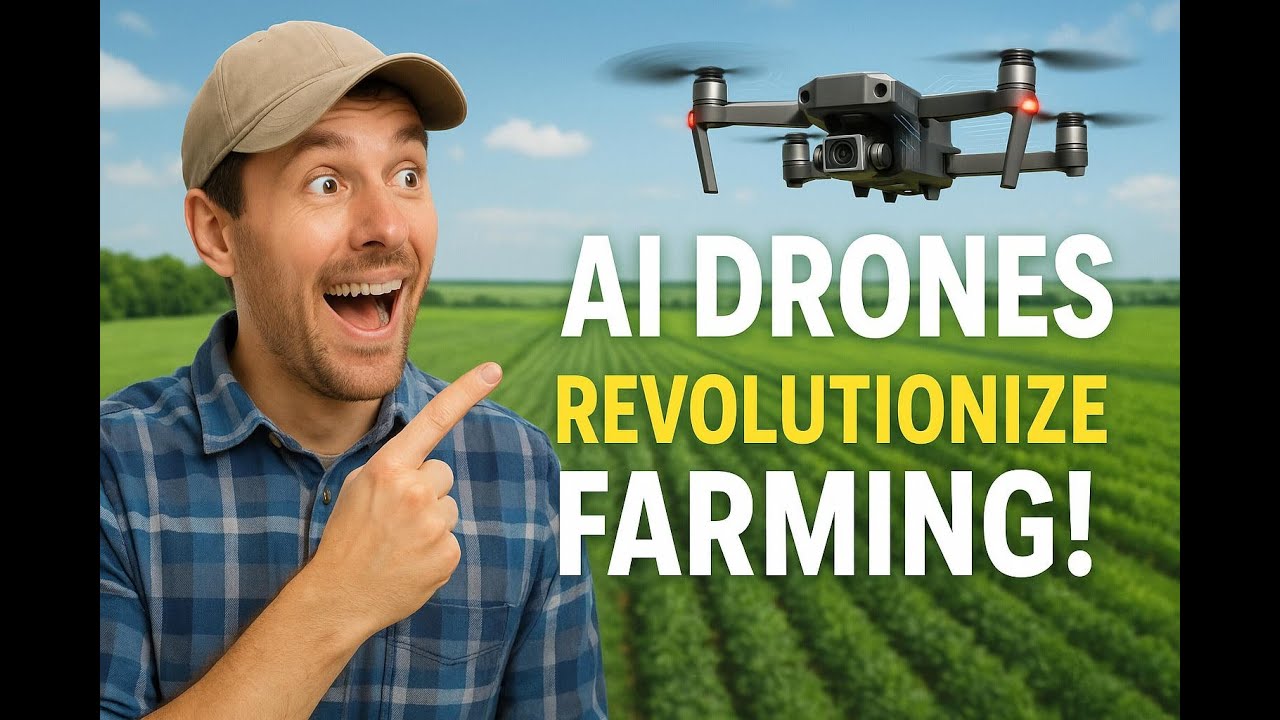
- Drones (UAVs) equipped with advanced cameras offer flexible, on-demand imaging solutions for farmers worldwide.
- Drones deliver real-time, high-resolution visual assessments of crop vigor, weed patches, and irrigation issues, reducing scouting costs and time.
- Integration with cloud-based platforms enables immediate analysis and actionable recommendations.
3. Multispectral & Hyperspectral Analysis
- These technologies capture images across multiple spectral bands, uncovering patterns invisible to the human eye—such as incipient disease, nutrient imbalances, or irrigation leaks.
- Hyperspectral imagery enables highly precise identification of plant stress and enables specific interventions.
4. Artificial Intelligence & Machine Learning
- AI algorithms process large datasets from images and sensors to classify multiple field conditions, from leaf coloration changes to infestation patterns.
- Machine learning models “learn” over time, improving accuracy and interpretation as more agricultural data becomes available.
- The combination of AI and remote sensing empowers precise yield prediction, early warning systems, and resource optimization.
5. Computer Vision & Automated Interpretation
- Computer vision techniques process and “see” images at scale, automating labor-intensive tasks such as pest scouting, soil assessment, and crop grading.
- This reduces costs for large-scale and smallholder farmers alike, ensuring continuous monitoring even in remote areas.
These technological advancements represent a significant leap over traditional agriculture methods, offering the ability to extract actionable insights from large volumes of visual data with remarkable accuracy.

Impact Insights: Benefits of Agricultural Image Analysis
The integration of agricultural image analysis delivers concrete, measurable gains across the agricultural value chain. Core advantages include:
- Early detection of diseases, nutrient deficiencies, and pest outbreaks, helping farmers reduce yield loss through timely interventions.
- Optimized input use: Application of water, fertilizers, and pesticides is tailored to specific zones across fields, minimizing waste and reducing costs.
- Enhanced soil health: Imaging reveals soil conditions and guides farmers in adopting sustainable land management practices.
- Increased productivity & profitability: Data-driven management enables more reliable crop yield, higher quality harvests, and better market access.
- Climate adaptation: AI-powered forecasting helps farms prepare for droughts, floods, or heat stress by modeling risk and recommending targeted actions.
- Labor & resource efficiency: Automated monitoring via imagery reduces human labor and increases coverage, ensuring no part of the field is ignored.
- Transparency & traceability: When paired with blockchain-based traceability, image analysis enhances food supply chain transparency—critical for compliance and consumer trust.
“Remote sensing technologies are projected to analyze over 50 million hectares of farmland globally by 2025 for soil and plant health.”
Comparative Impact Analysis Table: 2023 vs. 2026
Below is a comparative overview showcasing the improvements in key agricultural parameters thanks to the adoption of agricultural image analysis, AI, and remote sensing. These values highlight how technological advancements are transforming productivity, sustainability, and profitability in agriculture. (All values are approximate, representing averaged global trends).
| Agricultural Parameter | Baseline Value (2023/Early 2025, Estimated) | Post-Image Analysis Value (2025/2026, Estimated) | Estimated Improvement (%) |
|---|---|---|---|
| Crop Yield (tons/ha) | 2.8 | 3.4 | +21% |
| Soil Health Index (0-100) | 55 | 71 | +29% |
| Water Usage (m³/ha/season) | 6000 | 4200 | -30% (Reduction) |
| Sustainability Score* | 45 | 68 | +51% |
| Pest/Disease Loss (%) | 18 | 9 | -50% (Reduction) |
| Input Costs (US$/ha) | 235 | 180 | -23% (Reduction) |
| Operational Efficiency | Moderate | High |
*Sustainability Score aggregates soil, water, carbon, and biodiversity indicators into a single metric for comparison.
Integration with IoT Platforms and Data Sources
One of the hallmarks of agricultural image analysis by 2026 is the seamless integration with other field data. Internet of Things (IoT) devices—such as in-ground sensors monitoring soil moisture, temperature, and nutrient levels—work in synergy with satellite imagery and drones.
Sophisticated analytics platforms merge these data streams, enabling more accurate crop yield prediction, real-time monitoring of field conditions, and rapid response to climate stressors. Such interoperability means farmers no longer rely on just one source of truth but harness the power of combined insights.
- Example: A rainfall sensor detects a deficit, and the AI system immediately cross-references with satellite images that reveal visible plant stress—triggering an irrigation recommendation only for the impacted zone.
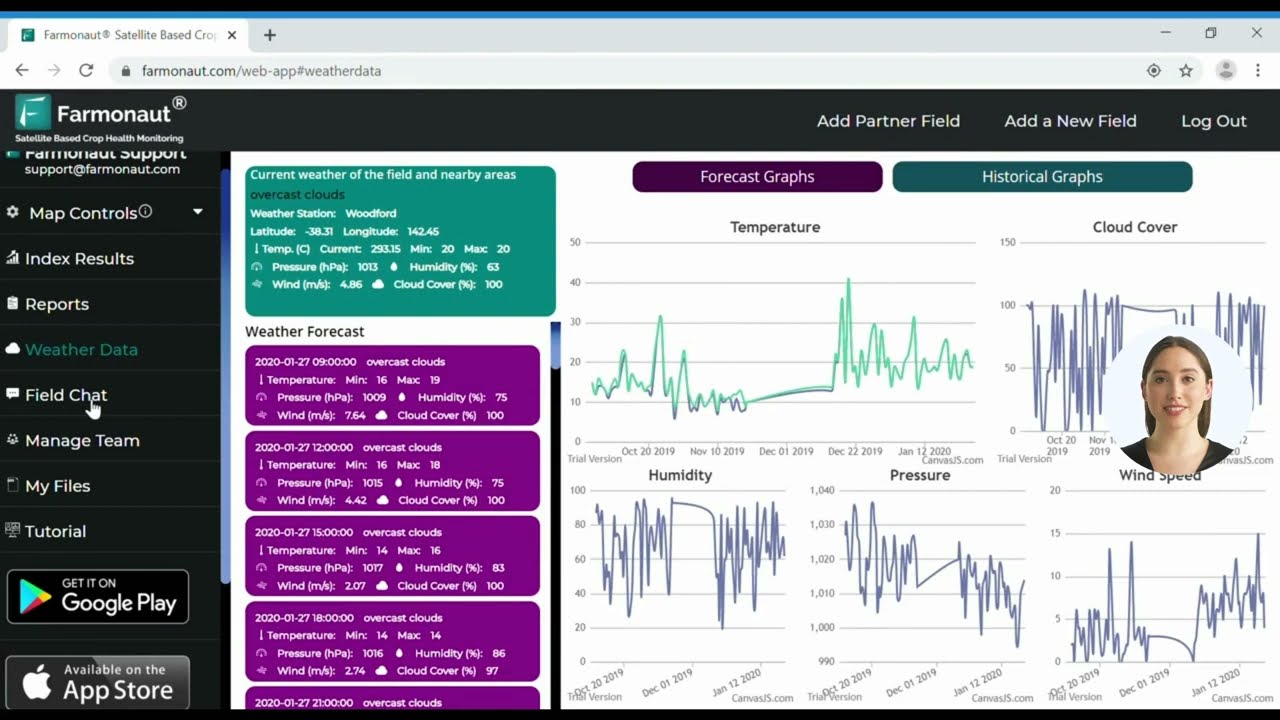
- Farmonaut’s Jeevn AI Advisory System exemplifies this approach by delivering real-time, AI-driven insights alongside weather forecasts and strategies.
Watch how Jeevn AI fuses satellite data for smarter farming →
Crop & Soil Health Monitoring—Precision in Practice
At the operational level, agricultural image analysis is fundamentally changing how growers approach soil and crop management:
- Soil monitoring via imagery—Changes in soil color, texture, and organic matter can be detected through multispectral images, indicating degradation, fertility gradients, or erosion.
- Crop health detection—High-resolution images make it possible to detect early signs of disease, nutrient stress, water stress, and pest infestations.
- Actionable, zone-based insights—AI-powered image analysis divides fields into management zones, so inputs are applied variably based on real need. This minimizes waste, costs, and environmental impact.
- Time savings—Compared to manual field scouting, image-based assessments cover large-scale fields within minutes, with far greater accuracy.
These approaches enable farmers to move from conventional practices to precision farming, where every square meter of the field receives tailored care.

Real-World Examples: AI & Imagery in Action
Let’s consider several typical use cases demonstrated in the field by advanced agriculture image analysis—the backbone of a future-ready industry:
- Detecting Early Disease Outbreaks—Subtle leaf coloration changes (e.g., yellowing or mottling) visible in multispectral imagery may signal an early fungal infection. AI algorithms interpret such signals, triggering alerts long before the human eye could detect them.
- Pest Infestation Mapping—Spatial clustering of infrared reflectance anomalies helps locate pest hotspots within a field—guiding targeted pest control and reducing blanket pesticide use.
- Soil Moisture Stress Zones—Combined image and sensor analysis pinpoints sections of fields experiencing drought stress, enabling variable-rate irrigation and preventing unnecessary water loss.
- Yield Forecasting & Planning—By processing historical image data and current plant vigor indices, AI platforms deliver accurate yield estimates, helping growers plan labor and logistics more effectively.
- Regenerative & Carbon Farming—Satellite data facilitates measurement of carbon sequestration, biodiversity corridors, and ecosystem health—a foundation for sustainability prescriptions and carbon footprinting initiatives.
These examples illustrate the shift from reactive interventions to strategic, preemptive farm management—anchored by agricultural image analysis and AI-powered platforms.

Environmental and Sustainability Benefits
A core promise of next-generation agriculture industry analysis is the dual pursuit of productivity and environmental stewardship. Agricultural image analysis is increasingly critical for meeting rigorous sustainability goals in 2026:
- Carbon Accounting—Remote sensing tracks reductions or increases in on-farm carbon emissions;
- Data-driven choices decrease reliance on chemical inputs, directly reducing environmental impact;
- Water-saving optimization via precise irrigation in only stressed or dry zones;
- Support for government compliance, certification, and eco-labelling programs using image-derived evidence;
- Enhanced biodiversity through monitoring of hedgerows, buffer strips, and unmanaged refuges via high-resolution images.
Post-Harvest, Supply Chain & Quality Management
Advanced agriculture analysis doesn’t stop at the farm gate. Image analysis also improves post-harvest and supply chain efficiency:
- Automated grade assessment of harvested produce using visual inspection at processing plants, reducing human error and standardizing quality.
- Traceability from field to market with blockchain integration, assuring authenticity and adding value for consumers.
- Identification of defects or spoilage in storage, decreasing food waste and increasing profitability.
For agricultural businesses or government agencies needing to streamline operations at large scales, tools like Farmonaut’s Large Scale Farm Management platform centralize monitoring, resource tracking, and compliance in an easy-to-use dashboard.
Similarly, Farmonaut’s Fleet Management solution helps optimize logistics, reduce downtime, and lower operational costs for agribusinesses with extensive transportation or machinery assets.

Adoption Barriers & Industry Challenges
While the benefits of agricultural image analysis are profound, several challenges persist, especially for small and rural economies:
- High initial costs for advanced imagery and analytics platforms, particularly in developing nations.
- Limited internet connectivity and digital infrastructure in remote agricultural zones.
- Need for local capacity-building—farmers and agronomists require training to interpret and act on image-derived insights.
- Ensuring data privacy and security as large datasets are managed online.
- Potential “data overload”—without intelligent filtering, growers can be overwhelmed by information rather than empowered.
As we look to 2026, resolving these issues will hinge on greater accessibility, government support, and platforms designed for real-world farming challenges.
Farmonaut: Satellite Insights for Agriculture in 2026
At Farmonaut, we deeply recognize the transformative power of agricultural image analysis. Our mission is to democratize access to satellite-driven insights and AI-based agricultural analysis, making technology-driven decision-making affordable and accessible for businesses, farmers, and governments around the globe.
Our technological backbone includes:
- Satellite-Based Field Monitoring: We utilize multispectral satellite images to regularly monitor vegetation health (NDVI), soil health, and crop vigor at the field and landscape scales.
- Jeevn AI Advisory System: Our proprietary AI platform analyzes satellite data and real-time field conditions to provide personalized weather forecasts, advisory insights, and actionable crop management strategies.
- Blockchain Traceability: By integrating blockchain technology, we offer traceability solutions—ensuring product authenticity and compliance from field to fork.
- Fleet and Resource Management: Our remote monitoring tools help agriculture businesses minimize costs, optimize resource usage, and enhance logistics for farming and agribusiness operations.
- Environmental Impact Monitoring: Tools for carbon footprinting and environmental assessment enable sustainable choices and regulatory compliance.
Whether you are an individual farmer, agribusiness, or government agency, Farmonaut’s scalable solutions are tailored to your specific tech-readiness and field requirements. APIs and APIs developer documentation (API, API Developer Docs) empower integration with your existing farm management systems.
Key Farmonaut Satellite Solutions & Links
- Farmonaut Web and Mobile Apps: Access real-time field monitoring, crop advisory, and satellite-generated maps from any device.
Get started with Farmonaut Web or Mobile App →
- Large Scale Farm Management: Designed for governmental, enterprise, and multi-project users, this platform offers central command dashboards for field, crop, and infrastructure oversight.
Learn more about Large Scale Management →
- Crop Loan & Insurance Verification: For financial institutions and farmers, this tool uses satellite verification for efficient, risk-minimized agricultural loans and insurance claims.
Explore Crop Loan & Insurance Solutions →
- Carbon Footprinting: Quantify, monitor, and reduce agricultural greenhouse gas emissions with satellite-based measurement.
Discover Farmonaut Carbon Footprinting →
- Product Traceability: Blockchain-enabled supply chain authentication for food safety, compliance, and consumer confidence.
Strengthen your supply chain traceability →
- Fleet Management: Monitoring and optimizing field machinery and transport in real time for reduced costs.
Enhance your fleet efficiency now →
Frequently Asked Questions
What is agricultural image analysis?
Agricultural image analysis is the process of collecting and interpreting visual data captured through satellites, drones, or sensors to monitor crop health, soil conditions, and field management. Using AI and advanced remote sensing, it provides actionable insights to optimize farming practices, reduce inputs, and improve yields.
How does image analysis help in precision agriculture?
Image analysis enables precision agriculture by detecting early signs of disease, stress, and resource deficiency. Data from images is used to create management zones, so fertilizers, water, and pesticides are applied only where required—reducing costs and environmental impact.
What are the main benefits of AI-powered remote sensing in agriculture?
AI-powered remote sensing boosts productivity, offers early warning for pests/disease, helps conserve water, improves soil health management, and supports sustainability by tracking environmental impact.
Is Farmonaut’s platform suitable for smallholder farmers?
Our tools are designed for scalability—providing affordable, accessible crop and soil insights for both smallholder farmers and large enterprises via web, Android, and iOS apps. The user-friendly interface ensures ease of use regardless of technical expertise.
How can I integrate Farmonaut’s agricultural analysis solutions into my existing systems?
We offer robust APIs (API; API Developer Docs) for seamless integration with your farm management or business intelligence platforms.
What makes Farmonaut a leader in satellite-driven agricultural solutions?
Our blend of multispectral satellite imagery, AI-powered analytics, blockchain traceability, and real-time environmental monitoring delivers reliable, cost-effective, scalable solutions for all stakeholders in agriculture, mining, and related industries.
Where can I access Farmonaut’s applications?
Our platform is available on the web, Android, and iOS.
Farmonaut Subscription Plans
Summary:
Agricultural image analysis is a transformative technological advancement, revolutionizing the agriculture industry in 2025 and beyond. By leveraging remote sensing, drones, AI, and satellite imagery, this approach enables precise data collection and actionable insights for enhanced crop, soil, resource management, and sustainability. Farmonaut stands as a leader in delivering these solutions, empowering farmers, businesses, and governments with accessible, scalable, and affordable image-guided intelligence. In a world facing climate and food security challenges, the integration of advanced agricultural image analysis is the key to a resilient and sustainable agricultural future.

 Godrej Agrovet
 Hayleys Agriculture
 Linx Agritech
 Adinet
 Save Your Soils
 GalaxEye Space
 Grandstream Algérie
 XOS Realty
 Geospatial Lab Africa
 Agro La Gándara
 HIPSAC
 ZOL Zimbabwe
 Juligerm
 AdBio
AdBio MISE Maroc
 NWNS
NWNS Red August Group
 Farm Inc
 WeMe Global
 Agrotoken
 Blue BearX
 Insignito
 DnCubed
 Indosistim Teknologi
 Liquify Digital
 CU Foods
 BeyondTech Global
 Rouge VC
 AgroRisk
 Oath Inc
 Esri North East Africa
 MDCV UK
 Etech Consulting Madagascar
 Vestlandsforsking
 WB Dev
 Sama Premium
 Tres Valles
 Blickwinkel
 Agricultural Credit Policy Council
 eKGIS
eKGIS Mostas Tech
 Andex
Andex Deluxe Conseil
 WICO
WICO Chimera Innovation
 SkyHarvest
 Teledarbas
 Exurbia Geospatial
 FieldZero
