

Agribusiness Sector Trends: Africa Industry Shifts 2026
“By 2025, over 60% of African agribusinesses are expected to adopt digital innovation tools for improved productivity.”
“Policy reforms in Africa may boost sustainable agriculture practices by 40% in the agribusiness sector by 2026.”
Introduction: Agribusiness Sector Trends in Africa for 2026
Africa’s agribusiness sector is undergoing a truly transformative phase, shaped by a potent combination of technological innovation, demographic shifts, policy reforms, and evolving global demand for agricultural produce. With predictions pointing to an impressive surge in both the adoption of digital technologies and the implementation of strategic policy reforms, the landscape of agriculture and agribusiness in Africa is set to experience dynamic changes through 2026 and beyond.
Understanding the latest agribusiness sector trends is crucial for stakeholders, governments, and investors aiming to capitalize on Africa’s vast agricultural potential. As we forecast industry shifts for 2026, this comprehensive overview will delve into:
- Latest digital innovation and precision agriculture tools
- Major policy reforms and their sectoral impacts
- Rising importance of sustainable, climate-smart practices
- Value chain enhancement and export market integration
- Empowerment of youth and agripreneurs
- Innovative finance and supply chain transformation
Explore with us the opportunities, challenges, and breakthroughs that will shape the future of agribusiness in Africa as we move toward 2026.
Key Agribusiness Trends Overview Table (2025–2026)
| Trend Name | Estimated Impact Level | Example Technologies/Policies | Estimated 2026 Adoption Rate (%) | Potential Benefits |
|---|---|---|---|---|
| Digital Innovation | High | IoT, Satellite Imaging, Mobile Platforms, Data Analytics | 60% | Yield Improvement, Enhanced Efficiency |
| Policy Reforms | Medium-High | Land Tenure Security, Subsidy Reform, Trade Facilitation | 45% | Market Access, Legal Stability |
| Sustainable Practices | High | Conservation Agriculture, Agroforestry, Drought-Resistant Seeds | 50% | Resilience, Sustainability, Biodiversity |
| Value Addition & Agro-processing | High | Cold Storage, Food Processing, Logistics Upgrades | 38% | Income Growth, Food Waste Reduction |
| Innovative Financing | Medium | Digital Credit, Warehouse Receipts, Insurance Digitization | 33% | De-risking, Access to Capital |
| Regional Integration | Medium-High | AfCFTA, Cross-border Trade Standards | 41% | Export Growth, Knowledge Transfer |
| Youth Engagement & Agripreneurship | High | AgriTech Startups, Training Programs, Incubators | 55% | Innovation, Job Creation |

10 Low-Investment, High-Profit Agri Business Ideas in 2025
Technological Integration and Digital Agriculture: The Dawn of Smart Farming in Africa
The agribusiness sector trends in Africa are being reshaped by an accelerated wave of digital adoption. As projected, by 2026, more than 60% of African farms and agribusinesses will be using digital solutions to optimize productivity and ensure supply chain efficiency. This trend is driven by increased access to:
- Smartphones and mobile platforms
- Internet of Things (IoT) devices
- Satellite imagery for crop management
- Drone surveillance for real-time agricultural monitoring
- Advanced data analytics tools
These technologies are enabling African farmers and agribusiness companies to:
- Optimize input use (water, fertilizer, pesticides) for cost savings and environmental sustainability
- Improve supply chain traceability through blockchain and real-time data sharing
- Increase crop yields and reduce losses due to timely detection of crop stress, pests, and diseases
- Facilitate transparent marketplaces for smallholder farmers, directly connecting them with buyers and reducing reliance on intermediaries
The proliferation of digital agriculture platforms is especially pivotal in countries like Nigeria, Kenya, and Ghana, where they are closing the information gap for smallholder farmers and unlocking access to best practices, real-time weather data, and remote advisory services.

Regenerative Agriculture 2025 🌱 Carbon Farming, Soil Health & Climate-Smart Solutions | Farmonaut
Key Insight
The integration of satellite-based monitoring and AI analytics is revolutionizing field health assessments, promoting better farm management and food security across Africa.
- ✔ Precision farming via drones, sensors, and mobile apps reduces resource wastage
- 📊 Real-time data improves pest management and crop forecasting
- ⚠ Digital divide remains a challenge in rural, off-grid areas
- ✔ Affordable platforms lower entry barriers for smallholder adoption
- 📊 Blockchain technologies enhance traceability and certification compliance in export value chains
🚀 Top Digital Tools Shaping Agribusiness in Africa
-
Satellite Imagery
(Remote crop monitoring) -
IoT Devices
(Soil & weather sensors) -
Farm Management Apps
(Mobile operations, record-keeping) -
Blockchain Traceability
(Supply chain management)

Malawi Irrigation Tech 2025 | 3 Solar-Pump Secrets That Triple Yields in Mzimba!
Farmonaut’s satellite-driven solutions play a pivotal role in driving these trends. Our accessible web, Android, and iOS apps offer real-time crop monitoring, NDVI vegetation analysis, and weather forecasting—empowering farmers and agribusiness managers to make data-driven decisions for improved productivity and risk reduction.



For agritech developers and enterprise integrations, our robust API and developer documentation enable seamless access to satellite data streams, supporting a new wave of innovation in African agriculture.
Sustainable and Climate-Resilient Farming Practices: Building Africa’s Green Future
The impact of climate change remains one of the most critical challenges facing the agribusiness in Africa. To respond, stakeholders across the continent are placing greater emphasis on climate resilience, sustainability, and regenerative practices. By 2026, it’s estimated that up to 50% of commercial-scale farms will adopt at least one form of climate-smart agriculture, including:
- Conservation agriculture (minimal soil disturbance, cover cropping, crop rotation)
- Agroforestry—integrating trees and shrubs into farm landscapes
- Integrated pest management (IPM)—using biological controls to limit chemical pesticide use
- Drought-resistant, locally improved seed varieties
- Improved irrigation infrastructure such as solar-powered pumps, drip irrigation, and water-harvesting systems

Nigeria Non-Oil Export Boom 2025 🌱 4,600 Hybrid Seedlings, NEPC & AfCFTA AgriTech Rise
Pro Tip
Investment in soil health and climate-smart irrigation not only enhances productivity but also strengthens resilience to erratic weather patterns—key for long-term profitability.
- ✔ Agroecological approaches help restore and preserve soil health
- 📊 Biodiversity boosts natural pest control while reducing input costs
- ⚠ Initial investment in sustainable tech can be high for smallholders without tailored finance
- ✔ Drought-resistant crops protect yields against erratic climate patterns
- 📊 Water use efficiency enabled by modern irrigation supports food security
🌱 Leading Sustainable Techniques in African Farming
-
Regenerative Agriculture
(Soil carbon enhancement) -
Integrated Pest Management
(Combined bio & chemical controls) -
Solar-Powered Irrigation
(Renewable water extraction) -
Agroforestry Systems
(Trees for shade and carbon)
Advanced monitoring systems—like those available on Farmonaut’s platform—offer environmental impact insights and carbon footprint tracking. These help businesses comply with new regulations and support carbon_footprinting initiatives. Interested in how this benefits your agribusiness? Learn more about Farmonaut’s Carbon Footprinting solutions.

Regenerative Coffee Boom 2025 🌱 Kenya & Uganda Profits Up 196 % with AI, Agro-forestry & Blockchain
To drive sustainable agriculture and sector resilience, governments and private sector stakeholders are increasingly aligning policy and investments with environmental goals. From policy reforms incentivizing soil health and biodiversity to programs supporting solar-powered irrigation, sustainability remains at the top of Africa’s agribusiness trends for 2026.
Youth Engagement and Agripreneurship: Africa’s Next-Gen Agribusiness Leaders
Africa’s demographic shift is creating a groundswell of youth-driven innovation in agriculture. By 2026, young people are projected to make up nearly 60% of the continent’s population—a force driving the emergence of agripreneurship, business incubation, and startup culture within the agribusiness industry.
Increasingly, African youth are launching agritech ventures focused on:
- Digital supply chain optimization
- Fintech for agricultural loans and micro-insurance
- Mobile advisory platforms
- AI-powered farm management
- e-Commerce marketplaces connecting farmers and buyers

How Satellite Tech & AI Are Powering Ethiopia’s Agricultural Boom | Farmonaut Insights
Common Mistake
Underestimating the energy, creativity, and market savvy of young African agripreneurs. Successful stakeholders invest in youth training and actively engage them in sector transformation.
- ✔ Youth-focused funding unlocks scalable, innovative business models
- 📊 Agritech incubators foster rapid development of high-impact solutions
- ⚠ Lack of access to land and finance remains a hurdle for new entrants
- ✔ Partnership with agri colleges bridges education and industry practice
- 📊 Mentorship networks improve business longevity
Agribusiness platforms—like Farmonaut’s Large Scale Farm Management app—can help young entrepreneurs efficiently manage resources, monitor operations, and scale their ventures using advanced satellite data and AI advice.
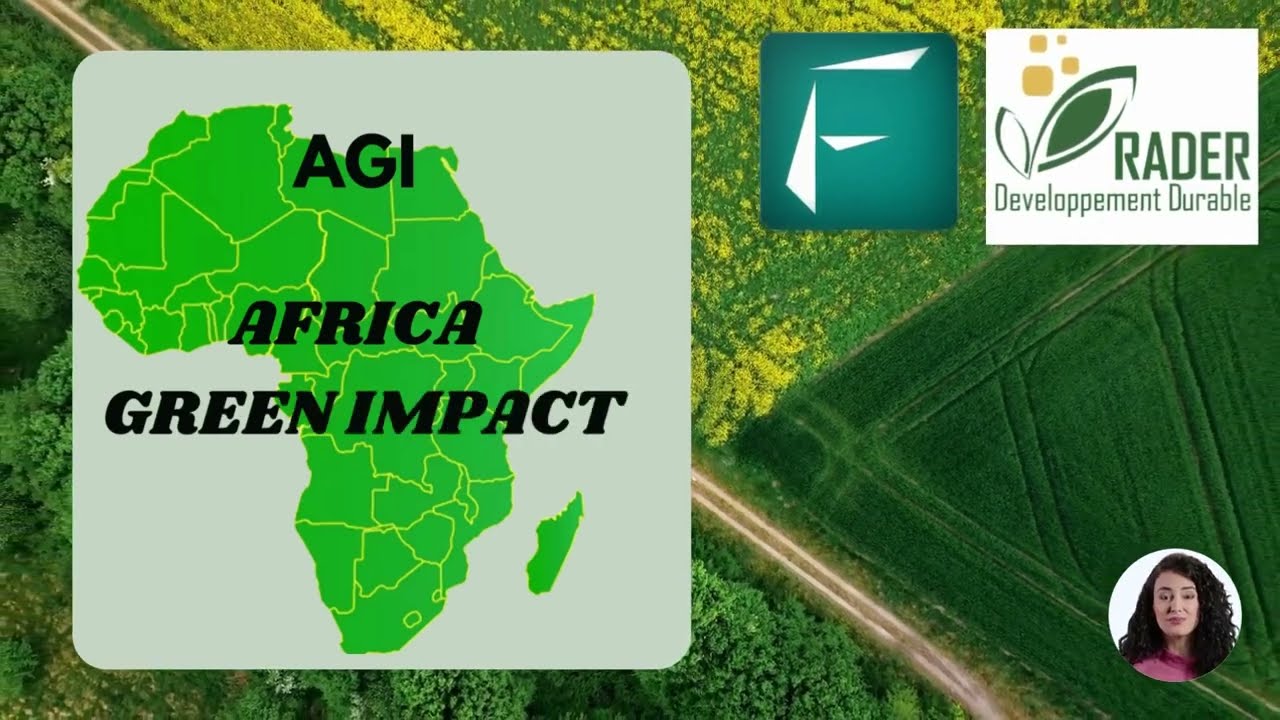
RADER & FARMONAUT partner for Africa Green Impact (AGI) in Central Africa & Nigeria.
Enhanced Value Chains and Agro-Processing: Unlocking Africa’s Value-Added Potential
As agribusiness sector trends move beyond subsistence farming, 2026 will see a robust push toward value addition, advanced storage, and agro-processing. Improving post-harvest handling, expanding food processing, and developing export-ready products can:
- Increase farmer incomes and generate new jobs
- Reduce food loss/waste (currently among the highest global levels)
- Smooth access to domestic and export markets
- Diversify into biofuels, natural fibers, and specialty foods
African governments and private investors are channeling funds into cold storage, rural feeder roads, food processing parks, and rural logistics—a critical step for market access and export compliance. According to industry estimates, adoption of modern agro-processing is expected to rise to almost 40% by 2026, vastly improving the competitive position of African agriculture in global supply chains.
Modern digital traceability and verification—such as those available via Farmonaut’s Product Traceability solution—improve food safety, ensure export compliance, and foster consumer trust in African agricultural products on the world stage.
Investor Note
Agro-processing and cold chain logistics rank among the highest growth areas for 2025–2026, presenting lucrative opportunities for both domestic and international investors.
- ✔ Cold storage reduces spoilage, ensuring better prices
- 📊 Processing plants enable product diversification
- ⚠ Lack of rural infrastructure limits market reach
- ✔ Traceability systems unlock access to premium export markets
- 📊 Biofuel and value-added exports diversify income streams
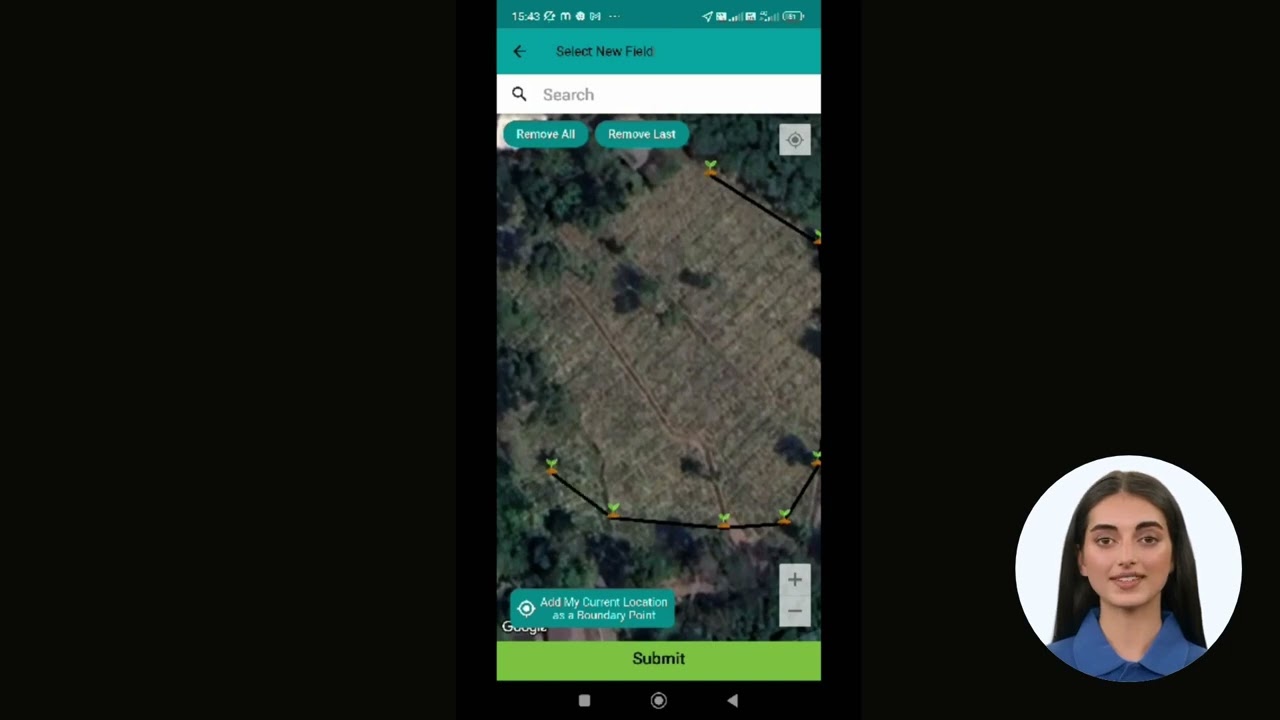
Farmonaut Farm Mapping Tutorial – Mobile App
Access to Finance and Policy Reforms: Fueling Investments and Sectoral Growth
The availability of targeted financial products and progressive policy reforms are essential ingredients for scaling agribusiness in Africa. The upcoming years will see mainstreaming of digital credit platforms, warehouse receipt systems, yield/weather-indexed insurance, and crop loan risk assessment tools.
Innovative platforms—like those powered by Farmonaut’s Crop Loan and Insurance Verification—allow lenders and insurers to leverage real-time satellite data to reduce fraud, minimize lending risks, and increase access to finance for smallholder farmers.
- ✔ Digital finance reduces paperwork & speeds up loan approval
- 📊 Weather-indexed insurance mitigates the risk of climate shocks
- ⚠ Limited financial literacy may impede adoption in some communities
- ✔ Integration of farm-level monitoring into finance platforms increases transparency
- 📊 Warehouse receipts enhance collateral opportunities
On the policy front, governments across the continent are advancing:
- Land tenure security reforms
- Subsidy rationalization and targeted support
- Trade facilitation policies—removing export bottlenecks and harmonizing market standards
- Support for digital and green investments
These reforms are designed to promote private sector participation, stabilize the regulatory environment, and increase the competitiveness of African agribusiness in the global arena.
“By 2025, over 60% of African agribusinesses are expected to adopt digital innovation tools for improved productivity.”
“Policy reforms in Africa may boost sustainable agriculture practices by 40% in the agribusiness sector by 2026.”
Regional Integration and Export Opportunities: A Connected African Market
Africa’s journey toward regional economic integration will be a defining feature of agribusiness by 2026. Instruments such as the African Continental Free Trade Area (AfCFTA) are harmonizing market standards, reducing tariffs, and unlocking new export opportunities for sectors like cocoa, coffee, cashew, horticulture, and specialty grains.
The impact of regional integration for agribusiness in Africa includes:
- Opening broader, more stable markets for agricultural products
- Facilitating cross-border collaborations and technology transfers
- Accelerating knowledge dissemination and capacity building
- Promoting investments in transport, storage, and rural infrastructure
Innovative traceability platforms—including those supported by satellite technology and blockchain—provide African businesses with an edge in premium export segments that demand food safety, environmental compliance, and transparent supply chains.
Key Insight
Effective regional integration—driven by AfCFTA and tech-enabled market access—is set to boost Africa’s agricultural exports and increase the continent’s competitive edge globally.
How Farmonaut Empowers African Agribusiness for 2026
At Farmonaut, we are committed to empowering Africa’s agribusiness transformation with accessible, satellite-powered digital solutions. Our platform harnesses multispectral satellite imagery, AI-based advisory, and blockchain traceability to support:
- Smallholder and large-scale crop monitoring (NDVI, NDWI, EVI etc.)
- Real-time resource management
- Environmental impact and carbon emission tracking
→ See details at Carbon Footprinting - Blockchain-enabled product traceability
→ Learn about Traceability - Loan and insurance verification for finance and agri-insurtech
→ Explore Crop Loan and Insurance Verification - Fleet and equipment management
→ Reduce costs and optimize asset utilization at Fleet Management - Large-scale farm administration
→ Boost operational efficiency with the Agro-Admin App - AI-driven pest & disease advisory for timely intervention
Our mission is to make advanced satellite insights affordable and actionable for all sizes of agribusiness, from individual farmers to multisite enterprises and government agencies.
Developers and large agribusinesses seeking advanced integration options can review our API and access developer resources for customized, large-scale deployments.
We believe the future of agriculture in Africa will be digital, resilient, and sustainable. Farmonaut’s solutions help unlock this future by promoting data-driven management, resource optimization, food security, and global market readiness.
By 2026, satellite-powered transparency and real-time data analytics will be baseline requirements for competitive, export-focused agribusinesses.
Blend sustainable soil management with digital crop monitoring for maximum resilience and yield stability.
Treating digital transformation as a one-time project rather than an ongoing strategic priority.
The highest ROI in African agribusiness for 2025–2026 is projected in cold chain, processing, and smart logistics investments.
60%+ of sector growth through 2026 will be driven by digital innovation, value addition, and regionally-integrated policies.
Frequently Asked Questions: Agribusiness Sector Trends in Africa 2026
What are the top agribusiness sector trends in Africa for 2026?
Key trends include rapid technological integration (digital agriculture, IoT, satellite monitoring), comprehensive policy reforms, a shift to climate-resilient farming, youth engagement in agritech entrepreneurship, enhanced value chains with processing and storage upgrades, innovative finance solutions, and greater regional integration supporting cross-border trade.
How is digital innovation transforming African agriculture?
Digital platforms, satellite imagery, and data analytics provide real-time insights for farmers, boosting productivity, resource efficiency, pest management, and market access. Mobile apps and IoT devices are reducing input waste and empowering smallholders with tailored advice and transparent supply chains.
Why is sustainability so important for agribusiness in Africa?
With increased climate risks and soil degradation, sustainable practices such as conservation agriculture, integrated pest management, and regenerative approaches build climate resilience, protect biodiversity, and secure long-term food production and export competitiveness.
What role do policy reforms and finance play in sector growth?
Reforms such as land tenure security, subsidy rationalization, and improved trade policies create a stable, attractive environment for private investment, while digital finance and insurance de-risk the sector and enable growth for entrepreneurs and smallholders alike.
How can platforms like Farmonaut support company operations in Africa?
Farmonaut offers software solutions for real-time crop, soil, and environmental monitoring, traceability, resource management, and scalable, API-driven integrations, facilitating digital transformation and increased operational transparency for all sizes of agribusiness.
Conclusion: Capturing Africa’s Agribusiness Potential for 2026
The agribusiness sector in Africa is at the threshold of a transformative shift. From digital innovation and policy reforms to sustainable practices and regional market integration, the continent’s agriculture is rapidly evolving to meet the global food, fiber, and biofuel demand. Stakeholders who invest in technology adoption, climate resilience, value addition, and youth engagement will be best positioned to capitalize on the immense potential of African agribusiness.
As Africa continues to address the intertwined challenges of climate change, food security, and rural transformation, digital solutions and informed management remain the key to resilient, profitable agribusiness—laying the groundwork for inclusive economic growth and sustainable prosperity.
For businesses and users seeking to lead and thrive in this evolving landscape, we invite you to explore Farmonaut’s affordable, scalable suite of digital tools tailored for Africa’s future.
Discussion
Questions, corrections or field experience? Share them below. First-time comments are reviewed before they appear, and your email is never published.
No comments yet. Be the first to add a question or your experience.

 Mera Farmhouse
 GalaxEye Space
 Sun Palm Australia
 Grandstream Algérie
 XOS Realty
 Geospatial Lab Africa
 Agro La Gándara
 HIPSAC
 ZOL Zimbabwe
 Juligerm
 AdBio
AdBio MISE Maroc
 NWNS
NWNS Red August Group
 Farm Inc
 WeMe Global
 Agrotoken
 Blue BearX
 Insignito
 DnCubed
