

Alteration of the Natural Environment by Human: IoT Uses for Sustainable Agriculture in 2025
Introduction: Human Alteration & IoT in Natural Environments
Alteration of the natural environment by human involvement, an IoT device will monitor information from the environment. As 2025 unfolds, it is clearer than ever: the interplay between human activity and environmental health is at the heart of our planet’s sustainability. Agriculture, forestry, and supporting activities such as land clearing, irrigation, fertilization, and pesticide application have become the leading causes of significant environmental changes.
These activities alter ecosystems, impact biodiversity, and threaten long-term productivity. Fortunately, modern technology—led by the Internet of Things (IoT)—is revolutionizing how we observe, analyze, and mitigate these impacts. Today, IoT devices in agriculture can precisely monitor soil moisture, temperature, nutrient levels, atmospheric conditions, and more, empowering farmers and land managers to make data-driven decisions that support sustainable practices.
How IoT Addresses the Alteration of the Natural Environment by Human Involvement
Definition & Context: Human involvement in natural environments is most visible in agriculture, where land clearing for crop cultivation, intensive irrigation, fertilization, and widespread pesticide use drive productivity—but at the cost of soil degradation, water pollution, loss of biodiversity, and altered microclimates.
- Clearing land destroys habitats, leading to ecological imbalance and loss of biodiversity.
- Over-irrigation and improper fertilization cause nutrient runoff, contaminating local waterways and decreasing soil health.
- Pesticide overuse impacts not only target pests, but also beneficial organisms, cascading through the food web.
In recent years, the urgent need for intelligent monitoring tools to track and guide environmental health has led to the widespread integration of IoT in agriculture and forestry. This transformative technology helps us understand how our actions affect land, ecosystems, and climate—and what steps we can take to reduce negative impacts.

Why IoT is a Key Solution for Sustainable Environmental Management
- IoT sensors continuously collect environmental data—soil, air, moisture, temperature, pH, atmospheric conditions, and more—to inform real-time decision-making.
- Using networks of deployed sensors, managers get an unprecedented, precise view of how agricultural activities alter the land.
- IoT analytics allow farmers and policymakers to adapt sustainable practices by tracking environmental changes as they occur, rather than relying on periodic field surveys or historical averages.
- Data is sent wirelessly to centralized platforms, available via mobile and web apps—enabling instant visibility and rapid response.
Incorporating these smart systems is no longer optional; it is essential for protecting lands upon which our food, water, and future depend.
Modern IoT Devices and Sensors: Real-Time Environmental Monitoring
Modern IoT devices in agriculture and forestry are equipped with an array of sensors and connected technologies that work together to create rich, continuous streams of environmental data. These technologies enable the detection of small yet significant changes across vast, diverse fields and forests.
Key Environmental Parameters Measured by IoT Sensors
- Soil Moisture: Tracks water content at different depths and locations, enabling targeted irrigation that conserves water and reduces runoff.
- Temperature: Both soil and atmospheric temperature, crucial for disease modeling, crop stress, and microclimate tracking.
- pH Levels: Monitors soil acidity/alkalinity, which can be altered by human activity and affects nutrient uptake.
- Nutrient Content: Sensors measure key macronutrients (N, P, K) and micronutrients in the soil, preventing over-fertilization and loss.
- Air Quality: Airborne pollution and greenhouse gas sensors track agricultural emissions, machinery outputs, and proximity to pollutant sources.
- Water Quality: Tracks parameters such as nitrates, phosphates, salinity, and chemical contamination in irrigation and runoff.
- Light Intensity & UV: Helps model photosynthesis and predict requirements for optimal crop health.
These vital data points, captured by sensors that communicate wirelessly in sensor networks, enable real-time and precise management of environmental health. Devices are often embedded directly in fields, forests, water bodies, or mounted on weather stations and agricultural machinery, delivering actionable insights across centralized dashboards and apps.
AI, Predictive Analytics, & Data: Turning Real-Time Insights into Action
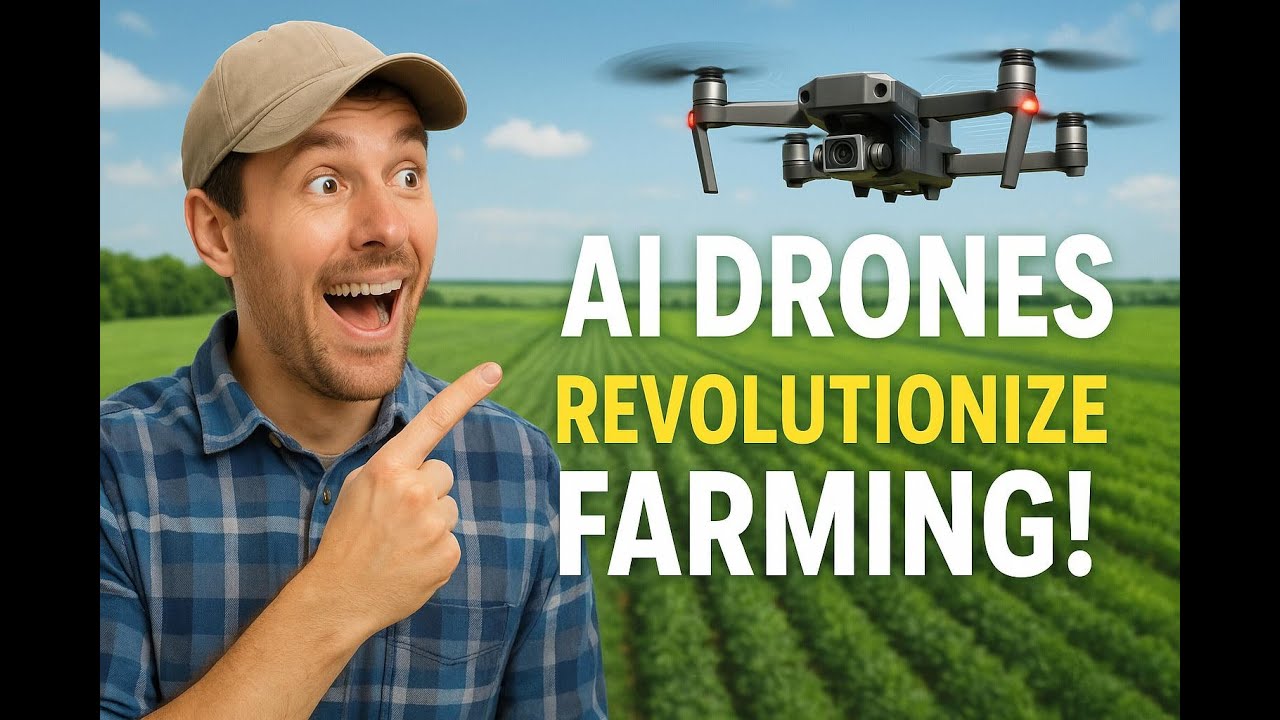
With the explosion of IoT devices and advanced data analytics platforms by Farmonaut and others, raw data from the field is rapidly transformed into powerful, actionable knowledge. The integration of AI and predictive modeling delivers dynamic, feed-back driven decision support that is redefining the agriculture sector.
- Predictive Analytics: Weather forecasts, crop disease modeling, and yield prediction based on live environmental conditions and historical data.
- Automated Alerts: Early warning systems for soil depletion, pest outbreaks, drought stress, or pollution based on sensor triggers.
- Optimization Suggestions: AI-driven recommendations for irrigation schedules, fertigation (fertilizer + irrigation), crop rotation, and sustainable land management.
- Mobile and App Accessibility: Platforms like Farmonaut’s Android, iOS, and web apps push these insights directly to the field for real-time intervention.

Precision Irrigation and Nutrient Management with IoT Devices
Alteration of the natural environment by human involvement is nowhere more evident than in irrigation and fertilization practices. Over-irrigation wastes water, causes nutrient runoff, and degrades soil. Over-fertilization leads to pollution, high input costs, and weakens natural ecosystem resilience.
How IoT Prevents Runoff, Erosion, and Degradation:
- Soil Moisture Sensors detect the exact water content in different parts of the field, enabling precise irrigation that matches plant needs and environmental conditions.
- Nutrient Sensors & pH meters help field operators know exactly when and how much fertilizer is required—reducing excess input use and preventing loss to runoff.
- Automated irrigation and fertigation systems can draw directly from this data stream to adjust application schedules daily—maximizing productivity and sustainability.
In some new-generation, IoT-enabled agriculture systems, carbon footprinting solutions track emissions related to water and fertilizer use—helping managers reduce greenhouse gases and comply with regulatory demands.

Key Takeaway: In 2025, IoT-driven monitoring and optimization is not just about boosting yield—it is about reducing environmental degradation and preserving ecosystem services, both on-farm and downstream.
Biodiversity, Ecosystems, and How IoT Helps Reduce Degradation
The loss of biodiversity and the decline in healthy ecosystems are direct results of altered environmental management. IoT not only quantifies these changes, but enables targeted interventions to help restore ecological balance:
- Early Detection of Pest & Disease: Monitoring temperature, humidity, and crop canopy health allows for quick, localized responses—reducing broad pesticide use and saving non-target organisms.
- Habitat Mapping: Remote sensors, cameras, and drones create live maps of habitat loss or regrowth after clearing, burning, or reforestation.
- Air & Water Quality Sensing: IoT tools track pollution events and identify when human activities are harming waterways, wildlife corridors, or pollinator populations.
Intelligent alerts and historic trend analysis mean land stewards can act fast—applying integrated pest management (IPM), crop diversification, or organic amendments only when and where they are needed.
Supporting Sustainable Practices
With tools like Farmonaut’s product traceability solutions, operators can document and verify the responsible management of resources, supporting sustainable certification and access to premium markets.
Forestry & Sustainable Land Management: IoT’s Critical Role
In forestry, the alteration of the environment by human involvement is observed in deforestation, logging, and land conversion. Here, IoT sensors and remote monitoring devices are vital:
- Embedded sensors in forest soil track moisture, temperature, and nutrient levels before, during, and after human interventions.
- Wireless sensor networks and automated weather stations measure fire risk (temperature, humidity, smoke), facilitating early response to wildfires and illegal activities.
- Long-term satellite imagery enables monitoring of reforestation, tree planting, and ecosystem restoration campaigns.
Farmonaut provides satellite-based forest advisory and monitoring solutions—delivering actionable insights for land managers and conservationists to track success of efforts, adapt plans as needed, and report progress reliably.

Farmonaut: Leading the Sustainable IoT Monitoring Revolution
At Farmonaut, we believe that the collective future of agriculture and forestry depends on our ability to observe, understand, and adapt to the changes our activities cause in natural environments. Our platform harnesses a powerful suite of satellite imagery, advanced IoT data, and AI analytics to serve farmers, businesses, and governments—delivering accurate, affordable, and accessible information directly to the field via our web, Android, and iOS apps.
Here’s how we support sustainable management:
- Real-Time Monitoring: Farmonaut delivers continuous, up-to-date views of soil health, crop development, and environmental risk factors for precise management.
- Actionable Advisory: The Jeevn AI advisory system interprets complex data and provides tailored recommendations to maximize yields while minimizing environmental impacts.
- Blockchain Traceability: We enable transparent, secure documentation of sustainable practices for market and regulatory demands.
- Resource Optimization: Tools like Fleet Management help businesses reduce their environmental footprint by improving logistics and equipment usage.
- Financial Access: Satellite-based crop loan and insurance verification makes sustainable investment more accessible, rewarding farmers who protect their land.

We are dedicated to helping every user—from smallholder farmers to enterprise managers and governments—make informed, sustainable choices that benefit both productivity and our shared planetary health.
Key IoT Applications for Monitoring Environmental Changes in Sustainable Agriculture
To further clarify the critical role of IoT devices in sustainable land management, below is a comparative table that summarizes key IoT applications, the environmental factors they monitor, their estimated impact on reducing degradation and improving crop yield, and practical examples.
| IoT Device/Technology | Monitored Environmental Factor | Estimated Reduction in Environmental Degradation (%) | Estimated Improvement in Crop Yield (%) | Example Use Case |
|---|---|---|---|---|
| Soil Moisture Sensors | Soil moisture, water levels | Up to 35% reduction in water waste & soil erosion | Up to 25% increase with optimized irrigation | Precise, on-demand irrigation prevents runoff and conserves water |
| Weather Stations | Temperature, humidity, rainfall, wind | 10–15% reduction in crop stress & disease-driven degradation | 15% improvement by aligning input use with weather windows | Adaptive scheduling of inputs and early warning for adverse events |
| Drone Surveillance | Canopy health, pest/disease outbreaks, habitat mapping | 10–20% reduction in unnecessary chemical use | 10–18% yield boost through early intervention | Site-specific application of biocontrols and habitat preservation |
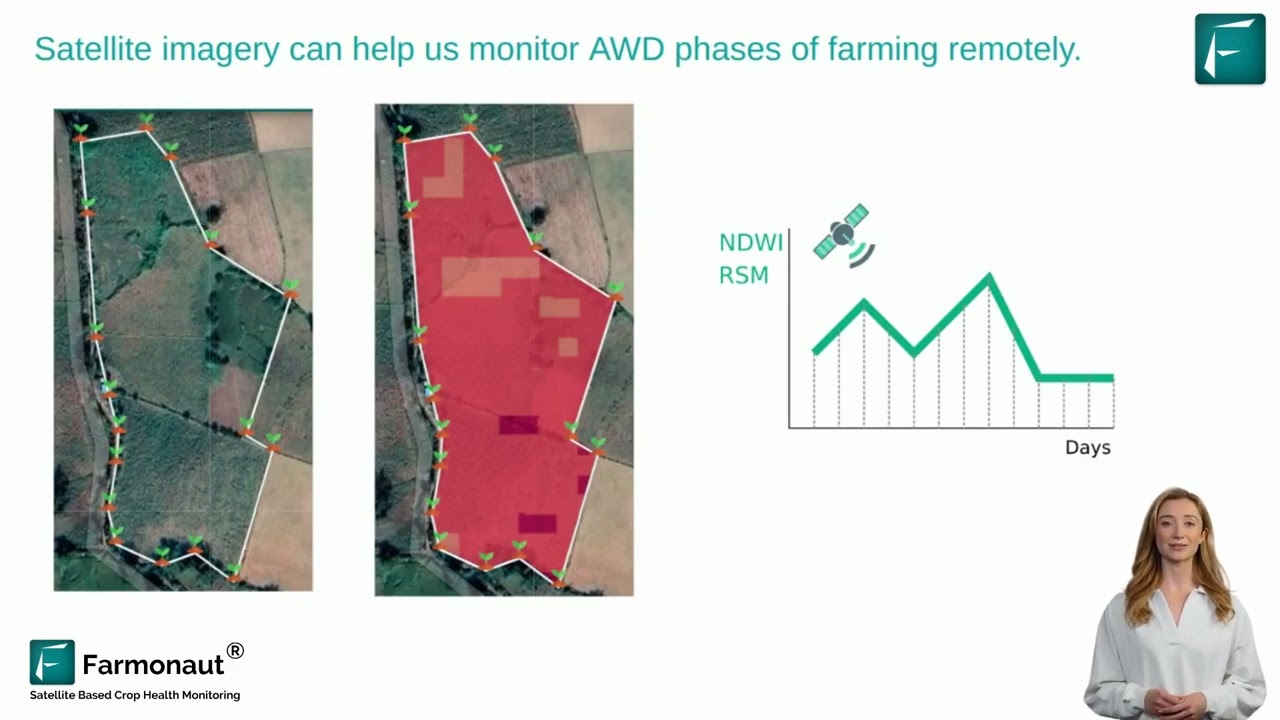
| Remote Sensing (Satellites) | Vegetation indices (NDVI), large-scale land change, air/soil quality | 30–40% improvement in detecting degradation hotspots | 15–22% gain by localized management action | Identifying soil depletion and guiding reforestation/regeneration |
| Smart Fertilizer Application Systems | Soil nutrient content, pH, leaf nutrient status | 25–30% less fertilizer-driven pollution & nutrient loss | 12–20% yield gain from precise, timely nutrient delivery | Variable-rate fertilization guided by IoT soil data |
| Air and Water Quality Sensors | Pollutants, greenhouse gases, nutrient runoff | 20–30% reduction in pollution events | Up to 10% by preventing contamination-related yield loss | Automatic shutdown of irrigation if runoff thresholds exceeded |
Ready for Real-Time Monitoring?
Access Farmonaut Apps & Developer Tools
 Web App for instant monitoring.
 Android – Track your fields on the go.
 iOS – Environmental insights, anywhere.
-
Farmonaut API
Integrate advanced environmental monitoring and analytics directly into your management systems. See the full API Developer Documentation for implementation details.
- Need to track and validate carbon emissions to meet sustainability or compliance goals? Explore our Carbon Footprinting Product for agriculture and mining. This solution offers intelligence on emissions, actionable reduction strategies, and transparent reporting to drive true climate-smart agriculture.
- Ensuring farm-to-fork transparency is vital in 2025. With Product Traceability Solutions, authenticate and document every stage—building consumer trust, unlocking premium pricing, and verifying compliance seamlessly.
- Managing vast fields or forest tracts? Unlock precision fleet, crop, and large-scale land administration with Large Scale Farm Management Tools. From planting to harvest, stay in control with centralized environmental monitoring and analytics.
- Secure crop financing or protect your harvest? Discover Crop Loan & Insurance Solutions that validate land conditions with satellite and IoT data—reducing fraud and improving access to financial support.
- Improve agricultural logistics? Use our Fleet Management solution to minimize vehicle use, emissions, and operational costs with satellite-linked insights.
Challenges, Opportunities, and the Path Forward for IoT in Environmental Management (2025+)
What’s Hindering Universal Adoption?
- Investment & Access: High-quality IoT hardware, installation, and maintenance can be a barrier for small farms—making affordable, satellite-based platforms crucial.
- Connectivity Gaps: Remote areas may lack the reliable internet or cellular coverage needed for seamless IoT integration.
- Data Privacy & Security: As more environmental and personal data flows between devices and cloud platforms, robust safeguards are non-negotiable.
- User Training: Tech adaptation requires support, continued education, and ensuring IoT complements—not replaces—traditional and local ecological knowledge.
Innovations Driving 2025 & Beyond
- The fusion of IoT with artificial intelligence and blockchain traceability is unleashing a new era of precision agriculture and environmental stewardship.
- Farmonaut’s modular, subscription-based tools place environmental monitoring and advisory services within reach of all stakeholders.
- AI-powered analytics bridge data gaps, helping convert vast real-time sensor streams into instantly understandable recommendations for sustainable action.
- The direct link between data-driven environmental action and increased access to crop financing/insurance provides powerful new incentives for adoption.
FAQ: IoT and Human-Induced Environmental Change
What is meant by ‘alteration of the natural environment by human involvement’ in agriculture?
It refers to the changes humans cause within natural ecosystems—such as land clearing, irrigation, fertilization, and pesticide application—that transform the native landscape, disrupt ecological balance, and impact environmental sustainability.
How does an IoT device monitor environmental information?
IoT devices are equipped with specialized sensors that collect real-time data on soil, water, temperature, nutrients, pollutants, and atmospheric conditions. They wirelessly transmit this data to centralized management systems, facilitating ongoing assessment and rapid response to environmental changes.
What role do advanced analytics play in sustainable agriculture?
Advanced analytics, powered by AI, interpret the massive streams of IoT sensor data to provide actionable insights, recommendations, and automated interventions. This improves resource use efficiency, reduces input waste, and supports adaptive management for long-term ecosystem health.
What are the biggest challenges for IoT adoption in environmental monitoring?
Major challenges include the initial costs of hardware and infrastructure, connectivity in remote areas, ensuring data privacy/security, and providing education and support so technology enhances rather than replaces traditional land management knowledge.
How does Farmonaut help address these issues?
We offer affordable, satellite-powered solutions that reduce the need for on-field hardware. Our platform integrates data from satellites and IoT sensors, provides AI-based advisories, ensures blockchain-secure traceability, and delivers insights directly via web and mobile apps, empowering users at every scale.
Farmonaut Subscriptions & Resources
For businesses, governments, and individual users seeking to monitor environmental changes affordably and efficiently, Farmonaut offers scalable subscription plans equipped with real-time satellite and sensor-driven monitoring, AI-based advisors, and fully integrated management tools.
Get started or learn more on any of our platforms above. Need a custom solution or large-scale advisory? Contact us for an enterprise-grade environmental monitoring consultation.
Conclusion & Summary
As human activity continues to significantly alter the natural environment, especially in agriculture and forestry, the integration of IoT technology has become a transformative approach for managing and mitigating these impacts. IoT devices, deployed as sensor networks, deliver continuous and precise real-time environmental data—providing invaluable insights into soil health, water use, air quality, and ecosystem status.
These tools empower farmers, land managers, and decision-makers to adopt adaptive, sustainable practices. By delivering actionable recommendations through AI-driven analytics platforms, IoT systems guide input optimization, early risk intervention, and environmental stewardship—boosting productivity and reducing degradation.
In 2025 and beyond, the fusion of IoT, satellite data, AI, and blockchain solutions, such as those powered by Farmonaut, will be central to achieving resilient, climate-smart agriculture, responsible forestry, and true restoration of our natural environments.
Alteration of the natural environment by human involvement, an IoT device will monitor information from the environment—not as a threat, but as the key to balance productivity with ecosystem health in a world our future generations will inherit.

 Mera Farmhouse
 GalaxEye Space
 Sun Palm Australia
 Grandstream Algérie
 XOS Realty
 Geospatial Lab Africa
 Agro La Gándara
 HIPSAC
 ZOL Zimbabwe
 Juligerm
 AdBio
AdBio MISE Maroc
 NWNS
NWNS Red August Group
 Farm Inc
 WeMe Global
 Agrotoken
 Blue BearX
 Insignito
 DnCubed
