

Integrating InSAR Ground Movement Data into ArcGIS, QGIS, and Excel: Enhancing Agriculture and Forestry Monitoring & Analysis in 2025
Meta description: Integrating InSAR ground movement data into ArcGIS, QGIS, and Excel revolutionizes agriculture and forestry analysis, empowering precision monitoring in 2025 and beyond.
“In 2025, over 70% of advanced agricultural GIS analyses will integrate InSAR ground movement data for precision monitoring.”
Introduction
The stability and sustainability of our Earth’s surface have never been more crucial. With the mounting pressures of climate change, soil degradation, and land-use intensification, proactive land management has become the backbone of successful agriculture and forestry. Enter Integrating InSAR Ground Movement Data into ArcGIS, QGIS, and Excel—a powerful convergence of satellite-based measurement and modern geospatial platforms. This vital integration enables us to detect, monitor, and address subtle yet significant earth changes—all at unprecedented precision.
In 2025, not only are we leveraging Interferometric Synthetic Aperture Radar (InSAR) for high-resolution, millimeter-scale ground movement analysis, we are also harnessing the best of GIS tools like ArcGIS, QGIS, and even Excel to analyze, visualize, and respond to land deformation and subsidence in real time. This article explores how this crucial integration empowers smarter farming, resilient forests, and risk-aware land stewards—ensuring our natural resources remain viable for generations to come.
Understanding InSAR Technology and Its Relevance
Integrating InSAR Ground Movement Data into ArcGIS, QGIS, and Excel starts with understanding how InSAR works and why its relevance is surging in 2025 and beyond.
What is Interferometric Synthetic Aperture Radar (InSAR)?
InSAR is a remote sensing technology that utilizes the phase differences between successive satellite-captured radar images to detect ground movement at millimeter or centimeter scale. By emitting microwave signals and then precisely measuring the phase change of the returned echoes between different acquisition times, it creates detailed maps of surface displacement.
- Applications: Detecting subsidence (ground sinking), deformation, soil compaction, landslides, root zone uplift, and other terrain changes.
- Why It’s Invaluable: Unlike optical satellite imagery, radar penetrates clouds and works day or night, providing continuous monitoring even in adverse weather.
- Precision: Modern InSAR techniques in 2025 can detect ground shifts as minor as 1mm/year over large areas.
How Does InSAR Data Reveal Critical Ground Movement?
For agriculturalists and forestry managers, InSAR-driven analysis helps spotlight invisible dangers, such as:
- Soil erosion and land degradation, exacerbated by intensive agricultural operations or extreme weather.
- Subsidence due to groundwater extraction, jeopardizing irrigation reliability and root stability in crops or deep-rooted forests.
- Land instability in hilly forested zones, uncovering risks for landslides or terrain shifting after deforestation or heavy rain events.
- Detecting uneven terrain deformation, which affects use of farm machinery and water management systems.
Integrating InSAR Ground Movement Data into ArcGIS, QGIS, and Excel creates the essential link between complex satellite data and actionable, field-level insights that are transforming land management on every continent.
The Role of InSAR in Agriculture and Forestry Monitoring
As our planet’s ecosystem faces unprecedented stress, Integrating InSAR Ground Movement Data into ArcGIS, QGIS, and Excel is reshaping how we monitor, manage, and sustain agriculture and forestry assets.
InSAR for Agriculture: Safeguarding Soil, Crop Health, and Yield
- Soil Movement Detection: Early signs of erosion, deformation, or compaction undermine crop root zones and yield potential; in 2025, InSAR helps monitor these parameters at farm-scale.
- Subsidence Monitoring: Tracking groundwater extraction-induced subsidence prevents irrigation canal breakdowns, uneven fields, or infrastructure damage.
- Irrigation System Optimization: InSAR-driven terrain analysis identifies low-lying zones with higher water retention, guiding cost-effective irrigation layout and schedules.
- Precision Ag: By integrating InSAR with vegetation indices (NDVI), we identify not only where the soil is shifting, but how this affects actual crop vigor and health.
InSAR for Forestry: Managing Risks of Instability and Ecosystem Decline
- Landslides & Slope Instability Detection: Forested slopes prone to uplift or mass movement can be mapped and proactively stabilized.
- Root Zone Monitoring: Changes in ground level following deforestation or wildfires indicate weakening zones needing rapid reforestation or erosion control.
- Post-Event Assessment: InSAR detects deformations after storms or excessive rainfall, guiding disaster response and forest recovery strategies.



“Combining InSAR with ArcGIS and QGIS enables detection of ground shifts as small as 1 millimeter in forestry regions.”
Integrating InSAR Ground Movement Data into ArcGIS, QGIS, and Excel: Step-by-Step
For data-driven land and forest management, Integrating InSAR Ground Movement Data into ArcGIS, QGIS, and Excel paves the way for holistic, multi-platform oversight. Here’s how the process unfolds in 2025:
General Steps for Integration:
- Acquire InSAR Datasets: Download or subscribe to radar-derived displacement datasets formatted as rasters (GeoTIFF, .img), shapefiles, or CSVs suitable for your GIS platform.
- Data Preprocessing: Standardize spatial references, filter out-noise, apply coherence/quality masks, and georeference data as needed.
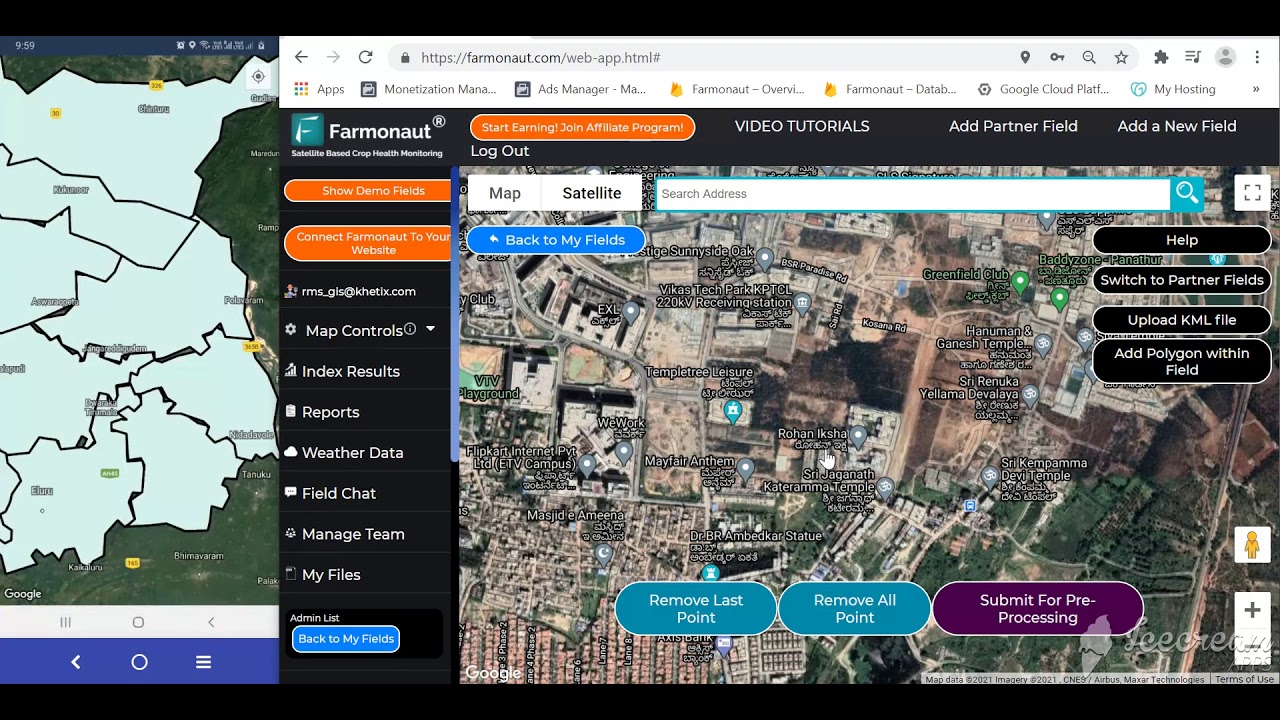
- Import Data: In ArcGIS/QGIS, load as raster or vector layers; in Excel, import CSVs with coordinate and movement data.
- Overlay and Combine: Integrate InSAR layers with field boundaries, soil, crop, yield, or forest compartment maps.
- Analysis & Visualization: Generate time series graphs, zone-based reports, anomaly alerts, or geospatial visualizations based on user requirements.
- Export & Share: Output actionable reports, dashboards, or alerts for farming cooperatives, forestry agencies, or operational teams.
This seamless integration provides a comprehensive overview necessary for precision agriculture and resilient forest management in 2025.

Comparison Table: Integrating InSAR Ground Movement Data into ArcGIS, QGIS, and Excel
Evaluate key aspects of Integrating InSAR Ground Movement Data into ArcGIS, QGIS, and Excel for agriculture and forestry applications in 2025.
| GIS Tool | Integration Steps (Estimated Quantity) |
Data Handling Capability | Visualization Features | Estimated Processing Time | Key Applications in Agriculture/Forestry |
|---|---|---|---|---|---|
| ArcGIS | 4-5 Steps | High | Advanced | 10-45 minutes (depending on dataset size) | Monitoring, Predictive Analytics, Advanced Visualization, Automated Alerts |
| QGIS | 3-4 Steps | Medium-High | Advanced (with plugins) | 15-60 minutes | Monitoring, Historical Trend Detection, Open Data Analysis |
| Excel | 2-3 Steps | Medium | Basic Charts, Dashboards | 5-15 minutes | Statistical Reporting, Trend Analysis, Cost/Yield Comparisons |
How Farmonaut is Advancing Satellite-Driven Analytics for Ground Movement
At Farmonaut, our mission is to democratize real-time, satellite-derived insights for every farmer, forester, and land manager globally. We make Integrating InSAR Ground Movement Data into ArcGIS, QGIS, and Excel accessible, cost-effective, and actionable.
- Technologies: Our blend of satellite imagery, AI, and machine learning powers high-precision ground movement detection, crop health analytics, and soil moisture monitoring.
- Environmental Monitoring: We deliver real-time data layers for soil condition, carbon footprinting, and impact assessment—vital for sustainable practices and regulatory compliance.
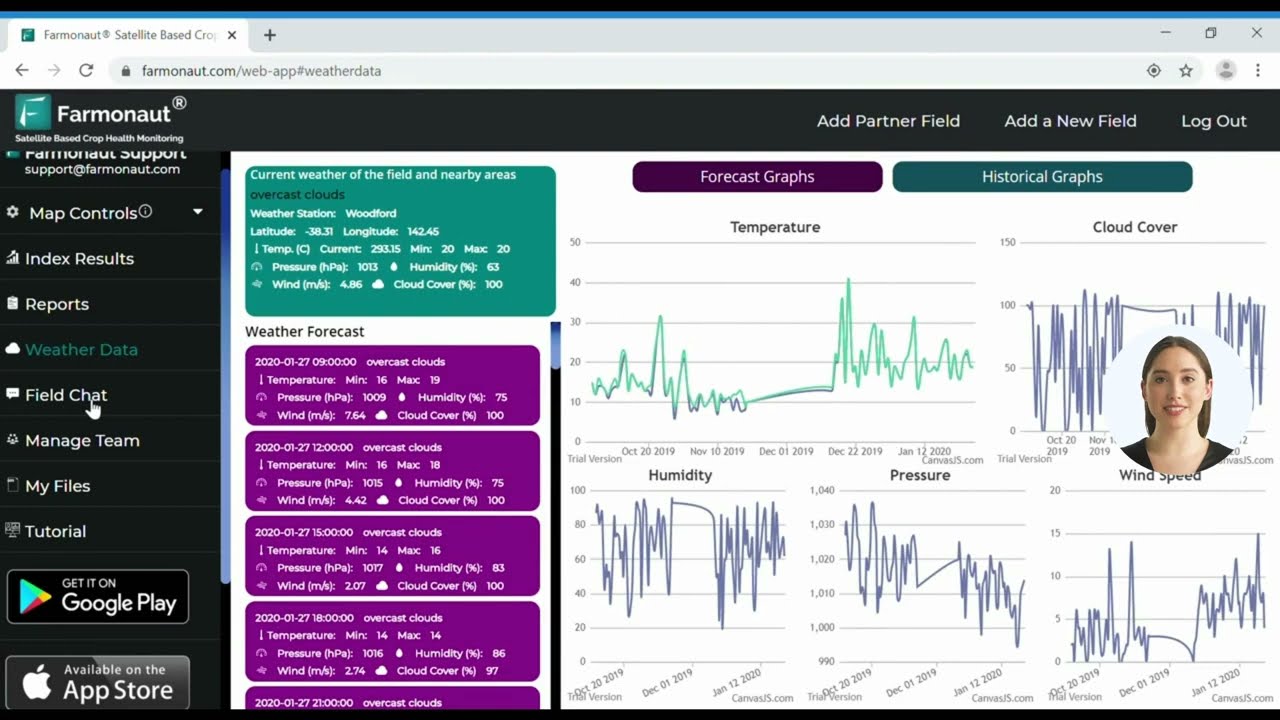
- Crop Advisory & Integration: The Jeevn AI system analyzes InSAR and companion datasets to advise on irrigation, yield-boosting, or risk mitigation strategies instantly through API, web, or mobile.
- Blockchain Traceability: Farmonaut’s Traceability product ensures authenticity and transparency in supply chains—from field to market—using satellite-verified movement and yield data.
- Large Scale Management: Our platform supports Large Scale Farm Management and fleet optimization, ideal for monitoring expansive agricultural or forested areas remotely.
By leveraging these technologies, we deliver a comprehensive and mobile-responsive suite that truly empowers every stakeholder in 2025.
Explore our real-time APIs:
Farmonaut API,
Developer Docs

Integrating InSAR Ground Movement Data into ArcGIS
ArcGIS is among the most sophisticated geospatial platforms for agriculture and forestry management. Integrating InSAR Ground Movement Data into ArcGIS, QGIS, and Excel within ArcGIS delivers unmatched analytics, visualization, and automation in 2025.
- Data Import: ArcGIS supports InSAR rasters (GeoTIFF/.img), displacement shapefile time series, and velocity vector datasets seamlessly.
- Temporal Analysis: ArcGIS enables time-based animation and analysis of displacement across seasons, critical for illuminating irrigation, harvesting, or yield instability patterns.
- Geospatial Overlay: Overlay InSAR with soil type, NDVI, or field boundaries to pinpoint links between ground movement and crop/forest health.
- Advanced Modeling: With features like statistical regression analytics and predictive algorithms, ArcGIS delivers actionable forecasts—e.g., identifying fields at risk of landslides or subsidence.
- Reporting: Generate customized dashboards, zone-based alert maps, and printable summaries for operational or regulatory needs.
Farmonaut’s platform ensures users can harness these ArcGIS features with easy-to-use, API-ready datasets for maximum impact.
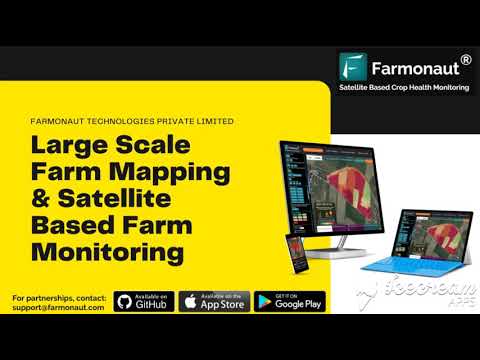
Harnessing InSAR Ground Movement Data within QGIS
QGIS is renowned for its open-source versatility and accessibility, making Integrating InSAR Ground Movement Data into ArcGIS, QGIS, and Excel ideal for resource-strapped communities, governments, and collaborative research in 2025.
- Support for Multiple Data Formats: QGIS supports raw raster, shapefile, and CSV InSAR datasets—no proprietary licenses required.
- Processing Plugins: The latest plugins in 2025 enable advanced raster math, contour generation, and time series visualization for monitoring deformation and subsidence areas.
- Custom Analytics: GIS developers can build custom workflows combining InSAR with open weather, drone, or soil sensor data for holistic analysis.
- Visualization and Reporting: Dynamic maps, subsidence “hotspot” detection, and animated deformation history are now standard QGIS features.
- Benefits: Especially useful for government forestry branches monitoring unstable zones following extreme weather events.
Farmonaut’s affordable, ready-to-use InSAR and NDVI layers integrate smoothly into QGIS, empowering all stakeholders regardless of budget or technical skill.
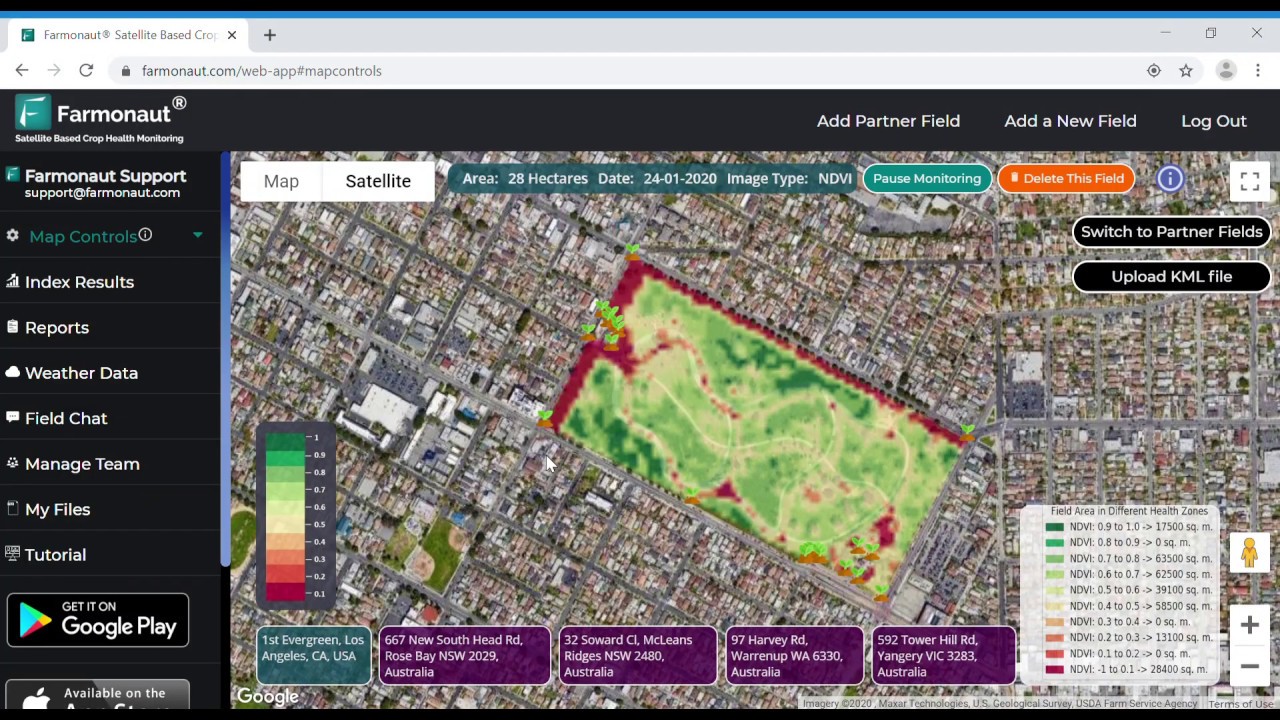
Leveraging Excel for InSAR Ground Movement Data Analysis
Although Excel isn’t a GIS powerhouse, its ubiquity ensures it plays a vital support role in Integrating InSAR Ground Movement Data into ArcGIS, QGIS, and Excel—especially for administrative and reporting functions.
- Rapid Data Import: InSAR-generated CSVs (coordinates, timestamps, displacement) are easily loaded for preliminary filtering, sorting, and summaries.
- Trend Analysis and Anomaly Detection: Dynamic charts spotlight outliers (subsidence spikes) or long-term trends (year-over-year yield loss linked to soil deformation).
- Operational Reporting: Aggregating movement statistics across multiple fields or forest zones and cross-referencing with input costs or crop productivity.
- Dashboard Creation: Simple pivot tables or dashboards clarify ground movement status for non-technical managers or external stakeholders.
Excel remains critical for compiling and sharing core insights effectively, complementing deeper spatial analysis in ArcGIS and QGIS.
Did you know? Satellite-based verification is turning crop loan and insurance processes more efficient and fraud-resistant than ever before. Learn how Farmonaut helps digitize crop insurance & loan procedures while reducing risk.
Overcoming Implementation Challenges in 2025
Despite the power of Integrating InSAR Ground Movement Data into ArcGIS, QGIS, and Excel, this rapid evolution brings technical and operational hurdles requiring innovation.
- Data Preprocessing: Ensuring correct georeferencing, removing atmospheric or vegetation “noise,” and validating displacement before ingestion.
- Temporal Matching: Aligning InSAR update frequency with crop or forestry operation cycles—for example, matching satellite revisit times to irrigation schedules or reforestation efforts.
- Large Dataset Handling: Massive raster and time-series files demand efficient processing tools and scalable cloud infrastructure.
- Skill Gaps: Bridging the gap between advanced earth observation technology and field-level users with varying digital literacy.
By 2025, automated InSAR processing systems, streamlined APIs, and cloud-native GIS platforms (like Farmonaut) have eased much of the technical burden, enabling rapid integration for even the smallest farm or forest project.
Optimize your forest plantation or detect risks early: Experience our specialized Forest & Crop Plantation Advisory—empowering managers with AI-augmented, satellite-verified recommendations.
The Road Ahead: Future Integration Trends for InSAR, GIS & Sustainable Land Management
With digital transformation accelerating, Integrating InSAR Ground Movement Data into ArcGIS, QGIS, and Excel is only the beginning of a broader ecosystem where remote sensing, IoT, AI, and even blockchain work synergistically.
- Real-Time Decision Support: AI-driven analytics fuse InSAR, satellite weather, and on-ground sensor data to provide early warnings—e.g., pre-empting irrigation failures or landslide threats within hours.
- Automated Alerts: Advanced platforms push real-time notifications directly to farm managers, government agencies, or insurance providers based on live InSAR movement thresholds being breached.
- Blockchain-Enhanced Transparency: Linking ground movement analytics to blockchain ensures unalterable traceability of land use, crop movement, and adherence to sustainable practices across supply chains.
- Scalable Integration: Open APIs and modular tools will further simplify integration for smallholder farmers, agribusinesses, or inter-continental forest preserves.
Precision, sustainability, and insight-driven agriculture and forestry will all increasingly depend on seamless, cross-platform integration of satellite-derived ground movement data—powering a resilient food and ecosystem future.
Manage farm machinery smarter and cut operational costs: Discover Farmonaut’s powerful Fleet Management tools—linking vehicle use, crop-stage, and terrain stability for higher efficiency.
Frequently Asked Questions: Integrating InSAR and GIS Tools
-
Q: What formats are supported for InSAR data in ArcGIS and QGIS in 2025?
A: Both ArcGIS and QGIS natively support GeoTIFF, .img (raster), shapefile time series, and CSVs containing coordinate/movement data, with plugins enabling additional formats. -
Q: Can a non-specialist handle InSAR data integration in farm or forest management?
A: Yes. Tools like Farmonaut’s app and API, combined with intuitive workflows in QGIS/ArcGIS, have drastically lowered barriers—allowing field managers and even farmers to monitor ground movement without deep GIS expertise. -
Q: Is Excel useful for anything more than reporting?
A: Absolutely. While advanced spatial analysis is limited in Excel, it’s effective for statistical summaries, detecting anomalies, compiling movement/yield data, and creating clear dashboards for decision-makers. -
Q: How frequently is InSAR data updated for field operations?
A: With satellite constellations in 2025 (e.g., Sentinel-1, commercial radar satellites), updates typically range from every 6 to 12 days, with some services offering customized revisit rates. -
Q: How is blockchain used in conjunction with ground movement data?
A: Blockchain (as provided by Farmonaut) ensures that all ground movement detection and related operational decisions are auditable, transparent, and verifiable for compliance and certification. -
Q: Does integrating InSAR with GIS add significant cost?
A: Not necessarily. Open tools like QGIS and cloud APIs from companies like Farmonaut bring down costs, while the operational benefits—such as early hazard detection and yield protection—vastly outweigh investment.
Conclusion: Why Integrating InSAR Ground Movement Data into ArcGIS, QGIS, and Excel is Vital for Agriculture & Forestry in 2025
Integrating InSAR Ground Movement Data into ArcGIS, QGIS, and Excel is revolutionizing the science and practice of agriculture and forestry management. As the challenges of climate change, degradation, and operational scale intensify, only those who leverage cutting-edge, satellite-driven analytics and multi-platform integration can stay ahead.
Platforms like ArcGIS deliver unparalleled geospatial analysis; QGIS democratizes access for all users; and Excel amplifies reporting impact—making the trio essential for comprehensive, real-time land monitoring and resilient decision-making. By combining our own innovative tools at Farmonaut with these industry-leading systems, we ensure that every stakeholder, from smallholder farmer to forestry executive, has the opportunity to safeguard their land, maximize yield, and future-proof their business in 2025 and beyond.
For those striving for sustainable food systems, healthy forests, and secure supply chains, embracing the future means embracing integration. The world’s most vital landscapes deserve nothing less.

 Ascentya
 CU Foods
 BeyondTech Global
 Rouge VC
 Yutz Automation
 AgroGreen Dynamics
 AgroRisk
 Oath Inc
 Reddane Farming
 Esri North East Africa
 Cresol
 Atur Kuliner
 MDCV UK
 Zerella Group
 Etech Consulting Madagascar
 Vestlandsforsking
 Delicio
 WB Dev
 Sama Premium
 Prochecker
 Tres Valles
 LACOS Geoinformation
 Magrifly
 LatConnect 60
