

Agriculture in Houston: 7 Game-Changing Innovations for 2026
Table of Contents
- Overview of Agriculture in Houston
- Emerging Trends & Sector Innovations
- Core Challenges Facing Houston Agriculture
- 7 Game-Changing Innovations Shaping Houston’s Agriculture for 2026
- Comparative Table: Houston Agricultural Innovations
- Satellite & AI: The Role of Farmonaut in Houston Agriculture
- Economic & Social Impact of Innovations
- Frequently Asked Questions
- Summary: Houston’s Agricultural Future
“By 2026, Houston plans to increase urban farm acreage by 40% through high-tech vertical and indoor agriculture initiatives.”
“Precision agriculture techniques are projected to cut water usage in Houston’s farms by up to 30% within two years.”
Overview of Agriculture in Houston
Agriculture in Houston is widely recognized as an essential, yet often underappreciated, part of the region’s economy and landscape. While Houston’s sprawling cityscape is synonymous with energy, shipping, and commerce, its agricultural sector remains vital—especially as we progress toward 2026. Agriculture activities primarily occur in the outskirts and neighboring counties like Harris, Fort Bend, and Montgomery. These areas maintain fertile grounds, supporting an array of crops, livestock, and horticulture.
- Traditional Crops: Rice, corn, soybeans, and cotton are the mainstays in local farming.
- Emerging Vegetables: Alongside grain crops, fruits, vegetables, and ornamental plants are becoming increasingly significant due to urban markets and consumer demand for fresh produce.
- Livestock: Cattle, poultry, and goats are the backbone of Houston’s agricultural economy.
Houston’s proximity to urban consumers further supports this sector, facilitating vibrant local food markets and increasing the demand for fresh, locally-sourced produce. The Gulf Coast’s humid subtropical climate—characterized by extended growing seasons—enables consistent production throughout the year.
Key Insight
Houston’s agricultural sector supports more than just food production—it anchors the local economy, strengthens food security, and ensures cultural continuity for rural communities, even as the city’s urban image continues to evolve.
Emerging Trends & Sector Innovations in Agriculture in Houston
Agriculture in Houston is rapidly transforming. The city’s agricultural sector is embracing innovation for productivity, sustainability, and resilience.
- Adopting precision agriculture tools for resource optimization and environmental management.
- Expanding urban agriculture initiatives: vertical farming, rooftop gardens, and community gardens are creating sustainable food systems in dense areas.
- Growing use of Aquaponics and hydroponic systems: enabling year-round cultivation with less land and water.
- Increased focus on climate-resilient crop varieties and sustainable practices to mitigate the impact of climate change.


- 🌱 Sustainability: Adoption of climate-smart and regenerative practices.
- 📊 Data Insight: Utilization of data from sensors, drones, and AI.
- ⚙ Automation: Integration of robotics and AI-driven monitoring.
- 🌇 Urban Impact: Urban farming and food sovereignty in the cityscape.
- 🔄 Circular Economy: Waste reduction and resource recycling in agricultural systems.
Core Challenges Facing Agriculture in Houston
Despite Houston’s advantages, farmers and agricultural stakeholders are continually contending with several challenges, including:
- Urban Sprawl & Land Use: Rapid expansion of residential and commercial developments threatens farmland in Houston’s outskirts and neighboring counties.
Protecting viable farmland amid changing zoning laws and land speculation is a persistent issue. - Climate Change & Extreme Weather: The city faces increased hurricanes, drought, flooding, and weather unpredictability.
These pose risks to yields, livestock health, and farmer livelihoods. - Water Management: While Houston receives substantial rainfall, water security faces pressure due to urban demand, pollution, and saltwater intrusion.
Advanced irrigation, conservation efforts, and recycling are being adopted for future sustainability. - Resource Costs and Accessibility: Input costs for seeds, fertilizer, and infrastructure are rising, especially for small-scale farms near the urban core.
- Labor and Workforce: Urbanization drives competition for labor, straining availability of agricultural workers.
Mechanization and tech-based solutions are partially mitigating these gaps.
Pro Tip
Farmers in Houston can optimize land use and reduce environmental impact by implementing precision agriculture tools for irrigation, nutrient management, and real-time monitoring.


7 Game-Changing Innovations Shaping Houston’s Agriculture for 2026
Agriculture in Houston is advancing through the integration of cutting-edge technologies and sustainable practices. Here are the seven transformative innovations expected to redefine the city’s agricultural sector by 2026:
-
1. Precision Agriculture
Precision agriculture leverages data analytics, GPS, remote sensing, and satellite monitoring to optimize every aspect of farm management. This includes accurate planting, targeted fertilizer and pesticide application, and water management.
- ✔ Key benefit: Higher yields, reduced input costs, and improved sustainability.
- 📊 Data insight: Estimated to reduce water usage by up to 30% in Houston’s farms by 2026.
- ⚠ Risk or limitation: Requires initial investment in technology and training for farmers.
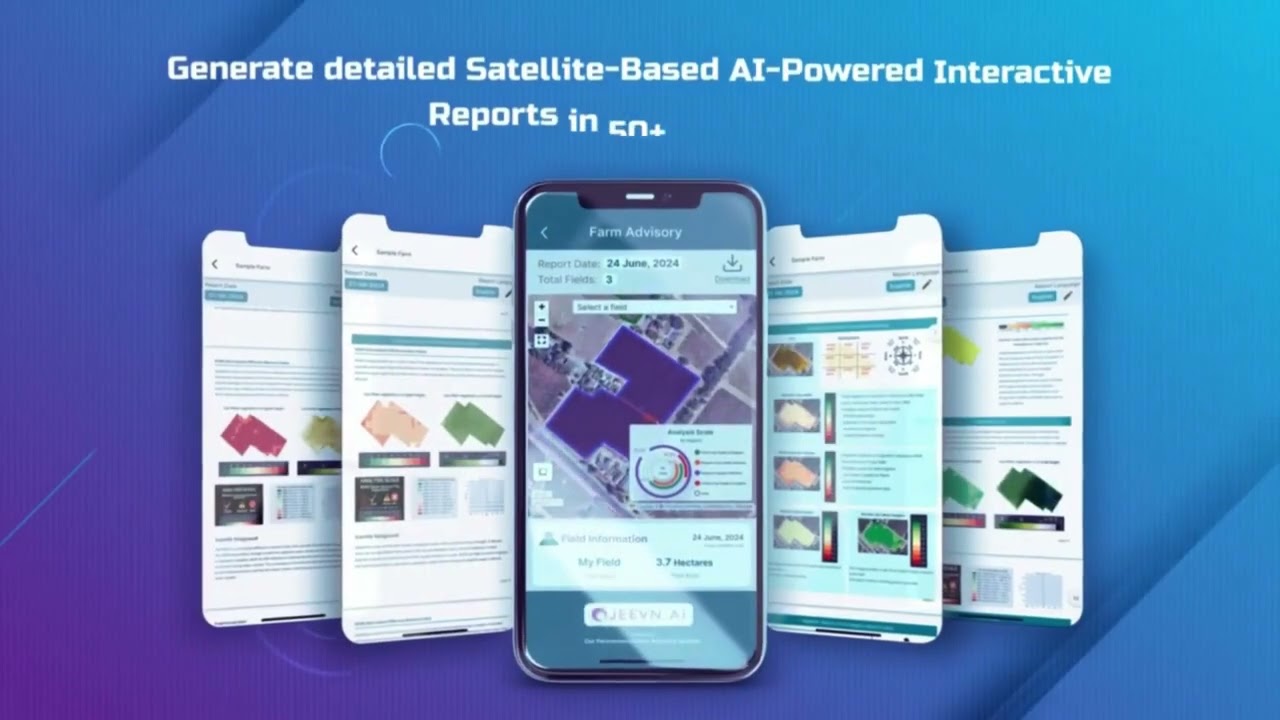
Satellite-based tools—such as those available on Farmonaut’s platform—enable real-time large-scale farm management and crop health monitoring, bringing state-of-the-art precision within reach of Houston’s farming community.
-
2. Vertical Farming and Indoor Agriculture
As urbanization intensifies, vertical farming offers solutions by stacking crops in controlled indoor environments. Using hydroponics, aeroponics, and advanced LED lighting, vertical farming facilitates:
- ✔ Key benefit: Up to 10x higher yield per square foot in city settings, 70-90% less water use.
- 📊 Data insight: Urban acreage for vertical farming in Houston is set to jump by 40% by 2026.
- ⚠ Risk or limitation: High energy costs for lighting and environmental controls.
Local initiatives in Harris and Montgomery counties are incorporating carbon footprint tracking for sustainability.
-
3. IoT, AI & Smart Sensors
Internet of Things (IoT) sensors, AI, and real-time monitoring are transforming farm operations. These technologies:
- ✔ Key benefit: Hyper-localized crop management using real-time weather and soil data.
- 📊 Data insight: Supports early pest and disease detection, improving overall crop health in Houston areas.
- ⚠ Risk or limitation: Data privacy and integration challenges for growers and networks.
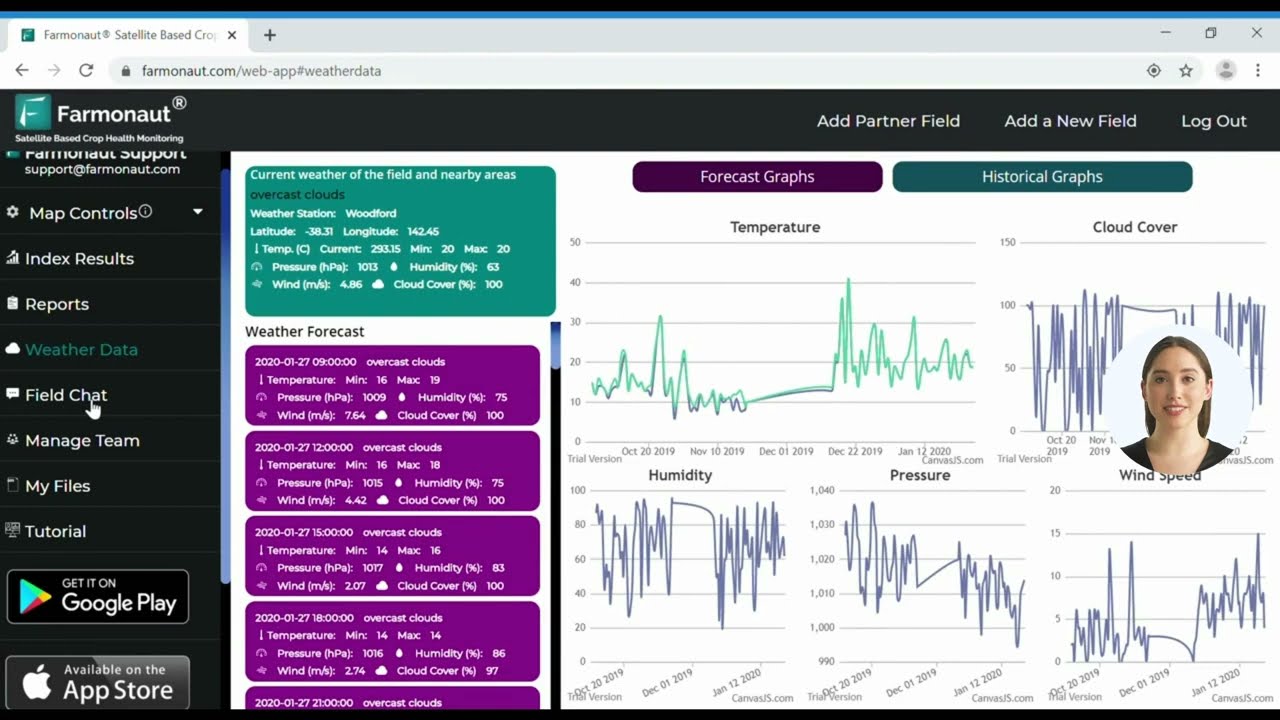
Farmonaut’s satellite & weather API enables Houston-based developers and agri-businesses to incorporate weather, NDVI, and earth observation insights into their ag-systems.

-
4. Blockchain Traceability in Food & Supply Chains
Blockchain technology is enabling transparent and secure traceability from farm to table. Houston’s agri-businesses and food producers are increasingly integrating blockchain:
- ✔ Key benefit: Improved food safety, reduced fraud, and heightened consumer trust.
- 📊 Data insight: Over 45% of Houston’s large-scale agri businesses will utilize blockchain traceability by 2026.
- ⚠ Risk or limitation: Adoption lag among small producers and network interoperability.
Discover more about blockchain-based traceability solutions and their impact on agricultural and food supply chains.
-
5. Hydroponic & Aquaponic Urban Systems
These soil-less methods use nutrient-rich water to grow vegetables and herbs indoors or on urban rooftops, reducing the burden on arable land in the Houston region. Benefits include:
- ✔ Key benefit: Year-round production with significant savings in water and land.
- 📊 Data insight: Hydroponics and aquaponics are projected to supply 18% of local greens by 2026.
- ⚠ Risk or limitation: Requires careful nutrient and system management to prevent disease.
-
6. Regenerative & Climate-Smart Agriculture
The Houston agricultural sector is increasingly shifting towards regenerative practices—such as cover cropping, rotational grazing, and no-till farming—that enhance soil health, sequester carbon, and promote biodiversity:
- ✔ Key benefit: Higher soil fertility, resilience against climate extremes, and carbon capture.
- 📊 Data insight: By 2026, 25% of Houston’s farms are estimated to adopt regenerative practices.
- ⚠ Risk or limitation: Transformation and training required for legacy operations.
Explore Farmonaut’s environmental monitoring and carbon footprint tracking—vital for advancing climate-smart agriculture in the Houston area.
-
7. Advanced Fleet & Resource Management
Modern agricultural operations in Houston are deploying digital platforms and GPS tools to streamline equipment usage, logistics, and supply chains for both crops and livestock:
- ✔ Key benefit: Reduced operational costs, enhanced operational efficiency, and improved worker safety.
- 📊 Data insight: Up to 50% reduction in unproductive vehicle/machine downtime, saving local farms millions annually by 2026.
- ⚠ Risk or limitation: Upfront investment and training on digital fleet systems.
Discover how Farmonaut’s fleet/resource management serves Houston’s agri-businesses, optimizing utilization and reducing costs.

Comparative Table: Houston Agricultural Innovations for 2026
| Innovation Name | Description | Estimated 2026 Adoption Rate (%) | Cost Savings/Impact | Key Benefits | Example Houston Initiative/Project |
|---|---|---|---|---|---|
| Precision Agriculture | Use of satellite data, analytics, & GPS for precise resource management | 65% | Up to 30% water, 20% fertilizer/pesticide savings | Boosts yields, lowers costs, reduces environmental impact | AI-driven monitoring in Harris County farms |
| Vertical Farming/Indoor Agriculture | Growing crops in stacked, climate-controlled urban facilities | 40% | Up to 90% water savings, uses 10% less land | Year-round urban supply, reduced food miles | Houston Urban AgTech Hubs, Midtown gardens |
| IoT, AI & Smart Sensors | Real-time crop, soil, and microclimate monitoring using sensors and AI | 58% | 15% yield boost, 10% labor savings | Hyper-localized control, early problem detection | Smart sensor pilots in Fort Bend greenhouses |
| Blockchain Traceability | Digital tracking of food/products from origin to market | 45% | Reduce fraud, enhance consumer trust | Transparency, safer supply chains | Houston Crop Chain Exchange |
| Hydroponic & Aquaponic Systems | Soil-less urban growing in nutrient solutions or fish-water cycles | 32% | 70% water savings, reduced urban food miles |
Efficient space use, year-round freshness | Downtown hydroponic projects |
| Regenerative & Climate-Smart Agriculture | Soil health, carbon sequestration, biodiversity restoration | 25% | Long-term soil fertility, carbon offset | Resilient yields, improved ecosystem | Fort Bend Carbon Farming Pilot |
| Fleet & Resource Management | Real-time tracking and management of farm equipment and transport | 52% | Up to 50% less machine downtime | Cost savings, worker safety | Montgomery Smart Fleet Program |
Investor Note
The rapidly evolving agricultural landscape in Houston, Texas, offers diverse opportunities for investment in agri-tech startups, urban farming infrastructure, and digital monitoring systems—especially as adoption rates soar through 2026.
- 🚀 Adoption: Urban farming and precision agriculture are leading the innovation curve in Houston.
- 📉 Cost Impact: On-farm automation and smart management yield direct savings in water and inputs.
- 🌱 Environmental: Regenerative agriculture directly enhances soil health for the long-term.
- 🔎 Traceability: Blockchain ensures Houston’s food system remains transparent and trustworthy.
- 💡 Technology Uptake: By 2026, more than half of Houston-area agri-businesses will use IoT or AI in some capacity.
Common Mistake
Neglecting training and adaptation when implementing new technologies can hinder ROI. Houston farmers and businesses should invest in people as much as in equipment for a smooth digital transition.
Broader measures for supporting growers, with national figures, appear in ways to empower farmers.
Expert Insight
Satellite data and geospatial analytics are increasingly valuable not just in agriculture, but also in mining and infrastructure projects around Houston—streamlining resource verification, environmental monitoring, and compliance.
Satellite & AI: The Role of Farmonaut in Houston Agriculture
The future of agriculture in Houston will be shaped by advanced technologies that provide actionable, affordable insights. At Farmonaut, we empower farmers, agri-businesses, and government agencies with cost-effective, subscription-based tools to monitor crop health, optimize resources, and enhance sustainability.



Our Technology & Benefits for Houston’s Agricultural Sector
- Satellite Crop Monitoring: Multispectral data allows comprehensive crop, soil, and field status evaluation—essential for large-scale Houston farms and local producers alike.
- AI-Driven Advisory (JEEVN AI): Delivers custom guidance and weather forecasts for actionable, adaptive farming in the Houston climate.
- Blockchain-Based Traceability: Adds transparency and security to Houston’s food supply chain with real-time verifiable data.
Learn how Farmonaut enhances Houston’s product traceability. - Fleet & Resource Management: Optimizes logistics, reduces costs, and ensures the safety and efficiency of Houston’s agricultural machinery. Our resource management platform is designed for the evolving needs of Texas farms and agribusinesses.
- Environmental Impact Monitoring: Actionable insights drive carbon footprint reductions and sustainable practices for the Houston region.
- Financial Access Tools: Satellite-based verification simplifies crop loan and insurance processes, reducing fraud and improving financial accessibility for Houston’s agriculture sector.
Our scalable solutions, via API and sleek mobile/web apps, democratize access to precise, AI-driven agriculture management for all Houston stakeholders.
Start your journey with Farmonaut:
Explore our Large-Scale Farm Management Solution for Houston, Harris, Fort Bend, and surrounding counties.
Farmonaut Subscription Options
Affordable, transparent subscriptions suitable for farms, agri-businesses, and local governments in the Houston region:
Economic & Social Impact of Innovation in Agriculture in Houston
The pivot to technology-driven agriculture in Houston extends benefits far beyond farm boundaries:
- Economic Resilience: Innovations boost agricultural productivity, supporting local jobs and strengthening Houston’s food sector against economic volatility.
- Food Security: Reliable, traceable, and year-round production—especially through hydroponics and vertical farming—fortifies city-wide food security.
- Sustainability and Environment: Lower input and water use, improved soil health, and reduced food miles are direct outcomes of regenerative and climate-smart practices.
- Cultural Value: Houston’s evolving agricultural landscape preserves rural traditions and connects urban populations to local heritage & fresh produce.
- Community Well-being: Community gardens and urban initiatives promote healthy diets, local employment, and environmental stewardship.
Action Point
Now is the time for Houston’s agriculture professionals, policy makers, and tech-savvy entrepreneurs to lead the way in building a climate-resilient, digitally-enabled farm ecosystem for the next generation.
Frequently Asked Questions (FAQ): Agriculture in Houston
1. What makes agriculture in Houston unique compared to other major U.S. cities?
Houston’s proximity to urban consumers, fertile Gulf Coast soil, and extended growing seasons make it an epicenter for both traditional farming and high-tech urban agriculture. The city remains at the forefront of balancing urbanization with vital agricultural sectors.
2. What are the leading innovations transforming agriculture in Houston for 2026?
Core innovations include precision agriculture, vertical and indoor farming, IoT & AI crop management, blockchain traceability, hydroponic/aquaponic systems, regenerative practices, and advanced fleet/resource management.
3. How do precision agriculture techniques benefit Houston’s farmers?
Precision agriculture, particularly with satellite and AI tools, enables Houston farmers to optimize resource application, reduce inputs and environmental impact, while boosting crop yields and economic returns.
4. How are sustainable and climate-smart practices making an impact?
Regenerative and climate-smart agriculture enhance soil health, sequester carbon, and increase resilience against Houston’s increasingly unpredictable weather patterns—critical for long-term food security and ecological health.
5. Can small farms and urban producers access high-tech tools?
Yes—cloud-based platforms, APIs, and mobile apps (like those from Farmonaut) democratize access to these tools, supporting everyone from individual urban producers to large rural farms in and around Houston.
Summary: Houston’s Agricultural Future Beyond 2026
Agriculture in Houston is at the cusp of an evolution. The resilience, diversity, and spirit of innovation among Houston’s farmers and stakeholders ensure that, despite rapid urbanization, the city’s agricultural sector remains vital to its economy, environment, and food security. Embracing precise technologies, sustainable models, and urban-centric initiatives will empower Houston’s agriculture long past 2026.
- ✔ Continued technological advancements and adoption are paving the way for higher yields and efficient use of resources.
- ✔ Urban and peri-urban farms are becoming powerhouses for local food production and innovation.
- ✔ Collaborations between farmers, tech companies, and local governments will be key to safeguarding farmland and integrating best practices.
- ✔ Commitment to environmental stewardship will sustain Houston’s agricultural landscape amidst climate uncertainties.
- ✔ Accessible, science-backed tools—such as Farmonaut’s satellite solutions—will drive productivity for all, reinforcing the future of farming in Houston.
As we move toward 2026, the thriving, innovative, and sustainable landscape of Agriculture in Houston will serve as a beacon for agricultural transformation, both in Texas and beyond.

 Vestlandsforsking
 Global Launch Base
 Elders
 Agritein
 Delicio
 WB Dev
 Sama Premium
 Prochecker
 Tres Valles
 LACOS Geoinformation
 Magrifly
 LatConnect 60
 WebsEdge
 Blickwinkel
 Agricultural Credit Policy Council
 Marei Nursery
 eKGIS
eKGIS Mostas Tech
 Andex
Andex
