

Almond Harvest California News: 2026 Season Updates
Meta Description: Stay up-to-date with the almond harvest california news. Explore the 2025 almond harvest season challenges and opportunities including water scarcity, sustainable farming, and technological innovations supporting California’s position as the global leader in almond production.
Almond Harvest Season California remains a subject of global interest as our state continues producing nearly 80% of the world’s almonds. As the 2025 almond harvest unfolds across the Central Valley—encompassing Kern, Stanislaus, and Fresno counties—the dynamics shaping this year go far beyond simple weather updates. From water scarcity and labor shortages to transformative sustainability and technological advances, the almond industry in California stands at a critical crossroads—one that will define both the current and future state of almond production.
This article delves into the current challenges, market outlook, sustainability initiatives, and innovations impacting almond growers in 2025 and beyond, ensuring you have the most comprehensive and informative almond harvest California news for the 2026 season and future planning.
Key Insight
Almond growers in California are increasingly adopting AI-based soil moisture monitoring and drone-enabled imagery to optimize their irrigation patterns—helping combat water scarcity while maintaining crop yields.

Overview of the 2025 Almond Harvest Season California
When we talk about the almond harvest season California, it’s important to recognize that circumstances are never static. This year, the 2025 almond harvest typically begins in late August and extends through October, mirroring historical patterns yet being shaped by a unique set of environmental and economic factors.
The heart of the almond cultivation remains in the Central Valley, encompassing key counties: Kern, Stanislaus, and Fresno. Together, these regions continue to dominate the global almond market, with California producing nearly 80% of almonds sold worldwide.
- 📊 Yield Anticipation: The 2025 crop is anticipated to be slightly smaller than recent bumper years—primarily due to ongoing drought.
- ⚠ Water Scarcity: Below-average snowpack in the Sierra Nevada Mountains has directly limited reservoir replenishment, impacting supply during dry spells.
- 🌳 Harvest Timeline: Harvesting begins in late August and finishes by October, following delicate bloom and nut development periods affected by fluctuating weather.
- ✋ Labor Challenges: Persistent labor shortages mean mechanization and automation are even more vital for timely almond collection.
- 🔄 Sustainability Push: Increasing adoption of sustainable farming techniques and real-time soil monitoring technologies are helping growers adapt to climate variability.
Almond Season Trends: 2025 and 2026 Outlook
The market and industry expectations remain optimistic despite many unpredictable environmental pressures affecting production. Early almond harvest California news signals that, while yields may decline by up to 12% due to water scarcity, ongoing investments in technological advances, irrigation systems, and crop monitoring are poised to support sustainable adaptation.

Common Mistake
Relying solely on historical irrigation schedules rather than integrating real-time soil moisture monitoring may lead to inefficient water usage and lower almond yields.
Impact of Water Scarcity & Climate Variability on Almond Production
Water availability remains the most significant challenge to California’s almond sector in 2025 and looking forward into 2026. Almonds news California often leads with headlines about drought, reduced snowpack in the Sierra Nevada, and the direct limits this places on water supply for vital orchard irrigation.
In the Central Valley, where almond farming dominates, growers have had to implement a variety of strategies to adapt:
Climate Patterns and Their Effect on Almond Harvest Season California
- ⚠ Recurring Drought: Ongoing multi-year drought conditions in the state have led to a cumulative reduction in available irrigation water for many growers.
- 🌤 Fluctuating Weather: Unpredictable rainfall and bloom periods affect almond nut development and overall production yields.
- 🌡 Rising Temperatures: Heatwaves during critical development stages impact almond quality and size, and demand greater agility in irrigation management.
Pro Tip
Combining historical satellite data with real-time soil moisture sensors enables almond farmers to prioritize irrigation where and when it’s needed most—saving water and sustaining yields.
The immediate consequence of water shortages is a reduction in overall acres planted in almonds. Some growers are forced to cut back their orchard acreage or switch to less water-intensive crops, especially in counties hardest hit by groundwater restrictions or declining allocations.
Precision Irrigation & Water-Efficient Systems: Tech Solutions for 2025
To mitigate water scarcity, almond producers are optimizing irrigation with:
- 💧 Drip Irrigation Systems: These deliver water precisely to the root zone, minimizing evaporation and runoff.
- 🛰 AI-Based Soil Moisture Monitoring: Satellite imagery and in-field sensors help to track water content and guide targeted irrigation cycles.
- 🚜 Automated & Smart Sprinklers: These adjust flow rates based on real-time crop needs, saving water without sacrificing growth.
These innovations have enabled many growers to see water usage reductions of up to 30% per acre in 2025, with pilot programs suggesting even further gains as systems mature and new data-driven approaches are adopted.

Despite these efforts, cumulative drought impact remains a significant concern for the 2026 almond harvest season in California. Ongoing investments in infrastructure upgrades, efficient systems, real-time data, and sustainable water management are therefore central topics in both almond harvest california news and almond industry forums.



Access satellite-driven insights, real-time field monitoring, and precision agriculture advice for almond crops in California directly from the Farmonaut App!
Investor Note
Sustained water innovation and adoption of regenerative agriculture may positively influence long-term almond market value and risk management for stakeholders and investors.
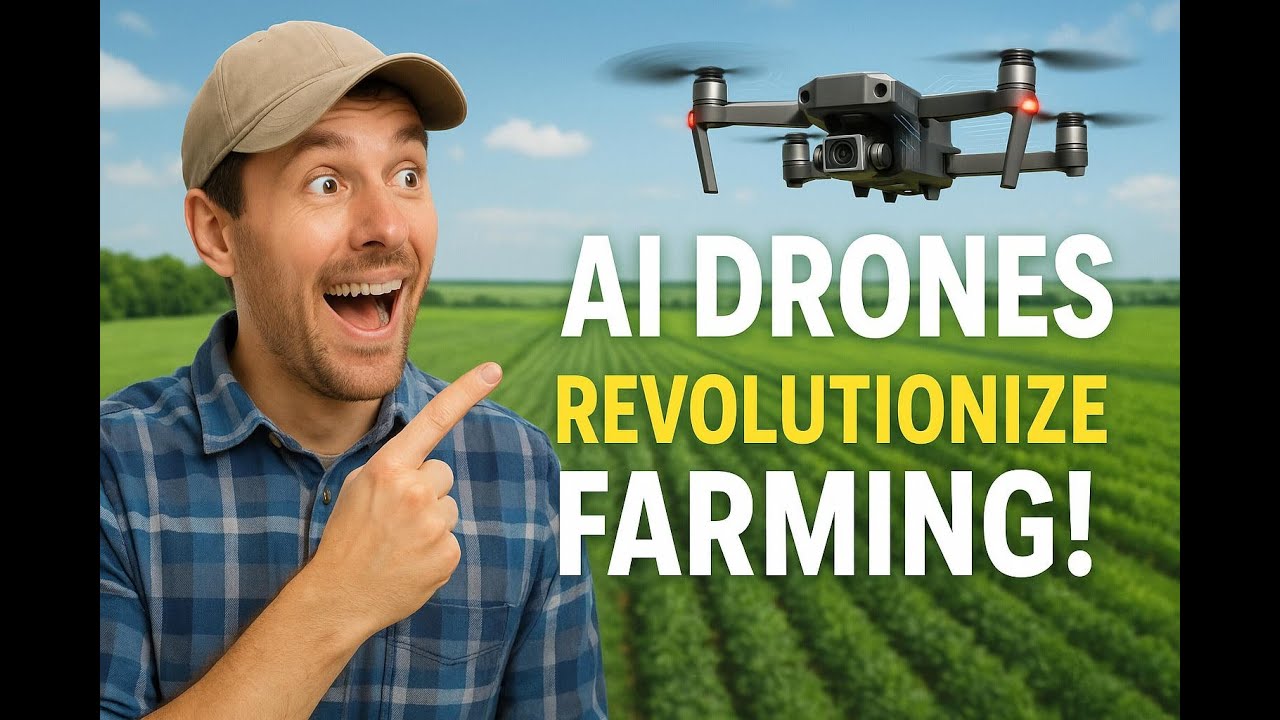
Advances in Labor & Harvesting Innovations
Another key area in almonds news California involves labor and the acceleration of technological solutions for harvesting. Labor shortages—stemming from demographic shifts, regulatory pressures, and rising wage costs—have pushed growers to look to mechanization and digital monitoring technologies.
Mechanization in Almond Harvest Season California: Key Developments
- 💡 Mechanical Tree Shakers: Now a staple, these dramatically increase the speed and efficiency of the almond collection process.
- 🤖 Automated Harvest Sweepers: Reduce reliance on manual labor while lessening soil compaction and nut damage.
- 🧠 AI-powered Nut Maturity Monitoring: AI and machine vision systems optimize harvest timing based on in-field almond moisture and maturity data.
Farmers and growers are increasingly using satellite and drone-based platforms to guide operations—elevating productivity and minimizing crop losses, especially when tight harvesting windows coincide with unpredictable weather.

Automate tree shaking, saving both time and labor costs.
Monitor nut development and moisture to optimize harvest schedules.
Clear nuts efficiently with minimal soil disturbance.
AI-driven platforms for ongoing crop and labor performance insights.
Data Insight
Almond growers using predictive analytics have achieved a measurable 10% increase in harvest efficiency in 2025, matching nuts’ optimal maturity window with mechanical picking schedules.
Economic Factors & Almond Market Outlook 2025–2026
California’s almond industry is a multi-billion dollar market—vital both to the state’s economy and the international supply chain. However, the 2025 harvest season brings both challenges and opportunities shaped by shifting economic and global market forces.
Almond Demand, Input Costs, and Export Markets
- 🌍 Growing Global Demand: Plant-based and healthy eating trends in Asia, Europe, and North America are fueling consistent increases in almond consumption.
- 🚢 Logistical Challenges: Transport delays at major California ports complicate timely international shipments—impacting grower profits.
- 💰 Escalating Input Costs: Increases in fertilizer, fuel, labor, and compliance underpin the need for enhanced efficiency and cost control.
Opportunities continue to arise despite these hurdles:
- 🛡 Risk Diversification: Growers are leveraging insurance and digital monitoring to cushion against unforeseen losses (Learn more about satellite-based crop loan & insurance verification).
- 🔍 Traceability: Transparent, blockchain-enabled almond traceability is increasing consumer trust in California agricultural exports. Explore product traceability for almonds.
- 🛰 Remote Management: Platforms like Farmonaut support large-scale farm management and real-time resource optimization (details at large scale farm management).

- 📉 Reduced Acreage: Water scarcity is compelling some growers to reduce almond acreage—potentially impacting supply and raising prices.
- ✔ Sustainability Premium: Eco-certified and traceable almond supply chains command higher price points in global markets.
- 📈 Tech-Driven Productivity: Advanced monitoring and blockchain solutions increase yield security and product quality assurance.
Sustainability Highlight
Adoption of regenerative practices and carbon footprinting tools can help almond growers qualify for “climate-smart” certification and diversified revenue, especially in export-driven markets. Learn more about carbon footprinting for almonds and crop plantation/forest advisory.
Sustainability Initiatives & Environmental Impact in Almond Farming
Consumer expectations and tightening regulations are rapidly increasing the focus on sustainability in almond cultivation. The almond industry remains under the microscope for its water use and environmental impact. Almond harvest season California 2025 headlines and industry updates are dominated by new and expanding initiatives aimed at water use reductions, efficient soil management, and ecosystem restoration.
Key Sustainability Initiatives Impacting Almond Production
- 🌾 Regenerative Soil Practices: Cover cropping, reduced tillage, and compost integration to restore soil health.
- 🐝 Pollinator Support: Increasing floral diversity in almond orchards to support bee health and promote stable yields.
- 🌱 Water Monitoring Technologies: Real-time, satellite-enabled tracking of soil water levels to avoid waste.
- 🌿 Carbon Tracking: Industry focus on reducing operational carbon footprints through digital monitoring (learn more about carbon footprinting tools).
Additionally, growers are participating in incentive schemes and market-driven “climate-smart” certification programs to differentiate their almonds as responsibly produced. Practices tracked include everything from fertilizer reduction to ecosystem services for biodiversity.

Opportunity
Farms leveraging satellite-powered carbon footprint monitoring and traceability platforms align with global buyers’ sustainability criteria—helping secure contracts and price premiums.
2025 Almond Harvest Challenges and Innovations Overview
For quick analysis, here’s a structured comparison of the main challenges the almond industry faces in California during 2025—alongside leading sustainable innovations and their estimated outcomes for growers, investors, and policy makers.
| Challenge | Estimated Impact in 2025 | Sustainable Solution/Practice | Estimated Outcome/Benefit |
|---|---|---|---|
| Water Scarcity | Up to 30% reduction in available irrigation water; 12% lower yields on average | Drip irrigation, AI-based soil moisture monitoring, scheduling via satellite data | 30% less water used per acre; 7–10% recovery in yield compared to baseline |
| Labor Shortages | Increased costs, potential for harvest delays and crop loss | Mechanical tree shakers, automated sweepers, AI harvest timing systems | 20–30% lower labor requirements, faster harvest with less spoilage |
| Climate Variability | Fluctuating yields, irregular nut set and quality | Weather-adaptive farming, integrated pest management, advanced forecasting | Stable yield maintenance even in variable weather; 5% higher quality nuts |
| Soil Degradation | Reduced nut development, long-term yield decline | Regenerative agriculture, cover cropping, organic amendments | 19% increase in soil organic matter; longer orchard life |
| Sustainability Certification Gaps | Potential market exclusion; missed price premiums | Blockchain-based traceability, carbon footprinting tools | Access to premium markets and higher contract values |

- 🌎 Embracing Digital Tools: Growers are using satellite platforms for resource tracking and efficient decision-making.
- 💹 Integrating Blockchains: Crop supply chains are increasingly traceable, boosting transparency.
- 🔥 Regenerative Focus: Carbon-reducing, soil-preserving methods improve both yield security and market competitiveness.
- 💦 Maximizing Water Efficiency: Full pivot to micro-irrigation, real-time moisture monitoring, and sensor-driven pumping solutions.
- 🚚 Fleet Management: Growers use Farmonaut’s fleet management tools to streamline harvest logistics and reduce operational costs.
Risk or Limitation
While innovations can boost resilience, abrupt shifts in water allocations or export disruptions may still affect grower income. Diversification and digital risk management are essential moving into the 2026 almond season.
Farmonaut: How Satellite & AI Technologies Support California Almond Growers
As almond production becomes increasingly dependent on real-time, high-precision data, technology is no longer a luxury—it’s a necessity. Farmonaut provides satellite-based monitoring, AI advisory, blockchain traceability, and resource management tools designed to help almond farmers navigate modern challenges:
- 🛰️ Satellite-Based Crop Monitoring: Multispectral imaging tracks every almond orchard’s vegetation health and soil moisture status throughout the season, allowing for timely irrigation and input adjustments.
- 🧠 AI Advisory System (Jeevn): Provides tailored, real-time advice for almond growers based on weather, satellite imagery, and predictive analytics.
- 🔗 Blockchain Traceability: Ensures almonds can be transparently traced from orchard to processor to export destination.
- ✨ Carbon Footprint Tracking: Supports compliance and market access by quantifying and reporting environmental metrics for almond production.
- 🚜 Fleet & Resource Management: Offers logistical tools for optimizing harvest equipment movement and reducing operational costs.
With both Web and mobile apps, Farmonaut’s platform ensures that small and large-scale growers have affordable access to advanced technology. Monitoring, planning, and risk management are streamlined—no expensive hardware installation required.
Farmonaut API: Integrate Real-Time Satellite Insights
API Developer Docs
FAQ – California’s Almond Harvest News 2025-2026
What are the major challenges of the 2025 almond harvest season in California?
Key challenges include severe water scarcity due to drought and reduced snowpack, labor shortages impacting harvest efficiency, rising input costs for materials and transport, and growing market expectations for sustainability in almond production.
How are almond growers addressing water scarcity?
Growers are optimizing water usage through precision drip irrigation, real-time soil moisture monitoring with satellite and sensor data, and smart scheduling of irrigation cycles. Some farmers are also reducing almond acreage or switching to less water-intensive crops if necessary.
What role do technology and innovation play in the future of California almond farming?
Advancements in mechanization, AI-driven monitoring, satellite-based irrigation scheduling, and blockchain-enabled traceability are driving both yield and input efficiency in almond farming. These innovations support resilience in the face of environmental and market changes and are rapidly becoming industry standards.
Why is sustainability so important for the California almond industry?
Sustainability is critical for environmental compliance, long-term orchard viability, and continued market access—especially as global buyers place increasing value on water stewardship, carbon reductions, biodiversity, and ethical labor standards.
How can Farmonaut support California almond growers in 2025 and beyond?
Farmonaut’s platform offers California almond farmers affordable access to satellite-based crop health and soil moisture monitoring, AI-powered advisory systems, blockchain traceability, and fleet/resource management—all designed to improve decision-making, reduce risk, and foster sustainability in almond harvest california news and results.
Conclusion: Navigating Opportunities & Challenges Ahead
In summary, the 2025 almond harvest season in California stands as a testimony to both the vulnerabilities and resilience of the almond industry. The challenges—water scarcity, climate-impacted yields, labor shortages, and intensifying market demands—are very real. Yet, so too are the opportunities: from technological advances in irrigation and monitoring, to expansive sustainability initiatives, to new revenue streams through climate certifications and blockchain traceability.
With continued adoption of AI, satellite technology, and regenerative farming practices, California’s almond growers are better equipped than ever to face uncertainty head-on.
As we look ahead to 2026, it’s clear the industry’s future will be defined by the ability to balance environmental stewardship and productivity. Staying informed with the latest almond harvest california news and leveraging digital tools are vital steps for all stakeholders—including growers, investors, marketers, and sustainability advocates.
Final Thought
Advancing almond farming in California is not just about growing more nuts—it’s about growing sustainably, using innovation to adapt, and ensuring that the legacy of this vital crop endures for decades to come.
Discussion
Questions, corrections or field experience? Share them below. First-time comments are reviewed before they appear, and your email is never published.
No comments yet. Be the first to add a question or your experience.

 SFX
SFX BACF Africa
 Nivia
Nivia Doodlakine
 Exurbia Geospatial
 FieldZero
 Indico Company
 Kubota
 FFBS
FFBS Jontra
 Tucor
Tucor Hayleys Agriculture
 Licence holder · Niger · Gold
 Licence holder · Nigeria · Gold + lithium










