

CSA Farming & Organic CSA: 7 Powerful USA Trends for 2026
“Over 12,500 organic CSA farms operate in the USA, supporting local economies and sustainable agriculture by 2026.”
Table of Contents
- Introduction: Why CSA Farming & Organic CSA are Reshaping 2026 Food Systems
- What is CSA Farming?
- The Rise of Organic CSA: Connecting Consumers, Farms, and Communities
- Local Harvest CSA: How Digital Platforms Bring Fresher Produce Closer
- Corn Farming USA & Sheep Farming USA: Diversifying the Organic CSA Model
- Comparison Table of Key CSA Farming Trends in the USA (2023 vs. 2026)
- 7 Powerful CSA & Organic CSA Trends in the United States for 2026
- CSA Farming in 2026: Technology, Sustainability & Community Impact
- How We at Farmonaut Support Resilient and Sustainable CSA Operations
- Frequently Asked Questions: CSA & Organic CSA Farming
- Conclusion: Nurturing Food Security & Community through Organic CSA
Introduction: Why CSA Farming & Organic CSA are Reshaping 2026 Food Systems
The way we grow, source, and consume food is undergoing an exciting transformation. At the heart of this revolution is CSA farming—Community Supported Agriculture—where consumers and local farmers unite in direct partnership. As 2026 approaches, organic CSA programs are gaining significant traction across the United States. With increasing consumer awareness about environmental and health benefits, more people search for “organic CSA near me” and join local harvest CSA programs.
This blog explores the 7 most powerful trends driving CSA farming and organic CSA in the USA for 2026. Discover how sustainable practices, technology, and community engagement are enhancing local economies, supporting resilient agriculture, and ensuring fresher, healthier produce—right from the hands of farmers to your table.

What is CSA Farming?
Community Supported Agriculture (CSA) is a direct-farm-to-consumer model that redefines how citizens interact with their food system. Customers—commonly referred to as members or subscribers—buy shares or memberships at the beginning of the season. This funding helps farms plan and operate with less financial risk, knowing they have guaranteed support upfront.
In return, members receive regular allotments of seasonal produce, and sometimes other farm products like eggs, meats, herbs, or dairy, throughout the season. This approach:
- Reduces food miles by providing fresh, locally grown options
- Reduces risk for farmers, as funds are secured early
- Promotes diversification on farms—leading to increased biodiversity
- Supports local economies by keeping money within the community
Across the United States, CSA farming is growing in popularity—offering a practical way for consumers to access fresher produce and support sustainable agriculture. While CSA models often emphasize vegetables, many programs provide a variety of crops, herbs, fruits, and sometimes animal-based products such as meat, wool, and dairy.

The Rise of Organic CSA: Connecting Consumers, Farms, and Communities
As consumers seek healthier food options and aim to support local farmers, the demand for organic CSA farming has surged. Organic CSAs emphasize chemical-free practices by avoiding synthetic pesticides and fertilizers. This helps maintain soil health, promotes clean water sources, and enhances overall biodiversity—creating ecosystems where both crops and farmworkers thrive.
Most organic CSA programs:
- Produce nutrient-rich crops using sustainable methods
- Cultivate a variety of regional vegetables, herbs, and fruits tailored to local climates and growing seasons
- Allow members to enjoy fresher produce than what’s shipped over long distances
- Encourage diversification in production—no single-crop dependency
- Offer a transparent bridge between producer and consumer, promoting stewardship and accountability
With the rise of advanced online tools and platforms, it has become increasingly easy for consumers to find “organic CSA near me” and connect directly with local farms using organic methods. This localized approach guarantees a fresher, healthier, and more sustainable food system.

Local Harvest CSA: How Digital Platforms Bring Fresher Produce Closer
Platforms like LocalHarvest have revolutionized how consumers find and join CSA farming programs. Acting as invaluable online tools, these websites enable users to search for “organic CSA near me“, connect with local farms, and discover details about seasonal produce, pickup locations, delivery options, and customer reviews.
Benefits for consumers using the local harvest CSA approach:
- Direct access to local, fresh produce—often just picked days or even hours before pickup
- Knowledge of where and how their food is produced
- Supporting local economies by keeping money within the region
- Reducing greenhouse gas emissions by minimizing transportation distances
- Fostering a sense of community and connection to farmers
For farmers, these platforms provide much-needed exposure, reducing marketing costs and helping to attract and retain loyal subscribers eager for fresher, regional products.
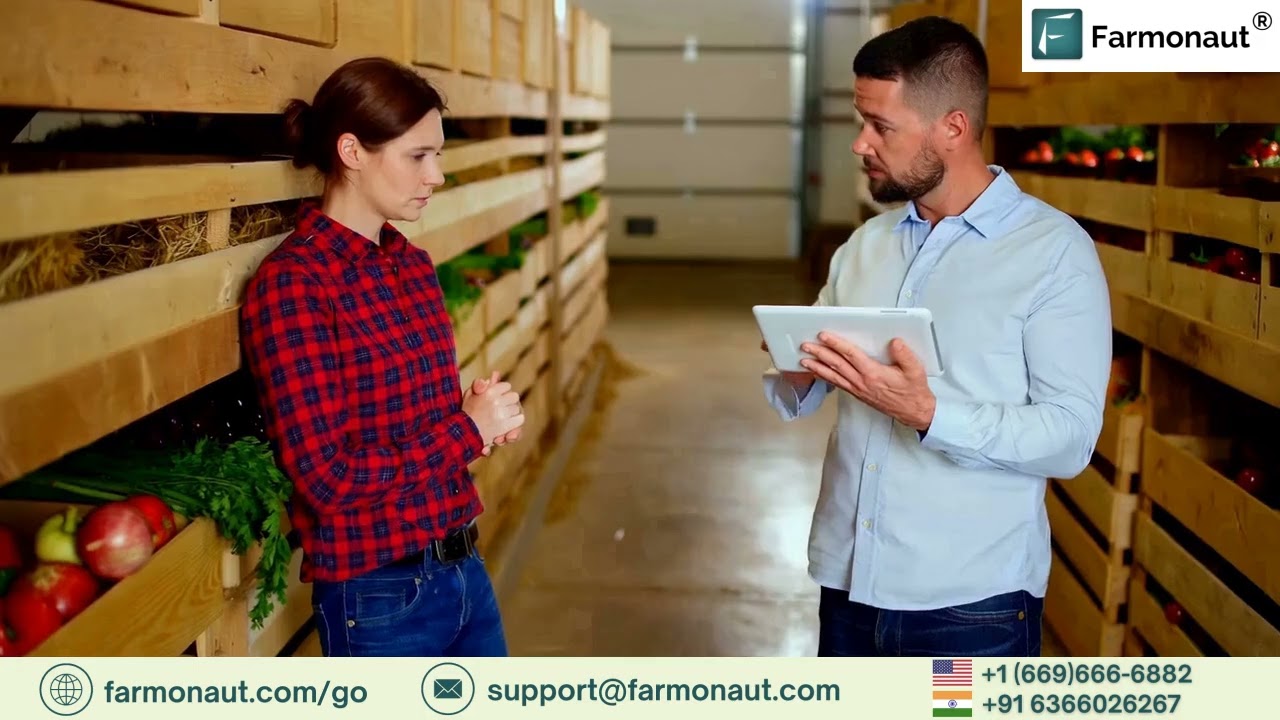
Corn Farming USA & Sheep Farming USA: Diversifying the Organic CSA Model
While many CSAs focus on vegetables, herbs, and fruits, corn farming USA and sheep farming USA offer new ways to diversify and strengthen the CSA farming model.
Corn Farming USA within CSA Programs
In the American Midwest and other fertile regions, corn is ubiquitous. Traditionally geared toward large-scale, commercial production for food, animal feed, and biofuel, corn farms are increasingly seeking sustainable methods such as:
- Crop rotation and diversification
- Reduced chemical inputs
- Adoption of carbon footprinting technology for better environmental monitoring and compliance
These advances align with growing consumer demand for ecologically responsible agriculture. Some smaller corn producers have begun integrating into CSA programs—offering fresh sweet corn as a seasonal treat for members, or collaborating to supply grain for regional food systems.
Sheep Farming USA Enriches CSA Offerings
Did you know there are currently thousands of sheep farms enriching local food systems across Texas, California, and Wyoming? Sheep farming USA is a crucial component of regional agriculture—producing meat (lamb, mutton), wool, and dairy products (like sheep milk and cheese).
Some sheep farmers participate in CSA models by offering ethically raised lamb, specialty wool, and artisan dairy products directly to subscribers. This diversification lets members access high-quality, humanely produced goods they can trust—reinforcing the sustainability and resilience of local agriculture.

“CSA members receive produce up to 65% fresher than conventional retail, promoting healthier, eco-friendly diets nationwide.”
Comparison Table of Key CSA Farming Trends in the USA (2023 vs. 2026 Estimates)
| Trend Name | 2023 Status (Estimated Data) | 2026 Projection (Estimated Data) | Impact on Sustainability | Benefits to Local Communities |
|---|---|---|---|---|
| Local Harvest CSA Growth | ~9,000 CSA farms listed online; 30% with localharvest integration | 12,500+ CSA farms; 50%+ digital platform adoption | Reduces food miles, emissions, and packaging | Stronger local economy, improved food access |
| Organic Produce Membership Increase | 40% CSAs are certified or predominantly organic | Over 60% CSAs organic or transitioning by 2026 | Cleaner water, healthier soils, improved biodiversity | Healthier diets, increased demand for local produce |
| Sustainable Packaging Adoption | 15% use compostable or recyclable packaging | Over 45% shift to eco-friendly, minimal packaging | Less plastic waste, lower landfill burden | Cleaner neighborhoods, sets green standards |
| Direct Farmer-Consumer Engagement | Basic newsletters, farm pickups | Digital apps, blockchain traceability, virtual farm tours | Transparency, food safety compliance | Educational, increased community trust |
| Production & Crop Diversification | Average of 12 crop varieties per CSA farm | Average climbs to 18+ crop varieties including specialty produce | Biodiversity, ecosystem resilience | More food variety, supports dietary health |
| Regional Specialty Product Integration | Focus on staples (vegetables, eggs) | Wider inclusion: corn, lamb, dairy, wool | Preserves local ag heritage, value-added products | Boosts artisanal markets, foodie culture |
| Data-Driven Farm Management | Early-stage use of satellite or app-based tools | Widespread adoption of farm monitoring, AI, and traceability (see fleet management solutions) | Resource efficiency, lower waste, carbon tracking | Lower costs, more reliable harvests, job creation |

7 Powerful CSA & Organic CSA Trends in the United States for 2026
The evolution of CSA farming and organic CSA shapes our agricultural landscape—responding to consumer needs, climate realities, and new technologies. Here are the seven most crucial trends shaping CSA in the USA for 2026:
1. Digitalization of Local Harvest CSA & Member Experience
- Online platforms (like LocalHarvest, and farm-managed websites) make it easy for consumers to find and join CSAs. Digital apps offer real-time pickup reminders, recipe suggestions, and direct communication between farmers and subscribers.
- By 2026, more than half of all CSAs will utilize digital management or mobile app tools for seamless member engagement.

Our Farmonaut apps (Android, iOS, browser) give farmers access to field data, resource tracking, and subscriber communication in one integrated platform.


2. Surging Growth of Organic CSA Farms & Memberships
- Increased consumer awareness about health and sustainability has resulted in more farms shifting to organic production systems.
- By 2026, we estimate over 60% of CSA farms will be wholly or predominantly organic.
- Members receive fresher, chemical-free produce, and farms attract loyal supporters focused on long-term community wellness.
For enhanced transparency in food sourcing, check out blockchain-based traceability, which allows farms to verify organic status and boost consumer trust.
3. Seasonal Crop Diversification & Regionalization
- CSA farming in the United States increasingly emphasizes diversification—not just with popular vegetables but also with local fruits, herbs, corn, and animal products (sheep, dairy, wool).
- Farms tailor their offerings to distinct regional climates and seasonal fluctuations, reducing dependence on external supply chains and boosting biodiversity.
Farmonaut carbon footprinting helps farmers evaluate the environmental benefits of crop diversification and regional production.
4. Technology-Led Transparency & Food Safety
- With AI, satellite monitoring, and blockchain traceability, CSA operations are becoming more transparent. Members can track the journey from farm to table and access sustainability data about their food’s production.
- As an example, product traceability solutions from Farmonaut allow stakeholders to verify and audit every stage of the farming process.
- This fosters greater trust and positions organic CSAs as leaders in food safety compliance.
5. Resilience in Face of Climate & Market Challenges
- CSA farming models strengthen farm resilience by providing upfront funding, promoting crop diversification, and hedging against market volatility.
- Adoption of large-scale farm management tools supports smart planning, resource allocation, and adaptation to unpredictable weather or supply chain disruptions.
- Community engagement also creates a support network, enabling farms to recover more quickly from setbacks.
6. Sustainable Packaging & Distribution Innovations
- By 2026, almost half of all CSA programs in the United States will be using sustainable, compostable, or reusable packaging instead of plastic.
- Reduced single-use plastics not only cuts waste, but improves public perception and eco-credentials of participating farms.
- Farms partner with regional logistics providers for efficient, low-emission delivery—strengthening the “local” value of every CSA box.
Learn how satellite-based fleet management supports sustainable logistics and optimal delivery routes for CSA programs.
7. Integrated Corn & Sheep Farming: Supporting CSA Diversity
- Corn farming USA and sheep farming USA diversification helps stabilize farm incomes while meeting the demand for unique, locally sourced products.
- Corn is now produced with sustainable farming practices, making it a highlight of organic CSA shares in the Midwest and Southern states.
- Ethically raised sheep offer members premium-access to pastured meat, dairy, and wool within seasonal CSA shares.

CSA Farming in 2026: Technology, Sustainability & Community Impact
The momentum of CSA farming—especially with the increasing adoption of organic CSA practices—means the food landscape in the United States will look very different by 2026. Key drivers include:
- Environmental awareness and consumer demand for transparency continue to grow
- Advanced farm management software and digital operations enable more effective CSA program administration, logistics, and direct-to-consumer communication.
- Expansion into previously underrepresented models—including corn and sheep farming within CSAs—broadens the scope of local food and supports economic resilience within rural and peri-urban communities.
With support from initiatives and incentives by the USDA and various non-profits, as well as educational programs and new technologies, newer and smaller farms have reduced barriers to entry into both organic and conventional CSA systems. As this ecosystem matures, it offers scalable, replicable models for worldwide adoption.
How We at Farmonaut Support Resilient and Sustainable CSA Operations
At Farmonaut, our mission is to empower agricultural communities, small and large, with the most advanced satellite technology for monitoring, planning, and managing diverse farm operations—including CSA and organic CSA programs.
- Satellite-based Monitoring & Data-driven Advisory: Our platform uses real-time satellite imagery and AI-powered analytics (see crop plantation/forest advisory) to give farmers actionable insights—improving yields, reducing risk, and supporting sustainable agriculture.
- Blockchain Traceability: Verifying organic status, input use, and harvest timelines is simplified with transparent, immutable blockchain technology (learn more).
- Environmental Impact Tracking: Farmers can monitor carbon emissions and comply with sustainability criteria using our carbon footprinting solutions.
- Resource Management Tools: We provide integrated fleet and logistics management for efficient CSA delivery, route optimization, and lower operating costs.
- Access to Financing: Satellite-based verification helps farms with credit, insurance, and operational security—especially crucial for scaling CSAs or transitioning to organic systems.
We believe that democratizing access to affordable, scalable agricultural technology not only boosts productivity but drives transparent, scientifically grounded, and sustainable CSA operations into the future.
Frequently Asked Questions: CSA & Organic CSA Farming
What is the main difference between CSA farming and traditional grocery shopping?
With CSA farming, members financially support farms at the start of the season and receive regular, seasonal produce directly from the farm. This model reduces food miles, guarantees fresher food, and builds a direct relationship with the producers.
How is organic CSA produce different, and why is it important?
Organic CSA farms avoid synthetic pesticides and fertilizers, focusing on sustainable practices that improve soil health, water quality, biodiversity, and overall nutrient content of crops. Organic CSA empowers consumers to make healthier, environmentally conscious food choices.
Can I find an organic CSA near me—even in urban areas?
Yes! Thanks to online platforms like LocalHarvest and the digitalization of farm operations, it’s never been easier to find and join an organic CSA near you, even in cities and peri-urban locations.
Do CSA shares include animal products like eggs, meat, or dairy?
Many CSA programs offer a variety of products beyond produce, including eggs, meats, dairy, and even wool. Always check the program details or communicate with your local farm about specific options.
How is technology shaping the future of CSA farming in the USA?
Tools like satellite monitoring, AI-driven dashboards, and blockchain-based traceability are making farm management, logistics, and communication more efficient while supporting transparency and regulatory compliance across all types of CSAs.
Conclusion: Nurturing Food Security & Community through Organic CSA
CSA farming and rising organic CSA programs stand as pillars of a more resilient, secure, and sustainable agricultural future for the United States in 2026 and beyond.
- They bridge the gap between consumers and producers—nurturing trust, wellness, and accountability.
- Local harvest CSA models promote environmental stewardship, economic resilience, and social connection—keeping communities healthy and thriving.
- With the support of technology and a national momentum for sustainable choices, CSA operations are set to shape how Americans think about food, farming, and community for generations to come.
As we collectively approach the challenges and opportunities of 2026 and beyond, let’s support our local CSA farms and drive the organic and sustainable food revolution forward.
Ready to take your CSA, farm, or food business into the future? Start using Farmonaut’s digital tools today.
Ready to reshape your farm management practices? Farmonaut’s large-scale farm management tools bring the power of satellite-based insight into your hands.

 Leher
Leher AgroRisk
 Oath Inc
 Reddane Farming
 Esri North East Africa
 Cresol
 Atur Kuliner
 MDCV UK
 Zerella Group
 Etech Consulting Madagascar
 Vestlandsforsking
 Agritein
 Delicio
 WB Dev
 Sama Premium
 Prochecker
 Tres Valles
 LACOS Geoinformation
 Magrifly
 LatConnect 60
 Blickwinkel
 Agricultural Credit Policy Council
