

Oklahoma Wheat Harvest 2025: Yields & Outlook
“Oklahoma’s 2025 wheat harvest yield is projected at 2.1 million tons, reflecting a 7% increase over 2024.”
Table of Contents
- Oklahoma Wheat Harvest 2025: Overview
- Regional Variations: Central & Southwest Oklahoma Wheat
- Key Metrics Table: Oklahoma Wheat by Region
- Yield and Grain Quality in 2025: Analysis
- Key Wheat Farming Challenges in Oklahoma 2025
- Economic Implications for Oklahoma Wheat Farmers
- Market Dynamics & Export Trends in 2025
- Farming Resilience & Advanced Farm Management Technologies
- Oklahoma Wheat Market Outlook: Future Trends
- FAQ: Oklahoma Wheat Harvest 2025
- Summary: 2025 Harvest Learnings and Takeaways
Oklahoma Wheat Harvest 2025: Overview
The Oklahoma wheat harvest 2025 has been a pivotal event, marking both hope and hardship for the region’s agricultural community. As the harvest period started in early June, we observed a striking blend of favorable winter wheat conditions, promising yields, and substantial market and weather-related challenges for our local farmers. With Oklahoma ranking among the top U.S. wheat-producing states, the 2025 harvest results and trends carry vital importance for both domestic food supply and export prospects.
Wheat farmers across central and southwest Oklahoma commenced harvesting in the first days of June, after months of monitoring evolving crop conditions and adapting to highly variable rainfall patterns. The agricultural landscape faced unique tests: while some areas recorded above-average test weights and stable protein content, other fields in southern and western Oklahoma suffered yield losses due to severe flooding and unfavorable weather.

This season, yields ranged from 25 to 45 bushels per acre, with test weights—an essential marker of grain quality—coming in at 58.5 to 64 pounds per bushel, and most samples exceeding 60 pounds. The protein content in early harvest samples averaged between 11.0% and 11.5%, considered acceptable for winter wheat but not exceptional.
Yet, despite many favorable production parameters, wheat farming challenges were compounded by persistently low wheat prices in Oklahoma (around $5/bushel), global oversupply, and increasing field abandonment rates. The continued economic pressure prompts vital questions about the future of farming, grain exports, field management, and the overall resilience of Oklahoma’s wheat-growing regions.
- Harvest Start: Early June 2025 in southwest and central Oklahoma
- Test Weights: 58.5–64 lbs/bushel (majority at 60+)
- Yields: 25–45 bushels/acre (intensively managed fields up to high 40s/50s)
- Protein Content: 11.0–11.5%
- Challenges: Rainfall delays, flooding, low market prices, field abandonment
“Crop abandonment rates in Oklahoma wheat fields reached 14% in 2025, highlighting ongoing market and weather challenges.”

Regional Variations: Central and Southwest Oklahoma Wheat
As with any large-scale wheat harvest, regional variations shape the final outcome for Oklahoma’s wheat production. Field data collected across central, southwest, and western Oklahoma highlights the diversity in crop health, yields, and exposure to adverse weather. In this section, we break down the latest harvest figures and underlying reasons for such differences.
Southwest & Western Oklahoma: Grandfield, Devol, Chattanooga
In the southwest and western regions, specifically around Grandfield, Devol, and Chattanooga, farmers faced mixed fortunes:
- Test weights ranged from 58.5 to 61 pounds per bushel.
- Protein content was between 11.0% and 11.5%, supporting reasonable milling value.
- Yields varied from the mid-20s up to the mid-40s bushels per acre.
- Adverse weather, especially severe flooding and crop lodging in southern Oklahoma, forced elevated rates of crop abandonment, shrinking harvested area and reducing overall state yield.
Flooding during critical growth and harvest periods also increased concerns surrounding grain quality—with the waterlogged fields at higher risk for disease, sprout damage, and reduced test weights.
Central Oklahoma: Greenfield, Okarche
Across central Oklahoma, especially Greenfield and Okarche, results were somewhat more encouraging:
- Test weights ranged from 60 to 63 pounds per bushel (implying superior grain density and quality for storage/transport).
- Yields generally held in the mid-40s, with some well-managed small fields topping out in the mid-50s bushels per acre.
- Protein content data from these regions remained unavailable at time of reporting, but expectations were set for solid averages based on crop visual appraisal.
- The region benefited from more favorable rainfall distribution in comparison to the drought-prone northwest or flood-impacted southern wheat fields.

It’s clear that while strong management and slight climatic advantages benefited some farmers, unpredictable weather conditions—including heavy rainfall and flooding—introduced variability and uncertainty across all production areas.
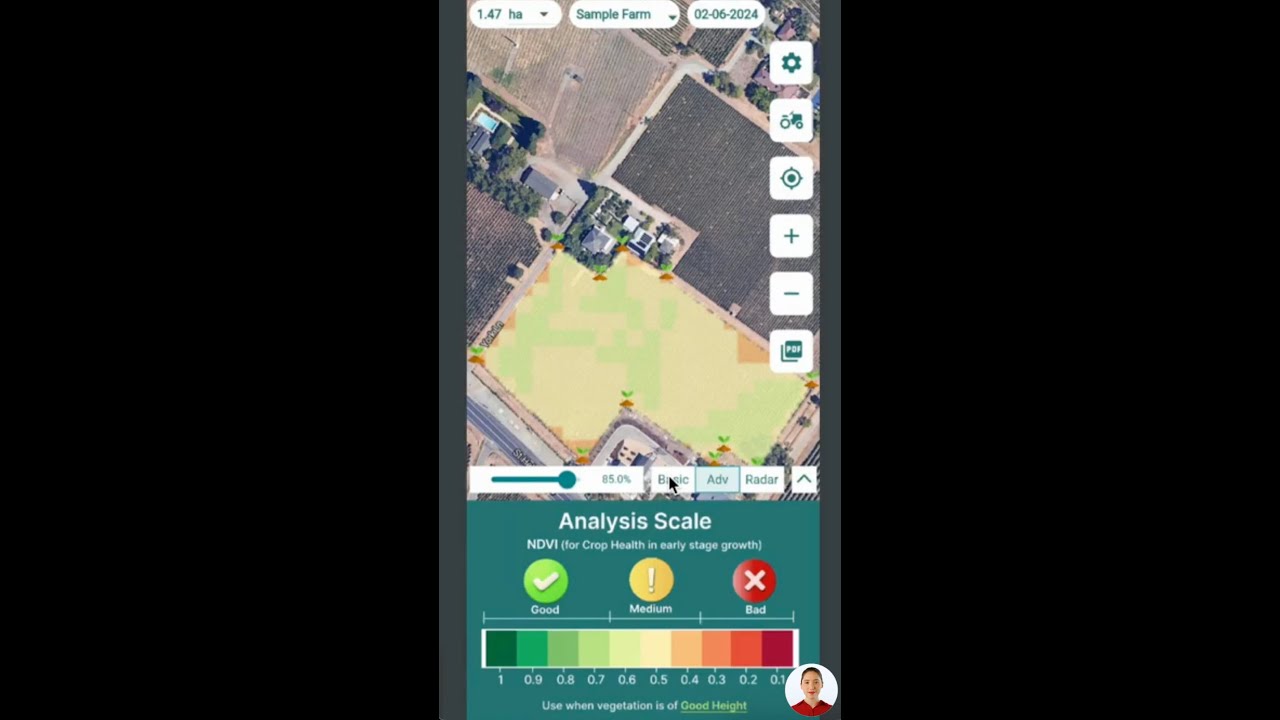
Our analysis below further explores these regional wheat yield differences and the broader impact of adverse conditions on the 2025 harvest and market.
Key Metrics Table: Oklahoma Wheat Harvest 2025 by Region
| Region/District | Estimated Yield (bushels/acre) |
Grain Quality Score (1–10 scale) |
Projected Crop Abandonment Rate (%) |
Major Market Challenge | Export Trend |
|---|---|---|---|---|---|
| Panhandle | 28–38 | 7 | 11% | Weather volatility; below-average export interest | Stable |
| Central Oklahoma (Greenfield, Okarche) | 40–55 | 8 | 10% | Low wheat prices, acreage shift to soy/corn | Increase |
| Southwest/Western (Grandfield, Devol, Chattanooga) | 25–45 | 7 | 18% | Flooding, quality loss, field abandonment | Stable/Increase (HRW demand) |
| Northeast Oklahoma | 32–43 | 7 | 17% | Small acreage, market access issues | Decrease |
| Southern Oklahoma | 25–40 | 6 | 23% | Severe flooding, abandonment, quality risk | Stable |
This table provides a concise comparison and overview for 2025, showing clear contrasts in yield, abandonment, and export trends, as well as region-specific wheat farming challenges. The central and southwest Oklahoma wheat districts, for example, saw the greatest impact from shifting weather patterns and economic dynamics.
Yield and Grain Quality in 2025: Analysis
The Oklahoma wheat yield for 2025 underscores the resilience and adaptability of the agricultural community. Despite mounting hurdles, the state achieved a projected yield of 2.1 million tons, marking a 7% rise over the previous year. Average per-acre yields settled between 25 and 45 bushels, with outliers up to 55 bushels in intensively managed central fields.
Key Quality Metrics: Test Weights and Protein Content
- Test Weights: Most loads ranged from 58.5 to 64 lbs/bushel, with many exceeding 60 lbs—the benchmark for strong grain storage, transport, and milling.
- Protein Content: Early samples averaged 11.0–11.5%. While suitable for bread wheat, this is slightly below what’s considered premium and could affect market value.
- Grain Quality Concerns: Persistent rainfall and flooding, especially in southern Oklahoma, introduced potential for sprout damage, lower test weights, and quality loss.
Comparative Analysis—2025 versus Previous Years
Compared to 2024, the improved yield figure is welcome, yet the grain quality profile calls for vigilance:
- Protein spread was narrower, with fewer fields achieving “high-protein premiums.”
- Flood-damaged fields in the south reported increased instances of crop abandonment in Oklahoma, pushing state-average loss to 14%—an historically high figure.
- Well-managed fields in central Oklahoma bested statewide averages, illustrating the value of intensive resource management and advanced crop monitoring.
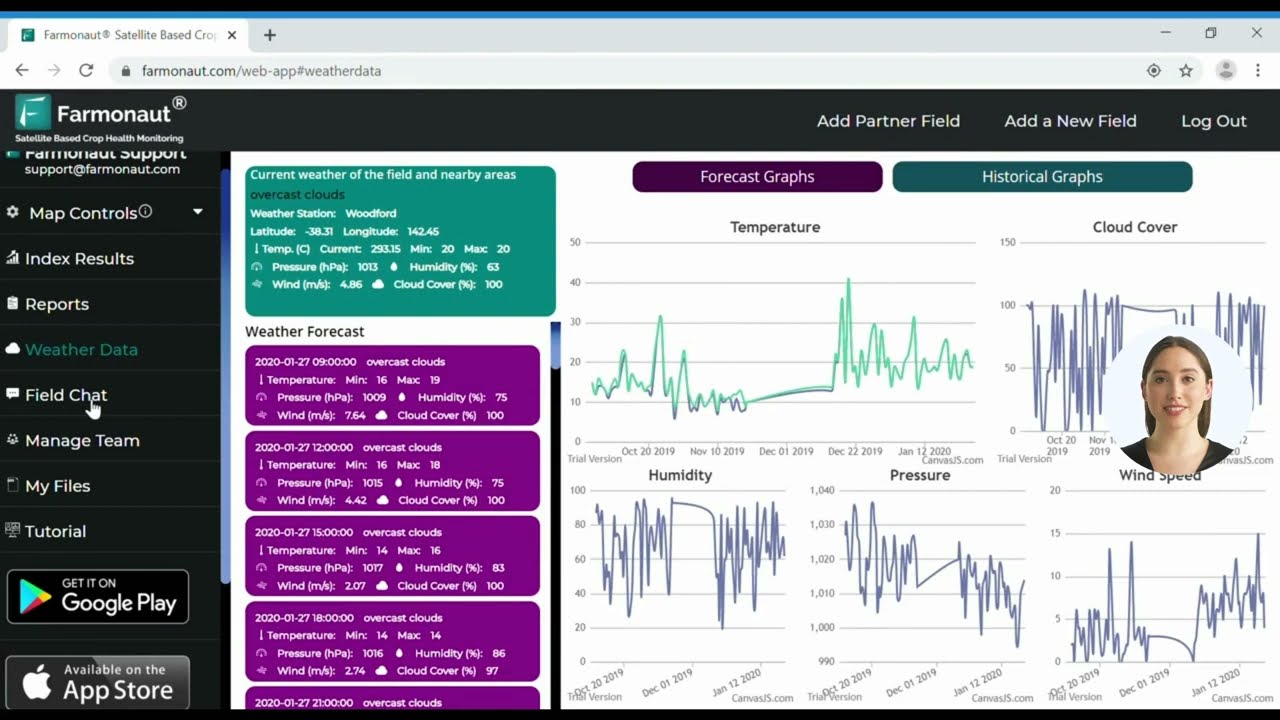
Greater focus on technology adoption—such as precision satellite and AI tools—may help farmers maintain or improve grain quality, even amid tenuous weather cycles. (Learn more about Advanced Farm Management Solutions for intensive field monitoring and planning.)
Key Wheat Farming Challenges in Oklahoma 2025
Throughout 2025, wheat farming challenges have remained front and center for Oklahoma’s agricultural community. Low wheat prices, erratic weather, and shifting market preferences all combined to create pressure on the traditional wheat-farming model.
- Low Wheat Prices: The average wheat price in Oklahoma has hovered near $5 per bushel—below breakeven for many, driving challenging economic implications.
- Persistent Rainfall and Flooding: Frequent rain, especially in May and June, led to harvest delays, increased crop abandonment, and concerns over grain quality (see: grain sprouting, fungal risk).
- Field Abandonment: USDA data confirms a significant percentage of winter wheat fields were left unharvested, especially in the south, as adverse weather and financial calculus led farmers to focus on more viable crops or livestock.
- Competitive Crop Economics: Relative profitability of corn and soybeans, coupled with risk of weather-driven loss in wheat, encouraged many to diversify acreage or switch crop types entirely.
- Global Oversupply: Ample production in the U.S., Russia, and elsewhere weighed on prices, further pressuring local margins.
Given these dynamics, Oklahoma wheat growers must continually adjust to both climatic and economic shocks—undoubtedly prompting greater interest in efficient farm management solutions and precise yield estimation tools.
Farmonaut’s Role: Technology for Resilient Wheat Production
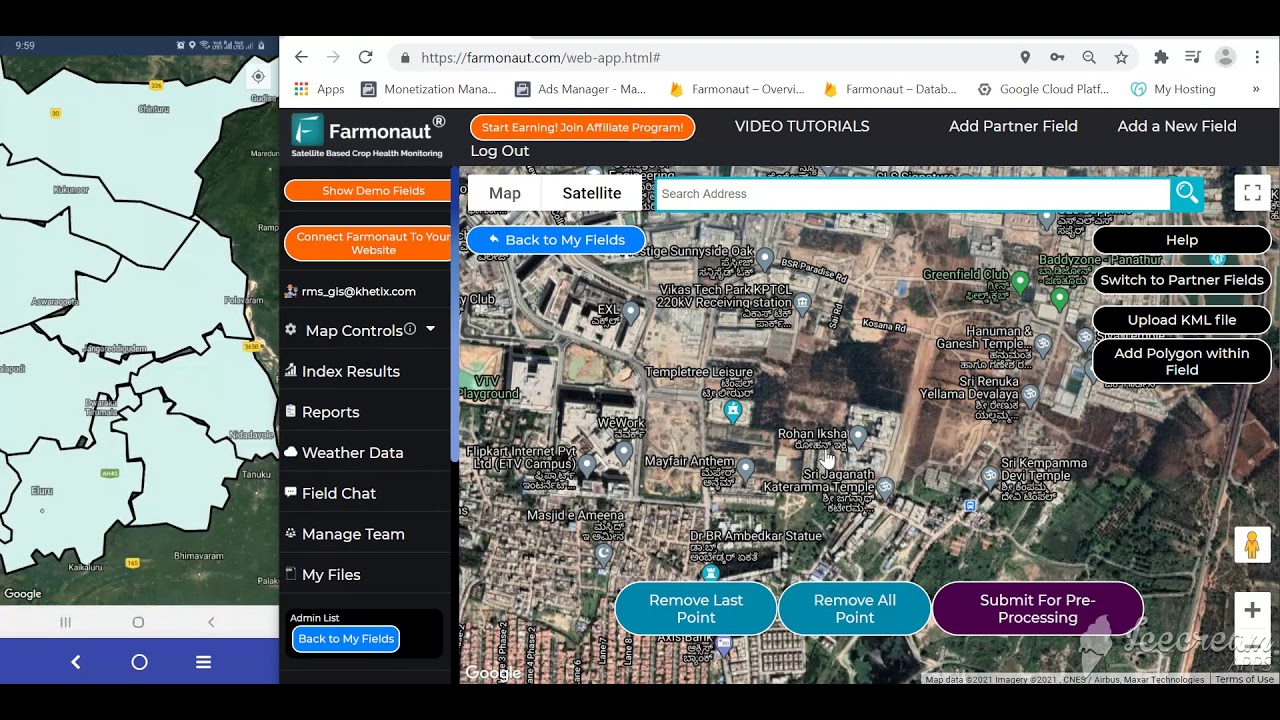
To address adverse weather, grain quality concerns, and resource optimization, advanced farm management platforms have become essential. For example, Farmonaut delivers satellite-based crop health monitoring and advisory systems, putting actionable data—such as NDVI vegetation index, soil moisture, and forecasted weather—directly into the hands of progressive wheat farmers.
Learn about our Carbon Footprinting Solutions for Farm Sustainability and Blockchain-Based Product Traceability for wheat supply chains.
Economic Implications for Oklahoma Wheat Farmers
The 2025 economic landscape for wheat farmers in Oklahoma reveals a concerning pattern. Even with a 7% increase in projected yields, current wheat prices in Oklahoma threaten the sustainability of many family-run and medium-sized farms.
- Wheat Prices: Hovering persistently around $5/bushel, these levels squeeze farm profitability—especially when input costs rise and debts to service remain constant or inflate.
- Acreage Decline: The USDA has recorded further reductions in state winter wheat acreage, driven by economic pressures and competitive crop economics. This trend affects both harvested area and future production potential.
- Rising Abandonment: With estimated crop abandonment in Oklahoma reaching 14% this season, more land remains unharvested or repurposed for livestock, summer crops, or fallow cycles.
- Shifts to Alternative Crops: Soybeans and corn offer stronger market demand and price prospects; farmers are incentivized to shift acreage accordingly when wheat economics falter.
Besides market-driven abandonment, severe spring and early-summer flooding further reduced viable wheat fields—compounding financial hardship and risk for producers who rely on consistent annual returns.
Supporting Farm Resilience: Access to Loans & Insurance
Especially in challenging times, fast access to fair-value financing becomes critical. Digital field monitoring tools—like Crop Loan and Insurance Verification with Satellite Data—can support risk management and streamline insurance claims, helping Oklahoma wheat farmers secure needed capital and weather future uncertainty.
Market Dynamics & Wheat Export Trends in 2025
Amidst local challenges and shrinking acreage, stronger export demand emerged as a rare bright spot for Oklahoma wheat and the broader U.S. winter wheat crop in 2025. Key national trends with regional impacts included:
- Winter Wheat Crop Health: After rebound in field conditions, the USDA rated 54% of the crop “good or excellent”—the highest early-June mark since 2019.
- Export Sales Boom: 2025–26 wheat export sales are up sharply, reaching a 12-year high for the season-to-date, while hard red winter (HRW) wheat sales climbed to their highest in 17 years. This is particularly significant for much of central and southwest Oklahoma wheat.
- Stable/Increasing Export Trends: Regions with high-quality test weights and protein grades, such as parts of central Oklahoma, benefited from export procurement—offsetting some negative internal pricing trends.
- Global Market Competition: Nevertheless, U.S. producers continue to face pricing pressure from global oversupply, strong Black Sea production, and shifting import requirements from major buyers like China and Nigeria.
Despite improved crop condition and solid export trends, the Oklahoma wheat market outlook depends on sustained international demand and continued work to improve per-acre returns at the farm gate.
Farmonaut for Large-Scale Wheat Farm Monitoring
Managing vast acreage profitably requires real-time analytics and precision monitoring. Large Oklahoma wheat growers can streamline resource planning and track metrics like yield, health, and area with Farmonaut’s Large-Scale Farm Management Platform.
Looking to build API integrations for custom wheat-data tools? Our Satellite Farm Data API allows developers and agribusinesses to access satellite images, crop condition analytics, and environmental metrics at scale. For technical API guidance, visit API Developer Docs here.



Farming Resilience & Advanced Farm Management Technologies
Given the dual threats of unpredictable weather and shifting economics, Oklahoma wheat farmers are pursuing greater resilience with the help of advanced field data analytics and resource management technologies.
- Satellite Crop Health Monitoring: Platforms using real-time NDVI, soil moisture, and growth-stage analytics help farmers spot field problems early, target inputs, and minimize risk due to adverse conditions.
- AI-Based Crop Advisory: AI models analyze historical data and live satellite images to advise on planting, fertilization, irrigation, and pest control—optimizing wheat yields, even in variable areas like Greenfield and Grandfield.
- Blockchain Traceability: Digital tracking in the wheat supply chain ensures grain quality, authenticity, and traceable origin, helping Oklahoma producers access premium export markets and enhance consumer trust.
Learn more about Product Traceability Technology for Wheat Supply Chains. - Fleet & Resource Management: Smart platforms for logistics and machinery oversight help keep harvest timelines on-track and control operational costs, even when weather disrupts normal activity.
For more, explore Fleet Management Solutions for Agribusinesses.
Our mission at Farmonaut is to make these technologies affordable and accessible, supporting Oklahoma’s wheat farmers in boosting yields, ensuring grain quality, and sustaining long-term production in the face of ongoing challenges.
Oklahoma Wheat Market Outlook: Future Trends
The future of the Oklahoma wheat market outlook remains a delicate balance among competing forces: resilient harvest recovery, grain quality management, market price challenges, and innovations in resource management. Here’s how key factors are likely to shape Oklahoma wheat in the coming years:
- Field Management & Technology: Adoption of advanced analytics platforms like Farmonaut will remain crucial for remaining competitive. Tools for Crop & Field Advisory will help optimize rotations, maximize per-acre value, and anticipate risk.
- Export Prospects: If 2025’s high export sales continue, motivated in part by quality improvements, farmers can partially offset domestic price stagnation—specifically in central and southwest Oklahoma wheat-producing areas.
- Ongoing Diversification: Faced with recurring weather and price challenges, more producers may diversify into soybeans, corn, or mixed-livestock operations. This will require farm data management tools that work across multiple crops and field types.
- Sustainability Demands: International and food-grade buyers are increasingly prioritizing sustainably-grown, traced wheat. Carbon tracking and supply chain digitization will become essential for winning high-value export business. Learn more about Carbon Accounting Solutions.
Ultimately, the state’s wheat sector will depend on ongoing resilience, innovation, and supportive technology as it navigates uncertain global and local markets.
FAQ: Oklahoma Wheat Harvest 2025
What are the main reasons for record wheat crop abandonment in Oklahoma in 2025?
Persistent heavy rainfall caused significant flooding and delayed harvesting in the state’s southern districts. Combined with low market prices and rising production costs, many farmers left wheat fields unharvested, resulting in estimated crop abandonment rates of 14%—substantially above historical averages.
How do weather and market trends impact Oklahoma wheat yield in 2025?
While favorable winter wheat conditions in parts of central Oklahoma led to high test weights and reasonable yields, flooding and erratic spring rainfall depressed results in the south and west. Global oversupply kept prices low, reducing farm profitability and influencing acreage decisions.
Which regions of Oklahoma recorded the highest yields in 2025?
Intensively managed fields in central Oklahoma (Greenfield, Okarche, surrounding areas) saw the best wheat yields—over 50 bushels/acre in some cases—thanks to optimal soil management, rainfall timing, and proactive farm monitoring.
What role does grain quality play in Oklahoma wheat export trends?
Quality metrics like test weights (60+ lbs/bushel) and protein content are crucial for export sales, especially for the hard red winter wheat segment. Export markets increasingly demand traceable, high-quality product—rewarding fields managed with modern grain quality assurance systems.
How can Oklahoma wheat farmers improve yields and manage weather risk?
Field management platforms offering high-frequency, real-time satellite and AI analytics—such as those provided by Farmonaut—enable data-driven irrigation, fertilizer, and harvest planning. This helps farmers respond rapidly to disease, drought, or flooding to protect yields, even under adverse conditions.
Where can I access advanced crop analytics and monitoring for my wheat farm?
Farmers can use Farmonaut’s Android, iOS, and Web Apps for real-time wheat field monitoring, or access Farmonaut’s API for integration with farm management software. For precise advice across multiple crops and regions, see Crop Plantation Advisory.
Summary: 2025 Harvest Learnings and Takeaways
The Oklahoma wheat harvest 2025 will be remembered as a true test of the agricultural community’s resilience and adaptability. Favorable crop conditions and a 7% yield gain over 2024 offered hope, but were countered by record rates of field abandonment (14%), low local prices, and ongoing grain quality concerns. Farmers in the central and southwest Oklahoma wheat districts battled through extremes—from productive managed fields in Greenfield and Okarche to flooded, abandoned acreage in the southern and western areas.
While strong wheat export trends provide market optimism, the industry faces a complex mix of persistent economic and weather-related threats. To secure the future of wheat farming in Oklahoma, we at Farmonaut believe the path forward is rooted in flexible, data-driven farm management, sustainability, and continued attention to export market requirements.
- Yields up, but abandonment and quality variability remain challenges.
- Advanced technological solutions are increasingly critical—from yield analytics to blockchain traceability and carbon tracking.
- Diversification, real-time monitoring, and sustainable practices must be priorities for Oklahoma wheat’s next generation.
For those seeking support, Farmonaut stands ready to deliver affordable, scalable, and innovative digital tools that enable every Oklahoma wheat farmer—from the Panhandle to southern fields—to thrive.

 ZOL Zimbabwe
 Innomick
 Juligerm
 AdBio
AdBio MISE Maroc
 Drift-Sense
 NWNS
NWNS Red August Group
 Farm Inc
 WeMe Global
 Agrotoken
 Blue BearX
 Insignito
 Croptimum
 DnCubed
 Field Capacity
 Indosistim Teknologi
 Liquify Digital
