

Pecan Tree Fertilizer & Shaker for Sale Guide 2026: Optimizing Pecan Cultivation and Harvesting
“Mechanized pecan tree shakers can increase nut harvest efficiency by up to 40% compared to traditional manual methods.”
Introduction
Pecan tree cultivation—rooted deep in the agricultural tradition of the southern United States and northern Mexico—continues to evolve at pace with global nutritional demand and technological innovation. As of 2026, advances in pecan tree fertilizer strategies, progressive tree selection from certified pecan trees for sale, and mechanized pecan tree shaker systems are transforming pecan orchard management for higher yields, superior nut quality, and sustainability.
More than just a premium nut, pecans (Carya illinoinensis) are now featured in the fast-growing pecan milk sector and various specialty products, further driving innovation in everything from orchard establishment to harvesting practices. In this guide, we systematically explore the most important aspects of modern pecan farming—selection of the right cultivars, targeted fertilization for productivity, and the adoption of mechanized harvesting tools like state-of-the-art pecan tree shakers for sale. We’ll also highlight cutting-edge technology and data-driven management using Farmonaut’s satellite-based agricultural insights.

Selecting Pecan Trees for Sale: Laying the Orchard Foundation
Why Tree Selection Is Crucial in Pecan Farming
The foundation of every productive pecan orchard lies in selecting the right pecan trees for sale. With Carya illinoinensis being highly sensitive to soil type, climate, and local disease pressures, the selection process has a profound impact on yield, nut quality, and sustainability.
- Regional Adaptation: Pecan tree cultivars such as ‘Desirable’, ‘Western Schley’, and new resistant hybrids have been developed by horticultural research for optimal performance across the southern United States and northern Mexico.
- Orchard Goals: Decide if your focus is big nut size, consistent production, improved disease resistance, early nut production, or drought tolerance.
- Certified Nurseries & Genetic Uniformity: Always purchase from certified nurseries providing grafted, genetically selected saplings for uniform early bearing and higher returns.
- Climate & Soil: Select cultivars suited to your specific types of soil (loamy, sandy, well-drained) and climate conditions (humid gulf states vs. arid western regions).
Popular Pecan Tree Cultivars in 2026
Pecan tree cultivars for sale are usually recommended based on their proven track record and recent horticultural improvements:
- Desirable: Large, high-quality nut; early bearing; best for humid southeastern U.S.
- Western Schley: Disease tolerant; performs well in arid Texas, New Mexico, Arizona.
- Pawnee: Fast-growing, early nut producer, medium size nut, strong kernel quality.
- New Hybrids (2025-2026): Engineered for drought tolerance, improved yield consistency, and pest resistance—now widely accessible.
Choosing the right cultivars is crucial to minimizing disease risk, reducing chemical input needs, and enhancing ROI over the orchard’s productive lifespan. Leading nurseries offer advice on selecting cultivars based on local market demand and processing needs—be it for traditional nuts, in-shell retail, or value-added products like pecan milk.
“Optimizing fertilizer choice in 2025 may boost pecan yield by as much as 30% in technologically managed orchards.”
Optimizing Pecan Tree Fertilizer for Maximum Yield
The Science of Pecan Tree Fertilizer in 2025–2026
Proper pecan tree fertilizer application is key to maintaining healthy trees capable of high nut yields, kernel quality, and orchard sustainability. As agriculture becomes more data-driven, targeted fertilization strategies in 2026 are increasingly engineered with both productivity and environmental stewardship in mind.
Critical Nutrient Requirements for Pecan Trees
Pecans primarily require the macronutrients:
- Nitrogen (N): Drives growth; deficiencies lead to poor kernel fill and reduced yield.
- Phosphorus (P): Key for root development and nut set.
- Potassium (K): Vital for nut filling and disease resilience.
Micronutrients such as zinc (crucial for leaf health and nut formation) and boron (important for pollination and nut set) are also essential, especially in alkaline or sandy soils.
Fertilizer Timing and Application: Precision is Vital
- Early Spring: Kickstarts foliage and nut development; first nitrogen application, pre-bud break.
- Post-Harvest (Autumn): Helps replenish depleted reserves in trees for the next season.
Soil and leaf tissue testing are vital to targeted fertilizer application, helping growers meet specific nutrient needs without causing environmental damage or runoff.
Modern Fertilizer Types and Sustainable Practices
2025–2026 sees the rise of:
- Slow-Release & Controlled-Release Fertilizers: Reduces leaching, improving fertilizer use efficiency and plant uptake.
- Organic-Based Formulations: Compost, manure, or biofertilizers support soil biota for better sustainability.
- Foliar Sprays (Zinc, Boron): Direct supplementation for rapid absorption during critical growth stages.
- Custom Blends: Formulated to meet orchard-specific soil and tissue test results.
- Precision Application: Incorporating drones, GPS-guided spreaders, and satellite imagery (NDVI) to optimize timing and reduce waste.

Reducing Environmental Risk:
Proper selection of pecan tree fertilizer not only boosts yields and nut quality but also reduces the risk of leaching, runoff, and resistance development—crucial for sustainability in modern agriculture.

Consider software-driven traceability to document and guarantee safe, targeted fertilization practices for buyers and regulators. Explore blockchain-based traceability for input and product tracking with Farmonaut.
Comparison Table: Pecan Tree Fertilizer Types & Shaker Technologies (2025-2026)
| Fertilizer/Shaker Name | Type/Technology | Est. Cost (USD) | Application Timing (Months) | Efficiency Boost (% Yield Increase) | Nut Quality Improvement (%) | Sustainability Features | Supplier Availability (2025-2026) |
|---|---|---|---|---|---|---|---|
| NutrientPro Max SR | Slow-release granular NPK | $900–$1200/ton | Spring, Autumn | 22–30 | 18–23 | Reduced leaching, higher uptake | National suppliers USA, Mexico |
| BioGreen Pecan Organic | Organic compost blend with biofertilizer | $850–$1300/ton | Pre-flowering, Post-harvest | 14–18 | 15–21 | Soil biota enrichment, non-toxic | Certified organic input stores |
| ZincForce Ultra Spray | Micronutrient foliar; chelated zinc-boron | $6–$9/liter | Bud break, nut fill | 10–16 | 15–20 | Precision foliar, low run-off | Ag suppliers, co-ops (USA/Mexico) |
| Precision Custom Blend 5.3 | Custom N-P-K with micro-dosing | $1,200–$1,400/ton | Variable, data-driven | 25–35 | 20–25 | AI-guided, field-mapped | Major ag service retailers |
| HarvestMaster 2120 | Self-propelled pecan tree shaker | $52,000–$69,000 | Harvest season; Oct–Dec | 35–45 | 18–30 | Low emission, optimal vibration | Pecan farm equipment dealers |
| Treequake Pro Series | Tractor-mounted shaker | $18,000–$27,000 | Harvest season; Oct–Dec | 25–32 | 15–18 | Adjustable pressure, energy-saving | Tractor outlets, co-ops |
| Pecan Jet Shaker V5 | Hydraulic, hand-guided shaker | $8,500–$12,000 | Harvest season | 18–25 | 10–15 | Lightweight, minimal soil impact | Regional machinery dealers |
| EcoShaker 360 | Electric, autonomous shaker | $33,000–$45,000 | Harvest season | 28–33 | 16–19 | Battery-powered, low noise | 2025 release, select suppliers |

Mechanized Harvesting: Modern Pecan Tree Shakers
How Pecan Tree Shaker for Sale Innovations Enhance Harvest
Mechanization is transforming pecan harvesting in 2025–2026: the pecan tree shaker is the centerpiece of this revolution. These machined tools clamp onto the trunk or large limbs and rapidly vibrate, dislodging mature nuts which fall to the orchard floor for collection. They reduce labor costs, minimize damage to bark, and significantly cut harvest time.
- Self-Propelled Models: Ideal for large orchards, offering high speed, operator safety, and advanced vibration control. (e.g., HarvestMaster 2120)
- Tractor-Mounted Shakers: Versatile and popular for medium to large farms; attaches to standard farm vehicles (e.g., Treequake Pro Series)
- Portable Electric Shakers: Lower-cost, energy-efficient solutions for small to medium-sized orchards; great for reducing soil compaction.
Proper use and routine maintenance are key to minimizing tree damage and maximizing both nut quality and orchard longevity. Adjustable clamping pressure and programmable vibration patterns available in 2026 models ensure optimal nut drop and preserve tree health.

Pecan Tree Shaker for Sale: What to Look for in 2026
- Adjustable Settings: For different tree sizes and bark thicknesses
- Operator Comfort & Safety: Ergonomic, low noise, and vibration protection
- Fuel & Energy Use: Choose electric/battery options to boost sustainability credentials
- Compatibility: Ensure fit with existing equipment for cost efficiency
- Supplier Support: Look for reliable parts/service networks expanding across the United States & Mexico
Incorporating harvest mechanization also enables best use of optimal weather windows, reducing nut drop losses and risk associated with late harvests, such as pest or wildlife interference.

Value-Added Product Spotlight: Pecan Milk Market Growth
The market for pecan milk—a plant-based beverage crafted by blending ground pecans and water—is expected to continue its fast expansion into 2026 as demand for dairy alternatives and food products with ecological value surge. Pecan milk is rich in healthy fats, vitamins (notably E, A, B-complex), and antioxidants, positioning it as an appealing choice for markets in the southern United States, Mexico, and beyond.
- Diversification: Encourages more farmers to plant pecan trees, optimize production for specialty products, and capitalize on premium pricing.
- Market Opportunity: Niche products like pecan milk continue to capture plant-based demand from health-focused consumers.
- Traceability: Increasingly, processors seek proof of sustainable and traceable growing conditions—solutions like Farmonaut’s blockchain traceability platform can help orchards meet certification needs for premium markets.
Discover Farmonaut Traceability Solutions for your pecan-based product exports.
The expansion of value-added options like pecan milk not only supports economic resilience for growers but also rewards farms for implementing modern cultivation, targeted fertilization, and mechanized harvesting practices that boost quality, yield, and sustainability.

Modern Farm Management, Technology & Sustainability in the Pecan Industry
Technological advances continue transforming pecan cultivation across the southern United States and parts of Mexico through 2026, driven by:
- Precision Agriculture: In-field sensors, AI-based monitoring, and satellite imagery for real-time evaluation of soil moisture, nutrition, disease, and pest risk.
- Sustainable Inputs: Switch to reduced-chemical fertilizers and organic-based options for maintaining soil health and ecological integrity.
- Yield Optimization: Harnessing data from leaf/sap/soil analysis, weather stations, and prediction tools.
- Blockchain Traceability: Certifying origin and sustainable farming practices for international and domestic buyers.
- Fleet and Resource Management: Technologies such as Farmonaut’s fleet management platform help orchards monitor equipment, fuel, and labor logistics for improved efficiency and reduced overhead.
Satellite-powered platforms also enable compliance with environmental standards and defend claims for agricultural insurance and bank financing using credible data (see: Farmonaut Crop Loan and Insurance Platform).
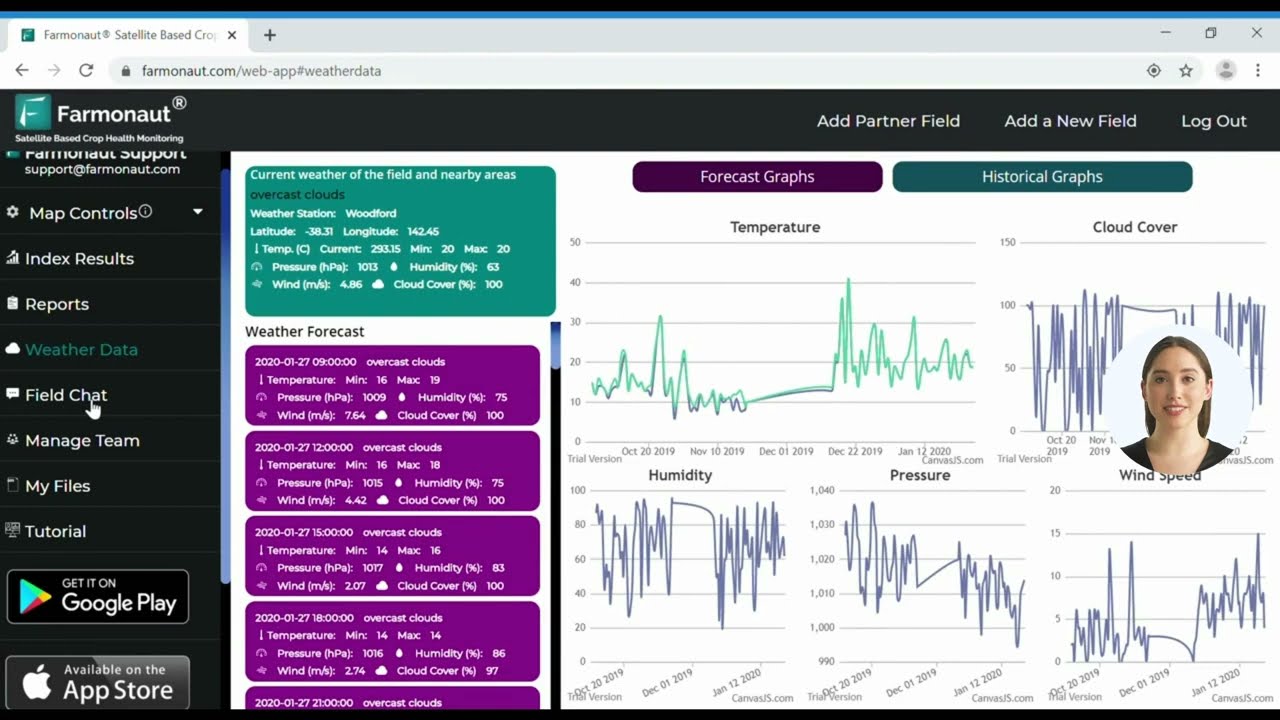
For large-scale operations, platforms like the Farmonaut Large Scale Farm Management Suite centralize production, record keeping, and monitoring—crucial when optimizing multiple orchards or hundreds of planted acres with diverse pecan tree varieties.
This integration of agricultural technology ensures that future pecan farming remains profitable, sustainable, and ahead of market demands in 2026 and beyond.
Satellite & Precision Insights: Farmonaut’s Role
As technology continues to drive transformation in pecan tree cultivation and harvesting, Farmonaut stands at the forefront, providing advanced satellite-based insights and management tools for orchards and agricultural businesses of all sizes.
- Satellite-Based Monitoring: Monitor pecan orchard health, detect stress, assess soil condition and optimize resource application at scale.
- Jeevn AI Advisory: Real-time, AI-powered strategies to maximize nutrient management efficiency, anticipate disease/pest risk, and time fertilization or harvest seamlessly.
- Blockchain Traceability: Supply chain authentication to empower pecan nut & pecan milk products in premium and export markets.
- Environmental Impact: Monitor and document improvements in carbon footprint, helping farmers meet growing ecological and regulatory expectations.
- Flexible Access: Web, Android, iOS apps, and robust API (API access here).
These solutions empower pecan growers, orchard managers, and agribusinesses to maximize yield, minimize loss, and implement data-driven, sustainable practices tailored to evolving global and local markets.



Frequently Asked Questions (FAQ)
Q1: What is the best time of year to plant pecan trees?
Pecan trees are best planted during the dormancy period, typically late November through February, in the southern United States and northern Mexico. This helps roots establish before spring growth.
Q2: How often should pecan tree fertilizer be applied?
Most pecan orchards benefit from split applications in early spring (before bud break) and again after harvest (late fall). Always base applications on soil and leaf tissue test results.
Q3: What are the most important nutrients for pecan trees?
Nitrogen (N), Phosphorus (P), and Potassium (K) are vital for growth, nut fill, and kernel quality. Zinc and Boron are the key micronutrients often needed as targeted foliar sprays.
Q4: How does a pecan tree shaker improve harvesting?
Pecan tree shakers increase harvesting efficiency by up to 40%, releasing mature nuts rapidly, reducing labor costs, and minimizing tree damage compared to manual methods.
Q5: Which pecan varieties are the most popular for sale in 2026?
Desirable, Western Schley, Pawnee, along with newer drought-resistant hybrids, remain the top choices due to proven yields, disease resistance, and market acceptance.
Q6: How can Farmonaut help pecan orchard managers?
Farmonaut offers satellite-based orchard monitoring, AI-driven advisory for nutrient management, blockchain traceability for product authentication, and fleet/resource management tools, accessible via web and app for pecan operations of any scale.
Conclusion: The Future of Pecan Cultivation and Harvesting
As we move into 2026 and beyond, the pecan industry across the southern United States and parts of Mexico stands at the intersection of heritage, innovation, and sustainability. Integrating proven pecan tree selection, targeted fertilizer management, and high-efficiency mechanized harvesting tools—supported by modern platforms like Farmonaut—enables farmers and orchard managers to optimize yield, nut quality, and respond to ever-shifting market demand.
Embracing advanced satellite monitoring, blockchain traceability, and efficient resource management is no longer a luxury, but a competitive necessity for pecan growers seeking to thrive in a global marketplace increasingly focused on ecological value and data-driven verification. With the rise of pecan milk and diverse value-added products, the prospects for sustainable growth in Carya illinoinensis agriculture are brighter than ever.
Whether you are establishing a new orchard, optimizing your fertilizer regime, or investing in the latest pecan tree shaker for sale, integrating technology, sustainability, and market awareness is the surest path to enhanced returns and long-term success in pecan farming.
Farmonaut Subscription Plans
Choose a Farmonaut subscription that matches your needs for maximizing pecan yield, access to real-time monitoring, environmental management, and more.
Discussion
Questions, corrections or field experience? Share them below. First-time comments are reviewed before they appear, and your email is never published.
No comments yet. Be the first to add a question or your experience.

 Concept Global
 Kubota
 FFBS
FFBS Jontra
 Kalustyan
 Tucor
Tucor Geno
Geno Hayleys Agriculture
 Linx Agritech
 Adinet
 Save Your Soils
 Grandstream Algérie
 XOS Realty
 Geospatial Lab Africa
 Agro La Gándara
 HIPSAC
 ZOL Zimbabwe
