

Urban Agriculture NYC: 7 Urban Farming NYC Benefits
Introduction to Urban Agriculture NYC
Urban agriculture NYC sits at the vibrant intersection of city planning, community structure, ecological design, and sustainable innovation. As urban farming NYC continues to rise, New Yorkers are seeing once-vacant lots, schoolyards, and rooftops morph into productive, flourishing ecosystems. These sites, powered by efficient practices, not only increase local food security, but foster social equity, environmental resilience, and neighborhood identity.
From strategic plot selection to maximizing yield with less space, urban farming in NYC emphasizes climate-smart agriculture, soil stewardship, and creative use of compact land. By blending scientific methods—like hydroponics and vertical farming—with community-driven programs and smart water management, nyc urban farming leads the way in sustainable urban transformation.



“NYC’s urban farms produce over 87,000 pounds of fresh food annually, transforming rooftops and vacant lots into green spaces.”
Transforming NYC: Core Urban Farming NYC Practices
Maximizing Yield in Limited Space
Urban agriculture in NYC is a testament to innovation under constraint. With land at a premium, urban farming NYC relies on methods that enable high output from minimal footprints. Key techniques include:
- Raised beds and sheet mulching—which improve soil structure and conserve moisture
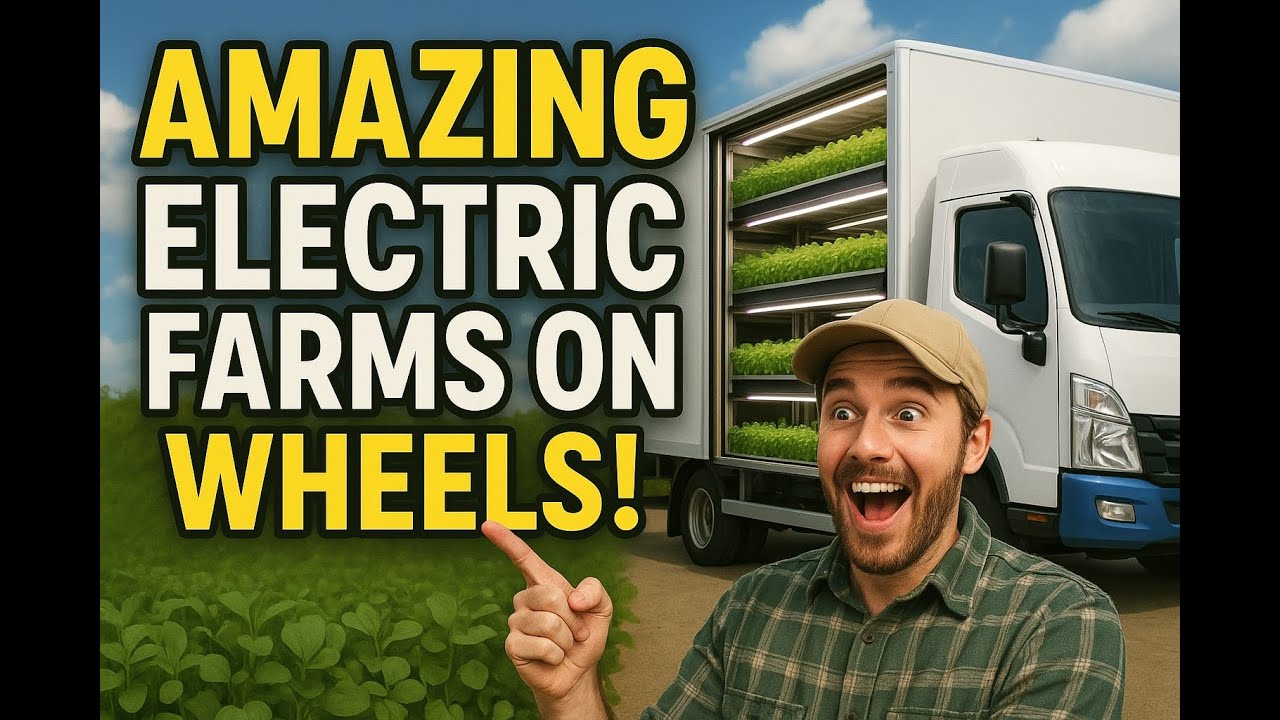
- Vertical farming—using towers, wall planters, or hydroponic racks to multiply growing area
- Hydroponics and aquaponics—water-efficient systems that produce leafy greens, microgreens, and herbs year-round
- Diversified plantings—where root vegetables and seasonal crops intermingle with fruiting varieties for resilience
- Companion planting—to naturally deter pests and maximize available space
Key Practices Table: Efficient NYC Urban Farming Techniques
- 🌱 Raised Beds: Elevate soil quality; ideal for urban soil rehabilitation.
- 💧 Hydroponics: Minimize water use and enable production without traditional soil.
- 🔗 Companion Planting: Manage pests without heavy chemical inputs; create ecological balance.
- 🌉 Rooftop Gardens: Transform underutilized urban spaces into productive food plots.
- 📊 Data-Driven Management: Rely on real-time insights and soil health analytics for precision decisions (Explore Farmonaut’s large scale farm management solution for tailored monitoring and advisory).
These approaches reflect an ecological design focus: every square foot is maximized to grow fresh produce, bolster food security, and reduce carbon output by shortening farm-to-table transit times. Crop selection prioritizes fast-growing, high-value species suited for quick turnover and high yield per square foot.
Sustainable Soil & Water Management
The urban landscape presents unique soil and water challenges. Most nyc urban farming sites start with compacted, low-fertility soils requiring significant remediation. Strategic amendments—combining organic matter, mulch, and tailored mineral nutrients—help rebuild soil structure and boost fertility.
- 🚰 Rainwater harvesting and drip irrigation—Key to minimizing waste and maximizing efficient use of water.
- 🛑 Graywater reuse—Explored within regulatory guidelines to supplement irrigation safely.
- 🍂 Composting—Neighborhood and city programs close nutrient loops, turning organic waste into valuable amendments.
- 🌿 Sheet mulching—Suppresses weeds, retains soil moisture, and adds biodiversity.
- 🌱 Soil health assessments—Guide standards for remediation, phytoremediation, and public safety.

7 Urban Farming NYC Benefits
Explore the cornerstone benefits of urban agriculture NYC: From local food security to environmental resilience, discover how urban farming in NYC is shaping a sustainable future.
- Boosting Local Food Production: Reducing dependency on traditional grocery networks, increasing neighborhood food security
- Strengthening Community Resilience: Creating training grounds, employment, and food access initiatives within underserved neighborhoods
- Improving Environmental Quality: Increasing green cover, lowering heat island effects, and advancing air and water stewardship
- Closing Nutrient and Waste Loops: Recycling urban organic waste into compost
- Conserving Water and Enhancing Soil Health: Innovative management strategies—rainwater harvesting, drip irrigation, and soil amendments—it’s about conserving resources for a healthy urban ecosystem
- Supporting Biodiversity and Ecological Learning: Urban plots improve pollinator habitats and foster ecological education through hands-on programs
- Empowering Local Economies: Providing new livelihoods and strengthening farmers’ markets, CSAs, and value-added processing opportunities for local producers
Benefit Impact Table: Urban Agriculture NYC
| Urban Farming Benefit | Estimated NYC Impact | Brief Description |
|---|---|---|
| Local Food Production | Up to 40% of produce at some rooftop farms consumed locally | Urban farms significantly reduce food miles, boosting freshness and nutrition in city diets. |
| Community Resilience | 20,000+ residents served with training/food access annually | Farms as hubs for workforce development, education, and social equity programs. |
| Environmental Quality | 2–3°F temperature reduction in adjacent buildings | Green roofs and gardens lower urban heat and enhance air quality through increased vegetation. |
| Nutrient Cycling | Over 200 tons of urban compost generated yearly | Reusable urban waste fuels fertilizer, promoting circular economy thinking. |
| Water & Soil Stewardship | Up to 80% water savings with advanced irrigation | Rainwater harvesting and precision irrigation drastically reduce water use. |
| Biodiversity Impact | Habitats for 50+ urban pollinator species | Native plantings and ecological design attract diversity to city centers. |
| Economic Empowerment | Dozens of small producers enabled at NYC farmers markets | On-site processing, CSA, and direct sales keep profits in local communities. |
Community, Learning, and Social Equity
At the intersection of sustainability and social innovation, urban farming NYC supports more than food—it fortifies neighborhood bonds, provides hands-on learning, and advances training for youth and adults alike. Urban agriculture in New York creates vibrant public spaces out of schoolyards and church gardens, and stabilizes communities through:
- 🍏 Food Access Programs: Target food deserts with direct, equitable produce distribution
- 🧑🏫 Educational Workshops: Teach skills in gardening, nutrition, and sustainable management
- 🏻 Training Initiatives: Prepare residents for green jobs in agriculture and environmental stewardship
- 🥕 CSA (Community Supported Agriculture): Foster producer-consumer networks that keep value in the community
- 🤝 Cultural Cohesion: Gardens host festivals, shared meals, and holiday events that strengthen social ties
Visual List: Social & Learning Benefits
- 👩🌾 Empowerment: Skills training for future green economy jobs
- 📚 Education: Youth learning grounded in real-life food growing
- 🏘 Engagement: Community design and shared ecological stewardship
- 🗣 Diversity: Gardens showcase cultural crops and food traditions
- 💬 Dialogue: Learning spaces for policy and environmental advocacy

Technology, Monitoring, and Farmonaut Tools
Modern urban agriculture NYC leverages data and digital technology for smarter farming, resource optimization, and higher compliance with sustainability standards.
- 🎥 Real-time Monitoring: Use low-cost satellite analytics to track soil, water, and plant health (see Farmonaut’s carbon footprinting service)
- 🤖 AI-Based Advisory: Predict pests or plant diseases for early, eco-friendly intervention
- 🛰 Remote Sensing: Multispectral imaging for moisture, stress, or nutrient deficiencies
- 🌐 Blockchain Traceability: Guarantee authenticity and transparency in urban supply chains for local producers (explore Farmonaut’s traceability product)
- 📲 API Integration: Developers can connect to Farmonaut’s satellite and weather API or review developer docs


For organizations seeking streamlined monitoring, we at Farmonaut provide automated field monitoring, environmental impact tracking, and powerful resource management tools—each tailored for city-based or peri-urban food producers wanting to optimize yield and cut losses sustainably.
- 🧩 Modular Platform: Easily scales for home, school, or commercial rooftop farms in dense urban landscapes.
- 📉 Cost-Effective: Satellite-driven insights keep hardware expenses low—perfect for small starts or nonprofit projects.
- 🛡 Regulatory Compliance: Automated quality and safety reporting supports standards at every production level.
- 🔒 Secure Traceability: Blockchain ensures trust for local markets and CSAs seeking authentic certified produce.
- 🌍 Sustainability Monitoring: Carbon tracking for eco-conscious farms (see carbon footprinting for details).
Visual List: Quick Tech Benefits
- 📱 Instant Field Reports
- 🌧 Live Weather Warnings
- 🦠 Early Disease Detection
- 🚛 Smarter Fleet Route Planning (learn more about fleet management)
- 🌾 Custom Crop Advisory

Challenges, Policy, and the Future of Urban Agriculture NYC
Despite its many successes, urban agriculture nyc faces ongoing challenges that test the adaptability and resilience of both producers and policy makers.
- ⚠ Land Tenure: Many urban farming NYC plots are temporary or in transition; permanent land access is key to investment and long-term planning.
- 📑 Policy Limitations: Zoning, health, and safety regulations can delay or complicate new sites.
- 💸 Capital Costs: Infrastructure for irrigation, greenhouses, and hydroponics require upfront investment—but see Farmonaut crop loan/insurance for innovative financing support.
- 🐛 Pest Management: Urban sites must reduce heavy chemical use, relying instead on diversified plantings, beneficial insects, and soil health.
- 🔌 Infrastructure Gaps: Lack of cold storage or processing can limit value chain opportunities for local producers.
Policy innovation is essential. Land trusts, co-farming agreements, and city government pilot programs can stabilize urban agriculture NYC. Compliance with strict health and food safety standards builds public confidence and expands producer reach—see how traceability tools support this.
Looking ahead, as New York continues to densify, urban agriculture nyc’s role will only grow: from combating climate change with carbon sequestration to powering a city-wide shift toward circular, zero-waste economies.

FAQs: Urban Agriculture in NYC
- What types of urban farming systems are most popular in NYC?
Hydroponic and vertical growing systems, rooftop gardens, and raised-bed soil plots are all widely used, each allowing efficient production despite limited space. - How does urban agriculture NYC address food insecurity?
It reduces dependency on distant supply chains by bringing fresh, nutritious produce directly to underserved urban neighborhoods. - Are all urban soils safe for cultivation?
No; many city soils require testing and remediation (often via organic amendments and phytoremediation) before safe production. Raised beds and hydroponics are common alternatives. - How do policies and regulations support NYC urban farming?
Recent zoning changes, temporary use permits, and land trust initiatives are enabling more consistent access to urban land and long-term security for farming operations. - What technology solutions are available for smart urban farming?
Satellite-based monitoring, real-time weather insights, AI-based crop advisories, and blockchain traceability, such as those provided by Farmonaut, are increasingly accessible as apps, APIs, and affordable web tools for NYC urban producers.
Subscribe to Farmonaut’s Satellite Solutions
We at Farmonaut empower NYC’s urban farms and agri-entrepreneurs with scalable, affordable, real-time monitoring and sustainability tools. Our subscriptions are built to serve city growers, community gardens, commercial rooftops, and educational projects with:
- 📊 Crop Health & Soil Maps
- 🌦 Custom Weather & Irrigation Insights
- 🔗 API Integration for seamless system connectivity
- 🚜 Fleet and Resource Management
- 🪴 Environmental Impact & Carbon Tracking
Unlock advanced features, view live demo data, or tailor plans via our user-friendly web and mobile apps:
Developers: For direct API, visit the API page. Full docs are available here.
Conclusion: Greening NYC’s Future
The urban agriculture NYC movement is more than a passing trend—it’s a city-wide paradigm shift, blending sustainable practices with technological innovation. Every rooftop, vacant lot, or rehabilitated schoolyard under cultivation is a testament to NYC’s adaptability and forward-thinking spirit.
As urban farming in NYC continues to grow, the city gains secure food sources, healthier communities, greener neighborhoods, and a cleaner, more resilient environment. Embracing efficient management, water and soil stewardship, and sustainable business models, NYC demonstrates that even the densest cityscapes can become models of ecological abundance and social inclusion.
- ✔ Efficient Space Use: Vertical farming, hydroponics, and raised beds redefine what’s possible in compact NYC plots.
- 📊 Data-Driven Sustainability: Satellite and AI-powered advisory propels farming into the 21st century.
- ⚠ Challenges Remain: Innovative policy and creative financing are crucial for growth.
- 🌎 Environmental Impact: City air is cleaner, temps are lower, and biodiversity thrives through green corridors and urban work-forests.
- 🤝 Community First: Social equity is no longer an afterthought but central to every garden, market, and training program.
By nurturing the intersection of social justice, environmental resilience, and technological innovation, NYC urban farming provides a blueprint for sustainable cities worldwide.

 Godrej Agrovet
 Hayleys Agriculture
 Linx Agritech
 Adinet
 Save Your Soils
 GalaxEye Space
 Grandstream Algérie
 XOS Realty
 Geospatial Lab Africa
 Agro La Gándara
 HIPSAC
 ZOL Zimbabwe
 Juligerm
 AdBio
AdBio MISE Maroc
 NWNS
NWNS Red August Group
 Farm Inc
 WeMe Global
 Agrotoken
 Blue BearX
 Insignito
 DnCubed
 Indosistim Teknologi
 Liquify Digital
 CU Foods
 BeyondTech Global
 Rouge VC
 AgroRisk
 Oath Inc
 Esri North East Africa
 MDCV UK
 Etech Consulting Madagascar
 Vestlandsforsking
 WB Dev
 Sama Premium
 Tres Valles
 Blickwinkel
 Agricultural Credit Policy Council
 eKGIS
eKGIS Mostas Tech
 Andex
Andex Deluxe Conseil
 WICO
WICO Chimera Innovation
 SkyHarvest
 Teledarbas
 Exurbia Geospatial
 FieldZero
