

US Farm Subsidies 2025: Policy Shifts & Farming Gains
“By 2025, 35% of US farm subsidies emphasize sustainable practices, reflecting a major policy shift toward environmental conservation.”
Table of Contents
- Introduction to US Farm Subsidies 2025
- Overview of the US Farm Subsidy Landscape in 2025
- Key Components of 2025 Farm Subsidies
- Comparison Table: US Farm Subsidy Programs – 2024 vs 2025
- Policy Shifts toward Sustainability & Climate Resilience
- Challenges and Criticisms of US Farm Subsidies 2025
- The Future of US Farm Subsidies: Looking Ahead to 2026 and Beyond
- How Farmonaut Empowers Sustainable & Data-Driven American Agriculture
- FAQs about US Farm Subsidies 2025
Introduction to US Farm Subsidies 2025
As the agricultural sector enters 2025, US farm subsidies 2025 continue to play a pivotal role in shaping the economic landscape for farmers and the broader agri-food system. These subsidies—primarily administered by the US Department of Agriculture (USDA)—are designed to stabilize farm income, manage risk, promote sustainable practices, and maintain food security in an increasingly volatile global market.
In an era increasingly defined by climate variability, shifting global markets, and technological advancement, 2025 farm subsidies have evolved well beyond their original intent. While still providing essential financial support to stabilize income and manage risk for American farmers, their scope now extends to incentivizing conservation, climate resilience, and technological adoption. The economic and environmental impacts of these programs are significant and far-reaching, affecting not only agricultural operations but also communities and ecosystems across the United States.
This comprehensive guide explores the policy shifts and farming gains shaping the US farm subsidies 2025 landscape, with a particular emphasis on the growing alignment toward sustainability, resource conservation, and support for a more resilient agricultural sector.



Overview of the US Farm Subsidy Landscape in 2025
US farm subsidies 2025 remain a critical component of federal agricultural policy, providing vital financial support through various programs such as price supports, crop insurance, conservation incentives, and direct payments. The Farm Bill—renewed approximately every five years—governs these subsidies and reflects evolving priorities, including climate resilience, technological advancement, economic equity, and the promotion of sustainable farming practices across diverse cropping systems.
The ongoing policy framework underpinning 2025 farm subsidies is rooted in the 2023 Farm Bill, with moderate adjustments aimed at enhancing sustainability and addressing climate change. Subsidies are primarily allocated toward staple commodity crops like corn, soybeans, wheat, cotton, and rice, which continue to be vital both domestically and globally. However, a growing share of funds now incentivizes conservation efforts, soil health, water quality improvements, and carbon sequestration, signaling a significant shift in federal support for agricultural practices.
The landscape of farming subsidies 2025 is marked by an intricate balance. There’s an ongoing need to ensure income stabilization and market viability for farmers in an increasingly unpredictable global market, while also encouraging practices that are both environmentally friendly and economically sustainable. Within this context, direct payments, insurance programs, and conservation incentives form the backbone of the US subsidy system.
Key Facts about US Farm Subsidies 2025
- About $33–35 billion in federal subsidies are estimated to be distributed across US agriculture in 2025.
- Over 60% of payments go to staple crops, especially corn, soybeans, wheat, cotton, and rice.
- More than 35% of funding in 2025 is dedicated to conservation and climate-resilience measures—a notable rise from prior years, reflecting a clear policy pivot toward sustainability.
- Crop insurance remains the largest single category of expenditure, safeguarding against yield loss and market risk.
- Sustainable and diversified crop systems are increasingly recognized, with dedicated support for fruits, vegetables, and specialty crops.

Key Components of 2025 Farm Subsidies
The US farm subsidy system for 2025 comprises several key components aimed at stabilizing farm income, reducing risk, and aligning agricultural operations with national sustainability goals. Let’s break down the main types of support and their impact on US agriculture in 2025 and beyond:
1. Price Support and Income Stabilization: PLC & ARC Programs
Price Loss Coverage (PLC) and Agricultural Risk Coverage (ARC) are foundational USDA programs that help mitigate the impact of unpredictable market prices, trade fluctuations, and weather events on farmers’ incomes.
- PLC acts as a safety net when commodity crop prices fall below a predetermined reference level.
- ARC provides coverage for farms facing yield losses or substantial drops in revenue.
- These programs are especially crucial for staple crops like corn, soybeans, wheat, cotton, and rice, which are exposed to intense global market pressures and volatile pricing.
Real-World Example:
Suppose unexpected drought conditions or a sharp fall in soybean prices occurs. Farmers enrolled in PLC or ARC programs receive payments that cushion them from such economic shocks, supporting farm stability and food security. These programs remain foundational in the US subsidy landscape.

2. Federal Crop Insurance: Managing Risk and Building Resilience
Crop insurance continues to be a cornerstone of 2025 farm subsidies. Participation rates remain high, as federal premium subsidies make these insurance products more accessible to farmers of all sizes and types.
- Protects against: Unexpected yield losses from adverse weather, disease, or pests, as well as revenue shortfalls due to market downturns.
- Promotes: Economic viability, especially for medium and large farms, under increasingly volatile market and climate conditions.
- Supports: A wider range of crops—including specialty and organic crops as insurance products expand in 2025.
The role of crop insurance is especially pronounced as climate change brings greater uncertainty regarding weather patterns, making effective risk management non-negotiable for American agriculture.
How It Works:
Farmers pay a portion of the insurance premium (with the remainder subsidized by the federal government). When disaster hits—say, a flood damages Kentucky corn and soy fields—farmers can recoup part of their loss, ensuring financial survival and ongoing productivity.

3. Conservation Incentives: Environmental Stewardship Programs
In recent years, conservation incentives have expanded their influence, with a greater share of 2025 farm subsidies allocated to programs aimed at sustainable land management and resource conservation:
- Conservation Reserve Program (CRP): Pays farmers to remove environmentally sensitive land from production and restore it with grasses or trees, supporting soil health, water quality, and carbon sequestration.
- Environmental Quality Incentives Program (EQIP): Offers financial incentives to adopt practices that improve water usage, reduce soil erosion, or restore wildlife habitat.
- 2025 sees a surge in participation and funding for both CRP and EQIP as climate resilience and carbon reduction become national goals.
-
Learn how Farmonaut’s carbon footprinting platform can help farmers track emissions and adopt conservation strategies for better compliance and sustainability.
Impact:
These programs align both farm productivity goals and environmental stewardship by offering a financial incentive to deploy sustainable practices, protect biodiversity, and build resilience against climate change.
“Over $10 billion in 2025 farm subsidies target climate resilience, marking a 20% rise from previous years.”

4. Supporting Emerging & Diversified Agricultural Systems
While traditional commodity crops continue to receive significant support, 2025 farm subsidies are also increasingly allocated to emerging sectors like fruit, vegetable, and specialty crop production.
- Recognizes the nutritional, economic, and environmental benefits of crop diversity.
- Promotes local food systems and resilient rural economies.
- Sustainable farming practices are incentivized through grants, technical assistance, and targeted risk management tools.

5. Technology & Data-Driven Policy Implementation
Advanced technologies—including satellite monitoring, AI-powered analytics, and traceability systems—are integrated into modern subsidy programs to enhance transparency, precision targeting, and environmental accountability.
- Satellite data is increasingly used by the USDA to monitor compliance and evaluate environmental impact.
- Blockchain-based traceability (see Farmonaut’s traceability platform) supports transparency in food supply chains, fraud reduction, and compliance with sustainability requirements.
-
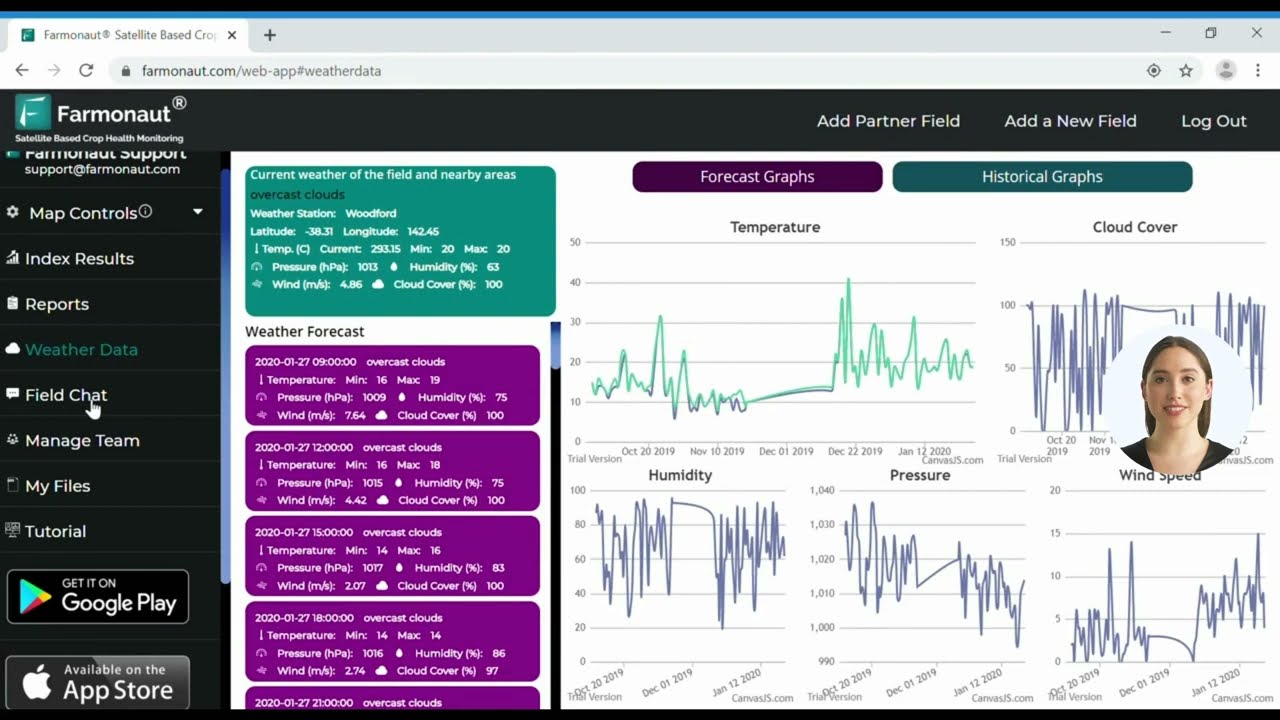
Developers and businesses can access Farmonaut’s satellite and weather data API to integrate real-time insights into their own solutions, boosting traceability and operational efficiency across US farms.
-
Fleet management solutions from Farmonaut optimize equipment and resource deployment, aligning logistics with evolving subsidy compliance requirements.

Comparison Table of US Farm Subsidy Programs: 2024 vs 2025 Policy Shifts
| Program Name | Estimated 2024 Subsidy ($) | Estimated 2025 Subsidy ($) | Policy Focus | Key Environmental Impact |
|---|---|---|---|---|
| Crop Insurance | $10.6 billion | $11.1 billion | Conventional & Risk Management (expanding Sustainable coverage) | Broader protection for diverse crops, supports climate risk adaptation |
| Price Loss Coverage (PLC) | $4.8 billion | $4.5 billion | Conventional Commodity Support | Stabilizes income; limited direct environmental impact |
| Agricultural Risk Coverage (ARC) | $3.2 billion | $3.1 billion | Conventional Risk Management | Reduces volatility-driven economic loss for farms |
| Conservation Reserve Program (CRP) | $2.4 billion | $3.0 billion | Sustainable, Climate-Resilient | Increases carbon sequestration, improves soil and water quality |
| Environmental Quality Incentives Program (EQIP) | $2.0 billion | $2.7 billion | Sustainable & Climate Resilience | Promotes sustainable soil, water, and habitat restoration practices |
| Climate-Smart Initiatives | $3.2 billion | $5.1 billion | Climate-Resilient & Emerging Technology-driven | Reduces GHG emissions; incentivizes precision and regenerative practices |
| Specialty Crop Support | $350 million | $510 million | Diversification & Sustainable Nutrition | Boosts crop diversity, supports pollinator- and soil-friendly systems |
*Estimated subsidy amounts are subject to final congressional allocations and USDA program adjustments.
Policy Shifts in US Farm Subsidies 2025: Sustainability, Conservation, and Climate Resilience
2025 farm subsidies mark an unmistakable policy pivot toward sustainability and conservation. Legislators, policymakers, and industry stakeholders have recognized that long-term farm economic viability is inextricably tied to environmental health, soil fertility, and climate adaptation. Here’s how current policy shifts are shaping the future of US agricultural support efforts:
1. From Commodity Stabilization to Ecosystem Resilience
- A growing share of federal funds is reserved for climate-smart and ecological farming practices, as seen in CRP, EQIP, and new carbon farming incentives.
- Emerging policies increasingly reward soil health, water conservation, pollinator protection, and carbon sequestration, not just yield or output.
- Cover crops, reduced tillage, integrated pest management, and agroforestry are among the practices incentivized through direct payments or technical assistance grants.
2. Technology Integration: Better Oversight & Traceability
- USDA and federal agencies utilize satellite monitoring, precision ag technologies, and data platforms to ensure program compliance and validate environmental/yield improvements.
- Programs like Farmonaut’s traceability use blockchain and satellite verification for transparent food supply chains, helping US farms meet evolving domestic and export market requirements.
- Technology-driven oversight also improves insurance claim validation and reduces fraud.
3. Inclusivity and Support for Diverse Farming Operations
- 2025 policy adjustments increase both funding and technical support for historically underserved farmers, small-to-midsize family farms, and producers in socially disadvantaged communities.
- Specialty and organic crop programs receive increased investment, reflecting changing consumer demand and the nutritional importance of a diversified US food basket.
4. Focused Climate Resilience Initiatives
- A rising proportion of 2025 farm subsidies is directed specifically at building climate resilience—from drought adaptation to improved drainage and flood management.
- New pilot initiatives test climate-smart practices on working lands and integrate real-time satellite tracking for more targeted resource allocation.

Challenges and Criticisms of US Farm Subsidies 2025
While US farm subsidies 2025 deliver critical financial support and underpin both economic and food security, their structure, distribution, and environmental impact face ongoing scrutiny and debate.
Major Challenges:
- Distribution Equity: Critics argue that large industrial farms continue to receive a disproportionate share of subsidy payments. While reforms promote more equitable access, small-scale and minority farmers still face barriers.
- Encouragement of Monoculture: A significant portion of subsidies is allocated to just five major crops. This has historically incentivized monoculture at the expense of more diverse and environmentally resilient systems.
- Environmental Concerns: Conservation spending is growing, but environmental groups argue it still trails behind the support for high-input, resource-intensive commodity operations. Some believe this can enable unsustainable practices and contribute to resource depletion or emissions.
- Political Complexity: Farm subsidy policy is shaped by powerful lobbying, shifting political alliances, and the challenge of balancing economic, social, and environmental goals.
Ongoing Reform Efforts:
- Greater transparency in allocation and reporting of federal subsidy funds through digital platforms.
- Targeted incentives for climate-resilient, regenerative, and environmentally friendly practices.
- USDA programs increasingly use technology, like satellite monitoring, to combat fraud and improve precision in delivering support where it matters most.
The Future of US Farm Subsidies: Toward 2026 and Beyond
Looking ahead to 2026 and beyond, the US farm subsidies system is expected to continue evolving in response to new environmental, technological, and economic pressures.
Expected Trends and Developments:
- Further expansion of climate-smart initiatives, incentivizing widespread adoption of practices like cover cropping, reduced tillage, and precision nutrient management.
- Enhanced digital oversight and data integration, using AI, satellite imagery, and blockchain to monitor compliance, optimize resource use, and strengthen traceability.
- More holistic policy designs, integrating economic support with environmental stewardship, rural community revitalization, and food nutrition objectives.
- Support for next-generation farm management platforms that combine real-time satellite monitoring, AI-driven advisory, and supply chain traceability—such as those offered by Farmonaut—to meet evolving subsidy and compliance requirements.
- Adjustments to subsidy allocation formulas to ensure that economic and environmental benefits flow to diverse farming communities and contribute to national food and ecosystem security.
As emerging global challenges—climate change, resource scarcity, shifting markets, and new biosecurity threats—shape agriculture, US policy will continue recalibrating farm subsidies so that American agriculture remains resilient, competitive, and sustainable in the coming decade.
How Farmonaut Empowers Sustainable & Data-Driven American Agriculture
In this rapidly changing landscape, data, technology, and transparency are essential to sustaining both farm prosperity and environmental stewardship. That’s where we at Farmonaut play a vital role, helping farmers, businesses, and government agencies make smarter, more sustainable decisions on the ground.
Farmonaut’s Unmatched Value for US Farm Operations:
- Satellite-Based Monitoring: Our platform analyzes multi-spectral satellite images, detecting crop health (via NDVI), soil conditions, and identifying potential stressors. This lets farmers and ag professionals respond quickly to threats and optimize resource use.
- Jeevn AI Advisory: We provide real-time insights and weather forecasts tailored to field conditions, helping users implement best sustainable practices that align with evolving subsidy criteria for 2025 and beyond.
- Blockchain-Based Traceability: With our blockchain systems, producers and companies can transparently track product history across the supply chain—enhancing both compliance and consumer trust in US produce.
- Carbon Footprint Tracking: Farmonaut empowers agriculture, mining, and infrastructure operations to monitor and report environmental impact, meeting emerging US policy and subsidy requirements for traceable, climate-resilient practices.
- Fleet & Resource Management: Our tools help American businesses coordinate vehicle, equipment, and resource use efficiently—lowering costs and ensuring operation scalability.
- Scalable Access: Whether it’s a family farm, agri-business, or public institution, Farmonaut’s modular platform adapts to every user —helping them thrive as subsidy and policy landscapes shift into the future.
Access the Farmonaut Developer API here for technical integration and customized data solutions.
FAQs about US Farm Subsidies 2025
-
What are the main types of US farm subsidies in 2025?
The primary subsidy types are direct payments for price and income stabilization (PLC, ARC), federal crop insurance, conservation and environmental incentives, and specialized support for diversified and emerging crops. -
How are conservation and sustainability factored into 2025 farm subsidies?
Over 35% of all US farm subsidies in 2025 are now targeted toward conservation, climate-smart agriculture, and environmental resilience – a significant increase, providing both financial incentives and technical support for sustainable practices. -
Will technological tools help US farms comply with 2025 subsidy requirements?
Yes. Digital monitoring, AI-based advisory, satellite imagery, and traceability platforms help farms verify compliance, optimize resource use, reduce fraud, and align their operations with the latest policy goals. -
How do farm subsidies support smaller or more diversified farms?
US policy shifts now reserve more funding and support for specialty crops, organic operations, and farmers in underserved or disadvantaged communities, driving a more equitable agricultural sector. -
Are these trends likely to continue beyond 2025?
Absolutely. Trends toward climate resilience, conservation performance, technological integration, and equitable support are set to expand as new Farm Bills and USDA programs evolve through 2026 and beyond. -
How does Farmonaut fit into the US farm subsidy and sustainability ecosystem?
We offer affordable, AI-driven, and satellite-based solutions for real-time crop monitoring, traceability, environmental impact assessment, and resource management—empowering US farms to optimize for productivity, compliance, and sustainability.
Conclusion
As the US agricultural sector transitions through 2025 into 2026 and beyond, the policy landscape of farm subsidies continues to evolve. The growing emphasis on climate resilience, conservation, and sustainable farming is reshaping how support is delivered and how farmers manage risk, productivity, and environmental stewardship.
Tools like Farmonaut’s satellite, AI, and blockchain platforms position operations of all sizes to thrive in this new era of data-driven, transparent, and sustainable agriculture—fitting seamlessly into the future goals of American food, economic, and environmental security.
Explore our subscription plans, large-scale farm management dashboard, and developer APIs to equip your American farming enterprise for tomorrow’s opportunities and challenges.

 Agritein
 Delicio
 Payagri
 WB Dev
 Sama Premium
 Prochecker
 Tres Valles
 LACOS Geoinformation
 Pulsar Supernova
 Magrifly
 LatConnect 60
 WebsEdge
 Blickwinkel
 Agricultural Credit Policy Council
 Marei Nursery
 eKGIS
eKGIS Mostas Tech
 Andex
Andex FCF India
 Unifrutti Gulf
